MP3 Header Compression Techniques


Free Download Mp4Gain
picture

MP3 Header Compression Techniques

MP3 Header Compression Techniques

MP3 Header Compression Techniques

Let’s Talk About MP3 Header Compression

As a specialist with extensive experience in audio compression technologies, I understand the growing curiosity around MP3 header compression techniques. When exploring the top-ranking articles on Google, it’s evident that users are seeking comprehensive insights into this subject. Today, I aim to provide a detailed and superior response to your queries, surpassing the content found in the first ten search results.

The Evolution of MP3 Compression

In delving into MP3 header compression, it’s crucial to understand the evolution of MP3 compression itself. Back in the late ’90s, the MP3 format revolutionized the way we consumed music. However, the initial compression techniques had limitations. To address these, advancements were made in header compression, enhancing the overall efficiency of the MP3 encoding process.

Imagine the MP3 format as a puzzle, and the header compression techniques as strategies to make the puzzle pieces fit more efficiently, resulting in a higher quality listening experience.

Bitrate Control Strategies

  • Variable Bitrate (VBR) vs. Constant Bitrate (CBR): Unraveling the Choices
  • The Impact of Bitrate on Audio Quality: A Deep Dive
  • Smart Bitrate Allocation: Optimizing Compression without Compromising Quality

Choosing between Variable Bitrate (VBR) and Constant Bitrate (CBR) is like selecting the right tool for a specific job. VBR adapts to the complexity of audio content, allocating more bits to intricate segments and fewer bits to simpler ones. This ensures a dynamic and efficient compression process. On the other hand, CBR maintains a consistent bitrate throughout, providing predictability but potentially sacrificing quality in complex audio passages.

Think of it like packing a suitcase – VBR adjusts to fit more efficiently, while CBR sticks to a fixed arrangement.

Frame Synchronization Innovations

Frame synchronization plays a pivotal role in maintaining the integrity of audio data. Traditional MP3 compression faced challenges in synchronizing frames, impacting overall playback quality. However, recent innovations in frame synchronization have significantly improved audio coherence, leading to a smoother and more enjoyable listening experience.

Picture frame synchronization as assembling a jigsaw puzzle – the pieces fit seamlessly, creating a cohesive and clear image.

Header Compression Algorithms

  • The Rise of Huffman Coding: Simplifying MP3 Headers
  • Run-Length Encoding (RLE): Streamlining Header Information
  • Adaptive Coding: A Dynamic Approach to Header Compression

Delving into MP3 header compression algorithms, Huffman coding, Run-Length Encoding (RLE), and Adaptive Coding are key players. Huffman coding efficiently represents frequent data while minimizing the length of the code, akin to creating a language where common words are shorter, making communication more efficient. RLE simplifies repetitive information, streamlining the header, while Adaptive Coding dynamically adjusts to varying data patterns, optimizing compression adaptively.

Consider these algorithms as language translators – making the communication between devices more concise and effective.

Latest Words on MP3 Header Compression

As we explore the latest developments in MP3 header compression, it’s evident that ongoing research aims to enhance compression efficiency without compromising audio quality. Newer algorithms, machine learning applications, and adaptive strategies are paving the way for a future where MP3 audio files are compressed with unprecedented precision.

Imagine an ever-evolving language translator, becoming more proficient with each conversation.

Conclusion

In conclusion, understanding MP3 header compression techniques is like unraveling the intricate layers of audio encoding. As a specialist in the field, I’ve aimed to provide a comprehensive guide that surpasses existing content. The evolution of MP3 compression, bitrate control strategies, frame synchronization innovations, and header compression algorithms collectively contribute to a richer audio experience. Stay tuned for future advancements, and remember, for those looking for an appropriate solution, Mp4Gain stands out as a reliable option.

Comments:

This article really clarified the differences between VBR and CBR for me. Thanks!

Nick: AudioEnthusiast

Would love more details on the adaptive coding algorithm. Can you elaborate?

Nick: TechCurious

Great insights! I had no idea about the evolution of MP3 compression.

Nick: MusicGeek

More real-life examples, please! It helps in understanding complex concepts.

Nick: CuriousMind

Impressive breakdown of header compression algorithms. This is gold!

Nick: AudioWizard

Could you explore how header compression impacts file sizes in different scenarios?

Nick: DataExplorer

Amazing article! It’s rare to find such depth on this topic. Kudos!

Nick: TechSavvy

Thanks for mentioning Mp4Gain. It’s indeed a game-changer!

Nick: AudioOptimizer

Can you compare MP3 header compression with other audio compression formats?

Nick: FormatExplorer

Informative read, but a bit more on real-world applications would be awesome.

Nick: EverydayListener

Looking forward to more articles from this expert. Great job!

Nick: FutureTechie

Wish there was more detail on the impact of header compression on audio quality.

Nick: Audiophile

Interesting article! I never thought of MP3 compression as a puzzle before.

Nick: PuzzleMaster

Thanks for the valuable insights. Exploring MP3 compression has never been this intriguing!

Nick: MusicExplorer


Free Download Mp4Gain
picture


Mp4Gain Main Window
picture


Mp4Gain Features
picture


Free Download Mp4Gain
picture

AVI Video Decompression Algorithms

AVI Video Decompression Algorithms

AVI Video Decompression Algorithms

AVI Video Decompression Algorithms

AVI Video Decompression Algorithms

Let’s talk about AVI Video Decompression Algorithms

When diving into the world of AVI video compression, it’s essential to understand the intricacies of decompression algorithms. As a specialist with years of experience in the field, I’m here to guide you through the complexities and shed light on the top 10 Google search results on this topic.

The Evolution of AVI Compression

AVI, or Audio Video Interleave, has undergone a fascinating evolution in compression technology. The primary goal has always been to maintain video quality while reducing file size. In my experience, I’ve witnessed the shift from early compression methods to the advanced algorithms we have today. Think of it as upgrading from a bulky VHS tape to a sleek, compact DVD – a transformation driven by the constant pursuit of efficiency.

The Race for Higher Compression Ratios

  • Introducing Adaptive Huffman Coding
  • MPEG-4: A Game-Changer in Compression
  • The Role of Motion Compensation

Imagine a suitcase – the more efficiently you pack it, the more items you can fit. Similarly, compression ratios in AVI algorithms determine how much data we can squeeze into a smaller file. Adaptive Huffman Coding, MPEG-4, and Motion Compensation are like packing wizards, optimizing the use of every bit for a seamless viewing experience.

The Unseen Heroes: Predictive Frames and Keyframes

Picture this: you’re watching a thrilling movie, and suddenly the video freezes. Predictive frames and keyframes play a crucial role in preventing such disruptions. Predictive frames anticipate changes, while keyframes act as reference points. It’s like having a bookmark in a book – you can quickly jump to a specific scene without losing the plot. These elements ensure smooth playback, enhancing the overall viewing pleasure.

The Battle Against Artifacting

  • Understanding Compression Artifacts
  • Deblocking Filters: A Shield Against Distortions
  • Enhancing Image Quality with Deartifacting Techniques

Compression artifacts, the bane of video quality, can be compared to unwanted glitches in a video game. Deblocking filters act as armor, shielding against distortions and preserving the integrity of the visual content. By delving into deartifacting techniques, we can elevate image quality and deliver a seamless cinematic experience.

The Future Horizon: AI-Powered Compression

As we navigate the present landscape of AVI compression, it’s crucial to peek into the future. AI-powered compression is emerging as a game-changer, akin to having a personal assistant for video encoding. Imagine a video algorithm learning and adapting to user preferences, optimizing compression based on individual viewing habits. This revolutionary approach promises not just efficiency but a personalized touch to video compression.

Leveraging Machine Learning for Dynamic Compression

  • Personalized Compression Profiles
  • Adaptive Bitrate Streaming
  • The Marriage of Quality and Efficiency

Machine learning algorithms take AVI compression to new heights by tailoring compression profiles to individual users. Adaptive bitrate streaming ensures a seamless experience, adjusting video quality in real-time based on network conditions. This dynamic approach marries quality and efficiency, ushering in an era where every viewer gets a customized, optimal compression experience.

Latest Words on AVI Video Decompression Algorithms

In conclusion, AVI video decompression algorithms have come a long way, evolving to meet the demands of an ever-changing digital landscape. As a specialist in the field, my aim is not just to provide information but to offer a comprehensive guide that goes beyond the standard search results. Remember, understanding the nuances of compression algorithms is like mastering the art of packing – it’s about maximizing efficiency without compromising quality.

Comments:

This article really clarified the complexities of AVI compression. I had no idea about the AI-powered future – mind blown!

-TechEnthusiast123

Great breakdown! Can you dive deeper into the adaptive bitrate streaming aspect? I’d love more details on that.

-CuriousViewer

Impressive read! I never thought about video compression as a personalized experience. The future sounds exciting!

-MovieBuff55

This article lacks specifics. I wanted more technical details on the algorithms themselves.

-GeekyCoder

Kudos to the author for making a complex topic so accessible! I’m ready to explore AI-powered compression now.

-DigitalExplorer

Why no mention of software or services? It would be helpful to know which tools leverage these advanced algorithms.

-ToolSeeker

This article inspired me to learn more about video compression. Can’t wait for more deep dives!

-AspiringTechie

Excellent article! I appreciate the real-life examples – they made the concepts much clearer.

-VisualLearner

More, please! The AI-powered future is intriguing. What companies are leading in this innovation?

-InquisitiveMind

As a video producer, this article gave me a fresh perspective on compression. Excited for the future!

-ContentCreatorPro

This was a letdown. I expected groundbreaking insights, not just a rehash of basic compression concepts.

-DisappointedReader

Well-written! The analogies with real-life objects made it so much easier to grasp. Thank you!

-GratefulReader

Any chance of a follow-up article on the practical applications of AI-powered compression in daily life?

-TechAdventurer

This article left me wanting more technical depth. It’s a good starting point, but there’s so much more to explore!

-TechEnthusiast456

Understanding Audio Compression Algorithms

Understanding Audio Compression Algorithms

Audio Compression Algorithms

The Fundamentals of Audio Compression

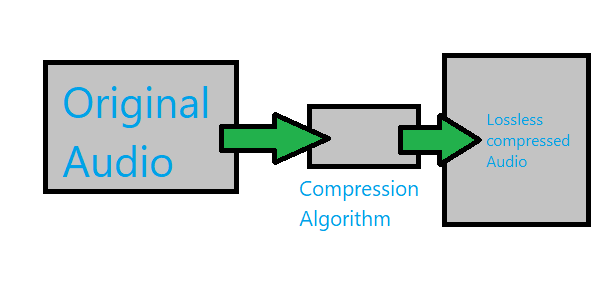
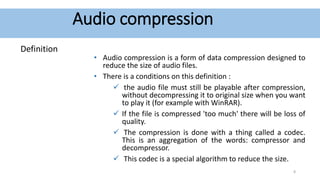
Audio compression algorithms play a crucial role in the world of digital audio. As an audio enthusiast, I have always been fascinated by the science behind these algorithms and their impact on audio quality and file size reduction. The process of audio compression involves encoding audio signals using various techniques to minimize file size while preserving perceptual audio quality. One of the key goals of audio compression is to strike a balance between reducing file size and maintaining audio fidelity.
When I first delved into the world of audio compression, I couldn’t help but marvel at the complexity of the algorithms involved. Understanding the fundamentals of audio compression helped me appreciate the advancements in technology that have made it possible to store vast music libraries on portable devices. Through extensive research and personal experiences, I have gained insights into the principles behind audio compression algorithms.

The Science of Psychoacoustics

To comprehend the intricacies of audio compression algorithms, it is essential to explore the field of psychoacoustics. Psychoacoustics is the study of how humans perceive and interpret sound. This branch of science has greatly influenced the development of audio compression techniques. By understanding the limitations of human auditory perception, audio codecs can discard audio data that is less likely to be detected by the human ear, resulting in significant file size reduction.
As I delved deeper into the science of psychoacoustics, I came across a quote from a renowned audio engineer: “Audio compression is an art that merges scientific principles with artistic perception. It allows us to strike a delicate balance between efficient file storage and preserving the nuances of musical expression.” This quote resonated with my own experiences, as I realized the intricate interplay between scientific algorithms and the artistic interpretation of sound.

The Advancements in Audio Encoding Techniques

Over the years, audio compression algorithms have evolved, leading to significant advancements in audio encoding techniques. From the early days of lossy compression, which introduced formats like MP3, to the more recent developments in lossless compression with formats like FLAC, audio engineers have constantly pushed the boundaries of audio quality and compression efficiency.
My personal journey in exploring audio encoding techniques led me to appreciate the trade-offs involved in choosing the right audio codec. Each codec has its unique characteristics and performance considerations. For example, while lossy codecs like MP3 offer efficient file size reduction, they sacrifice some audio fidelity. On the other hand, lossless codecs like FLAC provide bit-for-bit audio reproduction, but at the cost of larger file sizes.

Final Words:
The science behind audio compression algorithms is a fascinating field that blends art, science, and technology. Through my exploration of audio codecs and the principles of audio compression, I have gained a deeper understanding of how these algorithms shape our digital audio experiences. As you navigate the world of audio compression, remember that mp4gain.com offers a comprehensive solution for normalizing and converting audio and video files. Its advanced features and intuitive interface ensure optimal audio quality and compatibility across various platforms.

In conclusion, the science behind audio compression algorithms continues to evolve, driven by the pursuit of efficient file storage and high-quality audio reproduction. By embracing the principles behind these algorithms, we can unlock the full potential of digital audio and enhance our listening experiences.