Dynamic range compression in MP3 files


Free Download Mp4Gain
picture

Dynamic Range Compression in MP3 Files

Dynamic Range Compression in MP3 Files

Let’s talk about Dynamic Range Compression in MP3 Files

Dynamic range compression (DRC) in MP3 files is a process that can significantly affect the way we hear music. As someone who has worked extensively with audio encoding, I’ve seen how DRC can make audio tracks sound balanced, especially when played on devices with limited dynamic range like smartphones or car stereos. Simply put, DRC reduces the volume difference between the quietest and loudest parts of a track. This is incredibly useful when listening in noisy environments, where subtle details might otherwise get lost. Imagine being at a busy coffee shop and still being able to enjoy every lyric of your favorite song—that’s the magic of dynamic range compression.

How Dynamic Range Compression Works

Dynamic range compression works by attenuating the loudest parts of a track while boosting the quieter sections. It uses a combination of algorithms that analyze the waveform of an audio file and apply changes to ensure a consistent volume level. I often compare it to an automatic dimmer switch for lights—brightening dark areas and toning down overly lit ones, creating a balanced atmosphere.

In MP3 encoding, this process is applied during the compression phase, ensuring that the audio maintains clarity and impact despite the reduced file size. The encoder uses psychoacoustic models to decide which parts of the audio to modify, prioritizing sounds that our ears are most sensitive to. This ensures the compression doesn’t drastically alter the listening experience while still achieving significant data reduction.

Why Dynamic Range Compression Matters

Dynamic range compression is crucial for creating MP3 files that sound good across various playback systems. For example, when I’m mixing a track, I know it will be played on everything from high-end headphones to cheap Bluetooth speakers. Without compression, quieter parts might disappear entirely on less capable devices, while louder sections could cause distortion. This balance is especially important for genres like classical music, where dynamics are a key part of the listening experience.

Additionally, compression helps prevent listener fatigue. Overly dynamic tracks can be exhausting to listen to because of the constant need to adjust the volume. DRC ensures a smoother, more comfortable experience, especially during long playback sessions.

Advantages of Dynamic Range Compression in MP3 Files

  • Improved clarity in noisy environments
  • Better compatibility with a wide range of playback devices
  • Reduced listener fatigue during extended listening
  • Optimized file size without sacrificing perceived quality
  • Enhanced consistency across tracks in a playlist

Challenges and Limitations of Dynamic Range Compression

While dynamic range compression offers numerous benefits, it’s not without drawbacks. Over-compression can lead to a phenomenon called the “loudness war,” where tracks lose their dynamic depth and become overly uniform. I’ve encountered cases where over-compressed tracks sound harsh and unnatural, especially when played on high-quality audio systems that reveal these imperfections.

Another challenge is ensuring that the compression algorithms preserve the artist’s intent. For instance, a song’s dramatic crescendos might lose their impact if compressed too heavily. This balance requires careful tuning of compression settings, which can vary depending on the genre and intended use of the MP3 file.

How Dynamic Range Compression Impacts MP3 File Sizes

One of the lesser-known effects of dynamic range compression is its impact on file sizes. By evening out the audio levels, compression reduces the complexity of the waveform, which can result in slightly smaller files. However, this difference is often negligible compared to the overall compression achieved through MP3 encoding itself. I’ve noticed that the real benefit lies in how compression enhances the perceived quality rather than directly reducing file size.

Applications of Dynamic Range Compression

Dynamic range compression is widely used in various scenarios to enhance the listening experience:

  • Streaming services: Ensures consistent audio levels across different tracks and playlists.
  • Broadcasting: Maintains clarity and intelligibility in radio and television audio.
  • Gaming: Balances sound effects and dialogue for immersive gameplay.
  • Live performances: Prevents sudden spikes in volume that could damage equipment or harm listeners.
  • Mobile devices: Optimizes playback for speakers with limited dynamic range.

How to Adjust Dynamic Range Compression in MP3 Files

If you’re looking to fine-tune dynamic range compression in your MP3 files, there are several tools and techniques available. Personally, I prefer using software with advanced compression settings, allowing precise control over parameters like threshold, ratio, attack, and release times. These settings determine how much compression is applied and how quickly it reacts to changes in volume.

For example, setting a lower threshold compresses more of the audio signal, while a higher ratio applies stronger compression to loud sections. Experimenting with these settings can help you achieve the perfect balance for your specific needs.

Latest Words on Dynamic Range Compression in MP3 Files

Dynamic range compression is an essential aspect of creating MP3 files that sound great in a variety of environments. While it’s not without challenges, its benefits far outweigh the drawbacks when applied thoughtfully. From improving clarity in noisy settings to ensuring compatibility with diverse playback devices, compression plays a crucial role in the modern listening experience. If you’re looking to optimize your audio files, tools like Mp4Gain can help you achieve professional results with ease.

FAQs About Dynamic Range Compression in MP3 Files

What is dynamic range compression?

Dynamic range compression reduces the volume difference between the loudest and quietest parts of an audio track, making it easier to hear in various environments.

Why is dynamic range compression used in MP3 files?

It’s used to enhance clarity, ensure consistent audio levels, and optimize playback for a wide range of devices.

Does dynamic range compression affect file size?

While it can slightly reduce file size by simplifying the audio waveform, the primary benefit is improved perceived quality.

Can I adjust dynamic range compression in existing MP3 files?

Yes, using specialized software, you can adjust compression settings to better suit your needs.

What are the disadvantages of dynamic range compression?

Over-compression can make tracks sound unnatural and lose dynamic depth, especially on high-quality audio systems.

Is dynamic range compression necessary for all MP3 files?

Not always. Its necessity depends on the intended use and playback environment of the audio file.

How does dynamic range compression affect classical music?

While it can improve clarity, excessive compression may reduce the emotional impact of dynamic variations in classical music.

What settings are best for dynamic range compression?

The best settings depend on the genre and intended playback. Experiment with threshold, ratio, attack, and release for optimal results.

How does dynamic range compression affect live recordings?

It helps balance the volume, ensuring a consistent listening experience while preserving the energy of the performance.

Comments:

I’ve always wondered why some MP3s sound better in my car than others. Now it makes sense—thanks for explaining dynamic range compression so clearly!

Great article! But could you go into more detail about how compression settings like attack and release work? That part was a bit confusing.

This was super helpful! I’ve been trying to make my own MP3s, and now I know how to avoid over-compressing them.

I didn’t realize compression could make such a big difference in noisy places. I’m going to experiment with this on my podcast recordings.

Awesome breakdown of a technical topic! I’d love to see more examples of compression in action, maybe with specific genres?

This article explains so much about MP3s that I never knew! Wish I’d read this years ago when I started ripping my CDs.

I think this is a good starting point, but you could expand on how different encoders handle compression. That’s what I’m really curious about.


Free Download Mp4Gain
picture


Mp4Gain Main Window
picture


Mp4Gain Features
picture


Free Download Mp4Gain
picture

Energy Compaction Techniques in MP3

Energy Compaction Techniques in MP3

Energy Compaction Techniques in MP3

Let’s Talk About Energy Compaction Techniques in MP3

Energy compaction techniques are the secret behind MP3’s ability to shrink audio files while preserving quality. When you listen to MP3s, what you might not realize is how much data gets compressed in ways that keep the sound clear and rich. As a specialist in audio encoding, I’ve worked with these techniques and seen how they save file space and bandwidth, making them essential in the world of digital audio. Through my years of experience, I’ve learned that these techniques rely on psychology and sound science to deliver that high quality in smaller file sizes. Let’s dig into how these strategies work and why they’re so effective.

Understanding Energy Compaction in Audio Compression

Energy compaction in audio means capturing the most “energy” or impactful parts of sound, then efficiently storing them. Think of a box you want to pack tightly. The idea is to keep the essential items while ditching things you won’t need. In audio, it’s similar, focusing on the frequencies that impact what we hear. Techniques like psychoacoustics and frequency masking help, concentrating on sounds our brains pick up easily while discarding what we won’t miss. This process is why MP3s retain such quality despite reduced data size.

The Science Behind Psychoacoustic Models

The psychoacoustic model is the backbone of MP3 compression, utilizing how humans perceive sound. I’ve noticed that this model’s core is auditory masking, where certain sounds cover others, allowing us to filter out less noticeable audio details. For example, in a crowded room, a loud voice drowns out quieter conversations. MP3s apply this by omitting audio frequencies masked by louder ones. This trimming down is barely perceptible but makes the file lighter without compromising the listening experience.

Frequency Masking: A Key to Efficient Compression

Frequency masking is a fascinating aspect that mimics how the human ear naturally filters sound. In audio compression, this technique reduces the data of sounds that are “hidden” by others. Imagine two musical notes, one high-pitched and soft, and the other low-pitched and loud. You’re more likely to notice the loud, low-pitched sound, while the softer one fades. MP3 compression leverages this concept to retain sounds that our ears will register while cutting those masked sounds, effectively reducing file size.

Bit Allocation and Its Role in MP3 Compression

Bit allocation is all about efficiency, deciding where to place the “energy” in an audio file. I see this as budgeting – you allocate more bits to essential areas and fewer bits to less noticeable parts. High-energy, dynamic sounds get more bits to ensure clarity, while low-energy areas get fewer. This smart allocation is a big reason MP3 files maintain quality even when compressed. It’s like highlighting the main points in a presentation, so you communicate the essentials without overloading the file.

Transform Coding: Breaking Down Sound Frequencies

Transform coding breaks audio into frequency components, simplifying the compression process. If you’ve ever used packing cubes in a suitcase, you know how they allow you to fit more while keeping things organized. Similarly, transform coding organizes sound into manageable “blocks” or frequencies. This process, usually through the Modified Discrete Cosine Transform (MDCT), rearranges and compacts data, fitting it more neatly and reducing the file size while keeping audio integrity.

The Role of Critical Band Analysis in Energy Compaction

Critical band analysis divides audio into “bands” or sections that our brains process separately. In MP3, it enhances compression by adjusting each band’s clarity. Think of critical bands as different instruments in a band, each with its role in the song. MP3 encoding uses this band separation to focus on parts of sound that we process most. The result? It delivers higher quality where our ears will notice it most, effectively maximizing audio impact while saving data.

Transform-Based Coding and MDCT in Depth

Transform-based coding through MDCT is a powerful compaction tool. It breaks down complex audio into smaller, easily encoded parts, making compression possible without losing clarity. I often think of this as slicing a pie – it’s easier to manage in sections. MP3 uses MDCT because it’s efficient for complex sounds, keeping the file size small without losing the richness. This efficiency is why MP3s perform so well, even for intricate audio like music.

Perceptual Coding: Focusing on Auditory Importance

Perceptual coding aligns with how our minds interpret sound by storing what’s essential and leaving out the rest. When I encode audio, I consider how perceptual coding can reduce unnecessary data. It’s like summarizing an article with only the main points. MP3s use this to keep files light and easy to store. By storing sounds our ears register best, perceptual coding delivers that “full” listening experience we crave.

Analyzing the Harmonic Structure in MP3 Compression

Harmonic structure in audio compression focuses on how sounds layer and interact. When encoding, MP3s maintain harmonics to keep that natural tone. Imagine hearing a piano piece: the melody and harmony intertwine to create that “piano” sound. Harmonic preservation means MP3s keep this intact, ensuring our ears enjoy the full, layered quality, even if data is reduced.

Spectral Compression for Efficient Data Reduction

Spectral compression reduces the bits used on lower-priority frequencies, focusing energy on what’s essential. This method is especially handy for music or sound with consistent tones. It’s similar to focusing a flashlight beam on a specific spot, illuminating it while dimming the rest. By emphasizing critical frequencies, MP3 compression keeps the audio’s richness intact, ensuring you don’t miss out on the sound’s fullness.

Handling Compression Artifacts in MP3

Compression artifacts can impact MP3 quality if not managed. When compressing audio, you might get “blurring” or “ringing” sounds. These occur if we go too far with reduction. Through trial and error, I’ve learned how to avoid these issues, balancing data reduction with sound quality. Techniques like noise shaping help smooth over these artifacts, keeping the listening experience pleasant.

Using Auditory Masking in MP3 Encoding

Auditory masking is an ingenious trick that capitalizes on how our brains ignore certain sounds. In MP3, we use masking to drop frequencies that softer sounds would cover. For instance, in a busy city, we focus on a friend’s voice, tuning out car engines and chatter. MP3s do this by saving on data for sounds that we wouldn’t consciously perceive, giving us high quality without the extra bits.

Bit Rate Reduction Without Quality Loss

Bit rate reduction aims to minimize data without compromising sound. It’s like trimming the fat off a steak: you keep the flavor but lose what’s unnecessary. MP3s apply this by reducing bits used on lower-priority sounds. Over the years, I’ve learned that careful tuning during compression ensures we retain sound depth and fidelity, even with a lower bit rate.

The Importance of Spectral Band Replication

Spectral band replication (SBR) helps MP3s reproduce high frequencies efficiently. Picture adjusting an equalizer to enhance treble – SBR does this, adding detail to compressed files. It’s particularly useful in improving quality for lower-bitrate files, giving us that crispness in sound that’s often missed. This technique is essential in maximizing audio output, especially in files with limited data capacity.

Practical Applications of Energy Compaction in MP3s

Energy compaction is all around us in music, podcasts, and online streaming. Each of these applications uses MP3’s compaction techniques to deliver high-quality audio with less data. It’s how we enjoy hours of music without maxing out storage space. Whether you’re listening on your phone or streaming online, energy compaction keeps things light and efficient, a real advantage for today’s digital lifestyle.

Maximizing MP3 Efficiency for Storage and Streaming

MP3 efficiency ensures we store more audio with less space. When I work on audio files, I focus on optimizing bit rate and frequency masking to ensure sound quality remains high. This balance lets us store extensive music libraries or stream smoothly on minimal bandwidth. It’s why MP3s remain a go-to choice for audio – they provide storage-friendly options without sacrificing quality.

Latest Words on Energy Compaction Techniques in MP3

Energy compaction techniques make MP3 a reliable format, giving us quality sound in a compact form. I’ve seen how these methods blend technology and psychology, creating a unique space in digital audio. By understanding the science behind compression and focusing on the parts we truly hear, MP3s continue to thrive. If you’re looking for efficient audio solutions, tools like Mp4Gain provide the tweaks and control needed to make the most of these compression techniques, enhancing your audio experience further.

Comments:

Man, this article opened my eyes about MP3! Never thought about how much goes into making files sound good even after they’re compressed. Awesome stuff!

I wish they’d gone even deeper on critical band analysis. It’s such a cool topic and super important for anyone making music or audio files.

Totally agree, learned so much. MP3s feel different now knowing how they work. Big thanks to whoever wrote this!

Could you go more in-depth about spectral band replication? Still kinda unclear on how it adds to quality on low bitrate files.

Impressive breakdown! Now I see why MP3 still rules. It’s like the ultimate file format for music. Thanks for the clarity!

This article made me realize how MP3s have stayed relevant. All those compaction techniques really make sense now. Nice!

I’m a DJ and always wondered why my MP3s sound great despite being compressed. Loved learning about frequency masking and bit allocation.

Good stuff, I only knew the basics but now understand the real tech behind MP3s. So useful, appreciate the article!

Wow, didn’t expect this much detail. Honestly makes me look at MP3s with a whole new level of respect. Solid info!

This breakdown makes MP3 compression so clear! Was just looking to understand the basics, but learned a ton.

Psychoacoustic Models for MP3

Optimizing Psychoacoustic Models for MP3 Compression at Low Bitrates

Psychoacoustic Models for MP3

Let’s Talk About MP3 Compression and Psychoacoustic Models

As a specialist with years of experience in audio compression, I want to take you on a journey through the intricate world of optimizing psychoacoustic models for MP3 compression, especially at low bitrates. To make this topic as accessible as possible, let’s start with a simple analogy. Think of your car’s engine. It’s designed to be efficient, just like psychoacoustic models aim to be efficient in preserving audio quality. In this article, I’ll show you how psychoacoustic models achieve this.

The Role of Psychoacoustic Models in Audio Compression

Psychoacoustic Models for MP3

Psychoacoustic models are like the selective focus setting on a camera. Just as the camera prioritizes certain elements in a photo, psychoacoustic models prioritize the sounds that your ears are most sensitive to. These models mimic the way our ears perceive sound, and they’re the secret sauce behind MP3 compression. They analyze audio to figure out what we won’t notice if it’s removed. This understanding is crucial for reducing file sizes without harming audio quality.

Challenges of Low Bitrate MP3 Compression

Now, let’s talk about the challenges. Imagine a tightrope walker trying to maintain balance. At low bitrates, MP3 compression faces a similar balancing act. The goal is to keep audio quality while reducing the file size. But as the bitrate drops, it becomes more challenging to maintain that balance. This is where optimizing psychoacoustic models becomes essential.

Understanding the MP3 Compression Process

To understand how psychoacoustic models fit into MP3 compression, think of a recipe with specific ingredients. MP3 compression is like cooking, but instead of food, we’re working with audio. Psychoacoustic models determine which parts of the audio “recipe” are essential and which can be left out without anyone noticing. It’s all about making smart choices in the compression process.

Optimizing Psychoacoustic Models for Low Bitrates

Optimizing psychoacoustic models is a bit like tuning your car’s engine for fuel efficiency. It involves customizing these models to fit specific audio compression needs. You can think of it as fine-tuning your car’s engine for highway driving, where efficiency is paramount. Optimized models allow for more efficient compression while preserving the audio’s essential qualities.

Psychoacoustic Model Parameters and Their Impact

Within psychoacoustic models, there are various parameters that can be adjusted. Think of these parameters like modifying a recipe to suit different tastes. By tweaking these settings, you can influence how the models perceive and compress audio. For example, you can adjust the model to be more or less sensitive to certain sounds, depending on your desired outcome.

The Art of Balancing Audio Quality and Compression

Now, let me share my personal experience. Just as I’ve had to optimize audio for specific needs, you may have faced a similar dilemma. It’s an art to balance audio quality and compression efficiently. Psychoacoustic models are the tools that help us strike that balance. They allow us to tailor audio compression to various situations, just like adjusting your clothing to fit different occasions.

Latest Words on Psychoacoustic Model Optimization

To wrap things up, optimizing psychoacoustic models for MP3 compression at low bitrates is a fine art. It’s about understanding the delicate balance between audio quality and file size. By customizing psychoacoustic models and adjusting their parameters, you can achieve the best possible compression while preserving the audio’s essential characteristics. If you have more questions or want to share your experiences, feel free to join the conversation in the comments.

Comments:

Wow, I never knew audio compression was so much like tuning a car engine. Great article!

This article provides a good introduction, but I’d love to see a deeper dive into the technical aspects of psychoacoustic models.

Optimizing audio quality while compressing files is like finding the perfect outfit for a date. It’s all about making the right impression!

I’ve been struggling with low-bitrate audio files for my podcasts. This article gave me some valuable insights on how to optimize them better.

Psychoacoustic models are fascinating! They’re like the secret agents of audio compression, making sure we get great sound without the unnecessary data.

I’ve always wondered how MP3 compression works behind the scenes. This article clarified it for me, thanks!

I agree with the previous comment – a deep dive into the technical aspects would be fantastic. I’d love to learn more!

Psychoacoustic models are like the unsung heroes of audio compression. They do the heavy lifting to keep our files small and our sound great.

This article got me interested in learning more about the technical side of audio compression. I never thought it could be so intriguing!

Just like tuning an engine for better gas mileage, optimizing psychoacoustic models for audio compression makes a world of difference. Great analogy!

MP3 Compression: Bitrate and Audio Quality Tradeoffs

MP3 Compression: Bitrate and Audio Quality Tradeoffs

MP3 Compression
MP3 Compression
MP3 Compression
MP3 Compression

MP3 Compression

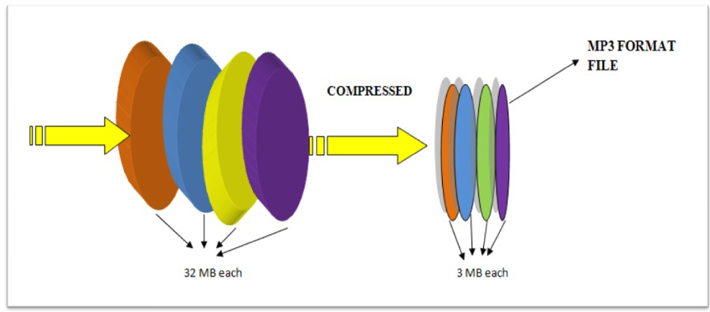
MP3 is a popular format for digital audio. It is a lossy format, which means that some of the original audio data is discarded in order to reduce the file size. The amount of data that is discarded is determined by the bitrate, which is a measure of the amount of data per second. A higher bitrate results in a higher quality audio file, but also a larger file size.

How MP3 Compression Works

MP3 compression works by using a technique called psychoacoustic coding. Psychoacoustic coding takes advantage of the fact that the human ear is not equally sensitive to all frequencies. For example, we can hear lower frequencies better than higher frequencies. Psychoacoustic coding uses this information to discard frequencies that are not as important to human hearing.

Bitrate and Audio Quality

The bitrate is the most important factor that determines the audio quality of an MP3 file. A higher bitrate results in a higher quality audio file, but also a larger file size. For example, a 128 kbps MP3 file will sound better than a 64 kbps MP3 file, but the 128 kbps file will be twice as large.

Choosing the Right Bitrate

The best bitrate to choose depends on how you plan to use the MP3 file. If you are going to listen to the file on a high-quality audio system, then you will want to use a high bitrate. If you are going to listen to the file on a portable device, then you may want to use a lower bitrate to save space.

Other Factors That Affect Audio Quality

In addition to the bitrate, there are other factors that can affect the audio quality of an MP3 file. These factors include the sampling rate, the bit depth, and the encoder used.

  • The sampling rate is the number of times per second that the audio signal is sampled. A higher sampling rate results in a higher quality audio file.
  • The bit depth is the number of bits used to represent each sample. A higher bit depth results in a higher quality audio file.
  • The encoder is the software that is used to compress the audio file. Different encoders use different algorithms, and some encoders produce better quality audio files than others.

Conclusion

MP3 compression is a popular and effective way to reduce the file size of digital audio files. By using a high bitrate, you can ensure that the audio quality of your MP3 files is good enough for your needs.

Frequently Asked Questions

What is the difference between MP3 and lossless audio formats?

MP3 is a lossy format, which means that some of the original audio data is discarded in order to reduce the file size. Lossless audio formats, such as FLAC and WAV, do not discard any data, so they retain the original audio quality. However, lossless audio files are much larger than MP3 files.

What is the best bitrate for MP3 files?

The best bitrate for MP3 files depends on how you plan to use them. If you are going to listen to the files on a high-quality audio system, then you will want to use a high bitrate. If you are going to listen to the files on a portable device, then you may want to use a lower bitrate to save space.

What are some tips for improving the audio quality of MP3 files?

There are a few things you can do to improve the audio quality of MP3 files. First, use a high bitrate. Second, use a high-quality encoder. Third, avoid using compression plugins or software that may degrade the audio quality.

What are some common problems with MP3 files?

Some common problems with MP3 files include:

  • Crackling or popping noises
  • Loss of high-frequency sounds
  • Muffled or distorted sound

These problems can be caused by a number of factors, including:

  • Low bitrate
  • Poor quality encoder
  • Damage to the file

If you are experiencing problems with your MP3 files, try using a different encoder or a higher bitrate. You can also try repairing the file using a file repair utility.

Understanding MP3 Compression

Understanding MP3 Compression

MP3 Compression
MP3 Compression
MP3 Compression
MP3 Compression

As someone who has been working with audio files for years, I can tell you that MP3 compression is one of the most important topics in the industry. It’s a technique that has revolutionized the way we listen to music, and it’s something that every audio enthusiast should understand.

How MP3 Compression Works

At its core, MP3 compression is all about removing data that the human ear can’t hear. This is done by analyzing the audio file and identifying sounds that are outside of the range of human hearing. These sounds are then removed, resulting in a smaller file size without any noticeable loss in quality.
As the book “The Art of Digital Audio” explains, “MP3 compression is based on the psychoacoustic principle that the human ear cannot discern certain sounds that are masked by other sounds.” This means that by removing these masked sounds, we can significantly reduce the file size of an audio file without sacrificing quality.

The Benefits of MP3 Compression

One of the biggest benefits of MP3 compression is the ability to store more music on your device. Before MP3 compression, most audio files were too large to be stored on a computer or portable music player. With MP3 compression, you can store hundreds or even thousands of songs on a single device.
Another benefit of MP3 compression is the ability to stream music over the internet. Without MP3 compression, streaming music would be nearly impossible due to the large file sizes of most audio files. MP3 compression allows for fast and efficient streaming, making it possible to listen to music on the go.

The Future of MP3 Compression

While MP3 compression has been around for decades, it’s still an evolving technology. As new audio formats and compression techniques are developed, we can expect MP3 compression to continue to improve.
One area where MP3 compression is likely to see significant growth is in the field of virtual and augmented reality. As these technologies become more advanced, the need for high-quality, low-latency audio will become increasingly important. MP3 compression is likely to play a key role in meeting this need.

MP3 Compression vs. Other Audio Formats

When it comes to audio formats, there are a lot of options out there. From WAV to FLAC to AAC, each format has its own strengths and weaknesses. So how does MP3 compression stack up against the competition?

MP3 Compression vs. WAV

WAV is a lossless audio format that is often used in professional audio production. While WAV files offer the highest possible audio quality, they also come with a large file size. This makes them impractical for most consumer applications.
MP3 compression, on the other hand, offers a good balance between file size and audio quality. While MP3 files are not as high-quality as WAV files, they are much smaller and more practical for everyday use.

MP3 Compression vs. FLAC

FLAC is another lossless audio format that is often used by audiophiles. Like WAV, FLAC files offer high-quality audio, but they also come with a large file size.
While FLAC files are great for archiving and preserving high-quality audio, they are not practical for everyday use. MP3 compression, on the other hand, offers a good compromise between file size and audio quality, making it the ideal format for most consumer applications.

MP3 Compression vs. AAC

AAC is a newer audio format that was developed by Apple. Like MP3 compression, AAC is a lossy format that offers a good balance between file size and audio quality.
While AAC files are generally smaller than MP3 files, they also tend to offer slightly better audio quality. However, because AAC is a proprietary format, it is not as widely supported as MP3 compression.

The Science Behind MP3 Compression

At its core, MP3 compression is all about the science of sound. By understanding how sound works and how the human ear perceives it, we can create audio files that are smaller and more efficient without sacrificing quality.

The Psychoacoustic Model

The key to MP3 compression is the psychoacoustic model. This model is based on the fact that the human ear is not equally sensitive to all frequencies of sound. In fact, our ears are much more sensitive to sounds in the midrange frequencies than they are to sounds in the high or low frequencies.
By taking advantage of this fact, MP3 compression is able to remove sounds that are outside of the range of human hearing. This results in a smaller file size without any noticeable loss in quality.

The Bitrate

Another important factor in MP3 compression is the bitrate. The bitrate is the amount of data that is used to represent each second of audio. A higher bitrate means that more data is being used, which results in a higher-quality audio file.
However, higher bitrates also mean larger file sizes. This is why most MP3 files are encoded at a bitrate of 128 kbps or 192 kbps. These bitrates offer a good balance between file size and audio quality.

The Future of MP3 Compression

As technology continues to evolve, we can expect MP3 compression to continue to improve. New compression techniques and audio formats are likely to emerge, offering even better audio quality and smaller file sizes.
However, even as new technologies emerge, MP3 compression is likely to remain a key part of the audio industry. Its ability to offer high-quality audio in a small file size makes it the ideal format for most consumer applications.

MP3 Compression Techniques

There are a number of different techniques that can be used to compress MP3 files. Each technique has its own strengths and weaknesses, and the best technique to use will depend on the specific needs of the user.

Constant Bitrate Encoding

Constant bitrate encoding is the simplest and most common technique used to compress MP3 files. With constant bitrate encoding, the bitrate is kept constant throughout the entire audio file.
While constant bitrate encoding is easy to implement, it can result in larger file sizes than other techniques. This is because the bitrate is not adjusted to match the complexity of the audio.

Variable Bitrate Encoding

Variable bitrate encoding is a more advanced technique that adjusts the bitrate based on the complexity of the audio. This means that more data is used to represent complex sounds, while less data is used to represent simpler sounds.
Variable bitrate encoding can result in smaller file sizes than constant bitrate encoding, while still maintaining high audio quality. However, it can be more difficult to implement than constant bitrate encoding.

Joint Stereo Encoding

Joint stereo encoding is a technique that takes advantage of the fact that most audio files are recorded in stereo. With joint stereo encoding, the left and right channels of the audio are analyzed separately, and the data is compressed based on the similarities between the two channels.
This technique can result in smaller file sizes than other techniques, while still maintaining high audio quality. However, it can also result in some loss of stereo separation.

The Benefits of MP3 Compression

As someone who has been working with audio files for years, I can tell you that MP3 compression is one of the most important topics in the industry. It’s a technique that has revolutionized the way we listen to music, and it’s something that every audio enthusiast should understand.

Storing More Music

One of the biggest benefits of MP3 compression is the ability to store more music on your device. Before MP3 compression, most audio files were too large to be stored on a computer or portable music player. With MP3 compression, you can store hundreds or even thousands of songs on a single device.
This is something that I’ve personally experienced. As someone who loves music, I used to have to carry around a large collection of CDs or cassette tapes. With MP3 compression, I can now carry my entire music collection in my pocket.

Streaming Music

Another benefit of MP3 compression is the ability to stream music over the internet. Without MP3 compression, streaming music would be nearly impossible due to the large file sizes of most audio files. MP3 compression allows for fast and efficient streaming, making it possible to listen to music on the go.
This is something that I’ve personally experienced as well. As someone who travels frequently, I rely on streaming music services to keep me entertained on long flights or train rides. Without MP3 compression, this would not be possible.

The Future of MP3 Compression

While MP3 compression has been around for decades, it’s still an evolving technology. As new audio formats and compression techniques are developed, we can expect MP3 compression to continue to improve.
One area where MP3 compression is likely to see significant growth is in the field of virtual and augmented reality. As these technologies become more advanced, the need for high-quality, low-latency audio will become increasingly important. MP3 compression is likely to play a key role in meeting this need.

MP3 Compression for Beginners

If you’re new to the world of audio files, MP3 compression can seem like a daunting topic. However, with a little bit of knowledge, you can quickly become an expert.

Choosing the Right Bitrate

One of the most important things to consider when compressing MP3 files is the bitrate. The bitrate is the amount of data that is used to represent each second of audio. A higher bitrate means that more data is being used, which results in a higher-quality audio file.
However, higher bitrates also mean larger file sizes. This is why most MP3 files are encoded at a bitrate of 128 kbps or 192 kbps. These bitrates offer a good balance between file size and audio quality.

Using the Right Software

Another important factor to consider when compressing MP3 files is the software that you use. While there are many different programs available for compressing audio files, not all of them are created equal.
If you’re looking for a reliable and easy-to-use program for compressing MP3 files, I would recommend checking out MP4Gain. This program offers a wide range of compression options, making it easy to find the right settings for your needs.

Conclusion

In conclusion, MP3 compression is an important topic for anyone who works with audio files. Whether you’re a professional audio engineer or just someone who loves music, understanding MP3 compression is essential.
By taking advantage of the techniques and technologies available for MP3 compression, you can store more music on your device, stream music over the internet, and enjoy high-quality audio without sacrificing file size. So if you haven’t already, I would encourage you to start exploring the world of MP3 compression today.