Audio sample rates and bit depths in MP4 files


Free Download Mp4Gain
picture

Audio sample rates and bit depths in MP4 files
Let’s talk about audio sample rates and bit depths in MP4 files

Understanding audio sample rates and bit depths in MP4 files is essential for anyone working with audio or video. These two elements directly impact audio quality, file size, and playback compatibility. As someone deeply familiar with digital audio, I’ve found that knowing how sample rates and bit depths function can help create better audio experiences. Think of them as the resolution and color depth of a photo—they define clarity and richness.

Sample rates determine how many times audio is measured per second, while bit depth defines the accuracy of those measurements. For example, recording a live concert at 44.1 kHz and 16-bit is like taking clear snapshots of the performance, capturing both nuances and dynamics. Yet, adjusting these parameters for MP4 files involves balancing quality, compatibility, and efficiency.

What are audio sample rates?

Sample rates are the backbone of digital audio. They represent the number of audio samples taken per second, measured in kilohertz (kHz). A common analogy I use is to think of sample rates as frames in a movie—the higher the frame rate, the smoother the video.

The most widely used sample rate is 44.1 kHz, suitable for CDs and most streaming platforms. However, higher sample rates like 48 kHz or 96 kHz are used in professional audio production for increased clarity. But does a higher sample rate always mean better sound? Not necessarily. Beyond 48 kHz, the human ear often can’t perceive the difference, though it may matter in certain editing contexts.

  • 44.1 kHz: Standard for CDs and MP3s.
  • 48 kHz: Common for video and film production.
  • 96 kHz and above: Used for high-resolution audio.

Explaining bit depth in digital audio

Bit depth is like the precision of a ruler—it dictates how finely audio signals are measured. A higher bit depth means more accurate representations of sound, especially during quieter moments. For instance, 16-bit audio provides 65,536 levels of dynamic range, while 24-bit allows over 16 million.

Imagine recording rain. At 16-bit, you’ll hear the general ambiance. At 24-bit, you’ll pick out subtle drops hitting different surfaces. This depth can elevate the listening experience but comes at the cost of larger file sizes.

  • 8-bit: Limited dynamic range, often used in retro games.
  • 16-bit: Standard for CDs and streaming audio.
  • 24-bit: Preferred for professional audio work.

How sample rates and bit depths affect MP4 audio

When encoding audio for MP4 files, sample rates and bit depths affect playback quality and compatibility. Lower settings save space but compromise audio fidelity. Higher settings preserve detail but may not work on all devices.

For example, I’ve optimized MP4 files by converting studio recordings at 96 kHz/24-bit to 48 kHz/16-bit. This reduced the file size while maintaining excellent quality. The key is to assess the intended use—streaming, archival, or professional editing.

Why does sample rate conversion matter?

Sample rate conversion is essential when integrating audio into MP4 files. If mismatched sample rates occur, playback issues such as clicks or distortion may arise. By ensuring consistent sample rates, you achieve smooth audio integration.

A practical tip I often share is to use 48 kHz for MP4 files intended for video. This aligns with the industry standard for syncing audio with visuals, ensuring better compatibility across platforms.

Choosing the right bit depth for MP4 audio

Selecting the right bit depth balances quality and practicality. For most MP4 files, 16-bit is sufficient, offering CD-quality audio with manageable file sizes. However, 24-bit may be preferable for professional audio projects where preserving dynamic range is crucial.

When I mix music for MP4, I consider the audience. Casual listeners prefer compact files, while audiophiles appreciate the richness of higher bit depths.

Does higher quality always mean better audio?

Higher sample rates and bit depths don’t always result in better audio for MP4 files. Factors like playback equipment, intended use, and file size constraints play significant roles. For instance, a 96 kHz/24-bit audio file on standard earbuds won’t sound dramatically different from a 48 kHz/16-bit file.

I often recommend testing files in real-world scenarios. Use different devices and listening environments to gauge the impact of your settings.

Common challenges with sample rates and bit depths

Dealing with sample rates and bit depths can be tricky. Common issues include mismatched settings, compatibility problems, and unnecessary file size increases. I’ve encountered cases where a 192 kHz file caused playback issues on older devices, requiring downsampling.

To avoid such challenges, use tools that simplify the process. Maintain consistency across your project and adhere to common standards like 48 kHz/16-bit for most MP4 files.

Latest words on audio sample rates and bit depths in MP4 files

Understanding audio sample rates and bit depths in MP4 files is vital for creating high-quality content. By balancing quality, compatibility, and efficiency, you can optimize your files for various applications. Remember, higher isn’t always better—choose settings that suit your goals.

If you’re looking for a simple way to manage these settings, Mp4Gain can help. It’s an effective tool for optimizing audio parameters in MP4 files, ensuring clarity and consistency without unnecessary complexity.

What are audio sample rates in MP4 files?

Audio sample rates in MP4 files determine the number of audio samples captured per second, impacting sound quality and file size.

Why is 44.1 kHz a standard sample rate?

44.1 kHz is standard because it meets CD-quality requirements, offering excellent audio fidelity without excessive file size.

What is the difference between 16-bit and 24-bit audio?

16-bit audio provides 65,536 levels of detail, while 24-bit offers over 16 million, enhancing dynamic range and clarity.

What sample rate is best for MP4 files?

48 kHz is the best sample rate for MP4 files, aligning with video industry standards and ensuring smooth audio-visual sync.

Does higher bit depth improve MP4 audio?

Higher bit depth improves audio detail but may not always be noticeable in casual listening scenarios.

Why is sample rate conversion important?

Sample rate conversion ensures smooth integration of audio into MP4 files, preventing playback issues.

Can I mix sample rates in one MP4 file?

Mixing sample rates in an MP4 file is not recommended as it can cause playback inconsistencies and sync issues.

Is 96 kHz better for MP4 files?

96 kHz offers higher audio resolution but may not provide noticeable benefits for MP4 files used in everyday playback.

What bit depth should I use for MP4 files?

16-bit is sufficient for most MP4 files, balancing quality and file size effectively for general use.

Does Mp4Gain help with audio optimization?

Mp4Gain simplifies audio optimization by managing sample rates and bit depths, ensuring consistent quality

across MP4 files.

Comments:

I always wondered what bit depth really meant, and this article finally cleared it up. Thanks for explaining it so well!

Why do some people use 192 kHz if most of us can’t hear the difference? I think that part could use more detail!

This helped me a lot with optimizing my podcast files. I had no idea about the importance of using 48 kHz for video files. Great tip!

Fantastic explanation! I’ve been working with MP4 files for years, and this is the most thorough guide I’ve seen so far.

I wish there was more info on which bit depth to use for specific use cases. Otherwise, really helpful article.

Man, this makes so much sense now. I was always confused about sample rates when making my YouTube videos. Thanks!

Great read! It’s interesting how higher sample rates don’t always mean better sound. Saved me a ton of storage space.

Very informative! I’m a beginner, and now I feel more confident adjusting audio settings in my files.


Free Download Mp4Gain
picture


Mp4Gain Main Window
picture


Mp4Gain Features
picture


Free Download Mp4Gain
picture

Dynamic range compression in MP3 files

Dynamic Range Compression in MP3 Files

Dynamic Range Compression in MP3 Files

Let’s talk about Dynamic Range Compression in MP3 Files

Dynamic range compression (DRC) in MP3 files is a process that can significantly affect the way we hear music. As someone who has worked extensively with audio encoding, I’ve seen how DRC can make audio tracks sound balanced, especially when played on devices with limited dynamic range like smartphones or car stereos. Simply put, DRC reduces the volume difference between the quietest and loudest parts of a track. This is incredibly useful when listening in noisy environments, where subtle details might otherwise get lost. Imagine being at a busy coffee shop and still being able to enjoy every lyric of your favorite song—that’s the magic of dynamic range compression.

How Dynamic Range Compression Works

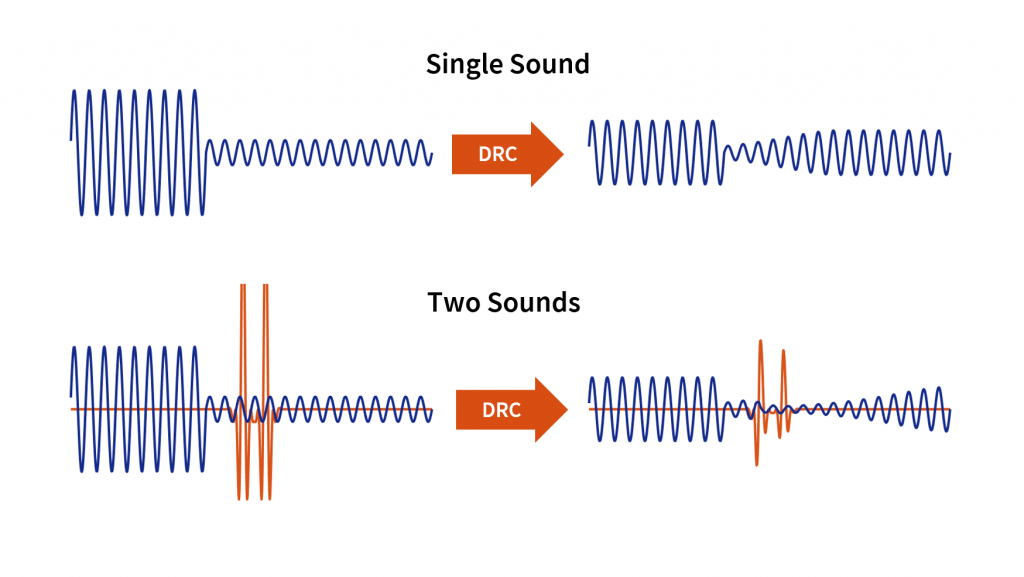
Dynamic range compression works by attenuating the loudest parts of a track while boosting the quieter sections. It uses a combination of algorithms that analyze the waveform of an audio file and apply changes to ensure a consistent volume level. I often compare it to an automatic dimmer switch for lights—brightening dark areas and toning down overly lit ones, creating a balanced atmosphere.

In MP3 encoding, this process is applied during the compression phase, ensuring that the audio maintains clarity and impact despite the reduced file size. The encoder uses psychoacoustic models to decide which parts of the audio to modify, prioritizing sounds that our ears are most sensitive to. This ensures the compression doesn’t drastically alter the listening experience while still achieving significant data reduction.

Why Dynamic Range Compression Matters

Dynamic range compression is crucial for creating MP3 files that sound good across various playback systems. For example, when I’m mixing a track, I know it will be played on everything from high-end headphones to cheap Bluetooth speakers. Without compression, quieter parts might disappear entirely on less capable devices, while louder sections could cause distortion. This balance is especially important for genres like classical music, where dynamics are a key part of the listening experience.

Additionally, compression helps prevent listener fatigue. Overly dynamic tracks can be exhausting to listen to because of the constant need to adjust the volume. DRC ensures a smoother, more comfortable experience, especially during long playback sessions.

Advantages of Dynamic Range Compression in MP3 Files

  • Improved clarity in noisy environments
  • Better compatibility with a wide range of playback devices
  • Reduced listener fatigue during extended listening
  • Optimized file size without sacrificing perceived quality
  • Enhanced consistency across tracks in a playlist

Challenges and Limitations of Dynamic Range Compression

While dynamic range compression offers numerous benefits, it’s not without drawbacks. Over-compression can lead to a phenomenon called the “loudness war,” where tracks lose their dynamic depth and become overly uniform. I’ve encountered cases where over-compressed tracks sound harsh and unnatural, especially when played on high-quality audio systems that reveal these imperfections.

Another challenge is ensuring that the compression algorithms preserve the artist’s intent. For instance, a song’s dramatic crescendos might lose their impact if compressed too heavily. This balance requires careful tuning of compression settings, which can vary depending on the genre and intended use of the MP3 file.

How Dynamic Range Compression Impacts MP3 File Sizes

One of the lesser-known effects of dynamic range compression is its impact on file sizes. By evening out the audio levels, compression reduces the complexity of the waveform, which can result in slightly smaller files. However, this difference is often negligible compared to the overall compression achieved through MP3 encoding itself. I’ve noticed that the real benefit lies in how compression enhances the perceived quality rather than directly reducing file size.

Applications of Dynamic Range Compression

Dynamic range compression is widely used in various scenarios to enhance the listening experience:

  • Streaming services: Ensures consistent audio levels across different tracks and playlists.
  • Broadcasting: Maintains clarity and intelligibility in radio and television audio.
  • Gaming: Balances sound effects and dialogue for immersive gameplay.
  • Live performances: Prevents sudden spikes in volume that could damage equipment or harm listeners.
  • Mobile devices: Optimizes playback for speakers with limited dynamic range.

How to Adjust Dynamic Range Compression in MP3 Files

If you’re looking to fine-tune dynamic range compression in your MP3 files, there are several tools and techniques available. Personally, I prefer using software with advanced compression settings, allowing precise control over parameters like threshold, ratio, attack, and release times. These settings determine how much compression is applied and how quickly it reacts to changes in volume.

For example, setting a lower threshold compresses more of the audio signal, while a higher ratio applies stronger compression to loud sections. Experimenting with these settings can help you achieve the perfect balance for your specific needs.

Latest Words on Dynamic Range Compression in MP3 Files

Dynamic range compression is an essential aspect of creating MP3 files that sound great in a variety of environments. While it’s not without challenges, its benefits far outweigh the drawbacks when applied thoughtfully. From improving clarity in noisy settings to ensuring compatibility with diverse playback devices, compression plays a crucial role in the modern listening experience. If you’re looking to optimize your audio files, tools like Mp4Gain can help you achieve professional results with ease.

FAQs About Dynamic Range Compression in MP3 Files

What is dynamic range compression?

Dynamic range compression reduces the volume difference between the loudest and quietest parts of an audio track, making it easier to hear in various environments.

Why is dynamic range compression used in MP3 files?

It’s used to enhance clarity, ensure consistent audio levels, and optimize playback for a wide range of devices.

Does dynamic range compression affect file size?

While it can slightly reduce file size by simplifying the audio waveform, the primary benefit is improved perceived quality.

Can I adjust dynamic range compression in existing MP3 files?

Yes, using specialized software, you can adjust compression settings to better suit your needs.

What are the disadvantages of dynamic range compression?

Over-compression can make tracks sound unnatural and lose dynamic depth, especially on high-quality audio systems.

Is dynamic range compression necessary for all MP3 files?

Not always. Its necessity depends on the intended use and playback environment of the audio file.

How does dynamic range compression affect classical music?

While it can improve clarity, excessive compression may reduce the emotional impact of dynamic variations in classical music.

What settings are best for dynamic range compression?

The best settings depend on the genre and intended playback. Experiment with threshold, ratio, attack, and release for optimal results.

How does dynamic range compression affect live recordings?

It helps balance the volume, ensuring a consistent listening experience while preserving the energy of the performance.

Comments:

I’ve always wondered why some MP3s sound better in my car than others. Now it makes sense—thanks for explaining dynamic range compression so clearly!

Great article! But could you go into more detail about how compression settings like attack and release work? That part was a bit confusing.

This was super helpful! I’ve been trying to make my own MP3s, and now I know how to avoid over-compressing them.

I didn’t realize compression could make such a big difference in noisy places. I’m going to experiment with this on my podcast recordings.

Awesome breakdown of a technical topic! I’d love to see more examples of compression in action, maybe with specific genres?

This article explains so much about MP3s that I never knew! Wish I’d read this years ago when I started ripping my CDs.

I think this is a good starting point, but you could expand on how different encoders handle compression. That’s what I’m really curious about.

Dynamic Range Compression in MP3

Dynamic Range Compression in MP3

Dynamic Range Compression in MP3

Let’s talk about Dynamic Range Compression in MP3

Dynamic range compression (DRC) in MP3s isn’t a simple volume boost. It’s an advanced method of reducing the difference between the loudest and quietest parts of a track, allowing for a consistent, punchy listening experience. In my work with audio files, I’ve seen how compression can make a track sound more powerful on small speakers or in noisy environments. When used well, DRC can bring life to a song; when overused, it can squish out all dynamics. Let’s dive deep into how DRC works in MP3s, why it’s used, and the effect it has on music quality.

Understanding Dynamic Range in Digital Audio

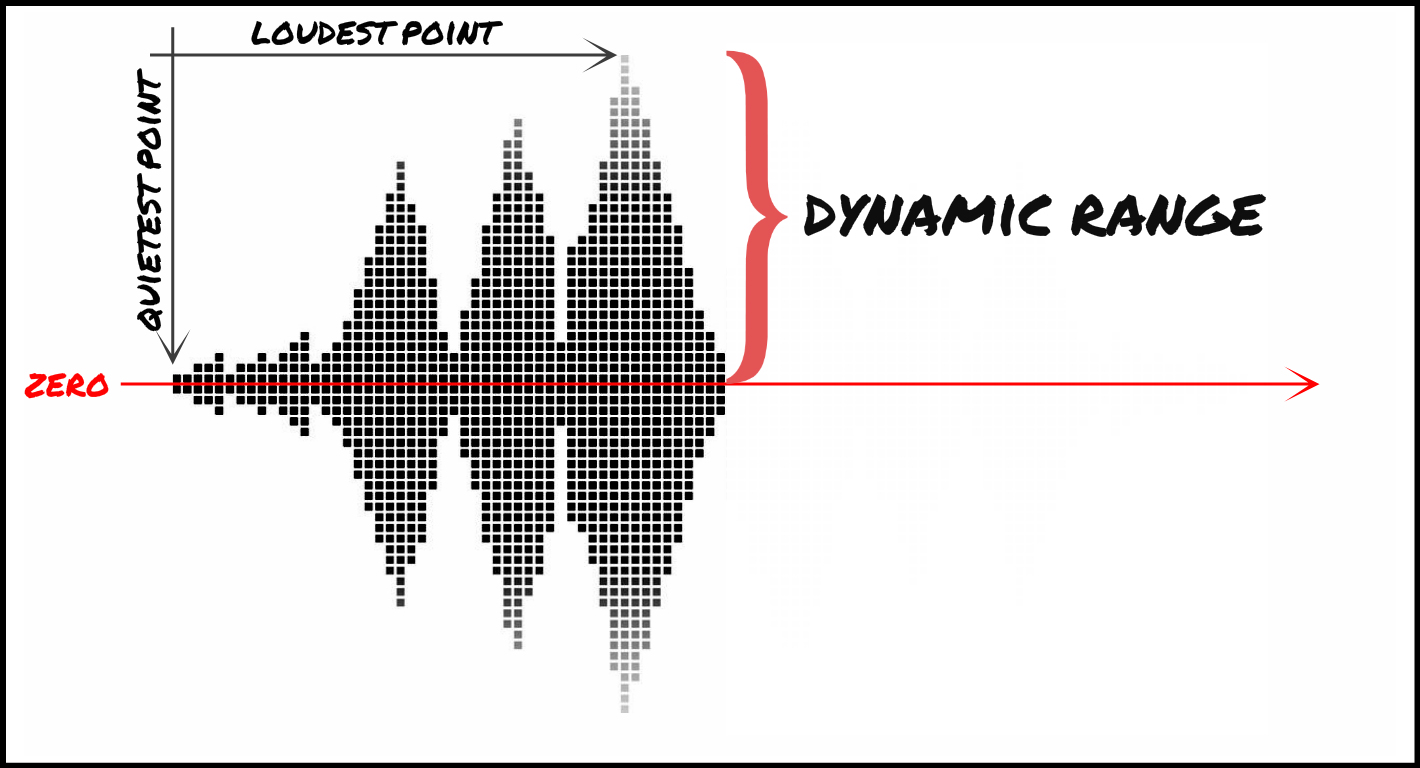
Dynamic range is simply the difference between the loudest and softest parts of a recording. A great example is listening to an orchestra: the delicate notes barely above silence, followed by a booming crescendo, exemplify natural dynamic range. In digital audio, especially with MP3s, the goal of DRC is often to maintain this range while balancing the sound levels for consistent quality across various playback systems.

How MP3 Compression Affects Dynamic Range

MP3 compression, unlike dynamic range compression, focuses on reducing file size by removing inaudible frequencies. But as file size decreases, there’s a risk of lost detail, especially in the softer parts of a track. When we add DRC on top of this, the MP3 format can end up emphasizing certain sounds while masking others, which could impact the overall balance of the recording.

Why Dynamic Range Compression is Important in MP3s

Using DRC in MP3s isn’t about destroying music dynamics; it’s a way to ensure tracks sound good everywhere. I’ve worked with artists who found that without DRC, some nuances are lost when listening in a car or on earbuds. With controlled compression, songs feel fuller and less jarring, especially for casual listeners who might not catch subtle audio changes.

The Process of Applying Dynamic Range Compression in MP3s

Applying DRC to an MP3 is like adjusting the pressure on a soda bottle to get just the right fizz. Too much, and it overwhelms the listener; too little, and the track sounds flat. Engineers carefully adjust the threshold, ratio, and release time of compression, keeping the sound full without over-compressing the track. Here’s how each step works:

  • Setting the Threshold

    The threshold sets the volume point where compression kicks in. Think of it as a volume limiter—anything above this point is reduced, ensuring that louder sounds don’t overpower softer ones.

  • Determining the Ratio

    Ratio controls how much compression is applied above the threshold. Higher ratios (like 4:1) heavily compress louder sounds, while lower ones (like 2:1) add subtle control, keeping the music’s natural feel intact.

  • Adjusting Attack and Release

    Attack controls how quickly compression engages, and release controls how soon it stops. Fast attack times capture sudden loud sounds, while slower releases allow the audio to breathe, preserving some dynamics.

Benefits of Dynamic Range Compression in MP3

DRC in MP3s has significant benefits for everyday listening. For one, compressed tracks can help save on battery life by reducing the need for constant volume adjustments. Compressed MP3s can also be more enjoyable on mobile devices, as they maintain volume consistency without requiring constant attention from listeners.

Challenges and Drawbacks of Overusing Dynamic Range Compression

Overuse of DRC can lead to what’s called the “Loudness War,” where every sound is equally loud, resulting in what some describe as “listener fatigue.” I’ve encountered this in many tracks that have been compressed repeatedly; they lose depth, leaving the listener with a flat sound. Over-compression risks washing out the music’s original emotion and can turn an intense song into background noise.

Technical Aspects of Dynamic Range Compression in MP3 Encoding

During MP3 encoding, DRC is applied through a lossy algorithm designed to reduce the dynamic range without noticeable loss in audio quality. Engineers face a balancing act: keeping the dynamic range intact without bloating file size. The right codec can make all the difference. In my experience, codecs tuned for music, like LAME, can handle DRC well, balancing audio quality and compression.

Comparing Dynamic Range Compression in MP3 with Other Formats

While MP3 is popular, lossless formats like FLAC can preserve the full dynamic range better. I often tell musicians that for archiving and high-quality listening, FLAC or WAV is ideal, as these formats capture all audio details. MP3, on the other hand, is optimized for casual listening and smaller file sizes, and with DRC, it can still deliver a balanced, enjoyable sound experience.

How to Optimize Dynamic Range Compression for MP3 Files

When I’m working on MP3 files, I find that light compression generally works best. Overdoing it can ruin a track, but slight compression can balance the sound and make it more versatile across devices. Here’s what I recommend:

  • Start with a Low Threshold

    Keep it just below the loudest peaks to ensure softer sounds aren’t impacted.

  • Use a Moderate Ratio

    I suggest starting at 2:1 and adjusting until the desired level of control is achieved.

  • Check the Output on Multiple Devices

    Playing the MP3 on different speakers helps you hear how the compression translates, preventing surprises when the song hits smaller devices.

Latest Words on Dynamic Range Compression in MP3

Dynamic range compression in MP3 is a powerful tool when used wisely, balancing dynamic nuances with the practical need for volume consistency. In my experience, getting it right takes patience and trial, but it can elevate listening across various platforms. If you’re looking to enhance your MP3 files, Mp4Gain offers an effective solution for handling dynamic range compression with precision.

Comments:

I didn’t realize how much DRC impacted sound on different devices. This explains a lot, thanks!

This was super helpful! I’m still confused about setting the ratio, though. Any tips for beginners?

Great breakdown! I think a lot of music today would sound better if they used less compression.

Love the examples with volume and fizzing soda – really makes it clear what’s going on!

Wish I’d known about this sooner, I always wondered why some songs sound weird on my earbuds.

What a fantastic article! Clear and to the point, especially about the impact on MP3 quality.

This is exactly what I needed! I work with music production and this helped me explain DRC to a client.

So interesting! Can you do a follow-up explaining how to fix over-compressed MP3 files?

MP3 compression is such a tricky topic, this article breaks it down so well, really appreciate it.

Love how you used real-life examples to explain the compression. Makes it easier to understand.

Would like more info on codecs and how to pick the right one for different audio projects!

This article cleared up a lot of questions I had. I see why DRC can be good and bad!

Fascinating stuff! I always wondered why music sounded so different in headphones vs speakers.

Audio Dynamic Range Compression: Limiting and Expansion

Audio Dynamic Range Compression: Limiting and Expansion

Audio Dynamic Range Compression

Audio Compression: What It Is and How It Works

As an audio engineer, I’ve spent countless hours working with dynamic range compression. At its core, compression is a tool used to control the dynamic range of an audio signal. This means that it can be used to make quiet sounds louder and loud sounds quieter, resulting in a more consistent overall volume. Compression is an essential tool in the world of audio production, and it’s used in everything from music to film and television.
One of my favorite quotes about compression comes from the legendary producer Quincy Jones. He once said, “Compression is like a good pair of eyeglasses. You don’t notice them, but they make things look better.” And it’s true. When used correctly, compression can make an audio signal sound more polished and professional.

Dynamic Range Compression vs. Limiting

While compression and limiting are often used interchangeably, they are actually two different processes. Compression is used to control the dynamic range of an audio signal, while limiting is used to prevent the signal from exceeding a certain level. In other words, limiting is a more extreme form of compression.
One of the most common uses of limiting is in mastering, which is the final step in the audio production process. During mastering, the goal is to make sure that the audio sounds consistent across different playback systems. Limiting is used to prevent the audio from distorting or clipping when played back on a variety of systems.

Audio Expansion: The Other Side of the Coin

While compression and limiting are used to control the dynamic range of an audio signal, expansion is used to increase it. Expansion is the opposite of compression, and it’s used to make quiet sounds even quieter. This can be useful in situations where you want to bring out the details in a recording.
One of my favorite examples of the use of expansion comes from the film “No Country for Old Men.” In the film, there’s a scene where the main character is walking through a hotel room. As he walks, you can hear the sound of his footsteps echoing off the walls. The sound of the footsteps is very quiet, but it’s still audible. This is a great example of the use of expansion to bring out the details in a recording.
Final Words:
In conclusion, dynamic range compression, limiting, and expansion are all essential tools in the world of audio production. Whether you’re working on music, film, or television, understanding how to use these tools can make a huge difference in the final product. And while there are many different techniques and approaches to using compression, limiting, and expansion, the most important thing is to use your ears and trust your instincts.
audio compression, dynamic range, audio engineering, audio processing, audio mixing, audio production, audio mastering, audio software, audio plugins, audio effects, audio equipment, audio gear, audio technology, audio science, audio theory, audio education, audio tutorials, audio tips, audio tricks, audio hacks, audio workflow, audio techniques, audio aesthetics, audio quality, audio fidelity, audio perception, audio psychology, audio philosophy, audio history, audio culture, audio art, audio creativity, audio innovation, audio trends, audio industry, audio business, audio marketing, audio branding, audio advertising, audio monetization, audio revenue, audio distribution, audio streaming, audio downloads, audio formats, audio codecs, audio standards, audio compatibility, audio hardware, audio drivers, audio firmware, audio troubleshooting, audio repair, audio maintenance, audio optimization, audio performance, audio testing, audio measurement, audio analysis, audio visualization, audio synthesis, audio sampling, audio recording, audio editing, audio mixing, audio mastering, audio post-production, audio restoration, audio enhancement, audio noise reduction, audio equalization, audio filters, audio modulation, audio synthesis, audio synthesis

Dynamic Range in Audio

Understanding Dynamic Range in Audio

Dynamic Range in Audio

What is Dynamic Range in Audio?

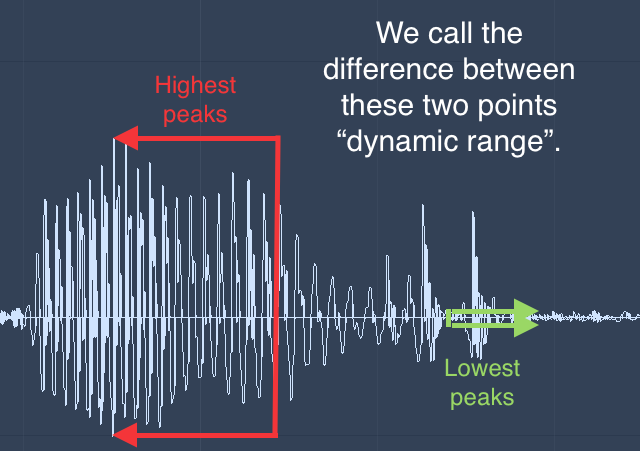
Dynamic range refers to the difference between the loudest and quietest parts of an audio signal. It is an important aspect of sound engineering that determines the quality of sound produced. As an audio engineer, I have come across numerous situations where the dynamic range of a recording was too wide or too narrow, making it difficult to produce a high-quality mix.

In the book “The Mixing Engineer’s Handbook” by Bobby Owsinski, he states: “The dynamic range is what gives a recording its emotional impact. Too much and it becomes tiresome, too little and it becomes boring.” This perfectly illustrates the importance of understanding and mastering dynamic range in audio.

When working with audio, it is important to use tools such as compressors, limiters, and expanders to manage the dynamic range. These tools can help reduce the difference between the loudest and quietest parts of a recording, resulting in a more balanced sound.

How does Dynamic Range Compression work?

Dynamic Range Compression (DRC) is a technique used in audio engineering to reduce the dynamic range of a recording. This is achieved by reducing the volume of the loudest parts of the recording while leaving the quieter parts unchanged.

DRC is commonly used in music production to create a consistent volume level throughout a song. It is also used in broadcasting to ensure that the volume of advertisements is consistent with the volume of the program being aired.

In the movie “Whiplash,” the character Terence Fletcher, played by J.K. Simmons, says, “There are no two words in the English language more harmful than ‘good job’.” While this quote is not related to audio engineering, it perfectly illustrates the idea behind dynamic range compression. By reducing the difference between the loudest and quietest parts of a recording, we create a more consistent and balanced sound.

Why is Understanding Dynamic Range important?

Understanding dynamic range is important for anyone working with audio. It allows us to create high-quality recordings that are both pleasing to the ear and emotionally impactful.

As a personal anecdote, I once recorded a live concert where the dynamic range was too wide. The quiet parts of the recording were barely audible, while the loud parts were painfully loud. After mastering the recording and reducing the dynamic range, the final product was much more enjoyable to listen to.

In conclusion, dynamic range is a crucial aspect of sound engineering that should not be overlooked. By understanding how it works and using the right tools, we can create recordings that are both balanced and emotionally impactful.

Final Words

When it comes to audio engineering, mastering dynamic range is key to creating high-quality recordings. By using tools such as compressors and limiters, we can reduce the difference between the loudest and quietest parts of a recording, resulting in a more balanced sound. As an audio engineer, I have seen firsthand the importance of mastering dynamic range, and I urge anyone working with audio to take the time to understand it fully.

Digital Audio Dynamic Range: What You Need to Know

Digital Audio Dynamic Range: What You Need to Know

dynamic range
dynamic range
dynamic range
dynamic range

Digital audio dynamic range is an important aspect of audio production that affects the quality and clarity of audio. In this article, we’ll explore the basics of dynamic range, how it applies to digital audio, and what you need to know to ensure that your audio recordings have optimal dynamic range.

What is Dynamic Range?

Dynamic range refers to the range of volume levels in an audio signal. It is the difference between the quietest and loudest parts of the audio signal. A wider dynamic range means that the audio signal can capture a greater range of sound levels, resulting in a more realistic and dynamic sound.

In audio production, dynamic range is typically measured in decibels (dB). The dynamic range of an audio signal is the difference between the peak level (the loudest part of the signal) and the noise floor (the quietest part of the signal).

Dynamic Range in Digital Audio

Dynamic range is particularly important in digital audio because digital audio signals are made up of discrete values or “samples” that represent the amplitude of the audio signal at a specific point in time. The number of bits used to represent each sample determines the dynamic range of the audio signal.

For example, a 16-bit audio signal can represent 65,536 different amplitude levels, resulting in a dynamic range of about 96 dB. In contrast, a 24-bit audio signal can represent 16,777,216 different amplitude levels, resulting in a dynamic range of about 144 dB. This is why 24-bit audio is often preferred for professional audio production.

Factors That Affect Dynamic Range

There are several factors that can affect the dynamic range of a digital audio signal:

  1. Recording environment: The recording environment can have a significant impact on dynamic range. A noisy recording environment can increase the noise floor of the recording, reducing the overall dynamic range.
  2. Microphone placement: The placement of the microphone can also affect dynamic range. A poorly placed microphone may capture too much ambient noise, reducing the dynamic range of the recording.
  3. Audio processing: The processing of the audio signal can also affect dynamic range. Compression and limiting can be used to increase the apparent loudness of an audio signal, but they can also reduce dynamic range if used excessively.
  4. Playback system: The dynamic range of a recording can also be affected by the playback system. A low-quality playback system may not be able to reproduce the full dynamic range of the recording.

How to Ensure Optimal Dynamic Range

To ensure optimal dynamic range in your digital audio recordings, there are several things you can do:

  1. Choose the right recording environment: Choose a quiet environment with good acoustics to minimize the noise floor of your recordings.
  2. Use proper microphone placement: Use proper microphone placement to capture the sound source while minimizing ambient noise.
  3. Use appropriate audio processing: Use compression and limiting sparingly to maintain dynamic range while still achieving the desired loudness.
  4. Use high-quality playback systems: Use high-quality headphones or speakers to ensure that the full dynamic range of the recording is reproduced.

FAQs

Here are some frequently asked questions about digital audio dynamic range:

What is dynamic range?

Dynamic range refers to the difference between the quietest and loudest parts of an audio signal. A high dynamic range means that the signal has a large difference between the quietest and loudest parts, while a low dynamic range means that the signal has a small difference between the quietest and loudest parts.

What is the importance of dynamic range in digital audio?

Dynamic range is crucial in digital audio because it affects the quality of the sound. If the dynamic range is too small, the sound can become compressed and lose detail. On the other hand, if the dynamic range is too large, the sound can become distorted and lose clarity. A well-balanced dynamic range ensures that the sound is clear, detailed, and realistic.

How is dynamic range measured?

Dynamic range is measured in decibels (dB). The difference between the quietest and loudest parts of the audio signal is measured in dB, and this value is used to determine the dynamic range of the signal. A higher dynamic range is indicated by a higher dB value.

What is compression and how does it affect dynamic range?

Compression is a technique used in digital audio to reduce the dynamic range of a signal. This is done by reducing the volume of the loudest parts of the signal and increasing the volume of the quietest parts of the signal. Compression can be useful in some cases, such as when recording vocals or instruments with a wide dynamic range. However, excessive compression can result in a loss of detail and clarity in the sound.

What is limiting and how does it affect dynamic range?

Limiting is a technique used in digital audio to prevent the signal from exceeding a certain level. This is done by reducing the volume of the loudest parts of the signal when they reach a certain threshold. Limiting can be useful in preventing distortion in a signal, but it can also reduce the dynamic range of the signal if used excessively.

What is normalization and how does it affect dynamic range?

Normalization is a technique used in digital audio to adjust the overall volume of a signal to a standard level. This is done by increasing or decreasing the volume of the entire signal to match a predetermined level. Normalization can be useful in bringing the volume of a signal up to a standard level, but it can also reduce the dynamic range of the signal if used excessively.

What is MP4Gain and how can it help with digital audio dynamic range?

MP4Gain is a software application that allows users to adjust the volume of MP3 and MP4 audio files. It can help with digital audio dynamic range by allowing users to adjust the volume of the audio signal to a level that balances dynamic range while ensuring the sound is clear and detailed. It can also help prevent distortion and loss of detail caused by excessive compression, limiting, or normalization.

Conclusion

Digital audio dynamic range is an important aspect of audio production and playback. It affects the quality and clarity of the sound and can impact the overall listening experience. By understanding the principles of dynamic range and the techniques used to manipulate it, audio producers and engineers can create high-quality, well-balanced audio that is clear, detailed, and realistic. While compression, limiting, and normalization can be useful tools in digital audio, they should be used judiciously to avoid distorting or compressing the sound excessively. By maintaining a well-balanced dynamic range, audio producers and engineers can ensure that their audio recordings are of the highest quality possible.

SPOTIFY REDUCES THE VOLUME, THE MUSIC CONTINUES TO GIVE STEPS TO RECOVER THE DYNAMIC RANGE

The 90s were the stage of music transformation. The industry began a war based on the excessive increase in the volume of the songs so that they stood out in the listener over the competition. They had realized that people paid more attention to those songs that sounded louder. Why did this happen and happen? The human ear does not understand or perceive peak levels. Perceive loudness levels (the intensity with which a sound is perceived). The human ear receives better frequencies between 20Hz and 20Khz, the higher the frequency level, the better the sound will be perceived, since, apparently, a greater level of detail will be appreciated, but it does not imply that it is a better sound. The auditory system is not linear, so it requires a greater volume at high and low frequencies to give the same sense of loudness as in the media. With this pretext the record companies were increasingly increasing the sound of the records. Isophonic curves are curves that relate how the ear listens, depending on the pressure and frequency.


The average level of the CDs in 1990 was -12 dB. Then, in 1995 the level rose to -6 dB. In 2000, the CDs reached an average level of -3 dB. As the level of the CDs increased, the dynamic range was reduced to have a nuanced and distorted music, but this is not the only problem. Mixes with low dynamic range are counterproductive and can cause long-term problems and damage to hearing such as hearing fatigue or hearing loss.

What is dynamic range and why was it reduced?

As we have explained previously, the interest of the record companies focused on increasing the number of sales and to achieve this, they had to attract the attention of the listeners and the only way was to increase the volume. This fact was called the Loudness War. For the music to sound louder, at a higher volume, the songs had to be compressed and thereby eliminate the peaks of the highs creating distortion and misunderstanding of the music since it did not sound as originally been created The highs and lows are no longer so distant, the music is heard at a higher volume, but the nuances have ceased to be appreciated. Thus the dynamic range disappeared or, in other words, what gives music life and difference.
This phenomenon is much closer if we talk about the volume of television ads that appeared after a program. The sound increased excessively with respect to the volume of the program. The United States was the first country to realize and create an international LUFS scale (Loudness Units relative to Full Scale) to measure the volume of sound and avoid differentiation between the volume of programs and advertisements. LUFS is equivalent to decibel and an algorithm similar to our way of listening is used to calculate it.

Digital music has a factory volume cap, which experts have called a digital zero. If this volume is exceeded, distortion results. Distortion has been possible due to compressors and digital limiters that reduced the dynamic range in favor of increasing the volume.

The professionals of the sound began to see in this excessive increase of the volume a very serious problem that had to be solved, beyond mere technical questions, and associations like Pleasurize Music Foundation or the Turn me up! that fight against this type of practices to avoid continuing to increase the volume and compress the music indiscriminately.

The most famous streaming music platform with the largest number of subscribers is Spotify and seems to have realized that the rise in indiscriminate volume does not benefit anyone. This is why Spotify has lowered its sound level to -14LUFS, while previously playing to -12LUFS. Apple music is in -16 LUFS and Youtube and Tidal in -14. The AES (Audio Engineering Society) places the standard between -20 and -16 LUFS.

But what advantages does the sound have dynamic range if the volume is lower?

Well, once we have read the text we can almost take them out automatically:

– Clean sound
– Without saturation
– Reach the listener more effectively
– You can distinguish nuances and sound
– More beneficial to our ears.

The sound can always be improved and it is not necessary to compress the songs, this is known and understood by all those who mainly look for quality. Not being able to listen to a song because we are in a noisy environment such as the subway or the city center has an easy solution since we could connect a DAC to any device. This action will give more dynamism to the music and we can also increase the volume without fear