What is audio ducking in digital audio?


Free Download Mp4Gain
picture

What is audio ducking in digital audio?
audio ducking
audio ducking
audio ducking
audio ducking

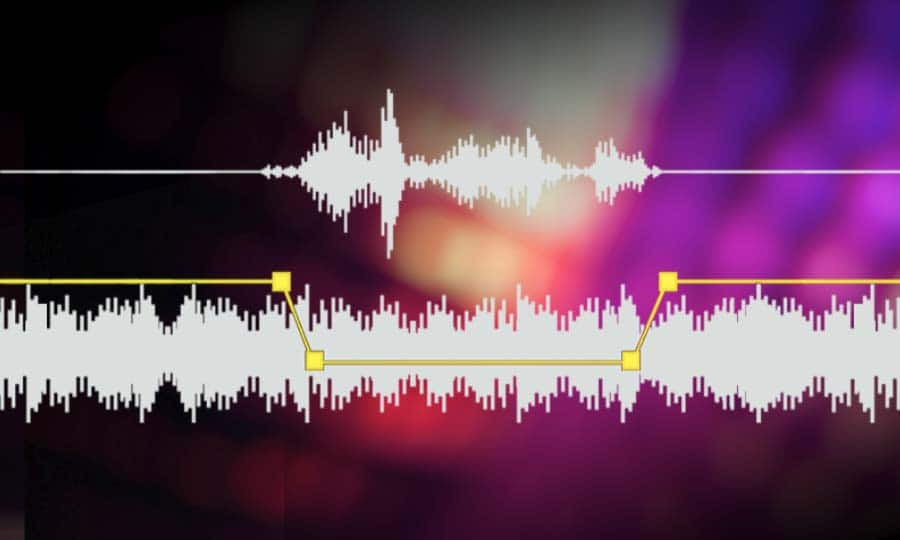
Audio ducking is a technique commonly used in digital audio to automatically reduce the volume of one audio track when another track starts playing. This technique is often used in video editing, where the voiceover track needs to be heard clearly while the background music or sound effects are playing.

How does audio ducking work?

Audio ducking works by using a compressor or an audio effect that automatically reduces the volume of one audio track when another track starts playing. The compressor detects the level of the “trigger” track (usually the voiceover track) and automatically lowers the volume of the “ducked” track (usually the music or sound effects track) to create a more balanced and clear sound.

One common way to set up audio ducking is to use sidechain compression, which allows you to use one track to “trigger” the compression on another track. This can be a powerful technique for creating a more dynamic and engaging audio mix.

Audio ducking in video editing

Audio ducking is often used in video editing to ensure that the voiceover track is heard clearly while the background music or sound effects are playing. By using audio ducking, you can create a more professional and polished sound for your videos.

One tip for using audio ducking in video editing is to adjust the timing and threshold settings to get the right balance between the voiceover and background audio. You may also want to experiment with different types of compression and other audio effects to achieve the desired sound.

As the famous director Alfred Hitchcock once said, “The length of a film should be directly related to the endurance of the human bladder.” This is where audio ducking can be a lifesaver, as it allows you to create a more engaging and immersive audio experience without overwhelming your audience with too much sound at once.

Best audio ducking plugins

There are many different audio ducking plugins available for digital audio workstations (DAWs) and video editing software. Some of the most popular plugins include:

Waves Vocal Rider
Sonnox Oxford Dynamic EQ
FabFilter Pro-DS
iZotope Neutron 3
Sound Radix Auto-Align
Each of these plugins offers unique features and capabilities for achieving the perfect audio ducking effect. Whether you’re a professional sound designer or a beginner video editor, there’s a plugin out there that can help you create the perfect audio mix.

audio ducking, sidechain compression, video editing, voiceover, background music, sound effects, compressor, audio mixing, digital audio workstation, DAW, plugins, Waves Vocal Rider, Sonnox Oxford Dynamic EQ, FabFilter Pro-DS, iZotope Neutron 3, Sound Radix Auto-Align, sound design, audio balance, Alfred Hitchcock, timing, threshold, audio effects, professional sound, polished sound, immersive audio, engaging audio, human bladder, audio experience, audio plugins, audio compression, audio levels, audio production, audio post-production, audio editing, sound engineering, audio mastering, audio normalization, audio processing, audio workflow, audio quality, audio restoration, audio mixing tips, audio production tips, audio techniques, audio theory, audio science, audio technology, audio innovation, audio trends, audio industry, audio career,


Free Download Mp4Gain
picture


Mp4Gain Main Window
picture


Mp4Gain Features
picture


Free Download Mp4Gain
picture

Dynamic Range in Audio

Understanding Dynamic Range in Audio

Dynamic Range in Audio

What is Dynamic Range in Audio?

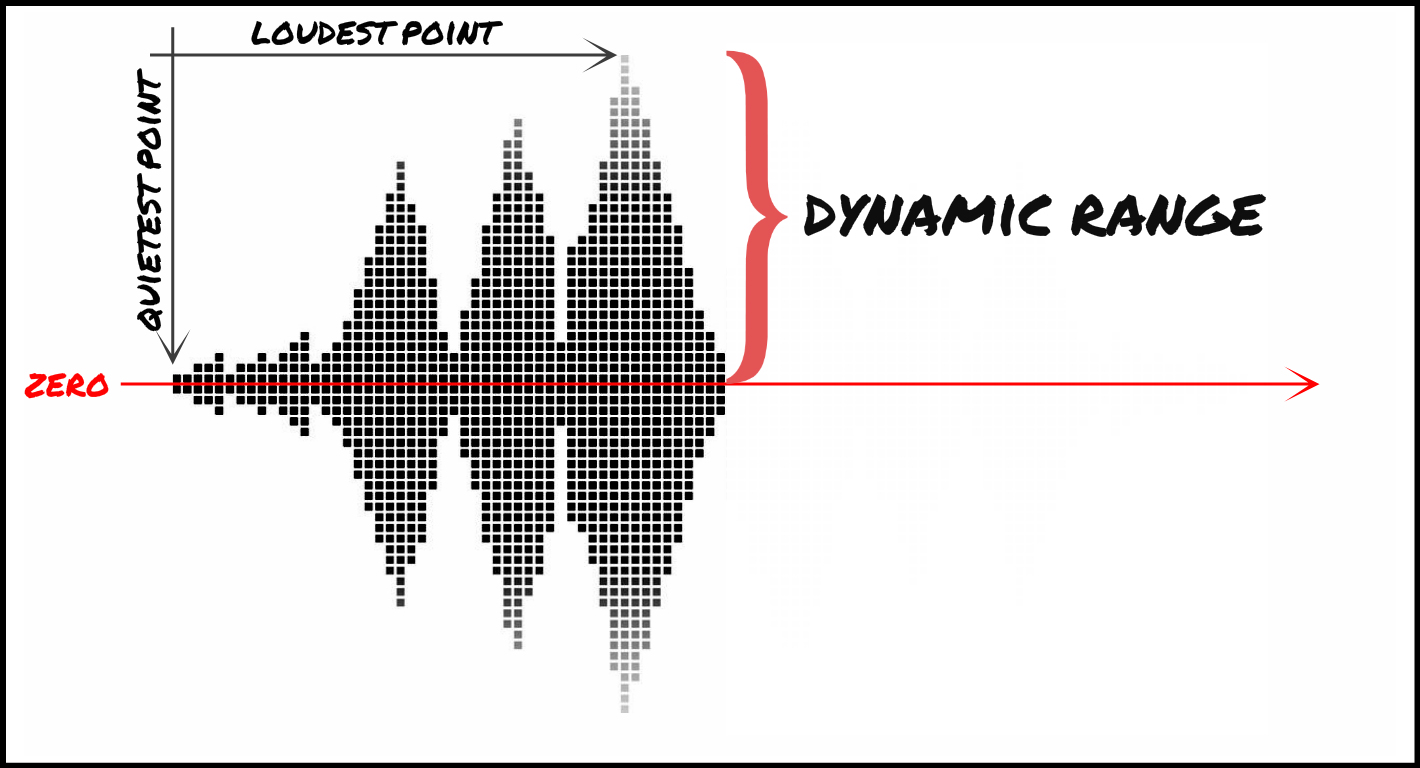
Dynamic range refers to the difference between the loudest and quietest parts of an audio signal. It is an important aspect of sound engineering that determines the quality of sound produced. As an audio engineer, I have come across numerous situations where the dynamic range of a recording was too wide or too narrow, making it difficult to produce a high-quality mix.

In the book “The Mixing Engineer’s Handbook” by Bobby Owsinski, he states: “The dynamic range is what gives a recording its emotional impact. Too much and it becomes tiresome, too little and it becomes boring.” This perfectly illustrates the importance of understanding and mastering dynamic range in audio.

When working with audio, it is important to use tools such as compressors, limiters, and expanders to manage the dynamic range. These tools can help reduce the difference between the loudest and quietest parts of a recording, resulting in a more balanced sound.

How does Dynamic Range Compression work?

Dynamic Range Compression (DRC) is a technique used in audio engineering to reduce the dynamic range of a recording. This is achieved by reducing the volume of the loudest parts of the recording while leaving the quieter parts unchanged.

DRC is commonly used in music production to create a consistent volume level throughout a song. It is also used in broadcasting to ensure that the volume of advertisements is consistent with the volume of the program being aired.

In the movie “Whiplash,” the character Terence Fletcher, played by J.K. Simmons, says, “There are no two words in the English language more harmful than ‘good job’.” While this quote is not related to audio engineering, it perfectly illustrates the idea behind dynamic range compression. By reducing the difference between the loudest and quietest parts of a recording, we create a more consistent and balanced sound.

Why is Understanding Dynamic Range important?

Understanding dynamic range is important for anyone working with audio. It allows us to create high-quality recordings that are both pleasing to the ear and emotionally impactful.

As a personal anecdote, I once recorded a live concert where the dynamic range was too wide. The quiet parts of the recording were barely audible, while the loud parts were painfully loud. After mastering the recording and reducing the dynamic range, the final product was much more enjoyable to listen to.

In conclusion, dynamic range is a crucial aspect of sound engineering that should not be overlooked. By understanding how it works and using the right tools, we can create recordings that are both balanced and emotionally impactful.

Final Words

When it comes to audio engineering, mastering dynamic range is key to creating high-quality recordings. By using tools such as compressors and limiters, we can reduce the difference between the loudest and quietest parts of a recording, resulting in a more balanced sound. As an audio engineer, I have seen firsthand the importance of mastering dynamic range, and I urge anyone working with audio to take the time to understand it fully.