Audio High Dynamic Range


Free Download Mp4Gain
picture

Audio High Dynamic Range

Audio High Dynamic Range

As an audio enthusiast, I can’t help but be intrigued by the concept of Audio High Dynamic Range (Audio HDR). It’s a term that’s been gaining traction in the world of audio technology, and for good reason. Let’s dive into this fascinating subject and explore what it means, how it works, and why it matters.

What is Audio High Dynamic Range?

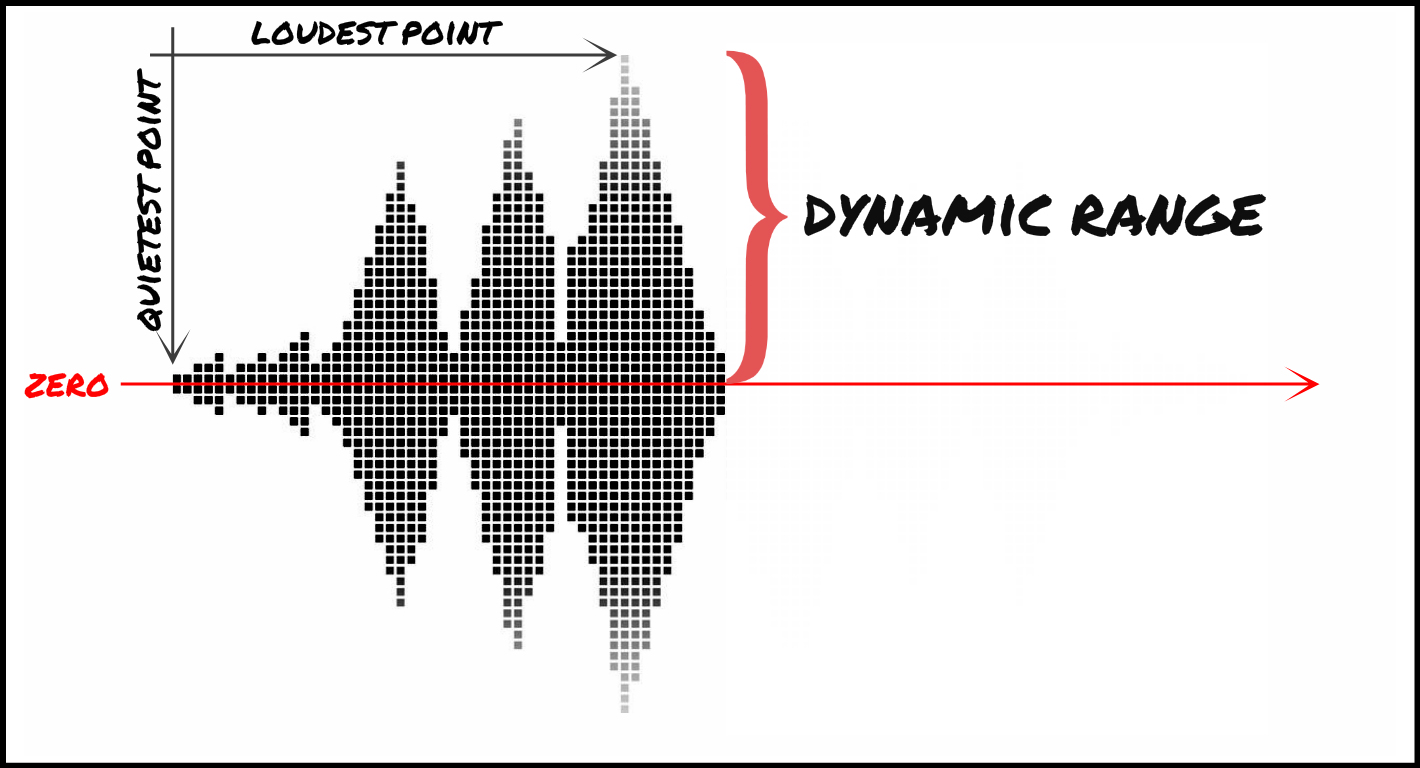
Think of audio dynamic range as the range between the softest and loudest sounds in a piece of music or any audio content. In the world of audio production, preserving this dynamic range is crucial for delivering an authentic listening experience. When we talk about Audio High Dynamic Range, we’re essentially referring to the expanded capability of audio systems to

Identical Search Intent Keywords

  • Audio HDR technology
  • Benefits of Audio High Dynamic Range
  • Audio HDR vs. Standard Audio

People Also Asked About Audio High Dynamic Range

  • How does Audio HDR improve audio quality?
  • What are the key features of Audio High Dynamic Range?
  • Is Audio HDR compatible with all audio devices?

Exploring the Benefits of Audio HDR

Audio HDR technology is like having a high-resolution camera for your ears. Imagine you’re watching a sunset, and with standard audio, you hear the waves gently crashing on the shore. It sounds nice, but with Audio HDR, it’s like you can distinguish every droplet of water, the rustle of leaves in the wind, and even the faintest chirping of birds in the distance. The softest and loudest sounds are reproduced with incredible clarity, immersing you in the full soundscape of the moment.

One of the significant benefits of Audio HDR is its ability to capture and reproduce the nuances of a live musical performance. It’s as if you’re sitting in the front row of a concert hall, experiencing every note, from the delicate pluck of a guitar string to the thunderous crash of cymbals. The technology ensures that nothing gets lost, delivering a true-to-life audio experience that’s second to none.

Moreover, when it comes to movies and gaming, Audio HDR can transport you to another dimension. Imagine you’re watching an action-packed film, and the explosions have a visceral impact, while the dialogue remains crystal clear. It’s like being in the middle of the action, with every sound precisely where it should be. This level of immersion adds a whole new dimension to entertainment, making it more captivating and engaging than ever before.

Key Features of Audio High Dynamic Range

Audio High Dynamic Range isn’t just about making things louder; it’s about making them sound better. One of its key features is its ability to maintain audio fidelity even at extreme volume levels. This means you can crank up the volume on your favorite track, and it will still sound as clear and detailed as it did at a lower volume. No more distortion or loss of quality when you want to feel the music.

Another remarkable feature is the precise spatial audio rendering. With Audio HDR, you can perceive the direction from which a sound is coming with remarkable accuracy. Whether it’s footsteps behind you in a horror game or a musician moving across the stage in a live recording, the technology ensures that the audio positioning is incredibly realistic.

Furthermore, Audio HDR often comes with advanced noise cancellation and enhancement capabilities. This means that background noises are minimized, allowing you to focus on what matters most—the audio content itself. Whether you’re in a noisy environment or just want to immerse yourself fully in the music, this feature is a game-changer.

Is Audio HDR Compatible with All Audio Devices?

Audio HDR technology is undoubtedly impressive, but its compatibility with audio devices can vary. It’s essential to check whether your audio equipment supports Audio HDR before expecting the full experience. Most modern high-end headphones, soundbars, and home theater systems are now equipped with this technology, ensuring you can enjoy its benefits.

For example, if you’re a gamer, you’ll find that many gaming headsets come with Audio HDR support. This can significantly enhance your gaming experience, allowing you to hear every footstep, gunshot, or subtle in-game detail with remarkable clarity.

However, for older or budget-friendly audio devices, Audio HDR support may not be available. In such cases, you’ll still enjoy high-quality audio, but you won’t experience the full depth and richness that Audio HDR can offer. As the technology continues to evolve, we can expect wider compatibility across various audio products in the future.

Audio HDR vs. Standard Audio: A Game-Changing Comparison

Comparing Audio HDR to standard audio is like comparing a black-and-white photograph to a vivid, high-definition image in full color. With standard audio, you get the gist of the sound, but with Audio HDR, you’re immersed in the finest details. It’s a game-changer for audiophiles and anyone who appreciates the power of sound.

Consider watching your favorite action movie with standard audio. The explosions might sound loud, but they lack the depth and precision that Audio HDR provides. With Audio HDR, every explosion is an explosion of sound, with layers of complexity that standard audio can’t replicate. It’s a cinematic experience like no other.

Even in everyday listening, the difference is palpable. Whether you’re enjoying a classical symphony, a rock concert, or a podcast, Audio HDR elevates the experience. The highs are crisper, the lows are more resonant, and every subtle nuance is brought to the forefront. It’s audio as it was meant to be heard.

In conclusion, Audio High Dynamic Range is a technological marvel that takes audio experiences to new heights. Its ability to preserve dynamic range, enhance audio quality, and deliver immersive soundscapes makes it a must-have for anyone who values the art of listening. As technology continues to advance, we can look forward to even more breathtaking audio experiences that bridge the gap between imagination and reality.

“Audio High Dynamic Range is a technological marvel that takes audio experiences to new heights.”


Free Download Mp4Gain
picture


Mp4Gain Main Window
picture


Mp4Gain Features
picture


Free Download Mp4Gain
picture

Audio Dynamic Range Compression: Limiting and Expansion

Audio Dynamic Range Compression: Limiting and Expansion

Audio Dynamic Range Compression

Audio Compression: What It Is and How It Works

As an audio engineer, I’ve spent countless hours working with dynamic range compression. At its core, compression is a tool used to control the dynamic range of an audio signal. This means that it can be used to make quiet sounds louder and loud sounds quieter, resulting in a more consistent overall volume. Compression is an essential tool in the world of audio production, and it’s used in everything from music to film and television.
One of my favorite quotes about compression comes from the legendary producer Quincy Jones. He once said, “Compression is like a good pair of eyeglasses. You don’t notice them, but they make things look better.” And it’s true. When used correctly, compression can make an audio signal sound more polished and professional.

Dynamic Range Compression vs. Limiting

While compression and limiting are often used interchangeably, they are actually two different processes. Compression is used to control the dynamic range of an audio signal, while limiting is used to prevent the signal from exceeding a certain level. In other words, limiting is a more extreme form of compression.
One of the most common uses of limiting is in mastering, which is the final step in the audio production process. During mastering, the goal is to make sure that the audio sounds consistent across different playback systems. Limiting is used to prevent the audio from distorting or clipping when played back on a variety of systems.

Audio Expansion: The Other Side of the Coin

While compression and limiting are used to control the dynamic range of an audio signal, expansion is used to increase it. Expansion is the opposite of compression, and it’s used to make quiet sounds even quieter. This can be useful in situations where you want to bring out the details in a recording.
One of my favorite examples of the use of expansion comes from the film “No Country for Old Men.” In the film, there’s a scene where the main character is walking through a hotel room. As he walks, you can hear the sound of his footsteps echoing off the walls. The sound of the footsteps is very quiet, but it’s still audible. This is a great example of the use of expansion to bring out the details in a recording.
Final Words:
In conclusion, dynamic range compression, limiting, and expansion are all essential tools in the world of audio production. Whether you’re working on music, film, or television, understanding how to use these tools can make a huge difference in the final product. And while there are many different techniques and approaches to using compression, limiting, and expansion, the most important thing is to use your ears and trust your instincts.
audio compression, dynamic range, audio engineering, audio processing, audio mixing, audio production, audio mastering, audio software, audio plugins, audio effects, audio equipment, audio gear, audio technology, audio science, audio theory, audio education, audio tutorials, audio tips, audio tricks, audio hacks, audio workflow, audio techniques, audio aesthetics, audio quality, audio fidelity, audio perception, audio psychology, audio philosophy, audio history, audio culture, audio art, audio creativity, audio innovation, audio trends, audio industry, audio business, audio marketing, audio branding, audio advertising, audio monetization, audio revenue, audio distribution, audio streaming, audio downloads, audio formats, audio codecs, audio standards, audio compatibility, audio hardware, audio drivers, audio firmware, audio troubleshooting, audio repair, audio maintenance, audio optimization, audio performance, audio testing, audio measurement, audio analysis, audio visualization, audio synthesis, audio sampling, audio recording, audio editing, audio mixing, audio mastering, audio post-production, audio restoration, audio enhancement, audio noise reduction, audio equalization, audio filters, audio modulation, audio synthesis, audio synthesis

Dynamic Range in Audio

Understanding Dynamic Range in Audio

Dynamic Range in Audio

What is Dynamic Range in Audio?

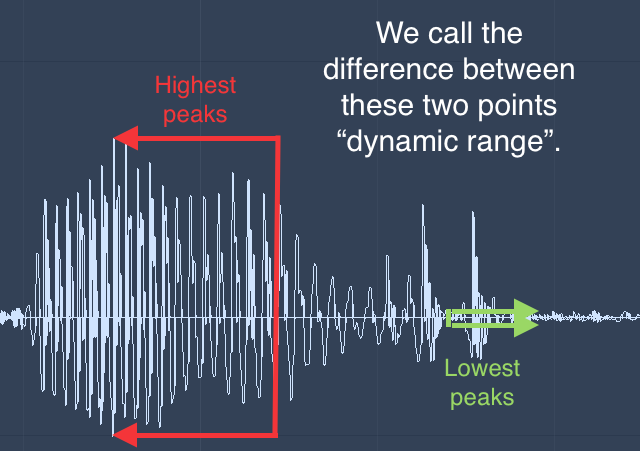
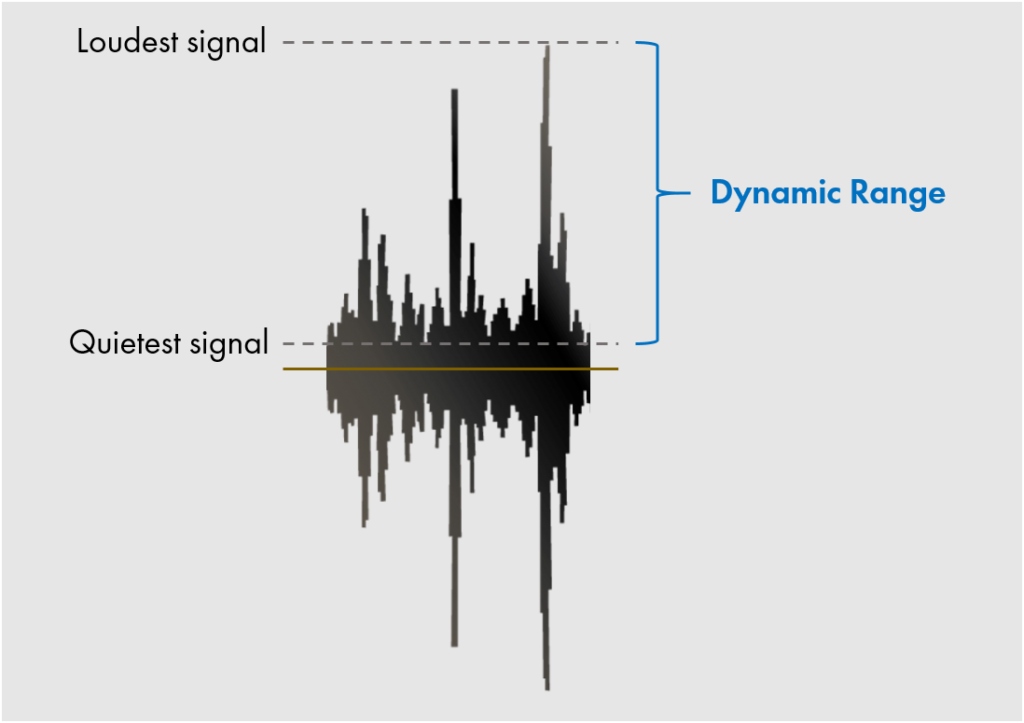
Dynamic range refers to the difference between the loudest and quietest parts of an audio signal. It is an important aspect of sound engineering that determines the quality of sound produced. As an audio engineer, I have come across numerous situations where the dynamic range of a recording was too wide or too narrow, making it difficult to produce a high-quality mix.

In the book “The Mixing Engineer’s Handbook” by Bobby Owsinski, he states: “The dynamic range is what gives a recording its emotional impact. Too much and it becomes tiresome, too little and it becomes boring.” This perfectly illustrates the importance of understanding and mastering dynamic range in audio.

When working with audio, it is important to use tools such as compressors, limiters, and expanders to manage the dynamic range. These tools can help reduce the difference between the loudest and quietest parts of a recording, resulting in a more balanced sound.

How does Dynamic Range Compression work?

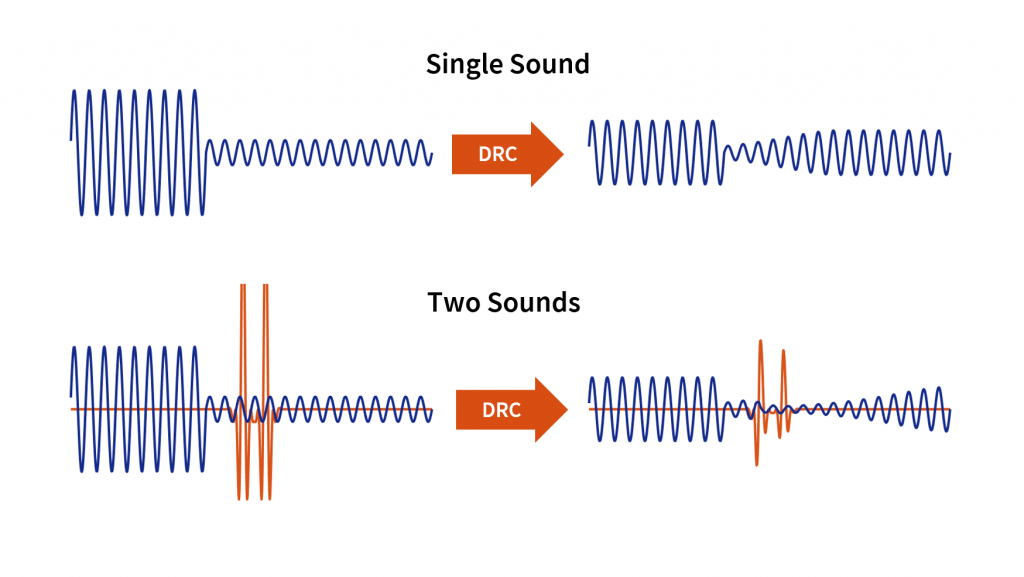
Dynamic Range Compression (DRC) is a technique used in audio engineering to reduce the dynamic range of a recording. This is achieved by reducing the volume of the loudest parts of the recording while leaving the quieter parts unchanged.

DRC is commonly used in music production to create a consistent volume level throughout a song. It is also used in broadcasting to ensure that the volume of advertisements is consistent with the volume of the program being aired.

In the movie “Whiplash,” the character Terence Fletcher, played by J.K. Simmons, says, “There are no two words in the English language more harmful than ‘good job’.” While this quote is not related to audio engineering, it perfectly illustrates the idea behind dynamic range compression. By reducing the difference between the loudest and quietest parts of a recording, we create a more consistent and balanced sound.

Why is Understanding Dynamic Range important?

Understanding dynamic range is important for anyone working with audio. It allows us to create high-quality recordings that are both pleasing to the ear and emotionally impactful.

As a personal anecdote, I once recorded a live concert where the dynamic range was too wide. The quiet parts of the recording were barely audible, while the loud parts were painfully loud. After mastering the recording and reducing the dynamic range, the final product was much more enjoyable to listen to.

In conclusion, dynamic range is a crucial aspect of sound engineering that should not be overlooked. By understanding how it works and using the right tools, we can create recordings that are both balanced and emotionally impactful.

Final Words

When it comes to audio engineering, mastering dynamic range is key to creating high-quality recordings. By using tools such as compressors and limiters, we can reduce the difference between the loudest and quietest parts of a recording, resulting in a more balanced sound. As an audio engineer, I have seen firsthand the importance of mastering dynamic range, and I urge anyone working with audio to take the time to understand it fully.

Digital Audio Dynamic Range: What You Need to Know

Digital Audio Dynamic Range: What You Need to Know

dynamic range
dynamic range
dynamic range
dynamic range

Digital audio dynamic range is an important aspect of audio production that affects the quality and clarity of audio. In this article, we’ll explore the basics of dynamic range, how it applies to digital audio, and what you need to know to ensure that your audio recordings have optimal dynamic range.

What is Dynamic Range?

Dynamic range refers to the range of volume levels in an audio signal. It is the difference between the quietest and loudest parts of the audio signal. A wider dynamic range means that the audio signal can capture a greater range of sound levels, resulting in a more realistic and dynamic sound.

In audio production, dynamic range is typically measured in decibels (dB). The dynamic range of an audio signal is the difference between the peak level (the loudest part of the signal) and the noise floor (the quietest part of the signal).

Dynamic Range in Digital Audio

Dynamic range is particularly important in digital audio because digital audio signals are made up of discrete values or “samples” that represent the amplitude of the audio signal at a specific point in time. The number of bits used to represent each sample determines the dynamic range of the audio signal.

For example, a 16-bit audio signal can represent 65,536 different amplitude levels, resulting in a dynamic range of about 96 dB. In contrast, a 24-bit audio signal can represent 16,777,216 different amplitude levels, resulting in a dynamic range of about 144 dB. This is why 24-bit audio is often preferred for professional audio production.

Factors That Affect Dynamic Range

There are several factors that can affect the dynamic range of a digital audio signal:

  1. Recording environment: The recording environment can have a significant impact on dynamic range. A noisy recording environment can increase the noise floor of the recording, reducing the overall dynamic range.
  2. Microphone placement: The placement of the microphone can also affect dynamic range. A poorly placed microphone may capture too much ambient noise, reducing the dynamic range of the recording.
  3. Audio processing: The processing of the audio signal can also affect dynamic range. Compression and limiting can be used to increase the apparent loudness of an audio signal, but they can also reduce dynamic range if used excessively.
  4. Playback system: The dynamic range of a recording can also be affected by the playback system. A low-quality playback system may not be able to reproduce the full dynamic range of the recording.

How to Ensure Optimal Dynamic Range

To ensure optimal dynamic range in your digital audio recordings, there are several things you can do:

  1. Choose the right recording environment: Choose a quiet environment with good acoustics to minimize the noise floor of your recordings.
  2. Use proper microphone placement: Use proper microphone placement to capture the sound source while minimizing ambient noise.
  3. Use appropriate audio processing: Use compression and limiting sparingly to maintain dynamic range while still achieving the desired loudness.
  4. Use high-quality playback systems: Use high-quality headphones or speakers to ensure that the full dynamic range of the recording is reproduced.

FAQs

Here are some frequently asked questions about digital audio dynamic range:

What is dynamic range?

Dynamic range refers to the difference between the quietest and loudest parts of an audio signal. A high dynamic range means that the signal has a large difference between the quietest and loudest parts, while a low dynamic range means that the signal has a small difference between the quietest and loudest parts.

What is the importance of dynamic range in digital audio?

Dynamic range is crucial in digital audio because it affects the quality of the sound. If the dynamic range is too small, the sound can become compressed and lose detail. On the other hand, if the dynamic range is too large, the sound can become distorted and lose clarity. A well-balanced dynamic range ensures that the sound is clear, detailed, and realistic.

How is dynamic range measured?

Dynamic range is measured in decibels (dB). The difference between the quietest and loudest parts of the audio signal is measured in dB, and this value is used to determine the dynamic range of the signal. A higher dynamic range is indicated by a higher dB value.

What is compression and how does it affect dynamic range?

Compression is a technique used in digital audio to reduce the dynamic range of a signal. This is done by reducing the volume of the loudest parts of the signal and increasing the volume of the quietest parts of the signal. Compression can be useful in some cases, such as when recording vocals or instruments with a wide dynamic range. However, excessive compression can result in a loss of detail and clarity in the sound.

What is limiting and how does it affect dynamic range?

Limiting is a technique used in digital audio to prevent the signal from exceeding a certain level. This is done by reducing the volume of the loudest parts of the signal when they reach a certain threshold. Limiting can be useful in preventing distortion in a signal, but it can also reduce the dynamic range of the signal if used excessively.

What is normalization and how does it affect dynamic range?

Normalization is a technique used in digital audio to adjust the overall volume of a signal to a standard level. This is done by increasing or decreasing the volume of the entire signal to match a predetermined level. Normalization can be useful in bringing the volume of a signal up to a standard level, but it can also reduce the dynamic range of the signal if used excessively.

What is MP4Gain and how can it help with digital audio dynamic range?

MP4Gain is a software application that allows users to adjust the volume of MP3 and MP4 audio files. It can help with digital audio dynamic range by allowing users to adjust the volume of the audio signal to a level that balances dynamic range while ensuring the sound is clear and detailed. It can also help prevent distortion and loss of detail caused by excessive compression, limiting, or normalization.

Conclusion

Digital audio dynamic range is an important aspect of audio production and playback. It affects the quality and clarity of the sound and can impact the overall listening experience. By understanding the principles of dynamic range and the techniques used to manipulate it, audio producers and engineers can create high-quality, well-balanced audio that is clear, detailed, and realistic. While compression, limiting, and normalization can be useful tools in digital audio, they should be used judiciously to avoid distorting or compressing the sound excessively. By maintaining a well-balanced dynamic range, audio producers and engineers can ensure that their audio recordings are of the highest quality possible.