
Dynamic Range Compression in MP3 Files

Let’s talk about Dynamic Range Compression in MP3 Files
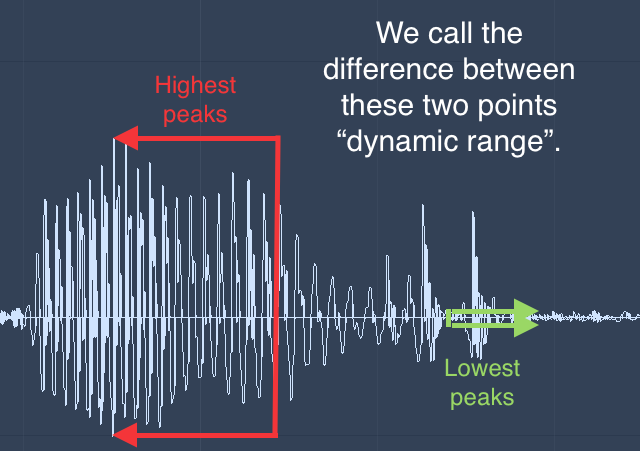
Dynamic range compression (DRC) in MP3 files is a process that can significantly affect the way we hear music. As someone who has worked extensively with audio encoding, I’ve seen how DRC can make audio tracks sound balanced, especially when played on devices with limited dynamic range like smartphones or car stereos. Simply put, DRC reduces the volume difference between the quietest and loudest parts of a track. This is incredibly useful when listening in noisy environments, where subtle details might otherwise get lost. Imagine being at a busy coffee shop and still being able to enjoy every lyric of your favorite song—that’s the magic of dynamic range compression.
How Dynamic Range Compression Works
Dynamic range compression works by attenuating the loudest parts of a track while boosting the quieter sections. It uses a combination of algorithms that analyze the waveform of an audio file and apply changes to ensure a consistent volume level. I often compare it to an automatic dimmer switch for lights—brightening dark areas and toning down overly lit ones, creating a balanced atmosphere.
In MP3 encoding, this process is applied during the compression phase, ensuring that the audio maintains clarity and impact despite the reduced file size. The encoder uses psychoacoustic models to decide which parts of the audio to modify, prioritizing sounds that our ears are most sensitive to. This ensures the compression doesn’t drastically alter the listening experience while still achieving significant data reduction.
Why Dynamic Range Compression Matters
Dynamic range compression is crucial for creating MP3 files that sound good across various playback systems. For example, when I’m mixing a track, I know it will be played on everything from high-end headphones to cheap Bluetooth speakers. Without compression, quieter parts might disappear entirely on less capable devices, while louder sections could cause distortion. This balance is especially important for genres like classical music, where dynamics are a key part of the listening experience.
Additionally, compression helps prevent listener fatigue. Overly dynamic tracks can be exhausting to listen to because of the constant need to adjust the volume. DRC ensures a smoother, more comfortable experience, especially during long playback sessions.
Advantages of Dynamic Range Compression in MP3 Files
- Improved clarity in noisy environments
- Better compatibility with a wide range of playback devices
- Reduced listener fatigue during extended listening
- Optimized file size without sacrificing perceived quality
- Enhanced consistency across tracks in a playlist
Challenges and Limitations of Dynamic Range Compression
While dynamic range compression offers numerous benefits, it’s not without drawbacks. Over-compression can lead to a phenomenon called the “loudness war,” where tracks lose their dynamic depth and become overly uniform. I’ve encountered cases where over-compressed tracks sound harsh and unnatural, especially when played on high-quality audio systems that reveal these imperfections.
Another challenge is ensuring that the compression algorithms preserve the artist’s intent. For instance, a song’s dramatic crescendos might lose their impact if compressed too heavily. This balance requires careful tuning of compression settings, which can vary depending on the genre and intended use of the MP3 file.
How Dynamic Range Compression Impacts MP3 File Sizes
One of the lesser-known effects of dynamic range compression is its impact on file sizes. By evening out the audio levels, compression reduces the complexity of the waveform, which can result in slightly smaller files. However, this difference is often negligible compared to the overall compression achieved through MP3 encoding itself. I’ve noticed that the real benefit lies in how compression enhances the perceived quality rather than directly reducing file size.
Applications of Dynamic Range Compression
Dynamic range compression is widely used in various scenarios to enhance the listening experience:
- Streaming services: Ensures consistent audio levels across different tracks and playlists.
- Broadcasting: Maintains clarity and intelligibility in radio and television audio.
- Gaming: Balances sound effects and dialogue for immersive gameplay.
- Live performances: Prevents sudden spikes in volume that could damage equipment or harm listeners.
- Mobile devices: Optimizes playback for speakers with limited dynamic range.
How to Adjust Dynamic Range Compression in MP3 Files
If you’re looking to fine-tune dynamic range compression in your MP3 files, there are several tools and techniques available. Personally, I prefer using software with advanced compression settings, allowing precise control over parameters like threshold, ratio, attack, and release times. These settings determine how much compression is applied and how quickly it reacts to changes in volume.
For example, setting a lower threshold compresses more of the audio signal, while a higher ratio applies stronger compression to loud sections. Experimenting with these settings can help you achieve the perfect balance for your specific needs.
Latest Words on Dynamic Range Compression in MP3 Files
Dynamic range compression is an essential aspect of creating MP3 files that sound great in a variety of environments. While it’s not without challenges, its benefits far outweigh the drawbacks when applied thoughtfully. From improving clarity in noisy settings to ensuring compatibility with diverse playback devices, compression plays a crucial role in the modern listening experience. If you’re looking to optimize your audio files, tools like Mp4Gain can help you achieve professional results with ease.
FAQs About Dynamic Range Compression in MP3 Files
What is dynamic range compression?
Dynamic range compression reduces the volume difference between the loudest and quietest parts of an audio track, making it easier to hear in various environments.
Why is dynamic range compression used in MP3 files?
It’s used to enhance clarity, ensure consistent audio levels, and optimize playback for a wide range of devices.
Does dynamic range compression affect file size?
While it can slightly reduce file size by simplifying the audio waveform, the primary benefit is improved perceived quality.
Can I adjust dynamic range compression in existing MP3 files?
Yes, using specialized software, you can adjust compression settings to better suit your needs.
What are the disadvantages of dynamic range compression?
Over-compression can make tracks sound unnatural and lose dynamic depth, especially on high-quality audio systems.
Is dynamic range compression necessary for all MP3 files?
Not always. Its necessity depends on the intended use and playback environment of the audio file.
How does dynamic range compression affect classical music?
While it can improve clarity, excessive compression may reduce the emotional impact of dynamic variations in classical music.
What settings are best for dynamic range compression?
The best settings depend on the genre and intended playback. Experiment with threshold, ratio, attack, and release for optimal results.
How does dynamic range compression affect live recordings?
It helps balance the volume, ensuring a consistent listening experience while preserving the energy of the performance.


Comments:
I’ve always wondered why some MP3s sound better in my car than others. Now it makes sense—thanks for explaining dynamic range compression so clearly!
Great article! But could you go into more detail about how compression settings like attack and release work? That part was a bit confusing.
This was super helpful! I’ve been trying to make my own MP3s, and now I know how to avoid over-compressing them.
I didn’t realize compression could make such a big difference in noisy places. I’m going to experiment with this on my podcast recordings.
Awesome breakdown of a technical topic! I’d love to see more examples of compression in action, maybe with specific genres?
This article explains so much about MP3s that I never knew! Wish I’d read this years ago when I started ripping my CDs.
I think this is a good starting point, but you could expand on how different encoders handle compression. That’s what I’m really curious about.