
Digital Audio Dynamic Range: What You Need to Know

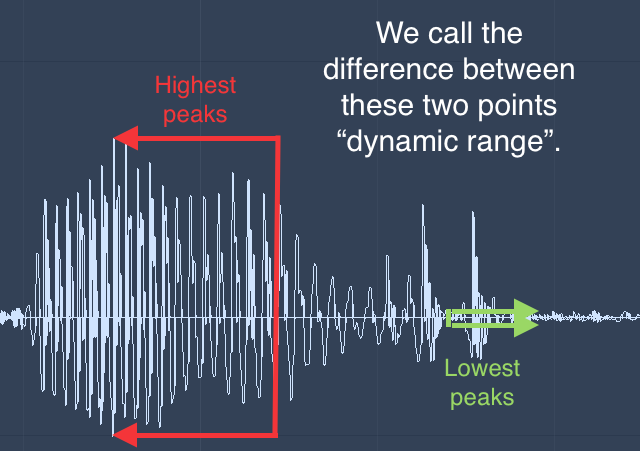
Digital audio dynamic range is an important aspect of audio production that affects the quality and clarity of audio. In this article, we’ll explore the basics of dynamic range, how it applies to digital audio, and what you need to know to ensure that your audio recordings have optimal dynamic range.
What is Dynamic Range?
Dynamic range refers to the range of volume levels in an audio signal. It is the difference between the quietest and loudest parts of the audio signal. A wider dynamic range means that the audio signal can capture a greater range of sound levels, resulting in a more realistic and dynamic sound.
In audio production, dynamic range is typically measured in decibels (dB). The dynamic range of an audio signal is the difference between the peak level (the loudest part of the signal) and the noise floor (the quietest part of the signal).
Dynamic Range in Digital Audio
Dynamic range is particularly important in digital audio because digital audio signals are made up of discrete values or “samples” that represent the amplitude of the audio signal at a specific point in time. The number of bits used to represent each sample determines the dynamic range of the audio signal.
For example, a 16-bit audio signal can represent 65,536 different amplitude levels, resulting in a dynamic range of about 96 dB. In contrast, a 24-bit audio signal can represent 16,777,216 different amplitude levels, resulting in a dynamic range of about 144 dB. This is why 24-bit audio is often preferred for professional audio production.
Factors That Affect Dynamic Range
There are several factors that can affect the dynamic range of a digital audio signal:
- Recording environment: The recording environment can have a significant impact on dynamic range. A noisy recording environment can increase the noise floor of the recording, reducing the overall dynamic range.
- Microphone placement: The placement of the microphone can also affect dynamic range. A poorly placed microphone may capture too much ambient noise, reducing the dynamic range of the recording.
- Audio processing: The processing of the audio signal can also affect dynamic range. Compression and limiting can be used to increase the apparent loudness of an audio signal, but they can also reduce dynamic range if used excessively.
- Playback system: The dynamic range of a recording can also be affected by the playback system. A low-quality playback system may not be able to reproduce the full dynamic range of the recording.
How to Ensure Optimal Dynamic Range
To ensure optimal dynamic range in your digital audio recordings, there are several things you can do:
- Choose the right recording environment: Choose a quiet environment with good acoustics to minimize the noise floor of your recordings.
- Use proper microphone placement: Use proper microphone placement to capture the sound source while minimizing ambient noise.
- Use appropriate audio processing: Use compression and limiting sparingly to maintain dynamic range while still achieving the desired loudness.
- Use high-quality playback systems: Use high-quality headphones or speakers to ensure that the full dynamic range of the recording is reproduced.
FAQs
Here are some frequently asked questions about digital audio dynamic range:
What is dynamic range?
Dynamic range refers to the difference between the quietest and loudest parts of an audio signal. A high dynamic range means that the signal has a large difference between the quietest and loudest parts, while a low dynamic range means that the signal has a small difference between the quietest and loudest parts.
What is the importance of dynamic range in digital audio?
Dynamic range is crucial in digital audio because it affects the quality of the sound. If the dynamic range is too small, the sound can become compressed and lose detail. On the other hand, if the dynamic range is too large, the sound can become distorted and lose clarity. A well-balanced dynamic range ensures that the sound is clear, detailed, and realistic.
How is dynamic range measured?
Dynamic range is measured in decibels (dB). The difference between the quietest and loudest parts of the audio signal is measured in dB, and this value is used to determine the dynamic range of the signal. A higher dynamic range is indicated by a higher dB value.
What is compression and how does it affect dynamic range?
Compression is a technique used in digital audio to reduce the dynamic range of a signal. This is done by reducing the volume of the loudest parts of the signal and increasing the volume of the quietest parts of the signal. Compression can be useful in some cases, such as when recording vocals or instruments with a wide dynamic range. However, excessive compression can result in a loss of detail and clarity in the sound.
What is limiting and how does it affect dynamic range?
Limiting is a technique used in digital audio to prevent the signal from exceeding a certain level. This is done by reducing the volume of the loudest parts of the signal when they reach a certain threshold. Limiting can be useful in preventing distortion in a signal, but it can also reduce the dynamic range of the signal if used excessively.
What is normalization and how does it affect dynamic range?
Normalization is a technique used in digital audio to adjust the overall volume of a signal to a standard level. This is done by increasing or decreasing the volume of the entire signal to match a predetermined level. Normalization can be useful in bringing the volume of a signal up to a standard level, but it can also reduce the dynamic range of the signal if used excessively.
What is MP4Gain and how can it help with digital audio dynamic range?
MP4Gain is a software application that allows users to adjust the volume of MP3 and MP4 audio files. It can help with digital audio dynamic range by allowing users to adjust the volume of the audio signal to a level that balances dynamic range while ensuring the sound is clear and detailed. It can also help prevent distortion and loss of detail caused by excessive compression, limiting, or normalization.
Conclusion
Digital audio dynamic range is an important aspect of audio production and playback. It affects the quality and clarity of the sound and can impact the overall listening experience. By understanding the principles of dynamic range and the techniques used to manipulate it, audio producers and engineers can create high-quality, well-balanced audio that is clear, detailed, and realistic. While compression, limiting, and normalization can be useful tools in digital audio, they should be used judiciously to avoid distorting or compressing the sound excessively. By maintaining a well-balanced dynamic range, audio producers and engineers can ensure that their audio recordings are of the highest quality possible.


