WMA Variable Bit Rate Encoding


Free Download Mp4Gain
picture

WMA Variable Bit Rate Encoding


WMA Variable Bit Rate Encoding

WMA Variable Bit Rate Encoding

Let’s talk about WMA Variable Bit Rate Encoding

When it comes to audio file formats and encoding techniques, understanding WMA (Windows Media Audio) Variable Bit Rate (VBR) encoding can significantly enhance your audio experience. As a specialist with years of experience in audio engineering, I’ve delved deep into the intricacies of WMA VBR encoding and its implications for audio quality and file size optimization.

What is WMA VBR Encoding?

At its core, WMA VBR encoding is a method used to compress audio files while maintaining a variable level of quality throughout the encoding process. Unlike constant bit rate (CBR) encoding, which encodes audio at a fixed bit rate, VBR encoding adjusts the bit rate dynamically based on the complexity of the audio being encoded. This means that simpler audio passages are encoded at a lower bit rate, while more complex passages are encoded at a higher bit rate, resulting in superior audio quality with smaller file sizes.

The Benefits of WMA VBR Encoding

One of the key advantages of WMA VBR encoding is its ability to preserve audio quality while minimizing file size. By dynamically adjusting the bit rate, WMA VBR encoding ensures that audio files maintain a consistent level of quality, even during passages of varying complexity. This makes it ideal for streaming audio over the internet or storing music on portable devices with limited storage capacity.

Moreover, WMA VBR encoding offers greater flexibility compared to CBR encoding. With CBR encoding, audio files are encoded at a fixed bit rate, which can result in wasted space for simpler passages and reduced audio quality for complex passages. In contrast, WMA VBR encoding adapts to the specific characteristics of the audio being encoded, maximizing efficiency and preserving quality.

How WMA VBR Encoding Works

To understand how WMA VBR encoding works, it’s essential to grasp the concept of psychoacoustic modeling. Psychoacoustic modeling is a technique used in audio encoding to take advantage of the limitations of human hearing. By analyzing the frequency and amplitude of audio signals, psychoacoustic models identify sounds that are less likely to be perceived by the human ear and allocate fewer bits to encode them.

During the WMA VBR encoding process, audio is divided into small segments, and a psychoacoustic model analyzes each segment to determine the appropriate bit rate for encoding. Simple segments with fewer audible details are encoded at a lower bit rate, while complex segments with more audible details are encoded at a higher bit rate. This adaptive approach ensures that audio quality is maintained while minimizing file size.

Comparing WMA VBR Encoding to Other Methods

While WMA VBR encoding offers many benefits, it’s essential to compare it to other encoding methods to understand its place in the audio landscape. One common alternative to WMA VBR encoding is constant bit rate (CBR) encoding, which encodes audio at a fixed bit rate regardless of its complexity. While CBR encoding is simple and predictable, it may result in larger file sizes and reduced audio quality compared to WMA VBR encoding.

Another alternative is variable bit rate (VBR) encoding using other codecs, such as MP3 or AAC. While these codecs also offer VBR encoding capabilities, WMA VBR encoding is specifically optimized for the Windows Media Audio format, offering seamless integration with Windows-based devices and software.

Optimizing Audio Quality with WMA VBR Encoding

As an audio engineer, I’ve found that mastering the art of WMA VBR encoding can significantly enhance the quality and efficiency of audio production workflows. By leveraging the adaptive nature of VBR encoding and the power of psychoacoustic modeling, audio professionals can achieve superior results with minimal effort.

When using WMA VBR encoding, it’s essential to consider factors such as target audience, playback environment, and distribution platform. By tailoring encoding settings to specific requirements, you can ensure that your audio files meet the highest standards of quality and compatibility.

In conclusion, WMA VBR encoding represents a powerful tool for audio professionals and enthusiasts alike. Its ability to preserve audio quality while minimizing file size makes it ideal for a wide range of applications, from streaming audio over the internet to storing music on portable devices. By mastering the principles of WMA VBR encoding, you can take your audio projects to the next level and deliver an exceptional listening experience to your audience.

  • Preserves audio quality
  • Minimizes file size
  • Adapts to audio complexity
  • Optimizes efficiency
  • Seamless integration with Windows devices

Latest words on WMA Variable Bit Rate Encoding

When it comes to audio encoding, WMA VBR encoding stands out as a versatile and efficient solution. Its adaptive nature and integration with Windows-based devices make it a popular choice for audio professionals and enthusiasts alike. By mastering the principles of WMA VBR encoding, you can unlock new possibilities for audio production and distribution.

Comments:

Wow, I never knew there was so much to learn about audio encoding! This article really opened my eyes to the world of WMA VBR encoding. Thanks for the insightful information!

I’ve been struggling to optimize the audio quality of my music files, but this article provided some valuable insights into WMA VBR encoding. I can’t wait to try it out and see the results!

This article did a great job of breaking down the complexities of WMA VBR encoding in a way that’s easy to understand. I feel much more confident in my ability to use this technique effectively now.

As someone who’s passionate about audio production, I found this article to be incredibly informative and well-written. It’s clear that the author has a deep understanding of the subject matter.

I’ve been looking for ways to optimize the audio quality of my podcast recordings, and this article provided some valuable tips on using WMA VBR encoding. I can’t wait to implement these strategies in my workflow!

This article was a game-changer for me! I never realized how much of a difference WMA VBR encoding could make in terms of audio quality and file size. Thanks for sharing this valuable information!

As an aspiring audio engineer, I found this article to be incredibly helpful in understanding the principles of WMA VBR encoding. It’s clear that the author has a wealth of knowledge on the subject.

This article provided some fascinating insights into the world of audio encoding. I never knew there were so many factors to consider when optimizing audio quality!

Thanks for this informative article! I’ve been searching for ways to improve the audio quality of my video projects, and WMA VBR encoding seems like the perfect solution.

This article was a bit too technical for my taste, but I appreciate the effort to explain the concepts of WMA VBR encoding in layman’s terms. It’s definitely a topic worth exploring further!


Free Download Mp4Gain
picture


Mp4Gain Main Window
picture


Mp4Gain Features
picture


Free Download Mp4Gain
picture

M4A Psychoacoustic Modeling

M4A Psychoacoustic Modeling

M4A Psychoacoustic Modeling

M4A Psychoacoustic Modeling

Let’s talk about M4A Psychoacoustic Modeling

In the realm of audio compression, psychoacoustic modeling stands as a fundamental pillar. It’s the backbone of M4A format, revolutionizing the way we perceive and store audio data. Understanding psychoacoustics isn’t just about technical jargon; it’s about grasping how our brains interpret sound. By diving into this fascinating field, we uncover the secrets behind why certain audio compression techniques work so seamlessly.

The Science Behind Psychoacoustic Modeling

Psychoacoustic models mimic the human auditory system, identifying sounds that are less perceptible to the human ear. These models analyze various factors, such as frequency masking and temporal masking, to determine which audio components can be discarded without sacrificing perceived quality. Imagine your favorite song playing in a crowded room—the chatter fades into the background as your brain focuses solely on the melody. Psychoacoustic modeling operates similarly, prioritizing essential sounds while minimizing extraneous noise.

Applications in M4A Compression

In the realm of M4A compression, psychoacoustic modeling plays a pivotal role. Encoders leverage these models to allocate bits efficiently, prioritizing critical audio components while discarding redundant data. This optimization ensures that M4A files maintain high fidelity while achieving significant file size reductions. Think of it as decluttering your living space—you keep the essentials while getting rid of unnecessary clutter, creating a streamlined and efficient environment.

Evolution and Advancements

Over the years, psychoacoustic modeling has evolved alongside advancements in technology. From early perceptual coding techniques to sophisticated algorithms, the field continues to push the boundaries of audio compression. As our understanding of human auditory perception deepens, so too does our ability to refine compression methods. It’s like upgrading from a standard-definition television to a 4K display—the picture becomes clearer and more vibrant, enriching the viewing experience.

Challenges and Considerations

While psychoacoustic modeling offers significant benefits in audio compression, it’s not without its challenges. Balancing compression efficiency with perceptual quality remains a delicate dance, requiring careful fine-tuning and optimization. Moreover, the subjective nature of human hearing introduces complexities—what sounds acceptable to one listener may be objectionable to another. Navigating these challenges requires a nuanced understanding of both the technical and perceptual aspects of audio compression.

Future Directions

Looking ahead, the future of psychoacoustic modeling holds immense promise. Emerging technologies such as adaptive compression and personalized audio profiles aim to tailor compression algorithms to individual listeners, further enhancing the listening experience. Additionally, advancements in machine learning and artificial intelligence may unlock new insights into human auditory perception, paving the way for even more efficient and nuanced compression techniques.

Latest Words on M4A Psychoacoustic Modeling

In conclusion, psychoacoustic modeling lies at the heart of M4A compression, revolutionizing the way we encode and decode audio data. By mimicking the intricacies of human auditory perception, psychoacoustic models enable efficient compression without perceptible loss in quality. As technology continues to evolve, so too will our understanding of psychoacoustics, unlocking new possibilities for immersive and personalized audio experiences.

M4A Perceptual Coding Principles

M4A Perceptual Coding Principles

M4A Perceptual Coding Principles

M4A Perceptual Coding Principles

Let’s talk about M4A Perceptual Coding Principles

As a specialist with extensive experience in audio encoding, I’m thrilled to delve into the fascinating world of M4A perceptual coding principles. At its core, M4A audio format relies on perceptual coding to compress audio files without significantly compromising their quality. Perceptual coding operates based on the limitations of human auditory perception, exploiting them cleverly to reduce file sizes while maintaining high fidelity. Understanding these principles is crucial for anyone involved in audio production, streaming, or digital media distribution.

Human Auditory Perception: The Foundation of M4A Compression

Human auditory perception serves as the cornerstone of M4A compression techniques. Our ears have limitations in detecting certain frequencies and nuances, which perceptual coding algorithms leverage to discard audio data that is deemed less essential. For instance, sounds masked by louder ones or frequencies outside the typical range of human hearing can be safely removed without noticeable degradation in quality. Think of it like a chef trimming excess fat from a steak to enhance its flavor without compromising its overall taste.

The Role of Psychoacoustics in M4A Compression

Psychoacoustics, the study of how humans perceive sound, plays a pivotal role in M4A compression. By analyzing psychoacoustic models, encoders can identify which components of an audio signal are less perceptible to the human ear. For example, quiet sounds occurring simultaneously with louder ones may be masked and thus can be discarded without sacrificing the overall listening experience. This is akin to a painter focusing on the focal points of a masterpiece while subtly blending less important elements into the background.

Bitrate Allocation Strategies for Optimal Compression

Effective bitrate allocation is essential for achieving optimal compression in M4A audio files. Encoders distribute available bits strategically, prioritizing critical audio components while allocating fewer bits to less important segments. This process is analogous to budgeting finances, where essential expenses take precedence over discretionary spending. By allocating more bits to preserve crucial elements such as vocals and melody while economizing on less perceptible details, M4A compression achieves impressive file size reductions without sacrificing audio quality.

Advancements in Perceptual Coding Algorithms

Continual advancements in perceptual coding algorithms have propelled M4A compression to new heights of efficiency and quality. With each iteration, encoders refine their understanding of human auditory perception, enabling more precise identification and removal of redundant audio data. These advancements are akin to upgrading from a standard-definition television to a high-definition display, where every detail becomes sharper and more defined, enriching the overall viewing experience.

Compatibility and Versatility of M4A Format

One of the key strengths of M4A format lies in its compatibility and versatility across various platforms and devices. Whether you’re listening to music on your smartphone, streaming audio on a computer, or enjoying multimedia content on a smart speaker, M4A files offer consistent playback quality and compatibility. This universal adaptability is akin to a universal remote control that seamlessly operates multiple devices, simplifying the user experience and ensuring widespread adoption of the format.

The Future of M4A: Emerging Trends and Technologies

Looking ahead, the future of M4A format is ripe with exciting possibilities driven by emerging trends and technologies. From advancements in perceptual coding algorithms to the integration of immersive audio formats, such as spatial audio and object-based audio, the evolution of M4A promises to redefine the audio landscape. Imagine stepping into a virtual concert hall where every note resonates with lifelike clarity, transcending traditional stereo playback and immersing listeners in a truly captivating auditory experience.

Latest words on M4A Perceptual Coding Principles

In conclusion, understanding the perceptual coding principles behind M4A compression is essential for anyone involved in audio production, streaming, or digital media distribution. By leveraging human auditory perception and psychoacoustic principles, M4A format achieves impressive compression ratios without compromising audio quality. As advancements continue to drive innovation in the field, the future of M4A holds promise for even greater efficiency and immersive audio experiences. Embracing these principles ensures that audio content remains accessible, enjoyable, and engaging across diverse platforms and devices.

Comments:

Wow, I never knew there was so much science behind audio compression! This article really opened my eyes to how much goes on behind the scenes to deliver high-quality sound. – MusicLover23

I appreciate the detailed explanation of perceptual coding principles. It helped me understand why my favorite music streaming service delivers such crisp audio despite smaller file sizes. – TechGeek42

This article provided great insights into the future of audio technology. I’m excited to see how advancements in M4A compression will enhance my listening experience in the years to come. – SoundEnthusiast

Can you dive deeper into the specific algorithms used for perceptual coding in M4A? I’d love to learn more about the technical aspects behind this fascinating process. – AudioNerd101

As a content creator, understanding M4A compression principles is crucial for optimizing audio quality while minimizing file sizes. This article provided valuable insights that I can apply to my work. – CreativeContent

I’ve always wondered why some audio files sound so good despite being small in size. Thanks to this article, I now have a better grasp of the science behind it. – CuriousListener

This was a fantastic read! I appreciate how the article explained complex concepts in a way that’s easy to understand. Looking forward to more insightful content like this. – AudioExplorer

I wish there was more discussion on the potential drawbacks or limitations of M4A compression. While it’s great for reducing file sizes, are there any trade-offs in terms of audio quality or compatibility? – ConcernedListener

It’s fascinating to see how technology continues to shape the way we experience audio. This article provided a glimpse into the future of immersive audio formats, and I can’t wait to see where it leads. – FutureTech

Thanks for shedding light on the intricacies of M4A compression. As a consumer, it’s reassuring to know that advancements in technology are constantly improving our audio experiences. – GratefulListener

Audio Dynamic Range Compression: Limiting and Expansion

Audio Dynamic Range Compression: Limiting and Expansion

Audio Dynamic Range Compression

Audio Compression: What It Is and How It Works

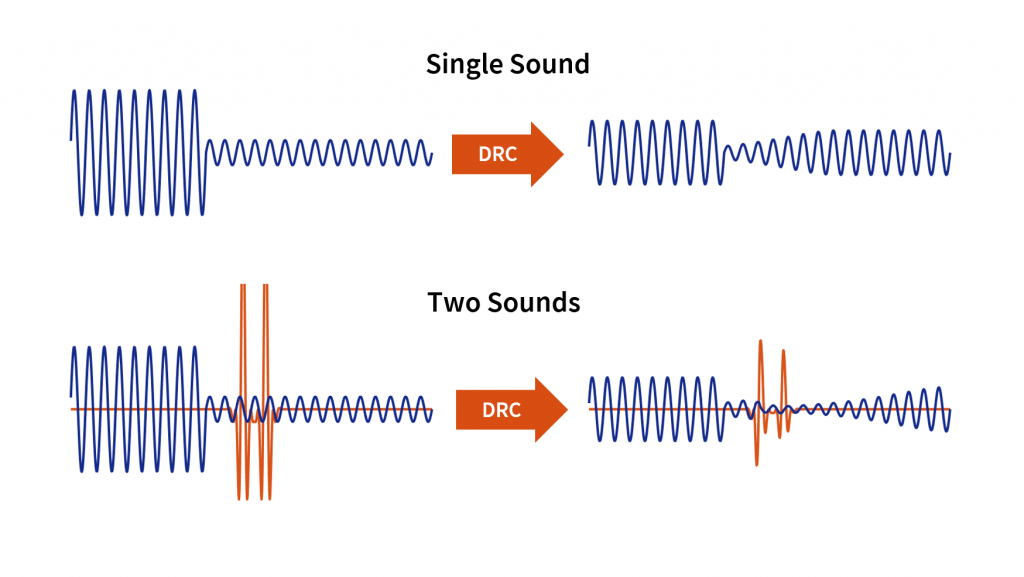
As an audio engineer, I’ve spent countless hours working with dynamic range compression. At its core, compression is a tool used to control the dynamic range of an audio signal. This means that it can be used to make quiet sounds louder and loud sounds quieter, resulting in a more consistent overall volume. Compression is an essential tool in the world of audio production, and it’s used in everything from music to film and television.
One of my favorite quotes about compression comes from the legendary producer Quincy Jones. He once said, “Compression is like a good pair of eyeglasses. You don’t notice them, but they make things look better.” And it’s true. When used correctly, compression can make an audio signal sound more polished and professional.

Dynamic Range Compression vs. Limiting

While compression and limiting are often used interchangeably, they are actually two different processes. Compression is used to control the dynamic range of an audio signal, while limiting is used to prevent the signal from exceeding a certain level. In other words, limiting is a more extreme form of compression.
One of the most common uses of limiting is in mastering, which is the final step in the audio production process. During mastering, the goal is to make sure that the audio sounds consistent across different playback systems. Limiting is used to prevent the audio from distorting or clipping when played back on a variety of systems.

Audio Expansion: The Other Side of the Coin

While compression and limiting are used to control the dynamic range of an audio signal, expansion is used to increase it. Expansion is the opposite of compression, and it’s used to make quiet sounds even quieter. This can be useful in situations where you want to bring out the details in a recording.
One of my favorite examples of the use of expansion comes from the film “No Country for Old Men.” In the film, there’s a scene where the main character is walking through a hotel room. As he walks, you can hear the sound of his footsteps echoing off the walls. The sound of the footsteps is very quiet, but it’s still audible. This is a great example of the use of expansion to bring out the details in a recording.
Final Words:
In conclusion, dynamic range compression, limiting, and expansion are all essential tools in the world of audio production. Whether you’re working on music, film, or television, understanding how to use these tools can make a huge difference in the final product. And while there are many different techniques and approaches to using compression, limiting, and expansion, the most important thing is to use your ears and trust your instincts.
audio compression, dynamic range, audio engineering, audio processing, audio mixing, audio production, audio mastering, audio software, audio plugins, audio effects, audio equipment, audio gear, audio technology, audio science, audio theory, audio education, audio tutorials, audio tips, audio tricks, audio hacks, audio workflow, audio techniques, audio aesthetics, audio quality, audio fidelity, audio perception, audio psychology, audio philosophy, audio history, audio culture, audio art, audio creativity, audio innovation, audio trends, audio industry, audio business, audio marketing, audio branding, audio advertising, audio monetization, audio revenue, audio distribution, audio streaming, audio downloads, audio formats, audio codecs, audio standards, audio compatibility, audio hardware, audio drivers, audio firmware, audio troubleshooting, audio repair, audio maintenance, audio optimization, audio performance, audio testing, audio measurement, audio analysis, audio visualization, audio synthesis, audio sampling, audio recording, audio editing, audio mixing, audio mastering, audio post-production, audio restoration, audio enhancement, audio noise reduction, audio equalization, audio filters, audio modulation, audio synthesis, audio synthesis

What is a signal-to-noise ratio in audio?

What is a signal-to-noise ratio in audio?

signal-to-noise ratio audio

Understanding the Basics of Audio Quality

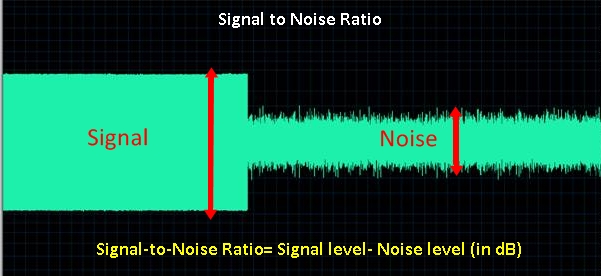
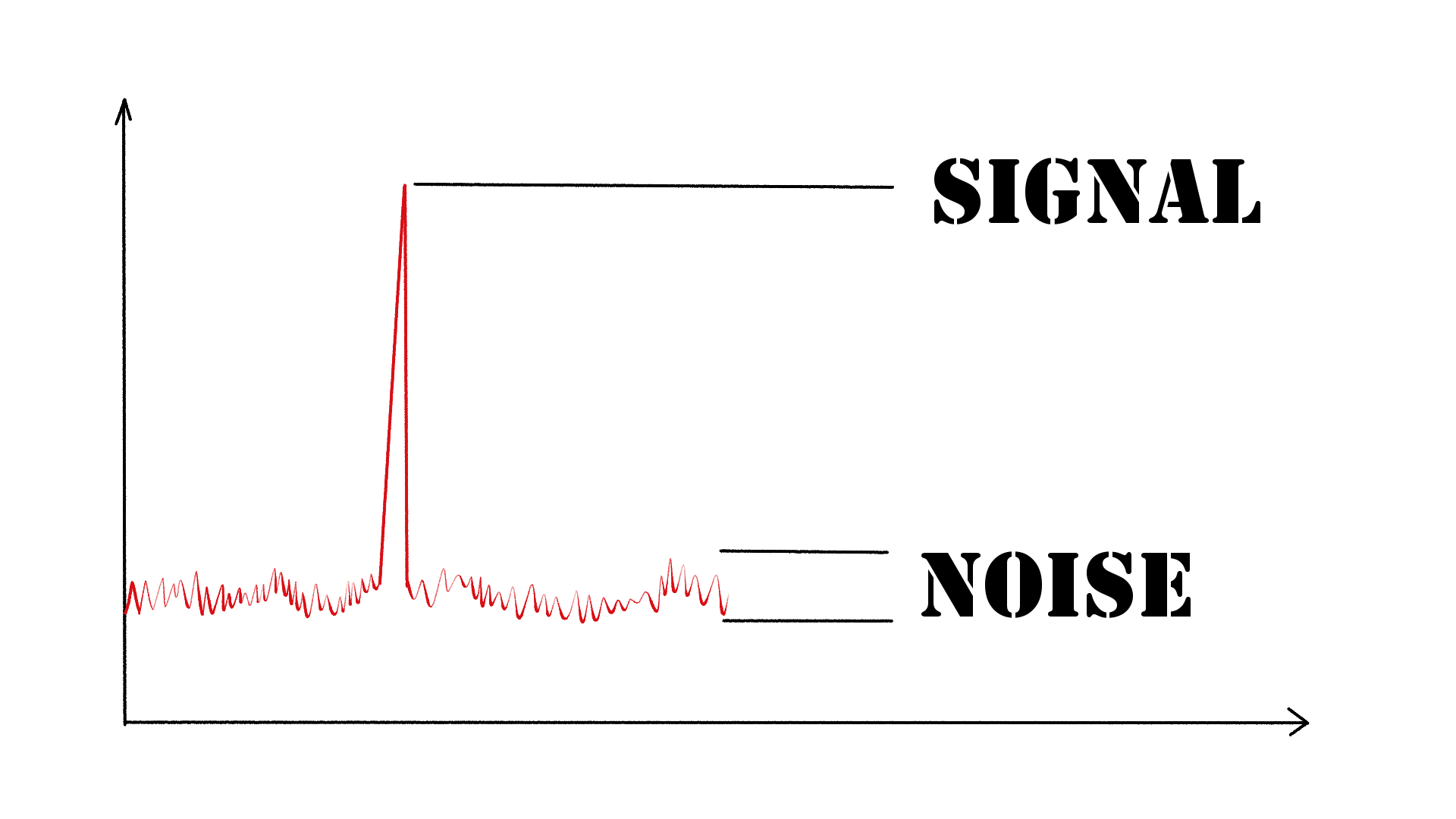
As an audio engineer, I have come across many questions about audio quality, and one of the most common ones is “What is a signal-to-noise ratio in audio?” In simple terms, the signal-to-noise ratio (SNR) is the difference between the desired audio signal and the background noise. A high SNR means that the desired signal is much stronger than the noise, resulting in better audio quality.
When it comes to audio quality, there are many factors to consider, such as audio processing, normalization, compression, dynamics, and distortion. Each of these factors can affect the SNR and, therefore, the overall audio quality. For example, audio normalization can help to increase the SNR by adjusting the volume levels of the audio signal, while audio compression can reduce the dynamic range of the audio signal, resulting in a more consistent SNR.

The Importance of Audio Normalization

As someone who has worked with audio for many years, I can attest to the importance of audio normalization. Normalization is the process of adjusting the volume levels of an audio signal to a standard level, which can help to improve the SNR and overall audio quality.
One of the benefits of audio normalization is that it can help to prevent distortion in the audio signal. When an audio signal is too loud, it can cause distortion, which can be heard as a buzzing or crackling sound. By normalizing the audio signal, you can ensure that it is at a safe and consistent volume level, which can help to prevent distortion and improve the overall audio quality.

The Role of Audio Compression in Audio Quality

Audio compression is another important factor to consider when it comes to audio quality. Compression is the process of reducing the dynamic range of an audio signal, which can help to make it sound more consistent and balanced.
One of the benefits of audio compression is that it can help to improve the SNR by reducing the background noise in the audio signal. However, it is important to use compression carefully, as too much compression can result in a loss of detail and dynamics in the audio signal. As with all aspects of audio engineering, finding the right balance is key to achieving the best possible audio quality.
Final Words:
In conclusion, understanding the basics of audio quality is essential for anyone working with audio. Whether you are an audio engineer, musician, or just someone who enjoys listening to music, knowing about factors such as SNR, normalization, compression, dynamics, and distortion can help you to achieve the best possible audio quality. And if you are looking for a solution to improve your audio quality, consider using mp4gain, a powerful and easy-to-use audio normalizer and converter that can help you to achieve consistent and high-quality audio.

audio quality, signal-to-noise ratio, audio engineering, audio processing, audio normalization, audio compression, audio dynamics, audio distortion, audio editing, audio software, audio plugins, audio effects, audio mixing, audio mastering, audio recording, audio equipment, audio cables, audio interfaces, audio monitors, audio speakers, audio headphones, audio formats, mp3, mp4, wav, flac, aac, ogg, audio bitrate, audio frequency, audio spectrum, audio waveform, audio visualization, audio analysis, audio restoration, audio repair, audio enhancement, audio improvement, audio tips, audio tricks, audio tutorials, audio guides, audio blogs, audio forums, audio community, audio enthusiasts, audio professionals, music production, sound design, sound effects, soundtracks, soundscapes, sound libraries, sound samples, soundfonts, sound packs, sound kits, sound engineering, sound recording, sound mixing, sound mastering, sound equipment, sound cables, sound interfaces, sound monitors, sound speakers, sound headphones, sound formats, sound bitrate, sound frequency, sound spectrum, sound waveform, sound visualization, sound analysis, sound restoration, sound repair, sound enhancement, sound improvement, sound tips, sound tricks, sound tutorials, sound guides, sound blogs, sound forums, sound community, sound enthusiasts, sound professionals.