Intelligent Content Prediction in MPEG-H Audio


Free Download Mp4Gain
picture

Intelligent Content Prediction in MPEG-H Audio
Intelligent Content Prediction in MPEG-H Audio

Intelligent Content Prediction in MPEG-H Audio

Let’s Talk About Intelligent Content Prediction in MPEG-H Audio

When we watch a movie or play a video game, we often underestimate the power of sound in shaping our experience. But imagine if the audio dynamically adjusted to every scene, heightening the tension in an action sequence or enveloping us in the ambiance of a serene landscape. This is precisely what intelligent content prediction in MPEG-H Audio aims to achieve. As an audio technology specialist, I’ve witnessed firsthand how this innovative feature revolutionizes our auditory experience, seamlessly integrating with visual content to create a truly immersive environment.

The Evolution of Audio Technology

Over the years, audio technology has undergone remarkable advancements, from the early days of mono recordings to the widespread adoption of surround sound systems. However, MPEG-H Audio represents a significant leap forward by introducing intelligent content prediction into the mix. This technology analyzes audiovisual content in real-time, anticipating changes and adjusting the audio parameters accordingly. The result? A seamless fusion of sound and image that enhances our engagement with various forms of media, whether it’s movies, video games, or virtual reality experiences.

Real-time Analysis

Advanced Algorithms: MPEG-H Audio employs sophisticated algorithms to analyze audiovisual content on the fly.
Contextual Understanding: These algorithms consider factors such as scene dynamics, spatial positioning, and auditory cues to anticipate audio events.
Predictive Capabilities: By comprehensively understanding the context of the content, MPEG-H Audio can predict upcoming audio elements and dynamically adjust the sound in response.

Dynamic Audio Adjustment

Real-time Adaptation: Based on the analysis, MPEG-H Audio dynamically adjusts various audio parameters to optimize the listening experience.
Volume and Spatial Positioning: This adjustment includes changes in volume levels, spatial positioning of sound elements, and adjustments to the dynamic range.
Enhanced Immersion: The goal is to ensure that the audio remains immersive and engaging, seamlessly aligning with the visuals to create a cohesive viewing experience.

The Benefits of Intelligent Content Prediction

The incorporation of intelligent content prediction in MPEG-H Audio offers a plethora of benefits for both content creators and consumers alike. For creators, it provides greater creative freedom, allowing them to focus on storytelling without getting bogged down in intricate audio details. Meanwhile, consumers enjoy a heightened level of immersion, feeling more connected to the content they’re experiencing. Let’s delve deeper into some of these benefits:

Enhanced Immersion

Seamless Integration: Intelligent content prediction ensures that the audio seamlessly integrates with the visuals, enhancing immersion.
Engaging Experience: Viewers feel more immersed in the narrative, whether it’s a heart-pounding action sequence or a poignant dialogue exchange.
Emotional Impact: The dynamic adjustment of audio elements heightens the emotional impact of key moments, drawing viewers deeper into the story.

Adaptive to Any Environment

Versatility: MPEG-H Audio’s adaptive nature allows it to perform optimally in any environment, whether it’s a bustling movie theater or a quiet living room.
Consistent Quality: Regardless of external factors such as background noise or room acoustics, the audio remains clear, balanced, and engaging.
Universal Appeal: This adaptability makes MPEG-H Audio suitable for a wide range of applications, from cinematic experiences to mobile gaming and beyond.

Future Applications and Innovations

Looking ahead, the potential applications and innovations of intelligent content prediction in MPEG-H Audio are limitless. As technology continues to evolve, we can expect even more sophisticated algorithms and features that further enhance the audio experience. Imagine attending a live concert where the sound dynamically adjusts based on your location within the venue or watching a movie with personalized audio commentary tailored to your preferences. The possibilities are endless.

Personalized Audio Experiences

Tailored Preferences: Intelligent content prediction opens the door to personalized audio experiences tailored to individual preferences.
Accessibility Features: From adjusting audio balance for hearing-impaired viewers to enhancing bass for music enthusiasts, MPEG-H Audio can accommodate diverse needs.
Inclusive Design: This level of personalization fosters inclusivity, ensuring that everyone can enjoy an optimal audio experience regardless of their unique requirements.

Integration with Emerging Technologies

Augmented Reality (AR) Integration: MPEG-H Audio is poised to integrate seamlessly with emerging technologies such as augmented reality (AR).
Spatial Computing: By combining intelligent content prediction with AR overlays and spatial audio, developers can create immersive audio experiences that blur the line between the virtual and physical worlds.
New Frontiers: This integration opens up new frontiers for storytelling, gaming, education, and more, ushering in a new era of interactive audio experiences.

Latest Words on Intelligent Content Prediction in MPEG-H Audio

In conclusion, MPEG-H Audio’s intelligent content prediction capabilities represent a significant advancement in audio technology. By analyzing audiovisual content in real-time and dynamically adjusting the sound, MPEG-H Audio enhances the immersion, engagement, and personalization of audio experiences across various media platforms. As technology continues to evolve, we can expect even more innovative applications and enhancements that further elevate the audio experience for audiences worldwide.

Comments:

This article is incredibly insightful! As a movie enthusiast, I’ve always been fascinated by the role of sound in storytelling. This article sheds light on a revolutionary technology that promises to take our audiovisual experiences to new heights.

– CinephileJoe

Wow, I never knew that audio technology had advanced to this level! The idea of personalized audio experiences tailored to individual preferences sounds like something straight out of science fiction. Can’t wait to see where this technology takes us!

– TechExplorer456

This article provides a comprehensive overview of MPEG-H Audio and its intelligent content prediction capabilities. However, I would have liked to see more discussion about the potential challenges and limitations of this technology. It’s important to consider factors such as compatibility issues, adoption rates, and the impact on traditional audio production workflows.

– AudioTechPro

I’ve been using MPEG-H Audio with my home theater system, and the difference in sound quality is astounding! It’s like being transported into the middle of the action. Highly recommend!

– MovieBuff82

Thank you for breaking down the complex world of audio technology into digestible chunks! I feel like I learned a lot from reading this article.

– LearningLurker


Free Download Mp4Gain
picture


Mp4Gain Main Window
picture


Mp4Gain Features
picture


Free Download Mp4Gain
picture

What is a signal-to-noise ratio in audio?

What is a signal-to-noise ratio in audio?

signal-to-noise ratio audio

Understanding the Basics of Audio Quality

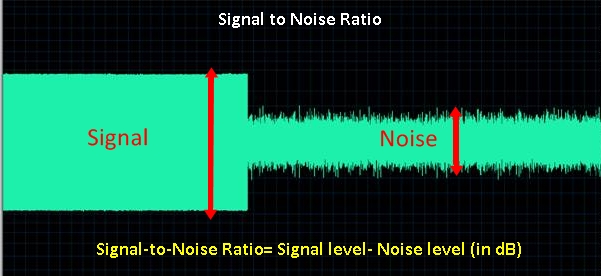
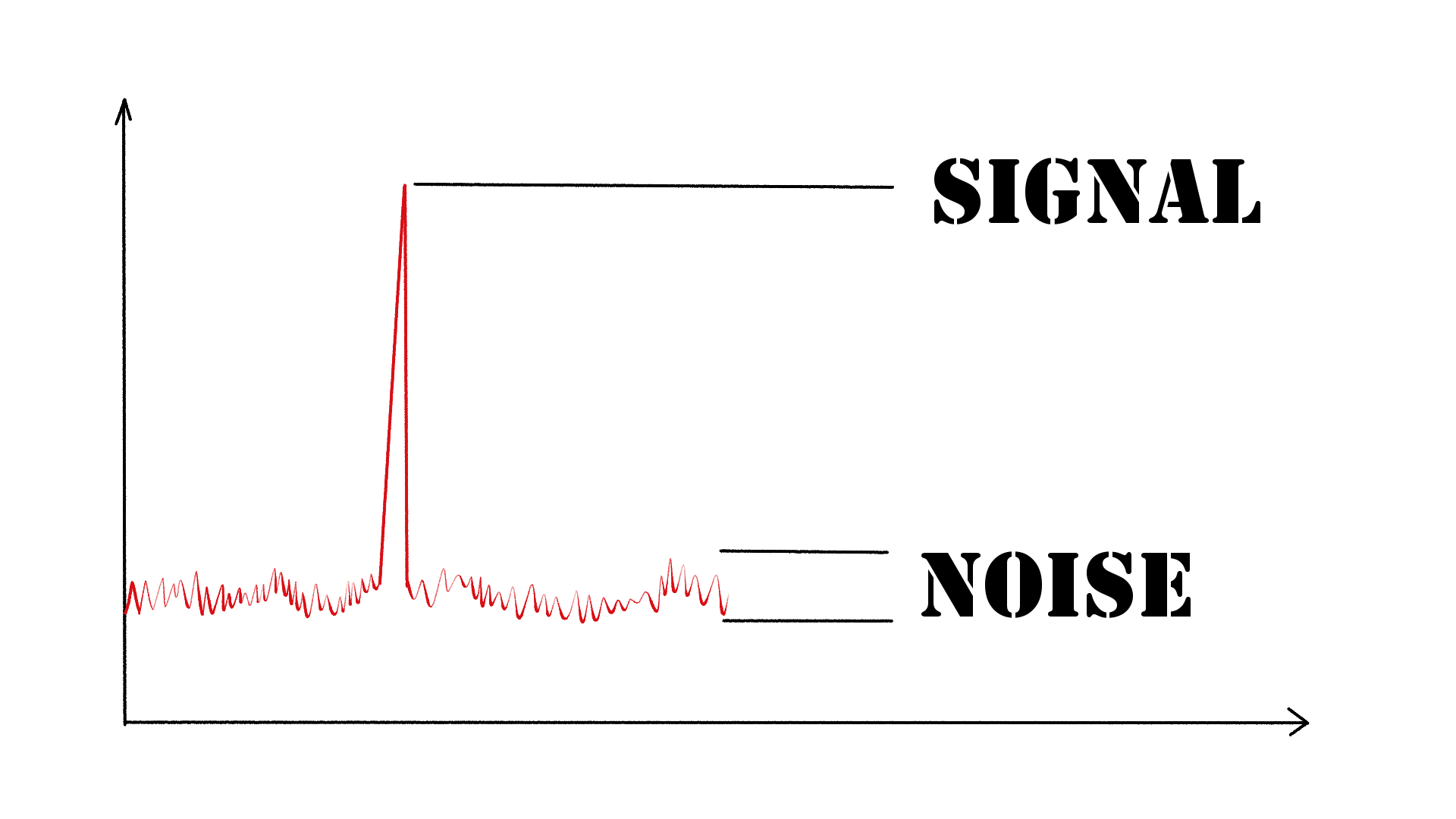
As an audio engineer, I have come across many questions about audio quality, and one of the most common ones is “What is a signal-to-noise ratio in audio?” In simple terms, the signal-to-noise ratio (SNR) is the difference between the desired audio signal and the background noise. A high SNR means that the desired signal is much stronger than the noise, resulting in better audio quality.
When it comes to audio quality, there are many factors to consider, such as audio processing, normalization, compression, dynamics, and distortion. Each of these factors can affect the SNR and, therefore, the overall audio quality. For example, audio normalization can help to increase the SNR by adjusting the volume levels of the audio signal, while audio compression can reduce the dynamic range of the audio signal, resulting in a more consistent SNR.

The Importance of Audio Normalization

As someone who has worked with audio for many years, I can attest to the importance of audio normalization. Normalization is the process of adjusting the volume levels of an audio signal to a standard level, which can help to improve the SNR and overall audio quality.
One of the benefits of audio normalization is that it can help to prevent distortion in the audio signal. When an audio signal is too loud, it can cause distortion, which can be heard as a buzzing or crackling sound. By normalizing the audio signal, you can ensure that it is at a safe and consistent volume level, which can help to prevent distortion and improve the overall audio quality.

The Role of Audio Compression in Audio Quality

Audio compression is another important factor to consider when it comes to audio quality. Compression is the process of reducing the dynamic range of an audio signal, which can help to make it sound more consistent and balanced.
One of the benefits of audio compression is that it can help to improve the SNR by reducing the background noise in the audio signal. However, it is important to use compression carefully, as too much compression can result in a loss of detail and dynamics in the audio signal. As with all aspects of audio engineering, finding the right balance is key to achieving the best possible audio quality.
Final Words:
In conclusion, understanding the basics of audio quality is essential for anyone working with audio. Whether you are an audio engineer, musician, or just someone who enjoys listening to music, knowing about factors such as SNR, normalization, compression, dynamics, and distortion can help you to achieve the best possible audio quality. And if you are looking for a solution to improve your audio quality, consider using mp4gain, a powerful and easy-to-use audio normalizer and converter that can help you to achieve consistent and high-quality audio.

audio quality, signal-to-noise ratio, audio engineering, audio processing, audio normalization, audio compression, audio dynamics, audio distortion, audio editing, audio software, audio plugins, audio effects, audio mixing, audio mastering, audio recording, audio equipment, audio cables, audio interfaces, audio monitors, audio speakers, audio headphones, audio formats, mp3, mp4, wav, flac, aac, ogg, audio bitrate, audio frequency, audio spectrum, audio waveform, audio visualization, audio analysis, audio restoration, audio repair, audio enhancement, audio improvement, audio tips, audio tricks, audio tutorials, audio guides, audio blogs, audio forums, audio community, audio enthusiasts, audio professionals, music production, sound design, sound effects, soundtracks, soundscapes, sound libraries, sound samples, soundfonts, sound packs, sound kits, sound engineering, sound recording, sound mixing, sound mastering, sound equipment, sound cables, sound interfaces, sound monitors, sound speakers, sound headphones, sound formats, sound bitrate, sound frequency, sound spectrum, sound waveform, sound visualization, sound analysis, sound restoration, sound repair, sound enhancement, sound improvement, sound tips, sound tricks, sound tutorials, sound guides, sound blogs, sound forums, sound community, sound enthusiasts, sound professionals.

The Future of Audio Formats

The Future of Audio Formats

Future of Audio Formats

Emerging Audio Formats

As technology continues to evolve, new audio formats are being developed and gaining popularity. From immersive sound to voice-activated devices, there are many emerging formats that are changing the way we experience audio. One example of this is Dolby Atmos, which creates a surround sound experience by adding height channels to traditional 5.1 and 7.1 surround sound setups. According to Dolby, “The future of audio is in the immersive experience.” Another example is smart speakers, which are becoming increasingly popular for their ability to play music and respond to voice commands. Personal experience with these devices has shown me the convenience and versatility they provide, making them an exciting addition to the future of audio.

New Audio Format Trends

In addition to emerging formats, there are also new trends in audio formats that are gaining traction. One such trend is the move towards lossless audio, which aims to provide a higher quality listening experience. This has been demonstrated by the rise of services such as Tidal, which offers high-fidelity streaming. Another trend is the rise of podcasting, which has become a popular medium for storytelling and sharing ideas. As someone who has been a regular podcast listener for years, I have found this format to be engaging and informative, and a great way to learn about a variety of topics.

The Evolution of Audio Technology

Finally, the future of audio formats is closely tied to the evolution of audio technology. As new technologies are developed and improved, they will pave the way for new and innovative audio formats. For example, advances in machine learning and artificial intelligence are making it possible to create more realistic and lifelike sounds. As stated in the book “The Sonic Boom: How Sound Transforms the Way We Think, Feel, and Buy,” “The next stage of audio is likely to involve more complex soundscapes that are tailored to the specific needs and preferences of each listener.” This personalized approach to audio will create a more immersive and enjoyable listening experience for all.
Final Words:
As the world of audio continues to evolve, it is exciting to see what the future holds. From emerging formats to new trends and innovative technologies, the possibilities are endless. Whether you’re a music lover, a podcast enthusiast, or simply enjoy listening to audio content, there has never been a more exciting time to be a part of the audio industry.