Intelligent Content Prediction in MPEG-H Audio


Free Download Mp4Gain
picture

Intelligent Content Prediction in MPEG-H Audio
Intelligent Content Prediction in MPEG-H Audio

Intelligent Content Prediction in MPEG-H Audio

Let’s Talk About Intelligent Content Prediction in MPEG-H Audio

When we watch a movie or play a video game, we often underestimate the power of sound in shaping our experience. But imagine if the audio dynamically adjusted to every scene, heightening the tension in an action sequence or enveloping us in the ambiance of a serene landscape. This is precisely what intelligent content prediction in MPEG-H Audio aims to achieve. As an audio technology specialist, I’ve witnessed firsthand how this innovative feature revolutionizes our auditory experience, seamlessly integrating with visual content to create a truly immersive environment.

The Evolution of Audio Technology

Over the years, audio technology has undergone remarkable advancements, from the early days of mono recordings to the widespread adoption of surround sound systems. However, MPEG-H Audio represents a significant leap forward by introducing intelligent content prediction into the mix. This technology analyzes audiovisual content in real-time, anticipating changes and adjusting the audio parameters accordingly. The result? A seamless fusion of sound and image that enhances our engagement with various forms of media, whether it’s movies, video games, or virtual reality experiences.

Real-time Analysis

Advanced Algorithms: MPEG-H Audio employs sophisticated algorithms to analyze audiovisual content on the fly.
Contextual Understanding: These algorithms consider factors such as scene dynamics, spatial positioning, and auditory cues to anticipate audio events.
Predictive Capabilities: By comprehensively understanding the context of the content, MPEG-H Audio can predict upcoming audio elements and dynamically adjust the sound in response.

Dynamic Audio Adjustment

Real-time Adaptation: Based on the analysis, MPEG-H Audio dynamically adjusts various audio parameters to optimize the listening experience.
Volume and Spatial Positioning: This adjustment includes changes in volume levels, spatial positioning of sound elements, and adjustments to the dynamic range.
Enhanced Immersion: The goal is to ensure that the audio remains immersive and engaging, seamlessly aligning with the visuals to create a cohesive viewing experience.

The Benefits of Intelligent Content Prediction

The incorporation of intelligent content prediction in MPEG-H Audio offers a plethora of benefits for both content creators and consumers alike. For creators, it provides greater creative freedom, allowing them to focus on storytelling without getting bogged down in intricate audio details. Meanwhile, consumers enjoy a heightened level of immersion, feeling more connected to the content they’re experiencing. Let’s delve deeper into some of these benefits:

Enhanced Immersion

Seamless Integration: Intelligent content prediction ensures that the audio seamlessly integrates with the visuals, enhancing immersion.
Engaging Experience: Viewers feel more immersed in the narrative, whether it’s a heart-pounding action sequence or a poignant dialogue exchange.
Emotional Impact: The dynamic adjustment of audio elements heightens the emotional impact of key moments, drawing viewers deeper into the story.

Adaptive to Any Environment

Versatility: MPEG-H Audio’s adaptive nature allows it to perform optimally in any environment, whether it’s a bustling movie theater or a quiet living room.
Consistent Quality: Regardless of external factors such as background noise or room acoustics, the audio remains clear, balanced, and engaging.
Universal Appeal: This adaptability makes MPEG-H Audio suitable for a wide range of applications, from cinematic experiences to mobile gaming and beyond.

Future Applications and Innovations

Looking ahead, the potential applications and innovations of intelligent content prediction in MPEG-H Audio are limitless. As technology continues to evolve, we can expect even more sophisticated algorithms and features that further enhance the audio experience. Imagine attending a live concert where the sound dynamically adjusts based on your location within the venue or watching a movie with personalized audio commentary tailored to your preferences. The possibilities are endless.

Personalized Audio Experiences

Tailored Preferences: Intelligent content prediction opens the door to personalized audio experiences tailored to individual preferences.
Accessibility Features: From adjusting audio balance for hearing-impaired viewers to enhancing bass for music enthusiasts, MPEG-H Audio can accommodate diverse needs.
Inclusive Design: This level of personalization fosters inclusivity, ensuring that everyone can enjoy an optimal audio experience regardless of their unique requirements.

Integration with Emerging Technologies

Augmented Reality (AR) Integration: MPEG-H Audio is poised to integrate seamlessly with emerging technologies such as augmented reality (AR).
Spatial Computing: By combining intelligent content prediction with AR overlays and spatial audio, developers can create immersive audio experiences that blur the line between the virtual and physical worlds.
New Frontiers: This integration opens up new frontiers for storytelling, gaming, education, and more, ushering in a new era of interactive audio experiences.

Latest Words on Intelligent Content Prediction in MPEG-H Audio

In conclusion, MPEG-H Audio’s intelligent content prediction capabilities represent a significant advancement in audio technology. By analyzing audiovisual content in real-time and dynamically adjusting the sound, MPEG-H Audio enhances the immersion, engagement, and personalization of audio experiences across various media platforms. As technology continues to evolve, we can expect even more innovative applications and enhancements that further elevate the audio experience for audiences worldwide.

Comments:

This article is incredibly insightful! As a movie enthusiast, I’ve always been fascinated by the role of sound in storytelling. This article sheds light on a revolutionary technology that promises to take our audiovisual experiences to new heights.

– CinephileJoe

Wow, I never knew that audio technology had advanced to this level! The idea of personalized audio experiences tailored to individual preferences sounds like something straight out of science fiction. Can’t wait to see where this technology takes us!

– TechExplorer456

This article provides a comprehensive overview of MPEG-H Audio and its intelligent content prediction capabilities. However, I would have liked to see more discussion about the potential challenges and limitations of this technology. It’s important to consider factors such as compatibility issues, adoption rates, and the impact on traditional audio production workflows.

– AudioTechPro

I’ve been using MPEG-H Audio with my home theater system, and the difference in sound quality is astounding! It’s like being transported into the middle of the action. Highly recommend!

– MovieBuff82

Thank you for breaking down the complex world of audio technology into digestible chunks! I feel like I learned a lot from reading this article.

– LearningLurker


Free Download Mp4Gain
picture


Mp4Gain Main Window
picture


Mp4Gain Features
picture


Free Download Mp4Gain
picture

Psychoacoustic Analysis in AV2 Video Codec

Psychoacoustic Analysis in AV2 Video Codec

Psychoacoustic Analysis in AV2 Video Codec

Psychoacoustic Analysis in AV2 Video Codec

Let’s talk about Psychoacoustic Analysis in AV2 Video Codec

As a specialist in audiovisual technology, I’m excited to delve into the fascinating world of psychoacoustic analysis within the AV2 video codec. Psychoacoustic analysis isn’t just about sound; it’s about understanding how our brains perceive audio stimuli. When applied to video codecs like AV2, it plays a crucial role in optimizing audio compression without sacrificing quality. Imagine watching your favorite movie or streaming a concert online, where every sound is reproduced faithfully, immersing you in the experience. That’s the magic of psychoacoustic analysis in AV2 – it enhances audio quality while minimizing file size, delivering a viewing experience that’s both captivating and efficient.

The Science Behind Psychoacoustic Analysis

Psychoacoustic analysis is rooted in our understanding of how the human auditory system works. Our brains are remarkably adept at processing audio information, discerning subtle nuances in pitch, timbre, and spatial location. By studying these perceptual mechanisms, audio engineers can identify sounds that are less likely to be heard or perceived, known as auditory masking. This knowledge forms the basis of psychoacoustic analysis, where audio signals are analyzed and encoded in a way that minimizes perceptible distortion while maximizing compression efficiency.

Key Principles of Psychoacoustic Analysis

  • Threshold of Hearing: The minimum sound level that can be detected by the human ear.
  • Auditory Masking: The phenomenon where the presence of one sound makes another sound less audible.
  • Temporal Masking: When a loud sound makes a quiet sound inaudible if they occur close together in time.
  • Frequency Masking: When a loud sound makes a quiet sound inaudible if they occur close together in frequency.

Integration of Psychoacoustic Analysis in AV2 Video Codec

Now, let’s explore how psychoacoustic analysis is integrated into the AV2 video codec to enhance audio compression and quality. AV2 employs sophisticated algorithms that leverage psychoacoustic principles to identify perceptually irrelevant audio information and discard it during compression. By doing so, AV2 achieves significant compression ratios without compromising audio fidelity. This means that even with smaller file sizes, viewers can enjoy immersive audio experiences with minimal perceptible loss in quality.

Benefits of Psychoacoustic Analysis in AV2

  • High Compression Efficiency: AV2 achieves impressive compression ratios while maintaining audio quality.
  • Improved Bandwidth Management: Streaming platforms can deliver high-quality audio content more efficiently.
  • Enhanced User Experience: Viewers can enjoy immersive audio without the need for large file downloads.
  • Compatibility with Various Devices: AV2’s optimized audio compression makes it suitable for a wide range of playback devices.

Latest words on Psychoacoustic Analysis in AV2 Video Codec

In conclusion, psychoacoustic analysis plays a pivotal role in shaping the future of audiovisual technology, particularly within the AV2 video codec. By understanding the intricacies of human auditory perception, engineers can create compression algorithms that strike the perfect balance between efficiency and quality. As technology continues to evolve, we can expect further advancements in psychoacoustic analysis, leading to even more immersive and efficient audiovisual experiences.

Comments:

This article provided some fascinating insights into the integration of psychoacoustic analysis in AV2. I never realized how much science goes into audio compression!

As a filmmaker, I’m always looking for ways to optimize audio quality without bloating file sizes. AV2 seems like the perfect solution!

Could you elaborate more on the specific algorithms used in AV2 for psychoacoustic analysis? I’m really intrigued by the technical details!

It’s incredible to see how advancements in psychoacoustic analysis are revolutionizing the way we experience audiovisual content. Kudos to the engineers behind AV2!

I’ve been searching for articles on AV2 and its integration of psychoacoustic analysis, and this one provided the most comprehensive explanation by far. Great job!

As an audiophile, I’m always interested in learning about the latest technologies in audio compression. This article shed light on a fascinating aspect of AV2!

More articles like this, please! I love diving deep into the science behind audiovisual technology, and this article delivered on that front.

Psychoacoustic analysis in AV2 is a game-changer for streaming platforms. It’s amazing how much impact it can have on bandwidth management and user experience!

Great article! I learned a lot about the integration of psychoacoustic analysis in AV2 and its implications for audiovisual content creators and consumers.

This article provided a clear and concise overview of psychoacoustic analysis in AV2. I’ll definitely be sharing it with my colleagues in the industry!

Challenges of Implementing CBR in MP3 Compression

Challenges of Implementing CBR in MP3 Compression

Challenges of Implementing CBR in MP3 Compression

Challenges of Implementing CBR in MP3 Compression

Latest Words on MP3 Compression

When delving into the realm of MP3 compression, it’s crucial to understand the intricacies of Constant Bit Rate (CBR) and the challenges associated with its implementation. As an expert in the field, I’ve encountered various complexities that demand a closer examination.

Let’s Talk about CBR in MP3 Compression

Implementing CBR in MP3 compression is a nuanced process that involves maintaining a consistent bit rate throughout the encoding. This ensures uniform audio quality but presents challenges that need addressing. One significant challenge lies in optimizing file size without compromising audio fidelity.

Optimizing File Size

In the quest for efficient compression, striking the right balance between file size and audio quality becomes paramount. Imagine a file as a delicate ecosystem where every bit matters. It’s like sculpting a masterpiece where removing too much compromises the essence.

Preserving Audio Fidelity

CBR struggles to adapt to dynamic audio complexities. Consider it akin to a chef preparing a dish with uniform flavors throughout, overlooking the subtleties that dynamic bit rates can capture. This uniformity poses challenges in preserving the richness and depth of diverse sound elements.

Challenges Beyond Uniformity

While CBR aims for consistency, the world of audio is dynamic and diverse. One-size-fits-all doesn’t always apply, and CBR faces hurdles in accommodating the intricacies of different musical genres, vocals, and ambient sounds.

Genre-Specific Challenges

Think of CBR as a canvas trying to capture the essence of various musical genres. The challenge lies in ensuring that genres with intricate nuances, like classical or jazz, receive the same level of justice as genres with simpler compositions.

Vocal and Ambient Considerations

CBR encounters difficulties when handling vocals and ambient sounds. It’s like a storyteller narrating tales where whispers and echoes are as crucial as the main narrative. CBR struggles to adapt and provide an equally immersive experience.

Let’s Dive Deeper

Going beyond the surface, the challenges of implementing CBR in MP3 compression reveal a landscape where uniformity clashes with diversity. As an enthusiast navigating this terrain, I’ve come to appreciate the complexities and the ongoing quest for solutions.

Emerging Solutions

While challenges persist, the industry doesn’t shy away from innovation. Think of it as a journey where every stumbling block paves the way for new solutions. Engineers are exploring adaptive techniques that blend the uniformity of CBR with the flexibility needed to navigate dynamic audio landscapes.

Looking Ahead

The world of MP3 compression, with its challenges and triumphs, is ever-evolving. As a dedicated explorer of audio technologies, I find solace in the fact that challenges spur innovation. The road ahead promises new approaches, ensuring that the quest for optimal MP3 compression remains an exciting adventure.

Comments:

CBR in MP3 compression has always fascinated me. The challenges mentioned resonate with my experiences. Looking forward to more insights!

Great article! However, I wish there was more detail on solutions to these challenges. Still, a valuable read!

As a music producer, the struggle with CBR’s uniformity is real. Hoping for advancements in adaptive techniques.

Audio Latency Compensation

Understanding Audio Latency Compensation

Audio Latency Compensation

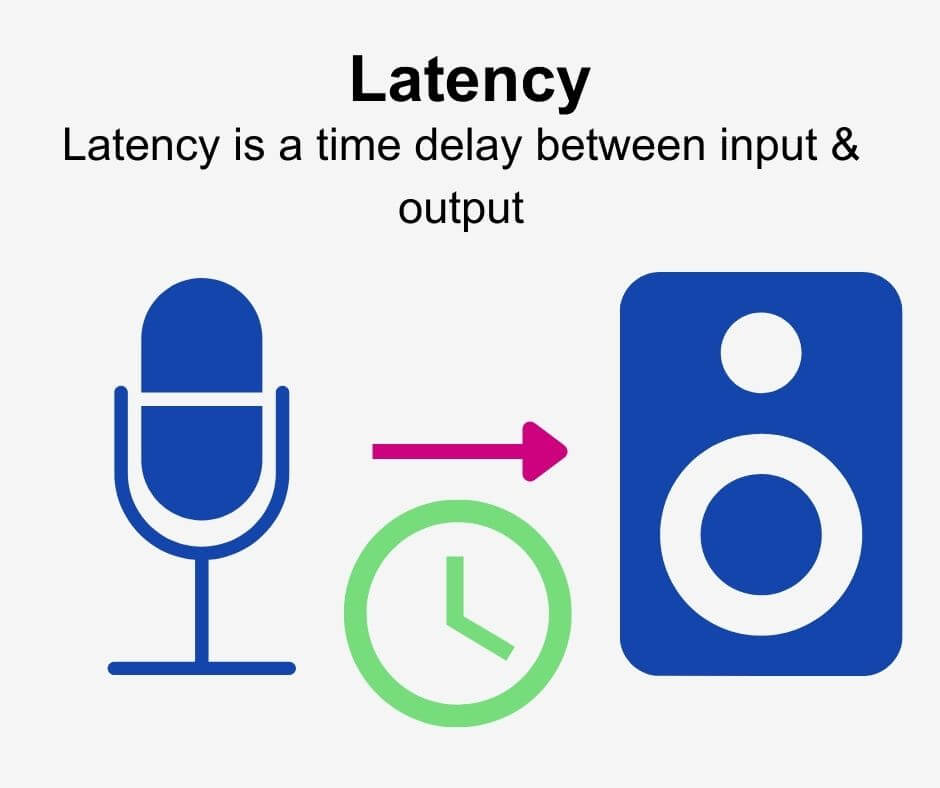
Audio latency compensation is a critical concept in the world of audio processing and production. It refers to the delay that can occur when processing audio signals, and it’s a topic that impacts everything from live performances to recording studio sessions and even everyday experiences like watching TV or playing video games. In this article, I’ll delve into the intricacies of audio latency compensation, exploring its significance, how it affects various applications, and how it can be managed for optimal audio experiences.

Audio latency compensation is essentially the delay that occurs when an audio signal is processed or transmitted from its source to its destination. This delay can be introduced at various stages of audio processing, such as when recording instruments, mixing tracks, or even during live performances. It’s measured in milliseconds and is a critical factor in ensuring that audio remains synchronized and cohesive.

Why Does Audio Latency Matter?

Audio Latency Compensation

The importance of audio latency compensation becomes evident when you consider scenarios where timing is crucial. For instance, in a live concert, the sound from microphones and instruments must reach the audience’s ears in sync with what they see on stage. Any delay can lead to a disjointed experience. Similarly, in music production, when multiple tracks are mixed, misaligned audio can result in muddiness or phase cancellation, affecting the overall quality of the recording.

Audio latency also plays a significant role in gaming. Gamers rely on audio cues for spatial awareness, and any latency can disrupt their ability to react quickly. Imagine playing a first-person shooter where the gunshot sound lags behind the visual animation; it could be the difference between victory and defeat.

Managing Audio Latency

To address audio latency, various techniques and technologies are employed. One common method is buffer size adjustment. This involves adjusting the size of data buffers in audio processing software or hardware to minimize delay. Smaller buffer sizes reduce latency but may strain the computer’s processing power, while larger buffers reduce strain but increase latency.

In professional audio setups, dedicated hardware interfaces with low-latency capabilities are used to minimize delay. These interfaces are designed to handle audio signals efficiently, ensuring minimal latency during recording and playback.

In the realm of gaming and live audio, technologies like ASIO (Audio Stream Input/Output) and low-latency audio drivers are employed to achieve near-instantaneous audio processing.

People Also Asked About Audio Latency Compensation

1. What Causes Audio Latency?

Audio latency can be caused by several factors, including:

Hardware Processing: Slow processors or insufficient RAM can lead to latency when processing audio.
Software Buffering: When audio data is buffered for processing, it can introduce delay, especially if the buffer size is too large.
Network Latency: In online applications, data transmission over the internet can introduce latency.

2. How Does Latency Affect Streaming and Online Calls?

In streaming and online calls, high latency can result in delays between audio and video, leading to unsynchronized experiences. This is often noticeable in live broadcasts or video conferencing.

3. Are There Differences Between Latency in Music Production and Gaming?

Yes, there are differences. In music production, low-latency is critical for real-time monitoring and recording. In gaming, low-latency ensures that audio cues match gameplay actions for a seamless experience.

4. Can Latency Be Completely Eliminated?

While we can minimize latency to imperceptible levels, complete elimination is challenging due to the limitations of hardware, software, and network transmission. Achieving extremely low latency is the goal, but there will always be some minimal delay.

Keywords with Identical Search Intent

1. Audio Delay Reduction Techniques

Reducing audio delay involves techniques like buffer size optimization, hardware upgrades, and low-latency drivers. These methods aim to minimize the time it takes for audio signals to travel from source to output.

2. Real-time Audio Processing

Real-time audio processing is crucial in applications like live sound engineering and gaming. It involves minimizing latency to ensure that audio signals are processed and delivered without noticeable delays.

3. Low-Latency Audio Interfaces

Low-latency audio interfaces are specialized hardware devices that enable musicians and producers to work with minimal audio delay. They are essential tools in professional music studios.

4. Latency Compensation in Audio Software

Audio software often includes features for latency compensation, allowing users to adjust settings and reduce delays during recording and playback. Understanding and utilizing these features is vital for audio professionals.

Last Words

In the world of audio, timing is everything. Whether you’re a musician, a gamer, or simply a fan of high-quality audio, understanding and managing audio latency compensation is essential for an immersive and seamless experience. By employing the right techniques and technologies, you can ensure that audio signals reach your ears with minimal delay, preserving the integrity of the sound and enhancing your overall enjoyment. So, whether you’re rocking out at a concert, producing your next hit song, or conquering virtual worlds in gaming, remember that audio latency compensation plays a pivotal role in shaping your auditory experience.