Error Resilience in MP3 Audio Streaming


Free Download Mp4Gain
picture

Implications of Error Resilience in MP3 Audio Streaming

Error Resilience in MP3 Audio Streaming

Let’s Talk about Error Resilience in MP3 Audio Streaming

As a specialist with extensive experience in the world of audio streaming, I’m excited to explore the fascinating realm of error resilience in MP3 audio streaming. Let’s dive deep into this critical aspect and uncover its implications and importance.

The Essence of Error Resilience

Imagine you’re sending a handwritten letter in the mail, and it’s essential that the recipient receives it intact. To ensure this, you put the letter in a sturdy envelope, choose a reliable postal service, and add tracking. Error resilience in audio streaming shares a similar goal – to ensure that your audio reaches its destination without hiccups.

Understanding Error Resilience in MP3 Audio Streaming

To fully grasp the implications, let’s break down the concept into its core components.

Defining Error Resilience

Error resilience, in the context of audio streaming, refers to the system’s ability to withstand disturbances, such as network glitches, without severe degradation in audio quality. Think of it as your favorite song playing smoothly, even if your internet connection momentarily stutters.

Importance of Error Resilience

Error resilience is crucial because it directly affects the quality of your audio experience. Just as a well-protected letter ensures your message is received as intended, error-resilient audio streaming guarantees you hear your music without annoying interruptions.

Real-Life Examples

Let’s relate these concepts to everyday scenarios.

Streaming Music Services

When you’re grooving to your favorite tunes on Spotify or Apple Music, error resilience is the reason your playlist continues playing seamlessly, even if your Wi-Fi signal momentarily weakens.

Online Radio

Imagine tuning in to your favorite radio station online. Error resilience ensures that the DJ’s voice and your beloved songs don’t turn into an interrupted garble during a brief internet glitch.

Podcast Streaming

Whether you’re listening to a captivating podcast on a long road trip or while jogging, error resilience guarantees that the storytelling remains uninterrupted, even if you pass through areas with varying signal strengths.

Latest Advances in Error Resilience

The world of audio streaming is ever-evolving, and error resilience is continuously improving.

Adaptive Error Correction

Recent advancements include adaptive error correction, where the system can detect and rectify errors on the fly. Think of it as a self-healing envelope that repairs itself if it gets damaged during delivery.

Enhanced Audio Buffering

To ensure a smooth audio stream, modern systems use advanced buffering techniques. It’s like a smart postal service that holds your letter for a moment if there’s a hiccup in the delivery process and then resumes its journey seamlessly.

The Bottom Line: Ensuring Your Audio Experience

In a nutshell, error resilience in MP3 audio streaming is the unsung hero that ensures your favorite music, podcasts, and radio shows reach your ears without disturbances. It’s the reason you can enjoy uninterrupted audio, just like receiving a perfectly preserved letter in the mail.

Comments:

This article cleared up the mystery behind why my music doesn’t stutter when I’m on a road trip. Thanks for the insights!

– RoadTripper99

I had no idea error resilience was so crucial in audio streaming. It’s like magic behind the scenes!

– AudioWizard

Could you elaborate on how adaptive error correction works? I’m fascinated by this technology.

– TechGeek123

Great article! It’s like you’ve unraveled the secrets of uninterrupted music streaming.

– MusicEnthusiast

This article transformed my understanding of audio streaming. Error resilience is truly a game-changer!

– SoundLover


Free Download Mp4Gain
picture


Mp4Gain Main Window
picture


Mp4Gain Features
picture


Free Download Mp4Gain
picture

Audio Latency Compensation

Understanding Audio Latency Compensation

Audio Latency Compensation

Audio latency compensation is a critical concept in the world of audio processing and production. It refers to the delay that can occur when processing audio signals, and it’s a topic that impacts everything from live performances to recording studio sessions and even everyday experiences like watching TV or playing video games. In this article, I’ll delve into the intricacies of audio latency compensation, exploring its significance, how it affects various applications, and how it can be managed for optimal audio experiences.

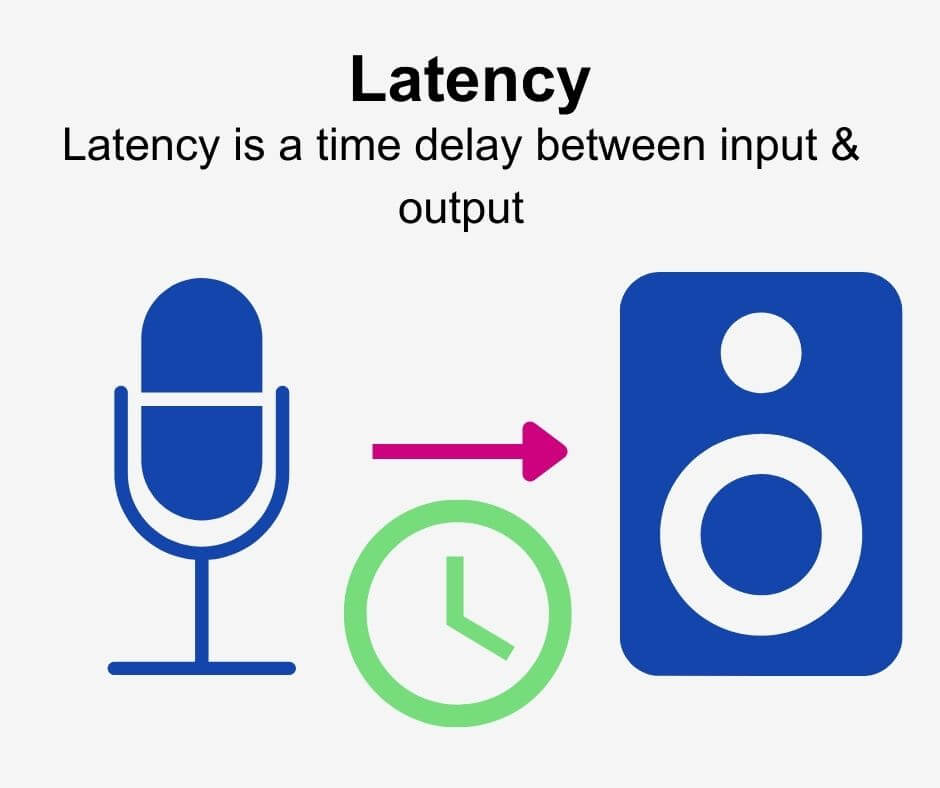
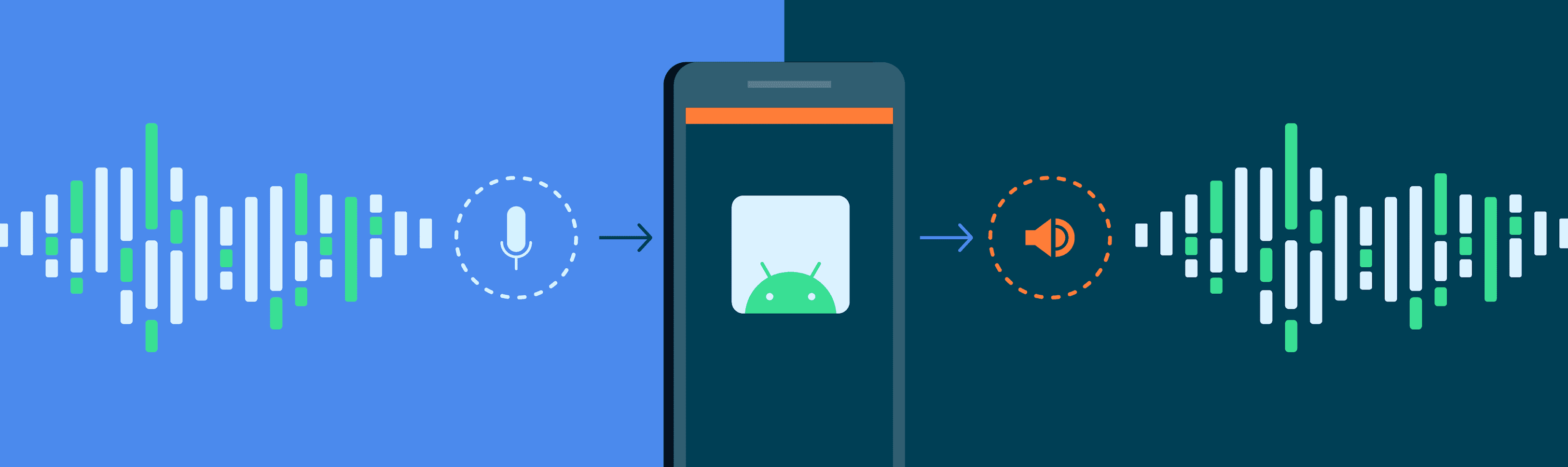
Audio latency compensation is essentially the delay that occurs when an audio signal is processed or transmitted from its source to its destination. This delay can be introduced at various stages of audio processing, such as when recording instruments, mixing tracks, or even during live performances. It’s measured in milliseconds and is a critical factor in ensuring that audio remains synchronized and cohesive.

Why Does Audio Latency Matter?

Audio Latency Compensation

The importance of audio latency compensation becomes evident when you consider scenarios where timing is crucial. For instance, in a live concert, the sound from microphones and instruments must reach the audience’s ears in sync with what they see on stage. Any delay can lead to a disjointed experience. Similarly, in music production, when multiple tracks are mixed, misaligned audio can result in muddiness or phase cancellation, affecting the overall quality of the recording.

Audio latency also plays a significant role in gaming. Gamers rely on audio cues for spatial awareness, and any latency can disrupt their ability to react quickly. Imagine playing a first-person shooter where the gunshot sound lags behind the visual animation; it could be the difference between victory and defeat.

Managing Audio Latency

To address audio latency, various techniques and technologies are employed. One common method is buffer size adjustment. This involves adjusting the size of data buffers in audio processing software or hardware to minimize delay. Smaller buffer sizes reduce latency but may strain the computer’s processing power, while larger buffers reduce strain but increase latency.

In professional audio setups, dedicated hardware interfaces with low-latency capabilities are used to minimize delay. These interfaces are designed to handle audio signals efficiently, ensuring minimal latency during recording and playback.

In the realm of gaming and live audio, technologies like ASIO (Audio Stream Input/Output) and low-latency audio drivers are employed to achieve near-instantaneous audio processing.

People Also Asked About Audio Latency Compensation

1. What Causes Audio Latency?

Audio latency can be caused by several factors, including:

Hardware Processing: Slow processors or insufficient RAM can lead to latency when processing audio.
Software Buffering: When audio data is buffered for processing, it can introduce delay, especially if the buffer size is too large.
Network Latency: In online applications, data transmission over the internet can introduce latency.

2. How Does Latency Affect Streaming and Online Calls?

In streaming and online calls, high latency can result in delays between audio and video, leading to unsynchronized experiences. This is often noticeable in live broadcasts or video conferencing.

3. Are There Differences Between Latency in Music Production and Gaming?

Yes, there are differences. In music production, low-latency is critical for real-time monitoring and recording. In gaming, low-latency ensures that audio cues match gameplay actions for a seamless experience.

4. Can Latency Be Completely Eliminated?

While we can minimize latency to imperceptible levels, complete elimination is challenging due to the limitations of hardware, software, and network transmission. Achieving extremely low latency is the goal, but there will always be some minimal delay.

Keywords with Identical Search Intent

1. Audio Delay Reduction Techniques

Reducing audio delay involves techniques like buffer size optimization, hardware upgrades, and low-latency drivers. These methods aim to minimize the time it takes for audio signals to travel from source to output.

2. Real-time Audio Processing

Real-time audio processing is crucial in applications like live sound engineering and gaming. It involves minimizing latency to ensure that audio signals are processed and delivered without noticeable delays.

3. Low-Latency Audio Interfaces

Low-latency audio interfaces are specialized hardware devices that enable musicians and producers to work with minimal audio delay. They are essential tools in professional music studios.

4. Latency Compensation in Audio Software

Audio software often includes features for latency compensation, allowing users to adjust settings and reduce delays during recording and playback. Understanding and utilizing these features is vital for audio professionals.

Last Words

In the world of audio, timing is everything. Whether you’re a musician, a gamer, or simply a fan of high-quality audio, understanding and managing audio latency compensation is essential for an immersive and seamless experience. By employing the right techniques and technologies, you can ensure that audio signals reach your ears with minimal delay, preserving the integrity of the sound and enhancing your overall enjoyment. So, whether you’re rocking out at a concert, producing your next hit song, or conquering virtual worlds in gaming, remember that audio latency compensation plays a pivotal role in shaping your auditory experience.