M4A Audio Coding Delay Analysis


Free Download Mp4Gain
picture

M4A Audio Coding Delay Analysis
M4A Audio Coding Delay Analysis

M4A Audio Coding Delay Analysis

Let’s talk about M4A Audio Coding Delay Analysis

As a specialist in audio coding, I’ve encountered various challenges related to M4A audio files and coding delays. Unraveling the Mystery of M4A Audio Coding Delays is crucial for professionals working in the audio industry. By understanding the intricacies of coding delays, we can optimize audio processing workflows and ensure high-quality playback experiences for listeners.

Understanding M4A Audio Files and Coding Delays

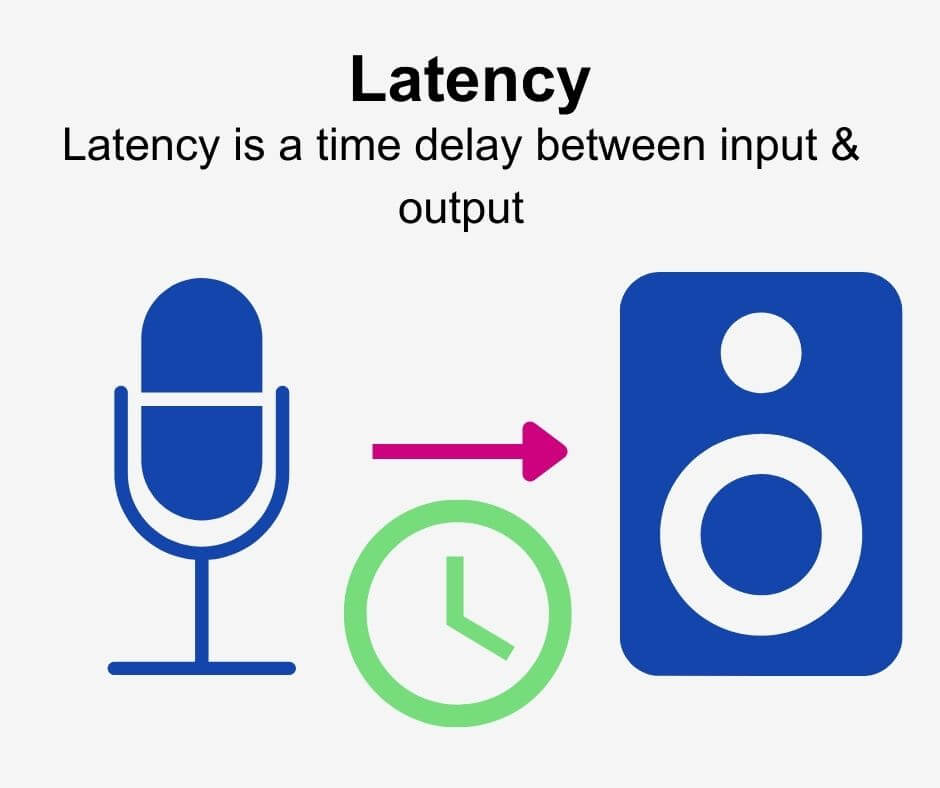
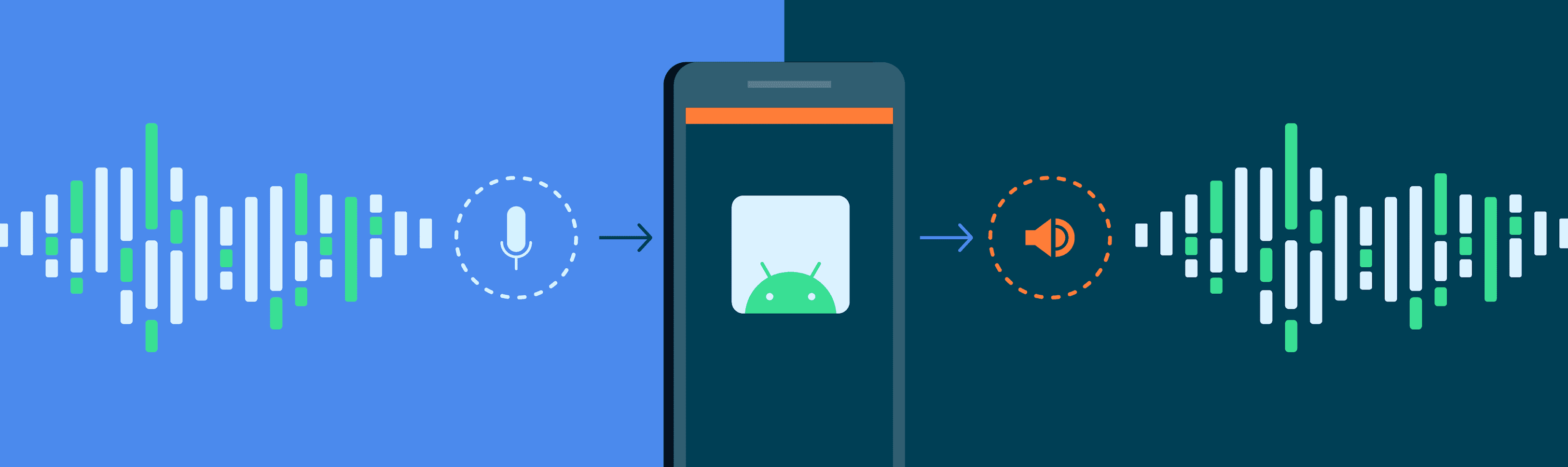
M4A audio files, a popular format for storing audio data, can sometimes experience coding delays during playback or processing. Peering into M4A Audio File Formats: An Overview reveals that coding delays occur when there’s a lag between the input signal and the output signal due to encoding and decoding processes. This delay can impact real-time applications such as streaming, gaming, and live broadcasts, affecting user experience and quality.

  • Introduction to M4A audio files and their significance in the digital audio landscape.
  • Explanation of coding delays and their impact on audio playback.
  • Factors contributing to coding delays in M4A audio files.

Analyzing Coding Delay Factors

To effectively address coding delays in M4A audio files, it’s essential to Dive Deep into Coding Delay Factors: An Examination. Factors such as codec complexity, processing speed, and buffer sizes can influence the occurrence and severity of coding delays. By analyzing these factors, audio professionals can identify bottlenecks and implement strategies to minimize delays and optimize performance.

  • Codec complexity and its relationship to coding delays in M4A audio files.
  • Impact of processing speed on coding delay mitigation strategies.
  • Optimizing buffer sizes to reduce coding delays in real-time applications.

Strategies for Minimizing Coding Delays

In the quest to minimize coding delays in M4A audio files, Exploring Coding Delay Mitigation Strategies is essential. Techniques such as parallel processing, predictive coding, and adaptive buffering can help reduce latency and improve overall audio performance. By implementing these strategies, audio professionals can deliver seamless playback experiences and enhance user satisfaction.

  • Parallel processing techniques for optimizing encoding and decoding workflows.
  • Utilizing predictive coding algorithms to anticipate and mitigate coding delays.
  • Adaptive buffering strategies for real-time adjustment of buffer sizes based on workload demands.

Latest words on M4A Audio Coding Delay Analysis

In conclusion, Navigating the Complexities of M4A Audio Coding Delay Analysis is essential for audio professionals seeking to optimize performance and deliver high-quality audio experiences. By understanding the factors contributing to coding delays and implementing effective mitigation strategies, we can overcome challenges and unlock the full potential of M4A audio files. As technology continues to evolve, staying abreast of emerging trends and techniques will be crucial for ensuring optimal audio performance in the digital age.

Comments:

This article provided valuable insights into M4A audio coding delays and offered practical solutions for optimizing performance. Great job!

– AudioEnthusiast

I’ve been struggling with coding delays in my M4A files, but this article helped me understand the root causes and how to address them effectively. Thank you!

– CodingWoes

As someone new to audio coding, I found this article incredibly informative and easy to follow. The explanations were clear, and the examples were helpful. Highly recommend!

– NewbieCoder

This article addressed a common issue faced by audio professionals and provided practical solutions for mitigating coding delays in M4A files. Well done!

– AudioPro

While this article provided a good overview of M4A audio coding delays, I wish it delved deeper into specific coding techniques for minimizing latency in real-time applications.

– TechWizard42

Great article! I learned a lot about coding delays in M4A files and gained valuable insights into optimizing audio performance. Keep up the excellent work!

– AudioTech

This article was exactly what I needed to understand M4A audio coding delays better. The explanations were clear, and the strategies for minimizing delays were practical and effective.

– AudioEngineer


Free Download Mp4Gain
picture


Mp4Gain Main Window
picture


Mp4Gain Features
picture


Free Download Mp4Gain
picture

Audio Latency Compensation

Understanding Audio Latency Compensation

Audio Latency Compensation

Audio latency compensation is a critical concept in the world of audio processing and production. It refers to the delay that can occur when processing audio signals, and it’s a topic that impacts everything from live performances to recording studio sessions and even everyday experiences like watching TV or playing video games. In this article, I’ll delve into the intricacies of audio latency compensation, exploring its significance, how it affects various applications, and how it can be managed for optimal audio experiences.

Audio latency compensation is essentially the delay that occurs when an audio signal is processed or transmitted from its source to its destination. This delay can be introduced at various stages of audio processing, such as when recording instruments, mixing tracks, or even during live performances. It’s measured in milliseconds and is a critical factor in ensuring that audio remains synchronized and cohesive.

Why Does Audio Latency Matter?

Audio Latency Compensation

The importance of audio latency compensation becomes evident when you consider scenarios where timing is crucial. For instance, in a live concert, the sound from microphones and instruments must reach the audience’s ears in sync with what they see on stage. Any delay can lead to a disjointed experience. Similarly, in music production, when multiple tracks are mixed, misaligned audio can result in muddiness or phase cancellation, affecting the overall quality of the recording.

Audio latency also plays a significant role in gaming. Gamers rely on audio cues for spatial awareness, and any latency can disrupt their ability to react quickly. Imagine playing a first-person shooter where the gunshot sound lags behind the visual animation; it could be the difference between victory and defeat.

Managing Audio Latency

To address audio latency, various techniques and technologies are employed. One common method is buffer size adjustment. This involves adjusting the size of data buffers in audio processing software or hardware to minimize delay. Smaller buffer sizes reduce latency but may strain the computer’s processing power, while larger buffers reduce strain but increase latency.

In professional audio setups, dedicated hardware interfaces with low-latency capabilities are used to minimize delay. These interfaces are designed to handle audio signals efficiently, ensuring minimal latency during recording and playback.

In the realm of gaming and live audio, technologies like ASIO (Audio Stream Input/Output) and low-latency audio drivers are employed to achieve near-instantaneous audio processing.

People Also Asked About Audio Latency Compensation

1. What Causes Audio Latency?

Audio latency can be caused by several factors, including:

Hardware Processing: Slow processors or insufficient RAM can lead to latency when processing audio.
Software Buffering: When audio data is buffered for processing, it can introduce delay, especially if the buffer size is too large.
Network Latency: In online applications, data transmission over the internet can introduce latency.

2. How Does Latency Affect Streaming and Online Calls?

In streaming and online calls, high latency can result in delays between audio and video, leading to unsynchronized experiences. This is often noticeable in live broadcasts or video conferencing.

3. Are There Differences Between Latency in Music Production and Gaming?

Yes, there are differences. In music production, low-latency is critical for real-time monitoring and recording. In gaming, low-latency ensures that audio cues match gameplay actions for a seamless experience.

4. Can Latency Be Completely Eliminated?

While we can minimize latency to imperceptible levels, complete elimination is challenging due to the limitations of hardware, software, and network transmission. Achieving extremely low latency is the goal, but there will always be some minimal delay.

Keywords with Identical Search Intent

1. Audio Delay Reduction Techniques

Reducing audio delay involves techniques like buffer size optimization, hardware upgrades, and low-latency drivers. These methods aim to minimize the time it takes for audio signals to travel from source to output.

2. Real-time Audio Processing

Real-time audio processing is crucial in applications like live sound engineering and gaming. It involves minimizing latency to ensure that audio signals are processed and delivered without noticeable delays.

3. Low-Latency Audio Interfaces

Low-latency audio interfaces are specialized hardware devices that enable musicians and producers to work with minimal audio delay. They are essential tools in professional music studios.

4. Latency Compensation in Audio Software

Audio software often includes features for latency compensation, allowing users to adjust settings and reduce delays during recording and playback. Understanding and utilizing these features is vital for audio professionals.

Last Words

In the world of audio, timing is everything. Whether you’re a musician, a gamer, or simply a fan of high-quality audio, understanding and managing audio latency compensation is essential for an immersive and seamless experience. By employing the right techniques and technologies, you can ensure that audio signals reach your ears with minimal delay, preserving the integrity of the sound and enhancing your overall enjoyment. So, whether you’re rocking out at a concert, producing your next hit song, or conquering virtual worlds in gaming, remember that audio latency compensation plays a pivotal role in shaping your auditory experience.