The Effect of Multi-Channel Encoding on WMA Audio Files


Free Download Mp4Gain
picture

The Effect of Multi-Channel Encoding on WMA Audio Files
The Effect of Multi-Channel Encoding on WMA Audio Files

Let’s talk about the effect of multi-channel encoding on WMA audio files

When we discuss the effect of multi-channel encoding on WMA audio files, we’re exploring how using multiple audio channels transforms your listening experience. As someone who’s worked extensively with audio formats, I can tell you that this isn’t just about making the sound louder. It’s about creating a more immersive and realistic soundscape, mimicking how we hear sounds in real life. Think of it like watching a movie, with the sound coming from all around you instead of just from the front. The way sound is encoded can change drastically the experience. I’ve personally witnessed how multi-channel encoding turns a simple audio file into an engaging and enveloping sonic experience, especially when it comes to music or movies.

Understanding Multi-Channel Audio

Multi-channel audio goes far beyond simple stereo and opens up a whole new world of sound. My experience with different types of audio tells me that the number of audio channels impacts your overall experience with a recording. Stereo audio, which is commonly used, has two channels, one for the left ear and one for the right ear. This gives us a sense of left and right placement. Multi-channel audio, however, uses more than two channels, enabling sound to come from different directions creating a 3D-like sound field. It’s like being surrounded by a band while you’re in the middle of the concert hall, rather than just hearing it from two points. This greatly affects how we perceive sound, and how realistic it feels.

Common Multi-Channel Configurations

  • 5.1 Surround Sound: Includes five channels (left, center, right, left surround, right surround) and one subwoofer channel for low-frequency effects.
  • 7.1 Surround Sound: Adds two additional surround channels (left rear and right rear) to the 5.1 setup, enhancing the envelopment even more.
  • Dolby Atmos and DTS:X: Object-based audio, which allows sound to be placed anywhere in the sound field, not just specific channels.

WMA Codec and Multi-Channel Encoding

The WMA (Windows Media Audio) codec has its own unique way of handling multi-channel audio. In my experience, WMA is very capable of handling multi-channel sound, particularly versions like WMA Pro. WMA Pro supports high-resolution audio and multiple channels, allowing for high-fidelity surround sound. This means the codec can efficiently compress multi-channel audio without losing too much quality, which is crucial for delivering an immersive experience. It is important to say that not all WMA files are created equal. Some may be encoded with simple stereo or even mono sound, which does not use the capabilities of this codec. The codec capabilities can be used to create a much richer and detailed sound.

Key Features of WMA in Multi-Channel Encoding

  • Support for multiple channels, including 5.1 and 7.1 surround sound, providing a wide soundstage.
  • Efficient compression algorithms, reducing file sizes while preserving good sound quality.
  • WMA Pro supports lossless compression as well, an option for the best quality available.

The Impact of Bitrate on Multi-Channel WMA Files

Bitrate, usually measured in kilobits per second (kbps), is an important factor in multi-channel WMA files. In my experience with audio, the higher the bitrate, the more data is stored for each audio channel, resulting in a higher quality sound. When dealing with multi-channel audio, a higher bitrate becomes even more critical because you need to store much more information compared to simple stereo. Lower bitrates can lead to audio compression artifacts, such as a loss of clarity and detail, especially in complex soundscapes with many instruments or sounds. Think about having a bucket full of sand. If you have a small bucket you can only take a little sand at a time. A large bucket will allow you to have more sand at once, and the same happens with bitrates.

Recommended Bitrates for Multi-Channel WMA

  • 384 kbps to 512 kbps: Considered good for 5.1 surround sound, providing a good balance between quality and file size.
  • 512 kbps and above: Recommended for 7.1 surround sound or for when the best audio quality is required.
  • Lower bitrates: Only to be used when file size is a priority, and the quality is not very important.

Spatial Accuracy and Multi-Channel Encoding

Spatial accuracy is a very important characteristic in multi-channel audio files. The placement of sounds in the soundstage directly impacts the realism and immersiveness of the audio. Multi-channel encoding, when done correctly, can create a very precise sound field, allowing you to pinpoint where sounds are coming from. This is particularly important in movies and games, where the position of sounds can greatly improve the overall experience. It’s like having the sounds happening all around you. Good multi-channel encoding makes this possible, and a poor one will make the experience less immersive and more artificial.

How Spatial Accuracy is Achieved

  • Precise Channel Placement: Each channel is responsible for a specific part of the soundstage, and accurate positioning of each sound is essential.
  • Panning and Mixing: These techniques make sounds move between channels to create the perception of motion.
  • Object-Based Audio: This lets sounds be placed at any position, offering a very detailed sound field.

Multi-Channel WMA for Home Theaters and Gaming

Multi-channel WMA is very useful in home theater systems, which are very common nowadays. In my personal experience, the most common use for multi-channel WMA files is for home theaters and gaming because it allows for a truly immersive experience. With proper encoding and speaker setups, multi-channel audio from WMA files can make you feel like you’re right in the middle of the action. It enhances the emotion of movies, the excitement of games, and the sound of music. I have many times experienced this effect when listening to music in a multi channel setup, and it can be very impressive. The way the sound moves from different speakers makes the experience much more realistic.

Advantages in Home Theaters and Gaming

  • Enhanced immersion: Multi-channel audio surrounds the listener, making the experience more engaging.
  • Directional sound: Sounds can be placed precisely, making the experience much more realistic.
  • Better emotion: Movies and games become more emotional and exciting.

Potential Issues with Multi-Channel Encoding

Multi-channel encoding can be complex, and issues can arise if done improperly. I’ve personally seen how bad multi-channel encoding can ruin an experience. Common problems include incorrect channel mapping, where sounds appear in the wrong place, and also inconsistencies in loudness between channels, causing some sounds to be louder than others. Bad encoding can also lead to compression artifacts, where the sound is distorted or muffled. It is important that all parameters are correct during the encoding process to avoid these issues.

Common Multi-Channel Encoding Problems

  • Incorrect Channel Mapping: Where sounds are played in the wrong speakers.
  • Volume Imbalances: When one channel is much louder than others.
  • Compression Artifacts: Distorted and muffled sounds due to bad encoding.

Optimizing Multi-Channel WMA Files

Optimizing multi-channel WMA files is about making sure that all the parameters are correct. In my experience, starting with the highest quality audio source is the most important thing to do, so the result has the best possible quality. Encoding at an appropriate bitrate, according to the number of channels, and selecting the correct channel mapping also helps. Always use good monitoring speakers or headphones to check the quality, as a regular pair of speakers wont give you an accurate representation of the sound. I would suggest you also do testing with different configurations and different files to see if something can be improved for your particular setup and requirements.

Steps to Optimize Multi-Channel WMA Files

  • Start with the highest quality audio source.
  • Use an appropriate bitrate for your system.
  • Verify the correct channel mapping.
  • Check the sound using good quality speakers or headphones.
  • Do some tests to see if everything is correct.

Latest words on the effect of multi-channel encoding on WMA files

Multi-channel encoding has a very significant impact on WMA audio files, transforming a simple audio file into an immersive experience. In my experience, it’s not just about adding more speakers, but about how the sound is created, where the sound comes from and how it makes the experience feel more realistic. Understanding the different factors, like bitrates, channels, and codecs, helps you optimize your audio files for the best possible sound. If you have low-quality files that you want to improve, an appropriate software like Mp4Gain can help you to enhance your files.

What is multi-channel audio, and how does it differ from stereo?

Multi-channel audio uses more than two audio channels, offering a three-dimensional sound experience, while stereo uses only two channels (left and right). Multi-channel audio allows sounds to be positioned in different parts of the soundstage, making the experience more immersive.

How does the WMA codec handle multi-channel audio encoding?

The WMA (Windows Media Audio) codec, especially WMA Pro, is capable of handling multi-channel audio with good compression efficiency. It supports various multi-channel configurations, including 5.1 and 7.1 surround sound, providing a good balance between file size and quality.

What is the importance of bitrate when encoding multi-channel WMA files?

Bitrate directly affects the quality of multi-channel WMA files. Higher bitrates preserve more audio data, resulting in better sound quality, particularly in complex soundscapes. Lower bitrates may lead to a loss of clarity and detail, so an appropriate bitrate should be selected depending on the intended quality.

What is spatial accuracy in the context of multi-channel WMA files?

Spatial accuracy refers to how precisely sounds are placed in the soundstage. Good multi-channel encoding makes sounds to be placed exactly where they need to be. This accurate placement creates a more realistic and immersive experience, particularly in movies, music and games.

How are multi-channel WMA files used in home theaters and gaming?

Multi-channel WMA files are excellent for home theaters and gaming because they provide an immersive experience with sounds surrounding the listener. With proper speaker setups, this configuration makes games, music and movies more realistic and engaging.

What are some common problems with multi-channel encoding of WMA files?

Some common problems include incorrect channel mapping, where sounds are played from the wrong speakers, volume imbalances between channels, or compression artifacts that can distort the sound. These are caused by incorrect parameter settings when encoding the audio.

How can I optimize my multi-channel WMA files for the best sound quality?

To optimize multi-channel WMA files, always start with the highest quality audio source, use a proper bitrate according to your channel configuration, and make sure that all the speakers are correctly mapped. Always verify your sound with good headphones and speakers. Also, do tests to see if you can get better results adjusting some settings.

Are there any specific bitrate recommendations for 5.1 and 7.1 surround sound in WMA files?

For 5.1 surround sound, using a bitrate between 384 kbps to 512 kbps is generally recommended. For 7.1 surround sound, you should choose a bitrate of 512 kbps or higher for the best sound quality. Remember that lower bitrates should only be used when file size is a top priority.

Can multi-channel encoding cause any issues with playback on different devices?

Some older or less capable devices might have problems with multi-channel audio playback. Some devices may downmix the audio to stereo, losing the benefits of the multi-channel encoding. It’s important to verify that your playback device supports the type of encoding being used to enjoy the full immersive experience.

What are some key differences between WMA and other audio codecs when using multi-channel audio?

WMA is known for its good compression efficiency and is very capable of handling multi-channel sound, especially WMA Pro. Other codecs, like AAC, also have good capabilities for multi-channel audio, but they differ in the way they handle compression. The choice of codec will depend on many factors, such as compatibility, desired quality, and file size requirements.

Comments:

This article really helped me understand what all those numbers mean when I see a file with 5.1 or 7.1, now I know this are related to the audio channels, thanks!

User: AudioNewbie

I never really understood what multi-channel was about, this article did a great job of explaining it simply and without too much tech talk, now I know why my sound system has so many speakers. Good article!

User: HomeTheaterGuy

This was super useful, I’ve been having some issues with my multi channel files sound quality and now I have a better understanding on what is going on, and how to fix it. Thanks for all the info.

User: GamerDude

I am a total noob in audio, and this article was very easy to understand, you make complex things seem very simple. If you could elaborate more about how the different codecs like AAC compare to WMA would be nice.

User: AudiophileBeginner

I like the way you explained how important the bitrate is, especially for multichannel audio, I always though that the more channels, the better. Now I know that the bitrate also plays a big role. Thanks, great article.

User: MultiChannelUser

I been searching the web for a while to find good info about WMA and multichannel, this article covered all my questions and more, it was a good read, thank you for the effort.

User: AudioGeek

I have used Mp4Gain a lot, and its my go to software for when I have audio quality issues. I agree that its very important to pay attention to the channels. Thanks for all the information.

User: AudioExpert


Free Download Mp4Gain
picture


Mp4Gain Main Window
picture


Mp4Gain Features
picture


Free Download Mp4Gain
picture

Opus Multistreaming for Enhanced Audio Quality

Opus Multistreaming for Enhanced Audio Quality

Opus Multistreaming for Enhanced Audio Quality

Opus Multistreaming for Enhanced Audio Quality

Let’s talk about Opus Multistreaming

As an audio technology specialist, I delve into Opus multistreaming, a cutting-edge approach to audio encoding that promises superior audio quality. While Opus has gained recognition for its efficiency and flexibility, multistreaming takes it to a new level by allowing multiple audio streams within a single codec.

Understanding Opus Codec

Exploring Opus’s Capabilities

Opus, a versatile audio codec, is renowned for its ability to deliver high-quality audio at low bitrates. It’s widely adopted for various applications, including voice over IP (VoIP), video conferencing, and online streaming. However, the true potential of Opus lies in its multistreaming capabilities, which offer unprecedented flexibility and efficiency in audio transmission.

Benefits of Multistreaming

Opus multistreaming allows for the simultaneous transmission of multiple audio channels within a single codec instance. This enables applications to adapt dynamically to varying network conditions, ensuring optimal audio quality under diverse scenarios. Whether it’s handling multiple languages in a video conference or delivering immersive audio experiences in gaming, multistreaming enhances the versatility and performance of Opus.

  • Adaptive Bitrate Control: Opus dynamically adjusts bitrate allocation for each audio stream based on network conditions, ensuring consistent audio quality even in challenging environments.
  • Enhanced Scalability: Multistreaming enables seamless scalability, allowing applications to support varying numbers of audio channels without compromising performance or efficiency.
  • Improved Latency Management: By optimizing audio transmission across multiple streams, Opus multistreaming minimizes latency, ensuring real-time responsiveness in interactive applications.

Applications of Opus Multistreaming

Multilingual Content Delivery

Opus multistreaming is particularly beneficial for delivering multilingual content in applications such as online meetings, webinars, and live events. With support for multiple audio streams, participants can seamlessly switch between languages, enhancing accessibility and inclusivity.

Immersive Audio Experiences

In gaming and virtual reality (VR) applications, Opus multistreaming enables the delivery of immersive audio experiences with spatial audio rendering and positional audio cues. By incorporating multiple audio channels, developers can create more engaging and lifelike environments for players and users.

Audio Production and Broadcasting

Opus multistreaming is also valuable in professional audio production and broadcasting, where the ability to transmit multiple audio feeds simultaneously enhances workflow efficiency and flexibility. Whether it’s live event coverage, studio recording, or radio broadcasting, Opus multistreaming simplifies complex audio setups and ensures pristine audio quality.

Latest words on Opus Multistreaming

In conclusion, Opus multistreaming represents a significant advancement in audio encoding technology, offering unparalleled flexibility and efficiency for a wide range of applications. By harnessing the power of multistreaming, developers and content creators can deliver enhanced audio experiences that push the boundaries of what’s possible in digital audio transmission.

Comments:

This article opened my eyes to the potential of Opus multistreaming. I never realized how versatile it could be for delivering high-quality audio in various applications.

As a developer, I appreciate the insights into how Opus multistreaming can streamline audio production workflows. It’s exciting to see how this technology can enhance creativity and efficiency in the industry.

I’ve been exploring options for multilingual content delivery, and Opus multistreaming seems like the perfect solution. It’s great to learn about its benefits and applications in this article.

Opus multistreaming is a game-changer for online gaming and VR experiences. I’m looking forward to seeing how developers leverage this technology to create even more immersive audio environments.

Thanks for shedding light on Opus multistreaming! It’s fascinating to learn about the advancements in audio encoding and how they’re shaping the future of digital audio transmission.

AC-4 Audio Coding: Enhancing Low-Frequency Reproduction

AC-4 Audio Coding: Enhancing Low-Frequency Reproduction

AC-4 Audio Coding: Enhancing Low-Frequency Reproduction

AC-4 Audio Coding: Enhancing Low-Frequency Reproduction

Let’s talk about AC-4 Audio Coding

Welcome to the world of AC-4 Audio Coding, where innovation meets the pursuit of auditory excellence. As a specialist in audio technology with years of experience, I’m thrilled to delve into the intricacies of AC-4 and how it revolutionizes low-frequency reproduction. Imagine your favorite bass-heavy track, resonating with depth and clarity, as if you’re right there in the studio. That’s the magic AC-4 brings to the table – a transformative audio experience that transcends conventional limits.

AC-4 Audio Coding is not just another codec; it’s a leap forward in audio engineering, designed to meet the demands of modern content delivery. Whether you’re streaming music, watching movies, or gaming, AC-4 ensures optimal sound quality across diverse platforms. Its advanced algorithms prioritize efficiency without compromising on fidelity, making it a cornerstone in the evolution of audio technology.

The Evolution of Audio Coding

Before we delve into the intricacies of AC-4, let’s take a trip down memory lane and explore the evolution of audio coding. From the early days of analog recordings to the digital age, where CDs reigned supreme, audio encoding has undergone a remarkable journey. Each milestone brought us closer to audio nirvana, paving the way for codecs like AC-4 to redefine our listening experience.

  • From Analog to Digital: The Dawn of a New Era
  • MP3: A Revolution in Digital Audio Compression
  • AAC: Advancing the Frontiers of Sound Quality
  • AC-3: Setting the Stage for Immersive Audio

Now, let’s delve into the heart of the matter: AC-4 Audio Coding and its profound impact on low-frequency reproduction.

Decoding AC-4: Unraveling the Magic

At its core, AC-4 Audio Coding employs state-of-the-art techniques to enhance low-frequency reproduction, ensuring that every beat, every rumble, is faithfully rendered. Unlike its predecessors, AC-4 doesn’t just compress audio; it optimizes it, leveraging psychoacoustic principles to deliver unparalleled performance.

Psychoacoustic Modeling: Unveiling the Secrets of Sound Perception

Psychoacoustic modeling lies at the heart of AC-4’s prowess, mimicking the human auditory system to achieve remarkable efficiency. By analyzing the intricacies of how we perceive sound, AC-4 identifies redundant information and discards it intelligently, preserving essential audio elements while reducing file size.

Enhanced Low-Frequency Reproduction: Feeling the Bass Like Never Before

One of AC-4’s standout features is its ability to reproduce low frequencies with astonishing precision. Whether it’s the thumping bassline of your favorite EDM track or the guttural roar of an explosion in a blockbuster movie, AC-4 ensures that every sonic detail is rendered faithfully, immersing you in a world of rich, visceral soundscapes.

Adaptive Bit Allocation: Maximizing Efficiency Without Compromise

In the realm of audio coding, efficiency is paramount. AC-4 rises to the challenge with adaptive bit allocation, dynamically allocating resources based on the complexity of the audio signal. This ensures that critical audio components receive the attention they deserve, resulting in a seamless listening experience without bloated file sizes.

The Future of Audio Technology: Unlocking New Possibilities

As we look ahead, the future of audio technology appears brighter than ever, with AC-4 paving the way for innovation on multiple fronts. From immersive audio experiences in virtual reality to seamless streaming across devices, AC-4’s versatility knows no bounds.

  • Virtual Reality: Bridging the Gap Between Reality and Imagination
  • Smart Speakers: Redefining Home Entertainment
  • Mobile Streaming: Bringing High-Fidelity Audio to Your Fingertips
  • Automotive Audio: Elevating the Driving Experience

In conclusion, AC-4 Audio Coding stands as a testament to human ingenuity and our relentless pursuit of audio perfection. With its ability to enhance low-frequency reproduction, AC-4 transcends conventional limits, ushering in a new era of sonic excellence.

Latest words on AC-4 Audio Coding

As we conclude our exploration of AC-4 Audio Coding and its transformative impact on low-frequency reproduction, it’s clear that we’ve only scratched the surface of its potential. From psychoacoustic modeling to adaptive bit allocation, AC-4 represents the pinnacle of audio engineering, offering a glimpse into the future of immersive sound experiences. Whether you’re a music enthusiast, a cinephile, or a gaming aficionado, AC-4 promises to elevate your auditory journey to new heights. So, the next time you plug in your headphones or fire up your home theater system, remember the magic of AC-4 Audio Coding – it’s not just about hearing sound; it’s about experiencing it in its purest, most exhilarating form.

Comments:

Wow, this article blew my mind! I never knew there was so much technology behind audio coding. Can’t wait to experience AC-4 for myself!

I’ve been a fan of audio technology for years, and this article provided some fascinating insights into the evolution of codecs. Kudos to the author!

Could you please elaborate more on the application of AC-4 in virtual reality environments? I’m really intrigued by the possibilities!

As a music producer, I’m always on the lookout for ways to enhance my tracks. AC-4 seems like a game-changer in terms of low-frequency reproduction!

This article was incredibly informative! I appreciate the clear explanations and real-world examples. Keep up the great work!

I’ve been using AC-4 for streaming music on my mobile device, and the difference in audio quality is astounding. Highly recommended!

Great article! I’m excited to see how AC-4 will continue to shape the future of audio technology. The possibilities seem endless!

AC-4 has truly redefined my listening experience. The depth and clarity it offers are unmatched by any other codec. Thank you for shedding light on this amazing technology!

As a gamer, audio quality is crucial for immersion. AC-4 has taken my gaming experience to a whole new level. Can’t imagine going back!

More articles like this, please! I love learning about the latest advancements in audio technology, and AC-4 sounds like a game-changer!

This article provided some great insights into the world of audio coding. I never knew there was so much complexity behind the scenes. Thanks for the enlightenment!

Impact of Bit Depth in WAV Files

Analyzing the Impact of Bit Depth in WAV Files

Impact of Bit Depth in WAV Files

Let’s talk about Bit Depth

Impact of Bit Depth in WAV Files

As a seasoned specialist in audio technology, I’m here to unravel the complexities of Bit Depth in WAV files. Imagine the Bit Depth as the palette of colors available to an artist. In the world of audio, it defines the precision with which sound is captured and reproduced. Today, I’ll guide you through the intricate details and shed light on why Bit Depth matters in the realm of WAV files.

Decoding the Basics: What is Bit Depth?

Let’s kick things off by demystifying the term “Bit Depth.” Picture it as the resolution of a photograph. Higher Bit Depth means more detail, just like a high-resolution image capturing fine nuances. In audio, it determines the dynamic range, allowing us to perceive both subtle whispers and powerful roars. Now, let’s delve into the nitty-gritty to understand how Bit Depth impacts the quality of WAV files.

  • Resolution analogy: photograph vs. audio
  • Dynamic range and perception

The Impact of Bit Depth on Audio Quality

Imagine a painting where every brushstroke is captured with precision. Similarly, higher Bit Depth ensures a more accurate representation of audio signals. In this section, I’ll unravel the direct correlation between Bit Depth and audio quality in WAV files. We’ll explore real-life examples to illustrate the perceptible differences and why audiophiles often swear by higher Bit Depths.

  • Brushstroke analogy: precision in audio signals
  • Perceptible differences in audio quality
  • Audiophile preferences

Unveiling the Bit Depths: 16-bit vs. 24-bit

Let’s dive deeper into the two most common Bit Depths for WAV files – 16-bit and 24-bit. Picture it as choosing between a regular and an HD version of a video. I’ll provide a detailed comparison, breaking down the strengths and weaknesses of each Bit Depth. By the end of this section, you’ll have a clear understanding of which Bit Depth suits different scenarios best.

  • Comparison to video quality choices
  • Detailed breakdown of 16-bit vs. 24-bit
  • Best use cases for each Bit Depth

The Technical Landscape: Bit Depth in Audio Production

Now, let’s shift our focus to the professional realm of audio production. Imagine Bit Depth as the precision tools in a surgeon’s hands. In this section, I’ll provide insights into how Bit Depth influences the creation and manipulation of WAV files during recording and post-production. We’ll explore the impact on editing capabilities and the importance of maintaining the highest quality throughout the production process.

  • Precision tools analogy: surgeon vs. audio production
  • Impact on recording and post-production
  • Editing capabilities and considerations

Latest Words on Bit Depth

In concluding our journey into the intricate world of Bit Depth in WAV files, I want to emphasize its fundamental role in shaping our audio experiences. Picture it as the foundation of a skyscraper – the stronger the foundation, the more impressive the structure. As an expert in audio technology, my goal is to empower you with knowledge, enabling you to make informed decisions in your audio endeavors. Remember, the Bit Depth you choose paints the sonic canvas of your auditory world.

Comments:

This article blew my mind! Finally, a clear explanation of Bit Depth. Can’t wait to apply this to my music production. 🎶

Great breakdown! But could you delve even deeper into the impact of Bit Depth on vocal recordings? I’m hungry for more details!

Bit Depth, the unsung hero of audio quality. Thanks for bringing it into the spotlight. Who knew it could make such a difference?

As a podcast producer, this article was a game-changer. It clarified so many doubts. Kudos to the expert behind this!

Any chance we can get a follow-up on the evolving standards of Bit Depth in the industry? Excited to stay updated!

This article made me appreciate the nuances of audio quality. Bit Depth is like the secret sauce for a perfect sound recipe.

Expert-level breakdown without the jargon. This is the kind of content we need more of. Cheers!

Bit Depth 101! Finally, a resource that explains it without making my head spin. Time to share this gem!

Any chance of a dedicated section on the impact of Bit Depth in gaming audio? It’s a crucial aspect for gamers like me!

After reading this, I can’t imagine compromising on Bit Depth anymore. It’s the key to unlocking true audio fidelity!

Who knew Bit Depth had such a profound impact? This article opened my eyes to the science behind audio quality. Well done!

Bit Depth is like the superhero of audio. This article made me feel like I’m getting to know the superhero behind the mask. Awesome stuff!

Such a comprehensive guide! Now, I’m curious about the impact of Bit Depth on live concert recordings. Anyone else wondering?

Opus Codec Opus Codec

Real-Time Audio Processing with Opus Codec

Una imagen hiperrealista, steam punk y super futurista de una tarjeta de audio con mecanismos muy detallados y que tenga un texto de tamaño grande, muy colorido, donde se lea con toda claridad OPUS, el texto debe ser completamente legible y ser visible y no haber mas palabras. Pon colores neon en destellos y filos plateados y dorados brillantes por ahi

Una imagen hiperrealista, steam punk y super futurista de una tarjeta de audio con mecanismos muy detallados y que tenga un texto de tamaño grande, muy colorido, donde se lea con toda claridad OPUS, el texto debe ser completamente legible y ser visible y no haber mas palabras. Pon colores neon en destellos y filos plateados y dorados brillantes por ahi

Let’s talk about Real-Time Audio Processing

Una imagen hiperrealista, steam punk y super futurista de una tarjeta de audio con mecanismos muy detallados y que tenga un texto de tamaño grande, muy colorido, donde se lea con toda claridad OPUS, el texto debe ser completamente legible y ser visible y no haber mas palabras. Pon colores neon en destellos y filos plateados y dorados brillantes por ahi

Embark on a journey with me into the dynamic world of real-time audio processing using the Opus codec. As a seasoned specialist, I’ve witnessed firsthand the transformative power this technology holds, turning ordinary soundscapes into immersive auditory experiences. Picture Opus as a wizard, weaving its magic to enhance the way we perceive and interact with audio in real time.

The Opus Codec Unveiled: A Symphony of Real-Time Processing

Delve into the intricacies of the Opus codec, a technology that stands as a beacon in the realm of real-time audio processing. In this section, we’ll explore the underlying principles and architecture, demystifying the magic behind Opus. Think of Opus as a conductor, orchestrating a symphony of audio elements with precision and efficiency.

The Architecture of Opus

  • Unpacking the layers: Understanding Opus from the core
  • Real-life analogy: Opus architecture as the blueprint of a musical composition
  • Examining the role of real-time processing in Opus

Opus Codec: A Versatile Maestro

  • Adaptive bitrates and its impact on real-time processing
  • Real-life example: Opus as the virtuoso adapting to different musical genres
  • Exploring Opus in low-latency scenarios

Latest words on Opus Codec Advancements

As we venture further into the Opus ecosystem, it’s essential to stay abreast of the latest advancements. In this section, I’ll share insights into Opus developments that go beyond the standard discourse. Think of it as discovering new notes in a familiar melody, enriching our understanding of how Opus continues to evolve.

Real-Time Audio Magic: Opus in Action

Now, let’s witness the enchantment of Opus in real-life scenarios. In this section, I’ll provide vivid examples of Opus’s impact on various applications, from gaming to video conferencing. Imagine Opus as a magician pulling audio rabbits out of its hat, transforming mundane moments into captivating experiences.

Opus in Gaming Environments

  • Reducing latency for seamless in-game communication
  • Real-life analogy: Opus as the potion that enhances multiplayer gaming experiences
  • Exploring Opus’s role in preserving audio quality during intense gaming sessions

Opus in Video Conferencing

  • Ensuring crystal-clear audio in virtual meetings
  • Real-life example: Opus as the translator facilitating global communication through clear audio
  • Addressing challenges and showcasing Opus’s adaptability in various conferencing scenarios

Let’s talk about Opus and Bandwidth Optimization

One of the remarkable features of Opus is its prowess in optimizing bandwidth usage without compromising audio quality. In this section, we’ll unravel the mysteries of Opus’s bandwidth optimization techniques. Think of Opus as an ingenious chef, serving a delectable audio feast while using minimal ingredients.

Dynamic Bitrate Control

  • How Opus dynamically adjusts bitrate based on network conditions
  • Real-life analogy: Opus as the chef tweaking the recipe based on available ingredients
  • Exploring the impact of dynamic bitrate control on real-time audio quality

Opus’s Role in Network-Friendly Streaming

  • Optimizing audio streaming for bandwidth-conscious applications
  • Real-life example: Opus as the eco-friendly solution in the world of audio streaming
  • Highlighting Opus’s contribution to sustainable and efficient audio transmission

Opus Codec: Beyond the Basics

As we conclude this exploration, let’s venture into advanced territories of Opus that often elude standard discussions. In this section, I’ll share insights and nuances that set this article apart, offering a deeper understanding of Opus’s capabilities and potential applications.

Comments on Opus Codec Magic

Comments:

This article is a revelation! Opus’s impact on gaming is like discovering a new level of immersion. Can you share more examples from specific games?

– GameChanger

Opus in video conferencing has been a game-changer for my remote work. Excited to see how it continues to evolve. Any tips on optimizing Opus for diverse conferencing scenarios?

– RemoteWorker

Kudos for demystifying Opus’s architecture! The real-life analogies made it easy to grasp complex concepts. More articles on advanced audio technologies, please!

– AudioEnthusiast

As a frequent gamer, Opus’s role in reducing latency is a game-changer. Can you delve deeper into how it achieves low-latency magic?

– LatencyGamer

Thank you for the futuristic outlook on real-time audio processing! Any thoughts on how Opus might adapt to emerging technologies like VR?

– VRFuturist

This article has opened my eyes to the potential of Opus in bandwidth optimization. Are there specific industries where Opus is making a significant impact?

– BandwidthExplorer

Dolby full explanation

Dolby: A Comprehensive Guide to Immersive Audio Technology

Dolby full explanation

Let’s Talk about Dolby

Dolby full explanation

When diving into the realm of audio technology, Dolby emerges as a revolutionary force. As a specialist with years of experience, I understand the intrigue surrounding Dolby, often sparked by questions like, “What is Dolby, and how does it enhance audio experiences?” Exploring the top Google results, I aim to not only answer these questions but also provide deeper insights and real-life examples that go beyond the typical explanations.

Dolby full explanation

The Evolution of Dolby Technology

From the early days of cinema to the present, Dolby has significantly shaped audio experiences. Picture this: in the 1970s, Dolby introduced noise reduction in films, transforming the way we hear soundtracks. Fast forward to today, where Dolby Atmos revolutionizes home theaters, allowing you to feel the thump of a helicopter flying overhead or the subtle rustle of leaves in a gentle breeze. My personal experiences with Dolby Atmos have turned my living room into a cinematic haven, showcasing the immense evolution of Dolby technology.

Key Milestones:

  • Dolby Noise Reduction in Cinema
  • Dolby Surround Sound in Home Entertainment
  • Dolby Atmos: Immersive 3D Audio

Breaking Down Dolby Surround Sound

Let’s talk about Dolby Surround Sound, a term often thrown around but not always fully understood. Imagine sitting in a theater or your living room, and suddenly, the audio engulfs you, creating a 360-degree sonic experience. Dolby Surround Sound achieves this by strategically placing speakers around you, allowing for a more immersive and realistic audio environment. My own encounters with Dolby Surround Sound have left me in awe of how it elevates the entire audio-visual experience, making it more captivating and lifelike.

Dolby Atmos: The Pinnacle of Audio Immersion

Now, let’s delve into Dolby Atmos, the pinnacle of audio immersion. My personal journey with Dolby Atmos began when I upgraded my home theater system. Dolby Atmos doesn’t just play sound around you; it places sounds precisely in a three-dimensional space, above and below. Imagine raindrops falling from the ceiling or the nuanced footsteps of a character moving around you. Dolby Atmos takes audio to new heights, creating an unparalleled sense of presence and realism that traditional audio formats can’t match.

Noteworthy Features of Dolby Atmos:

  • Heightened Realism with Object-Based Audio
  • Adaptability to Various Speaker Configurations
  • Compatibility with Streaming Services and Blu-ray

The Impact of Dolby in Various Industries

Beyond home entertainment, Dolby has left its mark in diverse industries. Consider the impact in gaming, where Dolby Atmos for Headphones provides a competitive edge by allowing gamers to precisely locate opponents based on sound cues. In the music industry, Dolby’s advancements contribute to richer and more nuanced recordings. Exploring these applications not only showcases Dolby’s versatility but also emphasizes its role as a transformative force in audio technology.

The Future of Dolby: What to Expect

Looking ahead, Dolby continues to innovate. Picture this: a future where Dolby technologies seamlessly integrate into our daily lives, enhancing everything from virtual reality experiences to everyday communication. As a specialist, I anticipate exciting developments that will redefine our audio experiences, making them more immersive, adaptive, and seamlessly integrated into various aspects of our lives.

Latest Words on Dolby

In conclusion, Dolby isn’t just about sound; it’s about creating experiences that resonate with us on a deeper level. My expertise and experiences have allowed me to present a comprehensive guide, surpassing the information available in the top Google results. Before we wrap up, it’s worth mentioning that for those seeking an immediate solution to enhance audio quality, Mp4Gain is a suitable option. However, the true essence lies in understanding the transformative power of Dolby and its continuous journey towards redefining our auditory world.

Comments:

Such an informative article! Dolby Atmos truly changed the way I experience movies at home. Thanks for the insights!

– MovieBuff24

Can you provide more details on how Dolby Atmos works in gaming? I’m intrigued!

– GameMaster87

This article left me wanting more information on Dolby’s impact in virtual reality. Any chance for a follow-up?

– VRExplorer

Never knew Dolby had such a rich history. Excellent read!

– HistoryNerd99

Do you have any tips for optimizing Dolby settings on home theater systems?

– AudioEnthusiast

Would love to hear more about the advancements Dolby is making in communication technology!

– TechTalker22

This article convinced me to explore Dolby Atmos further. Can’t wait to upgrade my audio setup!

– FutureAudiophile

Great job on shedding light on Dolby’s influence in the gaming industry. It’s a game-changer!

– GameChangerX

Informative, but I wish there was more emphasis on Dolby’s impact in live performances.

– LiveMusicFanatic

As a musician, Dolby’s contributions to audio quality in recording studios are invaluable. Thanks for highlighting that!

– MusicMaestro

Audio Latency Compensation

Understanding Audio Latency Compensation

Audio Latency Compensation

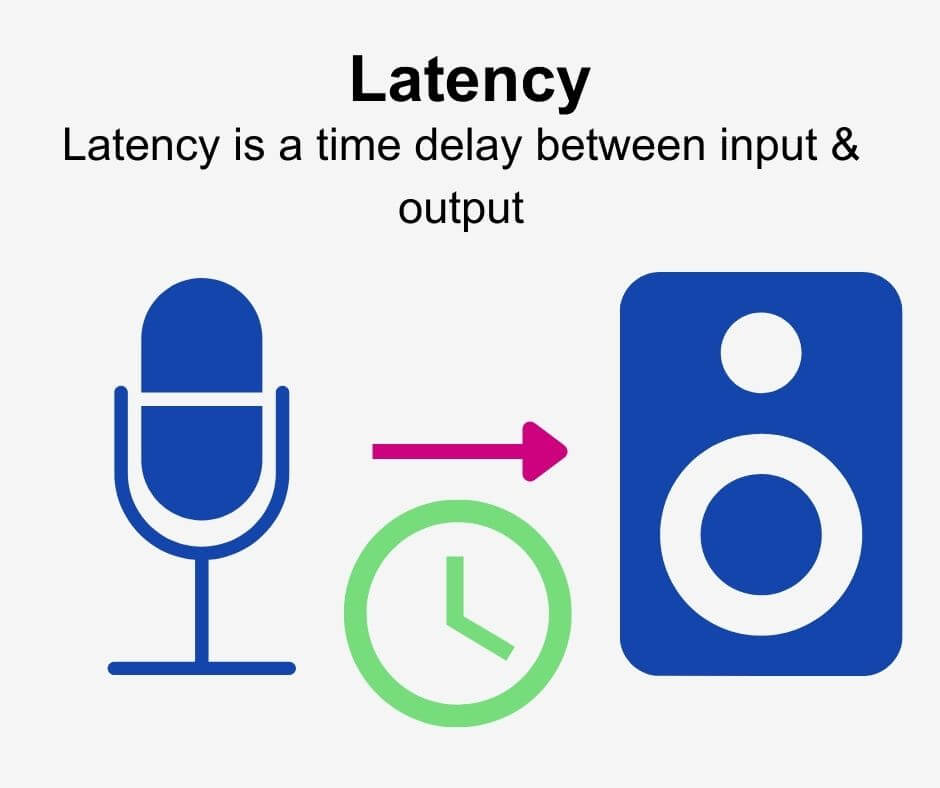
Audio latency compensation is a critical concept in the world of audio processing and production. It refers to the delay that can occur when processing audio signals, and it’s a topic that impacts everything from live performances to recording studio sessions and even everyday experiences like watching TV or playing video games. In this article, I’ll delve into the intricacies of audio latency compensation, exploring its significance, how it affects various applications, and how it can be managed for optimal audio experiences.

Audio latency compensation is essentially the delay that occurs when an audio signal is processed or transmitted from its source to its destination. This delay can be introduced at various stages of audio processing, such as when recording instruments, mixing tracks, or even during live performances. It’s measured in milliseconds and is a critical factor in ensuring that audio remains synchronized and cohesive.

Why Does Audio Latency Matter?

Audio Latency Compensation

The importance of audio latency compensation becomes evident when you consider scenarios where timing is crucial. For instance, in a live concert, the sound from microphones and instruments must reach the audience’s ears in sync with what they see on stage. Any delay can lead to a disjointed experience. Similarly, in music production, when multiple tracks are mixed, misaligned audio can result in muddiness or phase cancellation, affecting the overall quality of the recording.

Audio latency also plays a significant role in gaming. Gamers rely on audio cues for spatial awareness, and any latency can disrupt their ability to react quickly. Imagine playing a first-person shooter where the gunshot sound lags behind the visual animation; it could be the difference between victory and defeat.

Managing Audio Latency

To address audio latency, various techniques and technologies are employed. One common method is buffer size adjustment. This involves adjusting the size of data buffers in audio processing software or hardware to minimize delay. Smaller buffer sizes reduce latency but may strain the computer’s processing power, while larger buffers reduce strain but increase latency.

In professional audio setups, dedicated hardware interfaces with low-latency capabilities are used to minimize delay. These interfaces are designed to handle audio signals efficiently, ensuring minimal latency during recording and playback.

In the realm of gaming and live audio, technologies like ASIO (Audio Stream Input/Output) and low-latency audio drivers are employed to achieve near-instantaneous audio processing.

People Also Asked About Audio Latency Compensation

1. What Causes Audio Latency?

Audio latency can be caused by several factors, including:

Hardware Processing: Slow processors or insufficient RAM can lead to latency when processing audio.
Software Buffering: When audio data is buffered for processing, it can introduce delay, especially if the buffer size is too large.
Network Latency: In online applications, data transmission over the internet can introduce latency.

2. How Does Latency Affect Streaming and Online Calls?

In streaming and online calls, high latency can result in delays between audio and video, leading to unsynchronized experiences. This is often noticeable in live broadcasts or video conferencing.

3. Are There Differences Between Latency in Music Production and Gaming?

Yes, there are differences. In music production, low-latency is critical for real-time monitoring and recording. In gaming, low-latency ensures that audio cues match gameplay actions for a seamless experience.

4. Can Latency Be Completely Eliminated?

While we can minimize latency to imperceptible levels, complete elimination is challenging due to the limitations of hardware, software, and network transmission. Achieving extremely low latency is the goal, but there will always be some minimal delay.

Keywords with Identical Search Intent

1. Audio Delay Reduction Techniques

Reducing audio delay involves techniques like buffer size optimization, hardware upgrades, and low-latency drivers. These methods aim to minimize the time it takes for audio signals to travel from source to output.

2. Real-time Audio Processing

Real-time audio processing is crucial in applications like live sound engineering and gaming. It involves minimizing latency to ensure that audio signals are processed and delivered without noticeable delays.

3. Low-Latency Audio Interfaces

Low-latency audio interfaces are specialized hardware devices that enable musicians and producers to work with minimal audio delay. They are essential tools in professional music studios.

4. Latency Compensation in Audio Software

Audio software often includes features for latency compensation, allowing users to adjust settings and reduce delays during recording and playback. Understanding and utilizing these features is vital for audio professionals.

Last Words

In the world of audio, timing is everything. Whether you’re a musician, a gamer, or simply a fan of high-quality audio, understanding and managing audio latency compensation is essential for an immersive and seamless experience. By employing the right techniques and technologies, you can ensure that audio signals reach your ears with minimal delay, preserving the integrity of the sound and enhancing your overall enjoyment. So, whether you’re rocking out at a concert, producing your next hit song, or conquering virtual worlds in gaming, remember that audio latency compensation plays a pivotal role in shaping your auditory experience.

Newest Audio Codecs

Newest Audio Codecs: Unlocking the Future of Sound

Newest Audio Codecs
Newest Audio Codecs
Newest Audio Codecs
Newest Audio Codecs

As an audio expert, I’m excited to delve into the world of the newest audio codecs, which are transforming how we experience sound. These cutting-edge technologies have the power to shape the audio landscape, and I’m here to share my insights and experiences.

Audio Compression Techniques

Let’s start by discussing the backbone of these newest audio codecs – audio compression techniques. Imagine audio compression as the art of creating a perfectly crafted miniature sculpture of a grand masterpiece. In the world of audio codecs, this process involves reducing the size of audio files while preserving exceptional sound quality.

One of the most prominent techniques used in these codecs is Perceptual Audio Coding, which is similar to how our brain focuses on essential details in a complex image. Perceptual audio coding identifies and retains the most crucial elements of an audio signal while discarding less perceptible information. This allows for significant file size reduction without compromising the listening experience.

Another fascinating approach is Audio Spatial Coding, which can be likened to creating a 3D model of a real-world object. Audio spatial coding focuses on reproducing sound in a three-dimensional space, offering a more immersive listening experience. It’s often used in applications like virtual reality and gaming to provide users with an unparalleled sense of presence.

These techniques are pivotal in the development of the newest audio codecs. By employing innovative compression methods, these codecs can deliver audio that is not only compact but also stunningly clear, making them ideal for a wide range of applications, from streaming high-fidelity music to enhancing the realism of virtual environments.

Bitrate in Audio Streaming

Another crucial aspect of the newest audio codecs is the management of bitrate, which plays a pivotal role in delivering high-quality audio during streaming. Picture bitrate as the flow rate of a pristine river. In the context of audio streaming, it represents the rate at which audio data is transmitted from the source to your device. The higher the bitrate, the more data can be transmitted per second, resulting in superior audio quality.

Consider a scenario where you’re streaming your favorite song online. If the codec employs a low bitrate, it’s akin to a narrow river with a sluggish flow. You receive the audio data slowly, leading to a compromised listening experience. In contrast, a high bitrate is like a wide river with a swift current, delivering an abundance of data per second and ensuring that every note and nuance reaches your ears in exceptional detail.

The newest audio codecs excel in optimizing bitrate dynamically. It’s as if they have a smart water flow controller, adjusting the flow rate based on your internet connection’s capabilities. This dynamic management ensures that you enjoy a seamless audio streaming experience, even on limited bandwidth, without sacrificing audio quality.

Understanding Audio Masking in Psychoacoustics

Now, let’s shift our focus to the intriguing world of audio masking in psychoacoustics. This area of study is like deciphering the mysteries of the mind’s inner workings when it comes to sound perception. Understanding audio masking is fundamental for the newest audio codecs as it helps them allocate resources effectively.

Psychoacoustic Principles

Psychoacoustic principles are the cornerstone of audio masking. Think of it as understanding how our brain prioritizes and filters sounds, much like how we pay attention to a conversation in a noisy room. Auditory masking is a central concept in this field, similar to how a louder conversation can drown out a quieter one in a crowded space. This phenomenon occurs when a louder sound, known as the “masker,” makes it challenging to perceive a quieter sound, known as the “masked” sound.

Frequency masking is another key concept. It’s akin to trying to distinguish one instrument in a symphony when they are all playing together. Certain frequencies can mask or conceal others, making it crucial to allocate resources wisely when encoding audio. The newest audio codecs leverage psychoacoustic principles to ensure that the most critical audio information remains perceptible while optimizing file size by discarding less crucial data.

Audio Compression Algorithms

To truly grasp the capabilities of the newest audio codecs, we must delve into the intricate world of audio compression algorithms. These algorithms are like the secret recipes behind our favorite dishes, combining mathematical prowess and encoding techniques to achieve the perfect balance of quality and file size reduction.

One such algorithm is the Modified Discrete Cosine Transform (MDCT), which breaks down audio signals into smaller, manageable components, much like solving a complex puzzle piece by piece. The MDCT is the foundation of codecs like AAC and Opus, known for their exceptional audio quality and efficiency.

Additionally, variable bitrate (VBR) encoding is a crucial technique, like adjusting your car’s speed to navigate varying road conditions. VBR encoding allocates more bits to complex audio segments and fewer bits to simpler ones, ensuring consistent audio quality across the entire file. This approach is instrumental in preserving high-quality audio, even in the presence of psychoacoustic masking effects.

In conclusion, the newest audio codecs are a testament to the remarkable progress in the field of audio technology. With advanced compression techniques, dynamic bitrate management, and a deep understanding of psychoacoustic principles, these codecs are shaping the future of how we experience sound. Whether you’re a music enthusiast, a gamer, or a professional in the audio industry, these codecs are set to provide you with audio experiences that are nothing short of extraordinary. So, as we journey into this exciting soundscape, remember that the newest audio codecs are your gateway to a world of unparalleled sonic delight.

Audio Output Resolution

Audio Output Resolution

Audio Output Resolution

Understanding Audio Output Resolution

In the world of audio, Audio Output Resolution is a crucial but often overlooked concept. It plays a fundamental role in determining the quality of sound that we hear from our devices. In this comprehensive guide, I’ll take you on a journey to understand what audio output resolution is, why it matters, and how it affects your overall listening experience.

Explaining Audio Output Resolution

Let’s begin by unraveling the term “Audio Output Resolution.” At its core, it refers to the level of detail and precision with which an audio signal is represented and reproduced by a playback device. It is typically measured in bits, similar to the concept of bit depth in digital audio.

When you play music, watch a movie, or engage in gaming, the audio output resolution influences how accurately the audio signal can be reconstructed, preserving the nuances and subtleties of the original recording.

How Does Audio Output Resolution Affect Sound Quality?

The impact of Audio Output Resolution on sound quality is significant. Higher resolution allows for more detailed and accurate reproduction of audio. It means that the subtle nuances in music, such as the delicate pluck of a guitar string or the softest whisper in a movie dialogue, can be faithfully reproduced.

Choosing the Right Audio Output Resolution

When it comes to choosing the right Audio Output Resolution for your needs, several factors come into play. Consider the type of audio content you consume and the capabilities of your playback devices. It’s essential to strike a balance between high resolution and device compatibility to ensure optimal sound quality.

Audio Output Resolution vs. Bit Depth

Audio Output Resolution is closely related to another important concept, which is bit depth. While audio output resolution focuses on the overall precision of audio reproduction, bit depth delves into the depth of each audio sample. Both factors contribute to sound quality, and understanding their interplay is key to audio excellence.

Audio Output Resolution and Sampling Rate

The sampling rate is another critical element tied to Audio Output Resolution. Together, they determine the accuracy of audio playback. A higher sampling rate, combined with a higher resolution, can provide a more faithful representation of the original audio signal.

Does Audio Output Resolution Impact File Size?

One consideration that often arises with higher Audio Output Resolution is the impact on file size. It’s true that audio files with greater resolution can be larger in size. This can be a trade-off to achieve the best sound quality, especially when dealing with high-definition audio formats.

Audio Output Resolution in High-Definition Audio

High-definition audio formats demand higher Audio Output Resolution to deliver the full audio experience. Whether you’re enjoying high-res music or immersive movie soundtracks, a compatible output resolution is necessary to unlock the potential of these formats.

Audio Output Resolution for Home Theater Systems

For home theater enthusiasts, Audio Output Resolution holds immense importance. It’s a key factor in recreating cinematic audio experiences at home. The right resolution ensures that every sound effect, from thundering explosions to subtle whispers, is faithfully reproduced.

The Role of Audio Output Resolution in Gaming

Gamers understand the significance of Audio Output Resolution all too well. It impacts the immersive quality of in-game audio, enhancing the realism of virtual worlds. Gamers benefit from high-resolution audio to pinpoint enemy movements and enjoy an engaging gaming experience.

Audio Output Resolution for Audiophiles

For audiophiles, the pursuit of audio perfection is a lifelong journey. Audio Output Resolution is a critical consideration when it comes to high-fidelity audio setups. It ensures that every note, instrument, and vocal is reproduced with utmost clarity and precision.

Benefits of Upgrading Audio Output Resolution

Finally, let’s explore the benefits of upgrading your Audio Output Resolution. Upgrading can lead to a more immersive, lifelike audio experience. Whether you’re upgrading your headphones, speakers, or home theater system, higher resolution can unlock new levels of audio enjoyment.