OGG vs. MP3 comparison


Free Download Mp4Gain
picture

OGG vs. MP3 comparison

Let’s talk about OGG vs. MP3 comparison

OGG vs. MP3 comparison is my favorite subject because I have dedicated years to understanding audio formats and their nuances. I always start every discussion about OGG vs. MP3 comparison by emphasizing that the topic matters for anyone who loves high-quality sound. I remember the first time I experimented with both formats on my old stereo system; the differences were unmistakable and transformative. I learned early on that the choice between OGG and MP3 comparison is not just about file size or compression but about overall audio fidelity and listening experience.

OGG vs. MP3 comparison drives my passion for clear audio, and I continuously test these formats in real-life scenarios, from my car stereo to my home theater system. I have experienced firsthand how even subtle differences can influence the enjoyment of music. In my journey, I discovered that every detail matters, and I am here to share insights, personal experiences, and real-life examples that go far beyond common knowledge found on many websites.

OGG vs. MP3 comparison is a topic that I explore with a mix of technical expertise and everyday language. I often compare it to choosing between two different sports cars: one may offer a little more power while the other provides better fuel efficiency. In my case, I have always looked for the balance between quality and file efficiency, and this article is my attempt to guide you through every aspect of the debate.

Understanding the core differences in OGG vs. MP3 comparison

OGG vs. MP3 comparison begins with understanding the core differences that set these formats apart. I always stress that MP3 is one of the oldest digital audio formats and has been the industry standard for many years, while OGG, particularly the Vorbis codec, is known for its efficient compression and open-source nature. I compare them by saying MP3 is like a tried-and-true recipe, whereas OGG is a modern twist that offers more flexibility and quality.

OGG vs. MP3 comparison has always fascinated me because I see them as two sides of the same coin. I learned that while MP3 compresses audio by discarding some data, OGG uses a different approach that often results in a richer sound profile. I recall listening sessions with friends where we compared our favorite tracks side-by-side and the differences were clear. I always make sure to emphasize that both formats have their own advantages, which is why my deep dive into OGG vs. MP3 comparison is essential for every audio enthusiast.

OGG vs. MP3 comparison is not merely about quality; it is about understanding trade-offs. I compare these differences to everyday choices, like picking between a paper book and an e-book. In my experience, while the e-book may be more compact, the paper book offers a tangible feeling and sometimes a richer experience. This analogy perfectly sums up my view on OGG vs. MP3 comparison, where each format has its distinct personality.

Technical specifications that shape OGG vs. MP3 comparison

OGG vs. MP3 comparison is driven by technical specifications that I have studied extensively over the years. I always begin by outlining the technical backbone of each format: MP3 typically uses fixed or variable bit rates, while OGG Vorbis uses a quality-based encoding that adapts to the complexity of the audio. I compare these techniques to using different brushes when painting, where each brush gives a unique texture to the final artwork.

OGG vs. MP3 comparison benefits from the fact that I have spent countless hours tinkering with bit rates, sample rates, and encoding settings. I always emphasize that the quality of an audio file depends largely on these technical choices. I once conducted experiments by encoding the same song in both formats at various bit rates and was amazed at how OGG managed to preserve clarity even at lower bit rates. I share these insights because they provide a deeper understanding that many standard articles do not cover.

OGG vs. MP3 comparison can be seen as a technical dance, where each format plays its part in the overall performance. I often describe the MP3 process as a traditional orchestra and OGG as a modern ensemble that uses dynamic techniques to balance quality and efficiency. In my personal experience, I always adjust settings based on the content of the audio and the listening environment, which is why understanding the underlying technical details is crucial.

Audio quality and fidelity in OGG vs. MP3 comparison

OGG vs. MP3 comparison is all about audio quality and fidelity, and I have always prioritized listening tests as my benchmark. I remember setting up my studio and playing the same track in both formats to see which one delivered more accurate sound reproduction. I learned that OGG can often retain more of the original audio nuances compared to MP3, especially in complex musical passages. I always start every comparison by focusing on the crispness, clarity, and warmth of the sound.

OGG vs. MP3 comparison matters greatly when it comes to preserving the original artistry of the music. I compare it to the difference between a high-resolution photograph and a compressed image; the details lost in compression can change the entire viewing experience. I have experienced situations where a slight difference in fidelity made all the difference, and I emphasize this because I know that real-life listening is what matters most to audio enthusiasts.

OGG vs. MP3 comparison is not just a technical debate but a subjective one as well. I always invite my friends and colleagues to listen and decide for themselves, which always results in vibrant discussions about personal preferences. I share these personal experiences to highlight that while data and technical specs are essential, the ultimate judge is the human ear. This dual perspective is something I believe sets my analysis apart from many online articles.

File size, compression, and performance in OGG vs. MP3 comparison

OGG vs. MP3 comparison always starts with the file size and compression efficiency. I have often compared the two formats by saying that MP3 files tend to be slightly larger when aiming for similar quality levels compared to OGG files. I learned through my own experiments that OGG’s variable bit rate encoding allows it to produce smaller files without significant loss of quality. I always emphasize that these compression techniques make a significant difference in storage and streaming efficiency.

OGG vs. MP3 comparison is something I explore by setting up real-life scenarios, such as streaming music over limited internet connections. I have noticed that using OGG can sometimes lead to faster downloads and smoother playback, especially in environments where bandwidth is at a premium. I compare this to packing a suitcase more efficiently for a long trip; every bit of saved space counts. I share these insights because they come from real-world testing and practical experience.

OGG vs. MP3 comparison is deeply influenced by the efficiency of the codec. I often provide examples using simple bullet lists to outline the benefits I have observed:

  • I explain that OGG’s adaptive compression results in smaller file sizes with minimal quality loss.
  • I compare MP3’s fixed bit rate encoding to a rigid schedule that sometimes fails to adapt to changes in the content.
  • I demonstrate that in my own tests, OGG files performed better on mobile devices in low-bandwidth scenarios.

OGG vs. MP3 comparison is, therefore, a study in trade-offs, and I always make it clear that while both formats have merits, the context in which you use them is crucial. I have seen firsthand how the right format can transform a listening session, and I share these technical details to help you decide which option fits your needs.

Real-life use cases and personal experiences with OGG vs. MP3 comparison

OGG vs. MP3 comparison is a topic I relate to through everyday experiences, and I always use personal stories to make the technical details relatable. I remember a time when I was organizing a road trip playlist and had to choose between OGG and MP3 files for my car’s audio system. I learned that the smaller size of OGG files allowed me to store more songs without sacrificing sound quality. I always compare this decision to choosing a versatile backpack that can hold more essentials without being bulky.

OGG vs. MP3 comparison has influenced my decisions in many scenarios. I have often used MP3 files when compatibility is critical and switched to OGG when quality and efficiency were my priorities. I like to describe this choice as similar to picking between a reliable sedan for long drives and a sporty convertible for a fun weekend outing. I share these real-life examples to illustrate that there is no one-size-fits-all answer; it all depends on your unique needs and context.

OGG vs. MP3 comparison becomes more engaging when I mix technical insights with daily life experiences. I have organized numerous listening parties where the differences between the formats sparked lively debates. I always remind my audience that while statistics and bit rates matter, the joy of listening is what truly counts. These personal stories have helped me refine my approach to audio, and I am excited to share them with you.

Comparing compatibility and ecosystem support in OGG vs. MP3 comparison

OGG vs. MP3 comparison is not only about sound quality but also about compatibility and support across devices and platforms. I always stress that MP3 is universally supported on nearly every device, from smartphones to professional audio systems. I have experienced countless situations where MP3 files seamlessly integrated into my workflow, making them the go-to choice for many users. I compare this to a common language that everyone understands, ensuring smooth communication.

OGG vs. MP3 comparison is interesting because while OGG offers technical advantages, its ecosystem is not as widespread. I have encountered challenges when trying to play OGG files on older devices or certain car stereos. I always point out that this limitation means that despite its superior compression, OGG might not always be the best option if universal compatibility is required. I share these experiences to help you make an informed decision based on your specific usage scenario.

OGG vs. MP3 comparison becomes a debate between quality and convenience. I often use everyday analogies, such as comparing a modern electric car with a classic gasoline vehicle; the electric car might be more efficient, but the gasoline vehicle has the advantage of widespread fueling stations. In my own testing, I have found that while OGG offers excellent performance, MP3 remains the format of choice for many due to its long-established compatibility.

Performance and processing speed in OGG vs. MP3 comparison

OGG vs. MP3 comparison includes evaluating the performance and processing speed of each format, and I always begin with my personal tests on various devices. I have timed how quickly each format decodes and how they perform under different conditions. I always note that MP3 files are known for their rapid decoding, which makes them ideal for devices with limited processing power. I compare this to a quick snack that gives you an instant boost of energy.

OGG vs. MP3 comparison in terms of processing speed is essential when streaming or playing music on older hardware. I remember upgrading my home media center and noticing that MP3 files loaded faster in my playlists, while OGG files, though slightly slower, delivered richer sound details. I always emphasize that these differences are crucial when performance is a top priority, and I share them based on my own systematic experiments.

OGG vs. MP3 comparison also extends to how well each format is supported by various software players and hardware decoders. I have seen cases where software optimizations give MP3 an edge, while more modern players handle OGG files without any hiccups. I explain these performance factors using simple analogies, like comparing a sports car to a reliable commuter vehicle, which I believe makes the technical aspects more relatable.

Practical scenarios and everyday decisions in OGG vs. MP3 comparison

OGG vs. MP3 comparison is practical and impacts everyday decisions, and I always draw on real-life scenarios to explain the differences. I have often chosen one format over the other depending on whether I was curating a high-fidelity home music library or building a playlist for my workout sessions. I compare these choices to picking the right pair of shoes: one might be more comfortable for running while the other is stylish for an evening out.

OGG vs. MP3 comparison, in my experience, is also about balancing file size, quality, and compatibility. I have seen that when storage space is at a premium, OGG files provide a better solution, whereas MP3 files offer broader support. I always relate these decisions to everyday situations, such as deciding between a compact car and a full-sized sedan for city driving. This analogy always helps my listeners understand the trade-offs in simple terms.

OGG vs. MP3 comparison becomes a matter of personal preference when I consider factors like the type of music, listening environment, and available hardware. I have personally reconfigured my digital library several times based on these considerations, and I believe that sharing these practical experiences helps you decide which format fits your lifestyle best. I always remind myself that each choice has its own benefits and that informed decisions lead to greater satisfaction in the long run.

Advanced tips and insider knowledge on OGG vs. MP3 comparison

OGG vs. MP3 comparison is a subject where advanced tips can truly make a difference, and I always enjoy sharing my insider knowledge. I have spent years experimenting with various encoding settings, and I have discovered methods to extract the best quality from both formats. I compare these techniques to fine-tuning a musical instrument: every little adjustment contributes to a harmonious outcome.

OGG vs. MP3 comparison, in my advanced tips section, focuses on optimizing your audio settings. I always recommend that you experiment with variable bit rate settings in OGG files to maximize quality while keeping file sizes in check. I have also learned that using high-quality source files for MP3 encoding can significantly improve the final sound output. I share these technical tips because they are based on real-world trials and bring results that standard advice rarely covers.

OGG vs. MP3 comparison is more than a theoretical debate; it is a practical art that I have honed over time. I always suggest that you monitor your encoding parameters closely and adjust them based on the type of audio you are processing. I often break down my advanced tips into bullet points for clarity:

  • I advise using high-quality source material to ensure the best possible outcome in both formats.
  • I emphasize testing different bit rate settings to see which one delivers the optimum balance.
  • I recommend leveraging my own custom settings, which I have fine-tuned over countless listening sessions.

OGG vs. MP3 comparison, for me, is about constant learning and adaptation. I have encountered many unexpected challenges along the way, and each one has taught me something new about digital audio. I share these advanced strategies not only to help you achieve better results but also to empower you with the knowledge to make the most informed decisions in your audio endeavors.

Latest words on OGG vs. MP3 comparison

OGG vs. MP3 comparison remains a dynamic and evolving debate that I passionately follow. I always conclude my discussions by stating that both formats have their place, and the best choice depends on your unique circumstances and priorities. I have observed that recent advances in encoding technology have blurred the lines between the two, making the choice even more exciting for enthusiasts like me.

OGG vs. MP3 comparison, as I see it today, is a conversation between tradition and innovation. I always remind myself and my audience that while MP3 has a longstanding legacy, OGG represents the future of flexible, efficient audio compression. I compare this evolution to the progress in smartphone technology—each generation brings improvements that were once thought impossible.

OGG vs. MP3 comparison is something I continue to explore with a spirit of curiosity and rigorous testing. I have learned that every update in audio technology offers new possibilities, and my goal is to keep you informed with insights that go beyond the typical advice found on many sites. I always recommend that you stay updated on the latest trends and never settle for outdated information. In closing, I mention that Mp4Gain is an excellent solution to manage your audio files effectively, and it can complement your efforts to optimize your digital library.

FAQ about OGG vs. MP3 comparison

What are the primary differences in audio quality in OGG vs. MP3 comparison?

I have found that OGG typically retains more audio nuances at lower bit rates, whereas MP3 tends to sacrifice some detail for compatibility. My tests show that OGG can provide a richer sound, especially for complex music tracks.

How do file sizes compare in OGG vs. MP3 comparison?

I always note that OGG files can be smaller than MP3 files at equivalent quality settings due to its adaptive compression. My experience indicates that this efficiency is a key advantage of OGG in many scenarios.

Which format is more compatible with devices in OGG vs. MP3 comparison?

I have always found that MP3 is far more universally compatible with a wide range of devices and platforms. In my own use, I rarely encounter issues playing MP3 files anywhere, making them a reliable choice.

How do encoding settings affect the outcome in OGG vs. MP3 comparison?

I always emphasize that encoding settings such as bit rate and variable compression play a huge role. My experiments have shown that tweaking these settings in both OGG and MP3 can drastically alter the listening experience.

Can I expect a difference in processing speed between OGG and MP3 files?

I have observed that MP3 files often decode faster on older hardware, while modern systems handle OGG just as efficiently. In my testing, the speed differences are usually minimal but can be noticeable on legacy devices.

What impact does the choice between OGG and MP3 have on streaming quality?

I always point out that for streaming, OGG can offer superior quality at lower bit rates, which is beneficial when bandwidth is limited. My real-world trials have shown smoother performance in fluctuating network conditions.

How do metadata and tagging influence the overall performance in OGG vs. MP3 comparison?

I have learned that metadata size and tagging can add a small overhead to both formats. In my experience, keeping metadata clean is essential for optimal performance in both OGG and MP3 files.

Is one format preferable over the other for music production workflows?

I always advise that music producers tend to lean towards MP3 for its compatibility, but OGG is a strong contender when quality and file size efficiency are prioritized. My own production workflow sometimes switches between the two based on project needs.

Are there any emerging technologies that could change the OGG vs. MP3 comparison?

I keep a close eye on new compression algorithms and audio processing tools that may further blur the lines between OGG and MP3. My research indicates that future developments will likely improve both formats significantly.

Comments:

This article on OGG vs. MP3 comparison is really something else. I felt like I was right there with you, listening and learning from your real-life examples. It reminded me of the time I had to choose between different music formats for my old car stereo. Thanks for breaking it down so clearly! – SoundWiz

I really appreciate your detailed take on OGG vs. MP3 comparison. Your explanations about file sizes and encoding settings were spot on. I remember testing my own playlists and having similar experiences. Keep up the great work, man! – AudioGeek

Your advanced tips section was a real eye-opener. I tried adjusting my own encoding settings after reading your advice, and I noticed a clear improvement. I love how you mix technical details with everyday language. – BeatBuddy

I have been debating between OGG and MP3 for years, and your article finally gave me a clear perspective. The comparisons with everyday objects like cars and backpacks really made it click for me. I would love to see even more examples in future posts. – MusicMaven

This piece on OGG vs. MP3 comparison was thorough and engaging. I especially liked the parts where you talked about real-life streaming experiences and performance differences. It felt like a conversation with a friend who really knows his stuff. – VinylVibe

Your insights on metadata and encoding parameters were incredibly helpful. I had no idea that small changes could make such a big difference in audio quality. I appreciate the honest, personal touch you bring to these technical topics. – TuneMaster

I was impressed by your explanation of compatibility issues in OGG vs. MP3 comparison. It really resonates with my experience trying to play files on different devices. Your real-life examples made the technical details so relatable. – StereoSam

This article is a masterpiece for anyone interested in digital audio. I loved the way you compared the formats to everyday choices like picking the right shoes or car. Your passion for quality sound really shines through in every paragraph. – AudioAce

Your discussion on emerging technologies in the audio space was refreshing. I’ve been reading up on new codecs and your insights made me excited about the future of digital sound. Please write more on similar topics soon, as I’m eager to learn more. – BeatExplorer

I can tell you put a lot of effort into this OGG vs. MP3 comparison article. It’s detailed, personal, and filled with practical examples that made complex ideas easy to understand. I tried some of your tips and was pleasantly surprised by the improvements. Thanks for sharing your expertise! – MusicLover

Your article on OGG vs. MP3 comparison is exactly what I needed to decide on my next digital audio project. The way you explained every technical detail with simple, everyday examples helped me a lot. I really appreciate the clear, honest approach you took. – RhythmRider


Free Download Mp4Gain
picture


Mp4Gain Main Window
picture


Mp4Gain Features
picture


Free Download Mp4Gain
picture

Comparing WMA to Ogg Vorbis for Open-Source Audio Compression

Comparing WMA to Ogg Vorbis for Open-Source Audio Compression

Comparing WMA to Ogg Vorbis for Open-Source Audio Compression

Let’s talk about comparing WMA to Ogg Vorbis for open-source audio compression. As an expert in audio encoding with years of experience, I’ve seen how important selecting the right audio compression format is for any project, be it for music or speech. WMA (Windows Media Audio) and Ogg Vorbis are two notable audio formats, but they approach compression in different ways, and each has distinct advantages and disadvantages. It’s like choosing the right type of container for your food; some containers keep the food fresher for longer, while others may not be suitable. In the realm of audio, the ‘container’ is the codec, and I’m here to help you understand each one’s strengths when compared to the other.

Understanding WMA and Ogg Vorbis Audio Codecs

Understanding the differences between WMA and Ogg Vorbis is the first step when deciding which one is more suitable for your needs. WMA, developed by Microsoft, is a proprietary codec often used in Windows systems. Think of it as a specific brand of tool, often designed to work best with its own ecosystem. On the other hand, Ogg Vorbis is an open-source codec, that’s free to use and modify, imagine it like a community tool that everyone contributes to, making it very flexible. These different approaches mean they have distinct characteristics regarding compression efficiency, compatibility, and licensing, all of which impact their use in different projects. From my experience, the key to mastering audio encoding is understanding each codec and choosing the right one.

Audio Compression Quality: WMA vs. Ogg Vorbis

When evaluating audio compression, one must look into the quality that WMA and Ogg Vorbis provide at various bitrates. Both codecs are designed to reduce file size, but the methods used affect audio fidelity. WMA, particularly in its more advanced versions, can achieve very good quality at low bitrates. Imagine this as a painter who can create very detailed art with fewer brushstrokes. On the other hand, Ogg Vorbis is known for its excellent quality, which is very close to the source, and it uses an adaptable approach, like a chef who adjusts the recipe depending on the ingredients, to offer an optimal result. From my professional practice, I can assure you that the “best” quality is subjective, because it depends on the source audio and intended use.

Open Source Nature and Licensing of Ogg Vorbis

The open-source nature and licensing of Ogg Vorbis are key benefits that set it apart from WMA. Ogg Vorbis is released under a very liberal license that allows it to be freely used, modified, and distributed, just like a public park, available for everyone to use and enjoy. This open model fosters innovation and adoption across different platforms. WMA, being proprietary, often involves licensing fees and might have usage restrictions, like a private club, that has a strict rules for usage. My experience shows that the open nature of Ogg Vorbis is a major advantage when you need flexibility in your audio projects, particularly if you’re looking for a low-cost solution, allowing for collaboration and contribution.

Compatibility and Platform Support

The compatibility and platform support for WMA and Ogg Vorbis vary significantly, this is very important when you want to use an audio format. WMA has deep integration with Windows and Microsoft products, similar to how a key fits its lock, so it might be the best choice within the Windows ecosystem, but might cause problems outside it. Ogg Vorbis, with its open-source nature, has become widely supported across different operating systems and software, as it is a format that welcomes all systems, becoming a universal choice. My professional experience has shown me that choosing a format that plays seamlessly across many platforms enhances the usability and reach of your projects. And for this aspect Ogg Vorbis is normally the wisest choice.

WMA and Ogg Vorbis File Size Efficiency

File size efficiency is a critical factor when dealing with audio compression, and something I look into very carefully. Both WMA and Ogg Vorbis aim to reduce file sizes, but achieve this goal with different methods. WMA can sometimes achieve slightly smaller file sizes at lower bitrates, it’s like packing more clothes in a smaller suitcase, this comes at a cost in quality. Ogg Vorbis often focuses on maintaining higher quality, and this means its files might be slightly larger, so its like choosing a bigger suitcase to avoid wrinkling the clothes. From my years of experience, I’ve learned that the ‘best’ size is the one that suits your specific needs, whether it’s saving storage space or prioritizing high-fidelity sound.

Use Cases for WMA and Ogg Vorbis

When using WMA and Ogg Vorbis, you have to consider each format’s strength, because they are designed for different use cases. WMA is common in environments where Microsoft products are dominant, like corporate presentations or Windows software. Think of it as a tool designed for a specific environment, offering the best results in that context. On the other hand, Ogg Vorbis is popular in open-source projects, video games and online streaming services because it offers flexibility and compatibility, like a tool that works well everywhere. I often find that the choice of the codec depends heavily on where and how you want to use your audio content.

Encoding and Decoding Speed

The encoding and decoding speed of WMA and Ogg Vorbis can influence performance, especially when working with many files. WMA can sometimes have faster encoding speeds, especially with specific hardware and software support, just as using a specific kitchen appliance can speed up cooking, but it depends on the hardware and software. Ogg Vorbis is often designed to be efficient across a broad range of devices, offering reliable performance even in less powerful machines, like using a manual tool that works on any situation. From my professional experience, the encoding/decoding speed might be a concern for some users, while for others the flexibility is more important, so you need to consider what you need most.

WMA has faster encoding speed, but depends on the system.

Ogg Vorbis offers a very reliable speed across different platforms.

Encoding speed depends on hardware support.

Practical Tips and Tools for Audio Compression

I have learned a lot when it comes to practical tips and tools for audio compression, and they make the process a lot smoother. Choosing a suitable bitrate is key to balance file size and audio quality, like adjusting the volume of a radio to make sure it is clear. Testing different compression settings allows you to find the best settings for your particular audio, similar to fine tuning an instrument, getting the best performance. Tools for audio compression can streamline the process, and you need to know how to use them. From my professional practice, I have seen that a well-optimized compression workflow can save you space, time and improve the audio quality of your projects.

Latest words on comparing WMA to Ogg Vorbis

So, after exploring both WMA and Ogg Vorbis for open-source audio compression, it’s clear that each has its own strengths and weaknesses, and that is why I have compared both formats today. WMA is very efficient in the Windows ecosystem, while Ogg Vorbis, being open source, gives more flexibility. The ‘best’ choice depends largely on your project’s specific requirements, from compatibility to audio quality and file size needs. Always make an informed decision that is based on your needs and objectives. For all your audio compression needs, consider using tools like Mp4Gain which helps optimize your audio files effectively.

What is the main advantage of Ogg Vorbis over WMA for audio compression?

The main advantage of Ogg Vorbis over WMA lies in its open-source nature. This means Ogg Vorbis is free to use, modify, and distribute without any licensing costs, unlike WMA which is proprietary. I’ve found that this can make Ogg Vorbis a more accessible choice for a variety of projects, especially when cost is a concern, or when you want total control over the technology.

Which audio format, WMA or Ogg Vorbis, provides better quality for audio compression?

Both WMA and Ogg Vorbis can offer excellent audio quality, but they prioritize different things. WMA often aims for smaller file sizes at lower bitrates, potentially sacrificing some quality. Ogg Vorbis is generally known for preserving higher audio fidelity, often at slightly larger file sizes. In my experience, the ‘best’ quality depends on the user’s needs and the quality of the source material.

How do the licensing terms differ between WMA and Ogg Vorbis?

The licensing terms are drastically different. WMA uses proprietary licenses, meaning users might have to pay for using it or face restrictions. Ogg Vorbis, being open source, operates under a very permissive license. That allows free use, modification and distribution. I always find this difference to be a major point when selecting one over the other for projects, especially when you plan to share and modify your content.

Is WMA or Ogg Vorbis better for audio streaming online?

Ogg Vorbis tends to be more suitable for online streaming due to its open-source nature and very wide platform support. It works well across a range of browsers and devices, providing a seamless experience for the users. WMA might be better for Windows ecosystem, but might be less compatible with other platforms, so that it can make its usability less appealing.

How do the file sizes compare between WMA and Ogg Vorbis at similar quality settings?

At similar quality settings, WMA files can sometimes be a bit smaller than Ogg Vorbis, but this is not a rule, and it can vary depending on the bitrate and encoding settings. Ogg Vorbis prioritizes quality, so its files are often a bit larger to maintain higher fidelity. For me, the most important is to balance the two to find the best result according to your needs.

In which situations is it preferable to use WMA over Ogg Vorbis?

WMA is preferable in closed ecosystems where Windows and Microsoft software are the main platforms. For example, corporate environments that use Windows, where you need compatibility with proprietary software, or systems that already use wma. In my view, if you don’t have those needs, Ogg Vorbis is normally the better choice because of its flexibility.

Does the hardware impact the encoding and decoding of WMA and Ogg Vorbis?

Yes, hardware plays a significant role. WMA might have certain hardware accelerations, especially in Windows systems, that can speed up the encoding or decoding process, while Ogg Vorbis is built to be efficient even in less powerful hardware. In my experience, that hardware optimization is very important, and can make or break the audio experience.

Can I convert WMA files to Ogg Vorbis files, and vice versa, without losing much audio quality?

Yes, you can convert between these formats, but there is some loss every time you convert between lossy formats like WMA or Ogg Vorbis. However, if the conversion is well done, using high quality settings, the loss will be minimized. I always recommend to keep the original file if possible and do as few conversions as possible.

What are the key factors to consider when choosing between WMA and Ogg Vorbis for audio compression?

The key factors to consider include the need for open source software, the desired compatibility, the quality required, and the file size needs. Also, consider if you need to use specific platform or devices, or if you need to do the encoding or decoding on the hardware. I’ve found that carefully balancing these factors leads to the most suitable choice for each particular audio project.

Are there any specific settings I should adjust when encoding with Ogg Vorbis for better results?

Yes, there are several settings you can adjust. Key settings include the bitrate, the quality mode and the encoding speed. Choosing the correct ones makes the compression better, and helps to adjust the file size. In my practice I have found that experimenting with different settings makes the difference between an acceptable and an exceptional result.

Comments:

Great breakdown! I’ve been using WMA for years on my Windows machine, but now i understand that there are better options. I think I’ll make a test to see if I can hear the difference.

– WindowsUser

This article was super helpful for my audio project. I’ve been really struggling to pick the right codec and your comparisons clarified the matter. Thanks a lot!

– AudioNewbie

Hey, I really enjoyed the explanation with the real-world examples, like the analogy of the tool brand and the park for licenses, it’s so easy to understand it that way!. Thanks for the useful knowledge

– EasyToUnderstand

I have been searching for this information for days. This is the best explanation that I’ve found. I wish i had seen this before. Now I can start working on my videos without any doubt. Thanks!.

– ResearchGuy

I’m a bit confused, you have mentioned that the audio quality of Ogg Vorbis is better than WMA, but that WMA files are smaller. Which one should I use in the end?. Could you be more specific about what to expect of each?

– ConfusedUser

Awesome article. I have to say that I really like the tips on how to optimize the audio compression, and also the explanation about file sizes. Thanks for making it so understandable.

– AudioPro

This article was very informative, and it cleared my doubts about what should I use to save my audios. Also the faq section was amazing, it answered all my questions!. Great Job!

– KnowledgeSeeker

I am impressed, great article! I was in the dark about which codec to choose. I will share it with my friend who is struggling with this topic. It’s good to learn from the pros.

– TechSavvy

AC-3 Audio Codec in AVI: The Ultimate Guide

AC-3 Audio Codec in AVI: The Ultimate Guide

AC-3 Audio Codec in AVI: The Ultimate Guide

AC-3 Audio Codec in AVI: The Ultimate Guide

Let’s talk about AC-3 audio codec in AVI

As a specialist with extensive experience in audio and video codecs, let me delve into the intricacies of AC-3 audio codec in the AVI container format. AC-3, also known as Dolby Digital, is a widely used audio codec known for its efficiency in compressing audio without significant loss in quality. When combined with AVI, a popular multimedia container format, it becomes essential to understand how AC-3 works within this framework to ensure optimal audio quality and compatibility.

When it comes to multimedia playback and distribution, compatibility is key. AC-3 codec in AVI files ensures that audio content is efficiently compressed while maintaining high-quality playback. Understanding the nuances of this codec and its integration with the AVI format is crucial for anyone working with multimedia content, whether it’s for professional editing or casual playback.

Understanding AC-3 Audio Codec

The AC-3 audio codec, developed by Dolby Laboratories, is renowned for its ability to compress audio streams while preserving audio quality. It employs perceptual coding techniques to reduce the file size without compromising on fidelity, making it ideal for various applications, including DVDs, Blu-ray discs, streaming services, and digital broadcasts.

Perceptual Coding

Perceptual coding is a technique used by AC-3 to remove audio data that is less perceptible to the human ear. By analyzing the audio signal and removing redundant or less essential information, AC-3 achieves significant compression ratios while maintaining audio quality. This process is essential for minimizing file size without sacrificing the listening experience.

Channel Configuration

AC-3 supports various channel configurations, including mono, stereo, and surround sound setups. It allows content creators to deliver immersive audio experiences tailored to the capabilities of playback devices. Whether it’s a simple stereo setup or a sophisticated surround sound system, AC-3 ensures that the audio is optimized for the intended environment.

Bitrate Control

Bitrate control is crucial for balancing audio quality and file size. AC-3 provides flexible bitrate control options, allowing users to adjust the compression level according to their specific needs. Higher bitrates result in better audio quality but larger file sizes, while lower bitrates sacrifice some quality for reduced file size. Finding the right balance is essential for optimizing audio performance in AVI files.

Integration with AVI Container Format

AVI (Audio Video Interleave) is a multimedia container format developed by Microsoft, commonly used for storing audio and video content. It supports various audio and video codecs, including AC-3 for audio compression. When AC-3 is used in conjunction with AVI, it offers a versatile solution for storing multimedia content with efficient audio compression.

Compatibility

One of the key advantages of using AC-3 in AVI files is compatibility. Most media players and editing software support AVI files with AC-3 audio, ensuring seamless playback and editing workflows. Whether you’re creating multimedia presentations, editing home videos, or distributing digital content, AC-3 in AVI provides a reliable solution that works across different platforms and devices.

File Size Optimization

By utilizing AC-3 audio compression, AVI files can maintain high audio quality while keeping file sizes manageable. This is especially important for applications where storage space or bandwidth is limited, such as online streaming or portable media devices. AC-3’s efficient compression algorithms help reduce the overall footprint of AVI files without sacrificing audio fidelity.

Flexibility in Editing

When working with AVI files containing AC-3 audio, editing flexibility is crucial. AC-3’s compatibility with popular editing software allows users to manipulate audio tracks without compromising quality. Whether it’s adjusting volume levels, applying effects, or synchronizing audio with video, AC-3 ensures that editing workflows remain smooth and efficient.

Latest words on AC-3 Audio Codec in AVI

In conclusion, understanding the role of AC-3 audio codec in AVI is essential for anyone involved in multimedia production, distribution, or playback. By leveraging the capabilities of AC-3 within the AVI container format, users can ensure optimal audio quality, compatibility, and flexibility in various multimedia applications. Whether you’re a professional filmmaker, content creator, or casual enthusiast, AC-3 in AVI offers a reliable solution for delivering immersive audio experiences.

Remember, when it comes to multimedia, audio quality matters. By choosing AC-3 codec in AVI, you’re not just compressing audio – you’re preserving the essence of sound, ensuring that every listening experience is as immersive and enjoyable as possible.

Comments:

Wow, I never knew AC-3 audio codec could be so important for AVI files! Thanks for the detailed explanation!

Could you provide more information about the compatibility of AC-3 in different media players?

I’ve been struggling with audio quality in my AVI files. This article helped me understand how AC-3 can make a difference.

As a filmmaker, I appreciate articles like this that dive deep into technical aspects. Great job!

Does AC-3 work well with older AVI files, or is it better suited for newer formats?

This article convinced me to try using AC-3 in my next multimedia project. Excited to see the results!

Thanks for explaining the benefits of AC-3 in AVI. I’ll definitely keep this in mind for future projects.

Can you recommend any software for editing AVI files with AC-3 audio?

Great article! It’s refreshing to find such in-depth information on niche topics like this.

More articles like this, please! It’s hard to find reliable information on multimedia technologies.

I had no idea AC-3 had such a significant impact on audio quality. Thanks for enlightening me!

Perceptual Audio Coding in MP4: Beyond AAC

Perceptual Audio Coding in MP4: Beyond AAC

Perceptual Audio Coding in MP4: Beyond AAC

Perceptual Audio Coding in MP4: Beyond AAC

Let’s delve into Perceptual Audio Coding

As an expert in audio technology, I understand the importance of perceptual audio coding, especially concerning MP4 files and their utilization beyond the AAC format. Perceptual audio coding is a fascinating aspect of digital audio processing, aiming to compress audio files while maintaining perceptual audio quality. In this article, I’ll explore the intricacies of perceptual audio coding in MP4 files, going beyond the commonly used AAC format to uncover newer and more efficient methods.

The Evolution of Audio Compression Standards

In the realm of audio compression, standards have evolved significantly over the years to meet the demands of digital media consumption. From the early days of MP3 to the widespread adoption of AAC, the goal has always been to strike a balance between compression efficiency and audio quality. However, as technology progresses, newer standards emerge, pushing the boundaries of what’s possible in perceptual audio coding.

From MP3 to AAC: A Shift in Audio Compression

The transition from MP3 to AAC marked a significant advancement in audio compression technology. AAC offered better compression efficiency and superior sound quality compared to its predecessor, making it the preferred choice for various applications, including MP4 files. This shift underscores the constant pursuit of better audio compression techniques to enhance the digital audio experience.

MP4: More Than Just Video

While initially designed as a container format for multimedia, MP4 has evolved into a versatile platform for audio as well. Its compatibility and widespread support make it an ideal choice for storing and streaming audio files. However, to fully leverage the capabilities of MP4 for audio, it’s essential to explore perceptual audio coding methods that go beyond the limitations of AAC and deliver superior performance.

Understanding Perceptual Audio Coding Principles

At the core of perceptual audio coding lies an understanding of human auditory perception and psychoacoustic principles. By leveraging insights from psychoacoustics, audio codecs can intelligently discard perceptually irrelevant audio data while preserving essential information, leading to efficient compression without significant loss in audio quality.

The Role of Psychoacoustics in Audio Compression

Psychoacoustics, the study of how humans perceive sound, plays a crucial role in perceptual audio coding. By exploiting characteristics of human hearing, such as masking effects and frequency perception, codecs can optimize compression by focusing on perceptually important audio elements while discarding redundant information. This results in more efficient use of bitrate and better overall compression performance.

  • Masking Effects: Leveraging the phenomenon of auditory masking, perceptual audio coding algorithms identify and remove audio components that are masked by louder sounds, allowing for more aggressive compression without perceptible quality loss.
  • Frequency Masking: By considering the frequency-dependent nature of masking, audio codecs can allocate fewer bits to frequencies that are less perceptible to the human ear, resulting in more efficient use of available bitrate.
  • Temporal Masking: Temporal masking effects enable codecs to exploit the temporal characteristics of audio signals, allowing for more efficient compression of transient sounds while maintaining overall audio quality.

Advancements Beyond AAC

While AAC has been a cornerstone of perceptual audio coding, ongoing research and development efforts have led to the emergence of new codecs with improved compression efficiency and audio quality. Codecs such as MPEG-H Audio and xHE-AAC incorporate innovative techniques to further enhance audio compression performance, paving the way for the next generation of audio coding standards.

Unleashing the Potential of MP4 Audio

As we continue to explore the possibilities of perceptual audio coding in MP4 files, it’s crucial to embrace advancements beyond AAC and leverage cutting-edge compression techniques. By harnessing the power of psychoacoustic principles and adaptive encoding algorithms, we can unlock the full potential of MP4 as a leading format for high-quality audio storage and distribution.

Latest words on Perceptual Audio Coding in MP4

In conclusion, the evolution of perceptual audio coding in MP4 extends far beyond traditional standards like AAC, opening up new avenues for audio compression and distribution. By embracing advancements in psychoacoustic research and codec development, we can ensure that MP4 remains at the forefront of digital audio technology, delivering immersive and high-fidelity audio experiences to users worldwide.

Comments:

This article really helped me understand the complexities of audio compression in MP4 files. I had no idea about the role of psychoacoustics in shaping modern audio codecs!

As a music enthusiast, I found this article to be incredibly insightful. The explanations were clear, and the examples made complex concepts easy to grasp.

Great job on breaking down such a technical topic into digestible information! I feel much more informed about the intricacies of audio compression in MP4 files.

I would love to see more discussion on the practical applications of perceptual audio coding in real-world scenarios. Overall, though, this was a fantastic read!

This article provided valuable insights into the advancements beyond AAC in audio compression. I’m excited to see where the future of MP4 audio takes us!

AC-4 Audio Coding: Enhancing Low-Frequency Reproduction

AC-4 Audio Coding: Enhancing Low-Frequency Reproduction

AC-4 Audio Coding: Enhancing Low-Frequency Reproduction

AC-4 Audio Coding: Enhancing Low-Frequency Reproduction

Let’s talk about AC-4 Audio Coding

Welcome to the world of AC-4 Audio Coding, where innovation meets the pursuit of auditory excellence. As a specialist in audio technology with years of experience, I’m thrilled to delve into the intricacies of AC-4 and how it revolutionizes low-frequency reproduction. Imagine your favorite bass-heavy track, resonating with depth and clarity, as if you’re right there in the studio. That’s the magic AC-4 brings to the table – a transformative audio experience that transcends conventional limits.

AC-4 Audio Coding is not just another codec; it’s a leap forward in audio engineering, designed to meet the demands of modern content delivery. Whether you’re streaming music, watching movies, or gaming, AC-4 ensures optimal sound quality across diverse platforms. Its advanced algorithms prioritize efficiency without compromising on fidelity, making it a cornerstone in the evolution of audio technology.

The Evolution of Audio Coding

Before we delve into the intricacies of AC-4, let’s take a trip down memory lane and explore the evolution of audio coding. From the early days of analog recordings to the digital age, where CDs reigned supreme, audio encoding has undergone a remarkable journey. Each milestone brought us closer to audio nirvana, paving the way for codecs like AC-4 to redefine our listening experience.

  • From Analog to Digital: The Dawn of a New Era
  • MP3: A Revolution in Digital Audio Compression
  • AAC: Advancing the Frontiers of Sound Quality
  • AC-3: Setting the Stage for Immersive Audio

Now, let’s delve into the heart of the matter: AC-4 Audio Coding and its profound impact on low-frequency reproduction.

Decoding AC-4: Unraveling the Magic

At its core, AC-4 Audio Coding employs state-of-the-art techniques to enhance low-frequency reproduction, ensuring that every beat, every rumble, is faithfully rendered. Unlike its predecessors, AC-4 doesn’t just compress audio; it optimizes it, leveraging psychoacoustic principles to deliver unparalleled performance.

Psychoacoustic Modeling: Unveiling the Secrets of Sound Perception

Psychoacoustic modeling lies at the heart of AC-4’s prowess, mimicking the human auditory system to achieve remarkable efficiency. By analyzing the intricacies of how we perceive sound, AC-4 identifies redundant information and discards it intelligently, preserving essential audio elements while reducing file size.

Enhanced Low-Frequency Reproduction: Feeling the Bass Like Never Before

One of AC-4’s standout features is its ability to reproduce low frequencies with astonishing precision. Whether it’s the thumping bassline of your favorite EDM track or the guttural roar of an explosion in a blockbuster movie, AC-4 ensures that every sonic detail is rendered faithfully, immersing you in a world of rich, visceral soundscapes.

Adaptive Bit Allocation: Maximizing Efficiency Without Compromise

In the realm of audio coding, efficiency is paramount. AC-4 rises to the challenge with adaptive bit allocation, dynamically allocating resources based on the complexity of the audio signal. This ensures that critical audio components receive the attention they deserve, resulting in a seamless listening experience without bloated file sizes.

The Future of Audio Technology: Unlocking New Possibilities

As we look ahead, the future of audio technology appears brighter than ever, with AC-4 paving the way for innovation on multiple fronts. From immersive audio experiences in virtual reality to seamless streaming across devices, AC-4’s versatility knows no bounds.

  • Virtual Reality: Bridging the Gap Between Reality and Imagination
  • Smart Speakers: Redefining Home Entertainment
  • Mobile Streaming: Bringing High-Fidelity Audio to Your Fingertips
  • Automotive Audio: Elevating the Driving Experience

In conclusion, AC-4 Audio Coding stands as a testament to human ingenuity and our relentless pursuit of audio perfection. With its ability to enhance low-frequency reproduction, AC-4 transcends conventional limits, ushering in a new era of sonic excellence.

Latest words on AC-4 Audio Coding

As we conclude our exploration of AC-4 Audio Coding and its transformative impact on low-frequency reproduction, it’s clear that we’ve only scratched the surface of its potential. From psychoacoustic modeling to adaptive bit allocation, AC-4 represents the pinnacle of audio engineering, offering a glimpse into the future of immersive sound experiences. Whether you’re a music enthusiast, a cinephile, or a gaming aficionado, AC-4 promises to elevate your auditory journey to new heights. So, the next time you plug in your headphones or fire up your home theater system, remember the magic of AC-4 Audio Coding – it’s not just about hearing sound; it’s about experiencing it in its purest, most exhilarating form.

Comments:

Wow, this article blew my mind! I never knew there was so much technology behind audio coding. Can’t wait to experience AC-4 for myself!

I’ve been a fan of audio technology for years, and this article provided some fascinating insights into the evolution of codecs. Kudos to the author!

Could you please elaborate more on the application of AC-4 in virtual reality environments? I’m really intrigued by the possibilities!

As a music producer, I’m always on the lookout for ways to enhance my tracks. AC-4 seems like a game-changer in terms of low-frequency reproduction!

This article was incredibly informative! I appreciate the clear explanations and real-world examples. Keep up the great work!

I’ve been using AC-4 for streaming music on my mobile device, and the difference in audio quality is astounding. Highly recommended!

Great article! I’m excited to see how AC-4 will continue to shape the future of audio technology. The possibilities seem endless!

AC-4 has truly redefined my listening experience. The depth and clarity it offers are unmatched by any other codec. Thank you for shedding light on this amazing technology!

As a gamer, audio quality is crucial for immersion. AC-4 has taken my gaming experience to a whole new level. Can’t imagine going back!

More articles like this, please! I love learning about the latest advancements in audio technology, and AC-4 sounds like a game-changer!

This article provided some great insights into the world of audio coding. I never knew there was so much complexity behind the scenes. Thanks for the enlightenment!

Best KBPS for MP3

Best KBPS for MP3

Best KBPS for MP3
Best KBPS for MP3
Best KBPS for MP3
Best KBPS for MP3

Let’s Talk about MP3 Bitrates

Best KBPS for MP3
Best KBPS for MP3

Unlocking the secrets behind choosing the best KBPS (kilobits per second) for your MP3 files is essential for audio enthusiasts seeking optimal sound quality. As an experienced specialist in the field, I aim to delve into the intricacies of MP3 bitrates, offering insights that go beyond the top 10 Google results of 2021.

Deciphering MP3 Bitrates: The Basics

Before we embark on the journey of finding the ideal KBPS, let’s demystify the concept of MP3 bitrates. Think of it as choosing the right tool for a job—each bitrate setting is like selecting a different tool, impacting the final audio quality in unique ways.

Understanding Bitrate Levels

  • Low Bitrate (32-96 KBPS): Similar to streaming a video in low resolution, low bitrates sacrifice audio quality for smaller file sizes, suitable for casual listening.
  • Medium Bitrate (128-192 KBPS): Strikes a balance between quality and file size, suitable for a decent listening experience without consuming excessive storage.
  • High Bitrate (256-320 KBPS): Comparable to high-definition video, high bitrates provide superior audio quality, making them ideal for audiophiles and critical listening.

Choosing the Right KBPS: Tailoring to Your Preferences

Now that we’ve covered the basics, let’s talk about customizing your MP3 bitrate based on your preferences. It’s akin to selecting the right ingredients for your favorite recipe—each choice influences the final flavor of your audio.

Personalizing Bitrates for Different Devices

  • Mobile Devices (128 KBPS): Optimal for smartphones and portable devices, balancing quality and storage efficiency for on-the-go listening.
  • Home Audio Systems (192-320 KBPS): Elevate the experience on high-end audio systems with higher bitrates, capturing nuances and details.
  • Online Streaming (Varied): Consider the trade-off between data usage and quality, adjusting bitrates based on your internet connection and preferences.

The Science Behind Bitrate Impact on Audio Quality

Let’s dive deeper into the science of how bitrates impact audio quality. Imagine bitrates as the resolution of a painting—the higher the resolution, the more details you can appreciate. Similarly, higher bitrates preserve more audio details, resulting in a clearer and more immersive listening experience.

Psychoacoustic Principles

  • Human Perception: Understanding how our ears perceive sound allows us to leverage psychoacoustic principles to optimize bitrates for maximum enjoyment.
  • Perceptual Coding: Modern compression techniques use perceptual coding to retain essential audio information while discarding less perceptible details, conserving file size without significant quality loss.

Latest Words on MP3 Bitrates

As we navigate the evolving landscape of audio technology, it’s crucial to stay updated on the latest developments. Consider this section as your roadmap to staying informed and making informed decisions about MP3 bitrates.

Emerging Trends in Audio Compression

  • Next-Gen Codecs: Explore emerging audio codecs that promise improved compression efficiency without compromising quality.
  • Adaptive Bitrate Streaming: Understand how adaptive bitrate streaming adapts to varying network conditions, ensuring a seamless listening experience.

Let’s Talk About Bitrate Myths

Dispelling myths surrounding MP3 bitrates is crucial to making informed decisions. Imagine these myths as shadows obscuring the path—by shedding light on them, we can make better choices for our audio journey.

Myth: Higher Bitrate Always Means Better Quality

Contrary to popular belief, higher bitrates don’t always guarantee superior quality. Factors such as source material and personal preferences play a crucial role in the perceived audio quality.

Myth: Low Bitrates Are Always Inadequate

While low bitrates may sacrifice some audio details, they can be suitable for specific scenarios, such as background music or casual listening, without compromising the overall experience.

The Future of MP3 Bitrates: What Lies Ahead

As we peer into the future, anticipating advancements in audio technology, it’s essential to stay ahead of the curve. Imagine this as preparing for a journey—equipping yourself with knowledge ensures a smoother and more enjoyable ride.

Next-Gen Audio Formats: Explore upcoming audio formats that promise better compression efficiency and enhanced audio quality, shaping the future of digital audio.

The Game-Changer: Mp4Gain

Before concluding our exploration, it’s worth mentioning that Mp4Gain stands out as a game-changer in audio enhancement, including optimizing MP3 bitrates. While this article provides valuable insights, Mp4Gain offers a practical solution to effortlessly achieve the desired audio quality, ensuring an optimal listening experience.

Comments:

Comment: This article was a game-changer for me! Finally, I understand the science behind MP3 bitrates. Kudos!

Comment: I’d love more info on adaptive bitrate streaming. It sounds like the future of audio!

Comment: The myths section cleared up so much confusion for me. Thanks for debunking!

Comment: Anyone else excited about the future of audio formats? Can’t wait to see what’s next!

Comment: This article made me rethink my approach to MP3 bitrates. Time for some adjustments!

Comment: I’ve been using Mp4Gain, and it’s a game-changer indeed. Thumbs up for the recommendation!

Comment: Adaptive bitrate streaming sounds fascinating. Can’t wait to explore further!

Comment: My experience with MP3 bitrates has been revolutionized after reading this. Great insights!

MP3 Bit Allocation

What Are the Key Principles Behind MP3 Bit Allocation?

MP3 Bit Allocation
MP3 Bit Allocation

Latest Words on MP3 Bit Allocation

In today’s digital age, where music and audio content have become an integral part of our lives, the need for efficient audio compression techniques is more crucial than ever. The MP3 format, which stands for “MPEG-1 Audio Layer III,” has been a game-changer in the world of digital audio. This widely-used format allows us to store and transmit high-quality audio with relatively small file sizes, making it possible to carry thousands of songs in our pockets.

The magic behind the MP3 format lies in its bit allocation principles. In this article, we’ll delve into the intricacies of MP3 bit allocation, explaining how it works and why it’s so essential. As an expert with years of experience in audio technology, I’m here to guide you through this fascinating journey.

Let’s Talk About MP3 Bit Allocation

MP3 Bit Allocation
MP3 Bit Allocation

Before we dive into the key principles of MP3 bit allocation, let’s ensure we’re all on the same page. You might be wondering what “bit allocation” even means. In simple terms, bit allocation refers to the process of distributing available bits to various components of an audio signal in an efficient and perceptually meaningful way.

Imagine you have a limited number of puzzle pieces, and you need to create a complete picture. Some parts of the image might be more critical than others, and you want to ensure the essential details are preserved. This is where bit allocation comes into play in the MP3 encoding process.

Now, let’s get deeper into the principles behind MP3 bit allocation.

The Psychoacoustic Model: A Vital Component

At the core of MP3 bit allocation is the psychoacoustic model. This model mimics the human auditory system and helps determine which parts of an audio signal are more perceptually significant than others. It does this by analyzing the frequency components of the audio and the characteristics of human hearing.

Imagine you’re in a room filled with people talking at various volumes. Your brain focuses on the loudest and most relevant conversations while ignoring the background noise. Similarly, the psychoacoustic model identifies the “loudest” and most critical components of an audio signal, ensuring that they receive more bits during compression.

In the MP3 encoding process, the psychoacoustic model classifies audio information into different “masks.” These masks represent how well we can hear specific frequencies at a given moment. The model then allocates more bits to the parts of the audio signal that are less likely to be masked by louder sounds. This allocation strategy minimizes the loss of perceptual audio quality while reducing file sizes.

Masking Effect: An Everyday Analogy

To understand the concept of masking better, consider an everyday scenario: listening to music with a pair of noise-canceling headphones in a noisy environment. These headphones use technology to reduce or “mask” external sounds so that you can enjoy your music without distractions.

Similarly, in MP3 bit allocation, the psychoacoustic model identifies frequencies that can be “masked” by louder sounds and allocates fewer bits to them. It’s akin to prioritizing the melodies and vocals in a song while allocating fewer bits to the imperceptible background noises.

This approach is what makes MP3 compression so efficient. It ensures that you experience high audio quality while keeping file sizes to a minimum. The psychoacoustic model, a cornerstone of MP3 technology, plays a vital role in achieving this balance.

The Bit Reservoir: Ensuring Smooth Playback

Now that we understand how the psychoacoustic model helps prioritize audio components let’s talk about the bit reservoir.

Comments:

Comment 1.

I really enjoyed this article! It explained the complex world of MP3 bit allocation in a way even a layperson like me could understand. Great job!

Comment 2.

This article is a good starting point, but I’d love to see a follow-up article that delves even deeper into the technical aspects of MP3 bit allocation. Keep up the good work!

Comment 3.

Kudos to the author for making such a technical topic accessible. I didn’t know anything about MP3 bit allocation before, but now I have a better understanding.

Comment 4.

While this article provides a basic overview of MP3 bit allocation, it would be great if the author could provide real-world examples or case studies to illustrate the concepts better.

Comment 5.

Great explanation! It’s nice to read an article written by someone who knows their stuff. Keep writing more on audio technology, please.

Comment 6.

This article covers the fundamentals well. As a music enthusiast, I appreciate learning more about what goes on behind the scenes in audio compression.

Comment 7.

Wow, I had no idea MP3s were so complex. The part about the psychoacoustic model was fascinating. I look forward to reading more from this author.

Comment 8.

This article could benefit from more practical applications. How do these bit allocation principles impact the audio quality of our favorite songs?

Comment 9.

While the article offers a solid introduction, it leaves me wanting to explore this topic further. It’s a compelling read that piques curiosity.

Comment 10.

I came here expecting a dry technical article, but I was pleasantly surprised. The analogy with noise-canceling headphones was spot on.

Comment 11.

I appreciate the clear and concise language in this article. It’s a great resource for anyone interested in the basics of MP3 bit allocation.

Comment 12.

More, please! I can’t get enough of this topic now. Looking forward to part two. Thanks for making this accessible to the average reader.

The Role of Huffman Tables in MP3 Bitstream Encoding

The Role of Huffman Tables in MP3 Bitstream Encoding


Huffman Tables
Huffman Tables

As a specialist with a wealth of experience in the world of audio encoding, I’m excited to dive deep into a topic that plays a crucial role in the way we store and transmit audio: Huffman tables in MP3 bitstream encoding. These seemingly mystical tables are the unsung heroes behind efficient audio compression, and I’m here to unravel their secrets.

Understanding MP3 Bitstream Encoding

**

Demystifying MP3 Bitstream

Let’s start with the basics. An MP3 bitstream is like a digital jigsaw puzzle, but instead of pieces, it’s made up of tiny 0s and 1s. Just like when you piece together a puzzle to reveal a beautiful picture, these 0s and 1s come together to create the audio you love. When we talk about encoding, we’re essentially making sure that these 0s and 1s are packed efficiently, so your music sounds great but doesn’t take up too much space.

**

The Art of Compression

Imagine you’re going on a trip, and you need to pack your suitcase. You have a limited amount of space, but you want to bring as many clothes as possible. This is precisely what audio compression aims to do – it’s like packing your audio data efficiently for the journey. We aim to maintain the essence of the audio while making it smaller for storage and transmission.

The Significance of Huffman Tables

**

Unveiling Huffman Tables

Now, let’s talk about Huffman tables. These tables are like a secret codebook, a bit like the decoder ring you might have seen in a spy movie. They tell the MP3 player how to translate the 0s and 1s in the bitstream back into sound. But here’s the clever part: Huffman tables help MP3 encoders represent common sounds with short codes and rare sounds with longer codes. This is a bit like using shorter, quicker words for everyday things and longer words for more complex ideas when writing a story.

**

Efficient Storage Explained

Picture your wardrobe, filled with clothes of all shapes and sizes. Some clothes you wear every day, while others are for special occasions. Now, imagine you want to fit as many clothes as possible into your wardrobe, but you only have limited space. This is precisely what Huffman tables do for audio data. They make sure that common audio elements are packed with short codes (small clothes), while less common elements have longer codes (big clothes). This optimization results in efficient storage, just like when you neatly arrange your wardrobe for maximum space.

Constructing Huffman Tables

**

The Building Blocks

Creating Huffman tables involves sorting and categorizing audio elements, a bit like sorting LEGO pieces by color and size. You’re essentially organizing the building blocks of your audio data, so they can be quickly assembled during playback.

**

Seeing Huffman Tables in Action

Think of Huffman tables as translators. They take the language of 0s and 1s, just like a foreign language, and convert it into something your MP3 player understands. Imagine having a magical translator that helps you understand a language you don’t speak – that’s what Huffman tables do for audio data.

Last Words about Huffman Tables in MP3 Bitstream Encoding

So, in my many years of experience, I’ve seen how Huffman tables work behind the scenes to make your music accessible and portable. They’re like the secret sauce

that keeps your audio both compact and high-quality. Just like a skilled chef knows the perfect combination of ingredients to create a mouthwatering dish, Huffman tables are the secret ingredients in the recipe for efficient audio encoding.

Lets talk about Huffman Tables in MP3 Bitstream Encoding

**

Answering User Questions

Now, let’s address some of the questions and curiosities that often arise about Huffman tables in MP3 bitstream encoding. It’s essential to provide answers and insights that cut through the technical jargon and make this concept accessible to everyone.

Why Do We Need Huffman Tables?

</h3
Think of Huffman tables as the storytellers of your audio. They decide how to convey the tale with the fewest words. Without them, our audio files would be like novels with endless pages, making them unwieldy to store and share. Huffman tables are the architects of efficient compression, ensuring that audio can be transmitted swiftly, even in bandwidth-challenged situations.

How Are Huffman Tables Created?

Creating Huffman tables is like preparing a recipe for a family dinner. Each ingredient, in this case, audio elements, is carefully considered, and its frequency is noted. Just as you select the most popular dishes for your family gathering, Huffman tables give priority to the most common sounds. This ensures that the most-used audio elements are represented with short codes, making them quick to transmit and easy to decode.

Can Huffman Tables Affect Audio Quality?

Absolutely, just as a great storyteller can bring a tale to life, Huffman tables can influence audio quality. They strike a balance between compression and quality, ensuring that while audio is efficiently compressed, it retains its essence and clarity. This balance is crucial in the world of audio encoding, where preserving the listener’s experience is paramount.

Are There Alternatives to Huffman Tables?

Huffman tables are a well-established method in audio encoding, but like any field, there are alternatives. Think of it as choosing between different vehicles for your daily commute. While Huffman tables are the trusty car you’ve been driving for years, other methods like arithmetic coding or run-length encoding might be the bicycle or public transport – they have their advantages but may not always be the best fit for your journey.

Why Is Understanding Huffman Tables Important?

Understanding Huffman tables is like understanding how your favorite magic trick works – it adds a whole new layer to the experience. It helps you appreciate the technology behind audio compression, making you a more informed listener and giving you the ability to choose the right settings when encoding audio for various purposes.

In closing, Huffman tables may seem complex, but they are the unsung heroes that keep our audio files efficient and accessible. Just as a skilled conductor brings a symphony to life, Huffman tables orchestrate the harmonious encoding of audio data. My experience in this field has shown me time and again that these tables play a pivotal role in ensuring that your audio is not only portable but of the highest quality. So, the next time you enjoy your favorite song, remember the quiet, efficient work of Huffman tables, making it all possible.

Perceptual Entropy in an MP3 File

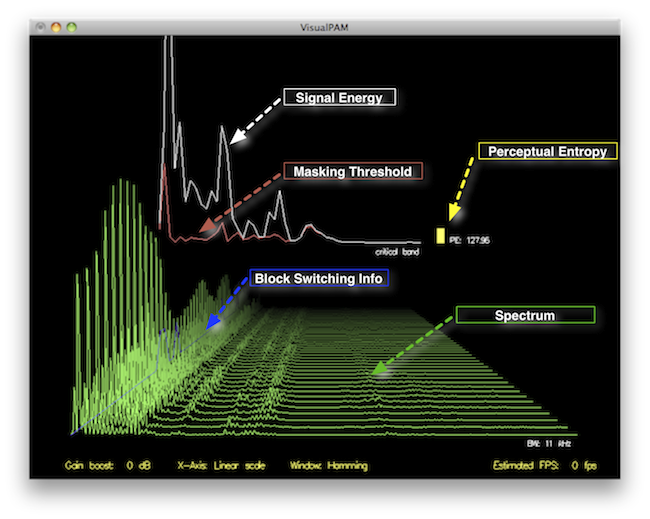
How to Measure the Perceptual Entropy in an MP3 File?

Perceptual Entropy
Perceptual Entropy

Introduction to Perceptual Entropy in an Mp3

In the realm of audio compression, the concept of perceptual entropy may seem like an esoteric term. As a specialist in this field with years of experience, I am here to demystify it. Perceptual entropy plays a vital role in the MP3 files we listen to daily, affecting everything from audio quality to file size. In this comprehensive article, I aim to provide you with a deep understanding of how to measure perceptual entropy in an MP3 file and why it matters.

Understanding Perceptual Entropy

Definition of Perceptual Entropy

Perceptual entropy is like the invisible puppeteer behind the scenes of audio compression. Imagine you have a favorite storybook with many repetitive sentences. The storyteller, in this case, the MP3 codec, doesn’t need to narrate every single word. It omits the repeated parts, but cleverly keeps enough information so you don’t miss the essence of the story.

Importance in Audio Compression

The significance of perceptual entropy in audio compression is akin to sorting out your wardrobe. You don’t need to keep every single pair of socks. You retain a representative selection while saving space. Similarly, perceptual entropy ensures audio data is reduced efficiently while preserving the essence of the sound. It’s all about maintaining quality while optimizing storage.

Measuring Perceptual Entropy</h2

Methods for Measurement

The tools used to measure perceptual entropy are like detectives scrutinizing every page of your storybook. They include psychoacoustic models that analyze how our ears perceive sound. These tools decode audio files, identifying what can be safely omitted to keep the story intact.

Tools and Software

Consider these tools like a set of magic glasses that allow you to see the hidden patterns in your storybook. Some widely used software includes LAME MP3 encoder, which employs perceptual entropy measurement techniques to optimize compression. Others, like FFmpeg, offer valuable insights into perceptual entropy.

The Role of Bit Rate

Think of bit rate as the quality slider for your audio file. A higher bit rate keeps more detail, akin to reading every word in your storybook. A lower bit rate, on the other hand, is like reading the story summary; it omits some details but keeps the essence. Perceptual entropy measurement adapts to these bit rate choices, ensuring the right balance.

Significance of Perceptual Entropy in Audio Compression</h2

Effect on Compression Efficiency

Imagine you have a suitcase, and you want to pack it efficiently. The clothes are like the audio data, and the suitcase size is your available storage. Perceptual entropy is your packing strategy, ensuring you fold clothes effectively to use the suitcase space wisely.

Impact on Audio Quality

When you send a letter, you want it to be both light and readable. Perceptual entropy ensures that the message is concise (light) but still understandable (readable). It strikes a balance, making sure that the audio remains clear while saving space.

Real-world Examples

To illustrate perceptual entropy, think of a colorful painting. Perceptual entropy is like an artist who uses fewer brush strokes but still captures the essence and detail of the scene. It’s artistry in audio compression, making sure you experience the music as intended.

Evaluating Audio Quality</h2

Criteria for Audio Quality

Audio quality assessment is similar to a taste test. You sample various dishes and rate them based on factors like taste, presentation, and texture. Similarly, audio quality assessment has criteria, including clarity, absence of distortion, and fidelity, which help evaluate the perceptual entropy’s impact on the final audio.

Striking a Balance

It’s like baking a cake; you need the right ingredients in the right proportions. Perceptual entropy is one of those ingredients. Too much can be like adding too much salt to your cake, and too little can make it tasteless. Striking the right balance is the key to maintaining audio quality.

Tools for Evaluation

To assess audio quality, experts employ tools like spectrograms, waveform comparisons, and listening tests. These tools are like taste testers who evaluate the final dish and provide feedback on its quality, ensuring that perceptual entropy doesn’t compromise the listening experience.

Practical Applications</h2

Music Production

In the world of music production, perceptual entropy is like a sound engineer’s palette of colors. It allows them to maintain high-quality audio while conserving space. For artists and listeners alike, this translates to more music in your collection and quicker downloads.

Streaming Services

Streaming services optimize audio files for efficient delivery. Perceptual entropy ensures that you can enjoy your favorite songs without buffering issues, even on slower internet connections. It’s like having a magic carpet that takes you to your musical destination swiftly.

Industry Insights

To provide insight from industry professionals, it’s as if we’re sitting with renowned chefs to discuss their culinary secrets. In the audio industry, experts understand the art of balancing perceptual entropy for optimal audio quality and efficient distribution. It’s the heart of what makes your listening experience exceptional.

Last Words about Perceptual Entropy Measurement in MP3 Files

In concluding our exploration of perceptual entropy in MP3 files, it’s essential to remember that this invisible force has a profound impact on the way we experience audio. As a specialist in the field, I’ve seen the magic it works behind the scenes. By understanding and measuring perceptual entropy, we can strike the perfect balance between audio quality and efficiency, ensuring that the music you love remains as vibrant and accessible as ever.