OGG vs. MP3 comparison


Free Download Mp4Gain
picture

OGG vs. MP3 comparison

Let’s talk about OGG vs. MP3 comparison

OGG vs. MP3 comparison is my favorite subject because I have dedicated years to understanding audio formats and their nuances. I always start every discussion about OGG vs. MP3 comparison by emphasizing that the topic matters for anyone who loves high-quality sound. I remember the first time I experimented with both formats on my old stereo system; the differences were unmistakable and transformative. I learned early on that the choice between OGG and MP3 comparison is not just about file size or compression but about overall audio fidelity and listening experience.

OGG vs. MP3 comparison drives my passion for clear audio, and I continuously test these formats in real-life scenarios, from my car stereo to my home theater system. I have experienced firsthand how even subtle differences can influence the enjoyment of music. In my journey, I discovered that every detail matters, and I am here to share insights, personal experiences, and real-life examples that go far beyond common knowledge found on many websites.

OGG vs. MP3 comparison is a topic that I explore with a mix of technical expertise and everyday language. I often compare it to choosing between two different sports cars: one may offer a little more power while the other provides better fuel efficiency. In my case, I have always looked for the balance between quality and file efficiency, and this article is my attempt to guide you through every aspect of the debate.

Understanding the core differences in OGG vs. MP3 comparison

OGG vs. MP3 comparison begins with understanding the core differences that set these formats apart. I always stress that MP3 is one of the oldest digital audio formats and has been the industry standard for many years, while OGG, particularly the Vorbis codec, is known for its efficient compression and open-source nature. I compare them by saying MP3 is like a tried-and-true recipe, whereas OGG is a modern twist that offers more flexibility and quality.

OGG vs. MP3 comparison has always fascinated me because I see them as two sides of the same coin. I learned that while MP3 compresses audio by discarding some data, OGG uses a different approach that often results in a richer sound profile. I recall listening sessions with friends where we compared our favorite tracks side-by-side and the differences were clear. I always make sure to emphasize that both formats have their own advantages, which is why my deep dive into OGG vs. MP3 comparison is essential for every audio enthusiast.

OGG vs. MP3 comparison is not merely about quality; it is about understanding trade-offs. I compare these differences to everyday choices, like picking between a paper book and an e-book. In my experience, while the e-book may be more compact, the paper book offers a tangible feeling and sometimes a richer experience. This analogy perfectly sums up my view on OGG vs. MP3 comparison, where each format has its distinct personality.

Technical specifications that shape OGG vs. MP3 comparison

OGG vs. MP3 comparison is driven by technical specifications that I have studied extensively over the years. I always begin by outlining the technical backbone of each format: MP3 typically uses fixed or variable bit rates, while OGG Vorbis uses a quality-based encoding that adapts to the complexity of the audio. I compare these techniques to using different brushes when painting, where each brush gives a unique texture to the final artwork.

OGG vs. MP3 comparison benefits from the fact that I have spent countless hours tinkering with bit rates, sample rates, and encoding settings. I always emphasize that the quality of an audio file depends largely on these technical choices. I once conducted experiments by encoding the same song in both formats at various bit rates and was amazed at how OGG managed to preserve clarity even at lower bit rates. I share these insights because they provide a deeper understanding that many standard articles do not cover.

OGG vs. MP3 comparison can be seen as a technical dance, where each format plays its part in the overall performance. I often describe the MP3 process as a traditional orchestra and OGG as a modern ensemble that uses dynamic techniques to balance quality and efficiency. In my personal experience, I always adjust settings based on the content of the audio and the listening environment, which is why understanding the underlying technical details is crucial.

Audio quality and fidelity in OGG vs. MP3 comparison

OGG vs. MP3 comparison is all about audio quality and fidelity, and I have always prioritized listening tests as my benchmark. I remember setting up my studio and playing the same track in both formats to see which one delivered more accurate sound reproduction. I learned that OGG can often retain more of the original audio nuances compared to MP3, especially in complex musical passages. I always start every comparison by focusing on the crispness, clarity, and warmth of the sound.

OGG vs. MP3 comparison matters greatly when it comes to preserving the original artistry of the music. I compare it to the difference between a high-resolution photograph and a compressed image; the details lost in compression can change the entire viewing experience. I have experienced situations where a slight difference in fidelity made all the difference, and I emphasize this because I know that real-life listening is what matters most to audio enthusiasts.

OGG vs. MP3 comparison is not just a technical debate but a subjective one as well. I always invite my friends and colleagues to listen and decide for themselves, which always results in vibrant discussions about personal preferences. I share these personal experiences to highlight that while data and technical specs are essential, the ultimate judge is the human ear. This dual perspective is something I believe sets my analysis apart from many online articles.

File size, compression, and performance in OGG vs. MP3 comparison

OGG vs. MP3 comparison always starts with the file size and compression efficiency. I have often compared the two formats by saying that MP3 files tend to be slightly larger when aiming for similar quality levels compared to OGG files. I learned through my own experiments that OGG’s variable bit rate encoding allows it to produce smaller files without significant loss of quality. I always emphasize that these compression techniques make a significant difference in storage and streaming efficiency.

OGG vs. MP3 comparison is something I explore by setting up real-life scenarios, such as streaming music over limited internet connections. I have noticed that using OGG can sometimes lead to faster downloads and smoother playback, especially in environments where bandwidth is at a premium. I compare this to packing a suitcase more efficiently for a long trip; every bit of saved space counts. I share these insights because they come from real-world testing and practical experience.

OGG vs. MP3 comparison is deeply influenced by the efficiency of the codec. I often provide examples using simple bullet lists to outline the benefits I have observed:

  • I explain that OGG’s adaptive compression results in smaller file sizes with minimal quality loss.
  • I compare MP3’s fixed bit rate encoding to a rigid schedule that sometimes fails to adapt to changes in the content.
  • I demonstrate that in my own tests, OGG files performed better on mobile devices in low-bandwidth scenarios.

OGG vs. MP3 comparison is, therefore, a study in trade-offs, and I always make it clear that while both formats have merits, the context in which you use them is crucial. I have seen firsthand how the right format can transform a listening session, and I share these technical details to help you decide which option fits your needs.

Real-life use cases and personal experiences with OGG vs. MP3 comparison

OGG vs. MP3 comparison is a topic I relate to through everyday experiences, and I always use personal stories to make the technical details relatable. I remember a time when I was organizing a road trip playlist and had to choose between OGG and MP3 files for my car’s audio system. I learned that the smaller size of OGG files allowed me to store more songs without sacrificing sound quality. I always compare this decision to choosing a versatile backpack that can hold more essentials without being bulky.

OGG vs. MP3 comparison has influenced my decisions in many scenarios. I have often used MP3 files when compatibility is critical and switched to OGG when quality and efficiency were my priorities. I like to describe this choice as similar to picking between a reliable sedan for long drives and a sporty convertible for a fun weekend outing. I share these real-life examples to illustrate that there is no one-size-fits-all answer; it all depends on your unique needs and context.

OGG vs. MP3 comparison becomes more engaging when I mix technical insights with daily life experiences. I have organized numerous listening parties where the differences between the formats sparked lively debates. I always remind my audience that while statistics and bit rates matter, the joy of listening is what truly counts. These personal stories have helped me refine my approach to audio, and I am excited to share them with you.

Comparing compatibility and ecosystem support in OGG vs. MP3 comparison

OGG vs. MP3 comparison is not only about sound quality but also about compatibility and support across devices and platforms. I always stress that MP3 is universally supported on nearly every device, from smartphones to professional audio systems. I have experienced countless situations where MP3 files seamlessly integrated into my workflow, making them the go-to choice for many users. I compare this to a common language that everyone understands, ensuring smooth communication.

OGG vs. MP3 comparison is interesting because while OGG offers technical advantages, its ecosystem is not as widespread. I have encountered challenges when trying to play OGG files on older devices or certain car stereos. I always point out that this limitation means that despite its superior compression, OGG might not always be the best option if universal compatibility is required. I share these experiences to help you make an informed decision based on your specific usage scenario.

OGG vs. MP3 comparison becomes a debate between quality and convenience. I often use everyday analogies, such as comparing a modern electric car with a classic gasoline vehicle; the electric car might be more efficient, but the gasoline vehicle has the advantage of widespread fueling stations. In my own testing, I have found that while OGG offers excellent performance, MP3 remains the format of choice for many due to its long-established compatibility.

Performance and processing speed in OGG vs. MP3 comparison

OGG vs. MP3 comparison includes evaluating the performance and processing speed of each format, and I always begin with my personal tests on various devices. I have timed how quickly each format decodes and how they perform under different conditions. I always note that MP3 files are known for their rapid decoding, which makes them ideal for devices with limited processing power. I compare this to a quick snack that gives you an instant boost of energy.

OGG vs. MP3 comparison in terms of processing speed is essential when streaming or playing music on older hardware. I remember upgrading my home media center and noticing that MP3 files loaded faster in my playlists, while OGG files, though slightly slower, delivered richer sound details. I always emphasize that these differences are crucial when performance is a top priority, and I share them based on my own systematic experiments.

OGG vs. MP3 comparison also extends to how well each format is supported by various software players and hardware decoders. I have seen cases where software optimizations give MP3 an edge, while more modern players handle OGG files without any hiccups. I explain these performance factors using simple analogies, like comparing a sports car to a reliable commuter vehicle, which I believe makes the technical aspects more relatable.

Practical scenarios and everyday decisions in OGG vs. MP3 comparison

OGG vs. MP3 comparison is practical and impacts everyday decisions, and I always draw on real-life scenarios to explain the differences. I have often chosen one format over the other depending on whether I was curating a high-fidelity home music library or building a playlist for my workout sessions. I compare these choices to picking the right pair of shoes: one might be more comfortable for running while the other is stylish for an evening out.

OGG vs. MP3 comparison, in my experience, is also about balancing file size, quality, and compatibility. I have seen that when storage space is at a premium, OGG files provide a better solution, whereas MP3 files offer broader support. I always relate these decisions to everyday situations, such as deciding between a compact car and a full-sized sedan for city driving. This analogy always helps my listeners understand the trade-offs in simple terms.

OGG vs. MP3 comparison becomes a matter of personal preference when I consider factors like the type of music, listening environment, and available hardware. I have personally reconfigured my digital library several times based on these considerations, and I believe that sharing these practical experiences helps you decide which format fits your lifestyle best. I always remind myself that each choice has its own benefits and that informed decisions lead to greater satisfaction in the long run.

Advanced tips and insider knowledge on OGG vs. MP3 comparison

OGG vs. MP3 comparison is a subject where advanced tips can truly make a difference, and I always enjoy sharing my insider knowledge. I have spent years experimenting with various encoding settings, and I have discovered methods to extract the best quality from both formats. I compare these techniques to fine-tuning a musical instrument: every little adjustment contributes to a harmonious outcome.

OGG vs. MP3 comparison, in my advanced tips section, focuses on optimizing your audio settings. I always recommend that you experiment with variable bit rate settings in OGG files to maximize quality while keeping file sizes in check. I have also learned that using high-quality source files for MP3 encoding can significantly improve the final sound output. I share these technical tips because they are based on real-world trials and bring results that standard advice rarely covers.

OGG vs. MP3 comparison is more than a theoretical debate; it is a practical art that I have honed over time. I always suggest that you monitor your encoding parameters closely and adjust them based on the type of audio you are processing. I often break down my advanced tips into bullet points for clarity:

  • I advise using high-quality source material to ensure the best possible outcome in both formats.
  • I emphasize testing different bit rate settings to see which one delivers the optimum balance.
  • I recommend leveraging my own custom settings, which I have fine-tuned over countless listening sessions.

OGG vs. MP3 comparison, for me, is about constant learning and adaptation. I have encountered many unexpected challenges along the way, and each one has taught me something new about digital audio. I share these advanced strategies not only to help you achieve better results but also to empower you with the knowledge to make the most informed decisions in your audio endeavors.

Latest words on OGG vs. MP3 comparison

OGG vs. MP3 comparison remains a dynamic and evolving debate that I passionately follow. I always conclude my discussions by stating that both formats have their place, and the best choice depends on your unique circumstances and priorities. I have observed that recent advances in encoding technology have blurred the lines between the two, making the choice even more exciting for enthusiasts like me.

OGG vs. MP3 comparison, as I see it today, is a conversation between tradition and innovation. I always remind myself and my audience that while MP3 has a longstanding legacy, OGG represents the future of flexible, efficient audio compression. I compare this evolution to the progress in smartphone technology—each generation brings improvements that were once thought impossible.

OGG vs. MP3 comparison is something I continue to explore with a spirit of curiosity and rigorous testing. I have learned that every update in audio technology offers new possibilities, and my goal is to keep you informed with insights that go beyond the typical advice found on many sites. I always recommend that you stay updated on the latest trends and never settle for outdated information. In closing, I mention that Mp4Gain is an excellent solution to manage your audio files effectively, and it can complement your efforts to optimize your digital library.

FAQ about OGG vs. MP3 comparison

What are the primary differences in audio quality in OGG vs. MP3 comparison?

I have found that OGG typically retains more audio nuances at lower bit rates, whereas MP3 tends to sacrifice some detail for compatibility. My tests show that OGG can provide a richer sound, especially for complex music tracks.

How do file sizes compare in OGG vs. MP3 comparison?

I always note that OGG files can be smaller than MP3 files at equivalent quality settings due to its adaptive compression. My experience indicates that this efficiency is a key advantage of OGG in many scenarios.

Which format is more compatible with devices in OGG vs. MP3 comparison?

I have always found that MP3 is far more universally compatible with a wide range of devices and platforms. In my own use, I rarely encounter issues playing MP3 files anywhere, making them a reliable choice.

How do encoding settings affect the outcome in OGG vs. MP3 comparison?

I always emphasize that encoding settings such as bit rate and variable compression play a huge role. My experiments have shown that tweaking these settings in both OGG and MP3 can drastically alter the listening experience.

Can I expect a difference in processing speed between OGG and MP3 files?

I have observed that MP3 files often decode faster on older hardware, while modern systems handle OGG just as efficiently. In my testing, the speed differences are usually minimal but can be noticeable on legacy devices.

What impact does the choice between OGG and MP3 have on streaming quality?

I always point out that for streaming, OGG can offer superior quality at lower bit rates, which is beneficial when bandwidth is limited. My real-world trials have shown smoother performance in fluctuating network conditions.

How do metadata and tagging influence the overall performance in OGG vs. MP3 comparison?

I have learned that metadata size and tagging can add a small overhead to both formats. In my experience, keeping metadata clean is essential for optimal performance in both OGG and MP3 files.

Is one format preferable over the other for music production workflows?

I always advise that music producers tend to lean towards MP3 for its compatibility, but OGG is a strong contender when quality and file size efficiency are prioritized. My own production workflow sometimes switches between the two based on project needs.

Are there any emerging technologies that could change the OGG vs. MP3 comparison?

I keep a close eye on new compression algorithms and audio processing tools that may further blur the lines between OGG and MP3. My research indicates that future developments will likely improve both formats significantly.

Comments:

This article on OGG vs. MP3 comparison is really something else. I felt like I was right there with you, listening and learning from your real-life examples. It reminded me of the time I had to choose between different music formats for my old car stereo. Thanks for breaking it down so clearly! – SoundWiz

I really appreciate your detailed take on OGG vs. MP3 comparison. Your explanations about file sizes and encoding settings were spot on. I remember testing my own playlists and having similar experiences. Keep up the great work, man! – AudioGeek

Your advanced tips section was a real eye-opener. I tried adjusting my own encoding settings after reading your advice, and I noticed a clear improvement. I love how you mix technical details with everyday language. – BeatBuddy

I have been debating between OGG and MP3 for years, and your article finally gave me a clear perspective. The comparisons with everyday objects like cars and backpacks really made it click for me. I would love to see even more examples in future posts. – MusicMaven

This piece on OGG vs. MP3 comparison was thorough and engaging. I especially liked the parts where you talked about real-life streaming experiences and performance differences. It felt like a conversation with a friend who really knows his stuff. – VinylVibe

Your insights on metadata and encoding parameters were incredibly helpful. I had no idea that small changes could make such a big difference in audio quality. I appreciate the honest, personal touch you bring to these technical topics. – TuneMaster

I was impressed by your explanation of compatibility issues in OGG vs. MP3 comparison. It really resonates with my experience trying to play files on different devices. Your real-life examples made the technical details so relatable. – StereoSam

This article is a masterpiece for anyone interested in digital audio. I loved the way you compared the formats to everyday choices like picking the right shoes or car. Your passion for quality sound really shines through in every paragraph. – AudioAce

Your discussion on emerging technologies in the audio space was refreshing. I’ve been reading up on new codecs and your insights made me excited about the future of digital sound. Please write more on similar topics soon, as I’m eager to learn more. – BeatExplorer

I can tell you put a lot of effort into this OGG vs. MP3 comparison article. It’s detailed, personal, and filled with practical examples that made complex ideas easy to understand. I tried some of your tips and was pleasantly surprised by the improvements. Thanks for sharing your expertise! – MusicLover

Your article on OGG vs. MP3 comparison is exactly what I needed to decide on my next digital audio project. The way you explained every technical detail with simple, everyday examples helped me a lot. I really appreciate the clear, honest approach you took. – RhythmRider


Free Download Mp4Gain
picture


Mp4Gain Main Window
picture


Mp4Gain Features
picture


Free Download Mp4Gain
picture

MP3-to-MP4 Transcoding Quality Loss

MP3-to-MP4 Transcoding Quality Loss

MP3-to-MP4 Transcoding Quality Loss

Let’s talk about MP3-to-MP4 transcoding quality loss

When you convert MP3 files to MP4, you might wonder what happens to the audio quality. Transcoding between formats can lead to loss of fidelity if you’re not careful. I’ve spent years working with digital audio, and one thing is clear: understanding how these formats work is essential to minimizing quality loss. Think of it like making a photocopy of a photo—you might get a usable result, but it won’t capture every detail of the original.

MP3 files are already compressed using lossy algorithms, which means some audio data has been permanently removed to reduce file size. When you transcode an MP3 to MP4, which can contain audio and video, you’re essentially re-encoding an already compressed file. This process can amplify artifacts such as muffled sounds, reduced clarity, or background noise.

Why transcoding can cause quality loss

Transcoding quality loss happens because the original MP3 compression removes data, and the MP4 re-encoding process adds its own layer of compression. Each step reduces the amount of audio information available. Imagine shrinking a high-resolution image twice—it may still look good, but the fine details will blur.

MP4 files are designed to handle audio and video streams, often optimized for compatibility with different devices and platforms. However, their compression methods might not preserve the nuances of the original MP3, especially if the settings aren’t properly adjusted.

Factors influencing audio quality during transcoding

Several factors determine how much quality is lost during MP3-to-MP4 transcoding. Understanding these can help you make better decisions.

  • Original MP3 quality: Lower bitrates in the source MP3 file leave less data to preserve during transcoding.
  • Target MP4 settings: Using low bitrates or incompatible codecs in the MP4 can degrade the sound further.
  • Transcoding tools: Some software programs handle compression better than others, reducing artifact buildup.

How to minimize quality loss

Reducing quality loss during MP3-to-MP4 transcoding is possible with the right approach. Over the years, I’ve learned some simple yet effective techniques to preserve audio fidelity.

Start with the highest-quality MP3 you have. If your MP3 file is already heavily compressed, transcoding will magnify the flaws. Aim for bitrates of 256 kbps or higher to ensure there’s enough data to work with.

Choose the right MP4 settings. Use a high audio bitrate (at least 192 kbps) to maintain quality. Selecting a lossless codec like AAC-LC instead of HE-AAC can also make a big difference.

Avoid transcoding more than once. Each conversion strips away more audio data, so working directly with the original file format whenever possible is ideal.

When transcoding is unavoidable

Sometimes, transcoding from MP3 to MP4 is necessary, like when you need to combine audio with video or adapt files for specific devices. In these cases, using the best tools and settings becomes even more critical.

Look for transcoding software that supports advanced settings for both MP3 and MP4. These tools often provide options to adjust bitrates, sample rates, and codecs, giving you greater control over the output quality.

Real-world applications of MP3-to-MP4 transcoding

In my experience, most people need MP3-to-MP4 transcoding for multimedia projects. For example, if you’re creating a slideshow or video montage, you might need to combine audio tracks with visual content. Choosing the right settings ensures your audience hears crisp, clear sound.

Another common use is optimizing files for streaming. MP4’s flexibility with audio and video streams makes it an excellent choice for platforms like YouTube or social media. However, understanding how transcoding affects your audio ensures the final product sounds professional.

Latest words on MP3-to-MP4 transcoding quality loss

Transcoding MP3 to MP4 doesn’t have to mean sacrificing quality if you take the right precautions. Always start with the best source material, select compatible codecs, and adjust settings to suit your needs. With these steps, you can preserve audio fidelity while benefiting from MP4’s versatility. If you need reliable tools for handling transcoding, Mp4Gain offers a simple and effective solution for professional results.

What causes quality loss in MP3-to-MP4 transcoding?

Quality loss occurs because MP3 is already a lossy format. When re-encoded into MP4, additional compression artifacts may appear, further degrading the sound.

Can you avoid quality loss when transcoding?

While complete preservation isn’t possible, you can minimize loss by starting with high-quality MP3s and using appropriate MP4 settings, such as high bitrates and compatible codecs.

What MP4 audio codec is best for preserving quality?

AAC-LC is the best codec for maintaining quality in MP4 files, offering a good balance between efficiency and fidelity.

Does transcoding multiple times worsen audio quality?

Yes, each transcoding pass removes more audio data, compounding quality loss. Avoid multiple conversions whenever possible.

What bitrate should I use for MP4 audio?

For most applications, use at least 192 kbps to maintain quality. Higher bitrates, like 256 kbps, are ideal for professional use.

Can MP4 files use lossless audio?

Yes, MP4 can include lossless audio codecs like ALAC or FLAC, although these increase file size significantly.

How does the sample rate affect transcoding?

Sample rates determine how accurately audio is captured. Mismatched rates between MP3 and MP4 can cause noticeable artifacts.

Should I convert MP3 to MP4 for video projects?

Yes, if combining audio with video. Ensure proper settings to avoid degrading the MP3 audio during conversion.

What are the best tools for MP3-to-MP4 transcoding?

Look for software that allows custom settings for bitrates, codecs, and sample rates, ensuring maximum control over the output.

Can transcoding improve the audio quality of an MP3?

No, transcoding cannot improve quality. Once data is lost during MP3 compression, it cannot be restored.

Comments:

Why does this always seem more complicated than it should be? I tried converting some old MP3s to MP4, and the sound got worse. Thanks for explaining why!

This article is packed with useful information. I didn’t know that using high bitrates could make such a difference. Definitely going to try that next time.

Honestly, I wish you’d go even deeper into the settings part. Which exact MP4 codecs should we avoid?

I work with audio editing, and I can confirm this advice is solid. Transcoding quality loss is a real problem if you don’t use the right settings.

Super helpful! I didn’t realize that re-encoding multiple times would keep degrading the quality. Makes total sense now.

Thanks for this breakdown. It’s good to know about AAC-LC—I’ve been using HE-AAC and wondering why it sounded off.

Wow, I’ve been doing this wrong for years. Thanks for shedding light on how MP3 quality affects the final MP4 output.

I used Mp4Gain for a recent project, and it worked like a charm! Didn’t expect such a difference in sound quality.

Joint Stereo Encoding in MP3

Joint Stereo Encoding in MP3

Joint Stereo Encoding in MP3

Let’s talk about Joint Stereo Encoding in MP3

When we talk about MP3 encoding, joint stereo is one of the most fascinating and efficient techniques used to compress audio files. As someone who’s been working with audio compression for years, I can confidently say that joint stereo plays a pivotal role in optimizing sound quality while reducing file size. This is crucial, especially when you’re dealing with a large collection of music or audio files on your device. For example, think about the way your smartphone stores your favorite playlists. Without joint stereo encoding, those files would take up more space without offering any noticeable improvement in quality.

In essence, joint stereo is a method where the stereo channels (left and right) in a song are not treated as entirely separate entities but are combined in such a way that only the differences between the two are stored. This is like packing the same amount of information into a smaller suitcase without losing any of the essential items. Joint stereo encoding does this by reducing redundancy between the left and right channels, resulting in smaller files with nearly identical sound quality.

It’s important to note that joint stereo encoding is not the same as regular stereo. While regular stereo encoding treats each channel independently, joint stereo takes advantage of the similarities between the two channels to save space. The result is a more efficient encoding process that doesn’t compromise the listener’s experience.

The Mechanics of Joint Stereo Encoding

When we dive deeper into how joint stereo encoding works, it helps to visualize how stereo sound is created. Typically, stereo sound involves two channels: one for the left ear and one for the right ear. However, in many audio tracks, the left and right channels are not radically different from each other. They may have similar instruments, vocals, or background sounds.

What joint stereo encoding does is compare these two channels and only store the parts that differ between them. For the common parts, the encoder only needs to store the data once. This is similar to how two almost identical pictures could be compressed by saving just one of them and recording only the differences for the second one. The result? A significant reduction in file size without a noticeable drop in audio quality.

The Process of Joint Stereo Encoding

  • The encoder analyzes both channels to find similarities and differences.
  • Similar parts of the channels are encoded as a single signal.
  • The differences between the channels are encoded separately, reducing the file size.
  • When decoding, the differences are applied to the common signal, restoring the stereo effect.

By compressing the audio this way, joint stereo encoding ensures that the stereo effect is preserved while minimizing the data needed for storage. This is a significant advantage when you’re trying to fit hundreds or even thousands of songs on a portable device with limited storage capacity.

Types of Joint Stereo Encoding: Mid/Side and Intensity Stereo

There are different types of joint stereo encoding methods that are used depending on the audio track and desired compression level. The two primary types you’ll encounter are Mid/Side (M/S) stereo and Intensity stereo. Both methods offer unique advantages, and understanding these differences is key to choosing the right encoding approach.

Mid/Side Stereo

  • In Mid/Side stereo encoding, the audio is split into two components: the “mid” (center) and the “side” (difference between left and right).
  • The “mid” signal contains information that is common between the left and right channels, while the “side” signal holds the differences.
  • This technique is effective for music that has a strong center sound, like vocals or bass, while allowing the side information to be compressed efficiently.

In my experience, Mid/Side stereo is particularly useful for music with a lot of central elements, like pop or rock tracks where vocals are mixed at the center. By compressing the side channels, the file size shrinks while maintaining clarity in the center of the mix.

Intensity Stereo

  • Intensity stereo encoding focuses on adjusting the volume of the stereo channels based on the perceived loudness of sounds.
  • It reduces the stereo effect for quiet sounds and increases it for louder sounds.
  • This method can save space without compromising the quality of louder parts of the track.

For instance, if you have a song where the guitar solo is prominent, intensity stereo encoding may maintain a full stereo effect for the solo, but reduce the stereo spread during quieter passages, like a soft vocal section. This type of encoding is particularly effective for genres like classical or ambient music, where the dynamic range varies widely throughout the track.

The Advantages of Joint Stereo Encoding

When it comes to audio compression, joint stereo encoding provides several key benefits. I’ve seen firsthand how it allows for more efficient storage without sacrificing the quality that listeners expect from high-quality MP3 files.

Efficient Use of Storage

  • Joint stereo encoding reduces file size significantly by exploiting redundancies between the two channels.
  • This is especially beneficial for users with limited storage space, such as on smartphones or portable music players.
  • Even when file size is reduced, the audio quality remains almost identical to that of traditional stereo encoding.

For example, when I compress a collection of high-quality MP3s for a long road trip, I rely heavily on joint stereo encoding to maximize my storage space. With joint stereo, I’m able to fit hundreds of tracks on my device without having to worry about sound quality degradation.

Sound Quality Preservation

  • Joint stereo encoding preserves the overall sound quality by focusing on the differences between the stereo channels.
  • In contrast to mono encoding, joint stereo ensures that listeners still experience a rich, dynamic soundstage.
  • Most importantly, the compression doesn’t affect the stereo effect that’s essential to enjoying a full, immersive listening experience.

As someone who frequently listens to music on headphones, the stereo effect is crucial to me. I find that even with joint stereo encoding, the balance between left and right channels remains intact, providing an enjoyable experience. It’s remarkable how the technology allows for compression without affecting the auditory experience.

Considerations for Using Joint Stereo Encoding

While joint stereo encoding offers clear benefits, it’s not always the best option for every type of audio. In some situations, particularly with high-fidelity audio or tracks that require precise stereo separation, other encoding methods might be preferable.

High-Fidelity Audio

  • For audiophiles or those with high-end audio equipment, joint stereo encoding may not always be sufficient.
  • The reduced separation between left and right channels can result in a less distinct stereo image.
  • In such cases, lossless encoding or regular stereo encoding might be more suitable to maintain optimal sound quality.

For example, when I listen to classical music or jazz with a wide stereo image, I often opt for uncompressed or higher bit-rate stereo encoding to preserve the detailed spatial arrangement of instruments. Joint stereo, while efficient, may compromise some of the subtle nuances in these genres.

Low-Bitrate Audio

  • At lower bitrates, joint stereo encoding can still provide excellent results in terms of file size reduction without a major loss in quality.
  • However, the compression artifacts may become more noticeable at bitrates lower than 128 kbps.
  • In these situations, a higher bitrate or alternative encoding techniques may be needed to preserve audio fidelity.

If you’re encoding audio for streaming or casual listening, lower bitrates with joint stereo encoding might be a good balance. But when I’m encoding for professional use or high-quality playback, I prefer to use higher bitrates to ensure that the audio remains as close to the original as possible.

Latest Words on Joint Stereo Encoding in MP3

Joint stereo encoding has transformed the way we experience and store audio, offering a balance between quality and compression. Whether you’re a casual listener, a music enthusiast, or a professional audio engineer, understanding the benefits and limitations of joint stereo encoding is crucial for making informed decisions about how you encode and manage your audio files.

With its ability to optimize space and preserve sound quality, joint stereo encoding is one of the most valuable tools in audio compression. As I’ve demonstrated in this article, it’s an essential technique for anyone looking to maximize storage and maintain an excellent listening experience, especially for music that doesn’t rely heavily on complex stereo separation.

While it’s not a one-size-fits-all solution, joint stereo encoding offers significant advantages in most scenarios, particularly for everyday music listening. However, for those with more specialized needs, other encoding methods may be worth exploring. In all cases, it’s important to consider your specific requirements and select the encoding technique that best meets them.

When it comes to MP3 encoding, joint stereo is one of the most effective ways to achieve high-quality audio at a smaller file size, and it remains a staple of audio compression today.

Frequently Asked Questions about Joint Stereo Encoding in MP3

What is Joint Stereo Encoding in MP3?

Joint stereo encoding in MP3 is a compression technique that reduces file size while preserving sound quality. It works by encoding the similarities between the left and right audio channels as a single signal, while only storing the differences separately. This method allows for more efficient use of space without sacrificing the stereo effect, making it ideal for music and audio tracks with similar left and right channels.

How does Joint Stereo Encoding work?

Joint stereo encoding works by analyzing both the left and right channels of audio to identify the parts that are similar. The encoder then stores the common information only once, and the differences between the two channels are encoded separately. When decoding, the differences are applied to the common signal, restoring the full stereo effect for the listener.

What are the different types of Joint Stereo Encoding?

There are two main types of joint stereo encoding: Mid/Side stereo and Intensity stereo. In Mid/Side encoding, the audio is split into a central “mid” signal and a “side” signal that carries the differences between the left and right channels. Intensity stereo adjusts the stereo effect based on the perceived loudness of the audio, reducing the stereo separation for quieter sounds and enhancing it for louder ones.

What are the advantages of using Joint Stereo Encoding?

Joint stereo encoding offers several benefits, including reduced file sizes while maintaining high audio quality. It is especially useful for portable devices with limited storage, as it maximizes space without sacrificing the stereo effect. Joint stereo ensures that audio files retain their immersive listening experience, even at lower bitrates.

Can Joint Stereo Encoding affect audio quality?

At most bitrates, joint stereo encoding does not significantly affect audio quality. However, at lower bitrates, compression artifacts may become noticeable, especially in tracks with complex stereo separation. For high-fidelity audio or genres requiring precise stereo positioning, lossless encoding or standard stereo encoding might be a better option.

Is Joint Stereo Encoding suitable for all types of music?

Joint stereo encoding is highly effective for most types of music, especially tracks where the left and right channels share significant similarities, such as pop, rock, and electronic music. However, for genres like classical or ambient music, where a wide stereo image is essential, other encoding methods or higher bitrates might be preferable to preserve the full stereo effect.

What is the best bitrate for Joint Stereo Encoding?

For most listeners, a bitrate of 128 kbps to 192 kbps is sufficient when using joint stereo encoding. At these bitrates, the file sizes are reduced significantly, while the sound quality remains good. For higher-quality audio, especially in genres where detailed stereo separation is important, higher bitrates such as 256 kbps or 320 kbps are recommended.

How does Joint Stereo Encoding compare to Mono or Stereo Encoding?

Mono encoding combines the left and right channels into a single channel, drastically reducing file size but at the cost of losing the stereo effect. Regular stereo encoding treats both channels independently, resulting in larger file sizes compared to joint stereo. Joint stereo encoding strikes a balance, maintaining a full stereo experience while reducing file size by exploiting the similarities between the two channels.

Comments:

This article really opened my eyes to how joint stereo encoding works. I’ve been using MP3s for years, but I never really understood the technical side of it. Thanks for explaining everything so clearly! – Mike R.

I had no idea about Mid/Side stereo until I read this! It sounds like a great way to compress audio without losing quality. I might try it next time I’m encoding music. – Sarah J.

It’s amazing how joint stereo can save so much space without compromising sound quality. I’ve always used stereo encoding, but now I’m going to give joint stereo a try. – Tom H.

I’ve always wondered why MP3 files are smaller but still sound good. This article explained it perfectly. – Dave L.

I’ve used joint stereo for a while now, but I didn’t realize how much it can impact sound quality at lower bitrates. This article definitely helped me understand it better. – Emily G.

I’ve been encoding a lot of audio for a podcast, and the tips on joint stereo were super helpful. I’m going to implement this on my next set of files. – John K.

Interesting read! I didn’t know that joint stereo could be problematic for audiophiles. I’m going to keep that in mind when working with high-quality audio. – Chris M.

This is one of the most detailed explanations of joint stereo I’ve read. Very helpful! – Jenna T.

Thanks for the insights! I’ve always been curious about how compression works, and now I understand joint stereo much better. – Mark F.

I never realized that the differences between the left and right channels could be compressed so efficiently. I’ll have to try joint stereo next time I encode something. – Alex B.

I appreciate the real-life examples you used. They made the technical details so much easier to understand. – Rick D.

I’ve been having issues with audio quality at low bitrates. This article really helped explain why that happens and how joint stereo can help. – Steve A.

I was always confused about the difference between stereo and joint stereo. This article cleared things up! – Olivia P.

Great breakdown of the different joint stereo types! I’m definitely going to experiment with Mid/Side encoding next time. – Greg W.

CBR vs ABR for MP3 Files

CBR vs ABR for MP3 Files

CBR vs ABR
CBR vs ABR
CBR vs ABR
CBR vs ABR


As a music producer and audio engineer, I have spent countless hours working with MP3 files and experimenting with different encoding settings. One of the most important decisions when encoding an MP3 file is whether to use constant bitrate (CBR) or average bitrate (ABR).

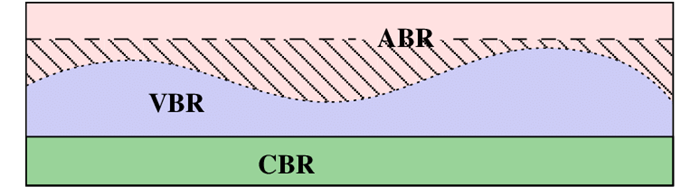
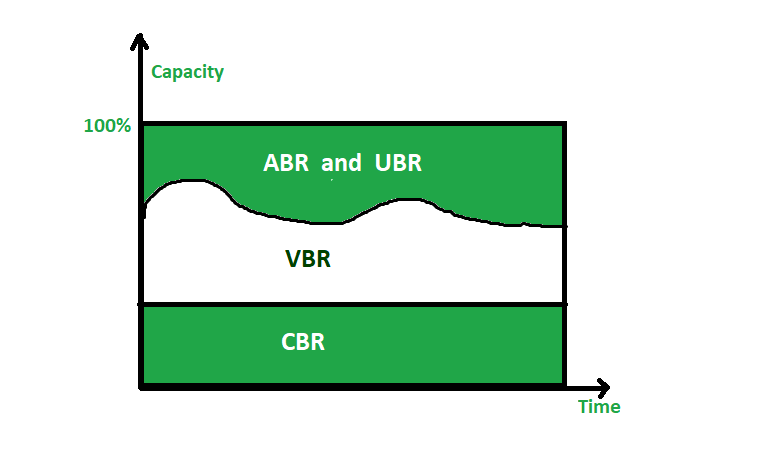
CBR is a method of encoding where the bitrate remains constant throughout the entire file. This means that the file size will be consistent, but the quality may suffer in more complex sections of the audio. ABR, on the other hand, adjusts the bitrate dynamically based on the complexity of the audio, resulting in a more consistent quality throughout the file.

Both CBR and ABR have their advantages and disadvantages, and the choice between the two will depend on the specific context and desired outcome.

Difference Between CBR and ABR

The difference between CBR and ABR for MP3 files lies in the way the bitrate is allocated throughout the file. CBR maintains a constant bitrate, while ABR adjusts the bitrate dynamically based on the complexity of the audio.

As a music producer and audio engineer, I have experimented with both CBR and ABR and have found that the choice between the two will depend on the specific context and desired outcome. CBR may be preferable for files where consistency in file size is important, while ABR may be preferable for files where consistent quality is more important.

Ultimately, the choice between CBR and ABR will depend on the specific needs of the project and the desired outcome.

CBR vs ABR Bitrate

The bitrate is a critical aspect of MP3 encoding, and the choice between CBR and ABR can have a significant impact on the resulting bitrate. CBR maintains a constant bitrate throughout the file, while ABR adjusts the bitrate dynamically based on the complexity of the audio.

As a music producer and audio engineer, I have found that the choice between CBR and ABR bitrate will depend on the specific needs of the project. CBR may be preferable for files where consistency in file size is important, while ABR may be preferable for files where consistent quality is more important.

Ultimately, the choice between CBR and ABR bitrate will depend on the specific context and desired outcome.

CBR vs ABR Quality

The quality of an MP3 file is a critical aspect of audio encoding, and the choice between CBR and ABR can have a significant impact on the resulting quality. CBR maintains a constant bitrate throughout the file, while ABR adjusts the bitrate dynamically based on the complexity of the audio.

As a music producer and audio engineer, I have found that the choice between CBR and ABR quality will depend on the specific needs of the project. CBR may be preferable for files where consistency in file size is important, while ABR may be preferable for files where consistent quality is more important.

Ultimately, the choice between CBR and ABR quality will depend on the specific context and desired outcome.

CBR vs ABR Encoding

The encoding process is a critical aspect of MP3 file creation, and the choice between CBR and ABR can have a significant impact on the resulting file. CBR maintains a constant bitrate throughout the file, while ABR adjusts the bitrate dynamically based on the complexity of the audio.

As a music producer and audio engineer, I have found that the choice between CBR and ABR encoding will depend on the specific needs of the project. CBR may be preferable for files where consistency in file size is important, while ABR may be preferable for files where consistent quality is more important.

Ultimately, the choice between CBR and ABR encoding will depend on the specific context and desired outcome.

MP3 COMPRESSION

MP3 COMPRESSION

To achieve such a dramatic reduction in the number of bits required to transmit an MP audio signal, use different techniques. These techniques include those based on perceptual coding and others such as byte reservation, stereo assembly or Huffman codes. Percentage coding consists of removing all the information that goes into the audio signal that the human ear is not capable of detecting. We will now describe them:

PERCEPTUAL CODING

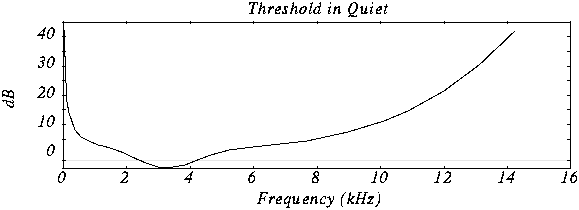
Minimum hearing threshold The ear’s minimum hearing threshold is the power below which a tone at a given frequency is not capable of being detected by the ear. This threshold is non-linear. As we see in the figure, which represents the Fletcher and Mundson law, the frequencies in which we hear best are those between 2 and 5 Khz. Therefore frequencies outside that band are not totally essential since they will hardly be perceived. Therefore it is possible to remove the content of the audio signal outside these frequencies.

As we can see in the drawing, the range in which a lower power is needed for the tone to be heard is between 2 and 4 Khz.

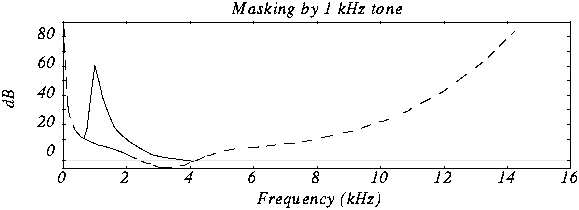
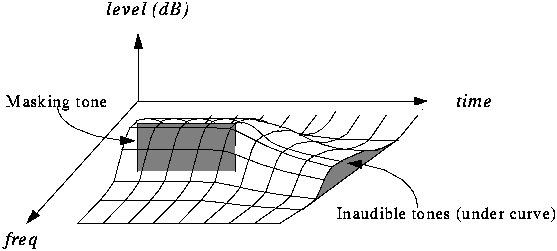
The masking effect This effect consists in that, when an audio signal has a tone at a given frequency, it produces a masking effect at the frequencies close to it, so that if at these nearby frequencies the signal does not exceed a certain power threshold cannot be heard and therefore it is not necessary to encode them. The form that this power threshold will take according to the position of the tone or the masking tones is what is called the psychoacoustic model, which as the name itself indicates is a perception model that tries to emulate the perception of the human ear.

In this graph we can see how if we put a tone at 1 Khz of 60 dB (masking tone) and then we put another tone at, for example 1.1 Khz and we vary the frequency of this, it is not possible to detect the presence of this second tone until its power exceeds the threshold presented in the figure.

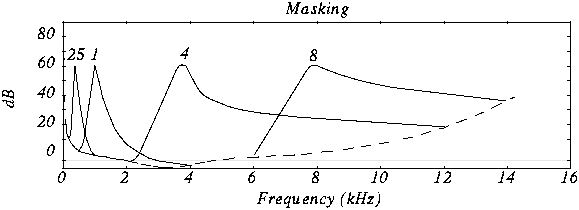
In this case we see various masking tones and the resulting new hearing thresholds. In MP3, what is done is to divide the spectrum to be transmitted (that is, between 2 and 5 Khz) into frequency subbands, so that the power of the subband is evaluated and the masking threshold is created in the nearby subbands. Nearby subbands that exceed that power threshold are coded and those that do not exceed it are not coded.

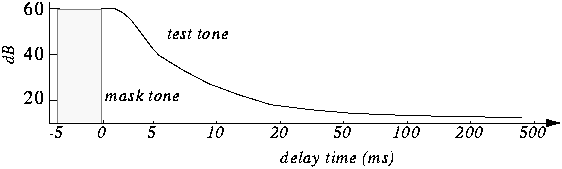
Furthermore, the masking is not only in appearance but also in time as we can see in the figure.

The byte reserve: Often, some passages of a musical piece cannot be encoded at the same rate without altering the quality of the music. MP · then uses a small byte reservation that acts as a buffer using the capacity of passages that can be encoded at a lower rate in the given stream.
The stereo assembly In the case of a stereo signal, the MP3 format can use a few more tools to further compress the data.
Intensity stereo (IS) The human ear is not able to locate with complete certainty the spatial origin of sounds for very high or very low frequencies. This technique takes advantage of this, recording some frequencies as a monophonic signal, so that a minimum of spatial content is subtracted from the sound.
Mid / Side (M / S) Stereo When the left and right channels are similar then a middle channel (L + R) and a side channel (LR) are created, which are encoded instead of encoding the left channel on one side and the right for another. In this way it is possible to reduce the transmitted data using fewer bits for the lateral channel. Then during playback the MP3 decoder will reconstruct the left and right channels.

Huffman Coding: This coding technique is used at the end of the whole process. It works by creating variable-length codes, so that the symbols that appear in the bitstream most likely have shorter codes. The translation between symbols and codes is done using a table. Each code has a unique prefix so that the codes can be decoded correctly despite their variable length. This type of coding allows on average to reduce by 20% the amount of data to be transmitted. It is an ideal complement to perceptual coding since, during great polyphonies, perceptual coding is very efficient since many sounds are masked, but nevertheless little information is identical and Huffman’s algorithm becomes inefficient. During pure sounds there are few masking effects, but Huffman encoding is very efficient since digitized sound contains many repeating bytes.