MP3-to-MP4 Transcoding Quality Loss


Free Download Mp4Gain
picture

MP3-to-MP4 Transcoding Quality Loss
MP3-to-MP4 Transcoding Quality Loss

Let’s talk about MP3-to-MP4 transcoding quality loss

When you convert MP3 files to MP4, you might wonder what happens to the audio quality. Transcoding between formats can lead to loss of fidelity if you’re not careful. I’ve spent years working with digital audio, and one thing is clear: understanding how these formats work is essential to minimizing quality loss. Think of it like making a photocopy of a photo—you might get a usable result, but it won’t capture every detail of the original.

MP3 files are already compressed using lossy algorithms, which means some audio data has been permanently removed to reduce file size. When you transcode an MP3 to MP4, which can contain audio and video, you’re essentially re-encoding an already compressed file. This process can amplify artifacts such as muffled sounds, reduced clarity, or background noise.

Why transcoding can cause quality loss

Transcoding quality loss happens because the original MP3 compression removes data, and the MP4 re-encoding process adds its own layer of compression. Each step reduces the amount of audio information available. Imagine shrinking a high-resolution image twice—it may still look good, but the fine details will blur.

MP4 files are designed to handle audio and video streams, often optimized for compatibility with different devices and platforms. However, their compression methods might not preserve the nuances of the original MP3, especially if the settings aren’t properly adjusted.

Factors influencing audio quality during transcoding

Several factors determine how much quality is lost during MP3-to-MP4 transcoding. Understanding these can help you make better decisions.

  • Original MP3 quality: Lower bitrates in the source MP3 file leave less data to preserve during transcoding.
  • Target MP4 settings: Using low bitrates or incompatible codecs in the MP4 can degrade the sound further.
  • Transcoding tools: Some software programs handle compression better than others, reducing artifact buildup.

How to minimize quality loss

Reducing quality loss during MP3-to-MP4 transcoding is possible with the right approach. Over the years, I’ve learned some simple yet effective techniques to preserve audio fidelity.

Start with the highest-quality MP3 you have. If your MP3 file is already heavily compressed, transcoding will magnify the flaws. Aim for bitrates of 256 kbps or higher to ensure there’s enough data to work with.

Choose the right MP4 settings. Use a high audio bitrate (at least 192 kbps) to maintain quality. Selecting a lossless codec like AAC-LC instead of HE-AAC can also make a big difference.

Avoid transcoding more than once. Each conversion strips away more audio data, so working directly with the original file format whenever possible is ideal.

When transcoding is unavoidable

Sometimes, transcoding from MP3 to MP4 is necessary, like when you need to combine audio with video or adapt files for specific devices. In these cases, using the best tools and settings becomes even more critical.

Look for transcoding software that supports advanced settings for both MP3 and MP4. These tools often provide options to adjust bitrates, sample rates, and codecs, giving you greater control over the output quality.

Real-world applications of MP3-to-MP4 transcoding

In my experience, most people need MP3-to-MP4 transcoding for multimedia projects. For example, if you’re creating a slideshow or video montage, you might need to combine audio tracks with visual content. Choosing the right settings ensures your audience hears crisp, clear sound.

Another common use is optimizing files for streaming. MP4’s flexibility with audio and video streams makes it an excellent choice for platforms like YouTube or social media. However, understanding how transcoding affects your audio ensures the final product sounds professional.

Latest words on MP3-to-MP4 transcoding quality loss

Transcoding MP3 to MP4 doesn’t have to mean sacrificing quality if you take the right precautions. Always start with the best source material, select compatible codecs, and adjust settings to suit your needs. With these steps, you can preserve audio fidelity while benefiting from MP4’s versatility. If you need reliable tools for handling transcoding, Mp4Gain offers a simple and effective solution for professional results.

What causes quality loss in MP3-to-MP4 transcoding?

Quality loss occurs because MP3 is already a lossy format. When re-encoded into MP4, additional compression artifacts may appear, further degrading the sound.

Can you avoid quality loss when transcoding?

While complete preservation isn’t possible, you can minimize loss by starting with high-quality MP3s and using appropriate MP4 settings, such as high bitrates and compatible codecs.

What MP4 audio codec is best for preserving quality?

AAC-LC is the best codec for maintaining quality in MP4 files, offering a good balance between efficiency and fidelity.

Does transcoding multiple times worsen audio quality?

Yes, each transcoding pass removes more audio data, compounding quality loss. Avoid multiple conversions whenever possible.

What bitrate should I use for MP4 audio?

For most applications, use at least 192 kbps to maintain quality. Higher bitrates, like 256 kbps, are ideal for professional use.

Can MP4 files use lossless audio?

Yes, MP4 can include lossless audio codecs like ALAC or FLAC, although these increase file size significantly.

How does the sample rate affect transcoding?

Sample rates determine how accurately audio is captured. Mismatched rates between MP3 and MP4 can cause noticeable artifacts.

Should I convert MP3 to MP4 for video projects?

Yes, if combining audio with video. Ensure proper settings to avoid degrading the MP3 audio during conversion.

What are the best tools for MP3-to-MP4 transcoding?

Look for software that allows custom settings for bitrates, codecs, and sample rates, ensuring maximum control over the output.

Can transcoding improve the audio quality of an MP3?

No, transcoding cannot improve quality. Once data is lost during MP3 compression, it cannot be restored.

Comments:

Why does this always seem more complicated than it should be? I tried converting some old MP3s to MP4, and the sound got worse. Thanks for explaining why!

This article is packed with useful information. I didn’t know that using high bitrates could make such a difference. Definitely going to try that next time.

Honestly, I wish you’d go even deeper into the settings part. Which exact MP4 codecs should we avoid?

I work with audio editing, and I can confirm this advice is solid. Transcoding quality loss is a real problem if you don’t use the right settings.

Super helpful! I didn’t realize that re-encoding multiple times would keep degrading the quality. Makes total sense now.

Thanks for this breakdown. It’s good to know about AAC-LC—I’ve been using HE-AAC and wondering why it sounded off.

Wow, I’ve been doing this wrong for years. Thanks for shedding light on how MP3 quality affects the final MP4 output.

I used Mp4Gain for a recent project, and it worked like a charm! Didn’t expect such a difference in sound quality.


Free Download Mp4Gain
picture


Mp4Gain Main Window
picture


Mp4Gain Features
picture


Free Download Mp4Gain
picture

Comparison of AAC and MP3 compression

Comparison of AAC and MP3 Compression

Comparison of AAC and MP3 compression

Let’s talk about AAC and MP3 compression

When I first began exploring audio compression, the difference between AAC and MP3 stood out as crucial. Both are popular, but AAC often feels like the more efficient option. It’s like comparing an old-school flip phone to a modern smartphone—they both work, but one offers so much more with the same resources. AAC provides higher sound quality at similar bitrates, which makes it a favorite for streaming services and high-quality playback.

MP3, however, has been around longer and is compatible with virtually every device. I’ve used MP3 files on ancient MP3 players that AAC wouldn’t even recognize. But as audio technology evolves, AAC is becoming the go-to choice for those who value efficiency and superior sound.

How does audio compression work?

Compression works by removing parts of the audio that most people won’t notice. Imagine you’re cleaning out your closet—you toss items you haven’t used in years, freeing up space without really losing anything important. That’s essentially what AAC and MP3 do with audio data. They strip out redundant or less noticeable sounds to shrink the file size.

MP3 uses an older algorithm, which means it’s like using a blunt tool. AAC, on the other hand, employs advanced techniques to preserve more detail. When I listen to an AAC file, I often catch subtle nuances like soft background harmonies that might disappear in an MP3 version.

Sound quality differences between AAC and MP3

When I compare AAC and MP3 at the same bitrate, AAC consistently sounds better. For example, at 128 kbps, AAC audio feels fuller and richer, while MP3 can sound flat or distorted. It’s like the difference between watching a high-definition video and a blurry old VHS tape—both convey the same message, but one does it with far more clarity.

In real-life situations, like playing music in my car or through my phone’s speakers, AAC handles compression artifacts better. MP3 files often introduce a noticeable hiss or clipping in quieter passages, which can be distracting if you’re a music enthusiast like me.

Device compatibility and support

MP3 wins when it comes to compatibility. It’s the universal format that works on everything from 90s-era CD players to modern smartphones. I’ve even found old alarm clocks with MP3 support. AAC, however, isn’t always as widely supported, especially on older hardware.

That said, most newer devices and platforms, like iPhones, Android phones, and streaming services like Spotify, fully support AAC. If you’re living in the modern tech world, AAC compatibility likely won’t be an issue.

Bitrate efficiency: AAC vs. MP3

AAC is more efficient than MP3 at delivering high-quality audio at lower bitrates. Think of it like a fuel-efficient car—AAC gets more “miles per gallon.” At 96 kbps, AAC can sound as good as or better than MP3 at 128 kbps. This is why streaming platforms and digital radio stations prefer AAC; it saves bandwidth while maintaining quality.

I’ve tested this myself by converting the same song into both formats at different bitrates. AAC consistently performed better, preserving details like crisp vocals and dynamic bass lines that MP3 often muddled.

Use cases for AAC and MP3

Both formats have their ideal use cases. MP3 is perfect for older devices or situations where compatibility is critical. For instance, I still use MP3 for transferring music to a friend’s vintage MP3 player or for simple tasks like ringtones.

AAC shines in modern applications, particularly streaming. Apple Music and YouTube use AAC to deliver high-quality audio efficiently. It’s also great for personal libraries if you prioritize quality over universal compatibility.

  • MP3: Best for older hardware and universal compatibility.
  • AAC: Ideal for streaming, modern devices, and high-quality playback.

File size comparison

When I tested file sizes, AAC files were generally smaller than MP3 files at the same perceived quality level. For example, a three-minute song at 128 kbps might take up 3 MB as an MP3 but only 2.5 MB as AAC. Over a large library, this adds up to significant space savings.

It’s like packing a suitcase—AAC is the expert packer who fits everything neatly, while MP3 takes up more room with less care for efficiency.

Encoding speed and performance

Encoding AAC files tends to be slightly slower than MP3 because of its more advanced algorithm. However, in real-world use, this difference is negligible unless you’re encoding hundreds of files at once. I’ve converted albums into both formats, and while AAC took a bit longer, the improved quality made the wait worthwhile.

Which format is better for streaming?

Streaming platforms almost universally prefer AAC. Its efficiency means smoother playback with less buffering, even on slower internet connections. I’ve noticed that AAC streams maintain consistent quality, while MP3 streams can dip or distort under the same conditions.

For streaming, AAC also supports features like HE-AAC, which optimizes audio even further for low-bandwidth scenarios. It’s why platforms like Netflix and YouTube rely on AAC for their audio streams.

Latest words on AAC and MP3 compression

If you’re deciding between AAC and MP3, consider your needs. AAC offers better quality at smaller file sizes and is perfect for modern devices and streaming. MP3, while older, remains reliable and universally compatible. Personally, I’ve transitioned most of my library to AAC, as it delivers superior sound for my listening setup.

For those looking to manage and optimize audio files, tools like Mp4Gain can help you analyze and convert formats efficiently. It’s an excellent way to ensure your files are ready for any playback scenario.

FAQ

Which format offers better audio quality, AAC or MP3?

AAC typically offers better audio quality than MP3 at the same bitrate, delivering richer and clearer sound.

Is AAC better than MP3 for streaming?

Yes, AAC is more efficient and widely used for streaming due to its ability to deliver high-quality audio at lower bitrates.

Can all devices play AAC files?

Most modern devices support AAC, but older hardware might only recognize MP3 files.

Why is AAC more efficient than MP3?

AAC uses advanced compression techniques to retain more audio detail at lower bitrates compared to MP3.

Comments:

Wow, I didn’t know AAC could save that much space without sacrificing quality. Thanks for the detailed comparison!

I’ve always used MP3 for compatibility, but maybe it’s time to switch to AAC for my streaming playlists. Good info here.

Can you explain more about HE-AAC? I feel like it wasn’t covered enough in the article. Thanks in advance!

Great article! I’ve been debating which format to use for my music library. This helped a lot.

I tried converting some MP3 files to AAC, but they didn’t sound much better. Is that normal?


Temporal Masking in MP3

Temporal Masking in MP3

Temporal Masking in MP3

Let’s talk about Temporal Masking in MP3

Temporal masking in MP3 is a game-changer for audio compression. Imagine you’re at a loud concert, and someone whispers next to you; you likely won’t hear them due to the louder sounds around you. MP3 encoding uses this principle to create smaller, more efficient files without compromising audio quality. I’ve seen firsthand how understanding temporal masking can enhance audio processing, especially for people trying to maximize storage or bandwidth without losing sound clarity. Let’s dive deep into how temporal masking works, why it’s so effective, and how it contributes to the MP3 format’s popularity.

Understanding the Concept of Temporal Masking

Temporal masking relies on a natural limitation in human hearing. When a loud sound occurs, it “masks” any softer sounds that happen shortly before or after it. This concept allows MP3 encoders to eliminate certain sounds that we wouldn’t notice anyway. When I first worked with audio files, I found that removing imperceptible sounds significantly reduced file size, and temporal masking does this efficiently by focusing on sounds that we truly register.

Why Temporal Masking is Essential for MP3 Compression

Compression is crucial for reducing file sizes in today’s digital world. Temporal masking plays a central role in MP3 compression by cutting out unnecessary data. For example, in a complex piece of music, many faint details would go unnoticed because they are hidden by louder parts. Removing these masked sounds through temporal masking lets MP3s keep essential audio data, which saves space while retaining quality. This technique is foundational to making MP3 one of the most popular audio formats.

How Temporal Masking Differs from Frequency Masking

While temporal masking is about timing, frequency masking is about pitch. Frequency masking occurs when a loud sound within a particular frequency range makes it hard to hear quieter sounds within that same range. I’ve noticed in audio engineering that using both masking techniques together results in smaller files that still sound true to the original recording. Temporal and frequency masking are like two sides of a coin, working together to maximize compression without sacrificing audio integrity.

Temporal Masking’s Impact on Different Music Genres

Not all music is affected by temporal masking in the same way. For example, classical music, with its vast dynamic range, may not be ideal for aggressive masking techniques. In contrast, pop or electronic music, which often has a steady volume level, may compress more efficiently. From my experience, temporal masking tends to work well with most genres, but the subtleties of softer genres require a careful approach to prevent audible degradation.

Potential Drawbacks of Temporal Masking in Low-Bitrate MP3 Files

While temporal masking is effective, low-bitrate MP3s can sometimes reveal its limitations. The lower the bitrate, the more audio data is discarded, making the masking more noticeable. This can result in a “washed-out” or less detailed sound. Higher bitrates, on the other hand, preserve more of the original sound while still using masking techniques to keep file sizes manageable. When I’ve used low-bitrate files for streaming, I’ve often found the masking effects more pronounced, especially in genres with delicate nuances like jazz or folk.

Temporal Masking in Other Audio Formats

Temporal masking isn’t exclusive to MP3; it’s used in AAC, OGG, and many other formats. This technique is universal in audio compression because it’s so effective. Each format, however, has its own approach to applying masking, depending on its design goals and target users. When working with these various formats, I’ve noticed that temporal masking works particularly well in AAC, which is known for maintaining quality at lower bitrates. This adaptability makes temporal masking an invaluable tool in digital audio compression.

Advanced Insights: Beyond Basic Temporal Masking

Beyond simple masking, advanced algorithms can dynamically adjust the intensity of temporal masking based on the audio’s complexity. In my experience, these adaptive methods allow for higher quality at lower bitrates. Some audio codecs even fine-tune masking based on the listener’s hearing profile, a fascinating application that takes masking to a personalized level. By diving deeper into these nuanced adjustments, we can see how temporal masking continues to evolve, making modern audio compression even more efficient.

Latest Words on Temporal Masking in MP3

Temporal masking remains a key factor in MP3’s widespread use, enabling smaller files while maintaining good sound quality. With today’s advancements, it’s more sophisticated than ever, allowing us to enjoy high-quality audio even in compressed formats. If you’re looking to get the most out of your MP3 files, Mp4Gain offers a solution to enhance audio clarity by ensuring optimal encoding.

Frequently Asked Questions about Temporal Masking in MP3

What is temporal masking in MP3?

Temporal masking in MP3 is an audio compression technique where sounds occurring within a short time frame of a louder sound are masked, or made inaudible to the human ear. This allows MP3 encoders to remove parts of the audio without affecting perceived quality, making file sizes smaller.

How does temporal masking improve MP3 quality?

Temporal masking helps improve MP3 quality by removing sounds that are not easily detected by human hearing, focusing only on the most important audio data. This enhances audio clarity while reducing file size, providing a high-quality listening experience even in compressed formats.

What is the difference between temporal masking and frequency masking?

While temporal masking hides sounds based on timing, frequency masking works by concealing sounds that fall within the same frequency range as louder sounds. Both techniques are used in MP3 compression to optimize audio quality and reduce file size.

Why is temporal masking used in audio compression?

Temporal masking is used in audio compression to eliminate sounds that listeners likely won’t hear, allowing for smaller file sizes without compromising sound quality. This efficiency is crucial for formats like MP3, where maintaining quality with reduced data is essential.

Does temporal masking affect all types of music equally?

Temporal masking can have different effects on various music genres. For instance, fast-paced genres like electronic or rock may experience more audible compression effects compared to slower genres, where subtle nuances are less likely to be masked.

Can temporal masking reduce sound quality in MP3s?

While temporal masking is designed to maintain sound quality, excessive compression can sometimes lead to noticeable losses in detail. However, with standard MP3 compression settings, temporal masking typically preserves sound quality effectively.

Is temporal masking used in other audio formats besides MP3?

Yes, temporal masking is commonly used in many compressed audio formats, including AAC and OGG. This technique is essential across various formats to reduce file sizes while keeping the audio quality as high as possible.

How does temporal masking affect low-bitrate MP3 files?

In low-bitrate MP3 files, temporal masking effects can become more apparent as more data is removed, potentially leading to a less natural sound. Higher bitrates typically allow for better masking and preservation of audio quality.

Comments:

I didn’t realize how much temporal masking impacts the audio quality of MP3 files. This article explains so much! Thanks for sharing.

Been looking for this info. Always wondered why some sounds just blend in, and now I get it’s the temporal masking effect!

Great article. I learned a lot about MP3 audio compression and how temporal masking is used. Never saw it explained so clearly before.

Good read, but I’d love to see more on how temporal masking affects specific genres like metal or jazz. Very curious about that.

This is very informative. The way temporal masking works in MP3 files really changed how I look at compressed audio formats.

Can anyone explain how this works with low bit rate MP3s? Are the temporal masking effects more noticeable?

Glad to finally understand what makes MP3s different from other audio formats. Temporal masking is such a cool feature!

So helpful! I’m studying audio engineering and this really helped me understand compression on a deeper level.

Well-explained! It would be great if you could add some diagrams to show how temporal masking works over time.

I never thought MP3s had such detailed processing behind them. Amazing article, thank you!

Wow, this article goes deep. Definitely learned something new about temporal masking and why it’s so effective in MP3s.

Couldn’t have explained it better! Temporal masking is such an important concept, and you did it justice.

As a DJ, understanding MP3 compression is huge. This article gave me a lot more respect for the tech behind MP3s.

Really useful breakdown of a complex topic. Temporal masking makes so much more sense now!

Just what I needed! Been curious about temporal masking, and this article answered all my questions.

Low-Pass Filtering in MP3 Compression

Low-Pass Filtering in MP3 Compression

Low-Pass Filtering in MP3 Compression

Let’s talk about low-pass filtering in MP3 compression

Low-pass filtering is an essential part of MP3 compression, letting us reduce file sizes without sacrificing too much sound quality. It works by cutting off high frequencies that aren’t as noticeable to our ears, which keeps the sound clearer while making the data much lighter. From my experience, low-pass filtering in MP3s is like removing extra details from a painting. If you look from far away, you wouldn’t notice the tiny strokes missing; instead, you still see the full picture. This article will explain how low-pass filtering works, why it’s so effective, and how it impacts what we hear.

Understanding Low-Pass Filtering

Low-pass filtering removes the high-frequency sounds that the human ear often can’t detect well, especially in a noisy environment or at lower volume. In MP3s, this helps cut down on file sizes since we’re only encoding the sound details that matter most. Imagine you’re listening to music in a crowded place – you’re likely focusing on the bass or vocals rather than tiny, high-pitched sounds in the background. MP3 compression replicates this effect, removing unimportant details so the file is efficient.

How Low-Pass Filtering Works in MP3 Compression

Low-pass filtering works by setting a specific cutoff frequency, often around 16 kHz or lower in MP3 compression, and removing sounds above it. These frequencies aren’t vital for a song’s core experience, so cutting them out helps compress the audio without major quality loss. Think of it like simplifying a picture by using fewer colors or shades; the main parts of the image are still clear, but with less detail. This process saves storage and allows faster streaming, which is especially handy on mobile devices.

The Role of Psychoacoustics in Low-Pass Filtering

Psychoacoustics is the science of how we perceive sound, and it’s central to MP3 compression. Certain sounds are masked by others, and higher frequencies can be covered by more dominant tones. By using psychoacoustic principles, MP3 compression focuses on frequencies that listeners pay the most attention to, allowing high-frequency sounds to be removed without a noticeable impact. This technique makes MP3s much more efficient because it only keeps the parts of sound that our brain cares about.

Benefits of Low-Pass Filtering in MP3 Compression

Low-pass filtering offers multiple benefits that help make MP3s one of the most popular audio formats. These advantages include smaller file sizes, faster downloads, and better streaming quality. For example:

  • Reduced File Size: By cutting high frequencies, MP3 files become smaller and easier to store.
  • Faster Streaming: Lower data requirements mean songs load and play quicker online.
  • Enhanced Compatibility: Smaller files are easier for various devices to play, making MP3s widely accessible.

Impact on Audio Quality

Some people might worry that low-pass filtering removes too much sound, but most listeners won’t notice the missing high frequencies. High-quality headphones or audio systems may reveal a difference, but for everyday use, the effect is minimal. In my experience, casual listeners rarely detect the filtering, especially if the bitrate is high. However, if you’re an audiophile or using high-end equipment, you may notice a slight reduction in brightness or clarity.

Low-Pass Filtering Frequency Choices

The cutoff frequency in MP3 compression is typically adjustable, letting engineers decide how much detail to keep. Lower bitrates often use lower cutoffs to save more space, while higher bitrates may retain frequencies up to 20 kHz. This flexibility is one reason why MP3s can range from decent to near-CD quality, depending on the chosen compression settings. Adjusting the cutoff can make a big difference – at a lower cutoff, you save more space, but at the expense of some audio clarity.

Differences Between Low-Pass Filtering and Other Filters

Unlike high-pass or band-pass filters, low-pass filters are specifically used to remove high frequencies. High-pass filters do the opposite, cutting off lower frequencies to focus on treble sounds. Band-pass filters allow a specific range of frequencies through while blocking everything outside it. Low-pass filtering is the best option for MP3 compression because high frequencies are less crucial for sound recognition and perception.

Challenges of Using Low-Pass Filtering in MP3s

While low-pass filtering is effective, it comes with its challenges. One downside is that high-end detail can be lost, especially at low bitrates. In my experience, some listeners may feel that certain musical instruments, like cymbals or flutes, lack their “crispness” after compression. Managing these trade-offs is essential in achieving a balance between file size and quality.

Why Low-Pass Filtering Works Well with MP3’s Lossy Compression

Low-pass filtering aligns well with MP3’s lossy compression because both approaches aim to reduce file size while preserving key audio details. Lossy compression works by discarding sounds our ears are unlikely to miss, so low-pass filtering is a natural match. It allows MP3s to achieve high levels of compression without making the audio sound hollow or incomplete.

Examples of Low-Pass Filtering in Everyday Life

Low-pass filtering isn’t just for MP3s; it’s used in various fields, from radio transmission to photography. For instance, walkie-talkies often use low-pass filtering to eliminate background noise, making conversations clearer. Similarly, some digital cameras use filters to remove excessive color details that could affect image quality. These examples show how filtering focuses on essential information, leaving out unnecessary noise or detail.

Optimizing Low-Pass Filtering for Different Bitrates

The efficiency of low-pass filtering depends on bitrate. Higher bitrates preserve more high frequencies, which can enhance sound quality, especially on detailed audio systems. Lower bitrates prioritize data savings, which may result in a lower cutoff frequency. When I’m optimizing for quality, I often choose a higher bitrate to preserve more detail, but for mobile or streaming, a lower bitrate works fine.

Comparing Low-Pass Filtering in MP3 and Other Audio Formats

Different audio formats handle frequencies in various ways. For example, AAC and OGG Vorbis use advanced psychoacoustic models, which sometimes retain higher frequencies better than MP3s. However, MP3 remains the most universal format due to its balance of compatibility, size, and acceptable quality. Comparing MP3 to lossless formats like FLAC shows the limits of lossy compression, but for casual listening, MP3 with low-pass filtering is usually enough.

Latest words on low-pass filtering in MP3 compression

Low-pass filtering is a powerful tool in MP3 compression, keeping files light without cutting down on the most important sounds. It effectively reduces unnecessary data, making MP3s smaller and more accessible while keeping music enjoyable. From my perspective, low-pass filtering is the reason why MP3s continue to be relevant today. While other formats offer higher quality, the balance of size, compatibility, and efficiency keeps MP3 in the mainstream. For anyone looking to make their music files more manageable, tools like Mp4Gain can provide a simple solution to adjust quality and compression settings, ensuring the best listening experience.

Comments:

Awesome article! I never understood how MP3 compression worked until now. The whole concept of low-pass filtering is so cool. Thanks for breaking it down!

Wait, so does this mean high frequencies are basically “cut out” to save space? That’s insane. I always wondered why some MP3s sounded flat compared to CDs. Great explanation!

Nice read! I’m not super tech-savvy, but this helped me understand why MP3s are so popular despite the newer formats. It’s like a tiny miracle how they can compress so much.

Interesting stuff! But does this mean that higher bitrates don’t need low-pass filtering? Would love to read more about that!

This is super helpful! I’ve been compressing my audio files, but didn’t realize how important low-pass filtering is for file size. Thanks!

I love music production and this made so much sense! Low-pass filtering for compression is like mixing where you cut out unneeded frequencies. Really good stuff here.

Good explanation, but I’d like a bit more info on how low-pass compares in different audio formats. Maybe a follow-up?

I get it now! It’s like simplifying an image by removing colors you wouldn’t even see from far away. Such a helpful analogy!

Didn’t know that MP3 files cut out high frequencies! This might explain why some of my music doesn’t sound as “bright” as CDs. Great article!

I think I finally understand the tech behind MP3s. It’s really amazing what can be done to reduce file size without losing too much quality

. Very clear explanation.

Thanks for the breakdown! It’s amazing how far compression has come. I’m always looking for ways to make my files smaller, and this definitely helps.

This is gold! I’m studying audio engineering and low-pass filtering was a bit of a mystery. Thanks for making it easy to understand.

Interesting article. I wonder how this affects streaming quality. Might have to do more reading about it. Thanks for the intro!

10 Common Audio Formats: Which Format Should I Choose?

10 Common Audio Formats: Which Format Should I Choose?

Audio Formats
Audio Formats

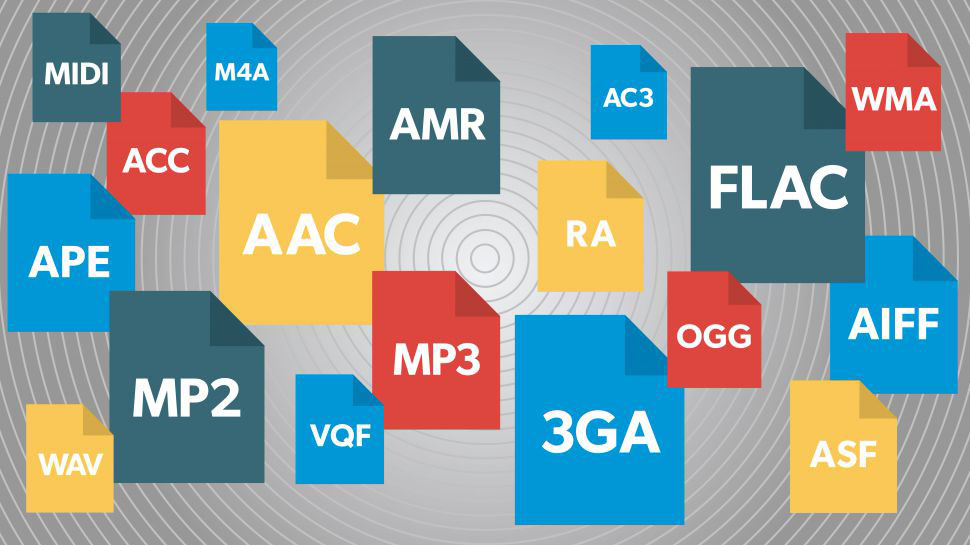
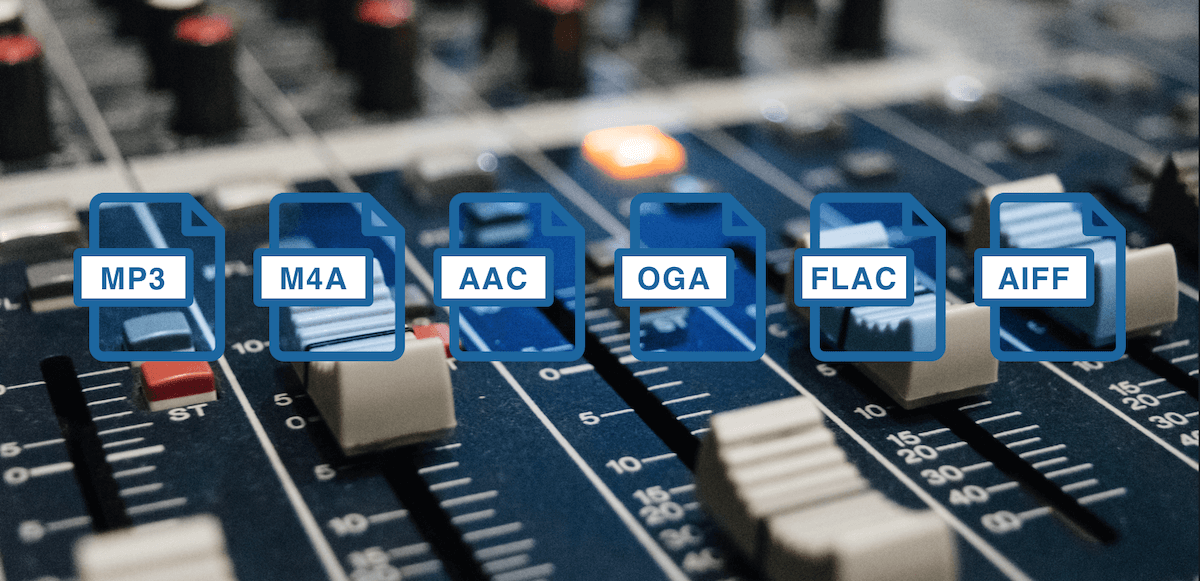
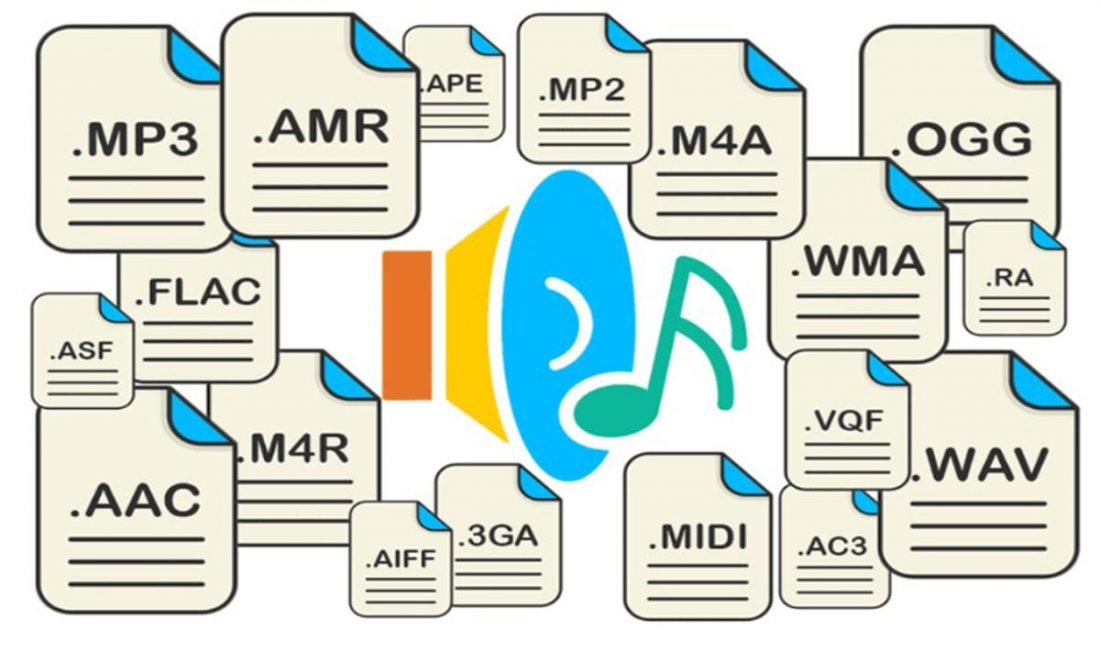
Audio files come in various formats and sizes, in addition to our common MP3, there are AAC, FLAC, OGG, WMA, etc.

Audio Formats
Audio Formats

Why are there so many different audio standards? What format is the best? What should you choose when saving audio files?

In fact, all audio formats can be divided into 3 categories, and once you understand the characteristics of each of these 3 types, you can choose one of the three, and then choose a further subdivided category according to your specific needs.

Comparison of audio formats – operation, equipment – Introduction to 10 common audio formats: which format should I choose?
uncompressed audio format
The uncompressed format preserves the original audio waveform. The so-called original audio waveform refers to the result after the sound is captured and converted to a digital signal for storage. Raw audio waveforms are stored without any post processing. From the results, such an audio file will consume a lot of space. For 24-bit (24-bit) 96 KHz audio, you need about 34 MB of storage space per minute.

Uncompressed audio format: PCM
PCM is short for Pulse-Code Modulation, which is a technical method of simulating sound using digital signals. The sounds that we can hear in nature exist in the form of physical sound waves, and in order to simulate this sound wave with a digital signal, scientists decided to sample it and record it with another wave, which is what we call a pulse.

Therefore, digital audio has two basic concepts: sample rate and bit depth. The so-called sampling rate refers to the speed of how many times the sound is sampled. The so-called bit depth refers to the space occupied by a single sample. In uncompressed formats, the product of the sample rate, bit depth, and audio duration is the space occupied by the digital signal that represents the audio content.

PCM is a format commonly used on CDs and DVDs, but its derivative LPCM is often used in practice. LPCM is short for Linear PCM, which is Linear Pulse Code Modulation. Most PCM files in use today are actually LPCM files, so there is no need to differentiate between them.

Uncompressed audio format: WAV
WAV is short for Waveform Audio File Format, which is a standard audio format developed by Microsoft and IBM in 1991.

Many people think that WAV is an uncompressed audio format, but this is not entirely true. In fact, WAV is a “wrapper” type format, a common format developed by Microsoft to use audio for various platforms. So it is possible for WAV to contain compressed audio, but this is rarely the format of choice when using compression these days.

All the Audio Format Differences: Which One Should You Use?

All the Audio Format Differences: Which One Should You Use?

All the Audio Format

Three classifications of audio formats

All the Audio Format

Characteristics and differences of different audio formats

Which audio format is right for you?

You already know MP3, but what about AAC, FLAC, OGG or WMA? Why are there so many audio file formats and is there any best audio format?

Comparison of audio formats

Audio files come in various types and sizes. While we’re all probably familiar with MP3, what about AAC, FLAC, OGG, or WMA? Why are there so many audio standards? Is there a better audio format? Which ones are important and which ones can be ignored?

All audio formats are divided into three main categories, and once you know what the categories mean, you can choose the format within the categories that best suits your needs.

uncompressed audio format

Uncompressed audio consists of actual sound waves that have been captured and converted to digital format without any additional processing. So uncompressed audio files tend to be the most accurate, but take up a lot of disk space: about 34MB per minute for 24-bit 96KHz stereo.

Audio file format: PCM

PCM stands for Pulse Code Modulation, a digital representation of the original analog audio signal. Analog sounds exist as waveforms. To convert a waveform into digital bits, the sound must be sampled and recorded at specific intervals (or pulses).

This digital audio format has a “sample rate” (how often the samples are made) and a “bit depth” (how many bits are used to represent each sample). There is no compression involved. Digital recordings are almost accurate representations of analog sounds.

What is the difference between the different audio formats, and which one should I choose?

There are two types of sound quality: lossless and lossless. Lossless music preserves the sound quality of the original source – in most cases, CD – intact, on the other hand, lossy music compresses the file to save space (in exchange for decreasing quality). The following formats are included in lossless formats:

loseless formats

Formats WITHOUT loss of quality:

WAV and AIFF: Both are uncompressed formats, which are exact copies of the original sound source. The two formats have essentially the same quality; They simply store the data differently. AIFF was created by Apple – you’ll see it often in its products – but WAV is much more universal. However, since they are not compressed, they take up too much unnecessary space. Unless you’re editing sound, we don’t need to use this format.

FLAC: Free lossless sound codec – Free Lossless Audio Codec (FLAC). It is the most used lossless codec, it is a good option if we seek to store our music without losing quality. Unlike WAV and AIFF, it uses compression, taking up less space. However, it is still a lossless format, which means that the sound quality is the same as the original source, so it is better to listen to than WAV and AIFF. It is also free and free software, which is useful if you like to take a look at how it works.

Apple lossless (Apple Lossless): Also known as ALAC, it is similar to FLAC. Use compression, although it is made by Apple. Its compression is not as efficient as that of FLAC, so the files will be a bit larger, but it is compatible with iTunes and iOS (FLAC not). Therefore, if you use iTunes or iOS as the main software for listening to music, you should choose this format.

APE: It is a file of very high compression without losses, which means that you will save more space. The quality is the same as FLAC, ALAC and other lossless files, but it is not compatible with most players. On the other hand, it makes the processor work harder to decode when it is so compressed. Generally, I would not recommend using this format unless you are very concerned about space and have a compatible player.

Formats with losses: MP3, AAC, OGG and more

MP3: MPEG Audio Layer III, or MP3 for short, is the most common lossy format. So much that it has become synonymous with music downloads on the internet. It is not the most efficient format of all, but it is undoubtedly the most compatible, making this the first option to choose between lost sounds.

AAC: Advanced Audio Coding, also known as AAC, is similar to MP3, although a bit more efficient. Which means that the files take up less space and with the same sound quality as MP3. And, with Apple’s iTunes making it so popular, it’s as compatible as MP3.

Ogg Vorbis: The Vorbis format, often known as Ogg Vorbis due to the use of the Ogg container, is the free software version to MP3 and AAC. Its main attraction is that it is not restricted by patents, but that does not affect you as a user – in fact, despite being open it is of similar quality, and much less popular than MP3 and AAC, so not all players support it . I do not recommend it unless you are interested in the fact of being open source.

WMA: Windows Media Audio. The proprietary format of Microsoft, similar to MP3 or AAC. It really offers no advantage over the other formats, and is not very well supported.

So which audio format should you use?

Now that we have seen the differences between each format, which one should we use for our music? In general, we recommend using MP3 or AAC. They are compatible with most players, and the quality of both is very similar to that of the original source if it is encoded with a high bit rate. Unless you have specific needs, MP3 and AAc are the most recommended options.

However, there is something to say to store music in lossless formats such as FLAC. Although we probably don’t notice a higher quality, it is good to store music if you plan to convert it to other formats later – since converting from one format with losses to another Lossy (eg, from AAC to MP3) will produce lower quality files. In that case we recommend FLAC. In addition, we can choose the lossless format we want, since converting between formats without losses does not degrade the quality of the file.

As a final conclusion, we can say that one should not become obsessed with the subject. We just have to be sure to choose something widely compatible, not convert between two formats with losses, and enjoy music.

An advantage is that Mp4Gain works with all these fromatos (and more) and you can convert from one to another, without problems or loss of quality, on the contrary, with tools like the Equalizer, you can improve the sound to your liking.