
What is an audio file format?
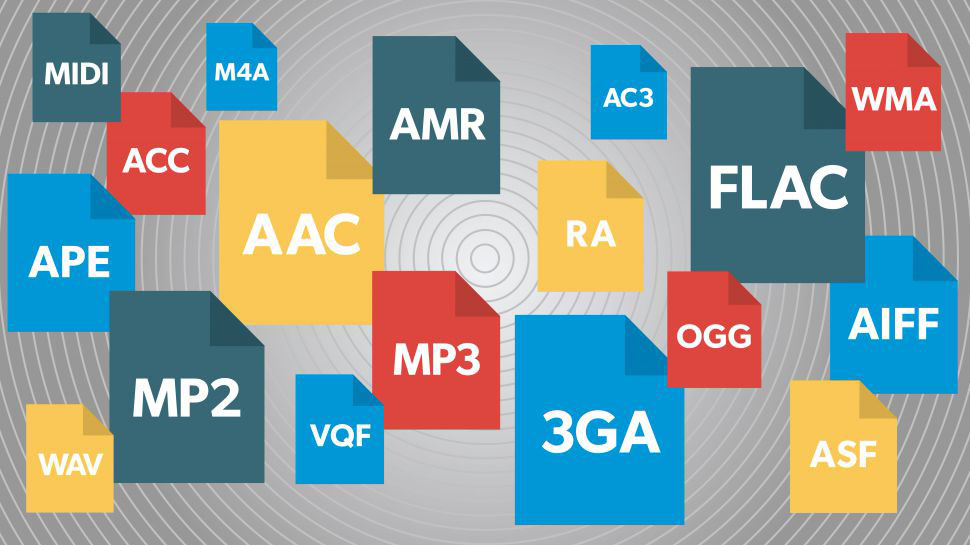
Digital audio files are a way of recording how content is saved on a computer, media player, smartphone, or other device.
At its most basic level, digital audio is a series of numbers that a device can use to reproduce sound waves. There are several ways to accomplish this and then compress (or not) the resulting data. We know that by sampling the sound waves during analog-to-digital conversion to at least 16 bits at 44.1 kHz, we can perfectly reproduce the captured signal later on. This is thanks to some math called the Nyquist-Shannon sampling theorem. We can achieve higher bit rates and frequency ranges, but whether anyone can hear the difference, even with the best headphones, is debatable at best.
If we just kept that data as it is (called Pulse Code Modulation or PCM), the file would take up a lot of space. This is why lossy and lossless forms of audio compression were developed. Lossy audio throws out audio frequencies our ears can’t hear, while lossless audio keeps them. Lossy audio formats can also use other tricks to further compress the audio, which we’ll cover later.
Since most people access their music through streaming services these days, compressed lossy file formats are the primary way to distribute content. It doesn’t matter what you listen to, but some people demand the highest quality. As a result, more and more high quality and even lossless streaming options are now available. However, as the image below shows, there is no avoiding the fact that lossy formats take up less space and consume less mobile data.

