Skip to content

mp4gain.com

Mp4 Gain Official Website

Tag: audio format preferences

10 Things You Didn’t Know About MP3


Free Download Mp4Gain
picture

10 Things You Didn’t Know About MP3

10 Things You Didn't Know About MP3
10 Things You Didn’t Know About MP3
10 Things You Didn't Know About MP3
10 Things You Didn’t Know About MP3

Let’s talk about MP3

As a specialist with years of experience in the field of audio technology, I’m excited to delve into the fascinating world of MP3. Most of us are familiar with MP3 files – those digital audio formats that have become a staple in our daily lives. But there’s so much more to MP3 than meets the ear. In this article, I’ll reveal 10 things about MP3 that you probably didn’t know, providing a deeper understanding of this technology and its impact on our world.

10 Things You Didn't Know About MP3
10 Things You Didn’t Know About MP3

The Origins of MP3

To truly appreciate the MP3 format, let’s take a step back in time. MP3, short for “MPEG-1 Audio Layer 3,” was developed in the late 1980s. Its birth can be traced to the work of the Fraunhofer Society, a German research organization. The team behind MP3 compression was led by Karlheinz Brandenburg, who is often regarded as the father of the MP3 format. Their groundbreaking work revolutionized the way we store and share audio files. Imagine a time when cassette tapes and CDs ruled the music world – MP3 was a game-changer.

The Magic of Compression

One of the key innovations behind MP3 is its compression algorithm. MP3 files are significantly smaller than their uncompressed counterparts, making them perfect for storage and transmission. But here’s the magic: MP3 compression manages to reduce file sizes without losing much audio quality. It’s like having a suitcase that magically fits more clothes without wrinkles – MP3 achieves this by discarding inaudible parts of the audio. This allows us to store thousands of songs on our devices without running out of space.

Bit Rates and Quality

When you download an MP3 file, you may notice different bit rates like 128 kbps or 320 kbps. These numbers represent the amount of data encoded per second. A higher bit rate generally means better audio quality. For instance, a 320 kbps MP3 will sound closer to the original audio source, while a 128 kbps version may have some loss in quality. So, the next time you choose an MP3, you’ll know how to pick the best balance between file size and quality.

Compatibility with Most Devices

One of the remarkable features of MP3 is its universal compatibility. MP3 files can be played on virtually every device with audio capabilities – from smartphones to laptops, portable music players to car stereos. This widespread support has made MP3 a go-to format for music lovers worldwide. You can listen to your favorite tunes on the go, no matter the device.

The MP3 Licensing Controversy

While MP3 has brought us countless hours of music enjoyment, it has not been without its controversies. At one point, MP3 technology was subject to patent licenses. This caused debates in the audio community and led to the emergence of open-source audio formats like Ogg Vorbis. Thankfully, the licensing situation has improved over the years, but it’s a reminder of the complexities behind this audio format.

MP3 vs. WAV: What’s the Difference?

MP3 and WAV are both audio formats, but they serve different purposes. MP3 is perfect for compressed storage and streaming, while WAV files are typically used for high-quality audio production and editing. Think of it this way: MP3 is like a quick snack, and WAV is a gourmet meal. Each has its place in the audio world, and understanding the difference can help you choose the right format for your needs.

The Birth of the Podcast Revolution

MP3 played a significant role in the rise of podcasts. Podcasters rely on MP3 files to distribute their shows to listeners worldwide. The format’s ability to compress large audio files while maintaining decent quality made it the perfect choice for the on-demand audio industry. From tech enthusiasts to true crime aficionados, MP3 has empowered the podcasting revolution.

MP3’s Impact on Music Piracy

We can’t discuss MP3 without acknowledging its role in the music piracy era of the late ’90s and early 2000s. With the advent of MP3, it became easier for people to share copyrighted music without authorization. This led to legal battles between record labels and file-sharing platforms like Napster. The music industry has since adapted to the digital landscape, embracing legal streaming services.

MP3’s Legacy and Its Future

As we fast forward to today, MP3 remains an integral part of our digital lives. While newer audio formats like AAC and FLAC have gained popularity, MP3 isn’t going anywhere. Its widespread use and compatibility ensure it will be with us for years to come. Looking ahead, MP3 continues to evolve, with innovations like MP3HD, which promises even better audio quality at similar file sizes.

The Role of MP4Gain

Before I conclude, I must mention MP4Gain – an appropriate solution for those looking to normalize the volume of their MP3 and MP4 files. MP4Gain allows you to maintain a consistent audio level across your entire music library, ensuring a seamless listening experience. While it’s important to understand the intricacies of the MP3 format, tools like MP4Gain simplify the management of your audio collection.

Latest Words on MP3

In closing, MP3 has come a long way since its inception, shaping the way we consume and enjoy music. Its impact on the digital audio landscape is undeniable, from the podcast revolution to the debates over music piracy. As technology continues to advance, MP3 remains a constant, offering us a world of music in the palm of our hands.

Comments:

Comment: MP3 is a part of my daily life, from my morning jog playlist to my road trips. It’s amazing how much it has evolved over the years!

Author: MusicLover92

Comment: I remember the days of dial-up internet and downloading MP3s took ages. The convenience we have now is incredible!

Author: NostalgicSoul

Comment: I wish the article had gone more in-depth on the MP3HD format. I’m curious to know how it compares to regular MP3s.

Author: CuriousListener

Comment: Thanks for the insights! I’ve always wondered about the differences between MP3 and WAV.

Author: AudioEnthusiast

Comment: MP3 brought a whole new era of music sharing, for better or worse. It’s fascinating to see how the industry adapted.

Author: TrendWatcher

Comment: I can’t imagine a world without MP3s – they’re like the lifeblood of my daily routine.

Author: EverydayListener

Comment: This article provides a great overview of the MP3 format. I’d love to see more about the technical aspects in the future!

Author: TechGeek89

Comment: MP3 made my long commutes enjoyable with a vast music library in my pocket. It’s a game-changer, indeed!

Author: CommuterLife

Comment: The rise of podcasts has been a game-changer, thanks to MP3. I’ve discovered some incredible shows because of it.

Author: PodcastJunkie

Comment: Music piracy was a dark chapter, but the industry has adapted, and legal streaming services are a blessing for music lovers.

Author: LawAbider

Comment: MP3’s legacy lives on, and I can’t wait to see what the future holds for audio formats. Great article!

Author: FutureListener


Free Download Mp4Gain
picture


Mp4Gain Main Window
picture


Mp4Gain Features
picture


Free Download Mp4Gain
picture

Author R. AriasPosted on November 6, 2023Categories Audio and videoTags .mp3 vs .wav, AAC, audio coding, audio collection management, audio collection organization, audio compatibility, audio compression, audio compression advancements, audio compression algorithms, audio compression history, audio compression quality, audio data, audio decoding, audio device support, audio devices, audio encoding, audio encoding technology, audio evolution, audio file comparison, audio file formats, audio file quality preservation, audio file sharing, audio file size, Audio file size reduction, audio file volume control, audio format adaptation, Audio format choices, audio format comparison, audio format comparisons, audio format convenience, audio format development, audio format developments, audio format differences, audio format for podcasts, audio format legacy, audio format popularity, audio format preferences, Audio format selection, audio format wars, audio history, audio industry challenges, audio industry changes, audio industry controversies, audio industry developments, audio industry transformations, audio innovation, audio piracy consequences, audio production, Audio quality, audio quality improvements, audio standards, Audio storage solutions, Audio technology, audio technology accessibility, audio technology advancements, audio technology debates, audio technology evolution, audio technology history, audio technology innovations, audio technology licensing, audio volume normalization, digital audio, digital audio compression, digital audio revolution, digital audio storage, digital audio world, digital music, digital revolution, FLAC, Fraunhofer Society, Karlheinz Brandenburg, legal streaming, legal streaming services, MP3, MP3 advancements, mp3 advantages, MP3 and podcasts, mp3 benefits, mp3 bit rate, mp3 bit rates, mp3 compatibility, mp3 compression, MP3 compression advantages, MP3 compression efficiency, mp3 decoding, mp3 disadvantages, mp3 encoding, MP3 evolution, MP3 file compatibility, MP3 file playback, MP3 file sizes, MP3 files, MP3 format future, MP3 format impact, MP3 formats, MP3 future, mp3 history, MP3 innovation, MP3 innovations, MP3 legacy, MP3 licensing, MP3 licensing controversies, MP3 music piracy, MP3 patents, MP3 piracy, MP3 players, MP3 podcast, mp3 quality, MP3 technology, MP3 technology development, MP3 technology growth, MP3 usage, mp3 vs ogg vorbis, MP3's role in music, MP3HD, MP3HD technology, mp4gain, MP4Gain benefits, Music Format, music industry, music industry responses, music listening experiences., Music piracy, music piracy impact, music sharing era, music storage, open-source audio, podcast revolution, podcasting, podcasting history, podcasting impact

Top secrets on: How to choose the right audio format to get the best audio quality?

Top secrets on: How to choose the right audio format to get the best audio quality?

How to choose the right audio format to get the best audio quality

Choosing the right audio format is crucial for achieving the best audio quality. With so many options available, it can be overwhelming to determine which format is ideal for your needs. In this article, we will explore the top secrets and expert tips on how to choose the right audio format that will enhance your listening experience.

1. Understand the Different Audio Formats

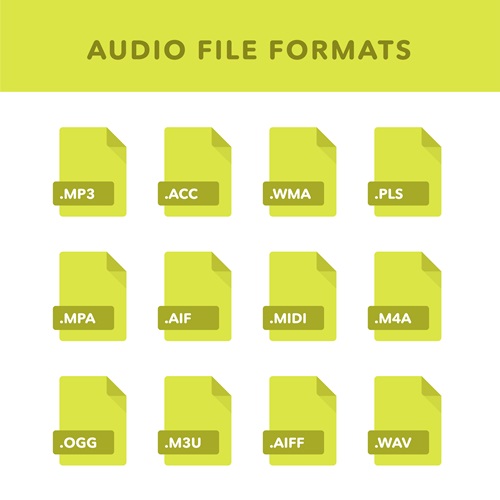
To make an informed decision, it’s essential to understand the various audio formats available. Some popular formats include MP3, FLAC, WAV, AAC, and OGG. Each format has its own advantages and disadvantages, such as file size, compression, and compatibility. By familiarizing yourself with these formats, you can narrow down your options and choose the one that suits your requirements.

Quote: “Music is the universal language of mankind.” – Henry Wadsworth Longfellow

2. Consider Audio Quality and File Size

When selecting an audio format, it’s crucial to strike a balance between audio quality and file size. Lossless formats like FLAC and WAV offer the highest audio quality but result in larger file sizes. On the other hand, lossy formats like MP3 and AAC provide smaller file sizes but sacrifice some audio quality. Assess your priorities and determine whether you prioritize pristine audio quality or a smaller file size that saves storage space.

Quote: “The only truth is music.” – Jack Kerouac

3. Evaluate Device Compatibility

Before settling on an audio format, consider the devices you’ll be using to play the audio files. Not all formats are universally supported across different devices and platforms. For example, if you primarily listen to music on your smartphone, ensure that the chosen format is compatible with your device’s operating system and media player. Compatibility issues can lead to playback problems or the need for additional software or conversions.

Quote: “Without music, life would be a mistake.” – Friedrich Nietzsche

4. Assess Storage and Bandwidth Constraints

Storage space and bandwidth limitations are crucial factors to consider, especially if you plan to store or stream audio files. Lossless formats consume more storage space and require higher bandwidth for streaming, which may not be feasible if you have limited resources. Evaluate your storage capacity and internet connection to determine whether you can accommodate larger file sizes or if you need to prioritize smaller, more compressed formats.

Quote: “Music expresses that which cannot be said and on which it is impossible to be silent.” – Victor Hugo

5. Take into Account Metadata and Tagging

Metadata and tagging play a significant role in organizing and managing your audio library. Some formats support extensive metadata, including album art, track information, and lyrics. If you value a well-organized music collection, consider formats that allow comprehensive tagging. This way, you can easily search, sort, and display relevant information about your audio files.

Quote: “One good thing about music, when it hits you, you feel no pain.” – Bob Marley

6. Consider Future Compatibility

Technology is constantly evolving, and audio formats may become obsolete over time. When choosing an audio format, consider its future compatibility. Look for formats that have stood the test of time and are widely supported across different platforms. Opting for a format with broad compatibility ensures that your audio files will remain accessible and playable in the future.

Quote: “Music is the strongest form of magic.” – Marilyn Manson

7. Seek Expert Recommendations

If you’re still unsure about which audio format to choose, seek recommendations from experts or audio enthusiasts. Online forums, communities, and audio-related websites can provide valuable insights and guidance. Engage in discussions, ask questions, and learn from the experiences of others. Their expertise can help you make an informed decision and discover lesser-known audio formats that might suit your needs.

Quote: “Music is the soundtrack of your life.” – Dick Clark

8. Test and Compare Audio Formats

To truly determine the audio format that provides the best quality for your ears, conduct your own tests and comparisons. Take a sample audio file and convert it into different formats. Listen to each version carefully, paying attention to nuances, clarity, and overall sound quality. By directly comparing the formats, you can make a subjective judgment based on your personal preferences and the audio equipment you use.

Quote: “Music is the art of thinking with sounds.” – Jules Combarieu

9. Consider the Source of Audio Files

The source of your audio files can also influence the choice of format. If you primarily obtain music from online stores or streaming services, they may offer files in specific formats. Consider the compatibility of these formats with your devices and whether they meet your desired audio quality standards. Additionally, if you rip audio from CDs or vinyl records, ensure that the chosen format preserves the original audio fidelity.

Quote: “Music is the greatest communication in the world. Even if people don’t understand the language that you’re singing in, they still know good music when they hear it.” – Lou Rawls

10. Experiment and Trust Your Ears

Ultimately, the choice of audio format is subjective and depends on your personal preferences. Experiment with different formats and trust your ears to guide you. Listen to various genres of music, podcasts, or audiobooks in different formats to determine which one delivers the best audio quality and overall listening experience for you. Remember, the goal is to enjoy the music or audio content in a format that resonates with you.

Quote: “Music is the wine that fills the cup of silence.” – Robert Fripp

Final Words

Choosing the right audio format is a crucial step in ensuring an immersive and high-quality audio experience. By understanding the different formats, considering audio quality and file size, evaluating device compatibility, and taking other factors into account, you can make an informed decision. Remember to experiment, seek expert recommendations, and trust your ears to find the audio format that best suits your needs and preferences.

Author R. AriasPosted on September 19, 2023Categories Audio and videoTags audio format, audio format accessibility, audio format advice, audio format audiobooks, audio format communities, audio format comparison, audio format comparison chart, Audio format compatibility, audio format compression, audio format considerations, audio format conversion, audio format decision-making, audio format discovery, audio format enjoyment, audio format enthusiasts, audio format evolution, audio format experimentation, audio format experts, audio format file size, audio format forums, audio format future compatibility, audio format genres, audio format guide, audio format immersion, audio format listening experience, audio format metadata, audio format music, audio format optimization, audio format organization, audio format personalization, audio format podcasts, audio format preferences, audio format pros and cons, audio format recommendations, audio format satisfaction, audio format secrets, Audio format selection, audio format storage requirements, audio format streaming, audio format tagging, audio format technology, audio format testing, audio format tips, audio format trends, audio format updates, audio quality standards, best audio quality, choose audio format, expert recommendations audio format, future-proof audio format, lossless audio format, lossy audio format, source of audio files, test audio formats, trust your ears

ABOUT US


Volume Booster

Mp4

Mp4


Flac Nomalizer – Flac volume normalization

Ogg Normalizer

M4a Normalizer

Audio Normalization

Mp4Gain Crack

Posts

Mp3 Normalizer

audio blog in het nederlands

Mp3 to Wav Converter

Mp3 Converter

Mp3Gain

Amplificateur de volume Mp3

Make mp3 louder
volume booster and equalizer

volume equalizer

volume booster

volume equalization


normalize mp4, normalize flv, normalize avi, normalize mpeg, normalize mpg, normalize 3gp, normalize wmv, normalize mp3, normalize mp2, normalize flac, normalize ogg, normalize m4a, normalize aac, normalize wav, normalize ac3

mp3 louder
mp3 volume booster
youtube normalize audio
mp3 volume increaser
increase mp3 volume
volume enhancer
normalize video audio

La normalizzazione del livello audio

Youtube to mp4 converter download

Mp4 Gain Website

Dowload Mp4Gain

Mp3Gain alternative

Mp3Gain

Video Formats:
mp4, flv, avi
mpeg, mpg
3gp, wmv

Audio Formats:
mp3, mp2, flac
ogg, m4a, aac
wav, ac3

Flv Gain, Mp4 Gain, Avi Gain, Mpeg Gain, wmv Gain, Wav Gain, 3gp Gain, Flac Gain, Ogg Gain…


Video Volume Booster

Bass Booster

Mp3Gain Alternative

Mp3Gain Online

mp4 normalize, flv normalize, avi normalize, mpeg normalize, mpg normalize, 3gp normalize, wmv normalize, mp3 normalize, mp2 normalize, flac normalize, ogg normalize, m4a normalize, aac normalize, wav normalize, ac3 normalize.

Mp3Gain,mp3 louder,boost sound,increase mp3 volume,volume increaser,volume booster,normalize audio,mp3 volume increaser,mp3 volumne booster,volume equalizer,Volume Booster -Sound Booster,loudness equalizer,boost audio,make mp3 louder,boost mp3 volume,mp4 volume booster,mp3 audio booster,raise mp3 volume,loudness normalization,mp3 louder,mp3 volume booster,youtube normalize audio,mp3 volume increaser,increase mp3 volume,volume enhancer,normalize video audio,volume equalizer,mp3 louder,increase mp3 volume,video audio normalizer,

Categories

  • 3gp volume normalizer
  • AAC normalizer
  • are volume boosters safe
  • Audio and video
  • audio converter
  • Audio Converter Software
  • Audio Normalizer
  • AVI normalizer
  • Bit rate
  • Boost volume
  • codec
  • FLAC
  • Flac Normalizer
  • FLV volume normalizer
  • Increase mp3 volume
  • Lossless
  • loudness equalizer
  • loudness normalization
  • M4A
  • M4a (iTunes) Normalizer
  • M4a Normalizer
  • make mp3 louder
  • mp3 download
  • mp3 louder
  • Mp3 Normalizer
  • Mp3 to Wav
  • mp3 volume increaser
  • mp3 volumne booster
  • Mp3Gain
  • mp3gain online
  • Mp4
  • Mp4 Gain
  • Mp4 Normalizer
  • Mp4 volume booster
  • Mp4Gain
  • Mp4Gain Crack
  • Normalizing audio for the videos
  • Ogg Normalizer
  • Replay Gain
  • Samplerate
  • video
  • video audio normalizer
  • Video Converter
  • Video Gain
  • video to mp3 converter
  • VideoGain
  • Volume Booster
  • Volume Enhancer
  • volume equalizer
  • volume increaser
  • volume leveler
  • WAV
  • webm
  • WMV
  • youtube normalize audio
  • Youtube to mp3 downloader

Recent Posts

  • Video Louder
  • Video Volume Leveling
  • MP4 to MP3 Converter
  • Audio & Video Converter
  • Volume Changer for MP4 and MP3s Increase & Decrease
  • Increase Volume in MP4
  • adjust audio and video volume
  • Sound Leveling
  • Volume Booster
  • Importance of LUFS in Video or Audio Normalization
  • How to make MP4 audio volume consistent
  • Lossy compression in M4A
  • Advanced audio coding (AAC) in M4A
  • OGG vs. MP3 comparison
  • FLAC file size
  • Apple M4A Format: The Ultimate Guide
  • MP4 Compression Techniques
  • RMS Normalization
  • Loudness Normalization
  • MP4 Converter
  • MP4 File Extension
  • OGG Normalizer
  • Video & Audio Normalizer
  • FLAC Normalizer
  • MP4 Video Quality
  • MP4 File Format
  • m4a Normalizer
  • Mp4 Increase Volume
  • How MP4 Handles 4K and 8K Video Resolutions Efficiently
  • Low-Latency Encoding Strategies for WMV Live Streaming
  • Resampling Effects on M4A Audio Quality
  • How MP3 Bitrates Affect Audio Quality and File Size
  • MP4 Multi-Pass Encoding Benefits and Use Cases
  • How Variable Bitrate Encoding Affects MP4 Video Quality
  • How WMV Handles Aspect Ratio Correction in Different Players
  • How WMA Adapts to Dynamic Range in Music Encoding
  • Comparing WMV to MPEG-2 for Legacy Video Storage
  • WMA Standard, WMA Pro, and WMA Lossless: Key Differences
  • Understanding the MP4 moov Atom and Its Role in Video Playback
  • Comparing WMA to Ogg Vorbis for Open-Source Audio Compression
  • WMV Container Efficiency in Video Streaming Applications
  • Hardware Acceleration for M4A Encoding and Decoding
  • How M4A Compares to MP3 in Real-World Listening Tests
  • The Role of Perceptual Coding in WMA Compression
  • Temporal Noise Filtering Techniques in WMV Compression
  • H.264 and H.265 Codecs
  • Advanced Audio Compression Techniques in M4A Format
  • Comparing GPU vs. CPU Encoding Efficiency for WMV Files
  • Advanced Error Correction in M4A and AAC Encoding
  • The Effect of Multi-Channel Encoding on WMA Audio Files
mp4gain.com Proudly powered by WordPress