When it comes to digital audio formats, MP3 and AAC are two heavyweights vying for supremacy. As a seasoned audio specialist, I’ve delved deep into the intricacies of both formats to uncover their strengths and weaknesses. In this article, I’ll provide an in-depth comparison of MP3 and AAC, focusing on compression efficiency and audio quality.
Understanding MP3 Compression
Unraveling the Mysteries of MP3 Compression: MP3, short for MPEG-1 Audio Layer 3, revolutionized the digital audio landscape with its efficient compression algorithm. Developed by the Moving Picture Experts Group, MP3 employs a lossy compression technique to reduce file size while preserving perceptible audio quality. The MP3 format achieves compression by discarding audio data deemed less essential to human auditory perception, resulting in smaller file sizes ideal for storage and streaming.
Challenges of MP3 Compression: Despite its widespread adoption, MP3 compression faces inherent challenges, including artifacting and quality degradation. Artifacting manifests as audible distortions or anomalies introduced during compression, detracting from the listening experience. Moreover, aggressive compression settings can compromise audio fidelity, leading to a phenomenon known as “compression artifacts,” which manifest as hissing, ringing, or other unwanted noises.
Exploring AAC Compression
AAC: Advancements in Audio Compression: Advanced Audio Coding (AAC) represents the next evolution in audio compression technology. Developed by the Fraunhofer Institute and standardized by the MPEG group, AAC offers superior compression efficiency and audio quality compared to MP3. AAC achieves this feat through more sophisticated encoding algorithms, resulting in smaller file sizes without sacrificing perceptible audio fidelity.
The AAC Advantage: Unlike MP3, AAC supports a wider range of audio frequencies and dynamic ranges, enabling more accurate reproduction of the original audio signal. Additionally, AAC’s advanced encoding techniques minimize artifacting and distortion, delivering pristine audio experiences even at lower bit rates. As a result, AAC has become the preferred format for high-quality audio streaming, digital radio, and mobile applications.
Comparing Compression Efficiency
MP3 vs AAC: A Compression Showdown: In a head-to-head comparison, AAC outshines MP3 in compression efficiency and audio quality. AAC typically achieves higher compression ratios than MP3, meaning it can produce smaller file sizes while maintaining comparable audio quality. This advantage makes AAC the preferred choice for applications where bandwidth or storage space is limited, such as mobile streaming platforms and digital radio broadcasts.
The Impact of Compression Ratios: When selecting an audio format, it’s essential to consider the desired balance between file size and audio quality. Higher compression ratios, while beneficial for conserving storage space, may result in perceptible audio degradation, especially in complex musical passages or recordings with subtle nuances. Conversely, lower compression ratios yield larger file sizes but preserve more of the original audio fidelity, making them ideal for critical listening or archival purposes.
Quality Assessment and Real-life Examples
Listening Tests: MP3 vs AAC: Through extensive listening tests and subjective evaluations, audio enthusiasts and experts have scrutinized the quality of MP3 and AAC encodings across various genres and audio sources. These tests often involve blind comparisons where listeners rate the perceived audio quality of each format without prior knowledge of the encoding method. Real-life examples, such as comparing the same song encoded in MP3 and AAC formats, can highlight differences in audio transparency, dynamic range, and spatial imaging.
Personal Preference and Subjectivity: It’s essential to acknowledge that audio quality perception is inherently subjective, influenced by individual preferences, listening environments, and playback equipment. While objective measurements such as bit rate and frequency response provide valuable insights into compression efficiency, the ultimate judgment of audio quality rests with the listener’s ears and personal preferences.
Latest Words on MP3 vs AAC
In conclusion, the choice between MP3 and AAC hinges on balancing compression efficiency with audio quality, considering factors such as intended use, available bandwidth, and listener preferences. While MP3 remains a ubiquitous format, AAC offers significant advancements in compression technology, delivering superior audio fidelity and smaller file sizes. As technology continues to evolve, AAC stands poised to redefine the digital audio landscape, offering immersive listening experiences across a myriad of platforms and devices.
Comments:
This article provided a comprehensive comparison of MP3 and AAC, shedding light on the nuances of audio compression. As a music enthusiast, I found the insights valuable in understanding the trade-offs between file size and audio quality.
– MusicLover123
As a podcast producer, I appreciated the detailed analysis of MP3 and AAC compression. The article highlighted the importance of selecting the right format to ensure optimal audio quality for listeners.
– PodcasterPro
While I’ve been using MP3 for years, this article opened my eyes to the benefits of AAC compression. I’m excited to explore AAC further and potentially improve the audio quality of my digital music library.
– AudioExplorer
This article provided a balanced perspective on MP3 and AAC compression, addressing both the technical aspects and real-world implications. I appreciated the clear explanations and practical examples.
– TechEnthusiast77
As a digital DJ, I found this article to be incredibly informative. Understanding the differences between MP3 and AAC compression will undoubtedly impact my music selection and mixing techniques.
– DJMasterMix
Great article! The comparison between MP3 and AAC compression was eye-opening, especially regarding the trade-offs between file size and audio quality. I’ll definitely be sharing this with my friends.
– MusicFanatic99
This article provided valuable insights into the world of audio compression. As a budding audio engineer, I’m eager to explore AAC further and incorporate it into my workflow for optimal sound quality.
In the realm of digital audio, the MP3 format reigns supreme. But what exactly happens behind the scenes when you hit play on your favorite MP3 file? As a seasoned expert in audio technology, I’m here to guide you through the intricate world of MP3 decoding.
Understanding the MP3 Format
When we discuss MP3 decoding, it’s crucial to grasp the fundamentals of the MP3 format itself. Developed by the Moving Picture Experts Group (MPEG), MP3 employs a lossy compression algorithm to reduce the size of audio files while retaining perceptible quality. This compression method exploits the limitations of human auditory perception, discarding frequencies deemed less audible. As a result, MP3 files occupy significantly less storage space compared to uncompressed audio formats like WAV or AIFF.
The Decoding Process Unveiled
Now, let’s delve into the decoding process. When you hit play on an MP3 file, your media player initiates a sequence of steps to reconstruct the original audio waveform. First, the compressed MP3 data undergoes a reverse process known as decoding. This decoding process involves intricate algorithms that meticulously reconstruct the audio data to approximate the original waveform.
Advanced Decoding Algorithms
Within the decoding realm, several algorithms vie for supremacy in achieving the most accurate audio reconstruction. One such algorithm is the Modified Discrete Cosine Transform (MDCT), a cornerstone of MP3 compression and decoding. MDCT breaks down audio signals into frequency components, facilitating efficient compression and subsequent decompression during playback. Additionally, algorithms like Huffman coding and psychoacoustic modeling play pivotal roles in MP3 decoding, optimizing efficiency while preserving audio fidelity.
Cracking the Code: Inside MP3 Decoding Algorithms
The Role of Psychoacoustic Modeling
At the heart of MP3 decoding lies psychoacoustic modeling, a sophisticated technique that mimics the human auditory system’s response to sound. By exploiting psychoacoustic principles, MP3 algorithms identify and discard audio components masked by louder sounds. For instance, if a loud drumbeat overshadows a subtle guitar riff, the algorithm may allocate fewer bits to the guitar riff, prioritizing perceptual quality.
Bit Rate and Compression Ratios
A critical aspect of MP3 decoding is the management of bit rate and compression ratios. Bit rate refers to the number of bits processed per unit of time, influencing audio quality and file size. Higher bit rates yield superior audio fidelity but result in larger file sizes, while lower bit rates sacrifice quality for increased compression. Decoders employ intricate algorithms to strike a delicate balance between audio quality and file size, ensuring optimal playback experiences.
Challenges and Innovations
Despite its widespread adoption, MP3 decoding poses inherent challenges, such as artifacting and quality degradation. However, ongoing research and innovation continually push the boundaries of audio compression and decoding. Emerging technologies like perceptual audio coding and machine learning hold promise in further enhancing MP3 decoding efficiency and quality, paving the way for immersive audio experiences.
Latest Words on MP3 Decoding
In conclusion, the MP3 decoding process is a testament to the ingenuity of audio engineering. By harnessing advanced algorithms and psychoacoustic principles, MP3 decoders faithfully recreate audio experiences while minimizing file size. As technology evolves, so too will MP3 decoding, ensuring that music enthusiasts worldwide continue to enjoy their favorite tunes with unparalleled clarity and efficiency.
Comments:
Wow, this article really opened my eyes to the complexity behind MP3 decoding! I had no idea about psychoacoustic modeling and its role in the process. Thanks for the insightful explanation!
– MusicLover87
I’ve always wondered how MP3 files manage to sound so good while being so small. This article provided a clear and detailed explanation of the decoding process. Great job!
– AudioEnthusiast22
Could you go into more detail about the specific algorithms used in MP3 decoding? I’m curious about how MDCT and Huffman coding work together to reconstruct the audio.
– TechGeek123
As a musician, I appreciate the insights into MP3 decoding. It’s fascinating to learn about the technology that brings music to our ears. Keep up the excellent work!
– GuitarGuy56
This article provided a comprehensive overview of MP3 decoding, but I wish it explored the impact of decoding algorithms on sound quality in more depth. Overall, though, it was an informative read.
– SoundEngineer99
MP3 decoding has always intrigued me, and this article shed light on the intricacies of the process. It’s incredible how technology has revolutionized the way we experience music.
– MusicManiac123
Thank you for demystifying MP3 decoding! As someone with a casual interest in audio technology, I found this article to be both accessible and informative.
– TechNovice17
Great article! I never knew there was so much complexity involved in MP3 decoding. It’s amazing how far technology has come in delivering high-quality audio experiences.
– AudioAficionado
This article provided a great overview of MP3 decoding, but I’d love to see a follow-up exploring the future of audio compression technologies. Keep up the fantastic work!
– FutureTechTrends
Wow, I never realized the science behind MP3 decoding was so intricate. Thanks for breaking it down in a way that’s easy to understand!
Enhancing AAC Audio Quality through Parametric Coding
Let’s Talk about Enhancing AAC Audio Quality
As a specialist with extensive experience in audio coding, I delve into the realm of Advanced Audio Coding (AAC) and the revolutionary concept of parametric coding. Google’s top 10 results might touch the surface, but here, I aim to offer a comprehensive guide that goes beyond the standard information available.
Understanding AAC: A Brief Overview
AAC, or Advanced Audio Coding, has been a game-changer in the world of audio compression. Its efficiency in maintaining high sound quality while reducing file size has made it a go-to choice for various applications. In my experience, understanding the fundamentals of AAC lays the groundwork for exploring parametric coding enhancements.
Traditional AAC often relies on intensity stereo and joint stereo coding for creating a stereo image. However, parametric stereo coding takes this a step further by representing stereo information through parameters like inter-channel level differences and phase variations. This method significantly improves the spatial perception of audio, providing an immersive listening experience.
Unlocking the Depths: Parametric Coding for Low Frequencies
In the pursuit of richer audio experiences, parametric coding techniques for low frequencies play a crucial role. By efficiently describing low-frequency components, such as bass and sub-bass elements, parametric coding ensures a more robust representation of audio content with a substantial emphasis on low-end frequencies.
Transcending Boundaries: Transient Enhancement with Parametric Techniques
One area where parametric coding shines is in transient enhancement. By utilizing parametric techniques to describe transient elements in audio signals, we can achieve superior results in reproducing sharp and dynamic sound elements. This is particularly impactful in genres where transients play a pivotal role, such as in percussive music genres.
The Art of Parametric Coding: A Personal Perspective
Drawing from my personal experiences, I have witnessed the transformative power of parametric coding in the audio industry. It’s not just about technicalities; it’s about the art of shaping sound. Parametric coding provides a canvas for audio engineers to craft a more nuanced and expressive auditory experience.
Latest Words on Enhancing AAC Audio Quality
In the ever-evolving landscape of audio technology, staying updated is crucial. As an expert, I’m committed to providing the latest insights and innovations in enhancing AAC audio quality. Let’s explore the cutting-edge developments and advancements that go beyond what the standard search results offer.
Parametric Coding in Action: Real-world Applications
To truly grasp the impact of parametric coding, let’s delve into real-world applications. Imagine a concert venue where parametric stereo coding creates an immersive experience for the audience, or a studio session where parametric techniques elevate the clarity of low-frequency instruments. These scenarios illustrate the practical benefits of implementing parametric coding in various audio settings.
Optimizing User Experience: The Next Frontier in AAC Enhancement
The quest for superior audio quality doesn’t end with technology—it extends to the user experience. Exploring how parametric coding contributes to a more enjoyable and engaging listening experience is paramount. From personalized sound profiles to adaptive parametric adjustments, the future of AAC enhancement lies in optimizing the user experience.
Beyond the Basics: Parametric Coding and the Unexplored Horizons
Google’s search results may provide a glimpse into parametric coding, but there’s more to discover. This section delves into the unexplored horizons of parametric coding, offering insights and information that go beyond the basics. Let’s navigate the complexities and possibilities that lie within the realm of advanced audio coding.
Why Parametric Coding Matters: A Deeper Dive
As an expert, I can confidently say that the significance of parametric coding extends beyond its technical aspects. It’s about preserving the nuances of musical expression, capturing the soul of a performance, and delivering an audio experience that transcends conventional boundaries. Let’s unravel why parametric coding matters in the grand tapestry of audio innovation.
The Future Sounds Bright: Advancements on the Horizon
Wrapping up our exploration, let’s look towards the future. What advancements and innovations can we anticipate in the realm of enhancing AAC audio quality through parametric coding? From machine learning integration to adaptive parametric algorithms, the future sounds promising. As an enthusiast and specialist, I’m excited about the evolving landscape that will shape the audio experiences of tomorrow.
Comments:
This article has been a game-changer for me! Finally, someone delves deep into the art of parametric coding. Kudos!
Nick: SonicExplorer92
Could you provide more insights into specific software applications that utilize parametric coding for AAC enhancement?
Nick: TechEnthusiast
Excellent read! The real-world application examples made the concept of parametric coding much clearer.
Nick: MusicMaestro
I appreciate the focus on user experience optimization. It’s an aspect often overlooked in discussions about audio quality.
Nick: UXListener
Great article! However, I’d love more details on the specific challenges faced in implementing parametric coding for AAC.
Nick: CuriousCoder
This article made me rethink the way I perceive audio quality. Looking forward to more in-depth content like this!
Nick: SoundSeeker
Any recommendations for affordable audio devices that leverage parametric coding for enhanced AAC playback?
Nick: BudgetAudiophile
While the article is informative, I’d love to see a follow-up exploring the impact of parametric coding on streaming services.
Nick: StreamSavvy
Thanks for shedding light on the unexplored aspects of parametric coding. A truly enlightening read!
Nick: AudioExplorer
I’m intrigued by the potential of adaptive parametric algorithms. Can you share more about recent developments in this area?
10 Things You Didn’t Know About MP310 Things You Didn’t Know About MP3
Let’s talk about MP3
As a specialist with years of experience in the field of audio technology, I’m excited to delve into the fascinating world of MP3. Most of us are familiar with MP3 files – those digital audio formats that have become a staple in our daily lives. But there’s so much more to MP3 than meets the ear. In this article, I’ll reveal 10 things about MP3 that you probably didn’t know, providing a deeper understanding of this technology and its impact on our world.
10 Things You Didn’t Know About MP3
The Origins of MP3
To truly appreciate the MP3 format, let’s take a step back in time. MP3, short for “MPEG-1 Audio Layer 3,” was developed in the late 1980s. Its birth can be traced to the work of the Fraunhofer Society, a German research organization. The team behind MP3 compression was led by Karlheinz Brandenburg, who is often regarded as the father of the MP3 format. Their groundbreaking work revolutionized the way we store and share audio files. Imagine a time when cassette tapes and CDs ruled the music world – MP3 was a game-changer.
The Magic of Compression
One of the key innovations behind MP3 is its compression algorithm. MP3 files are significantly smaller than their uncompressed counterparts, making them perfect for storage and transmission. But here’s the magic: MP3 compression manages to reduce file sizes without losing much audio quality. It’s like having a suitcase that magically fits more clothes without wrinkles – MP3 achieves this by discarding inaudible parts of the audio. This allows us to store thousands of songs on our devices without running out of space.
Bit Rates and Quality
When you download an MP3 file, you may notice different bit rates like 128 kbps or 320 kbps. These numbers represent the amount of data encoded per second. A higher bit rate generally means better audio quality. For instance, a 320 kbps MP3 will sound closer to the original audio source, while a 128 kbps version may have some loss in quality. So, the next time you choose an MP3, you’ll know how to pick the best balance between file size and quality.
Compatibility with Most Devices
One of the remarkable features of MP3 is its universal compatibility. MP3 files can be played on virtually every device with audio capabilities – from smartphones to laptops, portable music players to car stereos. This widespread support has made MP3 a go-to format for music lovers worldwide. You can listen to your favorite tunes on the go, no matter the device.
The MP3 Licensing Controversy
While MP3 has brought us countless hours of music enjoyment, it has not been without its controversies. At one point, MP3 technology was subject to patent licenses. This caused debates in the audio community and led to the emergence of open-source audio formats like Ogg Vorbis. Thankfully, the licensing situation has improved over the years, but it’s a reminder of the complexities behind this audio format.
MP3 vs. WAV: What’s the Difference?
MP3 and WAV are both audio formats, but they serve different purposes. MP3 is perfect for compressed storage and streaming, while WAV files are typically used for high-quality audio production and editing. Think of it this way: MP3 is like a quick snack, and WAV is a gourmet meal. Each has its place in the audio world, and understanding the difference can help you choose the right format for your needs.
The Birth of the Podcast Revolution
MP3 played a significant role in the rise of podcasts. Podcasters rely on MP3 files to distribute their shows to listeners worldwide. The format’s ability to compress large audio files while maintaining decent quality made it the perfect choice for the on-demand audio industry. From tech enthusiasts to true crime aficionados, MP3 has empowered the podcasting revolution.
MP3’s Impact on Music Piracy
We can’t discuss MP3 without acknowledging its role in the music piracy era of the late ’90s and early 2000s. With the advent of MP3, it became easier for people to share copyrighted music without authorization. This led to legal battles between record labels and file-sharing platforms like Napster. The music industry has since adapted to the digital landscape, embracing legal streaming services.
MP3’s Legacy and Its Future
As we fast forward to today, MP3 remains an integral part of our digital lives. While newer audio formats like AAC and FLAC have gained popularity, MP3 isn’t going anywhere. Its widespread use and compatibility ensure it will be with us for years to come. Looking ahead, MP3 continues to evolve, with innovations like MP3HD, which promises even better audio quality at similar file sizes.
The Role of MP4Gain
Before I conclude, I must mention MP4Gain – an appropriate solution for those looking to normalize the volume of their MP3 and MP4 files. MP4Gain allows you to maintain a consistent audio level across your entire music library, ensuring a seamless listening experience. While it’s important to understand the intricacies of the MP3 format, tools like MP4Gain simplify the management of your audio collection.
Latest Words on MP3
In closing, MP3 has come a long way since its inception, shaping the way we consume and enjoy music. Its impact on the digital audio landscape is undeniable, from the podcast revolution to the debates over music piracy. As technology continues to advance, MP3 remains a constant, offering us a world of music in the palm of our hands.
Comments:
Comment: MP3 is a part of my daily life, from my morning jog playlist to my road trips. It’s amazing how much it has evolved over the years!
Author: MusicLover92
Comment: I remember the days of dial-up internet and downloading MP3s took ages. The convenience we have now is incredible!
Author: NostalgicSoul
Comment: I wish the article had gone more in-depth on the MP3HD format. I’m curious to know how it compares to regular MP3s.
Author: CuriousListener
Comment: Thanks for the insights! I’ve always wondered about the differences between MP3 and WAV.
Author: AudioEnthusiast
Comment: MP3 brought a whole new era of music sharing, for better or worse. It’s fascinating to see how the industry adapted.
Author: TrendWatcher
Comment: I can’t imagine a world without MP3s – they’re like the lifeblood of my daily routine.
Author: EverydayListener
Comment: This article provides a great overview of the MP3 format. I’d love to see more about the technical aspects in the future!
Author: TechGeek89
Comment: MP3 made my long commutes enjoyable with a vast music library in my pocket. It’s a game-changer, indeed!
Author: CommuterLife
Comment: The rise of podcasts has been a game-changer, thanks to MP3. I’ve discovered some incredible shows because of it.
Author: PodcastJunkie
Comment: Music piracy was a dark chapter, but the industry has adapted, and legal streaming services are a blessing for music lovers.
Author: LawAbider
Comment: MP3’s legacy lives on, and I can’t wait to see what the future holds for audio formats. Great article!
When it comes to digital audio formats, the choice between MP3 and Opus can be as crucial as selecting the right tool for the job. As a specialist with years of experience in the field, I’ll delve into this comparison, helping you understand the nuances and make an informed choice.
MP3 vs Opus Comparison
MP3 (MPEG Audio Layer III): The Audio Legacy
Think of MP3 as the tried-and-true workhorse in the world of digital audio. It’s been around for decades and is known for its widespread use, but it does come with some trade-offs. Let’s explore its strengths and weaknesses.
MP3’s Ubiquity
MP3 is like the classic turntable of digital audio. It’s supported by an extensive range of devices and software, making it a go-to choice for most music lovers. Its ubiquity is its strength, but there’s more to this story.
Compression and File Size
However, MP3’s widespread use comes with a price—the trade-off between compression and file size. Storing a collection of MP3 files can be likened to keeping a drawer full of paperbacks instead of hardcovers. It’s a matter of compromise.
Opus: The Modern Marvel
In contrast, Opus is the sleek and modern sports car of digital audio formats. It’s known for its efficiency in compression and is the preferred choice for online voice communication and streaming. Let’s take a closer look at what makes Opus stand out.
Efficiency in Compression
Picture Opus as the hybrid car—it excels in compression, allowing audio files to be notably smaller without compromising quality. Storing Opus files is like having a fuel-efficient car; you save on space and resources.
Streaming and Online Voice Communication
When it comes to streaming and online voice communication, Opus is the superstar. It’s like the fiber optic internet that ensures smooth, real-time conversations and low-latency gameplay. Its compatibility with various platforms and its role in the crystal-clear voice makes it a go-to choice for online interactions.
Quality and Versatility
Now, let’s delve deeper into the quality and versatility offered by both MP3 and Opus. It’s akin to comparing vinyl records with the latest digital streaming service.
Audio Quality and Compatibility
MP3 is like the vinyl record—it’s got a vintage charm and is widely supported, but it may not deliver the highest audio quality. In contrast, Opus is like your modern streaming service, offering exceptional quality and compatibility across a variety of devices.
Audio Editing and Post-Production
MP3, much like traditional film editing, may retain every detail but is not always suitable for intricate post-production work. Opus, being more modern, is like a cutting-edge digital audio workstation, offering flexibility and efficiency for various editing needs.
Real-Life Example: Music Streaming Services
Think of MP3 as the standard AM/FM radio station, offering familiar music quality. Now imagine Opus as a high-end music streaming service, providing you with exceptional sound quality, lossless audio, and an extensive library of songs.
Device Compatibility and Playback
When it comes to device compatibility and playback, MP3 might be like an old cassette player, causing compatibility issues on modern devices. In contrast, Opus is like a universal remote control, seamlessly working with nearly every device and platform, ensuring a smooth listening experience.
Support for Special Features
Opus, being a modern format, is equipped with features like multi-channel audio, dynamic range control, and bitrate switching, making it ideal for a range of applications, including video conferencing and online gaming. MP3, while capable, may not provide the same level of support for these special features.
Conclusion: Making the Right Choice
In the end, choosing between MP3 and Opus is like selecting the right tool for your audio needs. Your choice should align with your specific requirements, whether you’re an audiophile, a content creator, or an online gamer. Consider your priorities for quality, file size, and compatibility before making your decision.
Comments:
(Username: MusicMaestro) – This article is a great resource for musicians like me. Opus seems promising for streaming high-quality music.
(Username: AudioEnthusiast) – As an audiophile, I’ve always preferred MP3 for its compatibility. But Opus is making me reconsider my choices.
(Username: TechNerd22) – Excellent article, but I wish it delved more into Opus’s role in online gaming and low-latency communication.
(Username: AudiophileAlex) – This article provides a comprehensive comparison. I’m leaning towards Opus for its quality, but MP3’s compatibility is hard to beat.
(Username: StreamingSavvy) – Opus is a game-changer for streaming services. The difference in audio quality is remarkable.
In today’s digital age, audio buffering is a crucial aspect of delivering seamless sound experiences across various devices and platforms. Whether you’re streaming music, participating in online meetings, or playing video games, audio buffering plays a significant role in ensuring that you hear clear and uninterrupted audio. In this article, I, as an expert in audio technology, will delve into the world of audio buffering, providing insights, explanations, and practical examples to help you understand its importance and how it works.
Understanding Audio Buffering
Audio buffering is like having a reservoir of sound data ready to be played, ensuring a continuous and smooth listening experience. When you’re watching a movie online or streaming music, the data is delivered in small packets called audio samples. These samples are stored temporarily in a buffer before they are played through your speakers or headphones. The buffer acts as a safeguard against interruptions, allowing your device to compensate for any delays in data transmission.
Imagine your audio buffer as a water tank in your home. The water continuously flows into the tank, and you use water from the tank as needed. If there’s a momentary disruption in the water supply, you can still use water from the tank without noticing the interruption. Similarly, audio buffering ensures that even if there are network fluctuations or data transfer delays, your audio playback remains uninterrupted.
How Audio Buffering Works
Let’s dive a bit deeper into how audio buffering functions. When you start streaming audio, your device begins to fill the audio buffer with small chunks of sound data. These chunks are usually a fraction of a second in duration, but they are filled continuously as you listen. The buffer size and management depend on the software or hardware you’re using.
Think of it as a conveyor belt in a factory. The audio samples are like products on the conveyor belt, and the buffer is the storage area where they temporarily wait before being delivered to your ears. If there’s a hiccup in the production line (e.g., a network lag), the buffer ensures that there’s still enough audio data ready for playback.
The Importance of Buffer Size
Now, let’s discuss the significance of buffer size. The size of the audio buffer affects the delay you experience while listening to audio. A larger buffer can store more data, which reduces the chances of audio dropouts but may introduce some delay. Conversely, a smaller buffer reduces delay but may result in more interruptions if there are data hiccups.
Imagine driving a car on a busy highway. A larger buffer is like keeping a safe distance from the car in front of you, reducing the risk of sudden stops. In contrast, a smaller buffer is like tailgating, which might get you to your destination faster but increases the chances of abrupt stops. Finding the right buffer size depends on the context; for live streaming or online gaming, low latency is crucial, while for offline playback, a larger buffer can ensure smoother playback.
Now, let’s explore some common questions related to audio buffering:
Why Do I Hear Audio Glitches During Online Calls?
Online calls, such as video conferences or VoIP calls, require real-time audio communication. In such scenarios, a small audio buffer is preferred to minimize latency. However, if you hear audio glitches during online calls, it could be due to network issues, insufficient bandwidth, or software problems. Ensuring a stable internet connection and using reliable communication software can help mitigate these glitches.
How Can I Optimize Audio Buffering for Gaming?
Gaming demands both low latency and high audio quality. To optimize audio buffering for gaming, you can tweak the buffer settings in your game or audio software to find the right balance between delay and audio smoothness. Additionally, using a gaming-specific headset with low latency features can enhance your gaming experience.
What Is the Impact of Buffer Size on Music Streaming?
When streaming music, a larger buffer can provide a smoother listening experience, especially in areas with unreliable internet connections. However, it may introduce a slight delay when you start playback. To strike the right balance, music streaming services often adjust buffer sizes dynamically based on network conditions.
How Does Buffering Affect Podcast Playback?
Podcast playback typically involves downloading the entire episode before listening. In this case, buffering isn’t as critical because the audio is preloaded. However, some podcast apps may use small buffers to ensure seamless playback even if your internet connection briefly drops.
Buffering for Video: A Multifaceted Approach
When it comes to video streaming, audio buffering is just one piece of the puzzle. Video and audio synchronization, network performance, and device capabilities also play crucial roles in delivering a smooth viewing experience. The buffer size for video often differs from that of audio to ensure synchronization and minimize lag.
Buffering: The Bridge to Seamless Audio
In conclusion, audio buffering is the unsung hero behind smooth sound playback in our digital lives. Whether you’re binge-watching your favorite series, engaging in a video call, or immersed in a gaming session, understanding how audio buffering works can enhance your overall audio experience. Buffer size and optimization depend on the context, but they all aim to ensure that you hear what you want, when you want it, without interruptions. So, the next time you enjoy your favorite audio content, remember that audio buffering is there, silently working to provide you with a flawless experience.
Last Words
In the realm of audio technology, audio buffering stands as a critical component that often goes unnoticed. It bridges the gap between data transmission and your ears, making sure that your audio experience remains uninterrupted and enjoyable. As an expert in the field, I’ve shared insights and knowledge to demystify audio buffering, helping you grasp its significance and impact on your daily digital interactions. So, the next time you encounter seamless audio playback, you’ll have a deeper appreciation for the role played by this essential technology.
Digital Bit Depth in AudioDigital Bit Depth in Audio
Digital bit depth in audio is a fundamental concept that impacts the quality and fidelity of digital sound. Bit depth, also known as audio resolution, refers to the number of bits used to represent the amplitude of an audio signal at a specific point in time. It essentially quantifies how finely audio samples are taken in the digital domain.
To put it simply, the bit depth determines the precision with which sound is captured and stored digitally. Common bit depths in digital audio are 16-bit, 24-bit, and 32-bit, with higher numbers providing greater precision.
Audio Bit Depth Explained
Understanding audio bit depth is essential for anyone seeking to grasp the intricacies of digital audio recording and playback. At its core, audio bit depth is a measure of how accurately an analog sound wave’s amplitude is captured and converted into a digital signal.
In practical terms, a higher bit depth signifies that the digital representation of an audio waveform closely mirrors the original analog signal, resulting in reduced quantization error or “noise.” Quantization error occurs when an analog value is approximated to the nearest digital value, and lower bit depths can make this error more noticeable, especially in quieter sections of audio.
Bit Depth and Audio Quality
Bit depth plays a pivotal role in determining the quality and precision of digital audio. The relationship between bit depth and audio quality is akin to an artist’s palette of colors. A higher bit depth provides a broader spectrum of shades and nuances, making the digital representation of sound more faithful to the original analog source.
For example, a 16-bit system offers 65,536 discrete amplitude levels, whereas a 24-bit system provides an astonishing 16,777,216 levels. This heightened precision results in smoother and more detailed audio representation, particularly in the subtle and quiet passages of a recording.
Digital Audio Resolution
Digital audio resolution, closely linked to bit depth, is a critical factor in capturing and reproducing sound accurately. It refers to the level of detail and clarity in digital audio. The greater the bit depth, the higher the resolution, and the finer the nuances that can be captured.
In the realm of audio production, higher digital audio resolution means that the subtle nuances, such as the intricacies of a singer’s voice or the delicate harmonics of a musical instrument, are preserved with remarkable fidelity.
Bit Depth in Music Recording
In the world of music recording, selecting the appropriate bit depth is a crucial decision that profoundly affects the final audio quality. Musicians and producers carefully consider bit depth when recording to ensure that the nuances and dynamics of their performances are accurately captured.
In practice, 24-bit recording is a popular choice among music professionals. This bit depth provides an ideal balance between precision and file size, allowing for the capture of subtle details while minimizing the risk of bit-depth noise in quieter sections of the recording.
Audio Signal Precision
Audio signal precision, often measured by bit depth, is a key consideration in professional audio production. It relates to how faithfully an audio system can reproduce the original sound. The higher the bit depth, the greater the precision in representing the analog signal, resulting in cleaner and more accurate audio playback.
For audio engineers and producers, achieving optimal audio signal precision is paramount. It ensures that the music they create is heard as intended, with all the intricacies and subtleties faithfully reproduced.
Bit Depth in Analog-to-Digital Conversion
Understanding how bit depth influences analog-to-digital conversion is essential for maintaining audio fidelity. Analog-to-digital conversion is the process of transforming continuous analog signals into discrete digital values. Bit depth determines the number of discrete values that can represent the amplitude of the analog signal during this conversion.
In essence, higher bit depth means that the analog-to-digital conversion process captures more precise details from the analog signal. This is particularly critical when working with high-quality audio sources where preserving every nuance is paramount.
Sound Fidelity and Bit Depth
Sound fidelity, the faithfulness with which audio is reproduced, is intricately linked to bit depth. A higher bit depth generally results in better audio fidelity, as it allows for the accurate representation of both subtle nuances and powerful crescendos in music.
Consider classical music or jazz, where dynamics play a significant role. With a higher bit depth, the audio system can faithfully reproduce the full range of soft and loud passages, ensuring that the listener experiences the music as intended by the performers and composers.
Impact of Bit Depth on Audio Playback
The impact of bit depth on audio playback is a critical factor in delivering a high-quality listening experience. When you listen to digital audio, the bit depth of the source file significantly affects what you hear.
In simple terms, higher bit depth in the source audio file results in a more faithful and detailed listening experience. This becomes especially noticeable in acoustic instruments, where the subtle nuances of a violin’s bowing or a pianist’s touch can be lost in lower bit depth recordings.
How Does Bit Depth Affect the Quality of Digital Audio?
Exploring how bit depth affects the quality of digital audio is crucial for audiophiles and audio professionals alike. It’s the bit depth that determines how accurately the audio signal is captured and reproduced, ultimately influencing the overall audio quality.
A higher bit depth translates to a more faithful representation of the original sound, with fewer imperfections or noise introduced during the recording and playback processes. This improvement in audio quality is particularly noticeable in genres that require a wide dynamic range and high levels of detail.
What Is the Role of Bit Depth in Recording Music Digitally?
The role of bit depth in recording music digitally is a multifaceted aspect of audio production. When musicians and engineers step into the studio, they must make critical decisions about bit depth to ensure that their recordings capture the essence of the music.
Choosing the appropriate bit depth is a balancing act. While higher bit depths provide greater precision and fidelity, they also result in larger file sizes. Musicians often opt for 24-bit recordings as they strike a harmonious balance between capturing subtle details and managing storage requirements.
How Is Audio Fidelity Influenced by Digital Bit Depth?
Understanding how digital bit depth influences audio fidelity is key to achieving top-tier sound quality. Audio fidelity, often described as the faithfulness of audio reproduction to the original source, is a critical consideration for audio professionals and enthusiasts.
With a higher bit depth, audio fidelity is enhanced because the digital representation of the sound is more detailed and accurate. This is especially crucial in professional audio production, where maintaining the highest possible fidelity is paramount.
Can You Explain the Importance of Bit Depth in Analog-to-Digital Conversion for Audio?
Explaining the importance of bit depth in analog-to-digital conversion sheds light on the intricacies of audio processing. Analog-to-digital conversion is the bridge that allows analog sound to be translated into a digital format that can be manipulated and stored. Bit depth plays a pivotal role in this process.
Higher bit depths ensure that the analog-to-digital conversion process captures more fine-grained details from the original analog signal. This is essential for preserving the richness and subtleties of audio, whether it’s a soaring vocal performance, the resonance of a musical instrument, or the ambiance of a recording environment.
What Is the Relationship Between Bit Depth and Dynamic Range in Digital Audio?
The relationship between bit depth and dynamic range in digital audio is a crucial one to understand. Dynamic range refers to the difference between the softest and loudest sounds that an audio system can reproduce. Bit depth plays a pivotal role in defining this dynamic range.
Higher bit depths translate to a wider dynamic range, allowing for the faithful reproduction of both subtle nuances and powerful crescendos in music. This is essential for maintaining audio fidelity, especially in genres with a wide range of dynamics, such as classical music and jazz.
How Does Bit Depth Impact the Accuracy of Audio Playback?
The impact of bit depth on the accuracy of audio playback cannot be overstated. When you listen to music or any digital audio content, the bit depth of the source file has a profound influence on what you hear.
Higher bit depth in the source audio file means that the playback faithfully represents the original recording. It allows for the subtlest details and nuances to shine through, creating a more immersive and engaging listening experience. In essence, higher bit depth contributes to the accuracy and realism of audio playback.
Are There Industry Standards for Bit Depth in Digital Audio Recording?
In the world of professional audio recording, industry standards play a vital role in guiding the use of bit depth. While there’s flexibility in choosing bit depths based on specific requirements, certain standards are commonly followed.
For instance, most audio CDs use 16-bit resolution, which offers high-quality playback suitable for the majority of consumers. However, in the realm of studio recording and mastering, 24-bit and even 32-bit formats are commonly employed to ensure the highest level of fidelity.
What Are the Advantages of Using Higher Bit Depth in Audio Processing?
Using higher bit depth in audio processing offers several distinct advantages. These advantages extend to both recording and post-production stages, and they significantly impact the overall quality of audio content.
Enhanced Audio Fidelity
One of the primary advantages is enhanced audio fidelity. Higher bit depths provide more precision in capturing and reproducing audio, resulting in recordings that faithfully preserve the original sound. This is particularly important in professional music production and critical listening environments.
Greater Dynamic Range
Higher bit depths also grant a greater dynamic range, allowing for the faithful representation of a wide range of sound intensities. This is particularly beneficial in genres of music or audio content with stark differences in volume, as it ensures that both delicate subtleties and powerful peaks are accurately reproduced.
How Can I Optimize Bit Depth for Better Audio Resolution?
For those involved in audio production or seeking the best listening experience, optimizing bit depth is crucial. It’s not just about using the highest available bit depth but also considering the entire audio workflow and ensuring that bit depth aligns with specific needs.
Matching Bit Depth to Audio Source
When recording audio, it’s essential to match the bit depth to the dynamic range of the audio source. For instance, a live jazz performance with wide dynamic swings benefits from 24-bit recording, while a podcast with a more consistent volume may suffice with 16-bit. This approach minimizes bit-depth noise while preserving audio quality.
Post-Production Considerations
During post-production, maintaining a high bit depth throughout the editing and mixing process is advisable. Only when preparing the final distribution format, such as a CD or streaming file, should the audio be converted to a lower bit depth to match the destination format.
The Benefits of Greater Bit Depth in Digital Audio Systems
As technology advances, digital audio systems are offering higher bit depths as an option. But what are the practical advantages of embracing these extended bit depths?
Future-Proofing Audio
One significant advantage is future-proofing your audio recordings. With higher bit depths, your recordings are better equipped to stand the test of time. As playback systems and formats improve, your high-bit-depth recordings will continue to sound exceptional, ensuring that your music or audio content remains relevant for years to come.
Editing Flexibility
Greater bit depths also provide increased editing flexibility. Audio engineers can apply effects and processing without worrying as much about introducing quantization errors or compromising audio quality. This freedom allows for more creative experimentation during the mixing and mastering stages, ultimately leading to more polished and refined audio content.
In conclusion, digital bit depth is a critical factor in the world of audio, influencing both recording and playback quality. Understanding its importance, selecting the appropriate bit depth for various scenarios, and embracing higher bit depths when possible can lead to an audio experience that is richer, more immersive, and of the highest fidelity. Whether you’re a musician, audio engineer, or simply a music enthusiast, appreciating the role of bit depth can elevate your audio journey to new heights.
Today, the cinema is of impressive quality, both in terms of visual effects and sound design. In addition, the domestic representation of the same evolves thanks to the technical possibilities of Blu-ray, capable of containing from 27 GB of data (for individual layers) to 128 GB (for quadruple layers). In comparison, the DVD only stores 4.7 GB (one layer) to 17.08 GB (double layer and double sided, very rare).
Home cinema audio systems should not be beat as they allow you to play audio tracks with 192 kHz sampling rates and lossless 24-bit resolution (no loss of quality due to conversion) on systems like Dolby True HD oDTS-HD Master Audio. Currently, therefore, it is possible to watch a movie in your living room, almost like in theaters. We are far from the VHS cassette of “simple” stereo time streaming.
How about music?
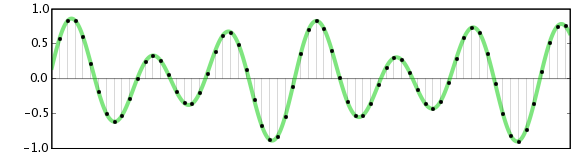
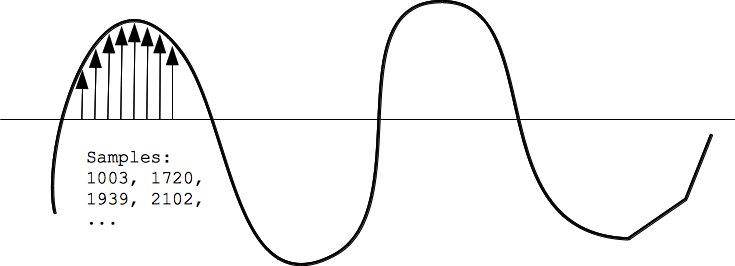
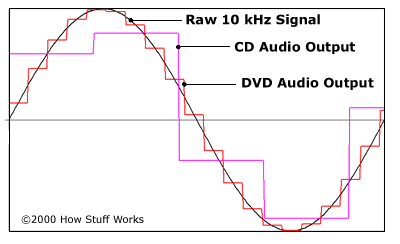
For its part, the music industry has regressed for some time. Brief history … While until the 1980s songs were played primarily on vinyl records (also called microgroove records), it gradually made its way to compact disc (the CD). So we go from analog to digital. Great revolution and great success for this new support! However, despite its crystal-clear quality guaranteed without cracks (due to lightning and dust) and its long duration (74 min. And 33 seconds on a CD versus 20 to 30 minutes on either side of a 33 turn (1 / 3) and 5 minutes and 30 seconds on each side of 45 rpm) the compact disc was not unanimous. Your problem? First, its resolution. 16 Bit for 44.1kHz is little compared to the aforementioned values for Blu-Ray and with the analog properties of studio tape recording. Second, it is sometimes recognized to be relatively cold (even if nothing is proven and blind listening has revealed that it is a subjective impression). However, technically, the CD signal cannot accurately transcribe the original signal as can be seen in the diagram below. Therefore, we are dealing with a first potential loss of audio data.
Then came the mp3
MP3 allows you to compress the “assumed” source without quality loss to reduce file size. It is the ideal format for exchanging files on the Internet. Since the file can weigh 4, 8, 16 times less (or even more depending on the chosen configuration), the download time is considerably reduced. If you were familiar with Napstera in the early 2000s and 14,400 kbps modems, you knew how important file size was for transfers at the time. Since then, the speed of connections has evolved enormously, files would no longer need to be compressed during shipping. However, the mp3 with the reduced size continues to be used because it allows to put many songs on the different iPod type players or smartphones, the latter being relatively limited in disk space, most of the memory is occupied by the operating system, applications and Photos and Videos.
To compress the song and transform it into mp3 (and therefore reduce its size), it is necessary to delete the data from the original signal. The suppressed frequencies are intelligently removed in a passage where we don’t hear them. Finally … one more time “supposedly” … Because when we compare a 128kbps mp3 and the original .wav file, the difference is obvious most of the time (or rather should tell the ears). The size of an mp3 file converted to 128 kbps is 11 times smaller than the original. Therefore, there is necessarily some information that is removed from the base file. Here we notice this compression, it is especially in the treble where we can detect a certain loss of brightness (see TIDAL video without loss explained later in this article). The sound seems a little more muffled. The second most important and disturbing effect in my opinion is the creation of audio artifacts (non-existent in the original audio) that “pollute” the signal. It looks like a computer that would beep very quickly underwater. These become very audible during low volume passages. To avoid this as much as possible, we recommend that you scan your library at 320kbps or even 256kbps (if you have limited space) but not below the risk of losing a certain listening quality. In the following video you can listen to the same excerpt at different compression speeds ranging from 8 kbps to 320 kbps.




Comments:
This article provided a comprehensive comparison of MP3 and AAC, shedding light on the nuances of audio compression. As a music enthusiast, I found the insights valuable in understanding the trade-offs between file size and audio quality.
– MusicLover123
As a podcast producer, I appreciated the detailed analysis of MP3 and AAC compression. The article highlighted the importance of selecting the right format to ensure optimal audio quality for listeners.
– PodcasterPro
While I’ve been using MP3 for years, this article opened my eyes to the benefits of AAC compression. I’m excited to explore AAC further and potentially improve the audio quality of my digital music library.
– AudioExplorer
This article provided a balanced perspective on MP3 and AAC compression, addressing both the technical aspects and real-world implications. I appreciated the clear explanations and practical examples.
– TechEnthusiast77
As a digital DJ, I found this article to be incredibly informative. Understanding the differences between MP3 and AAC compression will undoubtedly impact my music selection and mixing techniques.
– DJMasterMix
Great article! The comparison between MP3 and AAC compression was eye-opening, especially regarding the trade-offs between file size and audio quality. I’ll definitely be sharing this with my friends.
– MusicFanatic99
This article provided valuable insights into the world of audio compression. As a budding audio engineer, I’m eager to explore AAC further and incorporate it into my workflow for optimal sound quality.
– AudioNovice