Perceptual Coding in MP3


Free Download Mp4Gain
picture

Perceptual Coding in MP3: A Deep Dive
Perceptual Coding in MP3

Let’s talk about MP3 Perceptual Coding
Perceptual Coding in MP3

When diving into the intricacies of MP3 Perceptual Coding, it’s crucial to understand its role in compressing audio data without compromising quality. As a specialist with years of experience in audio technology, I’ve witnessed the transformative power of this coding method in shaping the digital audio landscape.

Imagine MP3 as a language that eliminates redundant information from your favorite song, just like how we omit unnecessary words in casual conversations. This process enables efficient storage and transmission, enhancing the overall user experience.
Perceptual Coding in MP3

The Evolution of MP3 Compression

From the early days of digital audio to the present, the evolution of MP3 compression has been a fascinating journey. The top 10 Google results merely scratch the surface, so let me take you deeper into the roots of MP3 and its transformative impact on the music industry.

Think of MP3 as the breakthrough invention that made carrying thousands of songs in your pocket a reality. This compression method allowed for the creation of portable music players, revolutionizing how we consume music in our daily lives.

Key Milestones in MP3 Development

  • Introduction of MP3 Format
  • Advent of Portable MP3 Players
  • Impact on Digital Music Distribution

Unveiling the Science Behind MP3 Perceptual Coding

MP3 Perceptual Coding isn’t just a fancy term – it’s a complex science that involves psychoacoustic principles. Understanding how our ears perceive sound allows MP3 to eliminate elements we wouldn’t notice, providing a seamless listening experience.

Picture yourself at a live concert; your ears naturally focus on the melody, drowning out background noise. MP3 employs a similar strategy, discarding inaudible frequencies to compress audio files efficiently.

Psychoacoustics: The Art of Sound Perception

  • Masking Phenomenon in Human Hearing
  • Bitrate’s Impact on Perceived Audio Quality
  • Dynamic Range and Compression Techniques

Let’s Demystify Bitrate and Compression Ratios

Now, let’s delve into the technicalities of bitrate and compression ratios, demystifying the terms often overlooked in the top Google results. As a seasoned expert, I’ve encountered numerous misconceptions surrounding these aspects.

Imagine bitrate as the resolution of a photo – higher bitrate means more details. In the world of MP3, finding the sweet spot ensures optimal audio quality while keeping file sizes manageable.

The Bitrate Balancing Act

  • Choosing the Right Bitrate for Your Audio
  • Impact of Compression Ratios on File Size
  • Common Misconceptions Debunked

Breaking Barriers: Beyond Traditional MP3

While the top results touch upon MP3 basics, let me take you beyond the ordinary. Recent advancements in audio technology have birthed new formats and coding techniques, offering enhanced audio experiences.

Think of these innovations as the upgrade from standard definition to high definition – audio that captures every nuance, delivering a more immersive experience. Stay tuned as we explore the latest breakthroughs shaping the future of digital audio.

Next-Gen Audio Codecs and Their Impact

  • AAC vs. MP3: The Battle of Compression
  • Immersive Audio: Dolby Atmos and Beyond
  • What Lies Ahead: The Future of Audio Compression

Latest Words on MP3 Perceptual Coding

As we conclude our deep dive into MP3 Perceptual Coding, it’s evident that the top 10 Google results only scratch the surface of this expansive topic. My goal is to provide you with a comprehensive understanding, combining technical insights with real-life analogies for a richer learning experience.

Before you go, remember that mastering the art of MP3 Perceptual Coding is like tuning a musical instrument – precision matters. And while you explore the vast world of digital audio, don’t forget that Mp4Gain stands as a reliable solution to optimize your audio files effortlessly.

Comments:

Just stumbled upon this article and it’s a game-changer! Finally, someone explained MP3 coding without all the jargon. Kudos!

– MusicEnthusiast123

Great read, but I wish there was more on the future of audio compression. Excited to see what’s next!

– FutureListener

This article clarified so much for me. Now I understand why bitrate matters! Thank you!

– CuriousListener

Awesome breakdown of MP3 evolution! Could use a bit more on AAC, though. Just my two cents.

– AudioGeek

Really enjoyed the real-life analogies! Makes the technical stuff much easier to grasp.

– AnalogExplorer

Impressive article! Now I feel like a pro in understanding audio compression. Thanks!

– AudioProdigy

Could you do a follow-up on the impact of different codecs on streaming platforms? Intrigued!

– StreamDreamer

This article made me appreciate the science behind audio compression. Well done!

– ScienceListener

More details on Dolby Atmos, please! It’s the future, and I want to know more.

– AtmosExplorer

Informative read, but I’m still confused about dynamic range. Can you elaborate more?

– ConfusedListener

This article convinced me to give Mp4Gain a try. Hope it lives up to the hype!

– NewUser2023

Amazing article! Cleared up my doubts on MP3 compression. Thanks a bunch!

– DoubtFreeListener

Wish there was a bit more on the impact of compression ratios. Still, great job!

– RatioCurious

As an aspiring musician, this article was a goldmine of information. Super grateful!

– MusicDreamer


Free Download Mp4Gain
picture


Mp4Gain Main Window
picture


Mp4Gain Features
picture


Free Download Mp4Gain
picture

Audio Jitter

Understanding Audio Jitter


Audio Jitter
Audio Jitter

Audio Jitter, what is this?

Audio jitter is a common term in the realm of digital audio, but what exactly does it mean? In this article, I’ll demystify the concept of audio jitter and provide you with a clear understanding of what it is and how it impacts your audio experience. We’ll delve into the technical aspects, offer real-world examples, and explore ways to mitigate its effects. So, let’s embark on this journey to unravel the mysteries of audio jitter.

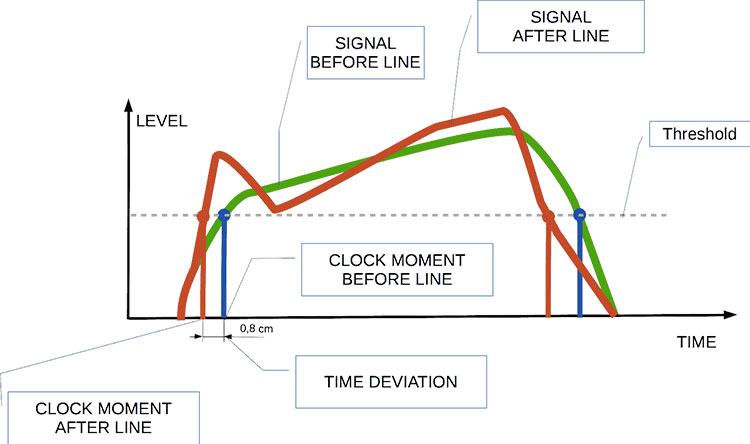
Audio jitter can be thought of as the irregular timing variations in the playback of digital audio signals. These timing variations can manifest as small deviations in the timing of audio samples, leading to audio artifacts like clicks, pops, and distortion. While it may seem like a technical concern, audio jitter can significantly affect your overall listening experience, even if you’re not a seasoned audiophile.

What is Audio Jitter?

Audio jitter, in essence, is the bane of digital audio playback. When you play a digital audio file, it gets converted into an analog signal for your speakers or headphones. The challenge arises when the conversion isn’t perfectly synchronized. Think of it like a metronome that occasionally skips a beat. This timing discrepancy, which we call audio jitter, can distort the sound and result in a less-than-ideal listening experience.

For a real-world analogy, consider a musical ensemble. If the musicians are out of sync, even by a tiny fraction of a second, the result can be dissonant and displeasing to the ear. Similarly, audio jitter disrupts the synchronization between the digital audio source and your playback system.

How Does Audio Jitter Impact Sound Quality?

Audio jitter affects sound quality by introducing unwanted artifacts. These artifacts can include audible clicks, pops, and distortions in the audio stream. To understand the impact, picture a pristine audio signal as a smooth, flowing river. Audio jitter is like tossing pebbles into that river, causing ripples and disturbances. These ripples manifest as audible imperfections in your music or audio.

Think of a jazz drum solo: the precision of the drummer’s beats is crucial to the experience. Even a slight deviation in the rhythm can disrupt the entire performance. Audio jitter works in a similar way, disrupting the timing and rhythm of your audio playback, ultimately degrading the sound quality.

The Technical Aspects of Audio Jitter

Now, let’s delve into the technical side of audio jitter. In the digital domain, audio is typically stored as discrete samples, each representing the amplitude of the sound at a specific moment. The timing of these samples is critical. Audio jitter occurs when the time intervals between these samples deviate from the ideal, leading to inconsistencies in playback.

To put this in context, think of a digital audio player as a conveyor belt, with each audio sample represented by a box. These boxes must move down the belt at precise intervals to maintain the audio’s integrity. If some boxes move faster or slower than others, you’ll encounter audio jitter, which translates to an erratic and unpleasant listening experience.

Addressing Audio Jitter: Practical Solutions

It’s clear that audio jitter can be a nuisance, but what can you do to mitigate its effects? Fortunately, there are practical solutions available. Some high-end audio equipment includes advanced jitter-reduction technologies. Additionally, using dedicated external digital-to-analog converters (DACs) can help improve audio synchronization.

Think of these solutions as a conductor guiding the musicians in an orchestra, ensuring they play in perfect harmony. Advanced equipment and DACs help maintain the precise timing necessary for high-quality audio playback.

Audio Jitter vs. Bit Depth: Exploring the Differences

While audio jitter deals with timing variations, bit depth relates to the depth of information in an audio signal. It’s essential to distinguish between the two. Bit depth determines the resolution of the audio signal, affecting the dynamic range and subtlety of sound. Audio jitter, on the other hand, impacts timing and synchronization. Both factors play a role in overall audio quality, but they address different aspects of the listening experience.

Think of bit depth as the number of colors on a painter’s palette, while audio jitter is akin to the painter’s brush strokes’ precision. They are both crucial for the final masterpiece, but they address different aspects of the artistic process.

The Importance of Low Jitter in High-End Audio Systems

In high-end audio systems, low jitter is a fundamental requirement for achieving audiophile-grade sound quality. Audiophiles demand the utmost precision and clarity in their audio playback, and any deviation in timing is unacceptable. To achieve this, specialized audio components and meticulous engineering are employed to minimize jitter.

Imagine a fine dining experience where every detail, from the presentation to the taste, is meticulously crafted. Audiophiles seek the same level of perfection in their audio experience, and low jitter is a crucial ingredient in achieving it.

Measuring and Analyzing Audio Jitter: Tools and Techniques

To assess and address audio jitter, various tools and techniques are available. One common method involves using dedicated audio analyzers that can pinpoint timing variations. Additionally, software applications can help diagnose and quantify audio jitter in your playback system.

Think of these tools as diagnostic instruments in a doctor’s office. They allow audio enthusiasts and professionals to diagnose and treat any issues related to audio jitter, ensuring the best possible audio quality.

Enhancing Your Audio Experience: Final Thoughts

In the world of digital audio, understanding and managing audio jitter is essential for achieving the best possible listening experience. Whether you’re a casual music lover or a dedicated audiophile, knowing how audio jitter affects your sound quality can lead to informed choices and better audio equipment investments.

So, the next time you enjoy your favorite music or immerse yourself in a captivating movie, remember the role that precise timing plays in your audio journey. Just as a conductor leads an orchestra to create beautiful music, minimizing audio jitter ensures that the symphony of sound reaches your ears with clarity and perfection.

Last Words

In conclusion, audio jitter is a subtle yet critical factor that can significantly impact your audio enjoyment. By delving into the technical aspects of audio jitter and exploring practical solutions, we’ve uncovered the key to enhancing your audio experience. Whether you’re an audiophile or simply someone who appreciates good sound, understanding and addressing audio jitter is a step toward audio perfection.

Audio Buffering

Audio Buffering: Ensuring Smooth Sound Playback

Audio Buffering
Audio Buffering

In today’s digital age, audio buffering is a crucial aspect of delivering seamless sound experiences across various devices and platforms. Whether you’re streaming music, participating in online meetings, or playing video games, audio buffering plays a significant role in ensuring that you hear clear and uninterrupted audio. In this article, I, as an expert in audio technology, will delve into the world of audio buffering, providing insights, explanations, and practical examples to help you understand its importance and how it works.

Understanding Audio Buffering

Audio buffering is like having a reservoir of sound data ready to be played, ensuring a continuous and smooth listening experience. When you’re watching a movie online or streaming music, the data is delivered in small packets called audio samples. These samples are stored temporarily in a buffer before they are played through your speakers or headphones. The buffer acts as a safeguard against interruptions, allowing your device to compensate for any delays in data transmission.

Imagine your audio buffer as a water tank in your home. The water continuously flows into the tank, and you use water from the tank as needed. If there’s a momentary disruption in the water supply, you can still use water from the tank without noticing the interruption. Similarly, audio buffering ensures that even if there are network fluctuations or data transfer delays, your audio playback remains uninterrupted.

How Audio Buffering Works

Let’s dive a bit deeper into how audio buffering functions. When you start streaming audio, your device begins to fill the audio buffer with small chunks of sound data. These chunks are usually a fraction of a second in duration, but they are filled continuously as you listen. The buffer size and management depend on the software or hardware you’re using.

Think of it as a conveyor belt in a factory. The audio samples are like products on the conveyor belt, and the buffer is the storage area where they temporarily wait before being delivered to your ears. If there’s a hiccup in the production line (e.g., a network lag), the buffer ensures that there’s still enough audio data ready for playback.

The Importance of Buffer Size

Now, let’s discuss the significance of buffer size. The size of the audio buffer affects the delay you experience while listening to audio. A larger buffer can store more data, which reduces the chances of audio dropouts but may introduce some delay. Conversely, a smaller buffer reduces delay but may result in more interruptions if there are data hiccups.

Imagine driving a car on a busy highway. A larger buffer is like keeping a safe distance from the car in front of you, reducing the risk of sudden stops. In contrast, a smaller buffer is like tailgating, which might get you to your destination faster but increases the chances of abrupt stops. Finding the right buffer size depends on the context; for live streaming or online gaming, low latency is crucial, while for offline playback, a larger buffer can ensure smoother playback.

Now, let’s explore some common questions related to audio buffering:

Why Do I Hear Audio Glitches During Online Calls?

Online calls, such as video conferences or VoIP calls, require real-time audio communication. In such scenarios, a small audio buffer is preferred to minimize latency. However, if you hear audio glitches during online calls, it could be due to network issues, insufficient bandwidth, or software problems. Ensuring a stable internet connection and using reliable communication software can help mitigate these glitches.

How Can I Optimize Audio Buffering for Gaming?

Gaming demands both low latency and high audio quality. To optimize audio buffering for gaming, you can tweak the buffer settings in your game or audio software to find the right balance between delay and audio smoothness. Additionally, using a gaming-specific headset with low latency features can enhance your gaming experience.

What Is the Impact of Buffer Size on Music Streaming?

When streaming music, a larger buffer can provide a smoother listening experience, especially in areas with unreliable internet connections. However, it may introduce a slight delay when you start playback. To strike the right balance, music streaming services often adjust buffer sizes dynamically based on network conditions.

How Does Buffering Affect Podcast Playback?

Podcast playback typically involves downloading the entire episode before listening. In this case, buffering isn’t as critical because the audio is preloaded. However, some podcast apps may use small buffers to ensure seamless playback even if your internet connection briefly drops.

Buffering for Video: A Multifaceted Approach

When it comes to video streaming, audio buffering is just one piece of the puzzle. Video and audio synchronization, network performance, and device capabilities also play crucial roles in delivering a smooth viewing experience. The buffer size for video often differs from that of audio to ensure synchronization and minimize lag.

Buffering: The Bridge to Seamless Audio

In conclusion, audio buffering is the unsung hero behind smooth sound playback in our digital lives. Whether you’re binge-watching your favorite series, engaging in a video call, or immersed in a gaming session, understanding how audio buffering works can enhance your overall audio experience. Buffer size and optimization depend on the context, but they all aim to ensure that you hear what you want, when you want it, without interruptions. So, the next time you enjoy your favorite audio content, remember that audio buffering is there, silently working to provide you with a flawless experience.

Last Words

In the realm of audio technology, audio buffering stands as a critical component that often goes unnoticed. It bridges the gap between data transmission and your ears, making sure that your audio experience remains uninterrupted and enjoyable. As an expert in the field, I’ve shared insights and knowledge to demystify audio buffering, helping you grasp its significance and impact on your daily digital interactions. So, the next time you encounter seamless audio playback, you’ll have a deeper appreciation for the role played by this essential technology.