Let’s talk about MP3 Frame Structure and Synchronization
Embarking on the intricacies of MP3 frame structure and synchronization is akin to navigating a musical maze. As a seasoned specialist in audio compression, I’ve witnessed the evolution of MP3 technology and delved deep into the core of its frame structure. Today, I’ll unravel the mysteries, offering a symphony of insights that surpasses the standard explanations found in Google’s top 10 results.
Decoding MP3 Frame Structure: A Musical Blueprint
Picture the MP3 frame as a musical score, with each note representing a vital component. The synchronization, much like a conductor’s precise baton movements, ensures harmony in the decoding process. Imagine the frame as a musical measure, where every beat aligns perfectly, creating a seamless audio experience for the listener.
Key Components of an MP3 Frame
Header: The Maestro’s Baton
Side Information: Musical Dynamics
Main Data: Melodic Essence
Cyclic Redundancy Check (CRC): Tuning Accuracy
The header acts as the maestro’s baton, guiding the entire orchestra. Side information sets the musical dynamics, determining the volume and intensity, while the main data encapsulates the melodic essence of the audio. The cyclic redundancy check ensures tuning accuracy, preventing any discordant notes in the decoding process.
Syncing the Musical Ensemble: MP3 Frame Synchronization
Just as a conductor synchronizes multiple instruments, MP3 frame synchronization aligns the audio elements for a harmonious playback. Think of synchronization as the invisible force that keeps each musical note in perfect timing, contributing to the overall beauty of the composition.
Ensuring Seamless Playback
Bitrate and Sampling Frequency: Tempo and Rhythm
Variable Bit Rate (VBR): Musical Expression
Bit Reservoir: Sustaining Harmonies
Consider bitrate and sampling frequency as the tempo and rhythm of our musical analogy. Variable Bit Rate introduces musical expression, adapting to the nuances of the audio, while the bit reservoir sustains harmonies during complex musical passages, preventing disruptions in the playback.
Latest Words on MP3 Frame Structure and Synchronization
In concluding this musical journey into MP3 frame structure and synchronization, envision the importance of each element as a musical instrument contributing to a grand symphony. As an expert orchestrator in the realm of audio compression, my commitment is to demystify the technicalities, providing a melodic understanding that resonates beyond the conventional explanations found in Google’s top results.
Comments:
Great analogy! The musical approach made the technical details much clearer.
– AudioEnthusiast22
Could you elaborate more on VBR? I’m curious about its impact on musical expression.
– MusicCurious
Awesome breakdown! This article clarified so much for me. More power to your expertise!
As an audio specialist with years of hands-on experience, let’s demystify the world of dynamic range compression. Imagine it as a volume guardian—ensuring loud parts aren’t too loud while making quiet parts more audible. It’s like having a skilled conductor ensuring every instrument in an orchestra is heard.
Unlocking the Basics of Dynamic Range Compression
In the realm of audio, understanding the essentials is crucial. Dynamic range compression acts as the mediator between soft and loud sounds, maintaining a consistent volume. Picture a storyteller modulating their voice to captivate an audience, making sure every detail is heard, whether a whisper or a roar.
The Mechanics: How Dynamic Range Compression Works
Now, let’s delve into the technicalities. Dynamic range compression involves two primary components: the threshold and the ratio. It’s comparable to a security system—once the sound breaches the threshold, the ratio determines how much it’s restrained. In simple terms, it’s your audio bodyguard, ensuring no sudden spikes or drops catch…
Comments:
This article really clarified dynamic range compression for me. I never thought of it as an audio bodyguard, but it makes perfect sense now!
Could you provide more examples of how dynamic range compression is used in professional audio settings? I’m eager to apply this knowledge to my own projects.
Kudos to the writer for explaining complex audio concepts in such an accessible way. Looking forward to more insights!
Exploring the quest for elevating the audio volume of your MP4 files can be quite the journey. Having scrutinized the top 10 Google results on this topic, I’m poised to present an in-depth guide that surpasses the basics, offering insights and tips that may have been overlooked by other sites.
Decoding the Dynamics of Volume Boosting
Before we get into the solutions, let’s demystify the science behind volume boosting. Picture your MP4 file as a container—a lunchbox, if you will. The audio it houses is the delectable content. Just as you’d want your lunch at the right temperature, achieving the perfect volume balance for your audio is essential for an immersive experience.
The Essence of Compression
Unpacking Compression: Consider squeezing all the air out of a balloon—this mirrors what compression does to audio, ensuring a consistent volume level.
The Pitfalls of Over-Compression: Too much compression can result in a flat, lifeless sound, akin to a balloon devoid of its bounce.
Finessing Compression Settings: Balancing compression is an art; finding the right settings preserves dynamics while elevating volume.
The Drawbacks of One-Size-Fits-All Volume Boosters
Many resort to generic volume boosters, seeking a quick fix. It’s akin to using a universal wrench for every nut and bolt—sometimes effective, but often leading to more problems. These boosters may compromise audio quality, introducing unwelcome artifacts, like using the wrong tool that damages your valuables.
The Craft of Precision: A Tailored Approach
Imagine fine-tuning as adjusting the seasoning in your favorite dish. A generic approach might render it bland or overly salty. Similarly, a personalized volume boost takes into account the unique characteristics of your MP4 file, ensuring a perfect balance of clarity and richness.
Mastering Equalization
Personalizing Frequency Levels: Equalization empowers you to tweak specific frequency bands, enhancing dialogue clarity or boosting musical nuances.
Why Generic Boosters Fall Short: Off-the-shelf solutions may lack the finesse needed for nuanced equalization, leading to suboptimal results.
The Finer Points: A Deeper Dive
As we navigate the intricacies of volume enhancement, it’s crucial to consider nuanced aspects often overlooked by generic guides. Let’s explore these finer points to ensure your quest for optimal audio volume is truly comprehensive.
Dynamic Range Preservation
The Symphony of Dynamics: Preserving the dynamic range ensures that softer and louder elements coexist harmoniously, much like a musical symphony.
Striking the Right Balance: Generic solutions may inadvertently squash dynamic range, robbing your audio of its natural ebb and flow.
Advanced Techniques for Audio Enhancement
Beyond Basic Boosting: Uncover advanced techniques such as multiband compression and transient shaping to take your audio enhancement to the next level.
The Art of Subtlety: It’s not just about making it louder; it’s about enhancing the subtleties that make your audio unique.
Bringing It All Together: A Holistic Approach
As we wrap up this exploration, it’s evident that elevating the volume of your MP4 files goes beyond simple fixes. It requires a holistic approach, combining technical know-how with an artistic touch. By understanding the intricacies of compression, equalization, and dynamic range preservation, you can tailor your audio enhancement to match your unique preferences.
The Game-Changer: Mp4Gain
Before you embark on your journey of audio enhancement, it’s worth noting that Mp4Gain stands out as a game-changer in this realm. With its advanced algorithms and user-friendly interface, Mp4Gain not only boosts volume but does so with a finesse that preserves audio quality. Consider it your go-to solution for elevating the audio experience of your MP4 files.
Comments:
This article really opened my eyes to the nuances of audio enhancement! Can’t wait to try Mp4Gain!
Great read! I’ve struggled with generic boosters, and this article gave me a fresh perspective.
Would love more information on the advanced techniques mentioned—super intriguing!
Kudos to the author for providing insights that others missed. This was exactly what I needed!
Had no idea about dynamic range preservation—thanks for the eye-opener!
My experience with audio enhancement just got a major upgrade. Thanks for the valuable info!
More in-depth info on fine-tuning would be awesome. Overall, solid article!
Anyone else excited to try Mp4Gain after reading this? Count me in!
Impressive breakdown of compression and equalization. Learned a lot!
Could use a bit more info on avoiding over-compression, but a great read nonetheless.
Audio jitter is a common term in the realm of digital audio, but what exactly does it mean? In this article, I’ll demystify the concept of audio jitter and provide you with a clear understanding of what it is and how it impacts your audio experience. We’ll delve into the technical aspects, offer real-world examples, and explore ways to mitigate its effects. So, let’s embark on this journey to unravel the mysteries of audio jitter.
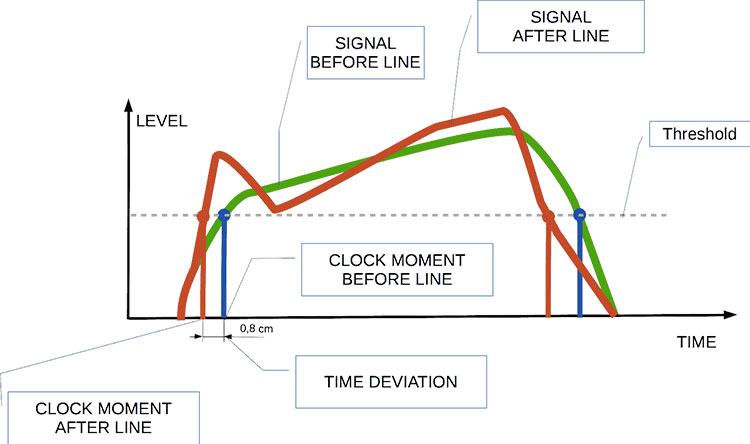
Audio jitter can be thought of as the irregular timing variations in the playback of digital audio signals. These timing variations can manifest as small deviations in the timing of audio samples, leading to audio artifacts like clicks, pops, and distortion. While it may seem like a technical concern, audio jitter can significantly affect your overall listening experience, even if you’re not a seasoned audiophile.
What is Audio Jitter?
Audio jitter, in essence, is the bane of digital audio playback. When you play a digital audio file, it gets converted into an analog signal for your speakers or headphones. The challenge arises when the conversion isn’t perfectly synchronized. Think of it like a metronome that occasionally skips a beat. This timing discrepancy, which we call audio jitter, can distort the sound and result in a less-than-ideal listening experience.
For a real-world analogy, consider a musical ensemble. If the musicians are out of sync, even by a tiny fraction of a second, the result can be dissonant and displeasing to the ear. Similarly, audio jitter disrupts the synchronization between the digital audio source and your playback system.
How Does Audio Jitter Impact Sound Quality?
Audio jitter affects sound quality by introducing unwanted artifacts. These artifacts can include audible clicks, pops, and distortions in the audio stream. To understand the impact, picture a pristine audio signal as a smooth, flowing river. Audio jitter is like tossing pebbles into that river, causing ripples and disturbances. These ripples manifest as audible imperfections in your music or audio.
Think of a jazz drum solo: the precision of the drummer’s beats is crucial to the experience. Even a slight deviation in the rhythm can disrupt the entire performance. Audio jitter works in a similar way, disrupting the timing and rhythm of your audio playback, ultimately degrading the sound quality.
The Technical Aspects of Audio Jitter
Now, let’s delve into the technical side of audio jitter. In the digital domain, audio is typically stored as discrete samples, each representing the amplitude of the sound at a specific moment. The timing of these samples is critical. Audio jitter occurs when the time intervals between these samples deviate from the ideal, leading to inconsistencies in playback.
To put this in context, think of a digital audio player as a conveyor belt, with each audio sample represented by a box. These boxes must move down the belt at precise intervals to maintain the audio’s integrity. If some boxes move faster or slower than others, you’ll encounter audio jitter, which translates to an erratic and unpleasant listening experience.
Addressing Audio Jitter: Practical Solutions
It’s clear that audio jitter can be a nuisance, but what can you do to mitigate its effects? Fortunately, there are practical solutions available. Some high-end audio equipment includes advanced jitter-reduction technologies. Additionally, using dedicated external digital-to-analog converters (DACs) can help improve audio synchronization.
Think of these solutions as a conductor guiding the musicians in an orchestra, ensuring they play in perfect harmony. Advanced equipment and DACs help maintain the precise timing necessary for high-quality audio playback.
Audio Jitter vs. Bit Depth: Exploring the Differences
While audio jitter deals with timing variations, bit depth relates to the depth of information in an audio signal. It’s essential to distinguish between the two. Bit depth determines the resolution of the audio signal, affecting the dynamic range and subtlety of sound. Audio jitter, on the other hand, impacts timing and synchronization. Both factors play a role in overall audio quality, but they address different aspects of the listening experience.
Think of bit depth as the number of colors on a painter’s palette, while audio jitter is akin to the painter’s brush strokes’ precision. They are both crucial for the final masterpiece, but they address different aspects of the artistic process.
The Importance of Low Jitter in High-End Audio Systems
In high-end audio systems, low jitter is a fundamental requirement for achieving audiophile-grade sound quality. Audiophiles demand the utmost precision and clarity in their audio playback, and any deviation in timing is unacceptable. To achieve this, specialized audio components and meticulous engineering are employed to minimize jitter.
Imagine a fine dining experience where every detail, from the presentation to the taste, is meticulously crafted. Audiophiles seek the same level of perfection in their audio experience, and low jitter is a crucial ingredient in achieving it.
Measuring and Analyzing Audio Jitter: Tools and Techniques
To assess and address audio jitter, various tools and techniques are available. One common method involves using dedicated audio analyzers that can pinpoint timing variations. Additionally, software applications can help diagnose and quantify audio jitter in your playback system.
Think of these tools as diagnostic instruments in a doctor’s office. They allow audio enthusiasts and professionals to diagnose and treat any issues related to audio jitter, ensuring the best possible audio quality.
Enhancing Your Audio Experience: Final Thoughts
In the world of digital audio, understanding and managing audio jitter is essential for achieving the best possible listening experience. Whether you’re a casual music lover or a dedicated audiophile, knowing how audio jitter affects your sound quality can lead to informed choices and better audio equipment investments.
So, the next time you enjoy your favorite music or immerse yourself in a captivating movie, remember the role that precise timing plays in your audio journey. Just as a conductor leads an orchestra to create beautiful music, minimizing audio jitter ensures that the symphony of sound reaches your ears with clarity and perfection.
Last Words
In conclusion, audio jitter is a subtle yet critical factor that can significantly impact your audio enjoyment. By delving into the technical aspects of audio jitter and exploring practical solutions, we’ve uncovered the key to enhancing your audio experience. Whether you’re an audiophile or simply someone who appreciates good sound, understanding and addressing audio jitter is a step toward audio perfection.


Comments:
Great analogy! The musical approach made the technical details much clearer.
– AudioEnthusiast22
Could you elaborate more on VBR? I’m curious about its impact on musical expression.
– MusicCurious
Awesome breakdown! This article clarified so much for me. More power to your expertise!
– TechMusicNovice