
Enhancing AAC Audio Quality through Parametric Coding
Let’s Talk about Enhancing AAC Audio Quality
As a specialist with extensive experience in audio coding, I delve into the realm of Advanced Audio Coding (AAC) and the revolutionary concept of parametric coding. Google’s top 10 results might touch the surface, but here, I aim to offer a comprehensive guide that goes beyond the standard information available.
Understanding AAC: A Brief Overview
AAC, or Advanced Audio Coding, has been a game-changer in the world of audio compression. Its efficiency in maintaining high sound quality while reducing file size has made it a go-to choice for various applications. In my experience, understanding the fundamentals of AAC lays the groundwork for exploring parametric coding enhancements.
Parametric Stereo Coding: Redefining Spatial Perception
Traditional AAC often relies on intensity stereo and joint stereo coding for creating a stereo image. However, parametric stereo coding takes this a step further by representing stereo information through parameters like inter-channel level differences and phase variations. This method significantly improves the spatial perception of audio, providing an immersive listening experience.
Unlocking the Depths: Parametric Coding for Low Frequencies
In the pursuit of richer audio experiences, parametric coding techniques for low frequencies play a crucial role. By efficiently describing low-frequency components, such as bass and sub-bass elements, parametric coding ensures a more robust representation of audio content with a substantial emphasis on low-end frequencies.
Transcending Boundaries: Transient Enhancement with Parametric Techniques
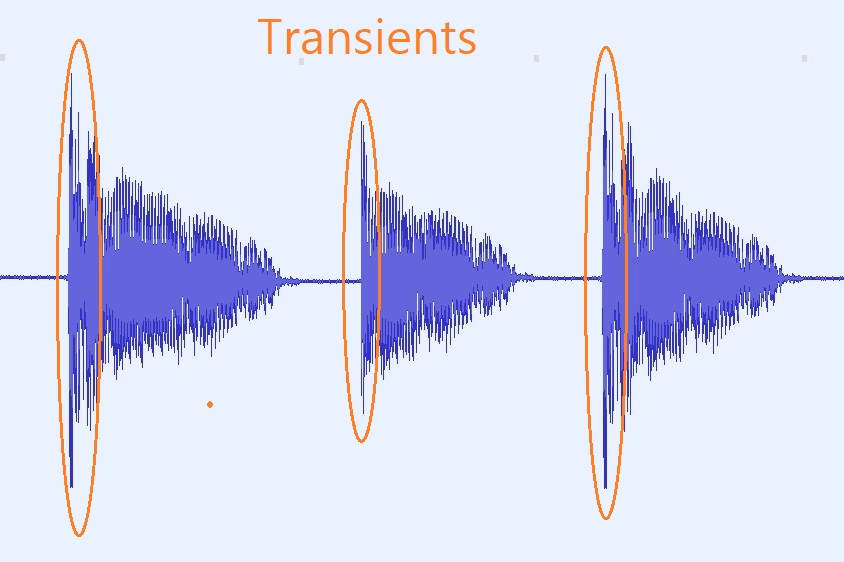
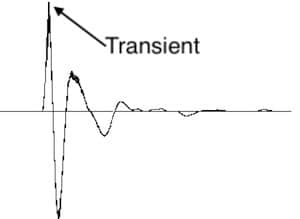
One area where parametric coding shines is in transient enhancement. By utilizing parametric techniques to describe transient elements in audio signals, we can achieve superior results in reproducing sharp and dynamic sound elements. This is particularly impactful in genres where transients play a pivotal role, such as in percussive music genres.
The Art of Parametric Coding: A Personal Perspective
Drawing from my personal experiences, I have witnessed the transformative power of parametric coding in the audio industry. It’s not just about technicalities; it’s about the art of shaping sound. Parametric coding provides a canvas for audio engineers to craft a more nuanced and expressive auditory experience.
Latest Words on Enhancing AAC Audio Quality
In the ever-evolving landscape of audio technology, staying updated is crucial. As an expert, I’m committed to providing the latest insights and innovations in enhancing AAC audio quality. Let’s explore the cutting-edge developments and advancements that go beyond what the standard search results offer.
Parametric Coding in Action: Real-world Applications
To truly grasp the impact of parametric coding, let’s delve into real-world applications. Imagine a concert venue where parametric stereo coding creates an immersive experience for the audience, or a studio session where parametric techniques elevate the clarity of low-frequency instruments. These scenarios illustrate the practical benefits of implementing parametric coding in various audio settings.
Optimizing User Experience: The Next Frontier in AAC Enhancement
The quest for superior audio quality doesn’t end with technology—it extends to the user experience. Exploring how parametric coding contributes to a more enjoyable and engaging listening experience is paramount. From personalized sound profiles to adaptive parametric adjustments, the future of AAC enhancement lies in optimizing the user experience.
Beyond the Basics: Parametric Coding and the Unexplored Horizons
Google’s search results may provide a glimpse into parametric coding, but there’s more to discover. This section delves into the unexplored horizons of parametric coding, offering insights and information that go beyond the basics. Let’s navigate the complexities and possibilities that lie within the realm of advanced audio coding.
Why Parametric Coding Matters: A Deeper Dive
As an expert, I can confidently say that the significance of parametric coding extends beyond its technical aspects. It’s about preserving the nuances of musical expression, capturing the soul of a performance, and delivering an audio experience that transcends conventional boundaries. Let’s unravel why parametric coding matters in the grand tapestry of audio innovation.
The Future Sounds Bright: Advancements on the Horizon
Wrapping up our exploration, let’s look towards the future. What advancements and innovations can we anticipate in the realm of enhancing AAC audio quality through parametric coding? From machine learning integration to adaptive parametric algorithms, the future sounds promising. As an enthusiast and specialist, I’m excited about the evolving landscape that will shape the audio experiences of tomorrow.
Comments:
Could you provide more insights into specific software applications that utilize parametric coding for AAC enhancement?
Nick: TechEnthusiast
Excellent read! The real-world application examples made the concept of parametric coding much clearer.
Nick: MusicMaestro
I appreciate the focus on user experience optimization. It’s an aspect often overlooked in discussions about audio quality.
Nick: UXListener
Great article! However, I’d love more details on the specific challenges faced in implementing parametric coding for AAC.
Nick: CuriousCoder
This article made me rethink the way I perceive audio quality. Looking forward to more in-depth content like this!
Nick: SoundSeeker
Any recommendations for affordable audio devices that leverage parametric coding for enhanced AAC playback?
Nick: BudgetAudiophile
While the article is informative, I’d love to see a follow-up exploring the impact of parametric coding on streaming services.
Nick: StreamSavvy
Thanks for shedding light on the unexplored aspects of parametric coding. A truly enlightening read!
Nick: AudioExplorer
I’m intrigued by the potential of adaptive parametric algorithms. Can you share more about recent developments in this area?
Nick: FutureListener


This article has been a game-changer for me! Finally, someone delves deep into the art of parametric coding. Kudos!
Nick: SonicExplorer92