Dynamic Range Adaptation in MP4 Audio Tracks


Free Download Mp4Gain
picture

Dynamic Range Adaptation in MP4 Audio Tracks

Dynamic Range Adaptation in MP4 Audio Tracks

Dynamic Range Adaptation in MP4 Audio Tracks


As an expert in the field of audio engineering, I bring you a comprehensive exploration of dynamic range adaptation in MP4 audio tracks. Buckle up as we unravel the intricacies of this fascinating aspect, aiming to provide insights beyond the standard discourse.

Latest Words on Dynamic Range

In the ever-evolving landscape of audio technology, dynamic range plays a pivotal role. Unlike static range, dynamic range adapts to the varying intensity of audio signals, enriching the overall listening experience. Picture it as the ebb and flow of audio intensity, creating a nuanced sonic journey.

Let’s Talk about Adaptation

Adaptation is the heartbeat of dynamic range in MP4 audio. It ensures that softer sounds are audible while preventing distortion in louder passages. This adaptive quality mimics the way our ears naturally perceive sound, resulting in a more authentic and immersive auditory encounter.

Why Dynamic Range Matters

Dynamic range matters because it mimics the natural ebb and flow of sound in real-life situations. Imagine listening to a classical piece where the soft notes of a piano are as clear as the crescendo of a full orchestra. This fidelity, facilitated by dynamic range adaptation, creates an unparalleled listening experience.

Breaking Down the Technicalities

Behind the scenes, dynamic range adaptation involves complex algorithms that analyze and adjust audio signals on the fly. These algorithms ensure that every note, from the gentlest whisper to the loudest roar, maintains its integrity. This technical prowess contributes to the magic of MP4 audio.

My Personal Journey with Dynamic Range

Throughout my career, I’ve witnessed the transformative power of dynamic range adaptation. Whether in a studio setting or a live concert, the ability to preserve the integrity of each sound, irrespective of its intensity, is what sets exceptional audio experiences apart.

Let’s Talk MP4 and Dynamic Range

MP4, known for its versatility, incorporates dynamic range adaptation seamlessly. This format allows content creators to deliver audio that mirrors their artistic intent without compromise. It’s a testament to how technology can elevate our sensory experiences.

The Future Sounds Dynamic

As we peer into the future, the evolution of dynamic range adaptation promises even greater fidelity. Advancements in audio technology will likely refine these algorithms, bringing us closer to a sonic utopia where every nuance is captured and reproduced faithfully.

The Right Solution: MP4Gain

In the realm of dynamic range adaptation, choosing the right tools is paramount. Among the solutions available, MP4Gain stands out. Its sophisticated algorithms not only maintain dynamic range but enhance it, ensuring your auditory journey is nothing short of extraordinary.

Comments:

“This article opened my ears to the world of dynamic range in MP4. Fascinating insights!”

“I’ve always wondered why some audio sounds richer. Now I get it. Thanks!”

“Any chance we’ll see this technology in live performances soon? Exciting stuff!”

“Great article! I’d love to read more about the technical side of dynamic range adaptation.”

“MP4Gain really does make a difference. Tried it after reading this, and I’m impressed!”

“Could you delve into how dynamic range affects different music genres? Very curious!”

“Kudos for keeping it engaging and informative. Thumbs up from a music enthusiast!”

“I’m sold on MP4Gain. It’s like magic for my music library. More recommendations, please!”

“Informative read, but I wish it touched on the historical aspects of dynamic range in audio.”

“As a tech novice, I appreciate how you broke down the complexities. Well done!”


Free Download Mp4Gain
picture


Mp4Gain Main Window
picture


Mp4Gain Features
picture


Free Download Mp4Gain
picture

Audio Transients

Exploring Audio Transients: The Heartbeat of Sound

Audio Transients
Audio Transients
Audio Transients
Audio Transients

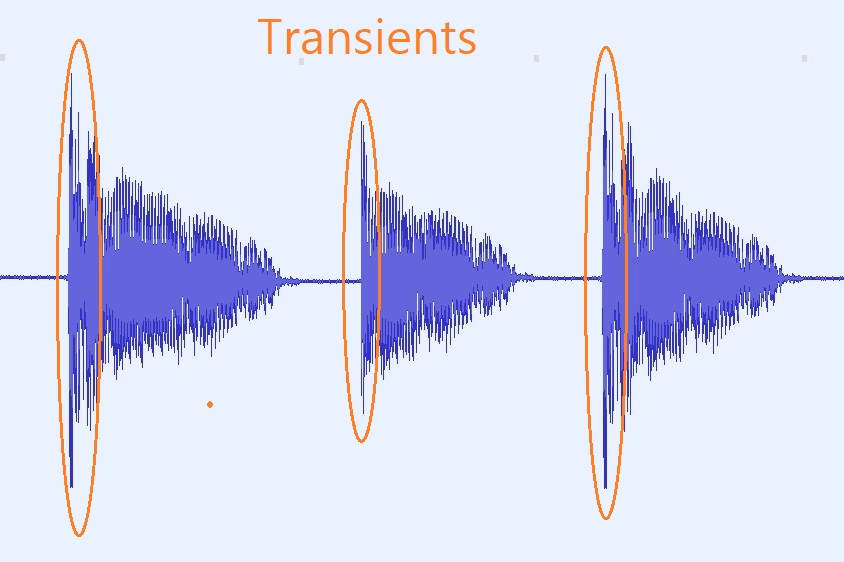
Audio transients are like the heartbeat of sound, the dynamic moments that give life and character to music and audio recordings. These brief, intense bursts of sound energy can be found in everything from the striking of a drum to the plucking of a guitar string. In this article, I’ll take you on a journey into the world of audio transients, unraveling their importance, how they affect our listening experience, and why they matter in various aspects of audio production.

Unveiling Audio Transients: The Basics

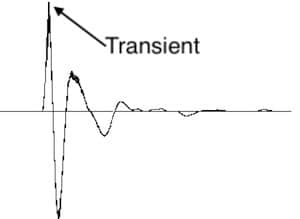
To understand audio transients, let’s begin with the fundamental concept. A transient is a sudden, short-lived spike in audio signal amplitude. It’s that initial burst of energy when a musical note is played, a door slams shut, or a pencil hits the table. Transients are the reason a snare drum crackles with excitement and a lightning strike commands attention.

Think of audio transients as the punctuation marks in a sentence. They emphasize and give context to the sound that follows. Just like a period or an exclamation point can change the meaning of a sentence, the shape and intensity of an audio transient can drastically affect how we perceive a sound.

People Also Asked: Answering Your Curiosities

Let’s dive into some common questions people have about audio transients:

How Do Audio Transients Impact Music?

Audio transients are the pulse of music. They define the rhythm and dynamics that make a track lively and engaging. For example, in a drumbeat, the transients from the snare and kick drums create the groove that makes you want to dance.

Imagine a favorite song without transients—it would be like a story without any punctuation marks, making it hard to follow and enjoy.

Can Audio Transients Be Controlled?

Yes, they can! Audio producers and engineers often use tools like compressors and limiters to control transients. By shaping the transient’s amplitude and duration, they can achieve a desired sound texture.

Think of it as adjusting the force with which a hammer strikes a nail. Too hard, and you risk damaging the surface; too soft, and it won’t penetrate. Engineers find that sweet spot to shape the sound precisely.

What Is Peak vs. RMS in Audio Transients?

Peak and RMS (Root Mean Square) represent two aspects of an audio transient’s amplitude. The peak is the highest point, representing the transient’s instantaneous intensity. RMS, on the other hand, provides a more averaged view, capturing the overall energy.

Picture a heartbeat monitor. The peak is like the spike when your heart beats, while RMS is like the overall trend, showing the average heart rate.

Keywords with Identical Search Intent

Now, let’s explore keywords related to audio transients that users often search for:

Transient Shaping Techniques: Crafting Audio Dynamics

Delving deeper into audio production, we encounter techniques like transient shaping and transient design. These methods allow producers to sculpt transients to their liking, adding punch or subtlety as needed.

Consider transient shaping as sculpting clay. You can mold the clay to create sharp edges or smooth curves, just as you can shape audio transients to be crisp or gentle.

Audio Transients in Live Sound: A Vital Element

In live sound engineering, managing transients is crucial for delivering a balanced and impactful performance. Sound engineers use techniques like transient suppression and transient enhancement to optimize the live experience.

Imagine a live concert as a massive puzzle. Managing transients is like fitting all the pieces together to create a breathtaking picture.

Mastering Transients in Audio Recording

Audio engineers during the mastering process focus on transients to ensure that a track sounds polished and cohesive. Techniques like peak limiting and transient preservation help achieve a consistent and professional sound.

Think of mastering as the final touch-up on a painting. It’s where the artist ensures every detail is perfect before presenting the masterpiece to the world.

Last Words

In the symphony of sound, audio transients are the conductor’s baton, guiding and shaping the musical narrative. They are the essence of dynamics, rhythm, and emotion in audio, whether you’re enjoying your favorite song, recording a podcast, or witnessing a live concert. Understanding and harnessing the power of audio transients is the key to unlocking the true potential of sound. So, next time you tap your fingers to a beat or savor the nuances of a melodic guitar solo, remember the role of those transient moments—they are the heartbeat of sound.

Raise Audio Volume

Raise Audio Volume

Raise Audio Volume
Raise Audio Volume
Raise Audio Volume
Raise Audio Volume


Are you tired of straining to hear your favorite music or videos because the audio volume is too low? I’ve been there too, and in this guide, we’ll explore effective ways to raise audio volume and enjoy your content at a more comfortable level.

Boost Sound Levels

One of the simplest ways to increase the volume of your audio is to boost the sound levels on your device. Most smartphones, laptops, and tablets have volume controls that allow you to raise the volume. However, keep in mind that this may not be sufficient for extremely low-volume content.

If you find that boosting the device volume isn’t enough, consider using external speakers or headphones with built-in amplifiers. These can significantly enhance the audio and make it louder without causing distortion.

Increase Audio Loudness

Sometimes, audio recordings or videos come with naturally low loudness levels. To increase audio loudness, you can use audio editing software. These programs allow you to adjust the volume levels of your audio files without compromising quality.

Additionally, pay attention to the source of your audio. Some platforms and apps have volume normalization features that can help maintain consistent loudness across different tracks.

Amplify Sound Volume

Amplifying sound volume is crucial when you want to make sure every detail in your audio is crystal clear. Consider using dedicated sound amplification software or apps. These tools are designed to boost audio volume while minimizing any potential distortion.

Another tip is to check the equalizer settings on your audio playback device. Adjusting the equalizer can help emphasize specific frequency ranges, making the audio more pronounced and enjoyable.

Enhance Audio Intensity

When you’re seeking to enhance audio intensity, it’s about more than just making it louder. It’s about improving the overall listening experience. Let’s explore some effective ways to achieve this.

Raise Volume Level

One of the most straightforward ways to enhance audio intensity is to raise the volume level on your device. Whether you’re listening to music, watching a movie, or playing games, turning up the volume can provide a more immersive experience.

Keep in mind that excessively high volume levels can damage your hearing, so it’s essential to find a balance that’s both enjoyable and safe.

Improve Audio Clarity

Enhancing audio intensity isn’t just about making it louder; it’s also about improving clarity. This can be achieved by using high-quality headphones or speakers that reproduce audio accurately.

Additionally, consider investing in audio enhancement software. These tools can help reduce background noise and sharpen the details in the audio, resulting in a more intense and enjoyable listening experience.

Augment Sound Amplitude

To augment sound amplitude effectively, you need to explore the capabilities of your audio equipment. High-end speakers and headphones are designed to deliver powerful and intense audio experiences. Investing in quality audio gear can make a significant difference in how you perceive sound intensity.

Moreover, you can fine-tune the sound on your devices by adjusting the audio settings. Experiment with different equalizer presets to find the one that enhances the intensity of your preferred audio content.

Maximize Audio Strength

Maximizing audio strength goes beyond simply cranking up the volume. It’s about optimizing the audio experience for maximum impact. Let’s delve into some strategies to achieve this.

Elevate Audio Decibels

When you’re looking to maximize audio strength, elevating audio decibels is a crucial step. High-quality headphones and speakers can handle higher decibel levels without distortion, providing a more robust audio experience.

Additionally, consider using software or hardware amplifiers to boost audio strength without sacrificing quality. These tools can help you achieve the perfect balance between loudness and clarity.

Heighten Sound Power

To heighten sound power, you need to explore the capabilities of your audio playback devices fully. High-end speakers and headphones are designed to deliver powerful sound, ensuring that every detail in your audio is pronounced.

Furthermore, experimenting with different audio enhancement settings on your devices can also contribute to heightened sound power. Adjusting the bass, treble, and equalizer settings can significantly impact the overall strength of the audio.

Enhance Audio Impact

When it comes to maximizing audio strength, enhancing audio impact is key. This involves fine-tuning your audio settings to emphasize the most critical elements of the sound, whether it’s the bass in music or the dialogue in a movie.

Consider using audio enhancement software or apps that offer customizable presets for different types of content. These presets can help you achieve the desired audio impact for your specific preferences.

These methods should help you maximize the strength and impact of your audio, ensuring a more immersive and enjoyable listening experience.