Top secrets on: How to choose the right audio format to get the best audio quality?
Choosing the right audio format is crucial for achieving the best audio quality. With so many options available, it can be overwhelming to determine which format is ideal for your needs. In this article, we will explore the top secrets and expert tips on how to choose the right audio format that will enhance your listening experience.
1. Understand the Different Audio Formats
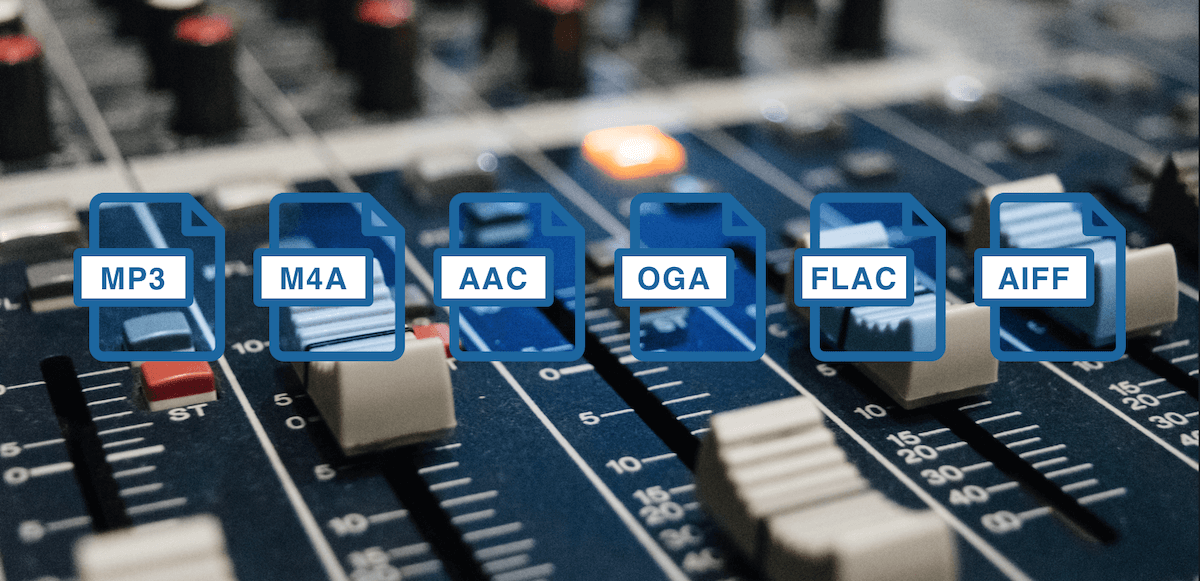
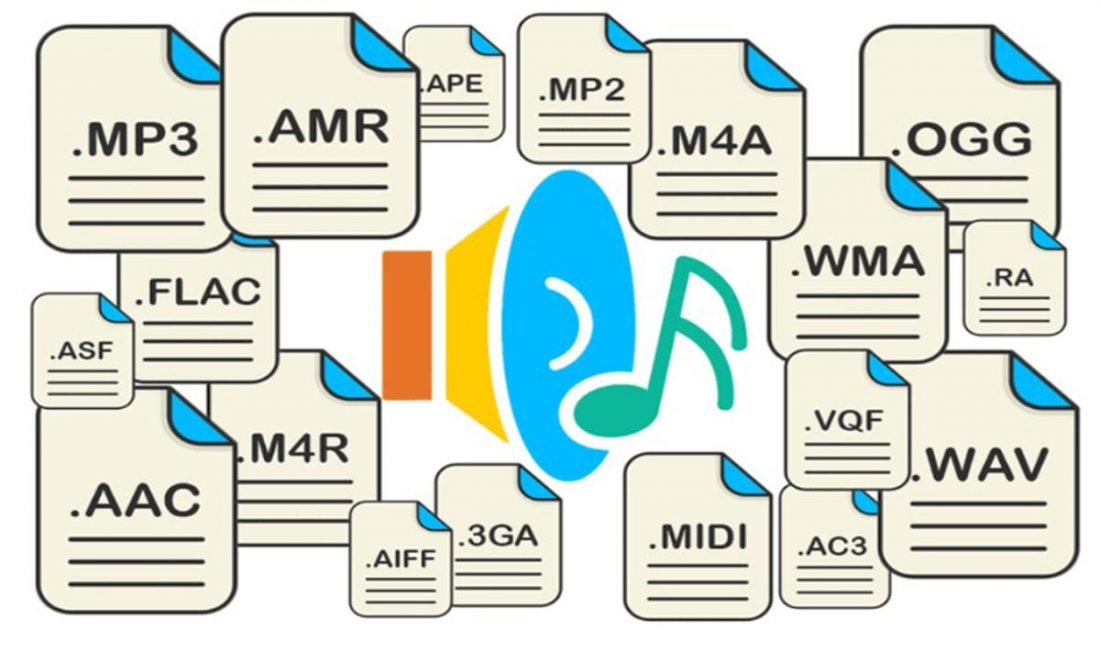
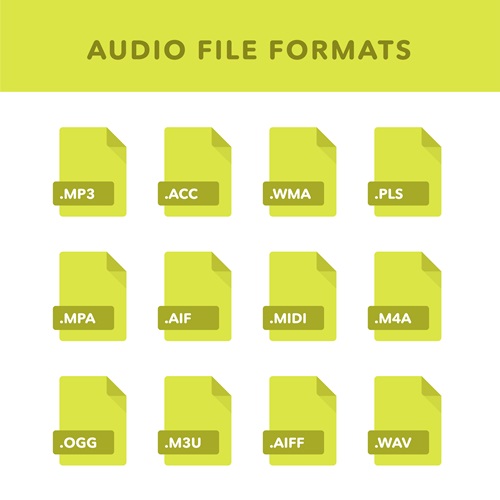
To make an informed decision, it’s essential to understand the various audio formats available. Some popular formats include MP3, FLAC, WAV, AAC, and OGG. Each format has its own advantages and disadvantages, such as file size, compression, and compatibility. By familiarizing yourself with these formats, you can narrow down your options and choose the one that suits your requirements.
Quote: “Music is the universal language of mankind.” – Henry Wadsworth Longfellow
2. Consider Audio Quality and File Size
When selecting an audio format, it’s crucial to strike a balance between audio quality and file size. Lossless formats like FLAC and WAV offer the highest audio quality but result in larger file sizes. On the other hand, lossy formats like MP3 and AAC provide smaller file sizes but sacrifice some audio quality. Assess your priorities and determine whether you prioritize pristine audio quality or a smaller file size that saves storage space.
Quote: “The only truth is music.” – Jack Kerouac
3. Evaluate Device Compatibility
Before settling on an audio format, consider the devices you’ll be using to play the audio files. Not all formats are universally supported across different devices and platforms. For example, if you primarily listen to music on your smartphone, ensure that the chosen format is compatible with your device’s operating system and media player. Compatibility issues can lead to playback problems or the need for additional software or conversions.
Quote: “Without music, life would be a mistake.” – Friedrich Nietzsche
4. Assess Storage and Bandwidth Constraints
Storage space and bandwidth limitations are crucial factors to consider, especially if you plan to store or stream audio files. Lossless formats consume more storage space and require higher bandwidth for streaming, which may not be feasible if you have limited resources. Evaluate your storage capacity and internet connection to determine whether you can accommodate larger file sizes or if you need to prioritize smaller, more compressed formats.
Quote: “Music expresses that which cannot be said and on which it is impossible to be silent.” – Victor Hugo
5. Take into Account Metadata and Tagging
Metadata and tagging play a significant role in organizing and managing your audio library. Some formats support extensive metadata, including album art, track information, and lyrics. If you value a well-organized music collection, consider formats that allow comprehensive tagging. This way, you can easily search, sort, and display relevant information about your audio files.
Quote: “One good thing about music, when it hits you, you feel no pain.” – Bob Marley
6. Consider Future Compatibility
Technology is constantly evolving, and audio formats may become obsolete over time. When choosing an audio format, consider its future compatibility. Look for formats that have stood the test of time and are widely supported across different platforms. Opting for a format with broad compatibility ensures that your audio files will remain accessible and playable in the future.
Quote: “Music is the strongest form of magic.” – Marilyn Manson
7. Seek Expert Recommendations
If you’re still unsure about which audio format to choose, seek recommendations from experts or audio enthusiasts. Online forums, communities, and audio-related websites can provide valuable insights and guidance. Engage in discussions, ask questions, and learn from the experiences of others. Their expertise can help you make an informed decision and discover lesser-known audio formats that might suit your needs.
Quote: “Music is the soundtrack of your life.” – Dick Clark
8. Test and Compare Audio Formats
To truly determine the audio format that provides the best quality for your ears, conduct your own tests and comparisons. Take a sample audio file and convert it into different formats. Listen to each version carefully, paying attention to nuances, clarity, and overall sound quality. By directly comparing the formats, you can make a subjective judgment based on your personal preferences and the audio equipment you use.
Quote: “Music is the art of thinking with sounds.” – Jules Combarieu
9. Consider the Source of Audio Files
The source of your audio files can also influence the choice of format. If you primarily obtain music from online stores or streaming services, they may offer files in specific formats. Consider the compatibility of these formats with your devices and whether they meet your desired audio quality standards. Additionally, if you rip audio from CDs or vinyl records, ensure that the chosen format preserves the original audio fidelity.
Quote: “Music is the greatest communication in the world. Even if people don’t understand the language that you’re singing in, they still know good music when they hear it.” – Lou Rawls
10. Experiment and Trust Your Ears
Ultimately, the choice of audio format is subjective and depends on your personal preferences. Experiment with different formats and trust your ears to guide you. Listen to various genres of music, podcasts, or audiobooks in different formats to determine which one delivers the best audio quality and overall listening experience for you. Remember, the goal is to enjoy the music or audio content in a format that resonates with you.
Quote: “Music is the wine that fills the cup of silence.” – Robert Fripp
Final Words
Choosing the right audio format is a crucial step in ensuring an immersive and high-quality audio experience. By understanding the different formats, considering audio quality and file size, evaluating device compatibility, and taking other factors into account, you can make an informed decision. Remember to experiment, seek expert recommendations, and trust your ears to find the audio format that best suits your needs and preferences.