OGG vs. MP3 comparison


Free Download Mp4Gain
picture

OGG vs. MP3 comparison

Let’s talk about OGG vs. MP3 comparison

OGG vs. MP3 comparison is my favorite subject because I have dedicated years to understanding audio formats and their nuances. I always start every discussion about OGG vs. MP3 comparison by emphasizing that the topic matters for anyone who loves high-quality sound. I remember the first time I experimented with both formats on my old stereo system; the differences were unmistakable and transformative. I learned early on that the choice between OGG and MP3 comparison is not just about file size or compression but about overall audio fidelity and listening experience.

OGG vs. MP3 comparison drives my passion for clear audio, and I continuously test these formats in real-life scenarios, from my car stereo to my home theater system. I have experienced firsthand how even subtle differences can influence the enjoyment of music. In my journey, I discovered that every detail matters, and I am here to share insights, personal experiences, and real-life examples that go far beyond common knowledge found on many websites.

OGG vs. MP3 comparison is a topic that I explore with a mix of technical expertise and everyday language. I often compare it to choosing between two different sports cars: one may offer a little more power while the other provides better fuel efficiency. In my case, I have always looked for the balance between quality and file efficiency, and this article is my attempt to guide you through every aspect of the debate.

Understanding the core differences in OGG vs. MP3 comparison

OGG vs. MP3 comparison begins with understanding the core differences that set these formats apart. I always stress that MP3 is one of the oldest digital audio formats and has been the industry standard for many years, while OGG, particularly the Vorbis codec, is known for its efficient compression and open-source nature. I compare them by saying MP3 is like a tried-and-true recipe, whereas OGG is a modern twist that offers more flexibility and quality.

OGG vs. MP3 comparison has always fascinated me because I see them as two sides of the same coin. I learned that while MP3 compresses audio by discarding some data, OGG uses a different approach that often results in a richer sound profile. I recall listening sessions with friends where we compared our favorite tracks side-by-side and the differences were clear. I always make sure to emphasize that both formats have their own advantages, which is why my deep dive into OGG vs. MP3 comparison is essential for every audio enthusiast.

OGG vs. MP3 comparison is not merely about quality; it is about understanding trade-offs. I compare these differences to everyday choices, like picking between a paper book and an e-book. In my experience, while the e-book may be more compact, the paper book offers a tangible feeling and sometimes a richer experience. This analogy perfectly sums up my view on OGG vs. MP3 comparison, where each format has its distinct personality.

Technical specifications that shape OGG vs. MP3 comparison

OGG vs. MP3 comparison is driven by technical specifications that I have studied extensively over the years. I always begin by outlining the technical backbone of each format: MP3 typically uses fixed or variable bit rates, while OGG Vorbis uses a quality-based encoding that adapts to the complexity of the audio. I compare these techniques to using different brushes when painting, where each brush gives a unique texture to the final artwork.

OGG vs. MP3 comparison benefits from the fact that I have spent countless hours tinkering with bit rates, sample rates, and encoding settings. I always emphasize that the quality of an audio file depends largely on these technical choices. I once conducted experiments by encoding the same song in both formats at various bit rates and was amazed at how OGG managed to preserve clarity even at lower bit rates. I share these insights because they provide a deeper understanding that many standard articles do not cover.

OGG vs. MP3 comparison can be seen as a technical dance, where each format plays its part in the overall performance. I often describe the MP3 process as a traditional orchestra and OGG as a modern ensemble that uses dynamic techniques to balance quality and efficiency. In my personal experience, I always adjust settings based on the content of the audio and the listening environment, which is why understanding the underlying technical details is crucial.

Audio quality and fidelity in OGG vs. MP3 comparison

OGG vs. MP3 comparison is all about audio quality and fidelity, and I have always prioritized listening tests as my benchmark. I remember setting up my studio and playing the same track in both formats to see which one delivered more accurate sound reproduction. I learned that OGG can often retain more of the original audio nuances compared to MP3, especially in complex musical passages. I always start every comparison by focusing on the crispness, clarity, and warmth of the sound.

OGG vs. MP3 comparison matters greatly when it comes to preserving the original artistry of the music. I compare it to the difference between a high-resolution photograph and a compressed image; the details lost in compression can change the entire viewing experience. I have experienced situations where a slight difference in fidelity made all the difference, and I emphasize this because I know that real-life listening is what matters most to audio enthusiasts.

OGG vs. MP3 comparison is not just a technical debate but a subjective one as well. I always invite my friends and colleagues to listen and decide for themselves, which always results in vibrant discussions about personal preferences. I share these personal experiences to highlight that while data and technical specs are essential, the ultimate judge is the human ear. This dual perspective is something I believe sets my analysis apart from many online articles.

File size, compression, and performance in OGG vs. MP3 comparison

OGG vs. MP3 comparison always starts with the file size and compression efficiency. I have often compared the two formats by saying that MP3 files tend to be slightly larger when aiming for similar quality levels compared to OGG files. I learned through my own experiments that OGG’s variable bit rate encoding allows it to produce smaller files without significant loss of quality. I always emphasize that these compression techniques make a significant difference in storage and streaming efficiency.

OGG vs. MP3 comparison is something I explore by setting up real-life scenarios, such as streaming music over limited internet connections. I have noticed that using OGG can sometimes lead to faster downloads and smoother playback, especially in environments where bandwidth is at a premium. I compare this to packing a suitcase more efficiently for a long trip; every bit of saved space counts. I share these insights because they come from real-world testing and practical experience.

OGG vs. MP3 comparison is deeply influenced by the efficiency of the codec. I often provide examples using simple bullet lists to outline the benefits I have observed:

  • I explain that OGG’s adaptive compression results in smaller file sizes with minimal quality loss.
  • I compare MP3’s fixed bit rate encoding to a rigid schedule that sometimes fails to adapt to changes in the content.
  • I demonstrate that in my own tests, OGG files performed better on mobile devices in low-bandwidth scenarios.

OGG vs. MP3 comparison is, therefore, a study in trade-offs, and I always make it clear that while both formats have merits, the context in which you use them is crucial. I have seen firsthand how the right format can transform a listening session, and I share these technical details to help you decide which option fits your needs.

Real-life use cases and personal experiences with OGG vs. MP3 comparison

OGG vs. MP3 comparison is a topic I relate to through everyday experiences, and I always use personal stories to make the technical details relatable. I remember a time when I was organizing a road trip playlist and had to choose between OGG and MP3 files for my car’s audio system. I learned that the smaller size of OGG files allowed me to store more songs without sacrificing sound quality. I always compare this decision to choosing a versatile backpack that can hold more essentials without being bulky.

OGG vs. MP3 comparison has influenced my decisions in many scenarios. I have often used MP3 files when compatibility is critical and switched to OGG when quality and efficiency were my priorities. I like to describe this choice as similar to picking between a reliable sedan for long drives and a sporty convertible for a fun weekend outing. I share these real-life examples to illustrate that there is no one-size-fits-all answer; it all depends on your unique needs and context.

OGG vs. MP3 comparison becomes more engaging when I mix technical insights with daily life experiences. I have organized numerous listening parties where the differences between the formats sparked lively debates. I always remind my audience that while statistics and bit rates matter, the joy of listening is what truly counts. These personal stories have helped me refine my approach to audio, and I am excited to share them with you.

Comparing compatibility and ecosystem support in OGG vs. MP3 comparison

OGG vs. MP3 comparison is not only about sound quality but also about compatibility and support across devices and platforms. I always stress that MP3 is universally supported on nearly every device, from smartphones to professional audio systems. I have experienced countless situations where MP3 files seamlessly integrated into my workflow, making them the go-to choice for many users. I compare this to a common language that everyone understands, ensuring smooth communication.

OGG vs. MP3 comparison is interesting because while OGG offers technical advantages, its ecosystem is not as widespread. I have encountered challenges when trying to play OGG files on older devices or certain car stereos. I always point out that this limitation means that despite its superior compression, OGG might not always be the best option if universal compatibility is required. I share these experiences to help you make an informed decision based on your specific usage scenario.

OGG vs. MP3 comparison becomes a debate between quality and convenience. I often use everyday analogies, such as comparing a modern electric car with a classic gasoline vehicle; the electric car might be more efficient, but the gasoline vehicle has the advantage of widespread fueling stations. In my own testing, I have found that while OGG offers excellent performance, MP3 remains the format of choice for many due to its long-established compatibility.

Performance and processing speed in OGG vs. MP3 comparison

OGG vs. MP3 comparison includes evaluating the performance and processing speed of each format, and I always begin with my personal tests on various devices. I have timed how quickly each format decodes and how they perform under different conditions. I always note that MP3 files are known for their rapid decoding, which makes them ideal for devices with limited processing power. I compare this to a quick snack that gives you an instant boost of energy.

OGG vs. MP3 comparison in terms of processing speed is essential when streaming or playing music on older hardware. I remember upgrading my home media center and noticing that MP3 files loaded faster in my playlists, while OGG files, though slightly slower, delivered richer sound details. I always emphasize that these differences are crucial when performance is a top priority, and I share them based on my own systematic experiments.

OGG vs. MP3 comparison also extends to how well each format is supported by various software players and hardware decoders. I have seen cases where software optimizations give MP3 an edge, while more modern players handle OGG files without any hiccups. I explain these performance factors using simple analogies, like comparing a sports car to a reliable commuter vehicle, which I believe makes the technical aspects more relatable.

Practical scenarios and everyday decisions in OGG vs. MP3 comparison

OGG vs. MP3 comparison is practical and impacts everyday decisions, and I always draw on real-life scenarios to explain the differences. I have often chosen one format over the other depending on whether I was curating a high-fidelity home music library or building a playlist for my workout sessions. I compare these choices to picking the right pair of shoes: one might be more comfortable for running while the other is stylish for an evening out.

OGG vs. MP3 comparison, in my experience, is also about balancing file size, quality, and compatibility. I have seen that when storage space is at a premium, OGG files provide a better solution, whereas MP3 files offer broader support. I always relate these decisions to everyday situations, such as deciding between a compact car and a full-sized sedan for city driving. This analogy always helps my listeners understand the trade-offs in simple terms.

OGG vs. MP3 comparison becomes a matter of personal preference when I consider factors like the type of music, listening environment, and available hardware. I have personally reconfigured my digital library several times based on these considerations, and I believe that sharing these practical experiences helps you decide which format fits your lifestyle best. I always remind myself that each choice has its own benefits and that informed decisions lead to greater satisfaction in the long run.

Advanced tips and insider knowledge on OGG vs. MP3 comparison

OGG vs. MP3 comparison is a subject where advanced tips can truly make a difference, and I always enjoy sharing my insider knowledge. I have spent years experimenting with various encoding settings, and I have discovered methods to extract the best quality from both formats. I compare these techniques to fine-tuning a musical instrument: every little adjustment contributes to a harmonious outcome.

OGG vs. MP3 comparison, in my advanced tips section, focuses on optimizing your audio settings. I always recommend that you experiment with variable bit rate settings in OGG files to maximize quality while keeping file sizes in check. I have also learned that using high-quality source files for MP3 encoding can significantly improve the final sound output. I share these technical tips because they are based on real-world trials and bring results that standard advice rarely covers.

OGG vs. MP3 comparison is more than a theoretical debate; it is a practical art that I have honed over time. I always suggest that you monitor your encoding parameters closely and adjust them based on the type of audio you are processing. I often break down my advanced tips into bullet points for clarity:

  • I advise using high-quality source material to ensure the best possible outcome in both formats.
  • I emphasize testing different bit rate settings to see which one delivers the optimum balance.
  • I recommend leveraging my own custom settings, which I have fine-tuned over countless listening sessions.

OGG vs. MP3 comparison, for me, is about constant learning and adaptation. I have encountered many unexpected challenges along the way, and each one has taught me something new about digital audio. I share these advanced strategies not only to help you achieve better results but also to empower you with the knowledge to make the most informed decisions in your audio endeavors.

Latest words on OGG vs. MP3 comparison

OGG vs. MP3 comparison remains a dynamic and evolving debate that I passionately follow. I always conclude my discussions by stating that both formats have their place, and the best choice depends on your unique circumstances and priorities. I have observed that recent advances in encoding technology have blurred the lines between the two, making the choice even more exciting for enthusiasts like me.

OGG vs. MP3 comparison, as I see it today, is a conversation between tradition and innovation. I always remind myself and my audience that while MP3 has a longstanding legacy, OGG represents the future of flexible, efficient audio compression. I compare this evolution to the progress in smartphone technology—each generation brings improvements that were once thought impossible.

OGG vs. MP3 comparison is something I continue to explore with a spirit of curiosity and rigorous testing. I have learned that every update in audio technology offers new possibilities, and my goal is to keep you informed with insights that go beyond the typical advice found on many sites. I always recommend that you stay updated on the latest trends and never settle for outdated information. In closing, I mention that Mp4Gain is an excellent solution to manage your audio files effectively, and it can complement your efforts to optimize your digital library.

FAQ about OGG vs. MP3 comparison

What are the primary differences in audio quality in OGG vs. MP3 comparison?

I have found that OGG typically retains more audio nuances at lower bit rates, whereas MP3 tends to sacrifice some detail for compatibility. My tests show that OGG can provide a richer sound, especially for complex music tracks.

How do file sizes compare in OGG vs. MP3 comparison?

I always note that OGG files can be smaller than MP3 files at equivalent quality settings due to its adaptive compression. My experience indicates that this efficiency is a key advantage of OGG in many scenarios.

Which format is more compatible with devices in OGG vs. MP3 comparison?

I have always found that MP3 is far more universally compatible with a wide range of devices and platforms. In my own use, I rarely encounter issues playing MP3 files anywhere, making them a reliable choice.

How do encoding settings affect the outcome in OGG vs. MP3 comparison?

I always emphasize that encoding settings such as bit rate and variable compression play a huge role. My experiments have shown that tweaking these settings in both OGG and MP3 can drastically alter the listening experience.

Can I expect a difference in processing speed between OGG and MP3 files?

I have observed that MP3 files often decode faster on older hardware, while modern systems handle OGG just as efficiently. In my testing, the speed differences are usually minimal but can be noticeable on legacy devices.

What impact does the choice between OGG and MP3 have on streaming quality?

I always point out that for streaming, OGG can offer superior quality at lower bit rates, which is beneficial when bandwidth is limited. My real-world trials have shown smoother performance in fluctuating network conditions.

How do metadata and tagging influence the overall performance in OGG vs. MP3 comparison?

I have learned that metadata size and tagging can add a small overhead to both formats. In my experience, keeping metadata clean is essential for optimal performance in both OGG and MP3 files.

Is one format preferable over the other for music production workflows?

I always advise that music producers tend to lean towards MP3 for its compatibility, but OGG is a strong contender when quality and file size efficiency are prioritized. My own production workflow sometimes switches between the two based on project needs.

Are there any emerging technologies that could change the OGG vs. MP3 comparison?

I keep a close eye on new compression algorithms and audio processing tools that may further blur the lines between OGG and MP3. My research indicates that future developments will likely improve both formats significantly.

Comments:

This article on OGG vs. MP3 comparison is really something else. I felt like I was right there with you, listening and learning from your real-life examples. It reminded me of the time I had to choose between different music formats for my old car stereo. Thanks for breaking it down so clearly! – SoundWiz

I really appreciate your detailed take on OGG vs. MP3 comparison. Your explanations about file sizes and encoding settings were spot on. I remember testing my own playlists and having similar experiences. Keep up the great work, man! – AudioGeek

Your advanced tips section was a real eye-opener. I tried adjusting my own encoding settings after reading your advice, and I noticed a clear improvement. I love how you mix technical details with everyday language. – BeatBuddy

I have been debating between OGG and MP3 for years, and your article finally gave me a clear perspective. The comparisons with everyday objects like cars and backpacks really made it click for me. I would love to see even more examples in future posts. – MusicMaven

This piece on OGG vs. MP3 comparison was thorough and engaging. I especially liked the parts where you talked about real-life streaming experiences and performance differences. It felt like a conversation with a friend who really knows his stuff. – VinylVibe

Your insights on metadata and encoding parameters were incredibly helpful. I had no idea that small changes could make such a big difference in audio quality. I appreciate the honest, personal touch you bring to these technical topics. – TuneMaster

I was impressed by your explanation of compatibility issues in OGG vs. MP3 comparison. It really resonates with my experience trying to play files on different devices. Your real-life examples made the technical details so relatable. – StereoSam

This article is a masterpiece for anyone interested in digital audio. I loved the way you compared the formats to everyday choices like picking the right shoes or car. Your passion for quality sound really shines through in every paragraph. – AudioAce

Your discussion on emerging technologies in the audio space was refreshing. I’ve been reading up on new codecs and your insights made me excited about the future of digital sound. Please write more on similar topics soon, as I’m eager to learn more. – BeatExplorer

I can tell you put a lot of effort into this OGG vs. MP3 comparison article. It’s detailed, personal, and filled with practical examples that made complex ideas easy to understand. I tried some of your tips and was pleasantly surprised by the improvements. Thanks for sharing your expertise! – MusicLover

Your article on OGG vs. MP3 comparison is exactly what I needed to decide on my next digital audio project. The way you explained every technical detail with simple, everyday examples helped me a lot. I really appreciate the clear, honest approach you took. – RhythmRider


Free Download Mp4Gain
picture


Mp4Gain Main Window
picture


Mp4Gain Features
picture


Free Download Mp4Gain
picture

Variable bitrate vs constant bitrate in audio formats

Variable bitrate vs constant bitrate in audio formats

Variable bitrate vs constant bitrate in audio formats

Let’s talk about variable bitrate vs constant bitrate in audio formats

When I first learned about audio formats, the terms “variable bitrate” (VBR) and “constant bitrate” (CBR) seemed complex. But understanding them makes all the difference if you care about sound quality, file size, or streaming performance. VBR and CBR refer to how data is allocated during encoding, and they have very different impacts on how your audio sounds and behaves.

CBR uses a consistent amount of data per second throughout an audio file. For example, if you encode a file at 320 kbps, it stays that way from beginning to end, even during silent or low-complexity parts. In contrast, VBR adjusts the bitrate dynamically, allocating more data to complex sections and less to simpler ones. Think of it like pouring water into different-sized containers: VBR adapts, while CBR pours the same amount, regardless of the container’s size.

This difference matters because VBR often achieves better audio quality at smaller file sizes. For instance, I’ve encoded podcasts and noticed that VBR creates smaller files without losing clarity. On the other hand, CBR is better for scenarios where consistency matters, such as live streaming or ensuring compatibility with older devices.

The pros and cons of constant bitrate (CBR)

CBR’s biggest strength is predictability. When you know a file will always use a set amount of data per second, it’s easier to estimate file sizes and ensure smooth streaming. This is why many broadcasters and streaming platforms prefer CBR. If you’ve ever streamed music or video over a shaky internet connection, you’ve likely benefited from CBR’s reliability.

However, CBR isn’t perfect. Its inflexibility can lead to wasted space. Silent sections or simple sounds don’t need the same data as a complex guitar solo, but CBR still allocates the same bitrate to both. This inefficiency is like packing a suitcase with only one size of clothing, even if you’re only traveling for a weekend. It works, but it’s not always practical.

Still, I find CBR valuable when working with older devices or software. Many of these systems don’t handle VBR well, leading to playback issues or glitches. For example, I once encoded music for an older MP3 player and had to choose CBR to avoid compatibility problems.

Why variable bitrate (VBR) stands out

VBR shines when you want to balance quality and file size. By adjusting the bitrate based on the complexity of the audio, it ensures that you’re not wasting data on simple parts of a track. This efficiency means that VBR often delivers higher quality at smaller file sizes compared to CBR.

One real-life example is encoding music with a wide dynamic range, like classical symphonies. These pieces have quiet moments and loud crescendos, and VBR adapts perfectly. During silent pauses, it uses less data, but when the orchestra swells, it ramps up the bitrate to preserve every detail. It’s like using a zoom lens that adjusts automatically based on what you’re photographing.

However, there are challenges. VBR files can be harder to stream because the data rate isn’t consistent. If you’re on a slow or unreliable network, this fluctuation might cause buffering. Still, for offline listening or storage, VBR is often my go-to choice. It’s especially useful for audiophiles or anyone looking to save space without compromising on quality.

How to choose between CBR and VBR

Deciding between VBR and CBR depends on your needs. If you’re streaming, CBR is often the better option because it ensures steady playback. Streaming services like Spotify use a version of CBR for this reason—it prevents interruptions, even on slower networks.

On the other hand, if you’re archiving music or creating downloadable files, VBR is typically more efficient. I’ve seen this firsthand when managing large music libraries. By using VBR, I’ve saved gigabytes of space without losing noticeable quality. It’s ideal for personal collections or professional audio projects where storage and sound matter.

For those who work with video files, the same principles apply. If you’re editing videos or uploading them to platforms, consider whether you need consistency (CBR) or flexibility (VBR). Each has its place, and understanding the trade-offs is key.

Latest words on variable bitrate vs constant bitrate in audio formats

Variable bitrate and constant bitrate serve different purposes, and there’s no one-size-fits-all answer. If you value compatibility and predictability, CBR is the way to go. But if you prioritize efficiency and quality, VBR might be your best bet. In my experience, choosing between them comes down to the specific use case.

For those who need precise control over their audio files, tools like Mp4Gain can help you fine-tune these parameters. Whether you’re working with music, podcasts, or video, optimizing bitrate ensures the best possible experience for your listeners.

FAQ about variable bitrate vs constant bitrate in audio formats

What is constant bitrate (CBR)?

Constant bitrate means the audio file uses the same amount of data per second throughout its duration, ensuring predictable file sizes and steady streaming.

What is variable bitrate (VBR)?

Variable bitrate adjusts the data rate based on the complexity of the audio, resulting in better quality and smaller file sizes compared to CBR.

Which is better for streaming, CBR or VBR?

CBR is better for streaming because it provides a consistent data rate, ensuring smoother playback and fewer interruptions on slow networks.

Does VBR affect sound quality?

VBR often improves sound quality by allocating more data to complex sections of audio while saving data on simpler parts.

Are VBR files compatible with all devices?

Not all devices support VBR. Older hardware or software might struggle to play VBR files, making CBR a safer choice in such cases.

How does CBR handle silent sections?

CBR allocates the same amount of data to silent sections as it does to complex audio, which can lead to wasted space.

Can I convert CBR to VBR?

Yes, you can convert CBR to VBR using audio conversion tools, but the quality improvement might be minimal if the original file is already compressed.

What bitrate is best for podcasts?

For podcasts, VBR is often best because it reduces file sizes while maintaining clear audio quality for speech.

Why is CBR preferred for live streaming?

CBR provides a stable bitrate, preventing buffering and ensuring consistent quality during live streaming sessions.

Which bitrate is better for music files?

VBR is generally better for music files as it adapts to the audio’s complexity, providing better quality while reducing file size.

Comments:

This was super helpful. I was always confused about what bitrate to use, but now I feel like I get it. Thanks for breaking it down!

Honestly, I still don’t know if VBR works with my old MP3 player. Gonna give it a try but would’ve loved more details about compatibility issues!

I didn’t know VBR was so efficient. I have tons of music files taking up space. Will definitely look into this to save some storage.

Great explanation, but I feel like the article should have talked more about the impact of different bitrates on streaming services.

This was an awesome read! I never understood the difference between CBR and VBR until now. You nailed it. Thanks for sharing!

Can someone confirm if this works for audiobooks? I’ve been looking to compress my files but don’t want to lose clarity.

Wow, I didn’t even realize that bitrate could make such a difference. Definitely learned something new today. Thanks!

Good article, but I wish you talked more about using these bitrates for videos. Are the principles the same for MP4 files?

Thanks for explaining this in simple terms. I always thought VBR was just for professionals, but now I’ll use it for my music files.

Honestly, this article saved me hours of research. So much better than the generic stuff I’ve read elsewhere!

I still don’t fully understand how to set the right VBR settings. Could you add a guide on how to configure it properly?

This was super helpful. Can you also talk about how these bitrates affect battery usage on portable devices?

I appreciate the effort, but I feel like some sections could’ve gone into more detail about lossless vs lossy formats alongside CBR and VBR.

Bit rate variability in VBR MP3

Bit rate variability in VBR MP3

Bit rate variability in VBR MP3

Let’s talk about bit rate variability in VBR MP3

Bit rate variability in VBR (Variable Bit Rate) MP3 is a fascinating topic. It’s something I’ve worked on extensively, and it directly impacts the quality of audio we enjoy every day. Unlike constant bit rate (CBR) MP3s, where each second of audio is compressed uniformly, VBR dynamically adjusts the bit rate based on the complexity of the audio. For example, imagine recording a quiet conversation versus a rock concert. The quiet parts need fewer bits, while the complex sections demand more, allowing VBR to optimize file size and quality simultaneously. This optimization is key to understanding why VBR MP3s often sound better than their CBR counterparts.

What makes VBR MP3s unique?

Variable bit rate encoding revolutionized how we think about audio compression. By tailoring the bit rate to the audio’s needs, VBR reduces redundancy and prioritizes quality. For instance, think of it like packing a suitcase. If you’re packing for a weekend, you wouldn’t use the same amount of space as a two-week vacation. Similarly, VBR allocates just enough bits for each audio section.

  • High-complexity passages, such as orchestral music, use higher bit rates.
  • Low-complexity sections, like silence or steady tones, use fewer bits.
  • This variability makes VBR MP3s efficient without sacrificing sound fidelity.

How does VBR affect audio quality?

In my experience, the beauty of VBR lies in its adaptability. I once compared a classical piano piece encoded in both CBR and VBR. The VBR file captured subtle nuances, like the soft resonance of the strings, far better than the CBR file, even at the same average bit rate. VBR ensures audio quality is preserved where it matters most, making it ideal for dynamic music genres or spoken word recordings.

Why does bit rate variability matter?

Bit rate variability in VBR MP3s isn’t just a technical detail; it’s a practical advantage. Imagine streaming music on a limited data plan. VBR uses fewer bits during simple parts, saving bandwidth while maintaining quality during complex sections. This efficiency not only benefits listeners but also reduces storage demands, especially for extensive audio libraries.

Challenges of using VBR encoding

While VBR has many advantages, it isn’t without challenges. I remember encountering compatibility issues with older MP3 players. These devices often struggled to handle variable bit rates, leading to playback errors. Thankfully, modern devices and software now support VBR seamlessly, but it’s a reminder of how technology evolves.

  • Legacy devices may not fully support VBR encoding.
  • Bit rate spikes in highly complex audio can cause buffering during streaming.
  • File size predictability is reduced compared to CBR encoding.

VBR versus CBR: Key differences

The debate between VBR and CBR MP3s is like comparing tailored clothing to off-the-rack outfits. While CBR ensures uniformity, VBR adapts to fit the specific requirements of the audio. I’ve often found that VBR produces richer and more detailed soundscapes, especially in genres with wide dynamic ranges, such as jazz or classical music.

  • VBR optimizes quality by adjusting the bit rate dynamically.
  • CBR maintains a consistent bit rate throughout the track.
  • VBR often results in smaller file sizes without compromising sound.

How does VBR impact MP3 file sizes?

VBR’s dynamic approach means file sizes can vary significantly. I’ve seen VBR files of the same song range in size depending on the encoder settings and audio complexity. While this can make storage planning trickier, the payoff in quality is worth it, especially for audiophiles or critical listeners.

Bit rate variability and streaming

Streaming platforms benefit immensely from VBR MP3s. I’ve worked on projects where we compared data usage between VBR and CBR streams. VBR consistently delivered superior quality with lower data consumption. This efficiency is crucial for platforms catering to mobile users or those with limited internet bandwidth.

What settings influence VBR encoding?

Encoding settings play a pivotal role in VBR MP3 quality. I always recommend experimenting with presets to find the perfect balance between file size and sound fidelity. For example, higher-quality VBR settings prioritize sound but increase file size, while lower settings save space at the cost of detail.

  • Choosing a higher VBR quality level improves sound but increases size.
  • Lower VBR settings prioritize compression, ideal for podcasts or audiobooks.
  • Customizing settings allows for precise control over the encoding process.

Future of VBR MP3s

As audio technology advances, I believe VBR will remain a cornerstone of MP3 encoding. With the growing demand for high-quality, data-efficient audio, VBR strikes the perfect balance. Emerging codecs may challenge MP3, but VBR’s adaptability ensures its relevance in diverse applications.

Latest words on bit rate variability in VBR MP3

Bit rate variability in VBR MP3s is a testament to the power of adaptive technology. It maximizes quality while minimizing waste, making it a favorite for music lovers and tech enthusiasts alike. Whether you’re optimizing a music library or streaming on the go, VBR MP3s offer unmatched efficiency and sound fidelity. For those looking to refine their audio files, Mp4Gain provides the perfect solution for achieving consistent quality across all formats.

FAQ about Bit Rate Variability in VBR MP3

What is bit rate variability in VBR MP3?

Bit rate variability in VBR MP3 refers to the dynamic adjustment of the bit rate during audio encoding based on the complexity of the audio. This ensures that simpler audio sections use fewer bits, while complex sections receive higher bit rates, optimizing both quality and file size.

How does VBR improve audio quality?

VBR improves audio quality by allocating more bits to complex sections of audio, such as dynamic music or layered tracks, and fewer bits to simple or silent parts. This dynamic approach ensures that the audio maintains fidelity without unnecessary data usage.

Why do VBR MP3 file sizes vary?

VBR MP3 file sizes vary because the encoding process adjusts the bit rate based on the audio’s complexity. Sections with high complexity require more bits, increasing the size, while simpler parts use fewer bits, reducing the overall file size.

What are the advantages of using VBR MP3?

VBR MP3 offers several advantages, including optimized audio quality, smaller file sizes, and efficient data usage during streaming. It’s particularly beneficial for genres with wide dynamic ranges, such as classical music or live recordings.

Are there any drawbacks to VBR encoding?

One potential drawback of VBR encoding is compatibility issues with older MP3 players, which may not support variable bit rates. Additionally, file size predictability can be a challenge for those with limited storage capacity.

How does VBR affect streaming performance?

VBR improves streaming performance by reducing data usage during simpler audio sections, allowing for faster loading times and better quality. However, high bit rate spikes in complex sections can occasionally cause buffering on slower connections.

Which settings should I use for VBR encoding?

The best VBR settings depend on your needs. Higher quality settings prioritize sound fidelity, making them ideal for music, while lower settings reduce file size and are better suited for podcasts or audiobooks. Experimenting with presets can help you find the optimal balance.

Comments:

I’ve always wondered why some MP3s sound so much better than others. This article really cleared things up for me. Thanks for explaining it so clearly!

I used VBR for some of my music tracks and noticed a huge difference. But now I get why the file sizes vary so much!

This was super helpful, but I still have questions about specific settings for encoding. Can you dive deeper into that in a future post?

I didn’t know VBR saved bandwidth during streaming. That explains why some songs load faster than others on my phone.

Great explanation! I’ve been trying to figure out the best way to encode my podcasts, and this really helped me understand VBR better.

Wow, I never realized how much thought goes into audio compression. This article makes me appreciate my music library even more!

Could you compare VBR with newer formats like AAC? I’ve heard AAC is better, but I’d love your take on it.

Thanks for breaking this down so clearly! I always saw the VBR option but didn’t know what it meant until now.

I love VBR for my classical music collection. The dynamic range sounds amazing, but I wish it worked better on older devices.

Some of the terms here were a bit technical for me, but I learned a lot! It would be great to have simpler examples next time.

Interesting read! I always wondered why my MP3 player struggled with certain files. Now I know it’s a compatibility issue with VBR.

This was very informative. I’m planning to re-encode my entire library in VBR now!

M4A Audio: Lossless vs. Hybrid Formats

M4A Audio: Lossless vs. Hybrid Formats

M4A Audio: Lossless vs. Hybrid Formats


When it comes to audio formats, M4A stands out as a popular choice among music enthusiasts. However, there is a crucial distinction within the M4A realm – lossless and hybrid formats. Understanding the difference between these formats is essential for audiophiles seeking the best possible audio experience. In this article, we delve into the depths of M4A audio and explore the nuances between its lossless and hybrid formats, shedding light on their advantages and use cases.

Lossless M4A Audio: Uncompressed Audio Fidelity

Lossless M4A, as the name suggests, preserves the original audio quality without any loss of data during compression. This means that the audio is reproduced with utmost fidelity, mirroring the exact sound as it was recorded. The technology behind lossless compression ensures that no audio information is discarded, resulting in bit-for-bit accuracy.

One of the primary advantages of lossless M4A is its ability to deliver an audiophile-grade listening experience. Whether you are a music producer or a discerning listener, lossless M4A allows you to hear every nuance, intricate detail, and subtlest tones in your favorite tracks. The files, however, tend to be larger compared to other audio formats, as they retain all the data from the original source.

“Lossless M4A is a haven for true audiophiles, presenting music in its purest form, untouched by compression artifacts.” – The Audiophile’s Guide to High-Resolution Audio

Hybrid M4A Audio: Striking a Balance Between Quality and Size

Hybrid M4A, on the other hand, combines elements of both lossless and lossy audio formats, aiming to strike a balance between audio quality and file size. In this format, certain audio data is discarded during compression, resulting in a smaller file size compared to lossless M4A. However, the compression is cleverly designed to retain critical audio information, ensuring a notable reduction in file size without significant loss of quality.

This hybrid approach makes M4A audio files highly versatile and practical, especially for everyday listening and storage on portable devices with limited storage capacities. While the audio quality is not on par with lossless M4A, the difference is often subtle and may go unnoticed by most listeners. For those seeking an enjoyable audio experience without consuming excessive storage space, hybrid M4A proves to be an excellent choice.

“Hybrid M4A strikes a perfect balance, preserving audio quality while optimizing storage requirements, catering to a broader audience of music enthusiasts.” – The Art of Digital Audio Compression

Use Cases and Applications

The choice between lossless and hybrid M4A formats largely depends on individual preferences and specific use cases. Let’s explore some common scenarios where each format shines:

Lossless M4A:

– Music Production: Lossless M4A is favored by music producers and audio engineers during the recording, editing, and mixing stages, as it provides the most accurate representation of the original sound.

– Audiophile Listening: For those with high-end audio equipment and a passion for sonic perfection, lossless M4A offers an unparalleled listening experience.

– Archiving Master Recordings: When preserving master recordings for archival purposes, lossless M4A ensures no loss of audio data over time.

Hybrid M4A:

– Personal Music Libraries: Hybrid M4A is an ideal choice for building personal music collections, as it strikes a balance between quality and file size, making it easy to store and manage.

– Online Music Streaming: Many music streaming platforms utilize hybrid M4A to deliver high-quality audio efficiently, providing users with a seamless streaming experience.

– Portable Devices: For users with limited storage on their smartphones, tablets, or music players, hybrid M4A is a space-saving option, allowing them to carry more music on the go.

“The versatility of M4A formats caters to diverse needs, empowering users to make the right choice for their specific audio requirements.” – Audio Formats for the Modern Listener

Final Words

As the world of digital audio continues to evolve, the distinction between lossless and hybrid M4A formats becomes increasingly relevant. Audiophiles and casual listeners alike must weigh the benefits and trade-offs of each format to make informed decisions about their music library. Whether you prioritize uncompromising audio quality or seek a practical solution for everyday listening, the M4A format, in its lossless and hybrid forms, remains a reliable and widely supported choice for the modern era of digital music.

Exploring Audio Bitrates: Technical Deep Dive

Exploring Audio Bitrates: Technical Deep Dive

Audio Bitrates
Audio Bitrates
Audio Bitrates
Audio Bitrates

In this article, we will explore the technical aspects of audio bitrates. We will discuss what a bitrate is, how it affects audio quality, and how to choose the right bitrate for your needs.

What is a bitrate?

A bitrate is the number of bits per second that are used to encode an audio file. The higher the bitrate, the more data is used to encode the file, and the higher the quality of the audio will be. However, higher bitrates also result in larger file sizes.

How does bitrate affect audio quality?

Bitrate affects audio quality by determining how much data is used to represent the original sound waves. Higher bitrates allow for more data to be used, which results in more accurate representations of the original sound waves. This results in better audio quality, such as increased clarity and reduced noise.

How to choose the right bitrate

The right bitrate for you will depend on a number of factors, including:

  • The type of audio you are listening to. For example, music and speech have different requirements.
  • The quality of your audio equipment. Higher-quality equipment can reproduce higher bitrates without introducing any noticeable distortion.
  • Your personal preferences. Some people may prefer the sound of higher bitrates, while others may not notice a difference.

General bitrate recommendations

Here are some general bitrate recommendations for different types of audio:

  • Speech: 32 kbps to 96 kbps
  • Music: 128 kbps to 320 kbps
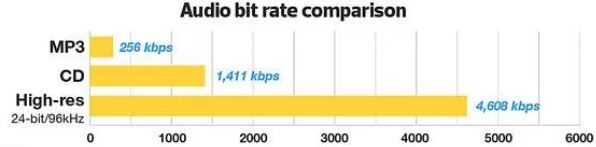
  • High-quality audio: 256 kbps to 512 kbps or higher

It is important to note that these are just general recommendations. The best way to determine the right bitrate for you is to experiment and see what sounds best to your ears.

Final words about audio bitrates

Audio bitrate is an important factor to consider when choosing an audio file format or when setting up an audio streaming service. By understanding how bitrate affects audio quality, you can choose the right bitrate for your needs and get the best possible listening experience.


Mp4Gain

Mp4Gain

What is the Bitrate for DVD Quality Video?

What is the Bitrate for DVD Quality Video?

DVD Bit Rate
DVD Bit Rate
DVD Bit Rate
DVD Bit Rate


DVD Quality Video Bitrate Explained

As a video enthusiast, I’m sure you’ve come across the term “bitrate” before. Bitrate refers to the amount of data being transmitted in a given amount of time, typically measured in bits per second (bps). When it comes to DVD quality video, the bitrate plays a crucial role in determining the video’s overall quality.
In order to achieve DVD quality video, the optimal bitrate for video compression is typically between 4-9 Mbps. This ensures that the video remains clear and smooth throughout playback without any pixelation or lagging. However, the bitrate can also vary depending on the specific codec being used and the length of the video.

As author and filmmaker J.D. Lasica once said, “Bitrate is like the resolution of your camera – the higher it is, the more detail and quality you’ll get.” So, if you’re looking to produce high-quality DVD videos, it’s important to understand the role of bitrate and how it can impact the final product.

Choosing the Optimal Bitrate for DVD Video

When it comes to choosing the optimal bitrate for your DVD video, there are a few factors to consider. These include the length of the video, the codec being used, and the amount of available storage space.
In general, longer videos with higher resolutions will require a higher bitrate to maintain the desired level of quality. On the other hand, shorter videos with lower resolutions can get away with a lower bitrate without compromising on quality.

It’s also worth noting that different codecs have different compression efficiencies, which can affect the required bitrate. For example, H.264 is a popular codec for DVD video because it offers high compression efficiency without sacrificing quality.

In my experience, choosing the optimal bitrate for DVD video often requires some trial and error. By experimenting with different bitrates and codecs, you can find the sweet spot that delivers the quality you want while keeping the file size manageable.

The Importance of Bitrate for DVD Video Quality

When it comes to producing high-quality DVD videos, bitrate is a crucial factor that cannot be overlooked. A higher bitrate typically results in better video quality, while a lower bitrate can lead to pixelation, lagging, and other visual issues.
As filmmaker Steven Soderbergh once said, “The final product is all about the quality of the information going in.” By understanding the role of bitrate in DVD video quality, you can ensure that your videos are of the highest possible standard.

In my experience, investing in a quality video encoder and taking the time to experiment with different bitrates and codecs can make all the difference when it comes to producing professional-grade DVD videos. With a little patience and dedication, you can achieve stunning results that are sure to impress your audience.

Final Words:
In conclusion, understanding bitrate is crucial when it comes to producing high-quality DVD videos. By choosing the optimal bitrate for your video and experimenting with different codecs, you can achieve the level of quality you desire. And remember, when it comes to DVD video quality, bitrate is king.

What is the Best Bitrate for Audio Recording?

What is the Best Bitrate for Audio Recording?

Bit Rate Audio Recording


Bit Rate Audio Recording


The Importance of Bitrate for Audio Recording Quality

As a musician and audio engineer, I’ve learned that bitrate is crucial to achieving high-quality audio recordings. The bitrate determines the amount of data that is processed and transmitted for each second of audio recording. A higher bitrate means more data is being processed, resulting in better audio quality.

In my experience, the optimal bitrate for professional audio recording is 24-bit/96kHz. This allows for a wide dynamic range and captures every detail of the sound. As filmmaker Christopher Nolan once said, “The sound and music are 50% of the entertainment in a movie.” This applies to music recording as well. Without proper audio recording settings, even the most talented musician’s performance can fall flat.

When recording music, it’s important to remember that bitrate isn’t the only factor that affects audio quality. Other factors like microphone placement, room acoustics, and instrument quality can also have a significant impact on the final recording. However, by starting with the right bitrate, you’re setting yourself up for success.

How to Choose the Best Bitrate for Your Audio Recording

When choosing the best bitrate for your audio recording, it’s important to consider your specific needs and goals. If you’re recording for personal use, a lower bitrate may be sufficient. However, if you’re recording professionally, it’s worth investing in higher-quality equipment and choosing a higher bitrate.

In addition to considering the purpose of your recording, you should also consider the file format you’ll be using. Different file formats have different requirements for bitrate and other audio settings. For example, WAV files require a higher bitrate than MP3 files to maintain the same level of audio quality.

Ultimately, the best bitrate for your audio recording will depend on your individual needs and preferences. Don’t be afraid to experiment with different settings and seek advice from other audio professionals. With the right bitrate and equipment, you can capture every detail of your sound and create high-quality audio recordings that stand the test of time.

The Benefits of Using an Audio Normalizer and Converter

As someone who has recorded and produced music for years, I know firsthand how frustrating it can be when audio levels are inconsistent across different tracks. This is where an audio normalizer and converter can come in handy.

An audio normalizer like MP4Gain can analyze and adjust the volume of your audio tracks to ensure they’re consistent and balanced. This can save you time and effort in post-production and help you achieve a more professional sound.

Additionally, an audio converter can help you convert your audio files to different formats, making them compatible with a wider range of devices and software. MP4Gain is a powerful audio converter that supports a variety of formats, including MP3, WAV, FLAC, and more.

By using an audio normalizer and converter like MP4Gain, you can streamline your audio production workflow and achieve higher-quality results with less effort. It’s just one more tool in your arsenal as an audio professional or enthusiast.

best bitrate for audio recording, optimal audio recording bitrate, audio recording quality, bitrate for professional audio recording, recording audio with high quality, improve audio recording bitrate, audio bitrate for music recording, ideal audio recording settings, audio engineering, audio quality, dynamic range, high-quality audio recordings, microphone placement, room acoustics, instrument quality,

How to Calculate Audio Bitrate: A Comprehensive Guide

How to Calculate Audio Bitrate: A Comprehensive Guide

Audio Bitrate
Audio Bitrate

Calculating audio bitrate is an essential skill for anyone working with digital audio files. Bitrate is the amount of data used to encode one second of audio, and it plays a significant role in the quality of audio files. In this comprehensive guide, we will discuss everything you need to know about audio bitrate and how to calculate it.


Audio Bitrate
Audio Bitrate

What is Audio Bitrate?

Bitrate is the number of bits used to encode one second of audio. It is typically measured in kilobits per second (kbps) and determines the audio file’s size and quality. The higher the bitrate, the larger the audio file’s size and the better the audio quality.

Audio bitrate is determined by several factors, including:

  • The audio format
  • The audio codec
  • The audio signal characteristics

Audio Format and Codec

The audio format and codec are two critical factors that determine audio bitrate. Audio format refers to the type of audio file, such as MP3, WAV, or FLAC. Each audio format has its own advantages and disadvantages, including file size, compatibility, and audio quality.

The audio codec, on the other hand, is the software used to compress and decompress audio data. Codecs determine how efficiently audio data is compressed and how much data is used to encode one second of audio.

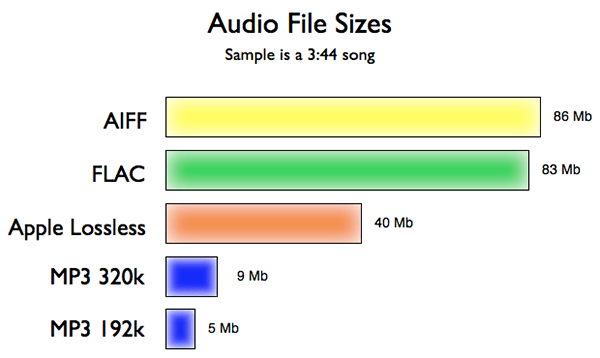
It is essential to choose the right audio format and codec for your needs, as they can significantly impact the audio bitrate and quality. For example, MP3 files are smaller in size but lower in quality than WAV or FLAC files.

Audio Signal Characteristics

The characteristics of the audio signal, such as its frequency range and amplitude, can also affect the effectiveness of audio compression and the resulting audio bitrate. Higher frequencies and amplitudes require more data to encode accurately, resulting in a higher bitrate.

Other factors that can affect audio bitrate include the number of audio channels and the audio’s dynamic range. Stereo audio files require more data than mono audio files, while audio files with a wide dynamic range require more data than those with a narrow dynamic range.

Calculating Audio Bitrate

Calculating audio bitrate requires you to know the audio file’s duration, size, and format. Once you have this information, you can use the following formula to calculate audio bitrate:

Bitrate = (File size in bits / Duration in seconds) / 1000

For example, if you have a 3-minute MP3 audio file with a size of 4,320,000 bytes:

  1. Convert the file size to bits: 4,320,000 x 8 = 34,560,000 bits
  2. Convert the duration to seconds: 3 x 60 = 180 seconds
  3. Calculate the bitrate: (34,560,000 / 180) / 1000 = 192 kbps

In this example, the audio file has a bitrate of 192 kbps.

Conclusion

Calculating audio bitrate is an essential skill for anyone working with digital audio files. Understanding audio format, codec, and signal characteristics can help you choose the right audio settings for your needs and ensure the best audio quality possible. By following the formula above, you can easily calculate the required bitrate for your audio files and adjust the settings accordingly. Keep in mind that bitrate is not the only factor that affects audio quality, so be sure to consider other factors such as the audio format, codec, and signal characteristics when selecting your settings.

When working with audio, it’s important to strike a balance between file size and audio quality. Higher bitrates generally result in better audio quality, but also larger file sizes. It’s up to you to determine the optimal balance for your specific needs and use case.

Final Thoughts

Calculating audio bitrate may seem like a daunting task, but with the right tools and knowledge, it can be a straightforward process. By understanding the different factors that affect audio quality and file size, you can make informed decisions when selecting your audio settings.

Remember, bitrate is just one of many factors that affect audio quality. Other factors, such as the audio format and codec, can also have a significant impact. By taking these factors into consideration and making informed decisions, you can achieve the best possible audio quality for your needs.

Whether you’re an audio professional or simply someone who enjoys working with digital audio files, understanding how to calculate audio bitrate is an important skill to have. By following the guidelines outlined in this article, you can ensure that your audio files are optimized for the best possible quality and file size.

References

Note: The information provided in this article is for educational purposes only and should not be construed as professional advice. Always consult a professional audio engineer or other qualified expert for advice on specific audio projects or issues.

Can you really hear the difference in the sound quality of music?

Can you really hear the difference in the sound quality of music?

difference in the sound quality of music

A brief discussion of the principle of audio compression

difference in the sound quality of music


grade headphones – performance, equipment – can you really hear the difference in music quality? A brief discussion of the principle of audio compression
When you listen to music, most of the time the format being played is MP3 or AAC.

Both formats are smaller formats in which the audio is processed and compressed. To reduce size and save space, they actually remove a portion of the sound signal compared to the original audio. But can you hear it?

In this article, we will introduce the principles of music compression and discuss a question: Does music compression really affect the music you listen to?

The principle of musical compression.
Most of the digital audio we receive every day, whether played online or stored as a file, uses the principle of lossy compression. Lossy compression not only compresses the data, but also deletes the original data, and with lossy compression, some data is gone forever.

But keep in mind that this censored data is not randomly selected. Audio compression formats apply psychoacoustics to remove sounds that are beyond our hearing range and that we are not aware of.

audio compression – operation, equipment – can you really hear the difference in music quality? A brief discussion of the principle of audio compression
The human ear has a hearing range of about 20 Hz to 20 kHz, and sound signals beyond this range cannot be detected even if they are removed. And as we age, the range of hearing decreases. Therefore, it can be said that the sounds that everyone hears are not really absolutely the same, even if they come from the same sound source.

The audio below can help you find your hearing range, you can listen to it with headphones to see how far away you can hear the sound signal. Be careful to control the volume at any time during the listening process, otherwise it may damage your hearing.

Also, when high-frequency sounds and low-frequency sounds are present at the same time, high-frequency sounds will be more difficult to hear clearly. For example, the constant drumbeats in the music can cause you to ignore the slight differences between the melodies.

This phenomenon is called “shadowing” and is used in the principle of compression. If there are louder low-frequency sounds, it can mask the sonic loss of high-frequency sounds. High and low here are relative, so this principle can be applied globally. But sounds above 15 kHz are more susceptible to masking, so that’s also a prime issue for compression.

Although it is obvious that the sound signal removed by lossy compression should be mostly useless data, there are still people who believe that these “ambient sounds” being removed will affect the three-dimensionality of the sound and flatten it.

In general, the key to lossy compression is finding a balance between reducing size and preserving sound quality.

The bit rate directly affects the sound quality.

The bit rate directly affects the sound quality.

audio bit rate
audio bit rate

High bitrate is good and low bitrate is bad.

audio bit rate
audio bit rate

The code rate is the number of data bits transmitted per unit of time during data transmission. Generally, the unit we use is kbps, that is, kilobits per second.

The popular understanding is the sampling rate. The higher the sampling rate per unit time, the higher the precision, and the processed file is closer to the original file, but the file size is proportional to the sampling rate, so almost all encoding formats pay attention. It’s about how to use the lowest code rate to achieve the least distortion. The cbr (fixed code rate) and vbr (variable code rate) derived from this core are all articles in this regard, but things are not absolute, in terms of audio, the higher the bit rate, the lower the compressed ratio, the smaller the sound quality loss and the closer it is to the sound quality of the audio source.
The information in the computer is represented by binary 0 and 1, and each 0 or 1 is called a bit, which is represented by lowercase b, that is, bit (bit); uppercase B represents byte, ie byte, one byte = Eight bits, ie 1B=8b; the capital K in front stands for thousand, that is, thousand bits (Kb) or kilobytes (KB). Indicates the size of the file, usually using bytes (KB) to indicate the size of the file.

Kbps: The first thing to understand is that ps refers to /s, which is every second. Kbps refers to the speed of the network, that is, how many thousands of bits of information are transmitted per second (K means thousands of bits, Kb means how many thousands of bits), it is expressed in kb (kilobit), and in the case KBps means how many kilobytes are transferred per second. 1KBps = 8Kbps. The Internet speed of ADSL is 512 Kbps. If converted to bytes, it is 512/8 = 64 KBps (that is, 64 kilobytes per second).

A frame is a still image, and continuous frames form an animation, like a television image.
We normally say the number of frames. Simply put, it is the number of image frames transmitted in 1 second. It can also be understood that the graphics processor can update several times per second, usually expressed in fps (Frames Per Second). Each frame is a still image, and showing frames in rapid succession creates the illusion of movement. Higher frame rates result in smoother, more realistic animations. The more frames per second (fps), the smoother the motion is displayed.

What is the bitrate of the music?
It can also be called bit rate, which is nothing more than the amount of data reproduced per second by a type of music, the unit is expressed in bits, that is, binary bits. bps is the bit rate. b is bit, s is second, p is per, and one byte is equal to 8 binary bits. That is, the file size of a 4-minute song at 128bps is calculated as (128/8)*4*60=3840kB=3.8MB, which means that the same song with the same bit rate (bps) will not no matter what format (such as mp3 wma) The capacity is basically the same, which can only represent a transmission rate, not the sound quality. Due to different compression engines, the sound quality of different formats varies a lot. However, for the same format, the higher the bitrate, the larger the file and the better the sound quality.

What is the sample rate of the music?
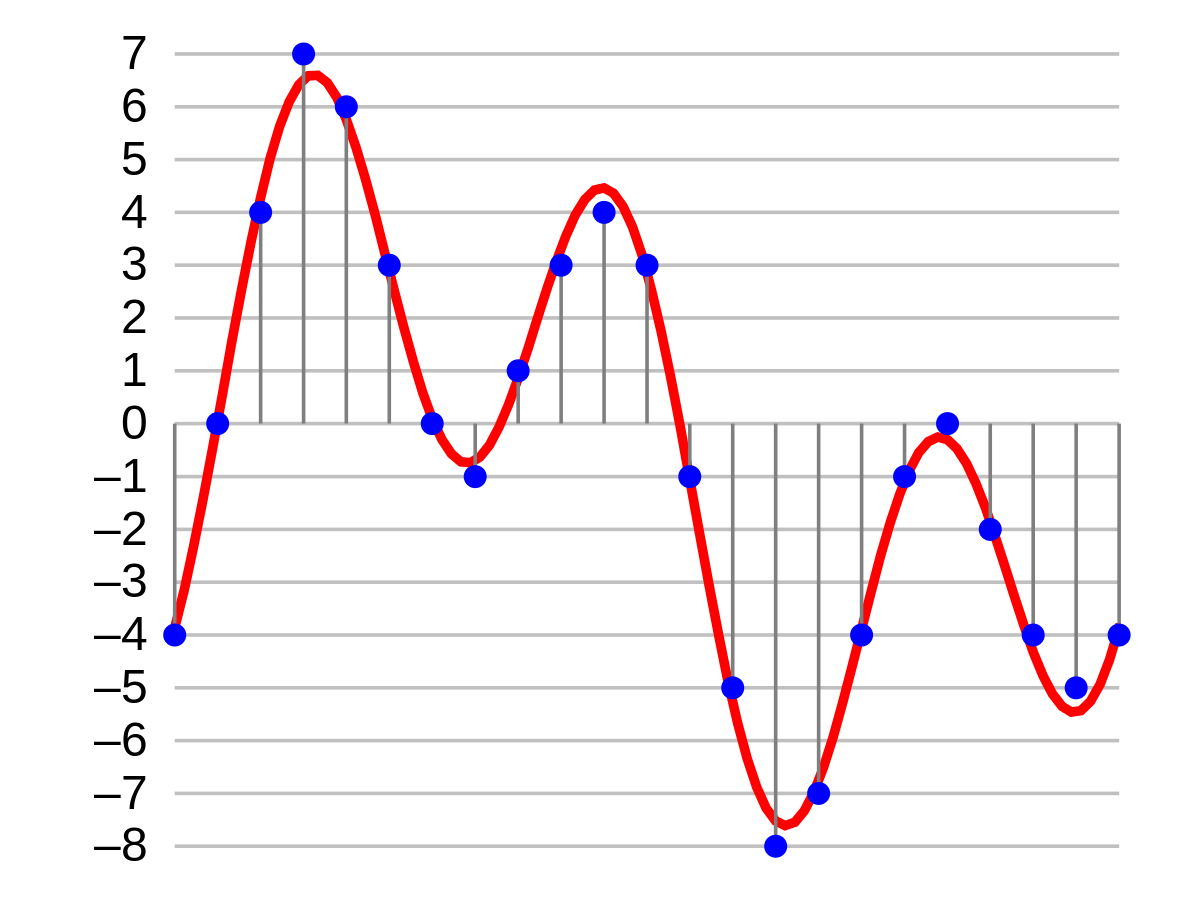
Sampling rate refers to the number of samples per unit of time. The sampling rate is 44KHz, which means the number of samples per second is 44K, which means that 44,000 pieces of data are used to describe the sound waveform in 1 second. That is, the higher the sample rate, the better the sound quality. But he and bitrate are two completely different concepts.