Why is important bitrate in audio quality?


Free Download Mp4Gain
picture

Why is important bitrate in audio quality?
Why is important bitrate in audio quality?

Bitrate

Bitrate is a crucial factor when it comes to audio quality. It refers to the amount of data processed per unit of time in an audio file.

Audio Quality

Audio quality is directly influenced by the bitrate of an audio file. Higher bitrates result in better sound reproduction and a more accurate representation of the original sound.

Sound Reproduction

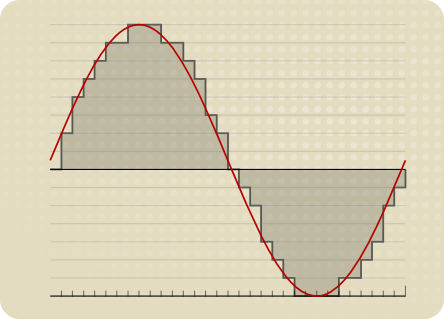
The level of detail and accuracy in sound reproduction is determined by the bitrate of an audio file. A higher bitrate allows for more information to be captured and preserved, resulting in a clearer and more immersive listening experience.

Data Compression

Bitrate and data compression go hand in hand. Lower bitrates often involve more aggressive compression techniques, which can lead to a loss of audio data and a reduction in audio quality.

File Size

The bitrate of an audio file directly affects its file size. Higher bitrates require more data to be stored, resulting in larger file sizes. It’s important to strike a balance between audio quality and file size, especially when considering storage limitations or bandwidth constraints.

Streaming Services

Streaming services rely on efficient compression techniques to deliver audio files over the internet. Bitrate plays a crucial role in determining the streaming quality. Higher bitrates result in better audio fidelity but require more bandwidth.

Internet Bandwidth

The choice of bitrate for streaming or downloading audio files depends on the available internet bandwidth. Higher bitrates require more bandwidth to ensure a smooth streaming experience without interruptions or buffering.

Audio Formats

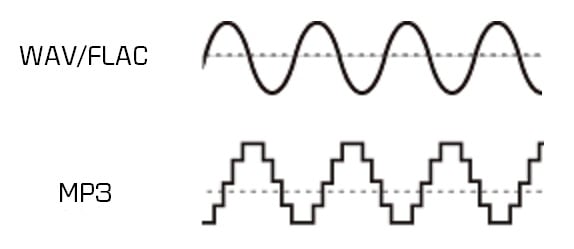
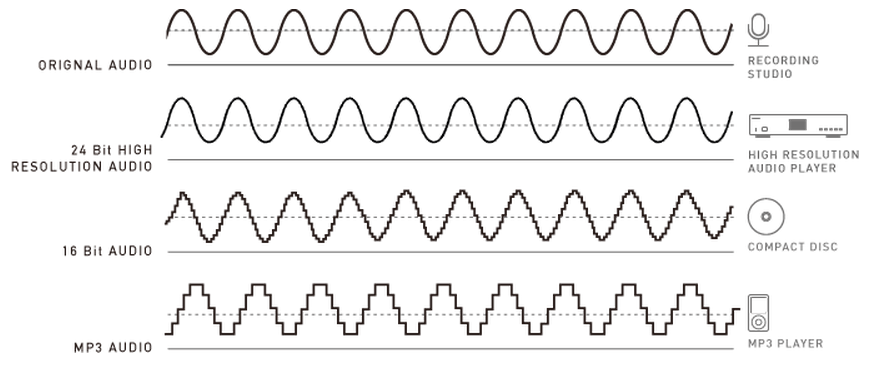
Different audio formats support varying levels of bitrate and, consequently, audio quality. Lossless formats like FLAC and WAV offer the highest audio fidelity as they preserve all the original data. Lossy formats like MP3 and AAC sacrifice some audio data to reduce file size.

Lossless

Lossless audio formats preserve all the original data, resulting in the highest audio fidelity. They are ideal for audiophiles and professionals who require the utmost accuracy in sound reproduction.

Lossy

Lossy audio formats use compression algorithms to reduce file size by sacrificing some audio data. They offer a good balance between audio quality and file size, making them suitable for everyday listening and storage purposes.

Listening Environment

The listening environment can significantly impact the perception of audio quality. Factors such as background noise, acoustics, and speaker quality can affect our ability to discern subtle differences in bitrate.

Background Noise

In a noisy environment, a lower bitrate may be sufficient as the background noise masks some of the audio details. However, in a quiet and controlled environment, a higher bitrate becomes more noticeable, providing a more immersive and enjoyable listening experience.

Acoustics

The acoustics of a room or space can influence the way audio is perceived. Proper acoustic treatment can enhance the overall audio quality, allowing for better sound reproduction and minimizing unwanted reflections or distortions.

Speaker Quality

The quality of speakers or headphones used for audio playback also plays a significant role in the overall audio experience. Higher quality speakers can better reproduce the nuances and details captured in high-bitrate audio files.

Music

Bitrate is particularly important when it comes to music. Higher bitrates allow for a more accurate representation of the original recording, resulting in a richer and more immersive musical experience.

Podcasts

Podcasts, like music, can greatly benefit from higher bitrates. Clearer and more detailed audio reproduction enhances the listening experience, making it easier to follow conversations and understand the content being discussed.

Audio Content

Whether it’s music, podcasts, audiobooks, or other forms of audio content, bitrate plays a crucial role in delivering a high-quality listening experience. Choosing the right bitrate ensures that the audio is faithfully reproduced and enjoyed to its fullest potential.


Free Download Mp4Gain
picture


Mp4Gain Main Window
picture


Mp4Gain Features
picture


Free Download Mp4Gain
picture

Exploring Audio Bitrates: Technical Deep Dive

Exploring Audio Bitrates: Technical Deep Dive

Audio Bitrates
Audio Bitrates
Audio Bitrates
Audio Bitrates

In this article, we will explore the technical aspects of audio bitrates. We will discuss what a bitrate is, how it affects audio quality, and how to choose the right bitrate for your needs.

What is a bitrate?

A bitrate is the number of bits per second that are used to encode an audio file. The higher the bitrate, the more data is used to encode the file, and the higher the quality of the audio will be. However, higher bitrates also result in larger file sizes.

How does bitrate affect audio quality?

Bitrate affects audio quality by determining how much data is used to represent the original sound waves. Higher bitrates allow for more data to be used, which results in more accurate representations of the original sound waves. This results in better audio quality, such as increased clarity and reduced noise.

How to choose the right bitrate

The right bitrate for you will depend on a number of factors, including:

  • The type of audio you are listening to. For example, music and speech have different requirements.
  • The quality of your audio equipment. Higher-quality equipment can reproduce higher bitrates without introducing any noticeable distortion.
  • Your personal preferences. Some people may prefer the sound of higher bitrates, while others may not notice a difference.

General bitrate recommendations

Here are some general bitrate recommendations for different types of audio:

  • Speech: 32 kbps to 96 kbps
  • Music: 128 kbps to 320 kbps
  • High-quality audio: 256 kbps to 512 kbps or higher

It is important to note that these are just general recommendations. The best way to determine the right bitrate for you is to experiment and see what sounds best to your ears.

Final words about audio bitrates

Audio bitrate is an important factor to consider when choosing an audio file format or when setting up an audio streaming service. By understanding how bitrate affects audio quality, you can choose the right bitrate for your needs and get the best possible listening experience.


Mp4Gain

Mp4Gain

What is the Bitrate for DVD Quality Video?

What is the Bitrate for DVD Quality Video?

DVD Bit Rate
DVD Bit Rate
DVD Bit Rate
DVD Bit Rate


DVD Quality Video Bitrate Explained

As a video enthusiast, I’m sure you’ve come across the term “bitrate” before. Bitrate refers to the amount of data being transmitted in a given amount of time, typically measured in bits per second (bps). When it comes to DVD quality video, the bitrate plays a crucial role in determining the video’s overall quality.
In order to achieve DVD quality video, the optimal bitrate for video compression is typically between 4-9 Mbps. This ensures that the video remains clear and smooth throughout playback without any pixelation or lagging. However, the bitrate can also vary depending on the specific codec being used and the length of the video.

As author and filmmaker J.D. Lasica once said, “Bitrate is like the resolution of your camera – the higher it is, the more detail and quality you’ll get.” So, if you’re looking to produce high-quality DVD videos, it’s important to understand the role of bitrate and how it can impact the final product.

Choosing the Optimal Bitrate for DVD Video

When it comes to choosing the optimal bitrate for your DVD video, there are a few factors to consider. These include the length of the video, the codec being used, and the amount of available storage space.
In general, longer videos with higher resolutions will require a higher bitrate to maintain the desired level of quality. On the other hand, shorter videos with lower resolutions can get away with a lower bitrate without compromising on quality.

It’s also worth noting that different codecs have different compression efficiencies, which can affect the required bitrate. For example, H.264 is a popular codec for DVD video because it offers high compression efficiency without sacrificing quality.

In my experience, choosing the optimal bitrate for DVD video often requires some trial and error. By experimenting with different bitrates and codecs, you can find the sweet spot that delivers the quality you want while keeping the file size manageable.

The Importance of Bitrate for DVD Video Quality

When it comes to producing high-quality DVD videos, bitrate is a crucial factor that cannot be overlooked. A higher bitrate typically results in better video quality, while a lower bitrate can lead to pixelation, lagging, and other visual issues.
As filmmaker Steven Soderbergh once said, “The final product is all about the quality of the information going in.” By understanding the role of bitrate in DVD video quality, you can ensure that your videos are of the highest possible standard.

In my experience, investing in a quality video encoder and taking the time to experiment with different bitrates and codecs can make all the difference when it comes to producing professional-grade DVD videos. With a little patience and dedication, you can achieve stunning results that are sure to impress your audience.

Final Words:
In conclusion, understanding bitrate is crucial when it comes to producing high-quality DVD videos. By choosing the optimal bitrate for your video and experimenting with different codecs, you can achieve the level of quality you desire. And remember, when it comes to DVD video quality, bitrate is king.

What is the Best Bitrate for Audio Recording?

What is the Best Bitrate for Audio Recording?

Bit Rate Audio Recording


Bit Rate Audio Recording


The Importance of Bitrate for Audio Recording Quality

As a musician and audio engineer, I’ve learned that bitrate is crucial to achieving high-quality audio recordings. The bitrate determines the amount of data that is processed and transmitted for each second of audio recording. A higher bitrate means more data is being processed, resulting in better audio quality.

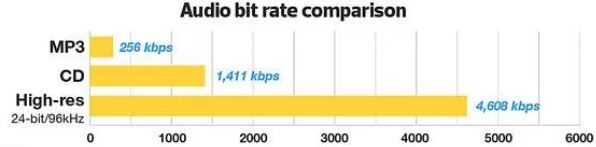
In my experience, the optimal bitrate for professional audio recording is 24-bit/96kHz. This allows for a wide dynamic range and captures every detail of the sound. As filmmaker Christopher Nolan once said, “The sound and music are 50% of the entertainment in a movie.” This applies to music recording as well. Without proper audio recording settings, even the most talented musician’s performance can fall flat.

When recording music, it’s important to remember that bitrate isn’t the only factor that affects audio quality. Other factors like microphone placement, room acoustics, and instrument quality can also have a significant impact on the final recording. However, by starting with the right bitrate, you’re setting yourself up for success.

How to Choose the Best Bitrate for Your Audio Recording

When choosing the best bitrate for your audio recording, it’s important to consider your specific needs and goals. If you’re recording for personal use, a lower bitrate may be sufficient. However, if you’re recording professionally, it’s worth investing in higher-quality equipment and choosing a higher bitrate.

In addition to considering the purpose of your recording, you should also consider the file format you’ll be using. Different file formats have different requirements for bitrate and other audio settings. For example, WAV files require a higher bitrate than MP3 files to maintain the same level of audio quality.

Ultimately, the best bitrate for your audio recording will depend on your individual needs and preferences. Don’t be afraid to experiment with different settings and seek advice from other audio professionals. With the right bitrate and equipment, you can capture every detail of your sound and create high-quality audio recordings that stand the test of time.

The Benefits of Using an Audio Normalizer and Converter

As someone who has recorded and produced music for years, I know firsthand how frustrating it can be when audio levels are inconsistent across different tracks. This is where an audio normalizer and converter can come in handy.

An audio normalizer like MP4Gain can analyze and adjust the volume of your audio tracks to ensure they’re consistent and balanced. This can save you time and effort in post-production and help you achieve a more professional sound.

Additionally, an audio converter can help you convert your audio files to different formats, making them compatible with a wider range of devices and software. MP4Gain is a powerful audio converter that supports a variety of formats, including MP3, WAV, FLAC, and more.

By using an audio normalizer and converter like MP4Gain, you can streamline your audio production workflow and achieve higher-quality results with less effort. It’s just one more tool in your arsenal as an audio professional or enthusiast.

best bitrate for audio recording, optimal audio recording bitrate, audio recording quality, bitrate for professional audio recording, recording audio with high quality, improve audio recording bitrate, audio bitrate for music recording, ideal audio recording settings, audio engineering, audio quality, dynamic range, high-quality audio recordings, microphone placement, room acoustics, instrument quality,

How to Calculate Audio Bitrate: A Comprehensive Guide

How to Calculate Audio Bitrate: A Comprehensive Guide

Audio Bitrate
Audio Bitrate

Calculating audio bitrate is an essential skill for anyone working with digital audio files. Bitrate is the amount of data used to encode one second of audio, and it plays a significant role in the quality of audio files. In this comprehensive guide, we will discuss everything you need to know about audio bitrate and how to calculate it.


Audio Bitrate
Audio Bitrate

What is Audio Bitrate?

Bitrate is the number of bits used to encode one second of audio. It is typically measured in kilobits per second (kbps) and determines the audio file’s size and quality. The higher the bitrate, the larger the audio file’s size and the better the audio quality.

Audio bitrate is determined by several factors, including:

  • The audio format
  • The audio codec
  • The audio signal characteristics

Audio Format and Codec

The audio format and codec are two critical factors that determine audio bitrate. Audio format refers to the type of audio file, such as MP3, WAV, or FLAC. Each audio format has its own advantages and disadvantages, including file size, compatibility, and audio quality.

The audio codec, on the other hand, is the software used to compress and decompress audio data. Codecs determine how efficiently audio data is compressed and how much data is used to encode one second of audio.

It is essential to choose the right audio format and codec for your needs, as they can significantly impact the audio bitrate and quality. For example, MP3 files are smaller in size but lower in quality than WAV or FLAC files.

Audio Signal Characteristics

The characteristics of the audio signal, such as its frequency range and amplitude, can also affect the effectiveness of audio compression and the resulting audio bitrate. Higher frequencies and amplitudes require more data to encode accurately, resulting in a higher bitrate.

Other factors that can affect audio bitrate include the number of audio channels and the audio’s dynamic range. Stereo audio files require more data than mono audio files, while audio files with a wide dynamic range require more data than those with a narrow dynamic range.

Calculating Audio Bitrate

Calculating audio bitrate requires you to know the audio file’s duration, size, and format. Once you have this information, you can use the following formula to calculate audio bitrate:

Bitrate = (File size in bits / Duration in seconds) / 1000

For example, if you have a 3-minute MP3 audio file with a size of 4,320,000 bytes:

  1. Convert the file size to bits: 4,320,000 x 8 = 34,560,000 bits
  2. Convert the duration to seconds: 3 x 60 = 180 seconds
  3. Calculate the bitrate: (34,560,000 / 180) / 1000 = 192 kbps

In this example, the audio file has a bitrate of 192 kbps.

Conclusion

Calculating audio bitrate is an essential skill for anyone working with digital audio files. Understanding audio format, codec, and signal characteristics can help you choose the right audio settings for your needs and ensure the best audio quality possible. By following the formula above, you can easily calculate the required bitrate for your audio files and adjust the settings accordingly. Keep in mind that bitrate is not the only factor that affects audio quality, so be sure to consider other factors such as the audio format, codec, and signal characteristics when selecting your settings.

When working with audio, it’s important to strike a balance between file size and audio quality. Higher bitrates generally result in better audio quality, but also larger file sizes. It’s up to you to determine the optimal balance for your specific needs and use case.

Final Thoughts

Calculating audio bitrate may seem like a daunting task, but with the right tools and knowledge, it can be a straightforward process. By understanding the different factors that affect audio quality and file size, you can make informed decisions when selecting your audio settings.

Remember, bitrate is just one of many factors that affect audio quality. Other factors, such as the audio format and codec, can also have a significant impact. By taking these factors into consideration and making informed decisions, you can achieve the best possible audio quality for your needs.

Whether you’re an audio professional or simply someone who enjoys working with digital audio files, understanding how to calculate audio bitrate is an important skill to have. By following the guidelines outlined in this article, you can ensure that your audio files are optimized for the best possible quality and file size.

References

Note: The information provided in this article is for educational purposes only and should not be construed as professional advice. Always consult a professional audio engineer or other qualified expert for advice on specific audio projects or issues.

What does the quality of the audio or video depend on?

What does the quality of the audio or video depend on?

Sample Rate
Sample Rate

What factors are crucial for a higher or lower quality in digital files?

Sample Rate
Sample Rate

Files like WAV are not compressed, but they take up a lot of space and contain a lot of inaudible and unnecessary information.

This forced them to look for ways to be able to compress this audio or video to save space and so that they were also lighter to watch or listen to live on sites like YouTube or Spotify, etc.

Let’s see what are the important parameters:

1.- Bit Rate

It is the bit transfer rate. Said in an easy to understand way, it is the amount of information that can be transmitted per second. It is obvious that the more information that can be transmitted, the greater the detail and therefore the greater the quality.

Sometimes the transfer rate is fixed (CBR) but it can also be variable. Where the bitrate chosen for each moment will depend on the amount of information needed.

An audio with a lot of silence and few sounds will need to transfer much less information per second than an audio full of sounds and nuances.

2.- Sampling rate

The amount of information per second that is sampled will mark the number of details that are captured and can be transmitted.

But obviously also the higher the sampling rate, the greater the information contained.

Therefore, we see as a very simplified summary that a higher quality requires greater detail and therefore better information stored and a higher speed of transmission of that information.

Therefore higher bitrate and higher samplerate will usually mean higher quality, and will also take up more space.

Which is better, MP3, FLAC or WAV? Part 2

Which is better, MP3, FLAC or WAV? Part 2


The right audio file format can do more with less

M4A

M4A is a format compatible with Apple products such as iPhone and iPod, and corresponds to MPEG-4 video files. M4A files have lossless compression and can be edited multiple times without quality loss. Compared to other audio file formats, M4A has similar quality but smaller file size.

CCA

Like MP3, Advanced Audio Coding (AAC) files are also lossy formats. However, AAC files are of much higher quality in their original state than all other audio file formats, and AAC files are generally similar in size to MP3, but slightly higher in quality.

In addition, AAC also offers variable bitrate or constant bitrate encoding, and AAC files are also open source, which means you don’t have to pay royalties to create and share them (unlike MP3 files). .

AAC files are usually used in iTunes, but can also be used in other player devices and game consoles.

undefined

OGA

Like AAC, OGA files are open source and use lossy compression. They use a variable bit rate to reduce file size without reducing the overall sound quality. In practice, OGA files tend to be of higher quality than MP3s, but many programs don’t support OGA.

FLAC

Like M4A, FLAC is a lossless format, but unlike M4A, FLAC is an open source encoding and has a more efficient compression algorithm that reduces the file to 50% to 70% of its original size. This format is popular with audiophiles as a way to collect music in its highest quality form. Because it is open source, it is compatible with many devices and programs.

PCM, WAV and AIFF

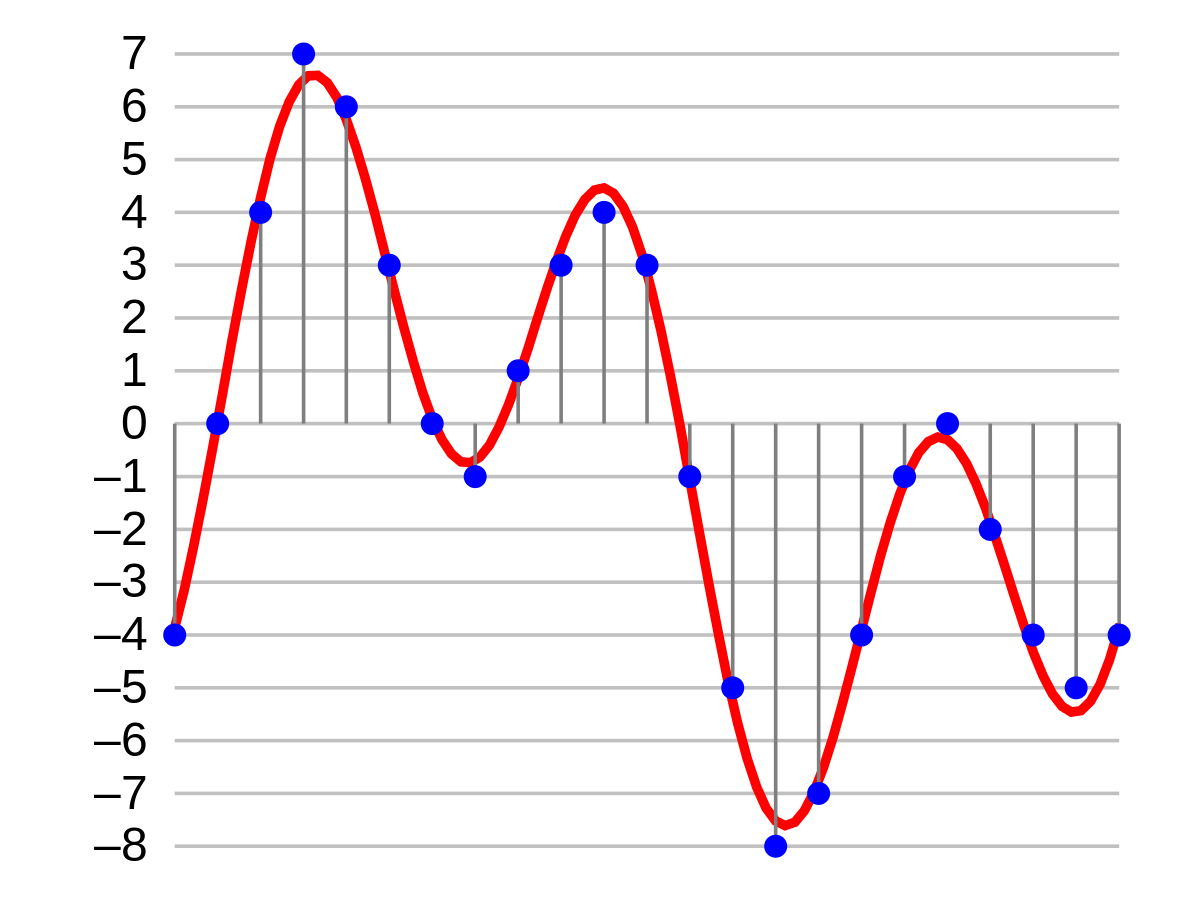
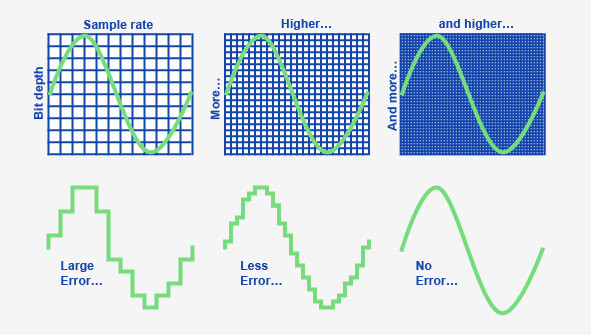
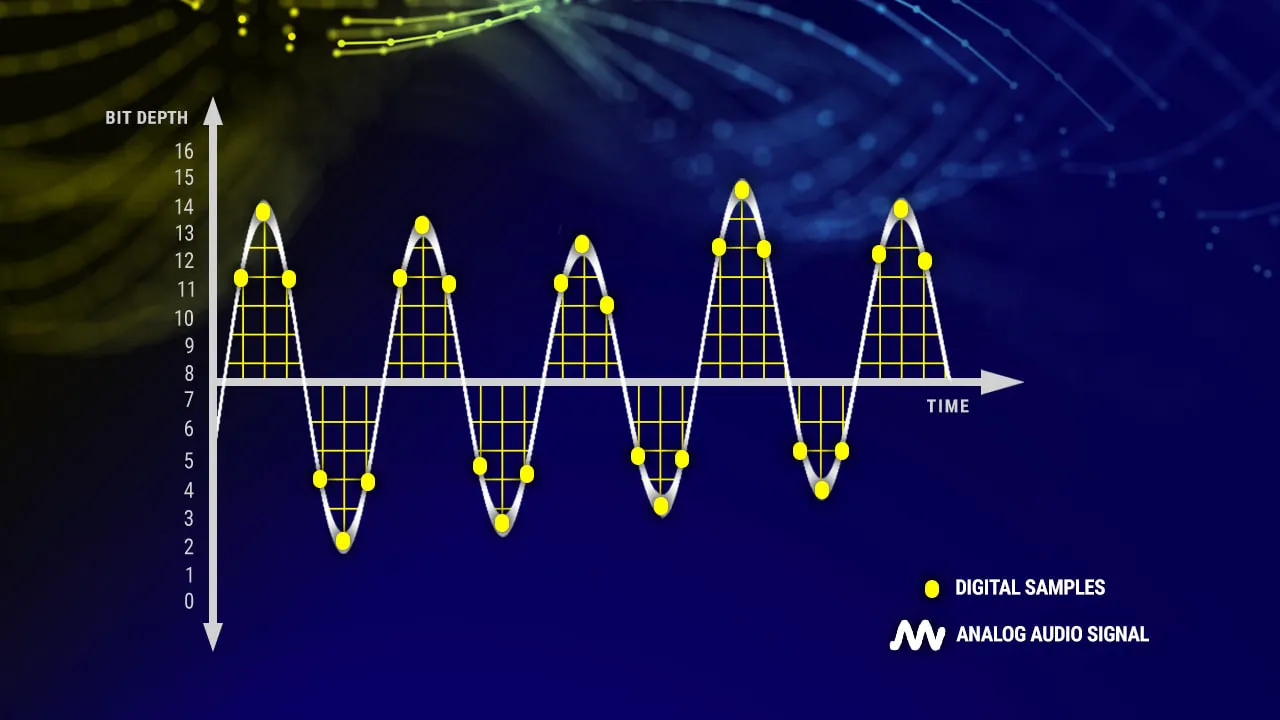
PCM (Pulse-Code Modulation) is an uncompressed audio file format commonly used on CDs and DVDs. This format uses a “sample rate” and a “bit depth”, where the sample rate represents the sample rate of the original audio file and the bit depth represents how many bits are used to define each sample.

WAV (Waveform Audio File Format) is generally used as a format for storing PCM audio files, which makes it more suitable for Windows computers.

AIFF (Audio Interchange File Format, Audio Interchange File Format) like WAV is commonly used to store audio files in PCM format (except Mac).

How to choose the correct audio file format

Choosing the right format completely depends on the audio file you intend to use, you should choose a format that expresses the sound quality of the desired audio file, unnecessary high quality audio files can be difficult to move, share, convert and manage . Consider the following two cases:

If you plan to edit audio files (such as podcasts), use uncompressed formats (including PCM, WAV, and AIFF) so that the quality of the audio files is maintained each time you edit and save the file. Once completed, it can be generated in a compressed format that is easy to share.
If you are an audiophile and want to listen to your music in high fidelity, choose a lossless compressed file format, including FLAC, WMA, M4A. It uses less storage space than uncompressed formats, but still retains the original full file quality.
If you don’t care about the quality of audio files, want to share files on the Internet, or need to save hard disk space, choose a format that uses lossy audio file compression, including MP3, OGA, AAC. Fortunately, lossy compression has gotten so good in recent years that most people can’t tell the difference between lossy and lossless compression.
In conclusion

In summary, the most popular types of audio files are:

MP3
M4A
CAA
OGA
FLAC
WAV
PCM
AIFF
In some cases it is better to use one file format than the other, in which case you should convert between the two file formats. To programmatically convert between audio or video file types, you can use Filestack’s Audio Transcoding API or Video Transcoding API. The Filestack API also supports splitting audio files from video files, cropping or resizing video files, video file thumbnails, and more.

Which is better, MP3, FLAC or WAV?

Which is better, MP3, FLAC or WAV?

MP3, FLAC or WAV
MP3, FLAC or WAV


The right audio file format can do more with less

MP3, FLAC or WAV
MP3, FLAC or WAV

Starting with MP3, M4A, and AAC, etc., when you process audio or video in your program, you will find many audio file formats. In this article, we’ll take an in-depth look at the different types of formats and when to use them in an audio or video file.


First, let’s answer some frequently asked questions:

What is the best audio format for sound quality?

Lossless formats like FLAC, WAV and AIFF are the best formats for audio files, these types of audio files are considered “high resolution” because the quality is better than a CD, but these files take up a lot of space.

Which audio file format is best to use on the web?

From a browser compatibility point of view, MP3 and MP4 are the most suitable formats to use on web pages. Modern browsers, including IE9, support this format, and some also support other formats, such as OGG, WebM, AAC, and WAV.

What are the most popular audio formats?

MP3 files are the most widely used format, and the popularity of MP3 in recent decades has led to the rise of many MP3-compatible players on the market, which continues to this day. MP3 offers a variety of different bit rates to balance quality and file size, and efficient size makes it a standard format for exchanging audio files over the Internet.

How to convert audio files from one format to another?

To convert formats manually, use a program like VLC Media Player to convert between popular audio file formats.

To programmatically convert files, Filestack provides an audio file transcoding API that makes converting audio files easy and convenient.

audio file format

MP3

MP3 is the most common audio file format and has lossy compression, which means that its quality will decrease with further editing. But compared to other audio file formats, the file size of MP3 is still relatively large.

MP3 files can be encoded at a constant or variable bit rate. Constant bit rate ensures the same quality throughout the audio file, but results in a larger file; Reduces quality when near silent, which reduces overall file size. Most smartphones and music players use the MP3 format.

How to normalize the volume of several mp3s?

How to normalize the volume of several mp3s?

Normalize Mp3
Normalize Mp3

How to get my mp3s to sound with a similar volume/loudness?

Normalize Mp3
Normalize Mp3

When the music was distributed on vinyl and recorded in an analog way, it was an exception that one audio sounded louder or quieter than the others.

On the other hand, since it took several seconds to change the disk, our mental reference to the volume of the previous disk had been erased, we were no longer so clear.

Today, with digitalized music and videos and with digital players that can play playlists, it is extremely noticeable if there is a change, jump, etc. in the volume or loudness level from one audio to another or from one video to another.

Mp4Gain is the professional mass solution that has been developed so far and it is very simple to use: just load the audios (of any popular format, not just mp3s) and the same with audios and press a button and soon we will have the problem of the resolved volume.

Explain why this happens in the digital age and did not happen in the analog one does not fall back on the myths of the supposed analog superiority.

Rather, today we have equipment to reproduce much higher quality that detects and makes it noticeable, since we have become accustomed to high fidelity, which perhaps in the analog era would have gone unnoticed.

We also find that now almost any audio or video file that reaches us has been manipulated in one way or another by an “intermediary”. That is, someone encoded or re-encoded that audio or mvideo, chose a bitrate, etc. and it is NOT reaching us, in that sense the original file. And this manipulation done by amateurs greatly influences the quality and loudness.

How many KB is the best sound quality for mp3? Part 3

How many KB is the best sound quality for mp3? Part 3

MP3 Quality
MP3 Quality

WMA is a digital music format promoted by Microsoft, under the premise of the same sound quality as mp3, the volume can be reduced by half, which almost doubles the capacity of the mp3 player.

MP3 Quality
MP3 Quality

You can easily transcribe CD to WMA through the media player that comes with Window. However, WMA has a disadvantage: Due to the music copyright issue, some WMA files cannot be simply copied to the mp3 player for playback. Of course, the higher the sound quality, the larger the file size. 320kb mp3 files are as large as 9m, and an mp3 with 128m of memory can only hold about 12 songs, which is highly impractical. The size is the ideal choice. Of course, if you have the money, it would be better to buy an mp3 hard drive, even if you put 320kb files on it, it will be easier to enjoy high quality music.
2. Quality of music playback files
The decoder chip is important, but in order to enjoy high-quality music, the factor that affects the sound source itself is very large. In turn, the quality of the audio source depends on the music file format and compression ratio. Nowadays, the most popular music formats are of course mp3 and wma, almost all mp3 players support these two formats. MP3 should be considered as the most lossy compressed digital audio format currently used by users. The mp3 files that we usually listen to have a bit compression rate of 128kbps, the compression rate is about 1:10, and the file size is usually only 4m. to a more balanced position. The compression rate of the songs we download from the Internet is usually relatively low, often only 96kbps or even less, and the effect is not very ideal. This is a practice where websites deliberately lower the compression rate due to download speed and copyright issues. To enjoy real sound quality, the best way is to find a better quality CD disc and compress it yourself. Generally speaking, the sound quality of mp3 files with a compression ratio of 192 kbps is relatively good. When played with a good mp3 player, the effect is very similar to md. If compressed to 320 kbps, the sound quality is very similar. to the CD player It’s hard to tell the difference. (Excluding those with golden ears, of course)
The most famous mp3 decoder is of course the free LAME mp3 encoding software, and most of the users have affirmed the sound quality of the mp3 encoded by it. The first MP3 encoding used a fixed code rate (CBR) method, and now it’s slowly starting to use a variable code rate (VBR) compression method. Good balance. It is worth noting that older mp3s are not compatible with VBR encoded mp3s.
WMA is a digital music format promoted by Microsoft, under the premise of the same sound quality as mp3, the volume can be reduced by half, which almost doubles the capacity of the mp3 player. You can easily transcribe CD to WMA through the media player that comes with Window. However, WMA has a disadvantage: Due to the music copyright issue, some WMA files cannot be simply copied to the mp3 player for playback. Of course, the higher the sound quality, the larger the file size. 320kb mp3 files are as large as 9m, and an mp3 with 128m of memory can only hold about 12 songs, which is highly impractical. The size is the ideal choice. Of course, if you have the money, it would be better to buy an mp3 hard drive, even if you put 320kb files on it, it will be easier to enjoy high quality music.