Comparing GPU vs. CPU Encoding Efficiency for WMV Files


Free Download Mp4Gain
picture

Comparing GPU vs. CPU Encoding Efficiency for WMV Files

Comparing GPU vs. CPU Encoding Efficiency for WMV Files

Let’s talk about comparing GPU vs. CPU encoding efficiency for WMV files. The choice between using a CPU or GPU for encoding WMV video files can significantly affect encoding speed and overall efficiency. As an expert in video processing, I’ve spent countless hours testing these methods and observing their nuances. CPUs, or Central Processing Units, are general-purpose processors, good at all kinds of tasks. GPUs, or Graphics Processing Units, are specialized for handling parallel processing, which is ideal for video encoding. This article will explain the key differences between them, and help you choose the best approach for your encoding needs.

Understanding CPU Encoding

CPU encoding involves using the main processor of the computer to handle video encoding. I’ve always viewed the CPU as the generalist of the computer; it manages everything from running the operating system to opening applications. When it comes to video encoding, the CPU works on each part of the process step-by-step, like a single worker completing one task at a time. This approach can be accurate and is good at handling complex tasks, but not the fastest for encoding large video files since a CPU has limited resources.

Sequential Processing

  • CPUs use sequential processing, which means that they do one task after another in a sequence. It is like one single worker doing one job at a time.
  • This is efficient for tasks that cannot be broken into smaller parts, but is slower for tasks that can be done at the same time.

General-Purpose Architecture

  • CPUs are designed to handle a wide variety of tasks, from spreadsheets to video games. This versatility makes them useful, but less efficient for specialized processes like video encoding.
  • Think of it as a Swiss Army knife, very useful for all sorts of tasks, but less efficient than a specialized knife for each task

Software-Based

  • CPU encoding is usually software-based, which relies on software to convert video formats. The encoding software controls the use of the CPU.
  • This software-based approach can make very high-quality encodings, as all the encoding parameters can be changed by the user.

Exploring GPU Encoding

GPU encoding uses the graphics card of the computer to process the video encoding, and I’ve witnessed significant speed advantages using this method. The GPU is designed to do a huge amount of calculations simultaneously. It is like having hundreds or thousands of workers doing very specific tasks, working at the same time. GPUs are exceptionally efficient at doing parallel tasks, like the calculations needed to encode video. This can speed up the encoding process dramatically, compared to using a CPU.

Parallel Processing

  • GPUs use parallel processing, where multiple tasks are done at the same time. They are like an army of workers that are all working at the same time on their specific tasks.
  • This is extremely fast for video encoding, since each video frame can be processed simultaneously.

Specialized Architecture

  • GPUs are specifically designed for graphics processing, that also involves intensive calculation tasks needed for video processing. This specialized design makes them very efficient for tasks like video encoding.
  • Think of a race car; it has a specialized design that allows it to go much faster than a regular car, thanks to its specialized architecture.

Hardware-Based

  • GPU encoding is hardware-based and offloads encoding to the GPU hardware. This frees up the CPU for other tasks and enables very fast video processing.
  • Hardware-based solutions are usually faster and more power-efficient than software-based alternatives for this kind of task.

WMV Encoding: CPU vs. GPU

When it comes to encoding WMV files, the differences between using a CPU and GPU are quite clear, and I’ve seen the results firsthand in many real-world tests. CPU encoding is very reliable for WMV but it can be very slow if the files are big, while GPU encoding is way faster but it may not be as accurate or flexible as a software based CPU encoding. Choosing the best option depends on the users priorities, either speed or ultimate quality.

Encoding Speed Comparison

  • GPU encoding is significantly faster than CPU encoding for WMV files. I’ve seen GPU encoding complete a large video task in minutes, while a CPU encoding may take hours for the same task.
  • GPUs excel at doing these tasks because of their parallel architecture, which makes them very efficient when converting video files.

Quality Considerations

  • CPU encoding usually produces very high-quality WMV files. It offers precise control over encoding parameters.
  • GPU encoding, while fast, may sacrifice some quality, since it prioritizes speed over accuracy, which can be an issue for some users.

Resource Usage

  • CPU encoding can be very heavy on the processor, making the computer slower while it is encoding.
  • GPU encoding offloads the task, reducing stress on the CPU, and allowing you to work on other tasks on your computer while encoding is running in the background.

Factors Affecting Encoding Efficiency

Several factors can impact the efficiency of video encoding, either by the CPU or GPU, based on my extensive work in video compression. These factors include the power of the hardware used, the encoding settings used by the user and the specific features of the video. Understanding this can help to optimize encoding and get the best results, either using CPU or GPU encoding.

Hardware Specifications

  • The power of both the CPU and GPU are very important for encoding. A high-end CPU is faster than a low-end one, and the same happens with GPUs.
  • Newer GPUs can often offer higher performance and advanced hardware encoding features, which makes them more efficient when encoding video files.

Encoding Settings

  • The encoding parameters selected by the user can affect encoding speed and final quality, in both GPU and CPU encoding.
  • Lower quality encoding settings will lead to faster encoding times but may produce lower video quality.

Video Complexity

  • The complexity of the video being encoded is also an important factor, as complex videos, with lots of detail and movement will require more processing power to compress.
  • If you are encoding a simple video, with not much movement, the encoding will be faster than if you try to encode a video with constant high speed movement.

Real-World Applications

The choice between CPU and GPU encoding can have a big effect in several practical situations, as I’ve personally experienced in my video production work. For example, choosing a very high quality encoding on a CPU may take too long. On the other hand, using a GPU to encode a video may result in faster processing, but the quality will be lower. For example, video professionals may use CPU encoding to get the best possible results, while gamers may use GPU encoding to quickly compress large video files. Understanding the right tool to use for every application is vital for efficiency in video processing.

Professional Video Editing

  • For professional video editing where quality is the priority, CPU encoding may be preferred for its accuracy and reliability.
  • Professionals can choose to wait longer encoding times if they can get the best possible final results.

Gaming and Streaming

  • For gaming and live streaming, where real-time encoding speed is needed, GPU encoding is the preferred choice.
  • Gamers usually require very fast video encoding to produce the needed files, and they prioritize speed rather than top-notch quality.

General Video Conversion

  • For general video conversion, where files are converted for playback in different devices, either CPU or GPU encoding can be used.
  • For converting movies, sometimes the users may prefer a very fast GPU encoding, and some other times they will prefer the high quality of a CPU encoding.

Making the Right Choice

Choosing between CPU and GPU encoding should be based on the specific needs of the user. In my opinion, there is no perfect solution, and the ideal option depends on the balance you want to achieve between speed and quality. If you need very high quality and time is not an issue, CPU encoding may be the best option. If you need speed above all, a fast GPU encoding is the preferred solution. Understanding the specific advantages of each technique is vital to get the best final result.

Prioritize Speed

  • If speed is your primary goal, choose GPU encoding. It will significantly reduce encoding times.
  • Using a GPU is very good for tasks that require fast processing.

Prioritize Quality

  • If the best possible quality is your main goal, use CPU encoding. It provides higher accuracy and more control.
  • CPU encoding will be slower, but it will produce better results for high-quality video projects.

Balancing Speed and Quality

  • If you need to balance speed and quality, try using a GPU encoder with high-quality settings, or a CPU encoder with faster options.
  • Test different settings to see what works best for your particular needs.

Latest words on Comparing GPU vs. CPU Encoding Efficiency for WMV Files

The choice between GPU and CPU encoding is crucial for handling WMV files. From my experience, both methods have their advantages, and it’s all about selecting the best tool for a specific job. CPU encoding delivers high quality but is slower, and GPU encoding is faster but may sacrifice some accuracy. Understanding these nuances can empower you to optimize the encoding process for different tasks. Tools like Mp4Gain can help you with your video needs. As technology evolves, I’m sure that the efficiency of both GPU and CPU encoding will improve, and we will see better results in the future. Now, with the right information you can select the best option for all your WMV encoding needs.

What is the main difference between CPU and GPU encoding for WMV files?

The main difference lies in their processing approach. CPU encoding uses sequential processing, handling one task after the other, while GPU encoding uses parallel processing, doing many tasks at the same time. This makes GPU encoding faster, but CPU encoding may offer higher video quality.

Which one is faster, GPU or CPU for WMV encoding?

GPU encoding is much faster for WMV files than CPU encoding due to its parallel processing capabilities, where many tasks are performed simultaneously. This is ideal for complex video tasks, as they can be done in a fraction of the time.

Which type of encoding produces better quality, CPU or GPU?

CPU encoding generally produces higher quality WMV files since it allows more control over encoding parameters. GPU encoding tends to prioritize speed over accuracy, which may result in less quality, so if the maximum video quality is needed, CPU encoding is preferred.

Can GPU encoding also be used for video editing?

Yes, GPU encoding is often used in video editing to accelerate encoding tasks. Many video editing software programs take advantage of the fast processing capabilities of GPUs, which allows to export video in much less time.

Does CPU encoding consume more computer resources than GPU encoding?

Yes, CPU encoding usually consumes more of the CPU resources, making the computer slower during the encoding process. GPU encoding, on the other hand, offloads the encoding task to the GPU, freeing the CPU for other tasks, which makes the computer more responsive.

What is the importance of hardware specifications for encoding?

The power of both CPU and GPU is vital for the encoding process. Higher-end hardware will provide faster processing and better quality results than lower-end hardware, and newer hardware is also more efficient and faster in most tasks.

How do different encoding settings affect the output?

Encoding settings have a big impact on the encoding speed and video quality. Lower quality settings will be faster but produce lower quality. Higher quality settings will take longer, but will result in better quality. The settings also affect the final file size.

Is it possible to use both CPU and GPU together for encoding?

Some video software programs can use both CPU and GPU at the same time to speed up the encoding process. This technique combines the flexibility of the CPU with the speed of the GPU to achieve a balanced performance for some specific tasks.

When should I choose GPU encoding for my WMV files?

You should choose GPU encoding if speed is a priority and you need to encode your WMV files quickly. This is especially useful for gamers, or people who need to do video streaming in real time, and for converting large video files when speed is more important than ultimate quality.

When is CPU encoding better for my WMV files?

CPU encoding is usually better when video quality is the top priority and you need the best possible results. This applies to professional video projects, or if you are encoding video for archival purposes, where ultimate video quality is the main concern.

Comments:

This article is a really deep dive into the world of video encoding, I had no idea there was such a complex thing behind it. Thanks for making it understandable. Now I know what to choose, very helpful!

-TechNoob

Wow, great article! I was always wondering why encoding in some programs was so fast and some other ones were so slow. Now I understand, CPU and GPU encoding is not the same. I am gonna use GPU encoding from now on, thanks!

-GamerGuy

Very interesting, I learned a lot! I did not know how video encoders worked, but this article is really clear. I have a question, why do not always use GPU encoding? is it that bad? maybe you could explain that a little better.

-CuriousMind

This was a great article! I am a professional video editor, and I knew the basics, but this gave me a much deeper understanding. I never really knew the real differences, and now I see that I use both CPU and GPU encoding in different projects. Thank you.

-VideoPro

I really appreciate the simple way to explain such a complex topic. Great examples and easy to read. This helps to get the big picture without all the technical jargon that i don’t understand. Very cool

-SimpleUser

This article was a lot of help for me. I’m a streamer and I need to compress my videos all the time. Now I understand why some programs are faster than others, and why some look better! Thanks for the info.

-StreamerFan

Very informative! The way you explained parallel processing was perfect. I get it now, i will use the information you provided for my daily video tasks. Good job guys.

-VideoLover


Free Download Mp4Gain
picture


Mp4Gain Main Window
picture


Mp4Gain Features
picture


Free Download Mp4Gain
picture

WMV-HD vs Blu-ray Video Quality Comparison

WMV-HD vs Blu-ray Video Quality Comparison

WMV-HD vs Blu-ray Video Quality Comparison

WMV-HD vs Blu-ray Video Quality Comparison

Let’s Talk About Video Quality

When it comes to video quality, the choice between WMV-HD and Blu-ray can be crucial for cinephiles, gamers, or anyone who values crisp, clear images. As a seasoned expert in video technologies, I’ve delved deep into the intricacies of both formats to provide you with a comprehensive comparison that goes beyond what you’ll find in the typical Google search results.

The Evolution of High-Definition Video

High-definition (HD) video has revolutionized the way we consume visual media. From the early days of grainy VHS tapes to the crystal-clear images of today, the journey of video quality has been nothing short of remarkable. Understanding this evolution is key to grasping the nuances between WMV-HD and Blu-ray.

Decoding the Terminology: What is WMV-HD and Blu-ray?

Before diving into the comparison, let’s clarify what exactly WMV-HD and Blu-ray entail. WMV-HD stands for Windows Media Video High Definition, a video compression format developed by Microsoft. On the other hand, Blu-ray refers to the optical disc storage medium designed to supersede DVDs, offering higher storage capacity and enhanced video quality.

The Battle of Resolution: 720p vs 1080p

Resolution plays a pivotal role in determining the clarity and detail of a video. Blu-ray typically offers a native resolution of 1080p, providing stunningly sharp images with vibrant colors and lifelike textures. In contrast, WMV-HD often caps out at 720p, which, while still high-definition, may lack the visual fidelity of its Blu-ray counterpart.

Bitrate Matters: Unveiling the Bitrate Disparity

Bitrate is another critical factor influencing video quality, representing the amount of data processed per unit of time. Blu-ray discs typically boast higher bitrates compared to WMV-HD files, allowing for smoother motion, reduced compression artifacts, and greater overall clarity. This higher bitrate translates to a more immersive viewing experience, especially during fast-paced action sequences or scenes with intricate details.

Color Depth and Compression: The Devil in the Details

Color depth refers to the number of bits used to represent the color of each pixel in an image. Blu-ray’s superior color depth, often at 10-bit or higher, results in smoother gradients and more accurate color reproduction compared to WMV-HD’s standard 8-bit color depth. Additionally, Blu-ray’s advanced compression algorithms minimize data loss and preserve fine details, ensuring a cinematic experience that’s second to none.

Audio Immersion: Surround Sound Showdown

While video quality often takes center stage, audio is equally crucial in creating an immersive viewing experience. Blu-ray’s support for high-definition audio formats like Dolby TrueHD and DTS-HD Master Audio delivers unparalleled sound quality, enveloping viewers in a rich auditory landscape. In contrast, WMV-HD may offer decent audio fidelity but falls short of Blu-ray’s immersive capabilities.

Compatibility and Accessibility: The Convenience Factor

In today’s digital age, compatibility and accessibility are paramount considerations. Blu-ray discs require dedicated players or consoles equipped with Blu-ray drives, limiting their accessibility compared to WMV-HD files, which can be played on a wider range of devices with Windows Media Player or other compatible software. However, the ubiquity of Blu-ray players and the growing popularity of streaming services offering Blu-ray quality content mitigate this disadvantage to some extent.

Cost Considerations: Balancing Quality and Affordability

Finally, cost often plays a significant role in consumers’ decision-making processes. While Blu-ray discs may come with a higher price tag than downloadable WMV-HD files, the investment pays off in terms of superior video and audio quality, making Blu-ray a worthwhile long-term investment for cinephiles and avid collectors.

Latest Words on Video Quality

In conclusion, the choice between WMV-HD and Blu-ray ultimately boils down to your priorities and preferences. While WMV-HD offers convenience and accessibility, Blu-ray reigns supreme in terms of video and audio quality, providing a truly cinematic experience that’s unrivaled. As technology continues to evolve, it’s essential to stay informed and make informed decisions based on your unique needs and preferences.

Comments:

Wow, this article really cleared up my confusion about WMV-HD and Blu-ray! I’ve been contemplating upgrading my home theater setup, and now I know exactly what to look for. Thanks!

– MovieBuff87

I appreciate the detailed breakdown of the technical aspects. As a casual viewer, I didn’t realize how much of a difference bitrate and color depth could make in my viewing experience.

– TechNovice23

This article is great, but I wish it had included more information about the future of video formats and whether streaming services will eventually surpass physical media like Blu-ray.

– StreamQueen

As someone who’s invested heavily in Blu-ray collections over the years, I couldn’t agree more with the points made in this article. Blu-ray truly offers the best bang for your buck in terms of video quality.

– FilmFanatic99

Interesting read! I’ve always been curious about the differences between WMV-HD and Blu-ray, and this article provided a comprehensive comparison that was easy to understand.

– CuriousViewer22

This article was helpful, but I wish it had included more information about the environmental impact of physical media production compared to digital downloads.

– EcoWarrior123

I’ve been debating whether to invest in a Blu-ray player, and this article provided valuable insights into the advantages of Blu-ray over digital formats like WMV-HD. Thanks for the guidance!

– HomeCinemaEnthusiast

Great article! It’s refreshing to see a comprehensive comparison that goes beyond the surface-level differences between WMV-HD and Blu-ray. Keep up the excellent work!

– MovieManiac123

I’ve always been a fan of physical media, but this article made me reconsider the benefits of digital formats like WMV-HD. It’s a tough decision, but I appreciate the insights!

– MediaCollector55

As someone who’s passionate about audiovisual quality, I found

this article to be incredibly informative and well-written. Kudos to the author for shedding light on this often overlooked topic!

– AVGeek101

MP3 Frame Structure and Headers

MP3 Frame Structure and Headers

MP3 Frame Structure and Headers

MP3 Frame Structure and Headers

Let’s talk about MP3 Frame Structure and Headers

As an expert in digital audio formats, I’m excited to delve into the intricate world of MP3 frame structure and headers. Understanding these components is crucial for anyone involved in audio encoding, decoding, or manipulation. So, let’s break down the complexities and demystify the inner workings of MP3 files.

The Essence of MP3 Frames

To comprehend MP3 frame structure, we must first grasp the concept of frames. In the realm of digital audio, frames serve as the building blocks of encoded data. Each frame encapsulates a portion of audio information, making it possible for devices to decode and reproduce sound accurately.

Key Characteristics of MP3 Frames:

  • Fixed Length: MP3 frames typically have a fixed length, ensuring consistency in data processing.
  • Header Information: Every frame begins with a header containing vital details for decoding.
  • Audio Data: Following the header, the frame carries compressed audio data.

MP3 frames play a pivotal role in maintaining audio fidelity while minimizing file size, making them indispensable in the realm of digital audio.

Decoding MP3 Frame Headers

Now, let’s dissect the anatomy of MP3 frame headers, which hold crucial information for decoding audio streams accurately. Understanding these headers is akin to deciphering the DNA of an MP3 file, unlocking its contents for playback.

Components of MP3 Frame Headers:

  • Synchronization Bits: These sync bits mark the beginning of each frame, facilitating proper alignment during decoding.
  • Audio Parameters: Headers store essential details such as bitrate, sample rate, and stereo mode, guiding the decoding process.
  • Frame Length: Each header specifies the length of the frame, enabling efficient parsing of audio data.

By parsing the header information, audio players can accurately reconstruct the original audio waveform, ensuring faithful reproduction of the source material.

Optimizing MP3 Encoding Efficiency

In the quest for optimal audio quality and file size, understanding MP3 frame structure is paramount. By leveraging advanced encoding techniques and optimizing frame parameters, audio engineers can strike a balance between fidelity and compression.

Advanced Encoding Strategies:

  • Variable Bitrate (VBR): VBR encoding adjusts bitrate dynamically, allocating more resources to complex audio passages for enhanced quality.
  • Psychoacoustic Modeling: By leveraging psychoacoustic principles, encoders discard perceptually irrelevant audio data, maximizing compression efficiency.
  • Joint Stereo: Joint stereo encoding exploits spatial redundancy in audio streams, further reducing file size without sacrificing quality.

These advanced strategies empower audio professionals to create MP3 files that deliver exceptional quality while conserving storage space—a testament to the ingenuity of digital audio technology.

Exploring Future Trends in MP3 Technology

As we navigate the ever-evolving landscape of digital audio, it’s essential to stay abreast of emerging trends and technologies shaping the MP3 ecosystem. From immersive audio formats to advancements in compression algorithms, the future holds boundless possibilities for audio enthusiasts and professionals alike.

Future Directions:

  • Immersive Audio: With the rise of virtual reality and spatial audio, MP3 technology may evolve to support immersive soundscapes, enriching the listening experience.
  • AI-driven Compression: Machine learning algorithms could revolutionize MP3 encoding, enabling more efficient compression without compromising quality.
  • Streaming Optimization: As streaming platforms dominate the audio landscape, MP3 formats may undergo refinements to enhance streaming efficiency and quality.

By embracing these emerging trends and harnessing the power of innovation, the MP3 format is poised to remain a cornerstone of digital audio for years to come.

Latest words on MP3 Frame Structure and Headers

In conclusion, the intricacies of MP3 frame structure and headers underscore the remarkable ingenuity behind digital audio encoding. From the humble beginnings of the MP3 format to its ubiquitous presence in today’s digital landscape, understanding these fundamental concepts is essential for anyone involved in audio production, distribution, or consumption.

Comments:

Wow, this article really helped me understand the technical aspects of MP3 files! I had no idea about the complexities behind frame headers.

I’ve been searching for a comprehensive guide on MP3 encoding, and this article exceeded my expectations. Great job!

Could you please provide more details on the differences between MPEG-1 and MPEG-2 audio layers? I’d love to learn more about their impact on MP3 frame structure.

This article perfectly explained why some MP3 files sound better than others despite having the same bitrate. Understanding psychoacoustic modeling is a game-changer!

As a musician, I appreciate the insights into optimizing MP3 encoding efficiency. It’s fascinating how technology can enhance the audio production process.

Great article! I’m excited to see how AI-driven compression will shape the future of MP3 technology. The possibilities are endless!

Thanks for shedding light on the future trends in MP3 technology. As a streaming enthusiast, I’m curious to see how immersive audio formats will revolutionize the listening experience.

This article helped me troubleshoot some issues with my MP3 files. Now I understand why certain files were causing compatibility problems across devices.

As a podcast producer, I found this article incredibly informative. It’s essential to optimize MP3 encoding for seamless streaming and distribution.

Thank you for demystifying MP3 frame structure and headers! This article provided valuable insights that will enhance my audio production workflow.

H.265 Parallel Processing

H.265 Parallel Processing in Coding

Una imagen 3D, hiper realista, futurista, de una tarjeta de video del año 2350 que tenga bordes delgados con filos dorado brillante y colores neón brillante que diga con claridad y en gran tamaño la palabra VIDEO en colores

Una imagen 3D, hiper realista, futurista, de una tarjeta de video del año 2350 que tenga bordes delgados con filos dorado brillante y colores neón brillante que diga con claridad y en gran tamaño la palabra VIDEO en colores

Let’s talk about H.265 Parallel Processing in Coding

In the realm of video compression, H.265 stands as a cornerstone, and the marvel of parallel processing in its coding deserves exploration. As an expert in video technology, I unveil the intricacies of H.265 parallel processing, shedding light on its applications and innovations.

The Power of Parallel Processing

Picture parallel processing as a team of workers efficiently tackling a complex task together. In the context of H.265 coding, this translates to simultaneous data processing, significantly enhancing compression efficiency. It’s akin to a well-coordinated dance where multiple elements work seamlessly in tandem.

Revolutionizing Video Compression

H.265, also known as High Efficiency Video Coding (HEVC), has revolutionized video compression. Parallel processing plays a pivotal role, enabling faster and more robust compression. Think of it as upgrading from a single-lane road to a multi-lane highway, allowing smoother traffic flow and quicker delivery.

Latest Words on H.265 Parallel Processing

In the dynamic landscape of video technology, staying abreast of the latest developments in H.265 parallel processing is essential. Recent advancements highlight its application in emerging technologies, promising enhanced video quality and efficient streaming. It’s not just an evolution; it’s a video revolution.

Parallel Processing in Action

Imagine a chef preparing a complex dish, chopping vegetables, and stirring the sauce simultaneously. Similarly, H.265 parallel processing handles different parts of the video compression process concurrently, leading to a more efficient and speedy outcome.

Breaking New Grounds

As someone deeply entrenched in the world of video technology, I’ve witnessed the evolution of H.265 parallel processing. It’s not merely a technological upgrade; it’s a leap into the future. Imagine it as upgrading from black and white to high-definition color—each frame, detail, and nuance captured with unparalleled precision.

The Unseen Hero: Parallel Efficiency

Think of H.265 parallel processing as the unsung hero working behind the scenes. Like a skilled orchestra conductor, it orchestrates the compression process with finesse, ensuring a harmonious and efficient outcome. The result? Crystal-clear videos, seamless streaming, and an immersive viewing experience.

Unlocking Tomorrow’s Innovations

Looking ahead, H.265 parallel processing lays the foundation for tomorrow’s innovations. It’s not just about meeting current demands; it’s about anticipating and exceeding future expectations. The parallel revolution is here to stay, steering the course for a new era in video coding.

Let’s Talk About Efficiency: The H.265 Advantage

Summing up, H.265 parallel processing is the driving force behind unparalleled efficiency in video coding. Its applications span industries, its evolution is continuous, and its impact is transformative. As an expert in the field, I can confidently affirm that understanding and embracing H.265 parallel processing is key to unlocking the full potential of video technology.

Comments:

This article provides a comprehensive insight into H.265 parallel processing. I appreciate the clear analogies used to explain complex concepts. – TechEnthusiast21

Can you delve deeper into the real-world applications of H.265 parallel processing? I’m intrigued and want to apply this knowledge to my work. – CuriousMind

Kudos to the author for breaking down such a technical topic into digestible information. The analogy of the orchestra conductor is spot on! – VideoGeek

I found the comparison with a multi-lane highway very relatable. It made the technical aspects more understandable. Great job! – LaneExplorer

Bitstream Compression

Understanding Bitstream Compression: Enhancing Data Efficiency

Bitstream Compression


In today’s data-driven world, efficiency is paramount. Whether you’re a tech enthusiast, a professional in the field, or simply curious about data compression, the term “Bitstream Compression” might have piqued your interest. In this article, I’ll delve into the intricacies of Bitstream Compression, providing insights, examples, and technical knowledge to help you grasp its significance and applications.

Bitstream Compression: Unraveling the Concept

Bitstream Compression: A Closer Look

Bitstream Compression is a data compression technique designed to reduce the size of digital data streams. To put it simply, it’s like packing a suitcase efficiently to maximize space. This technology finds applications in various domains, from multimedia transmission to storage devices. Imagine you’re sending a high-definition video over the internet. Bitstream Compression optimizes the data, allowing for smoother transmission without compromising quality.

The Mechanics of Bitstream Compression

How Bitstream Compression Works

Let’s take a closer look at how Bitstream Compression works. Imagine you have a long string of binary data, consisting of 0s and 1s. Think of it as a sequence of beads on a string. Bitstream Compression identifies patterns within this sequence and replaces them with shorter codes, just like using symbols to represent words. This compression process reduces the overall size of the data while retaining essential information. As a result, you save bandwidth and storage space. This technique is analogous to shorthand writing, where complex sentences are expressed with fewer strokes.

Applications of Bitstream Compression

Bitstream Compression in the Real World

Bitstream Compression plays a pivotal role in modern technology. It’s the reason you can stream high-quality videos on your mobile device without constant buffering. Moreover, it’s widely employed in audio codecs like MP3, making it possible to carry your entire music library in your pocket. Beyond entertainment, it’s essential in sectors like medical imaging, where high-resolution images are compressed for efficient storage and transmission.

Optimizing Bitstream Compression

Now, let’s address some common questions that arise regarding Bitstream Compression:

1. How does Bitstream Compression affect data quality?

The Trade-Off Between Compression and Quality

Bitstream Compression aims to reduce data size, but what about quality? Find out how this technique strikes a balance between efficient storage and maintaining data integrity.

2. Where else is Bitstream Compression used besides multimedia?

Bitstream Compression Beyond Entertainment

Explore the diverse applications of Bitstream Compression, from medical imaging to data transmission, and discover how it impacts various industries.

3. Are there different methods of Bitstream Compression?

Exploring Bitstream Compression Techniques

Delve into the world of Bitstream Compression techniques and learn about the various methods used to optimize data streams for different purposes.

4. How can I implement Bitstream Compression in my projects?

Implementing Bitstream Compression: Practical Tips

If you’re considering incorporating Bitstream Compression into your projects, this section provides valuable insights and guidance on getting started.

Last Words

In conclusion, Bitstream Compression is a powerful tool in the digital age, enabling efficient data storage and transmission across a wide range of applications. Understanding its mechanics and applications can empower you to make informed decisions in your tech endeavors. Whether you’re a developer, a content creator, or simply someone curious about the digital world, Bitstream Compression is a concept worth exploring.

Why is important bitrate in audio quality?

Why is important bitrate in audio quality?

Why is important bitrate in audio quality?

Bitrate

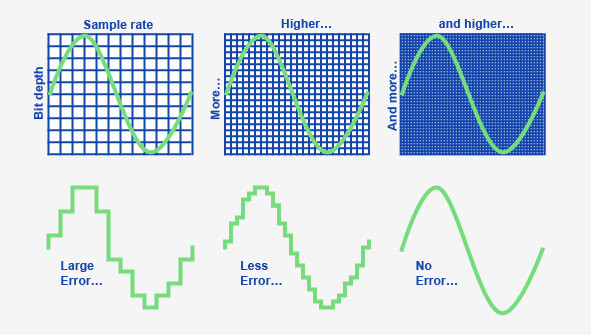
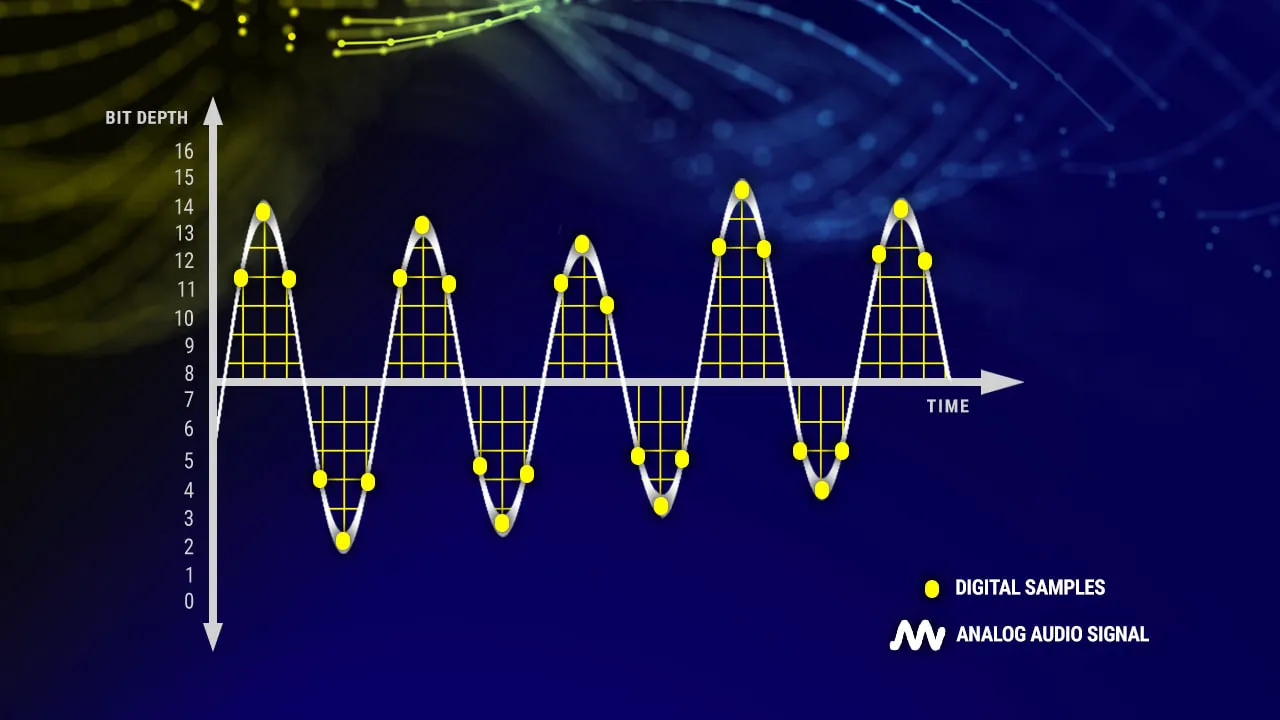
Bitrate is a crucial factor when it comes to audio quality. It refers to the amount of data processed per unit of time in an audio file.

Audio Quality

Audio quality is directly influenced by the bitrate of an audio file. Higher bitrates result in better sound reproduction and a more accurate representation of the original sound.

Sound Reproduction

The level of detail and accuracy in sound reproduction is determined by the bitrate of an audio file. A higher bitrate allows for more information to be captured and preserved, resulting in a clearer and more immersive listening experience.

Data Compression

Bitrate and data compression go hand in hand. Lower bitrates often involve more aggressive compression techniques, which can lead to a loss of audio data and a reduction in audio quality.

File Size

The bitrate of an audio file directly affects its file size. Higher bitrates require more data to be stored, resulting in larger file sizes. It’s important to strike a balance between audio quality and file size, especially when considering storage limitations or bandwidth constraints.

Streaming Services

Streaming services rely on efficient compression techniques to deliver audio files over the internet. Bitrate plays a crucial role in determining the streaming quality. Higher bitrates result in better audio fidelity but require more bandwidth.

Internet Bandwidth

The choice of bitrate for streaming or downloading audio files depends on the available internet bandwidth. Higher bitrates require more bandwidth to ensure a smooth streaming experience without interruptions or buffering.

Audio Formats

Different audio formats support varying levels of bitrate and, consequently, audio quality. Lossless formats like FLAC and WAV offer the highest audio fidelity as they preserve all the original data. Lossy formats like MP3 and AAC sacrifice some audio data to reduce file size.

Lossless

Lossless audio formats preserve all the original data, resulting in the highest audio fidelity. They are ideal for audiophiles and professionals who require the utmost accuracy in sound reproduction.

Lossy

Lossy audio formats use compression algorithms to reduce file size by sacrificing some audio data. They offer a good balance between audio quality and file size, making them suitable for everyday listening and storage purposes.

Listening Environment

The listening environment can significantly impact the perception of audio quality. Factors such as background noise, acoustics, and speaker quality can affect our ability to discern subtle differences in bitrate.

Background Noise

In a noisy environment, a lower bitrate may be sufficient as the background noise masks some of the audio details. However, in a quiet and controlled environment, a higher bitrate becomes more noticeable, providing a more immersive and enjoyable listening experience.

Acoustics

The acoustics of a room or space can influence the way audio is perceived. Proper acoustic treatment can enhance the overall audio quality, allowing for better sound reproduction and minimizing unwanted reflections or distortions.

Speaker Quality

The quality of speakers or headphones used for audio playback also plays a significant role in the overall audio experience. Higher quality speakers can better reproduce the nuances and details captured in high-bitrate audio files.

Music

Bitrate is particularly important when it comes to music. Higher bitrates allow for a more accurate representation of the original recording, resulting in a richer and more immersive musical experience.

Podcasts

Podcasts, like music, can greatly benefit from higher bitrates. Clearer and more detailed audio reproduction enhances the listening experience, making it easier to follow conversations and understand the content being discussed.

Audio Content

Whether it’s music, podcasts, audiobooks, or other forms of audio content, bitrate plays a crucial role in delivering a high-quality listening experience. Choosing the right bitrate ensures that the audio is faithfully reproduced and enjoyed to its fullest potential.