MP3 Decoding Complexity for Embedded Systems


Free Download Mp4Gain
picture

MP3 Decoding Complexity for Embedded Systems}
MP3 Decoding Complexity for Embedded Systems

Let’s talk about MP3 decoding complexity for embedded systems

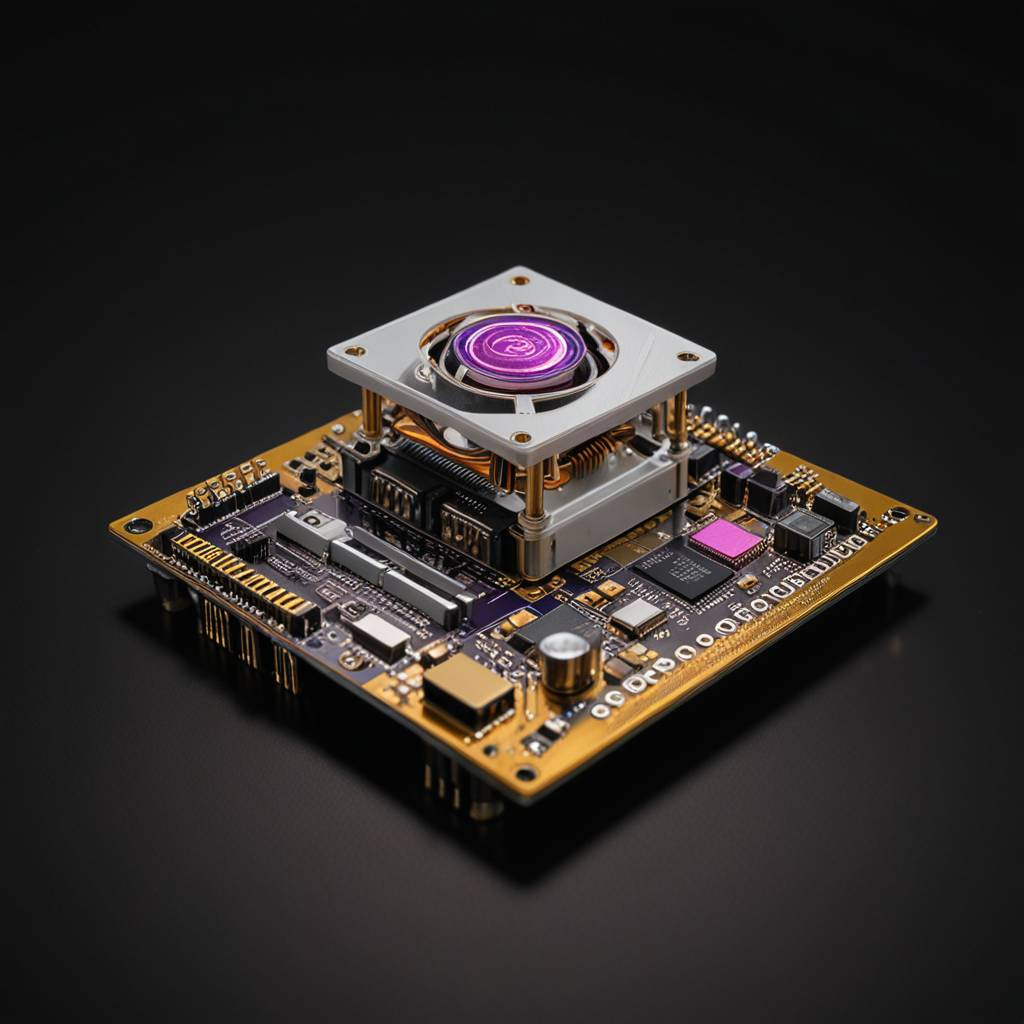
When you think of playing MP3 files, it might seem simple, but decoding MP3s in embedded systems involves far more complexity. I’ve spent years working with embedded systems and audio file formats, and I know firsthand how much precision and efficiency these tiny processors need. Imagine trying to fit a big jigsaw puzzle in a tiny box; each piece has to fit perfectly, with no extra space. Embedded systems are limited in both processing power and memory, which makes decoding MP3 files a real challenge. But through careful optimization, we can make it work seamlessly. Let me walk you through how this happens.

Why MP3 Decoding is Complex in Embedded Systems

MP3 decoding in embedded systems is tough because of resource constraints. Unlike PCs, embedded devices often lack both processing power and memory. Think of it like trying to fit a full-sized orchestra into a small room and still making it sound great—everything needs to be optimized perfectly. Embedded systems require that the MP3 decoding process uses minimal CPU cycles and memory while preserving the audio quality users expect. To make this happen, we need smart decoding methods, efficient data management, and streamlined software solutions.

Understanding the Basics of MP3 Compression and Encoding

MP3 files reduce audio file sizes through a compression process that removes less audible sounds, making the format ideal for storage-limited devices. This process is based on psychoacoustic principles, where the system removes frequencies humans are unlikely to hear. In an embedded system, understanding the encoding process helps in creating an efficient decoder. By predicting the patterns and using effective data handling, we can keep things lightweight while retaining audio quality.

The Role of Huffman Coding in MP3 Decoding Complexity

Huffman coding is crucial in MP3 files because it compresses data based on frequency. Imagine you have a bunch of frequently used words that you replace with shorter symbols. This saves space but requires extra steps to decode. The same goes for embedded systems; they must unpack these symbols efficiently. Huffman coding is computationally intensive, especially for devices with limited power, which means we need optimized algorithms and routines for it to work smoothly in embedded systems.

Transform Coding and MDCT (Modified Discrete Cosine Transform)

MP3 files rely heavily on MDCT, which compresses data by transforming the audio signal. Think of it like packing clothes efficiently into a suitcase—the less space it takes, the better. The MDCT process reduces redundancy, but it’s also computationally demanding. For embedded systems, decoding MDCT data requires that we optimize how this data is processed, balancing speed with memory usage. Efficiently managing MDCT decoding is one of the main challenges when designing MP3 decoders for these systems.

Bitstream Parsing and Data Management

Parsing the bitstream means the system has to read through a compressed data stream and understand it. Picture a conveyor belt that sorts different objects. An embedded system has to ‘sort’ MP3 data on the fly while also decoding it. This requires streamlined data handling to avoid overloading the system’s limited resources. In many embedded systems, we use small buffers and tightly controlled data paths to keep decoding smooth and avoid memory overflow.

Psychoacoustic Models in MP3 Decoding

Psychoacoustic models determine which audio frequencies are necessary for good sound quality. Imagine a painter removing unnecessary details to save on paint without losing the artwork’s essence. In MP3 decoding, embedded systems must apply these principles without losing quality. By recognizing which data can be discarded without affecting sound quality, the embedded system can decode MP3 files faster, which is essential for performance.

Low-Complexity Algorithms for Embedded MP3 Decoding

Embedded systems often use low-complexity algorithms to manage limited resources. When dealing with MP3 files, I’ve found that using algorithms specifically tailored for low-power devices is key. These algorithms simplify the decoding process without losing the audio fidelity users expect. Implementing these low-complexity solutions is like taking a complex recipe and finding simpler steps that lead to the same delicious result.

Handling Frame Synchronization and Error Recovery

Embedded systems face unique challenges with MP3 frame synchronization and error recovery. Frames are like individual slices of audio; if one is missing or corrupt, it impacts the whole song. In these cases, efficient error recovery mechanisms keep playback smooth. For embedded systems, this requires lightweight yet effective error-checking mechanisms that quickly detect and fix issues without wasting resources.

Memory and CPU Constraints in Embedded MP3 Decoding

Embedded devices have strict limits on memory and CPU capacity. Think of it as cooking a big meal with only a few pots and burners. We need to use the available resources carefully to avoid overloading the device. Techniques such as reducing buffer sizes, optimizing CPU cycles, and managing memory with precision help tackle these limitations.

Choosing the Right Embedded Processor for MP3 Decoding

Processor selection is critical for effective MP3 decoding. Embedded systems require a processor capable of handling the demands of MP3 data while being power-efficient. I always recommend processors with a mix of DSP (Digital Signal Processing) capabilities and low-power consumption, as they’re built for tasks like audio decoding. The right choice can greatly enhance the device’s performance without draining its resources.

Optimizing Power Consumption During MP3 Playback

Power consumption is a constant concern with embedded systems, especially those using batteries. Efficient MP3 decoding reduces power usage, extending battery life. Picture a car engine tuned to maximize fuel efficiency; similarly, an embedded system’s MP3 decoder should be tuned to minimize energy use without sacrificing performance.

Using Hardware Acceleration for Efficient MP3 Decoding

Hardware acceleration can speed up MP3 decoding in embedded systems. When available, hardware decoders can handle complex tasks directly, freeing up the main processor. This is like having a sous chef who handles specific tasks while you focus on cooking. By offloading demanding parts of MP3 decoding to dedicated hardware, the system can perform better while conserving resources.

Challenges with Buffer Management in Embedded MP3 Decoders

Buffer management is vital in embedded MP3 decoding to ensure smooth playback. Embedded systems have limited buffer memory, so we must carefully control how data flows through. It’s like organizing a narrow hallway to avoid jams. Effective buffer management keeps data flowing smoothly and reduces the chance of interruptions in audio playback.

Real-Time Processing Requirements for Embedded MP3 Decoding

Real-time processing ensures that audio plays without noticeable delays. Embedded systems must process MP3 files fast enough to avoid lag, especially for real-time applications. Picture trying to listen to a live radio broadcast; any delay breaks the experience. Real-time decoding is crucial to ensure embedded systems provide seamless audio playback.

Latest words on MP3 decoding complexity for embedded systems

MP3 decoding for embedded systems requires balancing quality, efficiency, and power use. By understanding MP3 encoding, bitstream parsing, psychoacoustics, and using efficient algorithms, embedded systems can deliver impressive audio performance. While decoding complexity is challenging, choosing the right processor and optimizing each decoding stage make a real difference. Mp4Gain can offer an effective solution, enhancing sound clarity and consistency across various file types, perfect for embedded systems needing reliable audio solutions.

Comments:

Wow, this really explained a lot! I didn’t know decoding MP3s on embedded devices could be so complex. Great job covering all the technical details without losing me!

This is exactly what I was looking for! I’ve been working on an embedded project, and this info on CPU constraints and buffer management was super helpful.

Can you dive deeper into hardware acceleration? I think that section could use a bit more detail, especially on specific hardware recommendations for embedded systems.

Man, MP3 decoding complexity was a lot more intense than I thought. Your analogy with the orchestra fitting in a small room hit home. Thanks!

I’m curious, what processors would you recommend for a low-cost project? Great article by the way, really easy to understand for us not-so-tech-savvy folks.

Thanks for explaining bitstream parsing! I was lost on that part for a while. This article just made my work a lot easier.

This is good but maybe add more examples on error recovery in embedded MP3 decoders. Real-life scenarios would help visualize it better.

Love the explanations on psychoacoustic models and low-complexity algorithms. I didn’t know those were used to save space and resources. Nice job!

Finally, a breakdown that makes sense! Most articles are too technical, but this one was perfect. Got my

project back on track. Thanks!

Bitstream parsing sounds tricky for embedded systems. I appreciate the detailed explanation on that process. More articles like this, please!

Interesting point about buffer management. Embedded systems don’t have much to work with, so it makes sense they’d struggle with audio playback.

Good stuff. I work in embedded audio, and honestly, this covers almost everything. Just wanted to say you nailed the details.

Great article, but could you also add something about MP4 decoding? It might be similar but would love a comparison. Thanks!

Reading this made me realize why MP3 players used to be so pricey back in the day. Embedded systems really have to work hard!

This is good info. Any tips on power optimization would be cool too, maybe a full article on that. Appreciate the thorough breakdown!


Free Download Mp4Gain
picture


Mp4Gain Main Window
picture


Mp4Gain Features
picture


Free Download Mp4Gain
picture

Variable Bit Rate (VBR) Encoding in MP3

Variable Bit Rate (VBR) Encoding in MP3

Variable Bit Rate (VBR) Encoding in MP3

Variable Bit Rate (VBR) Encoding in MP3

Let’s talk about Variable Bit Rate (VBR) encoding in MP3

As a specialist in audio encoding and digital formats, I’ve seen firsthand the impact of Variable Bit Rate (VBR) encoding on MP3 files. VBR offers a dynamic approach to audio compression, optimizing file sizes without compromising quality. In this article, I’ll delve into the intricacies of VBR encoding and its advantages over Constant Bit Rate (CBR) methods, providing insights into its implementation and effects on audio quality.

Understanding Variable Bit Rate (VBR) Encoding

Variable Bit Rate (VBR) encoding is a technique used in audio compression where the bit rate varies throughout the duration of a file. Unlike Constant Bit Rate (CBR) encoding, which maintains a consistent bit rate, VBR adjusts the bit rate based on the complexity of the audio content. This results in higher bit rates during complex passages and lower bit rates during simpler sections, optimizing file size while preserving audio quality.

Advantages of VBR Encoding

Improved Efficiency: VBR encoding optimizes file sizes by allocating more bits to complex audio segments and fewer bits to simpler ones, resulting in more efficient compression.
Enhanced Audio Quality: By adapting to the content’s complexity, VBR encoding preserves audio quality, ensuring a more natural and dynamic listening experience.
Flexible File Sizes: VBR-encoded files have variable sizes depending on the audio content, allowing for more efficient use of storage and bandwidth resources.

Implementation of VBR Encoding in MP3

In the context of MP3 audio files, VBR encoding offers significant benefits over CBR methods. By dynamically adjusting the bit rate, VBR-encoded MP3 files maintain high audio quality while reducing file sizes. This makes them ideal for various applications, including music streaming, digital distribution, and multimedia content creation.

Effects on Audio Quality

Transparent Compression: VBR encoding aims to achieve transparency, where the compressed audio is indistinguishable from the original source. This ensures minimal loss of audio fidelity, even at lower bit rates.
Smooth Transitions: VBR-encoded MP3 files feature smooth transitions between different bit rates, minimizing artifacts and ensuring a seamless listening experience.
Optimized Compression: VBR adapts to the characteristics of the audio content, allocating more bits to complex passages and fewer bits to simpler sections, resulting in optimal compression efficiency.

Comparing VBR and CBR Encoding

Variable Bit Rate (VBR) encoding offers several advantages over Constant Bit Rate (CBR) methods, particularly in terms of audio quality and file size optimization. While CBR provides a consistent bit rate throughout the entire file, VBR adjusts the bit rate dynamically, resulting in more efficient compression and better audio quality.

Benefits of VBR Encoding

Improved Audio Quality: VBR encoding preserves audio quality by allocating more bits to complex passages and fewer bits to simpler sections, resulting in a more natural and dynamic sound.
Optimized File Sizes: VBR-encoded files have variable sizes depending on the audio content, allowing for more efficient use of storage and bandwidth resources.
Flexible Compression: VBR adapts to the characteristics of the audio content, ensuring optimal compression efficiency and transparency.

The Future of VBR Encoding

As technology advances and multimedia consumption evolves, Variable Bit Rate (VBR) encoding continues to play a crucial role in audio compression. With its ability to optimize file sizes while preserving audio quality, VBR remains a preferred choice for content creators, streaming platforms, and digital distributors. As we look to the future, the adoption of VBR encoding is expected to increase, driving further innovations in audio compression technology.

In conclusion, Variable Bit Rate (VBR) encoding in MP3 files offers a dynamic and efficient approach to audio compression, optimizing file sizes while preserving audio quality. By adapting to the complexity of the audio content, VBR ensures a seamless listening experience across various applications and devices.

Latest words on Variable Bit Rate (VBR) encoding in MP3

In my years of experience in audio encoding, Variable Bit Rate (VBR) encoding has remained a cornerstone of efficient compression techniques. Its dynamic allocation of bits ensures optimal file sizes without compromising audio quality, making it indispensable for digital audio distribution and streaming. As technology continues to evolve, VBR encoding will continue to play a vital role in shaping the future of audio compression.

Comments:

This article provided a comprehensive overview of Variable Bit Rate (VBR) encoding in MP3 files. As a music enthusiast, I appreciate the insights into how VBR optimization enhances audio quality.

Could you elaborate on the compatibility of VBR-encoded MP3 files with different audio players and devices? I’m curious about any potential playback issues.

As a content creator, I’m always looking for ways to optimize file sizes without sacrificing audio quality. VBR encoding seems like the perfect solution for my needs.

This article provided valuable insights into the advantages of VBR encoding over CBR methods. I’d love to see more comparisons between the two techniques.

It’s fascinating to learn about the future implications of VBR encoding in audio compression. I’m excited to see how this technology evolves in the coming years.

As a streaming platform user, I appreciate the seamless audio experiences enabled by VBR encoding. This article shed light on the technical aspects behind the optimization process.

Could you provide more information on the computational resources required for VBR encoding? I’m curious about the processing power needed for efficient compression.

This article was incredibly informative and well-written. I’ll be sure to recommend it to anyone interested in learning about Variable Bit Rate (VBR) encoding.

As a digital distributor, I’m intrigued by the potential of VBR encoding to optimize file sizes for online distribution. This article provided valuable insights into its benefits.

I’ve been using VBR encoding for my music collection, and I’ve noticed a significant improvement in audio quality. This article validated my decision to adopt this compression method.

Bitrate and the 4K Video Experience

Bitrate and the 4K Video Experience

4K Video
4K Video

Understanding 4K Video Bitrate

4K video, with its stunning resolution, has become a favorite for those seeking the ultimate visual experience. But what about the less-talked-about factor: bitrate? 4K video bitrate is a crucial element that influences the quality of your 4K content. In this article, I’ll explain what 4K video bitrate is, how it affects the 4K video experience, and why optimizing it is vital.

4K video bitrate is essentially the amount of data processed per second to create that beautiful, high-resolution image. It determines the level of detail and clarity you see on your screen. Think of it as the paint a talented artist uses to create a masterpiece—bitrate is the quality of that paint, and it directly affects the visual quality of your 4K video.

How Bitrate Impacts 4K Video Quality

The relationship between bitrate and 4K video quality is straightforward: the higher the bitrate, the better the quality. Higher bitrate means more data is allocated to each frame, resulting in a richer, more detailed image. If the bitrate is too low, you may notice compression artifacts, pixelation, and a loss of detail, which can be jarring in the context of 4K.

Imagine you have a high-definition painting of a scenic landscape. If you view it up close, every brushstroke and detail is clear and vivid—this is akin to high bitrate. On the other hand, if you were to stretch the same painting to cover an entire wall, you might notice pixelation and loss of detail, much like what happens with low bitrate 4K video.

Optimizing Bitrate for a Seamless 4K Experience

To enjoy a seamless 4K video experience, optimizing bitrate is key. Streaming services and platforms aim to find the right balance between image quality and efficient data transmission. As a viewer, you can help by ensuring a stable and high-speed internet connection. Additionally, when creating or encoding 4K content, it’s essential to select an appropriate bitrate setting that aligns with your content’s intended quality.

Think of bitrate optimization as finding the right balance in a recipe. Too much spice can overwhelm the dish, while too little can make it bland. In the world of 4K video, the right bitrate ensures a visually pleasing experience without unnecessary data bloat or loss of quality.

Enhancing the 4K Video Experience

In conclusion, bitrate plays a pivotal role in your 4K video experience. Understanding its importance and finding that sweet spot between quality and efficiency is the key to unlocking the full potential of 4K content. So, whether you’re a content creator or a 4K enthusiast, keep in mind that bitrate is the paintbrush that adds the final strokes to your visual masterpiece.

Last Words

Bitrate and 4K video quality go hand in hand, and with the right knowledge and adjustments, you can enjoy a truly immersive 4K experience.

Bitstream Compression

Understanding Bitstream Compression: Enhancing Data Efficiency

Bitstream Compression


In today’s data-driven world, efficiency is paramount. Whether you’re a tech enthusiast, a professional in the field, or simply curious about data compression, the term “Bitstream Compression” might have piqued your interest. In this article, I’ll delve into the intricacies of Bitstream Compression, providing insights, examples, and technical knowledge to help you grasp its significance and applications.

Bitstream Compression: Unraveling the Concept

Bitstream Compression: A Closer Look

Bitstream Compression is a data compression technique designed to reduce the size of digital data streams. To put it simply, it’s like packing a suitcase efficiently to maximize space. This technology finds applications in various domains, from multimedia transmission to storage devices. Imagine you’re sending a high-definition video over the internet. Bitstream Compression optimizes the data, allowing for smoother transmission without compromising quality.

The Mechanics of Bitstream Compression

How Bitstream Compression Works

Let’s take a closer look at how Bitstream Compression works. Imagine you have a long string of binary data, consisting of 0s and 1s. Think of it as a sequence of beads on a string. Bitstream Compression identifies patterns within this sequence and replaces them with shorter codes, just like using symbols to represent words. This compression process reduces the overall size of the data while retaining essential information. As a result, you save bandwidth and storage space. This technique is analogous to shorthand writing, where complex sentences are expressed with fewer strokes.

Applications of Bitstream Compression

Bitstream Compression in the Real World

Bitstream Compression plays a pivotal role in modern technology. It’s the reason you can stream high-quality videos on your mobile device without constant buffering. Moreover, it’s widely employed in audio codecs like MP3, making it possible to carry your entire music library in your pocket. Beyond entertainment, it’s essential in sectors like medical imaging, where high-resolution images are compressed for efficient storage and transmission.

Optimizing Bitstream Compression

Now, let’s address some common questions that arise regarding Bitstream Compression:

1. How does Bitstream Compression affect data quality?

The Trade-Off Between Compression and Quality

Bitstream Compression aims to reduce data size, but what about quality? Find out how this technique strikes a balance between efficient storage and maintaining data integrity.

2. Where else is Bitstream Compression used besides multimedia?

Bitstream Compression Beyond Entertainment

Explore the diverse applications of Bitstream Compression, from medical imaging to data transmission, and discover how it impacts various industries.

3. Are there different methods of Bitstream Compression?

Exploring Bitstream Compression Techniques

Delve into the world of Bitstream Compression techniques and learn about the various methods used to optimize data streams for different purposes.

4. How can I implement Bitstream Compression in my projects?

Implementing Bitstream Compression: Practical Tips

If you’re considering incorporating Bitstream Compression into your projects, this section provides valuable insights and guidance on getting started.

Last Words

In conclusion, Bitstream Compression is a powerful tool in the digital age, enabling efficient data storage and transmission across a wide range of applications. Understanding its mechanics and applications can empower you to make informed decisions in your tech endeavors. Whether you’re a developer, a content creator, or simply someone curious about the digital world, Bitstream Compression is a concept worth exploring.