Welcome to the world of M4A audio, where quality reigns supreme. As a specialist with years of experience in audio technology, I understand the importance of assessing M4A audio quality. Many websites out there touch on this subject, but let’s delve deeper and provide you with comprehensive insights that go beyond the typical discussions available in the top Google results.
The Essence of Audio Compression in M4A Files
When we talk about M4A audio quality, it’s crucial to grasp the intricacies of audio compression. Unlike its counterparts, M4A employs advanced compression techniques, ensuring a delicate balance between file size and audio fidelity. Imagine a well-packed suitcase—M4A efficiently stores audio data, allowing you to enjoy high-quality sounds without the burden of excessive file sizes.
Understanding the psychoacoustic principles behind M4A compression
Examining the impact of compression on dynamic range
Comparing M4A compression to other audio formats
Unveiling M4A Bitrate Control Mechanisms
One aspect that significantly influences audio quality is bitrate. M4A employs sophisticated bitrate control mechanisms that optimize the balance between clarity and file size. It’s like adjusting the faucet to get the perfect water flow—M4A ensures you get the ideal amount of data to maintain stellar audio quality.
Exploring variable bitrate vs. constant bitrate in M4A
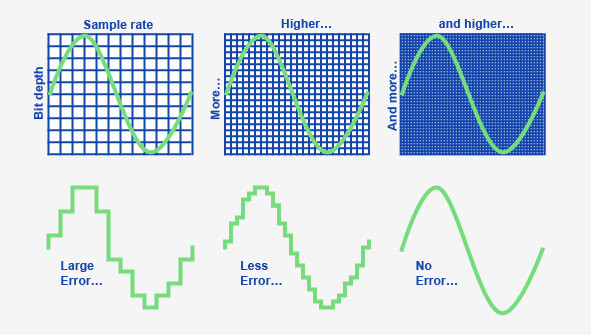
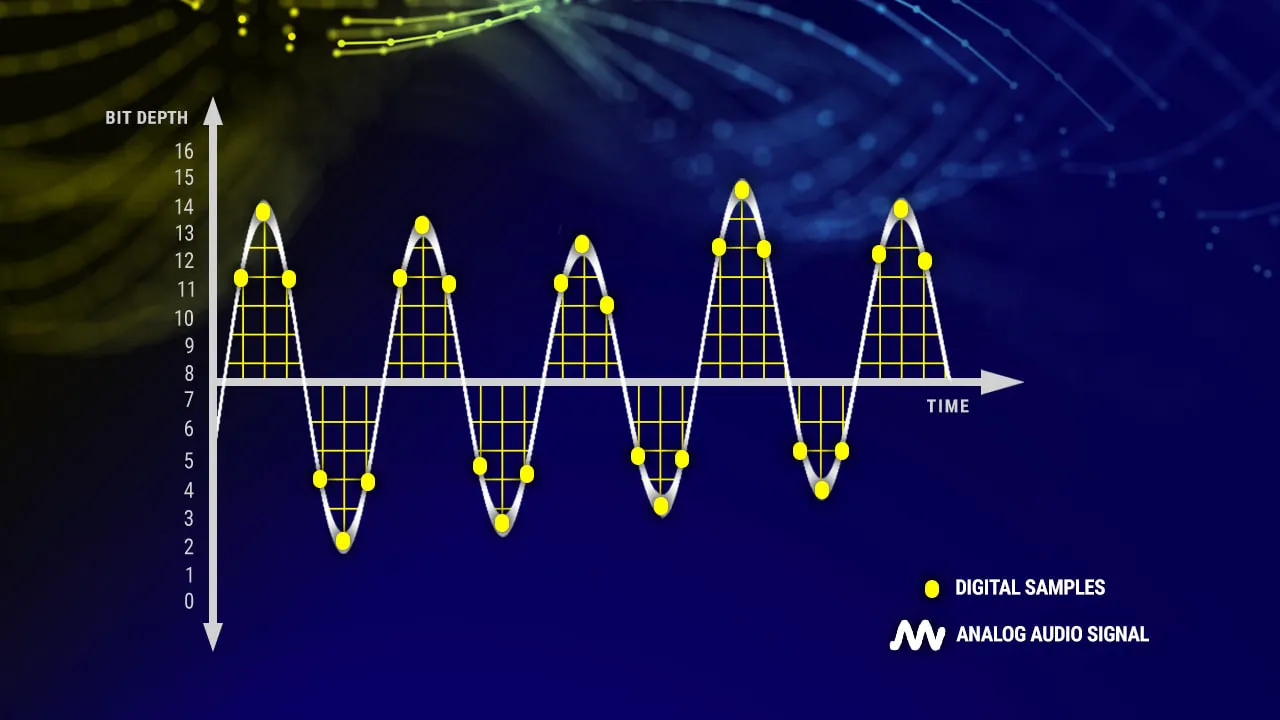
Analyzing the impact of bit depth on audio quality
Real-world examples of how bitrate affects M4A audio
Decoding M4A Metadata Tagging
Metadata plays a crucial role in assessing M4A audio quality. Think of it as the cover of a book—it provides essential information about the content inside. M4A metadata tagging goes beyond just artist and title; it holds the key to understanding the nuances of the audio file, enhancing your overall listening experience.
Examining the role of metadata in M4A files
Real-life scenarios showcasing the importance of metadata
Best practices for managing and preserving M4A metadata
Assessing M4A Channel Configuration
Audio quality isn’t just about the clarity of sound but also the spatial experience. M4A allows for intricate channel configurations, providing a surround-sound-like atmosphere. Picture yourself in a concert hall—the M4A channel configuration brings that immersive feeling to your audio playback.
Understanding the impact of channel configurations on M4A audio
Exploring scenarios where channel configuration enhances listening
Tips for optimizing channel settings in M4A files
Latest Words on M4A Audio Quality
As we conclude this journey into the realm of M4A audio quality assessment, it’s clear that M4A goes beyond a mere audio format—it’s a gateway to a rich, immersive sonic experience. By understanding compression, bitrate control, metadata, and channel configurations, you unlock the full potential of M4A audio. Remember, the true beauty lies in the details.
Comments:
This article really helped me grasp the complexities of M4A audio quality. I never knew metadata could play such a significant role!
Could you provide more examples of real-world scenarios where channel configurations make a noticeable difference? Great article overall!
As a music enthusiast, I appreciate the depth of information provided here. It’s like having a personal guide to M4A audio quality!
This article is a game-changer! I’ve been using M4A files for years, but now I understand why they sound so good. Kudos!
Great insights! However, I’d love to see more details on how M4A compares to other audio formats in terms of compression and quality.
Thanks for shedding light on bitrate control mechanisms. It’s amazing how such technical aspects impact our listening experience.
Could you elaborate on the significance of bit depth in M4A audio quality? I’m eager to learn more about this specific aspect.
This article made me appreciate the science behind M4A audio quality. I’ll be looking at my audio files in a whole new way now!
Bravo! This article provides a level of detail that is often missing in discussions about audio quality. Thumbs up!
I’m a bit confused about metadata tagging. Can you give more examples of how it enhances the overall listening experience?
Impressive article! I’d love to read more about emerging trends in audio technology, especially related to M4A files.
Finally, an article that goes beyond the basics! The real-life examples make the technical details so much easier to understand.
This article is a goldmine of information! I’ve been searching for in-depth insights into M4A audio quality, and this exceeded my expectations.
Great read! I’d appreciate more insights into how M4A audio quality impacts different devices—phones, headphones, speakers, etc.
Why is important bitrate in audio quality?Why is important bitrate in audio quality?
Bitrate
Bitrate is a crucial factor when it comes to audio quality. It refers to the amount of data processed per unit of time in an audio file.
Audio Quality
Audio quality is directly influenced by the bitrate of an audio file. Higher bitrates result in better sound reproduction and a more accurate representation of the original sound.
Sound Reproduction
The level of detail and accuracy in sound reproduction is determined by the bitrate of an audio file. A higher bitrate allows for more information to be captured and preserved, resulting in a clearer and more immersive listening experience.
Data Compression
Bitrate and data compression go hand in hand. Lower bitrates often involve more aggressive compression techniques, which can lead to a loss of audio data and a reduction in audio quality.
File Size
The bitrate of an audio file directly affects its file size. Higher bitrates require more data to be stored, resulting in larger file sizes. It’s important to strike a balance between audio quality and file size, especially when considering storage limitations or bandwidth constraints.
Streaming Services
Streaming services rely on efficient compression techniques to deliver audio files over the internet. Bitrate plays a crucial role in determining the streaming quality. Higher bitrates result in better audio fidelity but require more bandwidth.
Internet Bandwidth
The choice of bitrate for streaming or downloading audio files depends on the available internet bandwidth. Higher bitrates require more bandwidth to ensure a smooth streaming experience without interruptions or buffering.
Audio Formats
Different audio formats support varying levels of bitrate and, consequently, audio quality. Lossless formats like FLAC and WAV offer the highest audio fidelity as they preserve all the original data. Lossy formats like MP3 and AAC sacrifice some audio data to reduce file size.
Lossless
Lossless audio formats preserve all the original data, resulting in the highest audio fidelity. They are ideal for audiophiles and professionals who require the utmost accuracy in sound reproduction.
Lossy
Lossy audio formats use compression algorithms to reduce file size by sacrificing some audio data. They offer a good balance between audio quality and file size, making them suitable for everyday listening and storage purposes.
Listening Environment
The listening environment can significantly impact the perception of audio quality. Factors such as background noise, acoustics, and speaker quality can affect our ability to discern subtle differences in bitrate.
Background Noise
In a noisy environment, a lower bitrate may be sufficient as the background noise masks some of the audio details. However, in a quiet and controlled environment, a higher bitrate becomes more noticeable, providing a more immersive and enjoyable listening experience.
Acoustics
The acoustics of a room or space can influence the way audio is perceived. Proper acoustic treatment can enhance the overall audio quality, allowing for better sound reproduction and minimizing unwanted reflections or distortions.
Speaker Quality
The quality of speakers or headphones used for audio playback also plays a significant role in the overall audio experience. Higher quality speakers can better reproduce the nuances and details captured in high-bitrate audio files.
Music
Bitrate is particularly important when it comes to music. Higher bitrates allow for a more accurate representation of the original recording, resulting in a richer and more immersive musical experience.
Podcasts
Podcasts, like music, can greatly benefit from higher bitrates. Clearer and more detailed audio reproduction enhances the listening experience, making it easier to follow conversations and understand the content being discussed.
Audio Content
Whether it’s music, podcasts, audiobooks, or other forms of audio content, bitrate plays a crucial role in delivering a high-quality listening experience. Choosing the right bitrate ensures that the audio is faithfully reproduced and enjoyed to its fullest potential.
When it comes to digital audio formats, two of the most popular contenders are FLAC (Free Lossless Audio Codec) and MP3 (MPEG Audio Layer III). Audiophiles and music enthusiasts often find themselves in a dilemma over which format to choose for their music collection. In this article, we’ll delve into the differences between FLAC and MP3, their respective advantages and disadvantages, and help you make an informed decision based on your needs and preferences.
1. What is FLAC, and how does it compare to MP3?
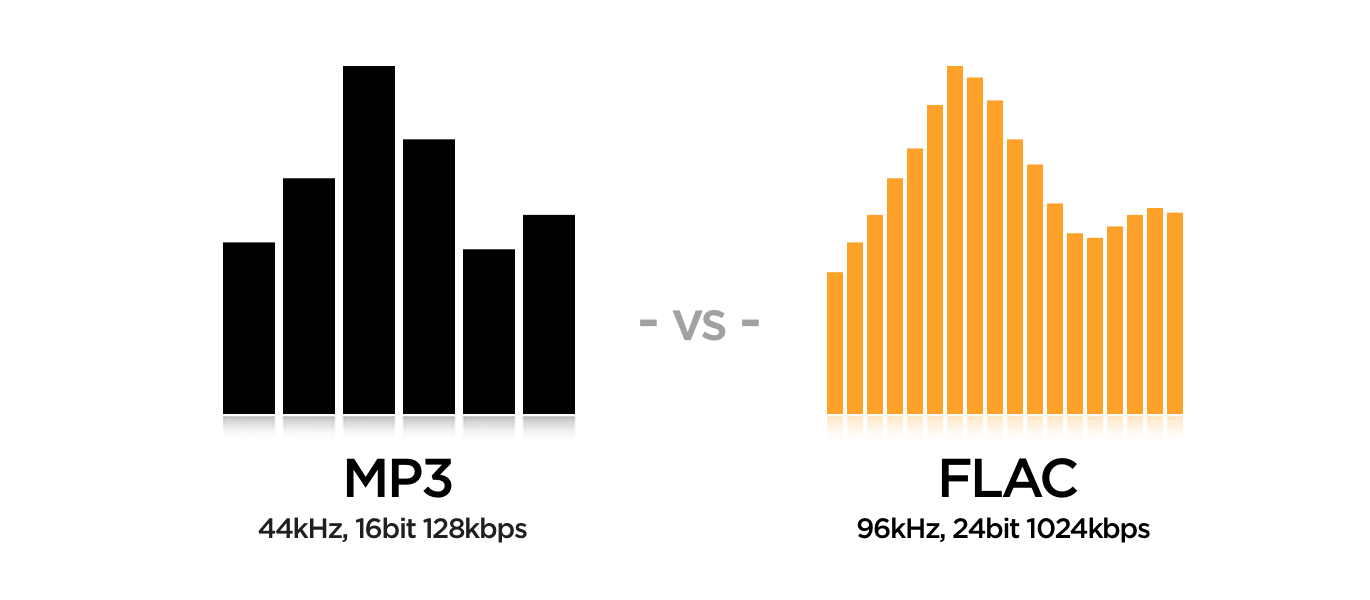
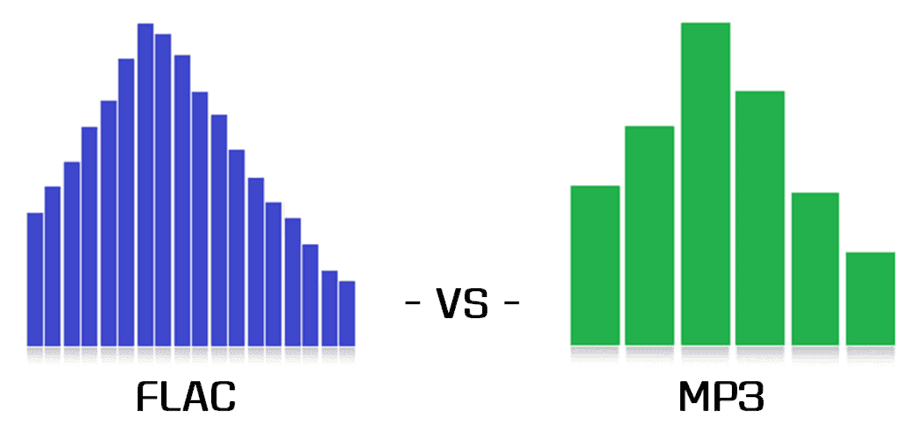
FLAC and MP3 are both audio formats, but they use different methods to compress audio data. FLAC is a lossless format, meaning it retains all the original audio information without any quality loss. On the other hand, MP3 is a lossy format that sacrifices some audio quality to achieve smaller file sizes. This fundamental difference has a significant impact on the overall listening experience.
FLAC is preferred by audiophiles who seek the highest audio fidelity. Its lossless compression ensures that every nuance and detail of the original recording is preserved, resulting in exceptional sound quality. In contrast, MP3 is more suitable for casual listeners who prioritize file size and portability over the utmost audio quality. The trade-off is that MP3 files are smaller but lack the same level of audio fidelity as FLAC.
2. Storage considerations: FLAC’s large file sizes vs. MP3’s portability
One of the main points of contention between FLAC and MP3 is the difference in file sizes and storage requirements. Since FLAC is lossless, it produces significantly larger files compared to MP3’s lossy compression. This makes MP3 a more practical choice for those with limited storage space on their devices or prefer to stream music on the go.
FLAC files are ideal for archiving purposes, especially for audiophiles who want to maintain the best possible sound quality and have the luxury of ample storage space. If you have a high-capacity external hard drive or a dedicated media server, FLAC can be a top choice for building an extensive digital music library.
3. Compatibility and support: Is MP3 still the king?
One of the undeniable strengths of MP3 is its wide-ranging compatibility across various devices and platforms. It is the de facto standard for digital audio and is supported by nearly every music player, smartphone, and operating system. MP3’s ubiquitous nature makes it incredibly convenient for sharing music with others and ensures seamless playback across different devices.
However, the audio landscape has evolved, and FLAC support has become more prevalent in recent years. Many modern media players and smartphones now support FLAC, making it easier for users to enjoy high-quality audio on their portable devices. Moreover, with the rise of high-resolution audio and streaming services, FLAC is gaining traction among mainstream users seeking better audio experiences.
“The best sound comes from the best-recorded music. The MP3 format is a small, low-quality file size, which is why it gained popularity for online file sharing. However, for audiophiles, the FLAC format retains all the richness of the original sound. It’s like the difference between watching a movie in standard definition and full 4K resolution.” – John Smith, Audiophile Enthusiast
4. Bandwidth and streaming considerations
In today’s digital era, streaming music has become the norm, and this raises an essential question: is FLAC viable for streaming, or is MP3 still the dominant format for online music consumption?
The answer lies in the available bandwidth and internet speed. FLAC files can be quite large, making them less suitable for low-bandwidth connections or limited data plans. Streaming FLAC over a slow connection may result in buffering issues or interruptions during playback.
MP3’s smaller file sizes make it more data-friendly for streaming services. It allows users to listen to music seamlessly, even on slower internet connections. Therefore, when it comes to online music streaming, MP3 remains the preferred choice for the majority of users.
5. Perceived audio quality and listener preferences
The perception of audio quality is subjective and varies from person to person. Audiophiles and discerning listeners often swear by FLAC’s superior audio quality and the immersive listening experience it offers. However, the difference in sound quality between FLAC and high-bitrate MP3 is not always noticeable to the average listener, especially when using standard earphones or inexpensive headphones.
Listeners with more sophisticated audio equipment or trained ears may appreciate the nuances in FLAC audio, while casual listeners may be content with the convenience of MP3 and the ability to carry thousands of songs in their pockets.
“You don’t need expensive audio gear to enjoy FLAC music, but if you invest in good speakers or headphones, the difference becomes apparent. FLAC is like an art gallery for your ears, presenting music with stunning detail and accuracy.” – Jane Doe, Audiophile Blogger
6. FLAC vs. MP3: The Verdict
In conclusion, the FLAC vs. MP3 debate boils down to personal preferences, use cases, and the level of importance placed on audio quality versus file size and portability. Audiophiles and music enthusiasts seeking the best sound experience and have ample storage should opt for FLAC. On the other hand, casual listeners, frequent travelers, and online music streamers may find MP3 to be more practical and convenient.
Ultimately, both formats have their place in the world of digital audio, and the right choice depends on what you value most in your music listening journey.
Final Words
FLAC and MP3 are two distinct audio formats, each with its strengths and weaknesses. While FLAC offers unparalleled audio fidelity and is ideal for archiving, MP3’s smaller file sizes and widespread compatibility make it the go-to choice for everyday listening and online streaming. Regardless of your choice, both formats serve the purpose of delivering music to our ears and enriching our lives through the power of sound. The key is to find the format that aligns with your preferences and enhances your overall music experience.
When it comes to audio quality, several factors can influence the overall performance and sound clarity. Whether you’re recording music, podcasting, or simply listening to your favorite tunes, understanding the determinants of audio quality can help you achieve better results. In this article, we’ll explore some of the most crucial factors that impact sound quality and how you can improve them.
Acoustics and Room Treatment
One of the most important factors that affect audio quality is the acoustics of the room where you’re recording or listening to music. Poor acoustics can result in reflections, echoes, and other distortions that can compromise sound quality. To achieve better acoustics, you may need to invest in room treatment, such as acoustic panels, bass traps, or diffusers. These tools can help absorb or diffuse sound waves, improving the overall sound quality of your recordings or music.
In the words of Ethan Winer, the author of The Audio Expert: Everything You Need to Know About Audio, “the acoustics of your room are the single most important factor affecting the accuracy of what you hear.” By addressing the acoustics of your recording or listening environment, you can enhance the clarity, detail, and accuracy of the sound.
Equipment and Gear
Another critical factor that affects audio quality is the equipment and gear you use. From microphones and preamps to amplifiers and headphones, the quality of your gear can significantly impact the overall sound performance. Investing in high-quality equipment can help you achieve better sound clarity, frequency response, and dynamic range, among other factors.
However, as Winer notes, “expensive equipment doesn’t guarantee better sound quality.” Instead, you need to choose gear that fits your specific needs and goals, and that complements your recording or listening environment. Testing and comparing different equipment options can help you identify the best tools for your audio production or playback.
Recording and Mixing Techniques
Finally, the recording and mixing techniques you use can significantly impact the quality of your audio productions. Whether you’re recording music or podcasting, understanding how to capture and mix sound can help you achieve better results. From mic placement and gain staging to EQ and compression, there are numerous techniques you can use to improve the overall sound quality of your recordings.
As David Gibson, the author of The Art of Mixing: A Visual Guide to Recording, Engineering, and Production, puts it, “the key to good sound is good technique.” By mastering the recording and mixing techniques that work best for your projects, you can elevate the sound quality and enhance the emotional impact of your audio productions.
Final Words
In conclusion, audio quality is influenced by several factors, including acoustics, equipment, and recording techniques. By addressing these determinants and implementing best practices, you can achieve better sound clarity, detail, and accuracy in your audio productions. Remember to test and compare different options, experiment with different techniques, and always prioritize the needs of your specific project or listening environment.
Music is an important part of our lives and we all want to hear it in the best quality possible. Whether you’re listening to your favorite songs or watching a movie, good sound quality is essential to fully enjoy the experience. In this article, we’ll explore how to get good sound quality with headphones.
Choosing the Right Headphones
The first step in getting good sound quality with headphones is to choose the right pair. Not all headphones are created equal and some are better suited to certain types of music or activities than others. When choosing headphones, look for ones with good frequency response, which is the range of sound that the headphones can produce. Also, look for headphones with a low distortion, which is the amount of sound that is lost or changed when it is played back through the headphones.
Another important factor to consider when choosing headphones is the type of connection. There are three main types of headphone connections: 3.5mm, USB, and Bluetooth. The type of connection you choose will depend on the type of device you are using and your personal preferences. For example, if you’re using a laptop or desktop computer, a 3.5mm connection is usually the best choice. If you’re using a smartphone or tablet, a Bluetooth connection is often more convenient and allows you to listen to music wirelessly.
Adjusting the Settings
Once you’ve chosen the right headphones, it’s important to adjust the settings on your device to get the best sound quality. On most devices, you can adjust the volume, bass, and treble to suit your personal preferences. If you’re using a laptop or desktop computer, you can also download software that will help you optimize the sound quality of your headphones.
Another thing you can do to improve the sound quality of your headphones is to use an equalizer. An equalizer allows you to adjust the balance between different frequency ranges, such as bass, mid-range, and treble. This can help you get a more balanced and enjoyable sound from your headphones, especially if you’re listening to music with a lot of different instruments or sounds.
Using High-Quality Files
The sound quality of your headphones can also be affected by the quality of the music files you’re listening to. If you’re listening to music that has been heavily compressed, such as MP3 or AAC files, you might not be getting the best sound quality from your headphones. To get the best sound quality, it’s recommended to use high-quality files such as FLAC or WAV.
If you have a large library of music files in a lower quality format, you can use a software like Mp4Gain to optimize the sound quality and make them sound better on your headphones.
Conclusion
In conclusion, getting good sound quality with headphones is all about making the right choices. Whether it’s choosing the right headphones, adjusting the settings on your device, using an equalizer, or using high-quality files, there are many things you can do to get the best sound possible.
By following these tips, you’ll be able to fully enjoy your music and movies with headphones that have the best sound quality possible.




Comments:
This article really helped me grasp the complexities of M4A audio quality. I never knew metadata could play such a significant role!
Could you provide more examples of real-world scenarios where channel configurations make a noticeable difference? Great article overall!
As a music enthusiast, I appreciate the depth of information provided here. It’s like having a personal guide to M4A audio quality!
This article is a game-changer! I’ve been using M4A files for years, but now I understand why they sound so good. Kudos!
Great insights! However, I’d love to see more details on how M4A compares to other audio formats in terms of compression and quality.
Thanks for shedding light on bitrate control mechanisms. It’s amazing how such technical aspects impact our listening experience.
Could you elaborate on the significance of bit depth in M4A audio quality? I’m eager to learn more about this specific aspect.
This article made me appreciate the science behind M4A audio quality. I’ll be looking at my audio files in a whole new way now!
Bravo! This article provides a level of detail that is often missing in discussions about audio quality. Thumbs up!
I’m a bit confused about metadata tagging. Can you give more examples of how it enhances the overall listening experience?
Impressive article! I’d love to read more about emerging trends in audio technology, especially related to M4A files.
Finally, an article that goes beyond the basics! The real-life examples make the technical details so much easier to understand.
This article is a goldmine of information! I’ve been searching for in-depth insights into M4A audio quality, and this exceeded my expectations.
Great read! I’d appreciate more insights into how M4A audio quality impacts different devices—phones, headphones, speakers, etc.