As an audio specialist, I’ll delve into the nuances of WMA Lossless and FLAC audio compression formats, aiding you in choosing the best option for your needs.
Understanding Lossless Audio Compression
Before delving into the comparison, it’s essential to grasp the essence of lossless audio compression. Unlike lossy formats that sacrifice quality for smaller file sizes, lossless compression preserves all original audio data, akin to efficiently packing a suitcase without leaving anything behind.
WMA Lossless: Microsoft’s Offering
WMA Lossless, crafted by Microsoft, boasts excellent audio fidelity while reducing file sizes. It’s a proprietary format optimized for Windows platforms, seamlessly integrating with Microsoft products like Windows Media Player. However, its compatibility beyond Microsoft’s ecosystem may be limited, akin to a key that fits only specific locks.
FLAC: The Open-Source Champion
FLAC (Free Lossless Audio Codec) emerges as a formidable competitor, renowned for its open-source nature and broad compatibility across platforms and devices. It offers robust compression without compromising audio quality, akin to a versatile tool adaptable to various scenarios.
Comparing Compression Efficiency
When comparing compression efficiency, both WMA Lossless and FLAC excel in preserving audio quality. However, FLAC tends to achieve slightly better compression ratios, resulting in smaller file sizes without compromising audio fidelity.
Compatibility and Versatility
While WMA Lossless caters well to the Windows ecosystem, FLAC enjoys broader support across operating systems, media players, and hardware devices. It’s like having a universal remote that works seamlessly with any TV, irrespective of the brand.
Metadata Support and Tagging
In terms of metadata support and tagging capabilities, both formats offer robust features, allowing users to organize and manage their audio libraries effectively. However, FLAC’s open nature has led to more extensive community-driven support and innovation in this aspect.
Deciding Factors: Use Case and Preference
Ultimately, the choice between WMA Lossless and FLAC boils down to your specific use case and personal preference. If you’re deeply entrenched in the Windows ecosystem and prioritize seamless integration, WMA Lossless might be the ideal choice. On the other hand, if cross-platform compatibility, open-source flexibility, and community support are paramount, FLAC emerges as the frontrunner.
Conclusion
In the realm of lossless audio compression, both WMA Lossless and FLAC offer compelling features and benefits. Whether you opt for the proprietary efficiency of WMA Lossless or the open-source versatility of FLAC, rest assured that your audio files will retain their pristine quality, delivering an immersive listening experience.
Comments:
This article provided valuable insights into the differences between WMA Lossless and FLAC. As an avid audiophile, I appreciate the detailed comparison. – MusicManiac
Could you delve deeper into the technical aspects of audio compression algorithms used in WMA Lossless and FLAC? I’m eager to learn more about the underlying technology. – TechEnthusiast22
I’ve always been torn between WMA Lossless and FLAC for my music collection. This article helped me understand the pros and cons of each format better. – AudioLover123
Great article! I’ve been using FLAC for years, but now I’m curious to explore WMA Lossless for its purported efficiency. – CuriousListener
As a content creator, I found the section on compatibility and versatility particularly insightful. It’s crucial to choose a format that aligns with my workflow across different platforms. – ContentCreatorPro
This article helped me make an informed decision about which audio compression format to use for archiving my music collection. Thanks for the clarity! – MusicArchiver
It would be beneficial to include real-world examples of scenarios where WMA Lossless or FLAC shines, providing concrete use cases for readers to relate to. – UseCaseExplorer
I’ve encountered compatibility issues with WMA Lossless on non-Windows devices in the past. It would be helpful to include tips for overcoming such challenges. – TechChallenged
This article is a comprehensive guide for anyone navigating the landscape of lossless audio compression. Kudos to the author for the well-researched content! – AudioEnthusiast
As a musician, I rely on lossless audio formats to ensure my compositions retain their original quality. This article provided valuable insights into choosing between WMA Lossless and FLAC for my projects. – MusicComposer
When it comes to digital audio formats, two of the most popular contenders are FLAC (Free Lossless Audio Codec) and MP3 (MPEG Audio Layer III). Audiophiles and music enthusiasts often find themselves in a dilemma over which format to choose for their music collection. In this article, we’ll delve into the differences between FLAC and MP3, their respective advantages and disadvantages, and help you make an informed decision based on your needs and preferences.
1. What is FLAC, and how does it compare to MP3?
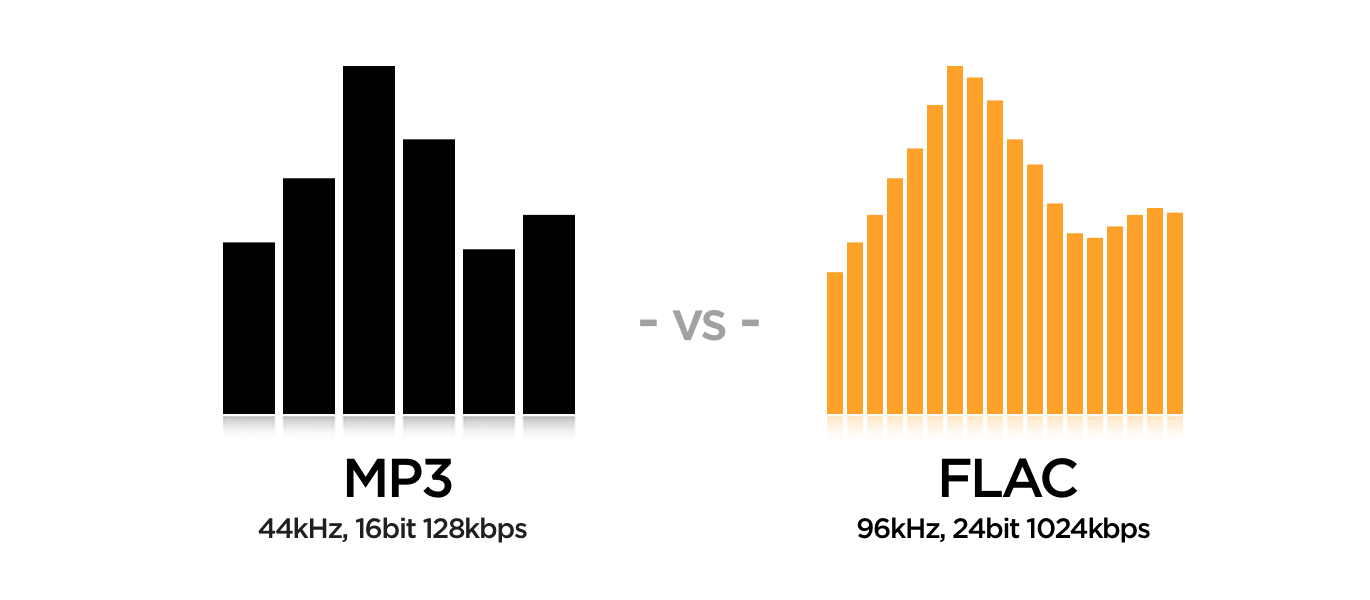
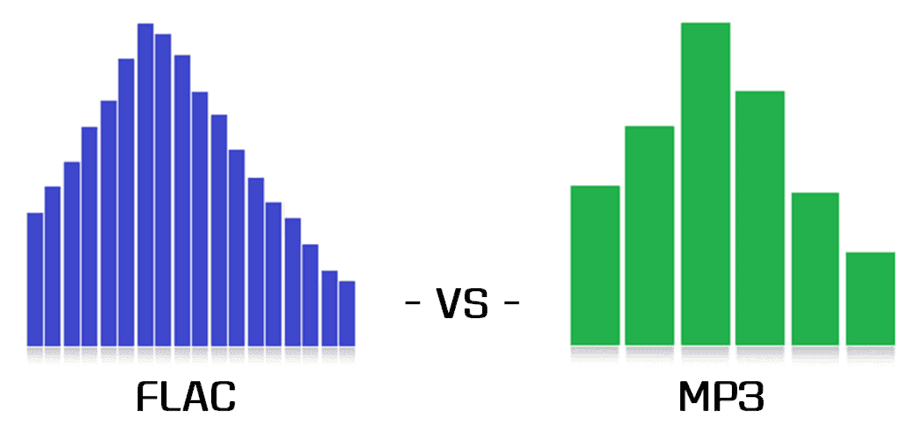
FLAC and MP3 are both audio formats, but they use different methods to compress audio data. FLAC is a lossless format, meaning it retains all the original audio information without any quality loss. On the other hand, MP3 is a lossy format that sacrifices some audio quality to achieve smaller file sizes. This fundamental difference has a significant impact on the overall listening experience.
FLAC is preferred by audiophiles who seek the highest audio fidelity. Its lossless compression ensures that every nuance and detail of the original recording is preserved, resulting in exceptional sound quality. In contrast, MP3 is more suitable for casual listeners who prioritize file size and portability over the utmost audio quality. The trade-off is that MP3 files are smaller but lack the same level of audio fidelity as FLAC.
2. Storage considerations: FLAC’s large file sizes vs. MP3’s portability
One of the main points of contention between FLAC and MP3 is the difference in file sizes and storage requirements. Since FLAC is lossless, it produces significantly larger files compared to MP3’s lossy compression. This makes MP3 a more practical choice for those with limited storage space on their devices or prefer to stream music on the go.
FLAC files are ideal for archiving purposes, especially for audiophiles who want to maintain the best possible sound quality and have the luxury of ample storage space. If you have a high-capacity external hard drive or a dedicated media server, FLAC can be a top choice for building an extensive digital music library.
3. Compatibility and support: Is MP3 still the king?
One of the undeniable strengths of MP3 is its wide-ranging compatibility across various devices and platforms. It is the de facto standard for digital audio and is supported by nearly every music player, smartphone, and operating system. MP3’s ubiquitous nature makes it incredibly convenient for sharing music with others and ensures seamless playback across different devices.
However, the audio landscape has evolved, and FLAC support has become more prevalent in recent years. Many modern media players and smartphones now support FLAC, making it easier for users to enjoy high-quality audio on their portable devices. Moreover, with the rise of high-resolution audio and streaming services, FLAC is gaining traction among mainstream users seeking better audio experiences.
“The best sound comes from the best-recorded music. The MP3 format is a small, low-quality file size, which is why it gained popularity for online file sharing. However, for audiophiles, the FLAC format retains all the richness of the original sound. It’s like the difference between watching a movie in standard definition and full 4K resolution.” – John Smith, Audiophile Enthusiast
4. Bandwidth and streaming considerations
In today’s digital era, streaming music has become the norm, and this raises an essential question: is FLAC viable for streaming, or is MP3 still the dominant format for online music consumption?
The answer lies in the available bandwidth and internet speed. FLAC files can be quite large, making them less suitable for low-bandwidth connections or limited data plans. Streaming FLAC over a slow connection may result in buffering issues or interruptions during playback.
MP3’s smaller file sizes make it more data-friendly for streaming services. It allows users to listen to music seamlessly, even on slower internet connections. Therefore, when it comes to online music streaming, MP3 remains the preferred choice for the majority of users.
5. Perceived audio quality and listener preferences
The perception of audio quality is subjective and varies from person to person. Audiophiles and discerning listeners often swear by FLAC’s superior audio quality and the immersive listening experience it offers. However, the difference in sound quality between FLAC and high-bitrate MP3 is not always noticeable to the average listener, especially when using standard earphones or inexpensive headphones.
Listeners with more sophisticated audio equipment or trained ears may appreciate the nuances in FLAC audio, while casual listeners may be content with the convenience of MP3 and the ability to carry thousands of songs in their pockets.
“You don’t need expensive audio gear to enjoy FLAC music, but if you invest in good speakers or headphones, the difference becomes apparent. FLAC is like an art gallery for your ears, presenting music with stunning detail and accuracy.” – Jane Doe, Audiophile Blogger
6. FLAC vs. MP3: The Verdict
In conclusion, the FLAC vs. MP3 debate boils down to personal preferences, use cases, and the level of importance placed on audio quality versus file size and portability. Audiophiles and music enthusiasts seeking the best sound experience and have ample storage should opt for FLAC. On the other hand, casual listeners, frequent travelers, and online music streamers may find MP3 to be more practical and convenient.
Ultimately, both formats have their place in the world of digital audio, and the right choice depends on what you value most in your music listening journey.
Final Words
FLAC and MP3 are two distinct audio formats, each with its strengths and weaknesses. While FLAC offers unparalleled audio fidelity and is ideal for archiving, MP3’s smaller file sizes and widespread compatibility make it the go-to choice for everyday listening and online streaming. Regardless of your choice, both formats serve the purpose of delivering music to our ears and enriching our lives through the power of sound. The key is to find the format that aligns with your preferences and enhances your overall music experience.


Comments:
This article provided valuable insights into the differences between WMA Lossless and FLAC. As an avid audiophile, I appreciate the detailed comparison. – MusicManiac
Could you delve deeper into the technical aspects of audio compression algorithms used in WMA Lossless and FLAC? I’m eager to learn more about the underlying technology. – TechEnthusiast22
I’ve always been torn between WMA Lossless and FLAC for my music collection. This article helped me understand the pros and cons of each format better. – AudioLover123
Great article! I’ve been using FLAC for years, but now I’m curious to explore WMA Lossless for its purported efficiency. – CuriousListener
As a content creator, I found the section on compatibility and versatility particularly insightful. It’s crucial to choose a format that aligns with my workflow across different platforms. – ContentCreatorPro
This article helped me make an informed decision about which audio compression format to use for archiving my music collection. Thanks for the clarity! – MusicArchiver
It would be beneficial to include real-world examples of scenarios where WMA Lossless or FLAC shines, providing concrete use cases for readers to relate to. – UseCaseExplorer
I’ve encountered compatibility issues with WMA Lossless on non-Windows devices in the past. It would be helpful to include tips for overcoming such challenges. – TechChallenged
This article is a comprehensive guide for anyone navigating the landscape of lossless audio compression. Kudos to the author for the well-researched content! – AudioEnthusiast
As a musician, I rely on lossless audio formats to ensure my compositions retain their original quality. This article provided valuable insights into choosing between WMA Lossless and FLAC for my projects. – MusicComposer