FLAC Louder

Is FLAC volume higher than MP3?
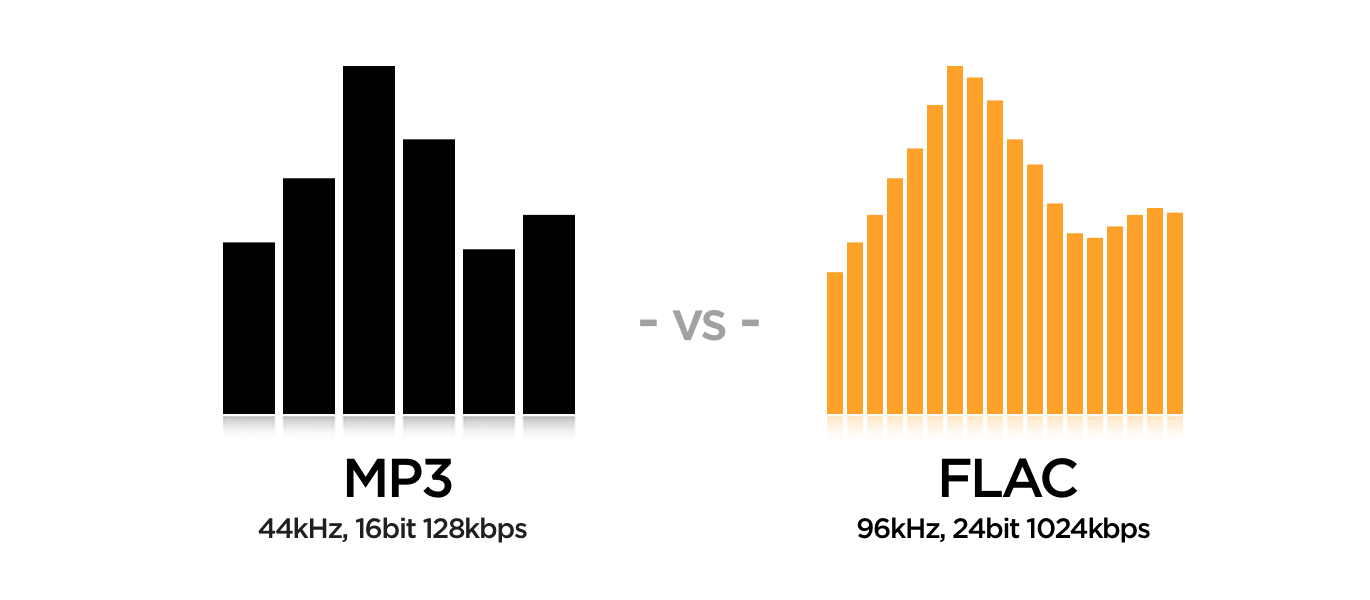
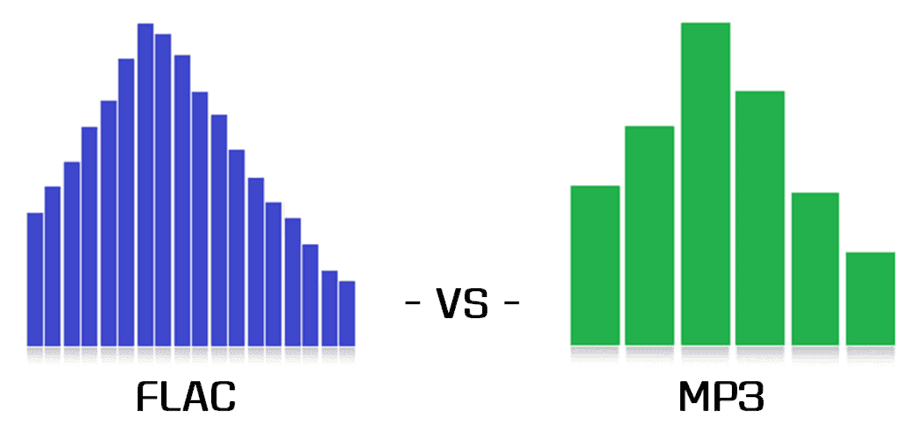
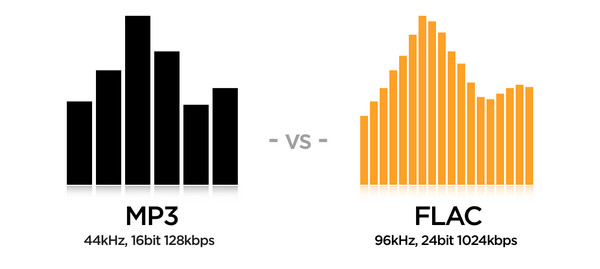
The FLAC (Free Lossless Audio Codec) and MP3 are both audio formats, but they have different technical structures and purposes. Many users often wonder if FLAC volume is inherently higher than MP3. To answer this, we need to understand the nature of these formats. FLAC is lossless, meaning it retains all the audio data from the original source. MP3, on the other hand, is lossy and compresses audio by removing some of its information. The perception of loudness can be influenced by the quality and details retained in an audio file. With FLAC’s lossless nature, it can potentially sound more detailed and vibrant, leading some to believe it’s “louder” than its MP3 counterpart.
Yet, the actual loudness of a track is determined by its mastering process, not just its format. A well-mastered MP3 might sound louder and clearer than a poorly mastered FLAC. It’s essential to differentiate between clarity and loudness.
“Music is the divine way to tell beautiful, poetic things to the heart.” – Pablo Casals
Does FLAC format have increased loudness?
It’s a misconception to think that FLAC format intrinsically has increased loudness. The format itself is designed to deliver lossless audio quality, preserving all the nuances and details of the original recording. This retention of detail can sometimes lead to a perception of greater dynamic range, which some listeners equate with loudness.
However, it’s vital to note that perceived loudness is multifaceted. Factors like frequency, duration, and intensity all play a role. FLAC’s fidelity might make certain aspects of a track more noticeable, but that doesn’t necessarily equate to an increased volume.
“Without music, life would be a mistake.” – Friedrich Nietzsche
Can FLAC files sound louder than other formats?
FLAC files have the potential to sound more detailed and full than some other formats because of their lossless nature. However, saying they are categorically “louder” can be misleading. The actual volume of any audio track, regardless of its format, largely depends on its original mastering. For example, a song released in the 1960s might inherently be quieter than a song released in the 2010s due to differences in recording technology and mastering standards.
It’s also worth considering the playback equipment. On certain sound systems or headphones, FLAC files might seem to have a richer sound or more depth, leading some listeners to perceive them as “louder.”
“Music can change the world because it can change people.” – Bono
Why might FLAC audio seem louder?
The perceived loudness of FLAC audio might stem from its detailed and uncompressed nature. Without the loss of data, FLAC can reproduce frequencies and nuances that might be lost in other formats. Such details might be subtle reverberations, background instruments, or the resonance of vocals. When these elements are more apparent to the listener, the audio can feel fuller, more layered, and thus, “louder.”
It’s a sensory experience more than an objective measurement. Our ears pick up on the richness of the sound, and our brains might interpret this as increased loudness.
“The only truth is music.” – Jack Kerouac
Comparing volume levels in FLAC files.
When comparing volume levels between FLAC files and other formats, one might not always find consistent differences. That’s because the format itself doesn’t dictate loudness; the mastering does. Two tracks, one in FLAC and the other in a different format, might have the same loudness levels if they were mastered the same way.
However, FLAC’s ability to reproduce audio without data loss means that if there are any details in the original audio that contribute to its fullness or depth, FLAC will render them accurately. This fidelity can sometimes be mistaken for increased volume.
“Music touches us emotionally, where words alone can’t.” – Johnny Depp
Is loudness different in FLAC versus WAV?
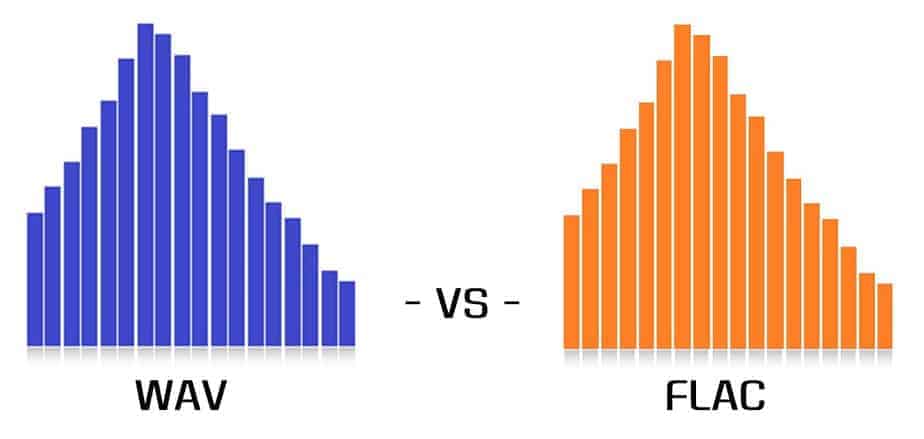
Both FLAC and WAV are lossless audio formats. They retain all of the original audio data, which means their fidelity is high. However, they store data differently. FLAC is compressed (without data loss), while WAV is generally uncompressed. Despite this, their sound quality is largely comparable. When it comes to loudness, neither format has an inherent advantage. The perceived volume will mostly hinge on the track’s mastering.
“Music is the shorthand of emotion.” – Leo Tolstoy
What causes the perceived loudness in FLAC tracks?
Several factors contribute to the perceived loudness in FLAC tracks. First, the preservation of all audio data means no detail is lost. Second, listeners might be using high-quality audio equipment that better reproduces the nuances of FLAC files. Lastly, psychoacoustics plays a role; our brains might interpret the richness and fullness of FLAC as louder, even if the decibel level remains unchanged.
“Music is the wine that fills the cup of silence.” – Robert Fripp
Does FLAC have a better dynamic range?
Dynamic range refers to the difference between the quietest and loudest parts of a track. FLAC, being lossless, has the potential to preserve the dynamic range of the original recording fully. This means, if the original audio had a broad dynamic range, the FLAC file would reflect that. However, it’s not the format itself but the source that determines dynamic range.
“Where words fail, music speaks.” – Hans Christian Andersen
Loudness factor in FLAC audio.
The loudness factor in FLAC audio is more about its ability to capture every detail from the source than about boosting volume. It provides a more authentic and unaltered listening experience. This fidelity can make certain elements of a track stand out more, which some might interpret as a volume increase.
“Music is the divine way to tell beautiful, poetic things to the heart.” – Pablo Casals
How does FLAC’s bit rate affect volume?
FLAC’s bit rate pertains to the amount of data processed per second. A higher bit rate often equates to better audio quality, as more data means more detail can be captured. However, bit rate doesn’t directly influence volume. It does, however, influence the clarity and richness of sound. Therefore, while a higher bit rate might make a track sound