High Bitrate Music

Introduction to High Bitrate Music
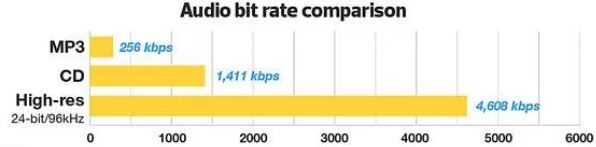
High bitrate music has become a buzzword in the music industry in recent years. It refers to audio files with a higher bitrate, or the number of bits of information processed per second, than the standard compressed audio formats like MP3 or AAC. The higher the bitrate, the more information can be captured and the better the quality of the sound. In this article, we will dive deep into the world of high bitrate music, discussing its benefits, potential drawbacks, and answering frequently asked questions about this topic.
What is High Bitrate Music and Why is it Important?
High bitrate music refers to audio files that contain more data than standard compressed audio formats. It is important because it offers a more accurate representation of the original sound recording, resulting in better sound quality. The higher the bitrate, the more information is captured, resulting in a more detailed and nuanced sound.
Benefits of High Bitrate Music
There are several benefits to high bitrate music, including:
1. Better sound quality: As mentioned earlier, high bitrate music captures more information, resulting in better sound quality.
2. More accurate representation of the original recording: High bitrate music captures more detail in the original recording, resulting in a more accurate representation of the artist’s intended sound.
3. Increased dynamic range: High bitrate music can capture a wider range of sound, from the quietest whispers to the loudest screams, resulting in increased dynamic range.
4. Improved listening experience: High bitrate music provides a more immersive and engaging listening experience.
Potential Drawbacks of High Bitrate Music
While high bitrate music offers many benefits, there are also some potential drawbacks to consider, including:
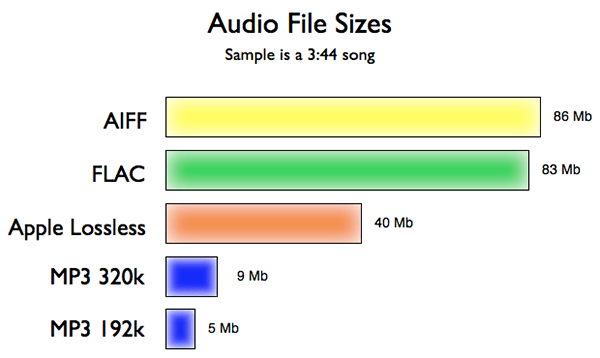
1. Larger file sizes: High bitrate music files are larger than standard compressed audio files, which can take up more storage space on your device.
2. Increased bandwidth requirements: High bitrate music files require more bandwidth to stream or download, which can be an issue for those with slower internet connections.
3. Compatibility issues: Some devices and software may not be able to play high bitrate music files.
How to Access High Bitrate Music
There are several ways to access high bitrate music, including:
1. Purchasing high-resolution audio files: Many online music stores offer high-resolution audio files in various formats.
2. Streaming services: Some streaming services offer high-quality audio streaming, including Tidal and Qobuz.
3. Local music libraries: Some users may have their own high bitrate music files stored locally on their devices.
Common Formats for High Bitrate Music
There are several formats for high bitrate music, including:
1. FLAC: FLAC stands for Free Lossless Audio Codec and is a popular format for high-resolution audio files.
2. ALAC: ALAC stands for Apple Lossless Audio Codec and is the Apple version of FLAC.
3. WAV: WAV stands for Waveform Audio File Format and is a popular format for high-quality audio files.
FAQ
Q: Can high bitrate music be played on any device?
A: Not all devices are compatible with high bitrate music. Some older devices or software may not be able to play high bitrate music files.
Q: Is high bitrate music worth the extra cost?
A: This is a personal preference. If you value high-quality sound and are willing to invest in it, then high bitrate music may be worth the extra cost. However, if you are content with standard compressed audio formats, then high bitrate music may not be worth the added expense.
Q: Can high bitrate music improve the sound of low-quality recordings?
A: High bitrate music can only capture what is in the original recording. It cannot improve the quality of a low-quality recording or fix any issues with the original source. However, it can provide a more accurate representation of the original recording and may sound better than a compressed version of the same recording.
Q: Do I need special equipment to listen to high bitrate music?
A: While you don’t necessarily need special equipment to listen to high bitrate music, you will need a device that is compatible with the format and can handle the larger file sizes. Additionally, high-quality headphones or speakers can enhance the listening experience.
Q: How can I tell if a music file is high bitrate?
A: The bitrate of a music file can usually be found in the file’s properties or metadata. It is typically measured in kilobits per second (kbps) or megabits per second (mbps). High bitrate music files will typically have a bitrate of 1,411 kbps or higher.
Q: Can high bitrate music improve the sound of streaming services?
A: Some streaming services offer high-quality audio streaming, including high bitrate music. However, the quality of the sound will also depend on the quality of your internet connection and the device you are using to stream the music.
Q: Is there a noticeable difference between high bitrate music and standard compressed audio formats?
A: Yes, there is a noticeable difference between high bitrate music and standard compressed audio formats. High bitrate music captures more detail in the original recording, resulting in a more accurate and nuanced sound.
Q: Are there any free sources of high bitrate music?
A: While most high bitrate music sources require payment, some websites offer free high-resolution audio downloads, such as the Free Lossless Audio Codec website.
Q: How do I convert standard compressed audio files to high bitrate music?
A: You cannot convert standard compressed audio files to high bitrate music, as the information captured in the original recording cannot be added back. To access high bitrate music, you will need to acquire a high-resolution audio file in the desired format.
Q: Are there any downsides to converting standard compressed audio files to high bitrate music?
A: Yes, converting compressed audio files to high bitrate music will not improve the quality of the original recording and may result in larger file sizes without any added benefits.
Conclusion
High bitrate music offers many benefits, including better sound quality, increased dynamic range, and an improved listening experience. However, there are also potential drawbacks to consider, including larger file sizes and compatibility issues. Understanding the formats and sources for high bitrate music can help you access and enjoy this high-quality audio format.