Why Video Encoding Profiles Matter


Free Download Mp4Gain
picture

Why Video Encoding Profiles Matter

Why Video Encoding Profiles Matter

In the world of video encoding, understanding the different profiles and their significance is crucial. These profiles determine the available encoding tools and greatly impact the quality and compatibility of your video output. By delving into the intricacies of video encoding profiles, you can optimize your video files for various playback devices and ensure an optimal viewing experience.

The Basics: Profiles and Levels Explained

To comprehend video encoding profiles, it’s essential to grasp the distinction between profiles and levels. Profiles define the encoding tools at your disposal, while levels establish the maximum resolutions, frame rates, and bitrates that can be achieved during the encoding process.

For H.264 encoding, three primary profiles exist: Baseline, Main, and High. Baseline is the most compatible profile, but it sacrifices quality. Main strikes a balance between quality and compatibility. High profile delivers superior quality but may encounter compatibility issues on certain devices.

Each profile also encompasses multiple levels. Higher levels support greater resolutions, frame rates, and bitrates. However, higher levels necessitate more processing power for decoding purposes.

Selecting the Ideal Profile and Level

Choosing the appropriate profile and level for your video encoding depends on several factors:

Target Devices: Consider the devices on which your encoded video will be played. If broad compatibility is your goal, the Baseline profile is a safe bet. However, if you’re targeting high-end devices, the High profile may deliver the best results.

Desired Quality: Determine the desired quality level for your video. If you prioritize excellent quality, the High profile is an attractive option. For a balance between quality and compatibility, the Main profile is a solid choice.

Processing Power: Evaluate the processing capabilities of the playback devices. Lower-level profiles may be necessary for devices with limited processing power to ensure smooth playback.

To illustrate these considerations, let’s explore some examples:

For smartphone playback, selecting the Baseline profile and Level 3 is suitable, offering compatibility and efficient performance.
If your video is destined for a 4K TV, opt for the Main profile and Level 5 to achieve high-quality visuals while maintaining compatibility.
Encoding videos for Blu-ray Discs necessitates the High profile and Level 6, enabling exceptional quality for an immersive viewing experience.

Mastering Video Encoding Profiles and Levels

Understanding video encoding profiles and levels is paramount for optimizing video files. By selecting the appropriate profile and level, you can ensure compatibility with target devices while meeting your desired quality standards. Remember to consider the target devices, prioritize quality, and assess processing power to make informed decisions during the encoding process.

In conclusion, video encoding profiles and levels may appear complex at first, but with a solid grasp of these concepts, you can confidently navigate the intricacies of video encoding and produce high-quality videos that cater to various playback devices.

These final words emphasize the importance of mastering video encoding profiles and levels, providing users with a comprehensive overview of the topic and inspiring confidence in their video encoding endeavors.



Free Download Mp4Gain
picture


Mp4Gain Main Window
picture


Mp4Gain Features
picture


Free Download Mp4Gain
picture

CBR vs ABR for MP3 Files

CBR vs ABR for MP3 Files

CBR vs ABR
CBR vs ABR
CBR vs ABR
CBR vs ABR


As a music producer and audio engineer, I have spent countless hours working with MP3 files and experimenting with different encoding settings. One of the most important decisions when encoding an MP3 file is whether to use constant bitrate (CBR) or average bitrate (ABR).

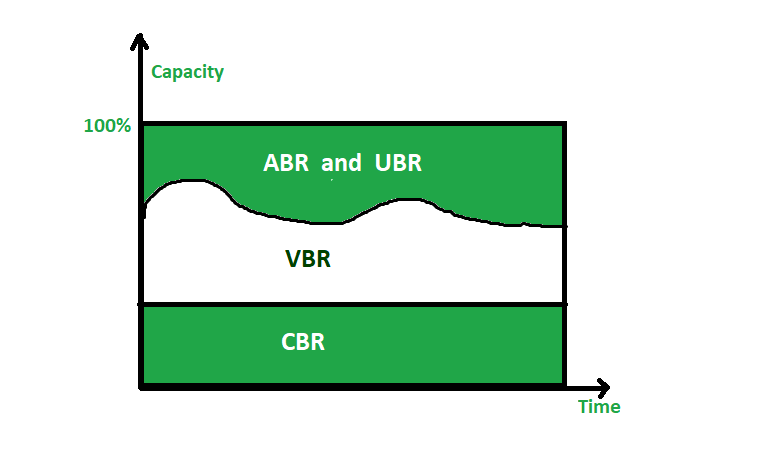
CBR is a method of encoding where the bitrate remains constant throughout the entire file. This means that the file size will be consistent, but the quality may suffer in more complex sections of the audio. ABR, on the other hand, adjusts the bitrate dynamically based on the complexity of the audio, resulting in a more consistent quality throughout the file.

Both CBR and ABR have their advantages and disadvantages, and the choice between the two will depend on the specific context and desired outcome.

Difference Between CBR and ABR

The difference between CBR and ABR for MP3 files lies in the way the bitrate is allocated throughout the file. CBR maintains a constant bitrate, while ABR adjusts the bitrate dynamically based on the complexity of the audio.

As a music producer and audio engineer, I have experimented with both CBR and ABR and have found that the choice between the two will depend on the specific context and desired outcome. CBR may be preferable for files where consistency in file size is important, while ABR may be preferable for files where consistent quality is more important.

Ultimately, the choice between CBR and ABR will depend on the specific needs of the project and the desired outcome.

CBR vs ABR Bitrate

The bitrate is a critical aspect of MP3 encoding, and the choice between CBR and ABR can have a significant impact on the resulting bitrate. CBR maintains a constant bitrate throughout the file, while ABR adjusts the bitrate dynamically based on the complexity of the audio.

As a music producer and audio engineer, I have found that the choice between CBR and ABR bitrate will depend on the specific needs of the project. CBR may be preferable for files where consistency in file size is important, while ABR may be preferable for files where consistent quality is more important.

Ultimately, the choice between CBR and ABR bitrate will depend on the specific context and desired outcome.

CBR vs ABR Quality

The quality of an MP3 file is a critical aspect of audio encoding, and the choice between CBR and ABR can have a significant impact on the resulting quality. CBR maintains a constant bitrate throughout the file, while ABR adjusts the bitrate dynamically based on the complexity of the audio.

As a music producer and audio engineer, I have found that the choice between CBR and ABR quality will depend on the specific needs of the project. CBR may be preferable for files where consistency in file size is important, while ABR may be preferable for files where consistent quality is more important.

Ultimately, the choice between CBR and ABR quality will depend on the specific context and desired outcome.

CBR vs ABR Encoding

The encoding process is a critical aspect of MP3 file creation, and the choice between CBR and ABR can have a significant impact on the resulting file. CBR maintains a constant bitrate throughout the file, while ABR adjusts the bitrate dynamically based on the complexity of the audio.

As a music producer and audio engineer, I have found that the choice between CBR and ABR encoding will depend on the specific needs of the project. CBR may be preferable for files where consistency in file size is important, while ABR may be preferable for files where consistent quality is more important.

Ultimately, the choice between CBR and ABR encoding will depend on the specific context and desired outcome.