
GPU-accelerated MP4 encoding and decoding
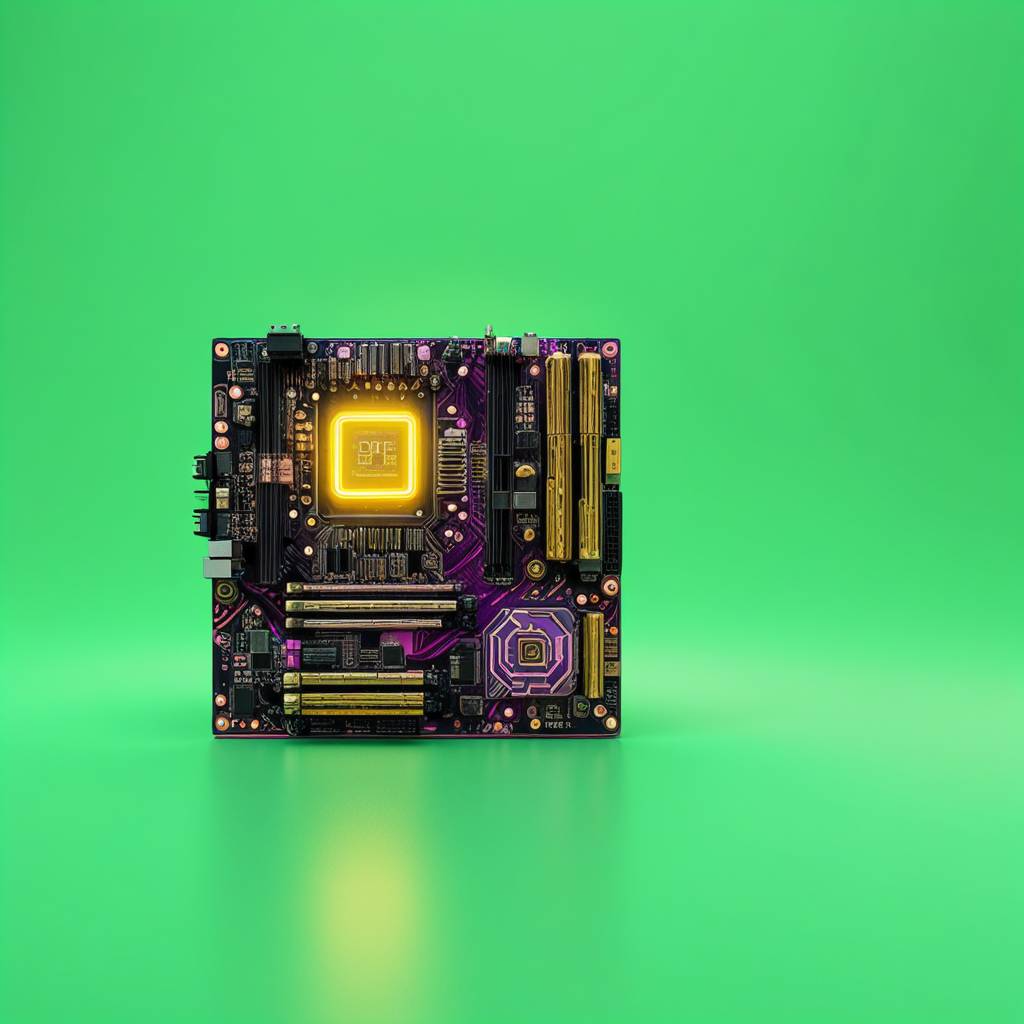
Let’s talk about GPU-accelerated MP4 encoding and decoding
GPU-accelerated MP4 encoding and decoding have revolutionized video processing by using the power of graphics processing units. I’ve worked extensively with GPUs, and the impact they’ve had on video workflows is nothing short of transformative. Imagine trying to lift a heavy box on your own versus having a team to help—that’s what a GPU does for your video encoding and decoding tasks. It speeds up the process, reduces system strain, and improves efficiency.
When I first transitioned to GPU acceleration, I was amazed at how quickly my MP4 files could be processed. Traditional CPU-based encoding felt like pushing through molasses compared to the swift execution a GPU offers. This article explores every aspect of GPU acceleration for MP4 encoding and decoding, sharing insights and addressing questions you might not find elsewhere.
What is GPU-accelerated encoding and decoding?
GPU-accelerated encoding and decoding use the parallel processing capabilities of GPUs to handle video compression and decompression. A CPU processes tasks sequentially, but GPUs can handle thousands of threads simultaneously. This means that tasks like compressing an MP4 video or playing back a high-resolution clip can be done much faster and more efficiently.
I often compare it to a restaurant kitchen. Imagine having one chef prepare every dish one at a time versus a team where each person focuses on a specific task. The GPU acts as that team, ensuring the workload is divided and completed efficiently. This technology is particularly important for high-resolution content like 4K and 8K videos, where traditional methods might struggle to keep up.
Why MP4 files benefit from GPU acceleration
MP4 is one of the most popular video file formats, thanks to its wide compatibility and efficient compression. However, the computational requirements for encoding and decoding MP4 files can be demanding. GPU acceleration reduces these demands significantly.
For instance, when encoding an MP4 file for streaming, I’ve found that a GPU not only speeds up the process but also ensures better quality. The reason lies in the way GPUs handle complex compression algorithms. With advanced codecs like H.264, H.265, or even AV1, GPUs shine in maintaining high quality while reducing file sizes. This means you get videos that load faster without sacrificing resolution.
How GPU-accelerated encoding works
Encoding is the process of compressing raw video into a manageable file size without losing quality. GPUs accelerate this process by breaking down tasks into smaller chunks that can be processed simultaneously. Using a GPU, I’ve encoded a 4K MP4 file in minutes instead of hours. This kind of speed is crucial for content creators and businesses.
When encoding, GPUs handle tasks like motion estimation and bit allocation. These are resource-intensive processes, but with the parallel computing power of a GPU, they’re completed much faster than on a CPU. This is especially beneficial for batch encoding, where multiple files are processed at once.
How GPU-accelerated decoding works
Decoding is the reverse of encoding—converting a compressed MP4 file back into a format that can be played or edited. GPU acceleration makes this process seamless, even for high-resolution videos. For example, I’ve played 8K MP4 videos on systems with GPU acceleration without any stuttering or lag, something that would be impossible with CPU decoding alone.
Decoding involves interpreting complex data and reconstructing video frames. GPUs excel at this because of their ability to handle parallel tasks. This is why devices with GPUs can stream HD and UHD content smoothly, even over limited internet connections.
Applications of GPU-accelerated MP4 encoding and decoding
GPU acceleration is used in various fields, from video production to real-time streaming. I’ve personally used GPU acceleration for projects involving live broadcasts, where encoding speed is critical. Here are some common applications:
- Video editing: Faster rendering and previewing of MP4 files.
- Streaming: Real-time encoding for platforms like YouTube or Twitch.
- Surveillance: Quick decoding for high-resolution security footage.
- Gaming: Smooth playback of cinematic sequences in MP4 format.
Each of these applications benefits from the reduced latency and enhanced performance GPUs offer.
Choosing the right GPU for MP4 tasks
Not all GPUs are created equal. When selecting a GPU for MP4 encoding and decoding, consider factors like memory size, core count, and codec support. I recommend GPUs with dedicated video processing units (VPUs) like NVIDIA’s NVENC or AMD’s VCE for optimal performance.
I’ve noticed that budget GPUs might struggle with high-resolution tasks, whereas mid-range and high-end options handle them effortlessly. For instance, when editing 4K MP4 videos, a GPU with at least 8GB of VRAM ensures smooth performance.
Benefits of GPU acceleration over CPU processing
The advantages of GPU acceleration go beyond speed. From energy efficiency to multitasking capabilities, GPUs offer a comprehensive solution for MP4 encoding and decoding. Here’s what I’ve found:
- Faster processing: Encoding and decoding tasks are completed in a fraction of the time.
- Energy efficiency: GPUs consume less power for intensive tasks compared to CPUs.
- Reduced CPU load: Frees up CPU resources for other applications.
- Improved multitasking: Handle multiple video streams simultaneously.
These benefits make GPU acceleration indispensable for modern video workflows.
Common challenges and how to address them
Despite its advantages, GPU acceleration isn’t without challenges. Compatibility issues, driver updates, and hardware limitations can cause headaches. I’ve experienced situations where a specific codec wasn’t supported by my GPU, leading to errors.
To mitigate these issues:
- Keep your GPU drivers updated.
- Ensure your software supports GPU acceleration.
- Invest in a GPU compatible with your preferred codecs.
- Regularly check for firmware updates from the manufacturer.
These steps have helped me maintain a smooth workflow, even with demanding projects.
Latest words on GPU-accelerated MP4 encoding and decoding
GPU-accelerated MP4 encoding and decoding are game-changers for anyone working with video. The speed, efficiency, and quality improvements they offer are unparalleled. From my experience, investing in a good GPU pays off in both productivity and results.
For those seeking an easy-to-use solution, tools like Mp4Gain can optimize your video files while leveraging GPU acceleration. With the right hardware and software, you can achieve professional-grade results effortlessly.
FAQ about GPU-accelerated MP4 encoding and decoding
What is GPU-accelerated encoding?
GPU-accelerated encoding uses a GPU’s parallel processing capabilities to compress video files faster and more efficiently.
How does GPU acceleration improve MP4 decoding?
GPU acceleration enables smoother playback of high-resolution MP4 files by distributing the decoding tasks across multiple cores.
What GPUs are best for MP4 encoding?
GPUs with dedicated video processing units, such as NVIDIA’s NVENC and AMD’s VCE, are ideal for MP4 encoding.
Can GPU acceleration handle 8K MP4 videos?
Yes, modern GPUs are capable of encoding and decoding 8K MP4 videos efficiently with proper hardware support.


Comments:
This article is super useful! I had no idea how much faster GPUs could make video processing. Thanks for the insight!
Could you dive deeper into the compatibility between GPUs and certain codecs? I’ve had trouble with AV1 specifically.