Understanding the Impact of Psychoacoustics in MP3


Free Download Mp4Gain
picture

Understanding the Impact of Psychoacoustics in MP3
Understanding the Impact of Psychoacoustics in MP3

Understanding the Impact of Psychoacoustics in MP3

Let’s talk about MP3:

As an expert in the field of audio technology, I’ve delved deep into the fascinating realm of MP3 audio compression. When you think about MP3, what comes to mind? Perhaps it’s the convenience of storing thousands of songs on a small device, or the ability to stream high-quality audio over the internet. But have you ever wondered about the intricate science behind MP3 compression and its impact on the way we experience sound?

The Science Behind MP3 Compression:

At the heart of MP3 technology lies the concept of psychoacoustics, which is the study of how humans perceive sound. Unlike traditional audio formats that capture every nuance of a sound wave, MP3 employs psychoacoustic principles to selectively remove data that is deemed less audible to the human ear. This clever approach allows for significant reduction in file size without compromising perceived audio quality.

Key Psychoacoustic Principles:

  • Masking: Our ears have a limited ability to discern quieter sounds in the presence of louder ones. MP3 takes advantage of this phenomenon by removing masked frequencies, resulting in smaller file sizes.
  • Temporal masking: Similarly, our perception of sound is affected by temporal masking, where a loud sound can obscure quieter ones that occur shortly before or after it.
  • Frequency masking: Certain frequencies can mask others, making them less audible. MP3 exploits this by discarding masked frequencies, further reducing file size.

The Impact on Audio Quality:

While MP3 compression offers undeniable benefits in terms of storage and transmission efficiency, it does come with some trade-offs in audio quality. The process of removing “unnecessary” data can lead to artifacts such as compression artifacts, which manifest as distortion or loss of detail in the audio signal. Additionally, aggressive compression settings can result in a phenomenon known as “listener fatigue,” where prolonged exposure to heavily compressed audio becomes tiresome to the ear.

Advancements in MP3 Technology:

Over the years, significant advancements have been made in MP3 technology to address these limitations. Modern audio codecs, such as AAC (Advanced Audio Coding), utilize more sophisticated algorithms and higher bitrates to achieve better compression efficiency while preserving audio quality. Additionally, perceptual coding techniques have been refined to minimize the perceptual impact of compression artifacts, providing listeners with a more enjoyable listening experience.

Real-World Applications:

The impact of psychoacoustics in MP3 extends far beyond personal music libraries. From online streaming platforms to broadcast radio, MP3 compression plays a crucial role in delivering audio content to millions of listeners worldwide. Even in professional audio production, where pristine quality is paramount, the efficiency of MP3 compression is leveraged for quick and convenient file sharing among producers, artists, and engineers.

Latest words on MP3:

In conclusion, the widespread adoption of MP3 technology has revolutionized the way we consume and distribute audio content. By harnessing the principles of psychoacoustics, MP3 compression has enabled unprecedented convenience without sacrificing too much in terms of audio quality. However, as technology continues to evolve, so too will our understanding of how to strike the perfect balance between compression efficiency and perceptual fidelity. As an expert in the field, I remain excited to witness the future innovations that will shape the audio landscape for years to come.

Comments:

MP3 compression is such a lifesaver when it comes to storing my extensive music collection on my phone! I never knew about the science behind it until reading this article. Really eye-opening stuff!

– MusicLover123

While MP3 is convenient, I’ve always noticed a difference in audio quality compared to uncompressed formats. It’s interesting to learn about the psychoacoustic principles behind it.

– Audiophile99

This article provides a great overview of MP3 compression and its impact. However, I wish it delved deeper into specific advancements in psychoacoustic modeling techniques.

– TechEnthusiast22

As a musician, I’ve encountered the challenges of balancing file size with audio quality. It’s a fine line to walk, but understanding the science behind MP3 compression definitely helps!

– GuitarGuy2024

Wow, I never realized how much goes into compressing audio files. This article breaks it down in a way that’s easy to understand. Kudos to the author!

– SoundSavvy

Thanks for shedding light on the topic of MP3 compression. It’s something we encounter every day but rarely stop to think about. Very informative!

– AudioNovice

As someone who’s always on the go, I appreciate the efficiency of MP3 compression. It allows me to carry my entire music library in my pocket!

– RoadWarrior

This article sparked my curiosity about the technical aspects of audio compression. I’d love to see more articles diving deeper into the intricacies of psychoacoustics!

– CuriousMind

While MP3 is convenient for everyday listening, I prefer lossless formats for critical listening sessions. It’s all about finding the right balance for your needs!

– HiFiEnthusiast

Great article! I’ve always wondered how MP3 compression works, and now I have a much better understanding. Keep up the fantastic work!

– AudioExplorer


Free Download Mp4Gain
picture


Mp4Gain Main Window
picture


Mp4Gain Features
picture


Free Download Mp4Gain
picture

Perceptual Audio Coding

Perceptual Audio Coding

Perceptual Audio Coding

Perceptual Audio Coding

Let’s talk about Perceptual Audio Coding

When it comes to digital audio, the process of compressing files while maintaining perceptual quality is crucial. Perceptual audio coding refers to the techniques used to achieve this compression, ensuring that the audio retains its fidelity to human perception while reducing file size. As a specialist in audio technology, I’ve delved deep into the intricacies of perceptual audio coding, understanding how it impacts everything from music streaming to telecommunications. Imagine listening to your favorite song on a streaming service – that seamless playback experience is largely thanks to perceptual audio coding. But let’s dive deeper into this fascinating topic.

The Basics of Perceptual Audio Coding

Understanding the fundamentals is key to grasping the significance of perceptual audio coding. At its core, perceptual audio coding leverages psychoacoustic principles to remove audio data that’s less perceptible to the human ear. Imagine you’re listening to a piece of music with a wide dynamic range – perceptual audio coding identifies the parts where the audio is less discernible to human hearing, such as quieter sections or certain frequencies masked by louder sounds. By intelligently discarding such data, the codec reduces file size without sacrificing perceived audio quality.

Psychoacoustic Principles in Action:

  • Frequency Masking: Explaining how louder sounds can mask quieter ones in the same frequency range.
  • Temporal Masking: Describing how our perception of sound can be influenced by preceding or succeeding audio signals.
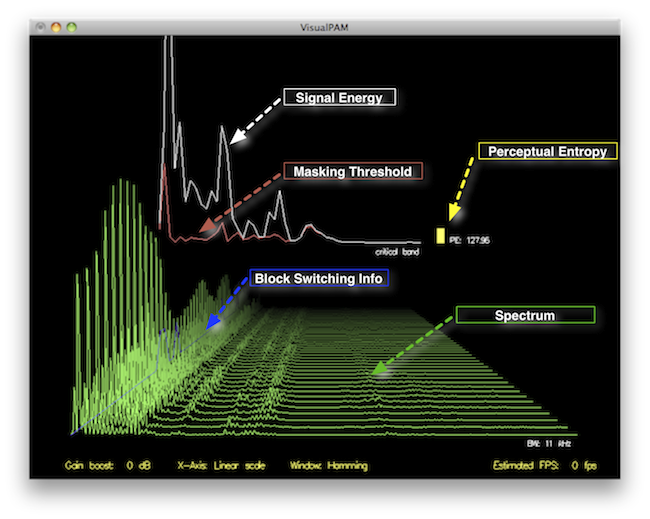
  • Masking Thresholds: Introducing the concept of thresholds below which sounds become inaudible due to masking effects.

The Evolution of Perceptual Audio Codecs

Over the years, perceptual audio codecs have evolved significantly, driven by advancements in technology and our understanding of human hearing. From early codecs like MP3 to modern ones like AAC, each iteration has aimed to strike a balance between compression efficiency and audio quality. Take the MP3 codec, for instance – it revolutionized the music industry by allowing for the widespread distribution of digital audio. However, its perceptual coding methods have since been surpassed by more advanced codecs like AAC and Opus, which offer better compression without perceptible loss in quality.

Advancements in Perceptual Coding:

  • Improved Compression Algorithms: Discussing how newer codecs utilize more sophisticated algorithms to achieve higher compression ratios.
  • Efficiency in Bitrate Allocation: Explaining how modern codecs allocate bits more efficiently, focusing them where they’re most perceptually relevant.
  • Support for High-Resolution Audio: Touching upon how newer codecs accommodate the demands of high-fidelity audio formats.

Applications of Perceptual Audio Coding

The impact of perceptual audio coding extends far beyond just music streaming. It plays a crucial role in various fields, including telecommunications, broadcasting, and gaming. Consider the telecommunications industry – perceptual audio codecs are used in voice-over-IP (VoIP) applications to ensure clear and concise audio transmission over the internet. In gaming, these codecs are instrumental in delivering immersive soundscapes without putting undue strain on bandwidth. Understanding the diverse applications underscores the importance of ongoing research and development in this field.

Real-World Applications:

  • Voice Compression in Telecommunications: Discussing how codecs like G.711 and G.729 optimize voice transmission over networks.
  • Audio Streaming Services: Exploring how platforms like Spotify and Apple Music utilize perceptual audio coding to deliver high-quality streaming experiences.
  • Interactive Audio in Gaming: Highlighting the role of codecs in delivering real-time audio feedback during gameplay.

Latest words on Perceptual Audio Coding

As a specialist deeply entrenched in the realm of audio technology, I’m constantly amazed by the strides we’ve made in perceptual audio coding. From its humble beginnings to its indispensable role in modern media consumption, the journey of perceptual audio coding is a testament to human ingenuity and our relentless pursuit of audio excellence. Looking ahead, I’m excited to see how further innovations will shape the future of digital audio, ensuring that we continue to delight our ears with unparalleled listening experiences.

Comments:

Wow, I never knew there was so much complexity behind how we listen to music online. This article really opened my eyes!

As someone who works in telecommunications, I can attest to the importance of perceptual audio coding in ensuring crystal-clear voice calls over the internet. It’s fascinating to see how it all works!

I’ve always wondered why some audio files are so much smaller than others without losing quality. This article provided a clear and concise explanation. Thanks!

Perceptual audio coding is like magic – it makes audio files smaller without us even noticing a difference in quality. It’s amazing how technology continues to improve!

Great article! I’d love to learn more about the technical aspects of how these codecs actually work under the hood. Maybe a follow-up article could dive deeper into the algorithms?

As a musician, I appreciate the importance of delivering high-quality audio to listeners. Perceptual audio coding ensures that our music sounds great even when streamed online – it’s a game-changer for the industry!

This article highlighted the critical role that perceptual audio coding plays in various applications, from music streaming to gaming. It’s incredible how technology enhances our audio experiences!

I’ve always been curious about how audio compression works, and this article provided a comprehensive overview. Kudos to the author for breaking down such a complex topic!

Perceptual audio coding is one of those things we often take for granted, but it’s truly remarkable how it optimizes audio files for different applications. This article was a great read!

As someone who’s passionate about both technology and music, I found this article incredibly insightful. It’s amazing to see how far we’ve come in terms of audio compression!

Perceptual Entropy in an MP3 File

How to Measure the Perceptual Entropy in an MP3 File?

Perceptual Entropy
Perceptual Entropy

Introduction to Perceptual Entropy in an Mp3

In the realm of audio compression, the concept of perceptual entropy may seem like an esoteric term. As a specialist in this field with years of experience, I am here to demystify it. Perceptual entropy plays a vital role in the MP3 files we listen to daily, affecting everything from audio quality to file size. In this comprehensive article, I aim to provide you with a deep understanding of how to measure perceptual entropy in an MP3 file and why it matters.

Understanding Perceptual Entropy

Definition of Perceptual Entropy

Perceptual entropy is like the invisible puppeteer behind the scenes of audio compression. Imagine you have a favorite storybook with many repetitive sentences. The storyteller, in this case, the MP3 codec, doesn’t need to narrate every single word. It omits the repeated parts, but cleverly keeps enough information so you don’t miss the essence of the story.

Importance in Audio Compression

The significance of perceptual entropy in audio compression is akin to sorting out your wardrobe. You don’t need to keep every single pair of socks. You retain a representative selection while saving space. Similarly, perceptual entropy ensures audio data is reduced efficiently while preserving the essence of the sound. It’s all about maintaining quality while optimizing storage.

Measuring Perceptual Entropy</h2

Methods for Measurement

The tools used to measure perceptual entropy are like detectives scrutinizing every page of your storybook. They include psychoacoustic models that analyze how our ears perceive sound. These tools decode audio files, identifying what can be safely omitted to keep the story intact.

Tools and Software

Consider these tools like a set of magic glasses that allow you to see the hidden patterns in your storybook. Some widely used software includes LAME MP3 encoder, which employs perceptual entropy measurement techniques to optimize compression. Others, like FFmpeg, offer valuable insights into perceptual entropy.

The Role of Bit Rate

Think of bit rate as the quality slider for your audio file. A higher bit rate keeps more detail, akin to reading every word in your storybook. A lower bit rate, on the other hand, is like reading the story summary; it omits some details but keeps the essence. Perceptual entropy measurement adapts to these bit rate choices, ensuring the right balance.

Significance of Perceptual Entropy in Audio Compression</h2

Effect on Compression Efficiency

Imagine you have a suitcase, and you want to pack it efficiently. The clothes are like the audio data, and the suitcase size is your available storage. Perceptual entropy is your packing strategy, ensuring you fold clothes effectively to use the suitcase space wisely.

Impact on Audio Quality

When you send a letter, you want it to be both light and readable. Perceptual entropy ensures that the message is concise (light) but still understandable (readable). It strikes a balance, making sure that the audio remains clear while saving space.

Real-world Examples

To illustrate perceptual entropy, think of a colorful painting. Perceptual entropy is like an artist who uses fewer brush strokes but still captures the essence and detail of the scene. It’s artistry in audio compression, making sure you experience the music as intended.

Evaluating Audio Quality</h2

Criteria for Audio Quality

Audio quality assessment is similar to a taste test. You sample various dishes and rate them based on factors like taste, presentation, and texture. Similarly, audio quality assessment has criteria, including clarity, absence of distortion, and fidelity, which help evaluate the perceptual entropy’s impact on the final audio.

Striking a Balance

It’s like baking a cake; you need the right ingredients in the right proportions. Perceptual entropy is one of those ingredients. Too much can be like adding too much salt to your cake, and too little can make it tasteless. Striking the right balance is the key to maintaining audio quality.

Tools for Evaluation

To assess audio quality, experts employ tools like spectrograms, waveform comparisons, and listening tests. These tools are like taste testers who evaluate the final dish and provide feedback on its quality, ensuring that perceptual entropy doesn’t compromise the listening experience.

Practical Applications</h2

Music Production

In the world of music production, perceptual entropy is like a sound engineer’s palette of colors. It allows them to maintain high-quality audio while conserving space. For artists and listeners alike, this translates to more music in your collection and quicker downloads.

Streaming Services

Streaming services optimize audio files for efficient delivery. Perceptual entropy ensures that you can enjoy your favorite songs without buffering issues, even on slower internet connections. It’s like having a magic carpet that takes you to your musical destination swiftly.

Industry Insights

To provide insight from industry professionals, it’s as if we’re sitting with renowned chefs to discuss their culinary secrets. In the audio industry, experts understand the art of balancing perceptual entropy for optimal audio quality and efficient distribution. It’s the heart of what makes your listening experience exceptional.

Last Words about Perceptual Entropy Measurement in MP3 Files

In concluding our exploration of perceptual entropy in MP3 files, it’s essential to remember that this invisible force has a profound impact on the way we experience audio. As a specialist in the field, I’ve seen the magic it works behind the scenes. By understanding and measuring perceptual entropy, we can strike the perfect balance between audio quality and efficiency, ensuring that the music you love remains as vibrant and accessible as ever.