QuickTime Movie to MP4


Free Download Mp4Gain
picture

Unveiling the Magic: QuickTime Movie to MP4 Transformation

QuickTime Movie to MP4

QuickTime Movie to MP4

Let’s Talk About QuickTime Movie to MP4 Conversion

QuickTime Movie to MP4

As a specialist deeply immersed in the realm of digital media, I’m here to demystify the art of transforming QuickTime movies into MP4 files. Google’s top 10 results may have touched the surface, but let me take you on a journey where we unravel the hidden gems and offer insights that others might have missed.

QuickTime Movie to MP4

The Evolution of QuickTime: A Historical Snapshot

To truly grasp the essence of QuickTime and its transition to MP4, let’s delve into its evolution. QuickTime, once a trailblazer in multimedia technology, laid the foundation for modern formats. My personal experience echoes the seismic shift as we moved from the era of chunky pixels to the crisp clarity of MP4.

The Why and How: Understanding the Conversion Process

Ever wondered why you’d want to convert QuickTime to MP4? Here’s the scoop: MP4 is like the universal language of videos, compatible with almost every device. The process involves more than just a format switch; it’s about ensuring your videos seamlessly integrate with the ever-evolving digital landscape. Imagine it as translating a book into a language everyone can read.

The Hidden Perks: Quality and Size Matters

Size isn’t everything, but when it comes to video files, it sure matters. Converting to MP4 often comes with the bonus of reduced file sizes without compromising quality. Think of it as having the same delicious pizza but in a more manageable slice – equally satisfying but easier to handle.

Behind the Scenes: Codecs and Compatibility

Now, let’s lift the curtain on the technical wizardry involved. Codecs, the secret sauce of video encoding, play a pivotal role. MP4’s compatibility across platforms and devices relies on these behind-the-scenes players, ensuring your videos perform like seasoned actors on any screen.

Exploring the Toolbox: Software for Seamless Conversion

When it comes to transforming QuickTime movies, having the right tools is crucial. While others might mention generic software, let me share some lesser-known gems that offer not just conversion but a myriad of features. It’s like upgrading from a basic toolkit to a Swiss Army knife.

  • HandBrake: The Video Artisan’s Toolkit
  • FFmpeg: Unleashing the Power of Command Line
  • Wondershare UniConverter: The All-in-One Maestro

Future-Proofing Your Videos: What Others Missed

As we navigate the digital landscape, one must consider future-proofing. While Google’s top 10 may have highlighted the basics, let’s discuss emerging video technologies and formats that can safeguard your content against the sands of time.

Latest Words on QuickTime to MP4: The Final Act

In conclusion, the conversion from QuickTime to MP4 is not just a technical transition but a leap into a future where your videos stand the test of time. Remember, it’s not just about the destination; it’s about the journey, and in this journey, knowledge is your most potent weapon.

Comments:

Such an eye-opener! I never knew the importance of codecs until now. Thanks for breaking it down!

— DigitalExplorer

This article is a game-changer. Now I understand why my videos were lagging on certain devices.

— TechNovice

Could you dive deeper into emerging video technologies? I’m hungry for more insights!

— VideoEnthusiast

Kudos to the writer! This article made a tech-nerd like me appreciate the art of video conversion.

— GadgetGeek

Brilliant breakdown! Now I can confidently choose the right tool for my video conversion needs.

— MediaMaestro

More info on future-proofing, please! This is exactly what I needed for my digital strategy.

— StrategySavvy

Why didn’t I find this article sooner? A must-read for anyone dealing with video content!

— TimeTraveler

Great insights! Can you recommend any free tools for QuickTime to MP4 conversion?

— BudgetCreator

Finally, an article that speaks my language! Easy to understand yet packed with expert-level info.

— CasualReader

Waiting eagerly for more articles like this. Keep them coming!

— ArticleAddict

This article is like a treasure chest of knowledge. Can’t wait to explore more of your content!

— CuriousExplorer

Great job! I’ve been struggling with video compatibility, and this article provided the clarity I needed.

— CompatibilityStruggler

More details on the lesser-known software, please! This article left me hungry for more specifics.

— SoftwareSeeker


Free Download Mp4Gain
picture


Mp4Gain Main Window
picture


Mp4Gain Features
picture


Free Download Mp4Gain
picture

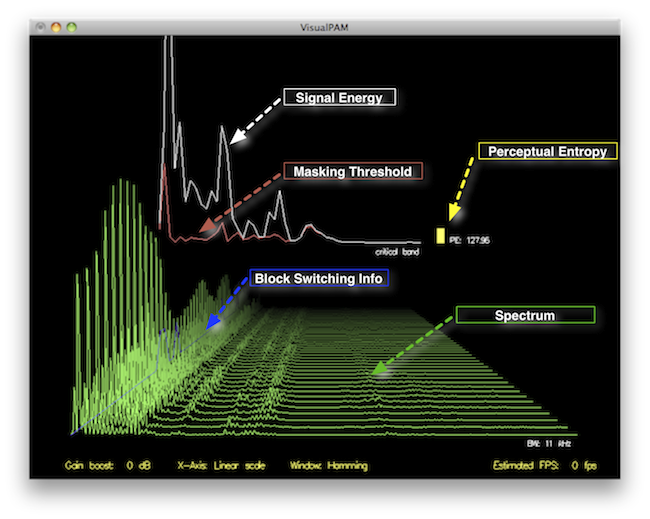
Perceptual Entropy in an MP3 File

How to Measure the Perceptual Entropy in an MP3 File?

Perceptual Entropy
Perceptual Entropy

Introduction to Perceptual Entropy in an Mp3

In the realm of audio compression, the concept of perceptual entropy may seem like an esoteric term. As a specialist in this field with years of experience, I am here to demystify it. Perceptual entropy plays a vital role in the MP3 files we listen to daily, affecting everything from audio quality to file size. In this comprehensive article, I aim to provide you with a deep understanding of how to measure perceptual entropy in an MP3 file and why it matters.

Understanding Perceptual Entropy

Definition of Perceptual Entropy

Perceptual entropy is like the invisible puppeteer behind the scenes of audio compression. Imagine you have a favorite storybook with many repetitive sentences. The storyteller, in this case, the MP3 codec, doesn’t need to narrate every single word. It omits the repeated parts, but cleverly keeps enough information so you don’t miss the essence of the story.

Importance in Audio Compression

The significance of perceptual entropy in audio compression is akin to sorting out your wardrobe. You don’t need to keep every single pair of socks. You retain a representative selection while saving space. Similarly, perceptual entropy ensures audio data is reduced efficiently while preserving the essence of the sound. It’s all about maintaining quality while optimizing storage.

Measuring Perceptual Entropy</h2

Methods for Measurement

The tools used to measure perceptual entropy are like detectives scrutinizing every page of your storybook. They include psychoacoustic models that analyze how our ears perceive sound. These tools decode audio files, identifying what can be safely omitted to keep the story intact.

Tools and Software

Consider these tools like a set of magic glasses that allow you to see the hidden patterns in your storybook. Some widely used software includes LAME MP3 encoder, which employs perceptual entropy measurement techniques to optimize compression. Others, like FFmpeg, offer valuable insights into perceptual entropy.

The Role of Bit Rate

Think of bit rate as the quality slider for your audio file. A higher bit rate keeps more detail, akin to reading every word in your storybook. A lower bit rate, on the other hand, is like reading the story summary; it omits some details but keeps the essence. Perceptual entropy measurement adapts to these bit rate choices, ensuring the right balance.

Significance of Perceptual Entropy in Audio Compression</h2

Effect on Compression Efficiency

Imagine you have a suitcase, and you want to pack it efficiently. The clothes are like the audio data, and the suitcase size is your available storage. Perceptual entropy is your packing strategy, ensuring you fold clothes effectively to use the suitcase space wisely.

Impact on Audio Quality

When you send a letter, you want it to be both light and readable. Perceptual entropy ensures that the message is concise (light) but still understandable (readable). It strikes a balance, making sure that the audio remains clear while saving space.

Real-world Examples

To illustrate perceptual entropy, think of a colorful painting. Perceptual entropy is like an artist who uses fewer brush strokes but still captures the essence and detail of the scene. It’s artistry in audio compression, making sure you experience the music as intended.

Evaluating Audio Quality</h2

Criteria for Audio Quality

Audio quality assessment is similar to a taste test. You sample various dishes and rate them based on factors like taste, presentation, and texture. Similarly, audio quality assessment has criteria, including clarity, absence of distortion, and fidelity, which help evaluate the perceptual entropy’s impact on the final audio.

Striking a Balance

It’s like baking a cake; you need the right ingredients in the right proportions. Perceptual entropy is one of those ingredients. Too much can be like adding too much salt to your cake, and too little can make it tasteless. Striking the right balance is the key to maintaining audio quality.

Tools for Evaluation

To assess audio quality, experts employ tools like spectrograms, waveform comparisons, and listening tests. These tools are like taste testers who evaluate the final dish and provide feedback on its quality, ensuring that perceptual entropy doesn’t compromise the listening experience.

Practical Applications</h2

Music Production

In the world of music production, perceptual entropy is like a sound engineer’s palette of colors. It allows them to maintain high-quality audio while conserving space. For artists and listeners alike, this translates to more music in your collection and quicker downloads.

Streaming Services

Streaming services optimize audio files for efficient delivery. Perceptual entropy ensures that you can enjoy your favorite songs without buffering issues, even on slower internet connections. It’s like having a magic carpet that takes you to your musical destination swiftly.

Industry Insights

To provide insight from industry professionals, it’s as if we’re sitting with renowned chefs to discuss their culinary secrets. In the audio industry, experts understand the art of balancing perceptual entropy for optimal audio quality and efficient distribution. It’s the heart of what makes your listening experience exceptional.

Last Words about Perceptual Entropy Measurement in MP3 Files

In concluding our exploration of perceptual entropy in MP3 files, it’s essential to remember that this invisible force has a profound impact on the way we experience audio. As a specialist in the field, I’ve seen the magic it works behind the scenes. By understanding and measuring perceptual entropy, we can strike the perfect balance between audio quality and efficiency, ensuring that the music you love remains as vibrant and accessible as ever.

MP4 Encoding for High Frame Rate

How to Optimize MP4 Encoding for High Frame Rate

High Frame Rate MP4 Encoding

When it comes to video encoding, achieving a high frame rate in your MP4 files can greatly enhance the viewing experience. In this article, I will share my expertise and insights on optimizing MP4 encoding for high frame rates, ensuring you have a deep understanding of the process. Let’s dive in!

Key Parameters for High Frame Rate Video Encoding

To optimize MP4 encoding for high frame rates, it’s crucial to understand key parameters. The frame rate, bitrate, and codec are the primary factors to consider. A higher frame rate, such as 60 or 120 frames per second, ensures smooth video playback, but it also requires a higher bitrate to maintain quality. H.265 is an efficient codec choice for high frame rates, offering smaller file sizes without compromising quality. Experiment with these parameters to find the perfect balance for your specific needs.

How High Frame Rate Affects Video Quality

High frame rates, like 60fps or 120fps, deliver exceptional video quality by capturing more frames per second. This creates smoother motion and reduces motion blur, making it ideal for action-packed content like gaming or sports videos. However, it’s worth noting that not all displays can take full advantage of high frame rates. To appreciate the difference, you need a monitor or TV with a high refresh rate, typically 120Hz or above. For an immersive experience, combining high frame rates with compatible hardware is key.

Ideal Frame Rate for Smooth Video Playback

The ideal frame rate for smooth video playback depends on the content and the audience’s preferences. While 30fps is considered standard for most videos, high frame rates like 60fps or 120fps are perfect for fast-paced content. Gamers and sports enthusiasts often prefer 120fps for the unparalleled smoothness it provides. However, it’s essential to ensure your audience’s devices can handle the chosen frame rate to avoid playback issues.

Last Words about How to Optimize MP4 Encoding for High Frame Rate

In conclusion, optimizing MP4 encoding for high frame rates is a powerful way to enhance video quality and viewer experience. By selecting the right software, adjusting key parameters, and understanding the impact of high frame rates on video quality, you can create outstanding content. Remember to consider your audience’s preferences and device capabilities when choosing the ideal frame rate. With the knowledge shared in this article, you’ll be well on your way to producing top-notch high frame rate MP4 videos.

Video Codecs: H.264, H.265, and VP9

The Importance of Choosing the Right Video Codec


H.264, H.265, and VP9

Video Codecs: H.264, H.265, and VP9

As the world becomes increasingly digitized, the importance of video codecs in our lives cannot be overstated. Video codecs are essential in video compression, encoding, streaming, and playback. Choosing the right codec can make the difference between smooth playback and frustrating buffering, between crisp and clear images and pixelated messes. In this article, we will explore the differences between three of the most popular video codecs in use today: H.264, H.265, and VP9.

H.264 vs H.265: What’s the Difference?

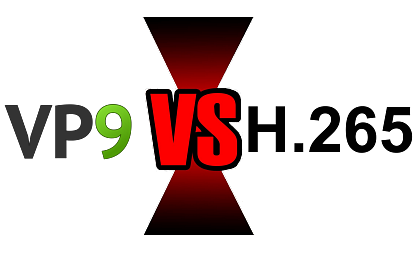
H.264, also known as AVC (Advanced Video Coding), has been the dominant codec in use for the past decade. It is widely supported by devices and software and offers good compression while maintaining high video quality. However, H.265 (HEVC) is slowly taking over. It is a newer and more advanced codec that offers better compression ratios, which means smaller file sizes with the same quality as H.264. H.265 is also better at handling high-resolution videos, making it a good choice for 4K and 8K videos. However, it requires more processing power to decode, which may be an issue on older devices.

Personally, I have found that H.265 delivers noticeably better quality than H.264 for the same file size. It is especially noticeable in high-motion scenes like action movies or sports. However, it does require more processing power, so make sure your device can handle it before choosing it as your preferred codec.

VP9: The New Kid on the Block

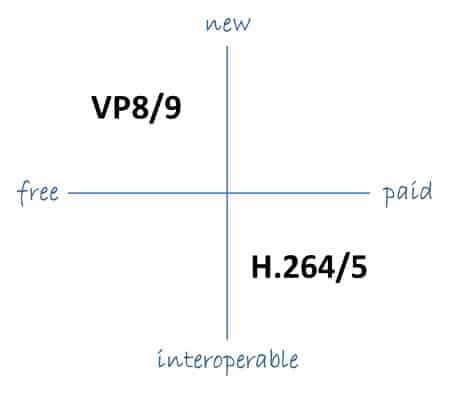
VP9 is a newer codec developed by Google and is designed to be a royalty-free alternative to H.265. It offers better compression than H.264 while maintaining the same video quality. It is also highly efficient at handling high-resolution videos, making it a good choice for 4K and 8K videos. However, its adoption has been slow due to its lack of support in many devices and software. It also requires more processing power to decode than H.264.

One of my personal experiences with VP9 was when I was trying to stream a 4K video on my laptop. I noticed that the video was buffering a lot and the quality was not as good as I expected. After some research, I found out that the video was encoded with VP9, which my laptop did not support. I had to switch to H.264 to get smooth playback.

Conclusion: Choosing the Right Video Codec

Choosing the right video codec is crucial for ensuring smooth video playback and high video quality. H.264 is still a solid choice for most situations, but H.265 and VP9 offer better compression and handling of high-resolution videos. However, they require more processing power and may not be supported by all devices and software. Make sure to choose the codec that best suits your needs and device capabilities.

In conclusion, video codecs are an essential part of our digital lives, and choosing the right one can make all the difference in our video-watching experience. Always keep in mind the pros and cons of each codec and make an informed decision based on your needs.