MPEG decoding is the process of converting compressed digital video data into a viewable format. This process is necessary because most digital videos are compressed to save space and reduce bandwidth requirements. Decoding MPEG involves using a special algorithm to decompress the data and extract the video and audio streams. Once the video and audio streams are separated, they can be played back on a computer or other device.
According to the book “Video Demystified” by Keith Jack, “Decoding MPEG requires a powerful processor and specialized hardware.” This is because the process is computationally intensive and requires a lot of processing power to be done in real-time. Many modern computers and mobile devices are capable of decoding MPEG on their own, but some may require specialized software or hardware to do so.
MPEG Decoder
An MPEG decoder is a piece of software or hardware that is designed to decode MPEG-encoded video files. Decoders come in many different forms, from standalone devices to software that can be installed on a computer. Most modern media players, such as VLC, have built-in MPEG decoders that can play back MPEG-encoded video files without the need for additional software.
As noted by the book “Digital Video Processing” by A. Murat Tekalp, “The quality of an MPEG decoder determines the quality of the video output.” This is because the decoding process can introduce artifacts and other issues that can degrade the quality of the video. It is important to use a high-quality decoder to ensure that the video is decoded correctly and looks its best.
Decoding Video Files
Decoding video files is an essential part of playing back digital video content. Many different video codecs are used to compress video data, and each requires a specific decoder to play back the content. MPEG is just one of many video codecs that are commonly used. Other popular codecs include H.264, HEVC, and AV1.
As stated by the movie “The Matrix”, “Unfortunately, no one can be told what decoding video files is. You have to see it for yourself.” While decoding video files may seem complicated, modern media players and other software have made the process much easier. With the right software and hardware, anyone can decode and play back digital video content with ease.
Final Words:
In conclusion, MPEG decoding is an essential process for playing back digital video content. Whether you are using a standalone device or a computer with specialized software, understanding how MPEG decoding works is important for getting the best possible video playback experience. If you’re looking for a high-quality MPEG decoder, consider using mp4gain to ensure that your video files are decoded correctly and look their best.
Video compression is the process of reducing the size of a digital video file without compromising its quality. MPEG (Moving Picture Experts Group) codec is one of the most widely used video compression techniques in the world. It is known for its ability to compress videos without significantly reducing their quality. As a result, MPEG codec is used in various multimedia applications, including DVDs, digital television, and streaming video platforms.
According to renowned filmmaker Martin Scorsese, “Compression is interesting because you can actually get more information on a disc if you compress it than if you don’t. You’re just using the data more efficiently.” MPEG codec helps achieve this efficiency, making it a popular choice among content creators.
Digital Video Format
MPEG codec is also popular because it supports multiple digital video formats, including MPEG-1, MPEG-2, MPEG-4, and MPEG-7. Each of these formats is optimized for different types of content and applications. For example, MPEG-1 is ideal for low-resolution video and audio playback, while MPEG-4 is ideal for streaming high-quality videos over the internet.
MPEG-2, on the other hand, is widely used in digital television broadcasting, while MPEG-7 is used for multimedia content management. Overall, MPEG codec has revolutionized the way we consume and distribute digital video content.
Video Encoding
Video encoding is the process of converting a raw video file into a compressed digital format. MPEG codec is one of the most efficient and reliable video encoding techniques available. It uses complex algorithms to analyze the video content and compress it while maintaining its quality.
As noted by filmmaker George Lucas, “The whole industry is based on technology. It’s not based on storytelling. If the technology is great, everybody in the world can do it.” MPEG codec’s ability to compress videos while maintaining their quality has made it an essential component of the video production process.
In conclusion, MPEG codec is a crucial video compression technique that has transformed the way we consume and distribute digital video content. Its ability to compress videos without significantly reducing their quality has made it a popular choice among content creators and consumers alike. If you’re looking for a reliable video compression solution, MPEG codec is definitely worth considering.
Final Words:
Whether you’re a content creator or a consumer, MPEG codec is an essential component of the digital video ecosystem. Its ability to compress videos while maintaining their quality has made it an industry standard. If you’re looking for a reliable video compression solution, consider using MPEG codec to optimize your digital video content.
When it comes to compressing video files, MPEG encoding is one of the most popular methods. MPEG stands for Moving Picture Experts Group and it is a standard compression format for audio and video files. By compressing your video files with MPEG encoding, you can significantly reduce their size without sacrificing quality.
One of the benefits of MPEG encoding is that it allows for variable bit rate (VBR) encoding, which means that the bit rate of the video can be adjusted depending on the complexity of the scene. This ensures that the video quality remains consistent throughout, even during high-motion scenes.
As filmmaker Michael Wohl once said, “Video compression is a bit like trying to fit a square peg into a round hole. You have to compromise somewhere.” But with MPEG encoding, you can achieve a balance between file size and video quality that works for you.
MPEG Compressor: The Solution to Your Large Video Files
If you’re struggling with large video files that take up too much storage space, then an MPEG compressor may be the solution you’re looking for. A compressor allows you to reduce the size of your video files by compressing them with the MPEG format.
There are many MPEG compression software options available, but it’s important to choose one that is reliable and easy to use. At MP4Gain, we offer a simple and effective MPEG compressor that allows you to compress your video files quickly and easily.
As filmmaker Martin Scorsese once said, “Cinema is a matter of what’s in the frame and what’s out.” With an MPEG compressor, you can choose what stays in the frame without sacrificing the quality of your video.
Compress MPEG Files: Tips and Tricks
Compressing MPEG files can be a tricky process, but there are some tips and tricks you can use to make it easier. First, make sure that your source video is of high quality to begin with. Compressing a low-quality video will only result in an even lower quality output.
Second, choose the right settings for your compression software. If you’re unsure, start with the default settings and adjust as needed. Finally, be sure to preview your compressed video before finalizing it to make sure that the quality meets your standards.
As film director Alfred Hitchcock once said, “The length of a film should be directly related to the endurance of the human bladder.” With MPEG compression, you can compress your video files without sacrificing the viewer’s endurance or experience.
MPEG Compression Software: Which One is Right for You?
There are many options available when it comes to MPEG compression software, so how do you choose the right one for you? First, consider the features that are most important to you, such as speed, quality, and ease of use.
Second, read reviews and testimonials from other users to see how the software performs in real-world scenarios. Finally, try out a few different options to see which one works best for your needs.
As filmmaker Quentin Tarantino once said, “I steal from every movie ever made.” With the right MPEG compression software, you can steal back some of the storage space taken up by your video files.
Compressing Your Videos with MP4Gain
If you’re looking for a reliable and effective MPEG compression software, look no further than MP4Gain. Our software allows you to compress your video files quickly and easily, while maintaining high-quality output.
Audio noise is the unwanted sound that gets recorded or produced along with the desired sound. It can be caused by various factors, such as electrical interference, background noise, microphone hiss, or low-quality equipment. Audio noise can be a significant distraction and can ruin the listening experience for the listener.
Types of Audio Noise
1. Electrical Interference
Electrical interference is caused by electrical devices or wiring that can generate electromagnetic fields. These fields can interfere with the audio signal, causing a buzzing or humming sound. Examples of electrical interference include power cables, fluorescent lights, and electronic devices such as smartphones or computers.
2. Background Noise
Background noise is any noise that is present in the recording environment. It can be caused by environmental factors such as wind, rain, traffic, or people talking. Background noise can be challenging to remove without affecting the desired audio signal.
3. Microphone Hiss
Microphone hiss is caused by the internal noise of the microphone itself. This noise is more apparent in lower-quality microphones and can be reduced by using high-quality microphones or by using a noise reduction filter.
Methods for Audio Noise Reduction
1. Audio Editing Software
Audio editing software, such as Adobe Audition or Audacity, has built-in noise reduction tools that can remove unwanted noise from audio recordings. These tools work by analyzing the audio signal and removing any frequencies that match the noise profile. The effectiveness of the tool depends on the complexity and type of noise present in the recording.
2. Noise Reduction Filters
Noise reduction filters are hardware devices that can be used to remove unwanted noise from audio recordings. These filters work by analyzing the audio signal and removing any frequencies that match the noise profile. They are particularly useful for removing electrical interference and microphone hiss.
3. Dynamic Noise Reduction
Dynamic noise reduction is a technique that can be used to reduce unwanted noise from audio recordings in real-time. This technique works by analyzing the audio signal and dynamically adjusting the noise reduction filter to remove any unwanted noise. This method is particularly useful for removing background noise during live performances or recording sessions.
Tips for Effective Audio Noise Reduction
Record in a quiet environment
Use high-quality equipment
Use a noise reduction filter or software
Use dynamic noise reduction if recording in a live environment
Avoid over-processing the audio signal
Conclusion
Audio noise can be a significant distraction and can ruin the listening experience for the listener. Fortunately, there are several methods available for removing unwanted noise from audio recordings. By following the tips mentioned above and using appropriate noise reduction methods, you can produce high-quality audio recordings with minimal noise.
FAQs
What is the best software for audio noise reduction?
There are several audio editing software available that have built-in noise reduction tools, such as Adobe Audition and Audacity. However, the effectiveness of the tool depends on the complexity and type of noise present in the recording.
What is the difference between noise reduction and noise suppression?
Noise reduction and noise suppression are both techniques used to remove unwanted
Copy to Clipboard
Noise reduction and noise suppression are both techniques used to remove unwanted
background noise from audio recordings, but they work differently.
Noise Reduction
Noise reduction is a technique that involves reducing the noise level in an audio recording without affecting the quality of the audio. The goal is to minimize the unwanted noise and leave the audio intact. This technique is often used in post-production and editing of audio recordings.
There are different ways to perform noise reduction, including:
Equalization: This technique involves adjusting the frequency response of the audio recording to remove unwanted frequencies that cause noise.
Filtering: This technique involves using a high-pass filter to remove low-frequency noise and a low-pass filter to remove high-frequency noise.
Noise gates: This technique involves setting a threshold level below which the audio is muted, effectively removing any noise below that level.
Spectral editing: This technique involves analyzing the spectral content of the audio and selectively removing unwanted noise.
Noise Suppression
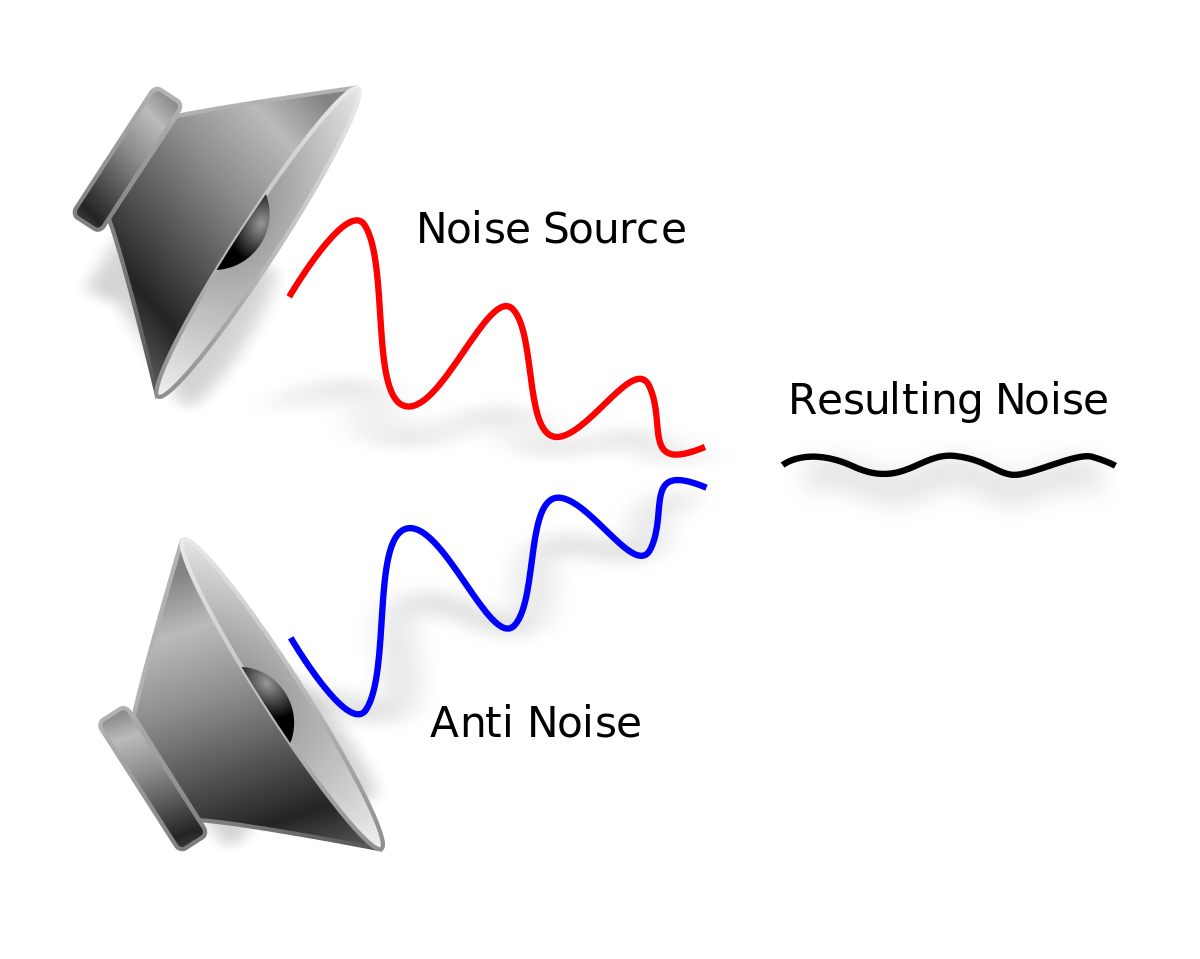
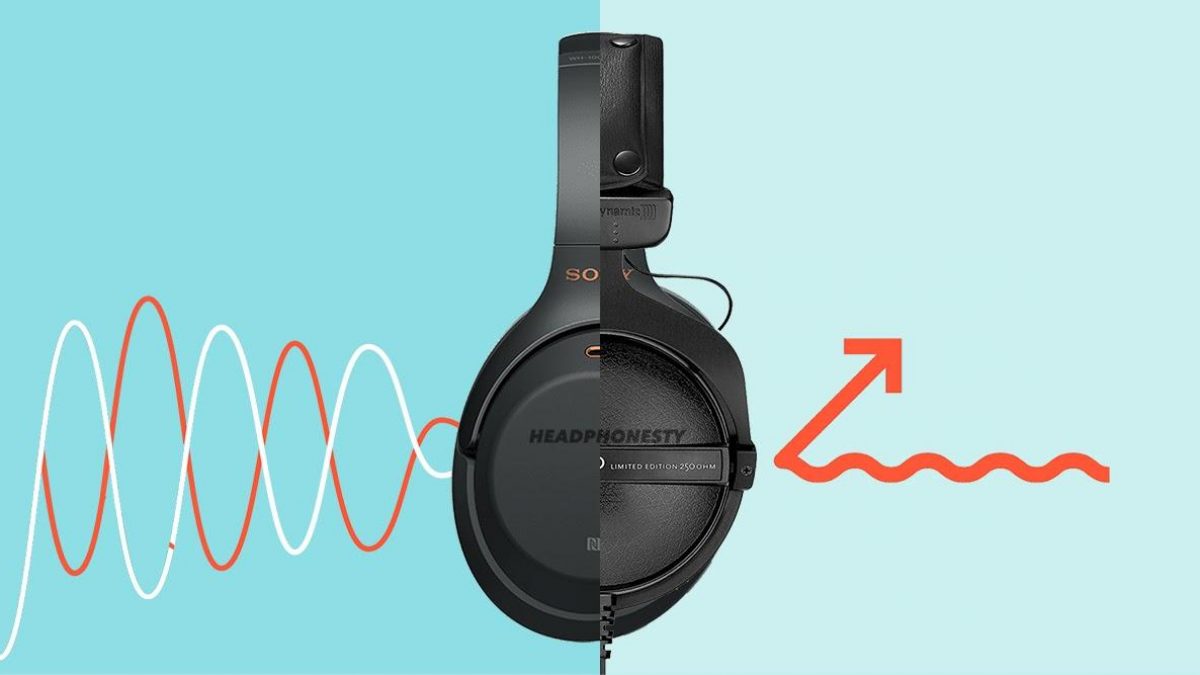
Noise suppression is a technique that involves removing unwanted noise by actively suppressing it. This technique is often used in real-time audio processing and is commonly used in applications such as noise-cancelling headphones and conference call software.
There are different ways to perform noise suppression, including:
Adaptive filtering: This technique involves analyzing the noise signal and creating an adaptive filter that actively removes the noise in real-time.
Subtraction: This technique involves recording a sample of the noise and then subtracting it from the audio signal to remove the noise.
Active noise cancellation: This technique involves using an anti-noise signal that cancels out the unwanted noise.
Best Practices for Audio Noise Reduction
When performing audio noise reduction, it is important to follow some best practices to achieve the best results:
Record in a quiet environment: The best way to reduce noise is to avoid recording it in the first place. Record in a quiet environment, away from sources of noise.
Use a good microphone: A good microphone will capture the audio with high quality and reduce the noise level.
Use a pop filter: A pop filter is a device that reduces the popping sound when speaking into a microphone, which can help reduce unwanted noise.
Record at the correct level: Recording at the correct level ensures that the signal is strong enough to minimize the noise level.
Perform noise reduction as the last step: Perform noise reduction as the last step in the audio editing process to avoid degrading the quality of the audio.
FAQ
What is audio noise?
Audio noise is any unwanted sound that is captured during audio recording. It can be caused by a variety of sources, including electronic interference, background noise, and environmental factors.
What is the difference between noise reduction and noise suppression?
Noise reduction involves reducing the noise level in an audio recording without affecting the quality of the audio, while noise suppression involves actively suppressing unwanted noise in real-time.
What are the best practices for audio noise reduction?
The best practices for audio noise reduction include recording in a quiet environment, using a good microphone, using a pop filter, recording at the correct level, and performing noise reduction as the last step in the audio editing process.
What are some common techniques used for audio noise reduction?
Common techniques used for audio noise reduction include equalization involves adjusting the levels of different frequency components in the audio signal to reduce the effect of noise. The process involves boosting or reducing certain frequencies using an equalizer. For example, if noise is concentrated at a particular frequency range, an equalizer can be used to attenuate that range.
Filtering is a technique that involves removing unwanted frequencies from an audio signal. High-pass filters, low-pass filters, and band-pass filters are commonly used for this purpose. High-pass filters remove frequencies below a certain threshold, while low-pass filters remove frequencies above a certain threshold. Band-pass filters allow frequencies within a certain range to pass while attenuating frequencies outside that range.
Spectral subtraction is a more sophisticated technique that involves estimating the spectral content of the noise and subtracting it from the original signal. The process involves first analyzing the spectral content of the noise and then creating a noise profile. The noise profile is then subtracted from the original signal to reduce the noise.
Other techniques used for audio noise reduction include adaptive filtering, which involves dynamically adjusting a filter to remove noise, and wavelet analysis, which involves decomposing the signal into different frequency bands and selectively removing noise from each band.
Challenges of Audio Noise Reduction
While there are several techniques for audio noise reduction, the process is not always straightforward. In some cases, removing noise can result in a loss of signal quality, leading to artifacts such as distortion, clipping, and phasing. Additionally, different types of noise require different techniques for effective reduction.
Moreover, it can be challenging to distinguish between noise and signal components in some cases, making it difficult to remove noise without affecting the signal. For example, in the case of speech signals, noise can be difficult to distinguish from the natural variation in the speaker’s voice.
Conclusion
Audio noise reduction is a crucial technique for improving the quality of audio recordings. There are several techniques available for reducing noise, including equalization, filtering, and spectral subtraction. However, the process can be challenging, and it is essential to understand the different types of noise and the appropriate techniques for reducing them.
In conclusion, noise reduction is an essential process that can help improve the quality of audio recordings. By understanding the different techniques available for reducing noise and the challenges associated with the process, it is possible to achieve effective noise reduction without compromising signal quality.