Let’s talk about MP3 Error Resilience in Noisy Environments
As an audio engineering specialist, I’ve encountered challenges related to maintaining audio quality in adverse conditions. In this article, we’ll explore the intricacies of MP3 error resilience, its importance, underlying mechanisms, and practical implications for audio playback in noisy environments.
Understanding MP3 Error Resilience
In noisy environments, MP3 files are susceptible to errors that degrade audio quality due to network congestion, electromagnetic interference, or hardware limitations. Despite its widespread use, MP3 lacks built-in error detection and correction mechanisms, making it vulnerable to data loss or corruption.
The Importance of Error Resilience
Preservation of Audio Quality: Errors in MP3 files can manifest as audible artifacts such as clicks or pops, detracting from the listening experience.
Robustness in Transmission: Error-resilient MP3 encoding techniques mitigate data loss during transmission, ensuring reliable playback.
Compatibility with Legacy Devices: Many legacy devices lack advanced error correction, necessitating error-resilient MP3 encoding for compatibility.
Enhancing MP3 Error Resilience
Various encoding techniques and playback strategies can improve error resilience in MP3 files.
Forward Error Correction (FEC)
Embedded Redundancy: FEC algorithms introduce redundant data into MP3 files for error detection and correction.
Reed-Solomon Coding: FEC schemes like Reed-Solomon coding add parity check symbols to MP3 frames for error recovery.
Bitstream Parsers and Sync Detection
Robust Parsing: Advanced parsers recover from synchronization errors in MP3 streams, ensuring uninterrupted playback.
Header Verification: Parsers verify header information in MP3 frames to detect and discard corrupted data.
Noise Reduction Techniques
Adaptive Filtering: Algorithms analyze audio signals in real-time, suppressing background noise for clearer playback.
Spectral Subtraction: Methods estimate and subtract noise components from MP3 audio, improving signal-to-noise ratio.
Latest words on MP3 Error Resilience in Noisy Environments
By understanding MP3 error resilience mechanisms and implementing robust encoding and playback strategies, we can ensure optimal audio quality in challenging environments.
Comments:
This article sheds light on the crucial aspect of MP3 error resilience. I appreciate the clear explanations and practical advice provided.
– SoundEnthusiast99
MP3 error resilience is a topic often overlooked but essential for maintaining audio quality. Thanks for addressing it comprehensively!
– MusicMan123
As an audio professional, I found this article informative and insightful. Understanding MP3 error resilience is crucial for delivering high-quality audio experiences.
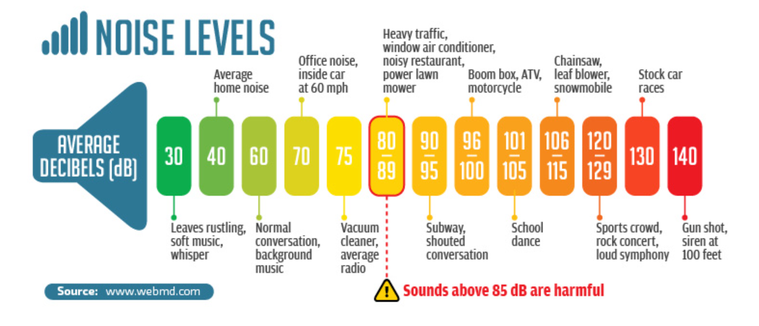
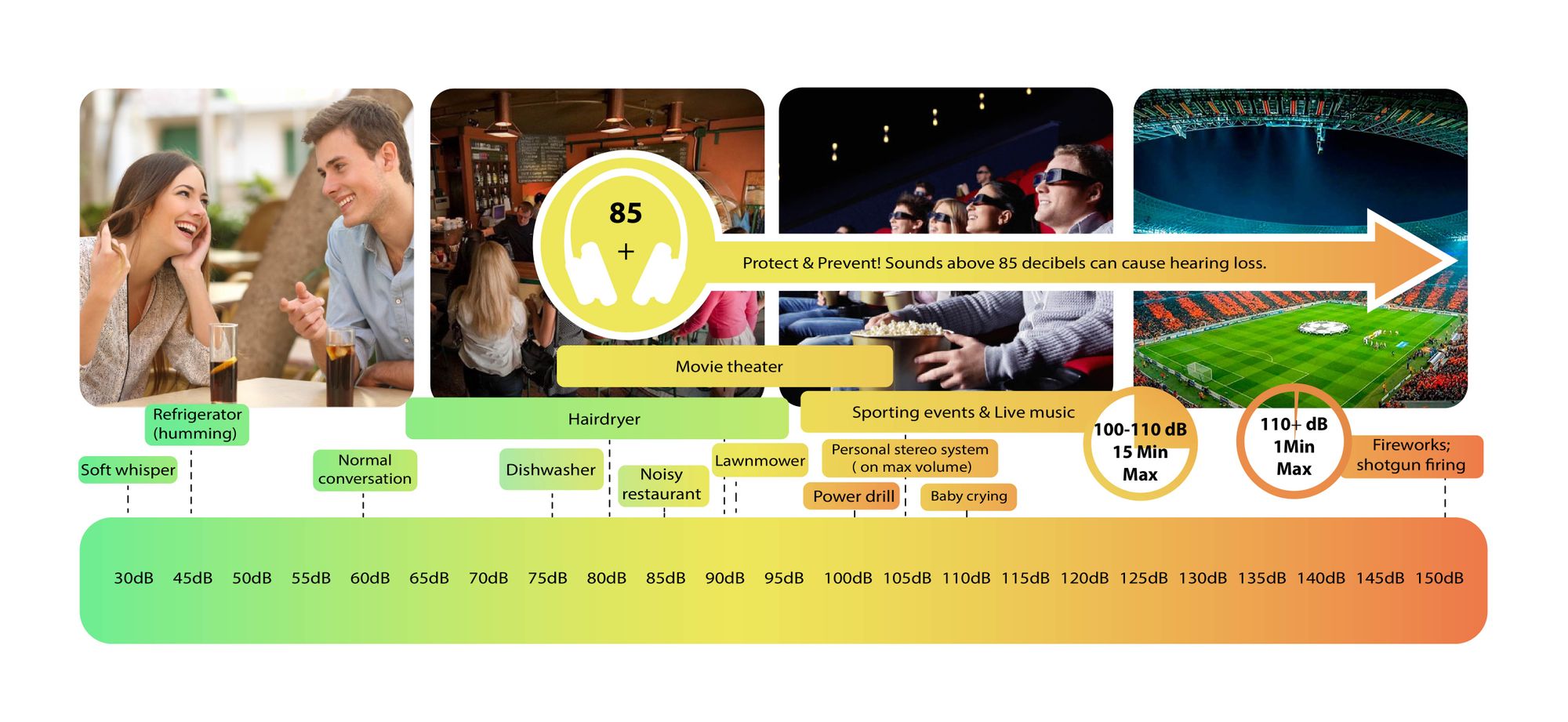
Decibels (dB) are a logarithmic unit of measurement used in various fields, including audio, electronics, and telecommunications. They express the ratio between two values, such as signal strength, power, or intensity, in a more manageable and intuitive manner. Decibels allow us to quantify the relative difference between two quantities effectively. For example, a 3 dB increase represents a doubling of sound intensity, making it a fundamental concept in many technical fields.
What are Decibels?
Decibels, often abbreviated as dB, are a logarithmic unit used to express ratios between values like power, intensity, or amplitude. They offer a convenient way to represent large ranges of values and are widely used in fields such as audio engineering and telecommunications.
Decibel Scale
The decibel scale is a logarithmic measurement system that quantifies the relative difference between two values. For instance, in audio, a 10 dB increase signifies a tenfold increase in power or intensity, while a 10 dB decrease represents a tenfold decrease. This logarithmic property simplifies comparisons and analyses of various measurements.
Applications of Decibels
Decibels play a pivotal role in various applications, particularly in electronics. They are used to measure signal strength, gain, noise levels, and more. Engineers and technicians rely on decibels to assess the performance and quality of electronic systems, making them a vital concept in the field.
Video Compression
Video compression is a crucial component of modern multimedia content delivery. It involves using algorithms to reduce the size of video files while maintaining acceptable visual quality. Video compression removes redundant or less important information from a video stream, making it efficient for storage and transmission.
Video Quality
Video quality is a critical factor in the viewing experience, influenced by factors like resolution, bit rate, frame rate, and compression. Resolution, measured in pixels (e.g., 1080p or 4K), determines detail levels. Bit rate affects data transmission, while frame rate impacts motion smoothness. Video compression balances quality and file size, with codecs like H.264 and H.265 playing significant roles in the industry. Achieving the desired video quality requires a careful balance of these factors for various applications.
Audio Signal Noise ReductionAudio Signal Noise Reduction
Understanding Audio Noise Reduction
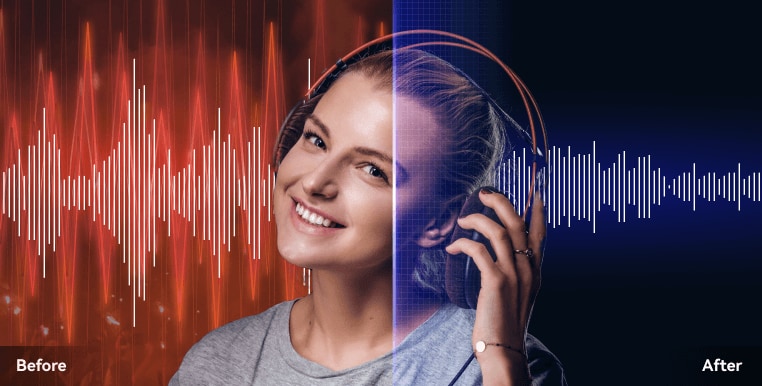
Audio noise reduction is a critical aspect of audio production, focused on improving the quality of sound recordings by minimizing unwanted background noise. Imagine trying to have a clear conversation in a noisy cafe; noise reduction techniques are like tuning out the surrounding chatter to hear your companion better. In this article, we’ll delve into the various techniques and methods used in audio noise reduction, uncovering the intricacies and challenges faced in this endeavor.
Noise reduction involves the application of specialized algorithms and processes to identify and reduce undesirable noise while preserving the desired audio content. It’s akin to distinguishing the melody of a song played in a bustling city square. Key steps in noise reduction include noise profiling, spectral analysis, and adaptive filtering.
How Noise Reduction Works in Audio
Noise profiling is analogous to collecting evidence at a crime scene. It entails capturing a sample of the background noise present in the audio recording, which serves as a reference for noise reduction. Spectral analysis dissects the audio signal into its frequency components, allowing us to pinpoint the frequencies dominated by noise. It’s akin to dissecting a rainbow to reveal its constituent colors.
The core of noise reduction lies in adaptive filtering. Think of it as using an intelligent eraser that selectively removes noise while leaving the primary audio content unaltered. Advanced algorithms adjust in real-time, adapting to changes in noise characteristics. It’s like a skilled chef who adds just the right amount of seasoning to enhance a dish’s flavor without overpowering it. In audio, this means reducing noise while preserving the original sound quality.
Challenges and Benefits of Audio Noise Reduction
Audio noise reduction is not without its challenges. Striking a balance between noise reduction and audio quality is akin to walking a tightrope. Excessive noise reduction can lead to artifacts and distortion, similar to overdoing it with photo editing, resulting in an unnatural appearance. Audio engineers aim to find the sweet spot where noise is minimized while maintaining audio integrity.
One significant challenge is dealing with dynamic noise environments. Just as a photographer adjusts settings to capture a moving subject, audio noise levels can change over time. For instance, in a live recording, the noise from the audience may fluctuate during the performance. Adaptive noise reduction techniques are crucial in such scenarios to maintain audio quality.
Noise reduction is essential in various fields, including music production, film, and telecommunication. It ensures that the final audio product is of high quality and free from distracting background noise, enhancing the overall listening experience.
Benefits of Effective Noise Reduction
Effective noise reduction in audio has several noteworthy advantages that significantly improve the listening experience and the quality of audio recordings. It’s like upgrading from a standard definition television to a high-definition one, where every detail becomes clearer and more vibrant. In this section, we’ll explore the key benefits of implementing noise reduction techniques in audio.
Enhanced Audio Clarity
One of the primary benefits of noise reduction is enhanced audio clarity. Imagine listening to your favorite song without the constant hum of background noise. Noise reduction techniques help eliminate distractions, allowing you to focus on the pure sound of the music. This is particularly important in critical audio recordings, such as music production and podcasting, where clarity is paramount.
Improved Speech Intelligibility
Noise reduction plays a crucial role in improving speech intelligibility. Think of it as tuning a radio to reduce static interference, making the broadcasted speech much clearer. In applications like conference calls, audio recordings, and voiceovers, noise reduction ensures that every word is easily understood, even in noisy environments.
Optimized Audio Quality
Audio quality is at the heart of noise reduction. It’s like restoring an old painting to its original brilliance. By removing unwanted noise, audio engineers can preserve the integrity of the audio signal, resulting in cleaner and more natural-sounding recordings. This is essential for producing high-quality music, films, and other audio content.
Enhanced User Experience
Consider noise reduction as the equivalent of upgrading from standard earphones to noise-canceling headphones. The reduction of background noise creates a more immersive and enjoyable listening experience. Whether you’re watching a movie, attending a live event, or simply enjoying your favorite music, noise reduction enhances the overall quality of audio consumption.
Challenges in Audio Noise Reduction
While audio noise reduction offers numerous benefits, it also presents unique challenges that audio engineers and professionals must navigate. It’s like solving complex puzzles to achieve the desired audio quality. In this section, we’ll delve into the key challenges associated with noise reduction in audio and explore how they impact the process.
Balancing Noise Reduction and Audio Quality
One of the central challenges in audio noise reduction is striking the right balance between noise reduction and audio quality. It’s akin to walking a tightrope, where too much noise reduction can lead to a loss of audio fidelity. Audio engineers must carefully adjust settings and algorithms to ensure that noise is minimized without compromising the integrity of the audio signal.
Dynamism of Noise Environments
Noise environments are seldom static; they can change over time. Consider a live concert where the audience noise varies throughout the performance. Adapting noise reduction techniques to dynamic noise environments is akin to adjusting the focus of a camera to capture a moving subject. Real-time adaptive filtering becomes essential in such scenarios to maintain audio quality.
Artifacts and Distortion
Excessive noise reduction can introduce artifacts and distortion into the audio signal. It’s similar to overediting a photograph, resulting in unnatural and undesirable effects. Audio engineers must carefully monitor the noise reduction process to prevent these artifacts from degrading the audio quality. Finding the right settings and algorithms is crucial to avoid such issues.
Complexity of Audio Content
Audio content varies in complexity, from simple voice recordings to intricate music compositions. Different types of audio content may require tailored noise reduction approaches. For instance, reducing noise in a symphony orchestra recording is different from cleaning up a podcast interview. Audio professionals must choose the appropriate techniques and settings for each type of content.
Real-Time Noise Reduction in Audio
Real-time noise reduction in audio is a valuable technology that allows for immediate noise suppression during audio capture or playback. It’s like having a live editor who removes unwanted noise as you speak or listen. In this section, we’ll explore the concept of real-time noise reduction and its significance in various audio applications.
Immediate Noise Suppression
Real-time noise reduction offers the advantage of immediate noise suppression. It’s as if a virtual assistant is actively removing background noise as you speak or record audio. This is particularly useful in applications like live broadcasting, video conferencing, and podcasting, where interruptions due to noise can be highly disruptive.
Live Performance Enhancement
Live performances, whether in music or public speaking, benefit greatly from real-time noise reduction. Think of it as having an invisible barrier that shields your performance from unwanted noise interference. This technology ensures that the audience experiences a clean and clear audio presentation, enhancing the overall impact of the performance.
Seamless Audio Playback
Real-time noise reduction also plays a role in audio playback devices. Imagine listening to your favorite music on your headphones, and the noise from your surroundings fades away. Noise reduction algorithms work in real-time to create an immersive listening experience, allowing you to enjoy your audio content without distraction.
Tools and Techniques for Audio Noise Reduction
Audio noise reduction relies on a range of tools and techniques, each designed to address specific noise-related challenges. These tools and methods are like a skilled craftsman’s toolbox, each serving a unique purpose. In this section, we’ll explore the essential tools and techniques used in audio noise reduction.
Audio Noise Reduction Software
Audio engineers often turn to specialized software applications for noise reduction. These software solutions employ advanced algorithms to identify and remove noise while preserving audio quality. It’s like having a digital assistant that fine-tunes your audio recordings for optimal clarity.
Noise Gate Filters
Noise gate filters act as gatekeepers for audio signals, allowing passage when the signal exceeds a specified threshold and blocking it when it falls below. They’re similar to automatic doors that open when you approach and close behind you. Noise gates are effective in suppressing background noise during pauses in audio recordings, such as in speech or music.
Spectral Subtraction
Spectral subtraction is a technique that focuses on identifying and subtracting noise components from the audio spectrum. It’s akin to removing specific colors from a painting to reveal the underlying image. This method is particularly useful for reducing stationary noise, such as constant background hums or hisses.
Adaptive Filtering
Adaptive filtering is a dynamic approach to noise reduction, where algorithms continuously adapt to changing noise characteristics. Think of it as a self-adjusting lens on a camera, ensuring a clear image regardless of shifting lighting conditions. Adaptive filtering excels in scenarios where noise levels fluctuate.
Machine Learning-Based Solutions
Machine learning has made significant strides in audio noise reduction. These solutions utilize trained models to recognize and remove noise patterns from audio. It’s like having an audio expert who has analyzed countless recordings and can instantly identify and reduce noise. Machine learning-based noise reduction is versatile and effective in various audio settings.
Boost the Volume of Lossy Audio FilesBoost the Volume of Lossy Audio Files
Amplify Sound in Lossy Audio Files
When it comes to enhancing the audio quality of your favorite songs or podcasts, you might find yourself dealing with lossy audio files. These files, while space-efficient, often suffer from reduced sound quality. Fortunately, there are ways to amplify the sound in lossy audio files, giving your listening experience a significant boost.
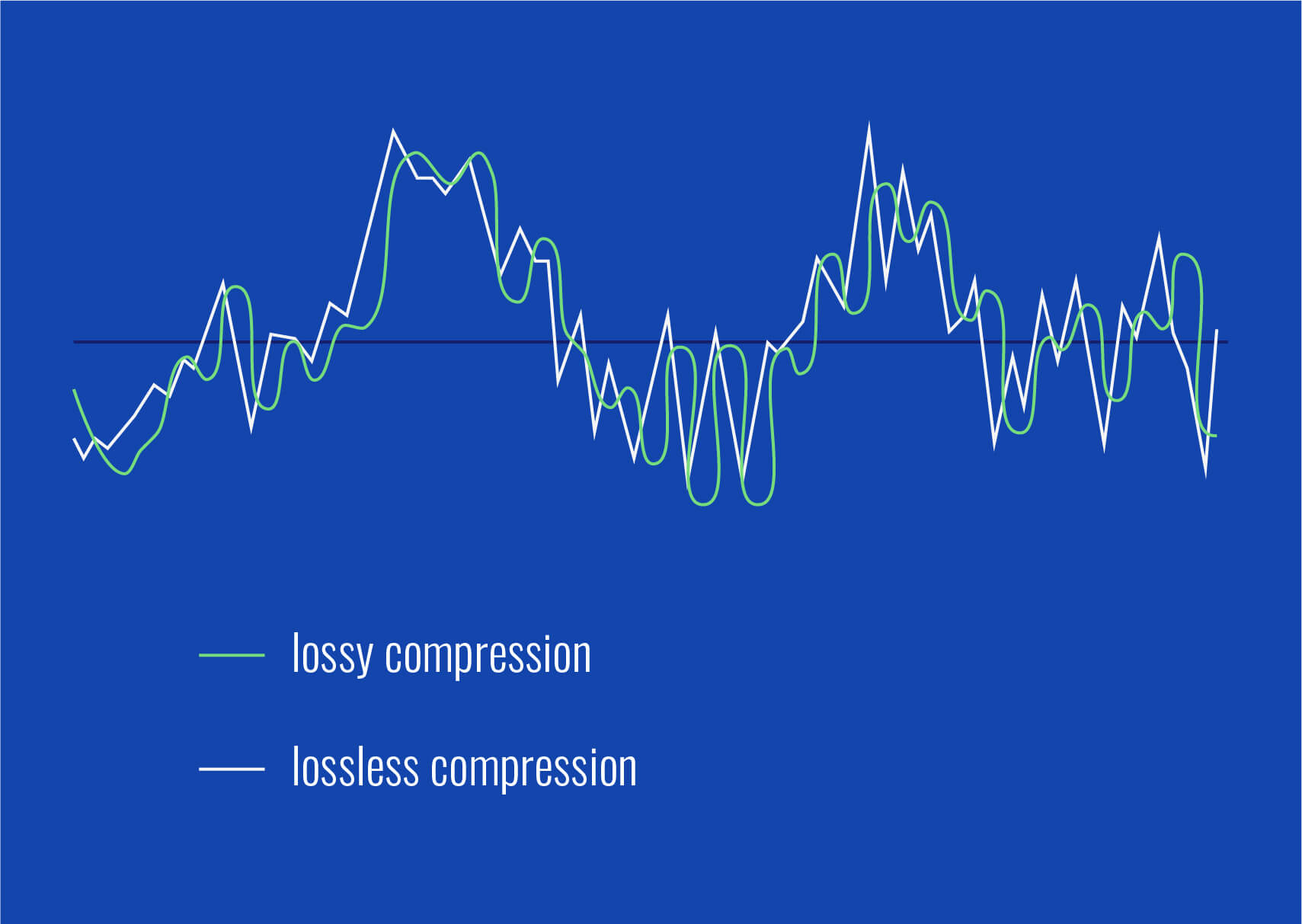
Lossy audio formats, such as MP3, AAC, or OGG, are designed to compress audio data to save storage space. However, this compression can lead to a loss of audio detail and a decrease in overall volume. To address this, you can use audio editing software to amplify the sound. By carefully adjusting the volume levels, you can make the audio more prominent and enjoyable. Just be cautious not to overdo it, as excessive amplification can lead to distortion.
Another effective way to amplify sound in lossy audio files is to use specialized audio processing tools. These tools often come with built-in volume normalization features that can help you increase the loudness while maintaining the audio’s quality. Whether you’re an aspiring musician, a podcast enthusiast, or simply looking to improve your music collection, amplifying sound in lossy audio files can breathe new life into your audio content.
Increase Volume of Compressed Audio
Compressed audio files have become the norm in today’s digital world due to their convenience and storage efficiency. However, one common drawback of these files is that they often lack the volume and punch of their uncompressed counterparts. If you’re wondering how to increase the volume of compressed audio, you’re in the right place.
To boost the volume of compressed audio files, you can start by using audio editing software. Most audio editing programs allow you to adjust the volume levels of individual tracks or sections of a file. Simply open your desired audio file in the software, locate the volume control, and gradually increase it until you achieve the desired loudness. Be cautious not to push the volume too high, as this can result in distortion and a loss of audio quality.
Additionally, consider using dynamic range compression (DRC) techniques. DRC helps balance the loud and quiet parts of an audio file, making it sound more consistent in volume. This technique is particularly useful when dealing with audio files that have uneven loudness levels. With the right adjustments, you can bring out the nuances in your compressed audio while maintaining clarity and preventing clipping.
By employing these techniques, you can effectively increase the volume of your compressed audio files, making them sound more vibrant and engaging.
Audio Volume Enhancement Techniques
Audio volume enhancement techniques are essential tools for anyone looking to improve the sound quality of their audio files, especially those in lossy formats. These techniques involve various methods to make audio files sound louder and more impactful.
One common technique is equalization, which allows you to adjust the balance of frequencies in your audio. By boosting certain frequency ranges, you can make your audio files sound fuller and more vibrant. This is particularly helpful for restoring lost detail in lossy audio files.
Another technique is the use of audio limiters and compressors. These tools help control the dynamic range of your audio, ensuring that loud parts aren’t too overpowering and quiet parts are audible. They can help you achieve a consistent and balanced volume throughout your audio file.
Additionally, you can explore mastering techniques. Mastering involves fine-tuning the overall sound of an audio file, including volume optimization. Professional mastering engineers use specialized software and hardware to enhance the loudness, clarity, and overall quality of audio recordings.
Enhance Audio Loudness in Lossy Formats
Enhancing audio loudness in lossy formats requires a combination of technical expertise and the right tools. Lossy formats like MP3 or AAC often sacrifice audio quality for smaller file sizes, which can result in lower volume levels. Here’s how you can address this issue effectively.
First, consider using audio editing software with volume normalization features. These features analyze the audio file and adjust the volume levels to ensure consistent loudness. This is particularly useful when dealing with a collection of lossy audio files with varying loudness levels.
Furthermore, explore dynamic range compression (DRC) to balance the audio’s dynamics. DRC reduces the difference between the loudest and quietest parts of an audio file, making it sound more uniform in volume. However, be cautious not to apply excessive compression, as it can lead to an unnatural and compressed sound.
Lastly, if you have a specific audio file that needs a volume boost, you can manually adjust the volume using your preferred audio editing software. Keep in mind that raising the volume too much may introduce distortion, so it’s crucial to find the right balance to enhance the loudness while preserving audio quality.
By utilizing these techniques, you can effectively enhance the audio loudness of your lossy format files and enjoy a more immersive listening experience.
Raise the Volume of Low-Quality Audio
Dealing with low-quality audio can be frustrating, especially when the volume is barely audible. Whether it’s an old recording or a poorly encoded audio file, there are ways to raise the volume and salvage the listening experience.
One approach is to use audio restoration software. These tools are designed to improve the quality of audio recordings, including boosting the volume. They often come with noise reduction features, which can help reduce background noise and further enhance the clarity of your audio.
Another option is to employ audio equalization. By adjusting the equalizer settings, you can emphasize the frequencies that are most critical for clarity and volume. Boosting the mid-range frequencies, for example, can make the vocals and instruments more prominent, resulting in a perceptible increase in volume.
If you have access to the original source of the audio, consider re-recording it or obtaining a higher-quality version. This approach eliminates the limitations of the existing low-quality audio file and ensures a better listening experience.
In summary, raising the volume of low-quality audio involves a combination of software tools and, when possible, improving the source material. These steps can help you enjoy clearer and louder audio, even from initially subpar recordings.
Boosting Sound Levels in Lossy Files
Boosting sound levels in lossy audio files is a common requirement for those looking to enhance their audio experience. Lossy formats, while efficient, often compromise on audio quality, resulting in lower volume levels. Here’s how you can effectively increase the sound levels in such files.
One of the simplest methods is to use audio editing software. Most audio editors provide volume adjustment controls that allow you to raise the volume of your lossy audio files. When doing this, be cautious not to push the volume too high, as it can lead to distortion and a loss of audio fidelity.
Additionally, you can explore the use of audio amplification plugins or tools. These specialized software options are designed to boost the loudness of audio files while minimizing the risk of distortion. They often come with presets and fine-tuning options to ensure optimal results.
When boosting sound levels, it’s essential to consider the intended playback environment. Different platforms and devices may have varying volume levels, so aim for a balance that ensures your audio remains clear and enjoyable across different systems.
By following these techniques and experimenting with volume adjustments, you can effectively boost sound levels in your lossy audio files and enjoy an improved listening experience.
Improving Audio Clarity in Compressed Formats
Improving audio clarity in compressed formats, such as MP3 or AAC, is a pursuit for audiophiles and music enthusiasts alike. While these formats offer excellent compression, they can sometimes sacrifice audio quality. Let’s explore how to enhance audio clarity in such files.
One approach is to use high-quality audio conversion tools. These tools can help you convert your compressed audio files into a lossless format, such as FLAC. Once in a lossless format, you can make edits and enhancements without further loss of audio quality. After the improvements, you can convert the file back to a compressed format with improved clarity.
Another technique involves applying equalization to your audio files. By fine-tuning the frequency balance, you can emphasize certain audio elements, such as vocals or instruments, and reduce any muddiness. This can result in clearer and more defined audio, even in compressed formats.
Furthermore, consider using noise reduction software to eliminate background noise and artifacts that may be present in your compressed audio. Reducing these unwanted elements can significantly enhance audio clarity.
Finally, if you have access to the original, uncompressed source of the audio, consider re-encoding it into a higher-quality compressed format. This can provide better clarity while still maintaining a smaller file size compared to lossless formats.
Enhancing audio clarity in compressed formats requires a combination of technical tools and careful adjustments. By experimenting with these techniques, you can achieve remarkable improvements in audio quality.
Loudness Enhancement for Lossy Audio
Loudness enhancement for lossy audio files can make a world of difference in your listening experience. Lossy formats, known for their space-saving benefits, often suffer from lower perceived volume levels. Here’s how you can effectively enhance the loudness of your lossy audio files.
One of the simplest methods is to use an audio player with built-in equalization settings. These settings allow you to boost specific frequency ranges, making the audio sound louder and more impactful. Experiment with different equalizer presets until you find the one that works best for your audio.
Another technique is to employ audio normalization. Many audio editing software tools provide normalization features that adjust the volume of your audio files to a consistent level. This ensures that all tracks play back at a similar loudness, enhancing the overall listening experience.
If you’re looking for a more advanced solution, consider using audio mastering techniques. Mastering involves fine-tuning the audio’s overall quality, including loudness optimization. Professional mastering engineers use specialized equipment and software to achieve the perfect balance of loudness and clarity.
Lastly, be mindful of the playback device you’re using. Some devices have built-in sound enhancements or equalization settings that can further enhance loudness. Experiment with these settings to find the right balance for your preferences.
By implementing these loudness enhancement techniques, you can breathe new life into your lossy audio files and enjoy them at a higher volume without sacrificing quality.
How to Make Quiet Audio Louder
Have you ever encountered audio that’s so quiet you strain to hear it even when you max out your volume controls? Learning how to make quiet audio louder is a valuable skill that can transform your listening experience.
One straightforward method is to use audio editing software. Open the quiet audio file in your chosen software and locate the volume adjustment controls. Gradually increase the volume until it reaches a comfortable level. Keep an eye on the audio waveform to ensure it doesn’t clip, which can result in distortion.
Another technique involves the use of audio normalization. This process analyzes the audio file and adjusts its volume to a consistent level, making quiet parts more audible without causing loud parts to become overly aggressive. Audio normalization is especially useful when you have multiple audio files with varying loudness levels.
Consider employing dynamic range compression (DRC) as well. DRC helps balance the dynamics of your audio, ensuring that the quietest parts are audible without overpowering the louder segments. However, use DRC judiciously to maintain natural audio quality.
Additionally, explore specialized audio enhancement software or plugins designed specifically for increasing the loudness of quiet audio. These tools often offer advanced algorithms to maximize loudness while minimizing distortion.
By mastering these techniques, you can effectively make quiet audio louder, bringing back the enjoyment in your audio content.
Audio Volume Optimization for Lossy Formats
Audio volume optimization for lossy formats is a crucial step to enhance the quality of your compressed audio files. These formats, while convenient, can suffer from reduced loudness. Let’s delve into the strategies for achieving audio volume optimization.
One method is to use audio editing software with volume adjustment capabilities. Open your lossy audio file in the software and increase the volume to your preferred level. Ensure that you maintain a balance between loudness and audio quality to prevent distortion.
Additionally, explore the use of volume normalization tools available in audio editing software. These tools analyze the audio and automatically adjust the volume to a consistent level. This is particularly useful when you have a collection of lossy audio files with varying loudness levels.
Dynamic range compression (DRC) is another technique to consider. DRC helps level out the loud and quiet parts of an audio file, resulting in a more uniform volume. However, exercise caution to avoid over-compression, which can lead to an unnatural sound.
Lastly, when exporting your audio, choose a higher bit rate if possible. This can improve the overall audio quality and contribute to better volume levels in lossy formats.
By applying these strategies for audio volume optimization, you can enjoy your favorite music and podcasts in lossy formats at a higher volume with improved clarity.
Final Words
In conclusion, whether you’re dealing with lossy audio files, compressed formats, or quiet audio, there are various techniques to boost volume and enhance your listening experience. Experiment with different methods, and remember to strike a balance between loudness and audio quality to achieve the best results. By mastering these techniques, you can enjoy your audio content at its fullest potential.
Audio noise is the unwanted sound that gets recorded or produced along with the desired sound. It can be caused by various factors, such as electrical interference, background noise, microphone hiss, or low-quality equipment. Audio noise can be a significant distraction and can ruin the listening experience for the listener.
Types of Audio Noise
1. Electrical Interference
Electrical interference is caused by electrical devices or wiring that can generate electromagnetic fields. These fields can interfere with the audio signal, causing a buzzing or humming sound. Examples of electrical interference include power cables, fluorescent lights, and electronic devices such as smartphones or computers.
2. Background Noise
Background noise is any noise that is present in the recording environment. It can be caused by environmental factors such as wind, rain, traffic, or people talking. Background noise can be challenging to remove without affecting the desired audio signal.
3. Microphone Hiss
Microphone hiss is caused by the internal noise of the microphone itself. This noise is more apparent in lower-quality microphones and can be reduced by using high-quality microphones or by using a noise reduction filter.
Methods for Audio Noise Reduction
1. Audio Editing Software
Audio editing software, such as Adobe Audition or Audacity, has built-in noise reduction tools that can remove unwanted noise from audio recordings. These tools work by analyzing the audio signal and removing any frequencies that match the noise profile. The effectiveness of the tool depends on the complexity and type of noise present in the recording.
2. Noise Reduction Filters
Noise reduction filters are hardware devices that can be used to remove unwanted noise from audio recordings. These filters work by analyzing the audio signal and removing any frequencies that match the noise profile. They are particularly useful for removing electrical interference and microphone hiss.
3. Dynamic Noise Reduction
Dynamic noise reduction is a technique that can be used to reduce unwanted noise from audio recordings in real-time. This technique works by analyzing the audio signal and dynamically adjusting the noise reduction filter to remove any unwanted noise. This method is particularly useful for removing background noise during live performances or recording sessions.
Tips for Effective Audio Noise Reduction
Record in a quiet environment
Use high-quality equipment
Use a noise reduction filter or software
Use dynamic noise reduction if recording in a live environment
Avoid over-processing the audio signal
Conclusion
Audio noise can be a significant distraction and can ruin the listening experience for the listener. Fortunately, there are several methods available for removing unwanted noise from audio recordings. By following the tips mentioned above and using appropriate noise reduction methods, you can produce high-quality audio recordings with minimal noise.
FAQs
What is the best software for audio noise reduction?
There are several audio editing software available that have built-in noise reduction tools, such as Adobe Audition and Audacity. However, the effectiveness of the tool depends on the complexity and type of noise present in the recording.
What is the difference between noise reduction and noise suppression?
Noise reduction and noise suppression are both techniques used to remove unwanted
Copy to Clipboard
Noise reduction and noise suppression are both techniques used to remove unwanted
background noise from audio recordings, but they work differently.
Noise Reduction
Noise reduction is a technique that involves reducing the noise level in an audio recording without affecting the quality of the audio. The goal is to minimize the unwanted noise and leave the audio intact. This technique is often used in post-production and editing of audio recordings.
There are different ways to perform noise reduction, including:
Equalization: This technique involves adjusting the frequency response of the audio recording to remove unwanted frequencies that cause noise.
Filtering: This technique involves using a high-pass filter to remove low-frequency noise and a low-pass filter to remove high-frequency noise.
Noise gates: This technique involves setting a threshold level below which the audio is muted, effectively removing any noise below that level.
Spectral editing: This technique involves analyzing the spectral content of the audio and selectively removing unwanted noise.
Noise Suppression
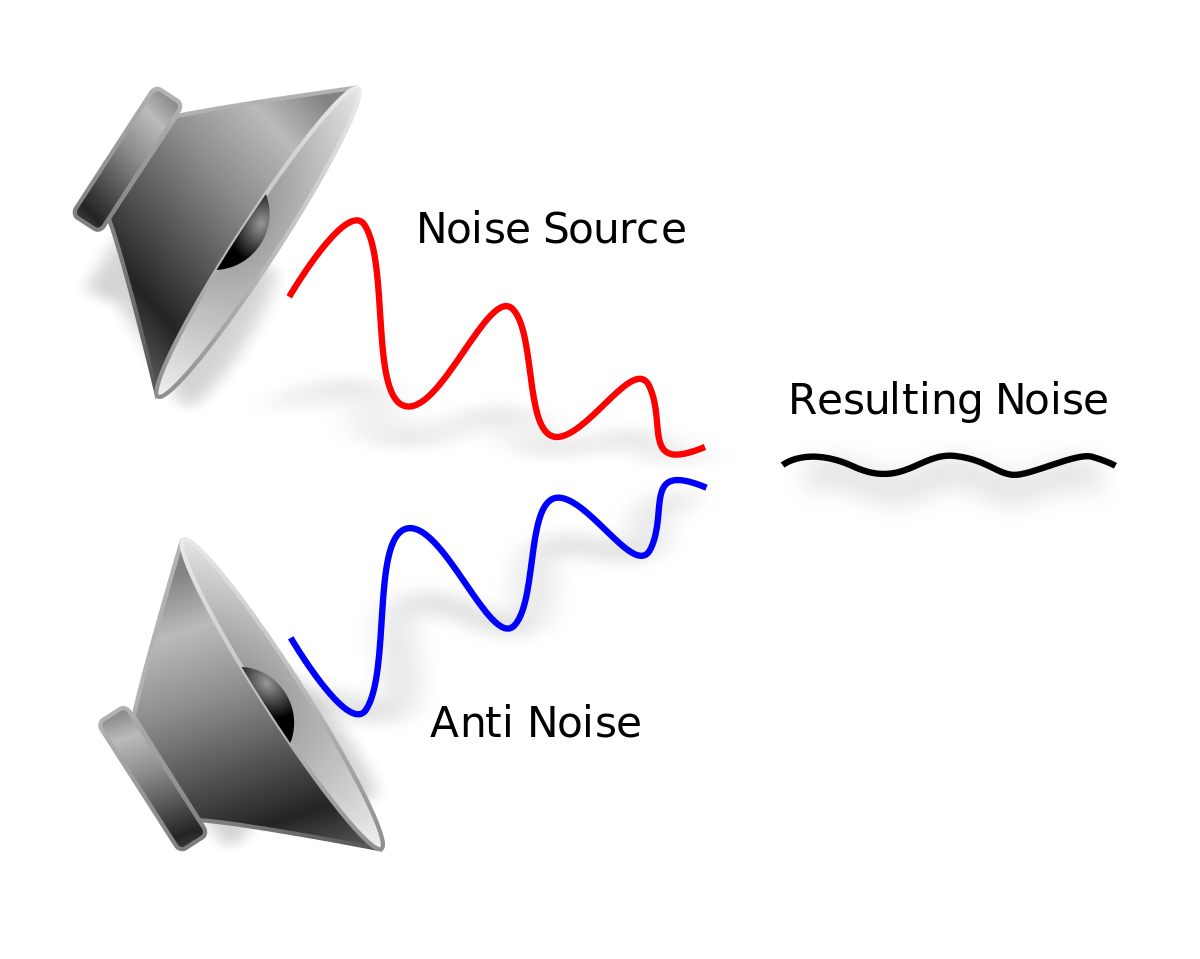
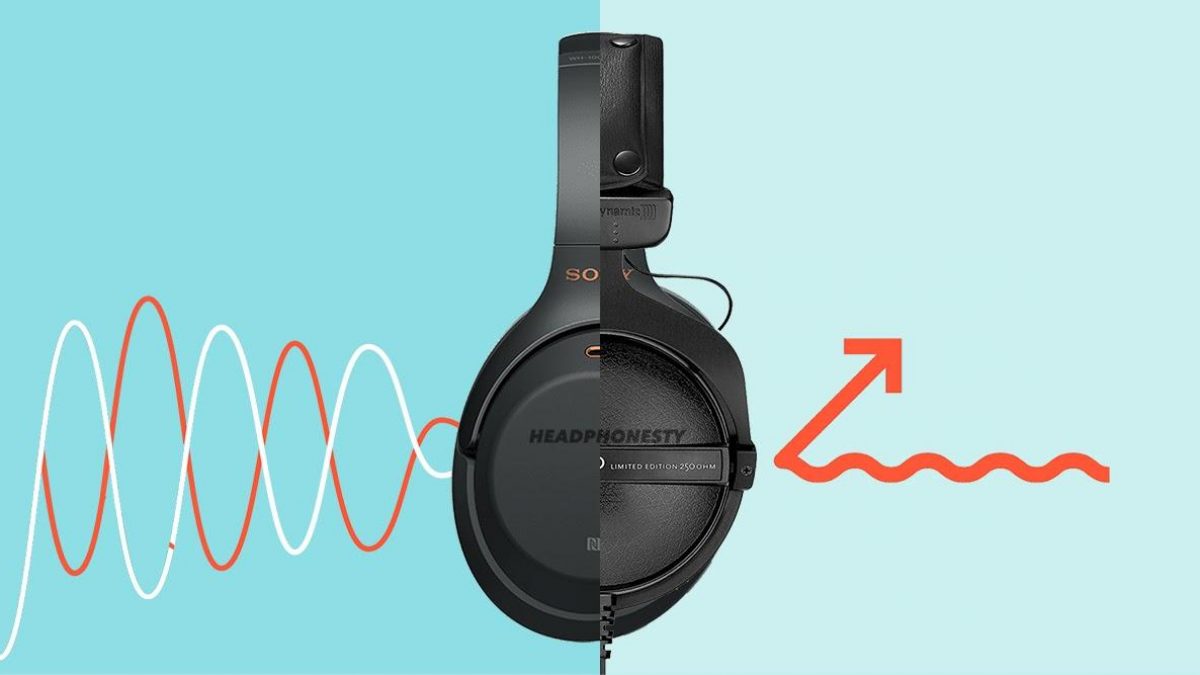
Noise suppression is a technique that involves removing unwanted noise by actively suppressing it. This technique is often used in real-time audio processing and is commonly used in applications such as noise-cancelling headphones and conference call software.
There are different ways to perform noise suppression, including:
Adaptive filtering: This technique involves analyzing the noise signal and creating an adaptive filter that actively removes the noise in real-time.
Subtraction: This technique involves recording a sample of the noise and then subtracting it from the audio signal to remove the noise.
Active noise cancellation: This technique involves using an anti-noise signal that cancels out the unwanted noise.
Best Practices for Audio Noise Reduction
When performing audio noise reduction, it is important to follow some best practices to achieve the best results:
Record in a quiet environment: The best way to reduce noise is to avoid recording it in the first place. Record in a quiet environment, away from sources of noise.
Use a good microphone: A good microphone will capture the audio with high quality and reduce the noise level.
Use a pop filter: A pop filter is a device that reduces the popping sound when speaking into a microphone, which can help reduce unwanted noise.
Record at the correct level: Recording at the correct level ensures that the signal is strong enough to minimize the noise level.
Perform noise reduction as the last step: Perform noise reduction as the last step in the audio editing process to avoid degrading the quality of the audio.
FAQ
What is audio noise?
Audio noise is any unwanted sound that is captured during audio recording. It can be caused by a variety of sources, including electronic interference, background noise, and environmental factors.
What is the difference between noise reduction and noise suppression?
Noise reduction involves reducing the noise level in an audio recording without affecting the quality of the audio, while noise suppression involves actively suppressing unwanted noise in real-time.
What are the best practices for audio noise reduction?
The best practices for audio noise reduction include recording in a quiet environment, using a good microphone, using a pop filter, recording at the correct level, and performing noise reduction as the last step in the audio editing process.
What are some common techniques used for audio noise reduction?
Common techniques used for audio noise reduction include equalization involves adjusting the levels of different frequency components in the audio signal to reduce the effect of noise. The process involves boosting or reducing certain frequencies using an equalizer. For example, if noise is concentrated at a particular frequency range, an equalizer can be used to attenuate that range.
Filtering is a technique that involves removing unwanted frequencies from an audio signal. High-pass filters, low-pass filters, and band-pass filters are commonly used for this purpose. High-pass filters remove frequencies below a certain threshold, while low-pass filters remove frequencies above a certain threshold. Band-pass filters allow frequencies within a certain range to pass while attenuating frequencies outside that range.
Spectral subtraction is a more sophisticated technique that involves estimating the spectral content of the noise and subtracting it from the original signal. The process involves first analyzing the spectral content of the noise and then creating a noise profile. The noise profile is then subtracted from the original signal to reduce the noise.
Other techniques used for audio noise reduction include adaptive filtering, which involves dynamically adjusting a filter to remove noise, and wavelet analysis, which involves decomposing the signal into different frequency bands and selectively removing noise from each band.
Challenges of Audio Noise Reduction
While there are several techniques for audio noise reduction, the process is not always straightforward. In some cases, removing noise can result in a loss of signal quality, leading to artifacts such as distortion, clipping, and phasing. Additionally, different types of noise require different techniques for effective reduction.
Moreover, it can be challenging to distinguish between noise and signal components in some cases, making it difficult to remove noise without affecting the signal. For example, in the case of speech signals, noise can be difficult to distinguish from the natural variation in the speaker’s voice.
Conclusion
Audio noise reduction is a crucial technique for improving the quality of audio recordings. There are several techniques available for reducing noise, including equalization, filtering, and spectral subtraction. However, the process can be challenging, and it is essential to understand the different types of noise and the appropriate techniques for reducing them.
In conclusion, noise reduction is an essential process that can help improve the quality of audio recordings. By understanding the different techniques available for reducing noise and the challenges associated with the process, it is possible to achieve effective noise reduction without compromising signal quality.







Comments:
This article sheds light on the crucial aspect of MP3 error resilience. I appreciate the clear explanations and practical advice provided.
– SoundEnthusiast99
MP3 error resilience is a topic often overlooked but essential for maintaining audio quality. Thanks for addressing it comprehensively!
– MusicMan123
As an audio professional, I found this article informative and insightful. Understanding MP3 error resilience is crucial for delivering high-quality audio experiences.
– AudioPro456