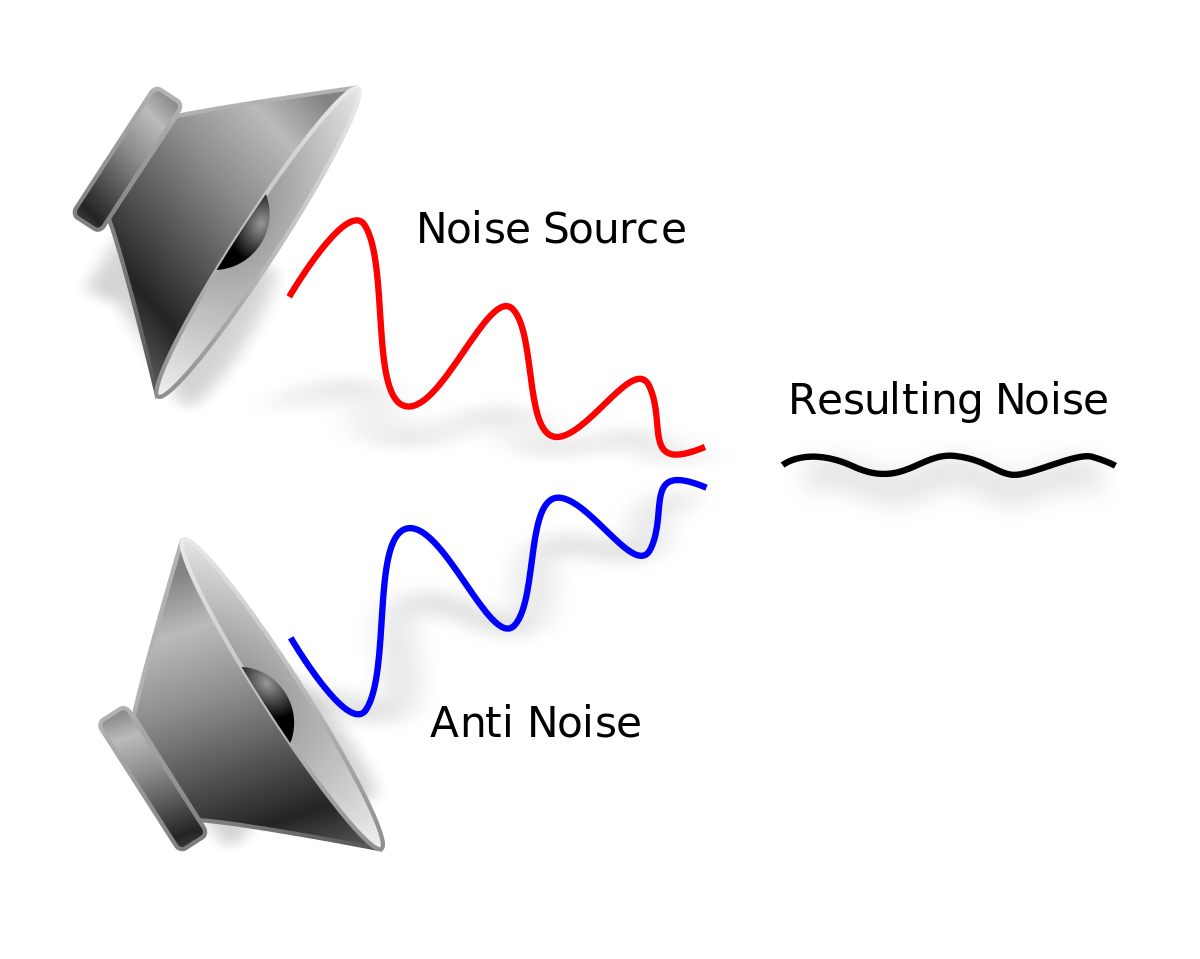
Audio Signal Noise Reduction

Understanding Audio Noise Reduction
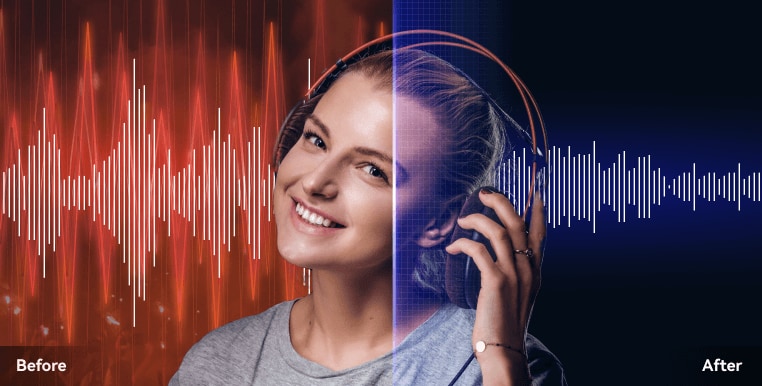
Audio noise reduction is a critical aspect of audio production, focused on improving the quality of sound recordings by minimizing unwanted background noise. Imagine trying to have a clear conversation in a noisy cafe; noise reduction techniques are like tuning out the surrounding chatter to hear your companion better. In this article, we’ll delve into the various techniques and methods used in audio noise reduction, uncovering the intricacies and challenges faced in this endeavor.
Noise reduction involves the application of specialized algorithms and processes to identify and reduce undesirable noise while preserving the desired audio content. It’s akin to distinguishing the melody of a song played in a bustling city square. Key steps in noise reduction include noise profiling, spectral analysis, and adaptive filtering.
How Noise Reduction Works in Audio
Noise profiling is analogous to collecting evidence at a crime scene. It entails capturing a sample of the background noise present in the audio recording, which serves as a reference for noise reduction. Spectral analysis dissects the audio signal into its frequency components, allowing us to pinpoint the frequencies dominated by noise. It’s akin to dissecting a rainbow to reveal its constituent colors.
The core of noise reduction lies in adaptive filtering. Think of it as using an intelligent eraser that selectively removes noise while leaving the primary audio content unaltered. Advanced algorithms adjust in real-time, adapting to changes in noise characteristics. It’s like a skilled chef who adds just the right amount of seasoning to enhance a dish’s flavor without overpowering it. In audio, this means reducing noise while preserving the original sound quality.
Challenges and Benefits of Audio Noise Reduction
Audio noise reduction is not without its challenges. Striking a balance between noise reduction and audio quality is akin to walking a tightrope. Excessive noise reduction can lead to artifacts and distortion, similar to overdoing it with photo editing, resulting in an unnatural appearance. Audio engineers aim to find the sweet spot where noise is minimized while maintaining audio integrity.
One significant challenge is dealing with dynamic noise environments. Just as a photographer adjusts settings to capture a moving subject, audio noise levels can change over time. For instance, in a live recording, the noise from the audience may fluctuate during the performance. Adaptive noise reduction techniques are crucial in such scenarios to maintain audio quality.
Noise reduction is essential in various fields, including music production, film, and telecommunication. It ensures that the final audio product is of high quality and free from distracting background noise, enhancing the overall listening experience.
Benefits of Effective Noise Reduction
Effective noise reduction in audio has several noteworthy advantages that significantly improve the listening experience and the quality of audio recordings. It’s like upgrading from a standard definition television to a high-definition one, where every detail becomes clearer and more vibrant. In this section, we’ll explore the key benefits of implementing noise reduction techniques in audio.
Enhanced Audio Clarity
One of the primary benefits of noise reduction is enhanced audio clarity. Imagine listening to your favorite song without the constant hum of background noise. Noise reduction techniques help eliminate distractions, allowing you to focus on the pure sound of the music. This is particularly important in critical audio recordings, such as music production and podcasting, where clarity is paramount.
Improved Speech Intelligibility
Noise reduction plays a crucial role in improving speech intelligibility. Think of it as tuning a radio to reduce static interference, making the broadcasted speech much clearer. In applications like conference calls, audio recordings, and voiceovers, noise reduction ensures that every word is easily understood, even in noisy environments.
Optimized Audio Quality
Audio quality is at the heart of noise reduction. It’s like restoring an old painting to its original brilliance. By removing unwanted noise, audio engineers can preserve the integrity of the audio signal, resulting in cleaner and more natural-sounding recordings. This is essential for producing high-quality music, films, and other audio content.
Enhanced User Experience
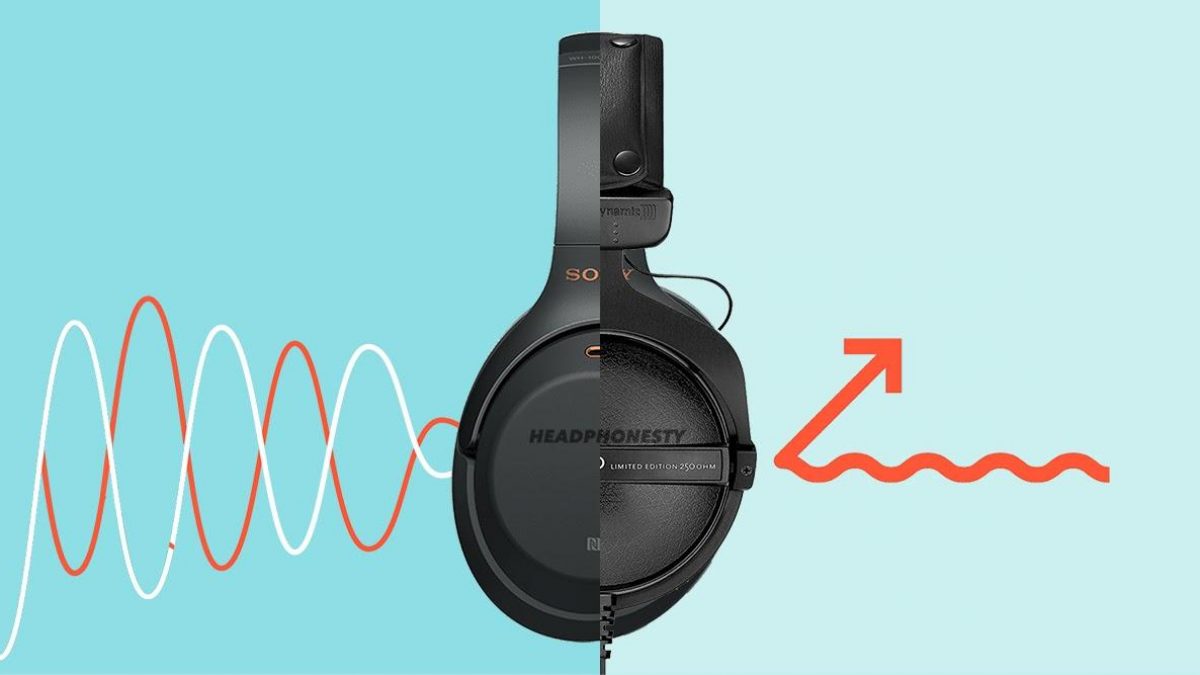
Consider noise reduction as the equivalent of upgrading from standard earphones to noise-canceling headphones. The reduction of background noise creates a more immersive and enjoyable listening experience. Whether you’re watching a movie, attending a live event, or simply enjoying your favorite music, noise reduction enhances the overall quality of audio consumption.
Challenges in Audio Noise Reduction
While audio noise reduction offers numerous benefits, it also presents unique challenges that audio engineers and professionals must navigate. It’s like solving complex puzzles to achieve the desired audio quality. In this section, we’ll delve into the key challenges associated with noise reduction in audio and explore how they impact the process.
Balancing Noise Reduction and Audio Quality
One of the central challenges in audio noise reduction is striking the right balance between noise reduction and audio quality. It’s akin to walking a tightrope, where too much noise reduction can lead to a loss of audio fidelity. Audio engineers must carefully adjust settings and algorithms to ensure that noise is minimized without compromising the integrity of the audio signal.
Dynamism of Noise Environments
Noise environments are seldom static; they can change over time. Consider a live concert where the audience noise varies throughout the performance. Adapting noise reduction techniques to dynamic noise environments is akin to adjusting the focus of a camera to capture a moving subject. Real-time adaptive filtering becomes essential in such scenarios to maintain audio quality.
Artifacts and Distortion
Excessive noise reduction can introduce artifacts and distortion into the audio signal. It’s similar to overediting a photograph, resulting in unnatural and undesirable effects. Audio engineers must carefully monitor the noise reduction process to prevent these artifacts from degrading the audio quality. Finding the right settings and algorithms is crucial to avoid such issues.
Complexity of Audio Content
Audio content varies in complexity, from simple voice recordings to intricate music compositions. Different types of audio content may require tailored noise reduction approaches. For instance, reducing noise in a symphony orchestra recording is different from cleaning up a podcast interview. Audio professionals must choose the appropriate techniques and settings for each type of content.
Real-Time Noise Reduction in Audio
Real-time noise reduction in audio is a valuable technology that allows for immediate noise suppression during audio capture or playback. It’s like having a live editor who removes unwanted noise as you speak or listen. In this section, we’ll explore the concept of real-time noise reduction and its significance in various audio applications.
Immediate Noise Suppression
Real-time noise reduction offers the advantage of immediate noise suppression. It’s as if a virtual assistant is actively removing background noise as you speak or record audio. This is particularly useful in applications like live broadcasting, video conferencing, and podcasting, where interruptions due to noise can be highly disruptive.
Live Performance Enhancement
Live performances, whether in music or public speaking, benefit greatly from real-time noise reduction. Think of it as having an invisible barrier that shields your performance from unwanted noise interference. This technology ensures that the audience experiences a clean and clear audio presentation, enhancing the overall impact of the performance.
Seamless Audio Playback
Real-time noise reduction also plays a role in audio playback devices. Imagine listening to your favorite music on your headphones, and the noise from your surroundings fades away. Noise reduction algorithms work in real-time to create an immersive listening experience, allowing you to enjoy your audio content without distraction.
Tools and Techniques for Audio Noise Reduction
Audio noise reduction relies on a range of tools and techniques, each designed to address specific noise-related challenges. These tools and methods are like a skilled craftsman’s toolbox, each serving a unique purpose. In this section, we’ll explore the essential tools and techniques used in audio noise reduction.
Audio Noise Reduction Software
Audio engineers often turn to specialized software applications for noise reduction. These software solutions employ advanced algorithms to identify and remove noise while preserving audio quality. It’s like having a digital assistant that fine-tunes your audio recordings for optimal clarity.
Noise Gate Filters
Noise gate filters act as gatekeepers for audio signals, allowing passage when the signal exceeds a specified threshold and blocking it when it falls below. They’re similar to automatic doors that open when you approach and close behind you. Noise gates are effective in suppressing background noise during pauses in audio recordings, such as in speech or music.
Spectral Subtraction
Spectral subtraction is a technique that focuses on identifying and subtracting noise components from the audio spectrum. It’s akin to removing specific colors from a painting to reveal the underlying image. This method is particularly useful for reducing stationary noise, such as constant background hums or hisses.
Adaptive Filtering
Adaptive filtering is a dynamic approach to noise reduction, where algorithms continuously adapt to changing noise characteristics. Think of it as a self-adjusting lens on a camera, ensuring a clear image regardless of shifting lighting conditions. Adaptive filtering excels in scenarios where noise levels fluctuate.
Machine Learning-Based Solutions
Machine learning has made significant strides in audio noise reduction. These solutions utilize trained models to recognize and remove noise patterns from audio. It’s like having an audio expert who has analyzed countless recordings and can instantly identify and reduce noise. Machine learning-based noise reduction is versatile and effective in various audio settings.