Advanced Error Correction in M4A and AAC Encoding


Free Download Mp4Gain
picture

Advanced Error Correction in M4A and AAC Encoding
Advanced Error Correction in M4A and AAC Encoding

Let’s talk about Advanced Error Correction in M4A and AAC Encoding. Audio quality is crucial, and with lossy compression formats like M4A and AAC, maintaining fidelity despite errors is a top priority for audio engineers. As someone who’s been working with audio encoding for years, I’ve seen firsthand the evolution of error correction techniques, and how vital they are to delivering a clear sound. Error correction is essential to preserve audio information during compression and transmission in these formats, that reduce file size but may sacrifice some data. I aim to explain these methods clearly to everyone in this article, from the basic concepts to more complex procedures, using easy-to-understand examples, so everyone can grasp the importance of robust error correction in their audio experiences.

The Foundation of Audio Encoding Error Correction

Error correction in audio encoding, like in M4A and AAC, is vital for preserving audio quality. I like to think of it like sending a message through a noisy hallway; without error correction, some of the words get garbled or lost. These errors can occur during file compression, data transmission, or even storage. My experience shows that error correction methods try to identify corrupted data and reconstruct it. This way, the listener only perceives a smooth and seamless audio performance, without clicks, dropouts or other distortion. Error correction works by adding redundant information to the audio data stream, so the decoder can recover from minor damage without impacting the listening experience.

Redundancy Codes

  • Redundancy codes are a cornerstone of error correction, and the simplest form involves duplicating the audio data. Imagine making copies of a picture; if one gets smudged, you still have a good copy.
  • More sophisticated codes, like Cyclic Redundancy Checks (CRC), add extra data that can detect if an error is present.
  • CRC calculations are like a mathematical fingerprint of the original data; if it doesn’t match when decoding, there’s an error.
  • These methods help the decoder to decide if it can trust the data or if it must try to fix it.

Error Concealment Methods in M4A and AAC

Beyond just correcting errors, sometimes we need to make the errors less noticeable, especially in audio that is real-time. With M4A and AAC, error concealment techniques are used to “hide” the impact of data loss. I consider these techniques like a skilled magician; they may not fix the original problem, but they create the illusion that it never happened. These methods don’t replace the lost data, they aim to reconstruct it from the undamaged audio, making the damage less noticeable. The final sound, even with damaged parts, is perceived as continuous.

Prediction-Based Concealment

  • Predictive techniques analyze the audio signal just before the error occurred and guess at what should come next. This is kind of like guessing the next note in a song you already know well.
  • This works well for short errors, where you can make a pretty accurate estimate.

Interpolation

  • Interpolation involves taking audio data both before and after the error and averaging them to fill the gap. This is similar to blending the colors in a painting, using the ones around the damaged area to fill it.
  • It is very useful in filling in short gaps of lost audio, the result is very smooth, but is less accurate than prediction for large errors

Silence Insertion

  • The easiest solution is to simply insert silence during the error, which is used for large errors or if there is no prediction possible. This is like a short pause in a conversation; it is noticeable, but the least distracting way to hide the error.
  • While not ideal, it’s better than letting a loud pop or click occur. It’s the last resource, but helps to make the audio bearable.

Advanced Error Correction Techniques

Advanced error correction in M4A and AAC go a step further, trying to anticipate errors and prevent them from happening in the first place. I’ve seen these methods improve audio quality under a wide variety of scenarios. These methods include more complex coding schemes and adaptive techniques that adjust to the specifics of the audio being compressed. Such techniques provide better data protection and overall better audio performance when compared to simpler techniques.

Forward Error Correction (FEC)

  • FEC adds redundant information to the audio data, which allows the decoder to correct some errors before they become noticeable, without asking to resend data. This is similar to a delivery service adding a spare package; if one gets damaged, there’s another to replace it.
  • FEC is especially useful when transmitting audio data through unstable networks, where retransmitting data is too slow or unreliable.

Adaptive Error Correction

  • Adaptive error correction methods vary the level of error protection, depending on the conditions, which gives a very efficient response. This is like having a car that automatically changes the air pressure in the tires according to the road; it is a system that reacts and adapts to conditions.
  • If the audio is being transmitted through a reliable network, less protection is needed and the compression can be more efficient, and when conditions are not good, the error correction system will use more redundancy to maintain sound quality.

Interleaving

  • Interleaving is a clever method where data is rearranged before transmission, so the errors are spread out. Think of shuffling a deck of cards; If a few cards are lost or damaged they will not affect a full hand of cards.
  • If a group of consecutive bits is damaged in transmission, interleaving makes those damaged bits occur in different parts of the audio information, making it easier for the decoder to recover them.

Specific Error Handling in AAC

AAC, as a complex audio encoding format, has specific strategies for error handling. My expertise in working with AAC has revealed some very intelligent solutions designed to preserve the integrity of the music. AAC’s error handling includes specific tools within the coding process that deal with the data at a very granular level, so the error handling is both very efficient and versatile. These strategies include special methods for different types of errors, from the loss of small parts of audio to loss of large chunks of data.

Frame Loss Concealment

  • AAC divides the audio data into frames, and if a full frame is lost, the encoder uses specific concealment algorithms to recover it, such as the ones that are mentioned before. This is like recovering a page from a book that got torn out; we try to fill the empty space with the most likely information.
  • These algorithms are very powerful and can sometimes reconstruct a missing frame with almost no loss in quality.

Spectral Band Replication (SBR)

  • SBR is a technique that replicates high-frequency information. The missing high frequencies are estimated based on lower frequencies, so SBR can help compensate for data loss in those higher frequency ranges, which improves the perceived quality of the sound.
  • This is like having a high-fidelity amplifier that also amplifies the higher frequencies of sound, thus resulting in a much richer and clearer audio signal.

Channel Recovery

  • In stereo audio, the AAC encoder can also reconstruct a missing channel based on the information from the other, as stereo signals have great similarities. This helps to maintain a stereo feel for the listener, even if one of the channels is lost.
  • Channel recovery will try to use the left channel data to generate the right channel data, if it is missing.

Why Advanced Error Correction is Important

In my opinion, error correction is critical for a good listening experience, and these techniques are absolutely essential in digital audio. I think that without good error correction, music and other sound data would be plagued with pops, clicks, and other annoying sounds. It doesn’t matter if is is high-quality audio that you pay for, if it is not correctly transmitted, the user experience will be terrible. Advanced error correction prevents this, and it helps to achieve better quality with small files, and less data transmission. In my experience, the development of error correction has been one of the most important advances in modern digital audio.

Improved Quality

  • Error correction methods improve sound quality, by removing errors before the listener can perceive them. This results in cleaner audio with fewer audible artifacts.
  • Without the pops or clicks, the listening experience is much more immersive, since the user experience gets better without the distractions of artifacts.

Efficient Streaming

  • Error correction can improve stream efficiency, since FEC removes the need for resending audio data. This is particularly important for live audio and video streams where real-time delivery is crucial.
  • By adding data redundancy, the stream is more robust against data loss, which results in a smoother and better playback experience.

Robust Playback

  • Good error correction improves playback quality on all kinds of devices, like low power hardware and wireless connections.
  • This ensures audio files can be enjoyed without interruption, without matter the type of device or connection type used.

Data Integrity

  • Data integrity is preserved thanks to advanced error correction, the data is protected from damage during transmission, compression and storage.
  • This makes sure the audio is as the artist intended it to be, which is very important for all the professional audio tasks.

Latest words on Advanced Error Correction in M4A and AAC Encoding

Error correction is a complex but essential part of audio encoding and transmission. From basic redundancy to advanced adaptive strategies, these methods ensure the listener gets a smooth, clear audio experience without noticeable errors. My work in this field has shown me that continuous research and development in error correction are key to improving the quality of digital audio. Tools like Mp4Gain can help you with your audio needs. The quality is always the focus point in audio engineering and error correction plays an essential role in this quest for the best sound available. Now you have a very good understanding of how these complex techniques work, you can appreciate every little detail in the sound quality of the audio you are listening to.

What are the main goals of advanced error correction in M4A and AAC encoding?

The primary goals of advanced error correction in M4A and AAC are to preserve audio fidelity, prevent audio dropouts or clicks, improve the audio quality and enable robust audio streaming and playback in different kinds of devices. This also aims to improve data transmission and compression.

How does redundancy work in error correction for audio files?

Redundancy involves adding extra bits of data that allow the decoder to reconstruct damaged or missing information. These bits of data, which are redundant, allow the system to correct the errors in the original sound files, without losing any audio quality. This data duplication can be very simple or very complex.

What are the differences between error correction and error concealment?

Error correction focuses on identifying and fixing errors using redundant data. Error concealment, on the other hand, tries to make the errors less noticeable, filling the gaps with estimated data based on surrounding audio. Error correction is more precise, but error concealment is a valuable technique when error correction is not possible.

What is Forward Error Correction (FEC) and how does it work?

Forward Error Correction adds redundant data to the audio stream so the decoder can correct errors, without needing to request the audio stream to be sent again. FEC allows robust audio streaming on unstable networks, that will be able to recover from small data losses.

How do prediction techniques work in audio error concealment?

Prediction-based techniques analyze the audio just before the error and then “guess” or estimate what should come next. The decoder algorithm analyzes the audio patterns and predicts the most likely sound that is lost, based on the audio around it.

What is interleaving and how is it useful?

Interleaving rearranges the audio data so that errors are spread out, not all together in a single chunk. This makes it easier for the decoder to reconstruct the sound since the losses are not concentrated. If errors occur, they will impact different data blocks, which improves the error correction capabilities.

What is Spectral Band Replication (SBR) in the AAC context?

SBR is a technique in AAC encoding that replicates higher frequency information based on the lower frequency bands. SBR improves the sound quality of the audio file, especially when there are data losses in the higher frequency range, by adding the missing high frequencies from the lower ones.

How do M4A and AAC files handle channel recovery?

In stereo audio, AAC and M4A encoders can try to reconstruct a missing channel based on the information from the available channel. This helps to retain the stereo audio perception, even if one of the channels is completely missing, as there is a great similarity between stereo audio channels.

Why is adaptive error correction more efficient than non-adaptive methods?

Adaptive error correction methods adjust the level of protection depending on the audio, and transmission conditions. Non-adaptive methods provide a constant level of protection, which is less efficient since it can waste resources when those are not required. Adaptive error correction responds dynamically to the need for protection and saves data.

What does frame loss concealment mean in AAC encoding?

Frame loss concealment refers to the algorithms that the AAC encoder uses to restore a lost audio frame with data estimated from the surrounding frames. This process fills in the empty gaps with estimated data based on the adjacent audio and tries to recreate the missing audio content with the least impact in quality.

Comments:

Wow, this is way more detailed than anything I’ve read before about m4a and aac error correction. I always thought the sound just magically worked lol. Now i know how much work goes into it. Thanks!

-AudioGeek123

This article was awesome, man! I never understood why sometimes my music sounded weird on my phone, it was clearly because of those error correction things. Very helpful, very detailed, good explanation with things I understand. Keep up the good work!

-MusicLover77

I gotta say, this article is great, but kinda technical for me. I wish there were simpler examples or something. Maybe some more kid friendly analogies? I am not a techie or something. But good job.

-AverageJoe

Very cool info. I work on radio transmission and this advanced error correction stuff is something that we use all the time. But, I was surprised how deep it is, and I just knew the basics, I think. I learned a lot! Thanks for sharing this knowledge!

-RadioGuy

This is a really in depth article that really makes you understand how much work is behind the audio we enjoy every day. I had no idea this was so complex, but all the examples used made it very understandable. Impressive

-SoundFan

Interesting read! I have been looking for information about this topic and your article was better than most of them. I’d like a little more information about FEC and its impact on bandwidth usage but i think this article is pretty complete anyway

-DataStreamer

I love this article, it explained everything with easy to understand language and great examples. It’s awesome to know how the sound is transmitted with the minimum losses. Very good article about m4a and aac error correction!

-AudioEnthusiast


Free Download Mp4Gain
picture


Mp4Gain Main Window
picture


Mp4Gain Features
picture


Free Download Mp4Gain
picture

M4A Joint Stereo Coding Methods

M4A Joint Stereo Coding Methods

M4A Joint Stereo Coding Methods

M4A Joint Stereo Coding Methods

Let’s talk about M4A Joint Stereo Coding Methods

As an expert in audio encoding and decoding techniques, I’m here to delve into the intricate world of M4A joint stereo coding methods. If you’ve ever wondered how your favorite tunes maintain their high quality while taking up minimal storage space, you’re in the right place. M4A, a popular audio format known for its efficiency and quality, employs joint stereo coding to compress audio files without sacrificing fidelity. In this article, I’ll explore the nuances of M4A joint stereo coding methods, offering insights and examples to demystify this essential aspect of audio compression.

Understanding Joint Stereo Coding

To grasp M4A joint stereo coding methods, it’s crucial to understand the concept of joint stereo itself. Unlike traditional stereo encoding, which treats the left and right channels separately, joint stereo coding analyzes both channels to identify similarities and differences. By exploiting redundancies between channels, joint stereo coding achieves higher compression ratios without compromising audio quality. Imagine a Venn diagram where the overlapping area represents shared information between the left and right channels, while the unique sections capture channel-specific nuances. Joint stereo coding optimally utilizes this overlap to reduce file size while preserving audio fidelity.

Benefits of Joint Stereo Coding:

  • Enhanced Compression Efficiency
  • Preservation of Stereo Imaging
  • Reduced File Size
  • Maintained Audio Quality

Joint stereo coding offers a myriad of benefits, including enhanced compression efficiency and preserved stereo imaging. By analyzing inter-channel correlations, this method significantly reduces redundancy, leading to smaller file sizes without perceptible loss in quality. Moreover, joint stereo coding maintains the spatial characteristics of stereo audio, ensuring that listeners experience immersive soundscapes akin to the original recording.

M4A Implementation of Joint Stereo Coding

In the realm of M4A audio files, joint stereo coding plays a pivotal role in achieving optimal compression while upholding audio fidelity. M4A, a container format developed by Apple, commonly utilizes Advanced Audio Coding (AAC) as its underlying codec. AAC employs joint stereo coding as a fundamental technique for compressing stereo audio streams efficiently. Within the M4A framework, joint stereo coding is seamlessly integrated into the AAC encoding process, ensuring that compressed audio maintains high quality across various playback devices.

Optimization Techniques:

  • Intensity Stereo Coding
  • Mid/Side Stereo Processing
  • Adaptive Bit Allocation
  • Transient Detection

M4A joint stereo coding methods incorporate sophisticated optimization techniques to maximize compression efficiency while preserving audio fidelity. Intensity stereo coding, for instance, leverages perceptual masking to allocate fewer bits to imperceptible audio components, further reducing file size without compromising quality. Additionally, mid/side stereo processing enables efficient encoding of spatial audio information, enhancing stereo imaging in compressed files. Adaptive bit allocation dynamically allocates bits based on the complexity of audio content, ensuring optimal utilization of available bitrate resources. Transient detection algorithms identify abrupt changes in audio signals, optimizing coding strategies to maintain transient accuracy in compressed files.

Advanced Applications and Future Developments

As technology evolves, so do the methods and algorithms used in M4A joint stereo coding. Advanced applications, such as parametric stereo and spatial audio coding, push the boundaries of compression efficiency and audio quality. Parametric stereo techniques extract spatial parameters from monaural signals, enabling immersive stereo reproduction at low bitrates. Spatial audio coding algorithms, on the other hand, facilitate the transmission of multi-channel audio with minimal data overhead, catering to the growing demand for immersive audio experiences.

Emerging Trends:

  • Object-Based Audio Coding
  • Enhanced Parametric Coding
  • Virtual Surround Sound
  • Perceptual Audio Coding

Looking ahead, the field of M4A joint stereo coding is poised for further innovation, driven by emerging trends such as object-based audio coding and enhanced parametric coding. Object-based audio enables dynamic rendering of audio objects in a virtual sound field, offering unprecedented flexibility in content creation and playback. Enhanced parametric coding techniques refine spatial parameters to achieve more efficient compression and higher fidelity reproduction. Virtual surround sound technologies simulate multi-channel audio environments using stereo playback systems, delivering immersive experiences without the need for elaborate speaker setups. Perceptual audio coding methodologies continue to evolve, leveraging psychoacoustic principles to optimize compression algorithms for human perception.

Latest words on M4A Joint Stereo Coding Methods

In conclusion, M4A joint stereo coding methods represent a cornerstone of modern audio compression, balancing efficiency with quality to deliver immersive listening experiences across diverse platforms. By harnessing inter-channel redundancies and employing sophisticated optimization techniques, M4A achieves remarkable compression ratios without compromising stereo imaging or transient accuracy. As technology progresses, the evolution of joint stereo coding promises even greater efficiency and fidelity, paving the way for immersive audio experiences in the digital age.

Comments:

This article was really informative! I never knew how M4A compression worked until now. Can’t wait to try out some of these techniques myself.

Great breakdown of M4A joint stereo coding methods! I’ve been using M4A files for years, but I had no idea about the intricacies behind the compression. Thanks for shedding light on this!

I found this article helpful, but I wish there was more discussion on the future developments of M4A joint stereo coding. Still, it’s a great overview of the topic!

As someone who works with audio files regularly, I appreciate the depth of information provided in this article. It’s clear that the author is knowledgeable about the subject matter.

This article has inspired me to explore M4A joint stereo coding further. I’m excited to see how these techniques can improve my audio projects!

Wow, I had no idea there were so many optimization techniques involved in M4A joint stereo coding. This article has definitely expanded my understanding of audio compression.

Excellent article! I’ve been looking for resources on M4A joint stereo coding, and this surpassed my expectations. Keep up the good work!

It’s refreshing to come across an article that dives deep into the technical aspects of M4A joint stereo coding. I feel more confident in my understanding of audio compression now.

I’m impressed by the clarity and coherence of this article. Complex topics like joint stereo coding can be daunting, but the author breaks it down in a way that’s easy to understand.

This article provided a comprehensive overview of M4A joint stereo coding methods. I particularly appreciated the insights into emerging trends and future developments. Well done!

As a music enthusiast, I found this article incredibly enlightening. It’s amazing to learn about the technology behind audio compression and how it impacts our listening experience. Kudos to the author!

I stumbled upon this article while researching M4A joint stereo coding, and I’m glad I did. The explanations are clear, and the examples provided make complex concepts easier to grasp. Thank you!

This article has given me a newfound appreciation for the intricacies of audio compression. The author’s expertise shines through, making it an engaging and informative read. Looking forward to more content like this!

Great article! I’ve always been curious about how M4A compression works, and this article answered all my questions. I’ll definitely be sharing this with my friends who are into audio engineering.

Error Detection and Correction in AAC Audio Encoding

Error Detection and Correction in AAC Audio Encoding

Error Detection and Correction in AAC Audio Encoding

Error Detection and Correction in AAC Audio Encoding

Exploring the Importance of Error Detection and Correction

As an authority in audio encoding technologies, delving into the intricate mechanisms of error detection and correction in AAC (Advanced Audio Coding) encoding is paramount. AAC stands as a cornerstone in modern audio compression, offering exceptional sound quality and efficiency. However, even the most advanced encoding algorithms are susceptible to errors that can degrade audio quality. Hence, understanding how error detection and correction mechanisms function within AAC encoding is crucial for ensuring pristine audio reproduction across various platforms and devices.

Understanding AAC Audio Encoding

AAC, a successor to the popular MP3 format, revolutionized audio compression with its ability to deliver superior sound quality at lower bitrates. Utilizing sophisticated algorithms such as psychoacoustic modeling and transform coding, AAC achieves remarkable compression efficiency without significant loss of audio fidelity. This makes it the preferred choice for a wide range of applications, including digital music streaming, video conferencing, and multimedia content distribution.

Psychoacoustic Modeling and Transform Coding

Psychoacoustic Modeling: AAC analyzes the human auditory system’s characteristics to identify sounds that are perceptually irrelevant. By discarding such information, AAC minimizes data redundancy without compromising perceived audio quality.

Transform Coding: AAC employs mathematical transformations, such as the Modified Discrete Cosine Transform (MDCT), to convert audio signals into frequency-domain representations. This enables efficient compression by removing redundant information and quantizing the remaining data for storage or transmission.

The Role of Error Detection and Correction

In the realm of AAC encoding, error detection and correction mechanisms serve as safeguards against data corruption during transmission or storage. These mechanisms aim to identify erroneous bits or packets and either rectify them or mitigate their impact on audio playback. By ensuring data integrity, error detection and correction techniques contribute to a seamless and immersive audio experience for listeners.

Types of Errors in AAC Encoding

Bit Errors: Occur when individual bits within an AAC stream are altered or lost due to transmission errors or storage degradation.
Packet Loss: Refers to the loss of entire AAC packets during transmission, typically caused by network congestion or packet collisions.
Interference: External electromagnetic interference or signal degradation can introduce errors into the AAC audio stream, affecting playback quality.

Error Detection Techniques

Cyclic Redundancy Check (CRC)

CRC is a widely used error detection technique in AAC encoding, where a checksum is calculated for each data packet. Upon receiving the packet, the checksum is recalculated, and any discrepancies indicate data corruption. While CRC can detect errors, it lacks the capability to correct them.

Parity Checking

Parity checking involves adding an additional parity bit to each byte of data, ensuring that the total number of set bits (either 0 or 1) is always even or odd. Discrepancies in parity indicate errors, allowing for their detection. However, parity checking is limited in its ability to correct errors.

Forward Error Correction (FEC)

FEC techniques, such as Reed-Solomon codes, introduce redundant information into the AAC stream, enabling the receiver to reconstruct missing or erroneous data. By leveraging redundancy, FEC can correct errors without the need for retransmission, making it particularly effective in error-prone environments.

Error Correction Strategies

Interpolation

Interpolation involves estimating missing or erroneous audio samples based on neighboring samples. While interpolation can mitigate minor errors, it may introduce artifacts or distortions in the audio signal, impacting overall quality.

Concealment

Concealment techniques aim to mask errors by replacing corrupted audio segments with synthesized or redundant data. Advanced concealment algorithms analyze surrounding audio frames to generate seamless replacements, minimizing perceptible artifacts.

Retransmission

In cases of severe packet loss or data corruption, retransmission protocols can request the retransmission of lost AAC packets from the sender. While effective, retransmission mechanisms may introduce latency and overhead, particularly in real-time streaming applications.

Enhancing AAC Error Resilience

As AAC continues to evolve, advancements in error resilience techniques play a vital role in enhancing audio quality and reliability. By combining robust error detection mechanisms with adaptive error correction strategies, AAC encoding can withstand varying transmission conditions and deliver unparalleled audio fidelity.

Latest words on Error Detection and Correction in AAC Audio Encoding

In conclusion, error detection and correction are integral components of AAC audio encoding, ensuring data integrity and preserving audio quality in diverse playback scenarios. By leveraging sophisticated error detection techniques such as CRC, parity checking, and FEC, alongside adaptive error correction strategies like interpolation, concealment, and retransmission, AAC encoding can deliver a seamless and immersive audio experience for listeners worldwide.

Comments:

This article provided a comprehensive overview of error detection and correction in AAC audio encoding. As an audio engineer, I found the insights into FEC and interpolation particularly valuable for optimizing audio quality.

Great article! However, I would have liked to see more discussion on real-world applications of error correction strategies in AAC encoding, especially in the context of streaming platforms and mobile devices.

As someone new to AAC encoding, I found this article incredibly informative. The explanations were clear, and the examples provided made complex concepts easy to understand. Looking forward to more content like this!

This article highlighted the importance of error detection and correction in ensuring audio quality in AAC encoding. The discussion on CRC, parity checking, and FEC techniques was insightful and helped deepen my understanding of the topic.

While the article provided a solid overview of error detection and correction in AAC encoding, I was hoping for more insights into emerging technologies and trends shaping the future of audio compression. Nonetheless, it was a valuable read.

As an avid music enthusiast, I appreciate articles like this that shed light on the intricate processes behind audio encoding. The explanations were thorough, and the examples provided helped illustrate key concepts effectively.

Thank you for this informative article! I’ve always been curious about how error detection and correction work in AAC encoding, and this article provided the clarity I was seeking. Keep up the great work!

This article was a great introduction to error detection and correction in AAC encoding. As a software developer working with audio applications, I found the insights into FEC and retransmission protocols particularly valuable for optimizing error resilience.

While I enjoyed reading this article, I wish there was more discussion on the trade-offs associated with different error correction strategies in AAC encoding. Nonetheless, it provided a solid foundation for understanding the topic.

Improving AAC-LD for Low-Latency Communication

Improving AAC-LD for Low-Latency Communication

Improving AAC-LD for Low-Latency Communication

Improving AAC-LD for Low-Latency Communication

Let’s Talk About Improving AAC-LD for Low-Latency Communication

In today’s fast-paced digital world, the demand for low-latency communication is higher than ever. Whether it’s a live video conference, online gaming session, or remote collaboration, minimizing delays in audio transmission is crucial for seamless interaction. This is where Advanced Audio Coding Low Delay (AAC-LD) comes into play. As an expert in audio technology, I’ve seen firsthand the potential of AAC-LD in enabling real-time communication. However, there’s always room for improvement to meet the evolving needs of users. In this article, we’ll explore various strategies and techniques to enhance AAC-LD for low-latency communication, ensuring a smoother and more efficient user experience.

Understanding AAC-LD: The Basics

Before delving into improvements, let’s first understand the fundamentals of AAC-LD. AAC-LD is a lossy audio compression format specifically designed for low-latency applications. Unlike traditional AAC codecs, which prioritize audio quality, AAC-LD prioritizes minimizing delay while maintaining acceptable audio fidelity. This makes it ideal for real-time communication scenarios where latency is a critical factor. However, despite its effectiveness, AAC-LD is not without its limitations. Issues such as packet loss, network congestion, and compatibility challenges can impact the overall performance of AAC-LD in low-latency communication.

The Need for Low-Latency Communication

Real-Time Interaction: In applications such as video conferencing, online gaming, and live streaming, real-time interaction is essential for a seamless user experience.
Reduced Delays: High latency can lead to communication delays, resulting in disjointed conversations, gameplay disruptions, and decreased productivity.
Competitive Advantage: Companies that offer low-latency communication solutions gain a competitive edge by providing users with a smoother and more responsive experience.

Challenges with AAC-LD

Packet Loss: In network environments prone to packet loss, AAC-LD may struggle to maintain audio quality and synchronization.
Network Congestion: Heavy network traffic can cause congestion, resulting in increased latency and potential audio artifacts.
Compatibility Issues: AAC-LD may not be universally supported across all devices and platforms, limiting its usability in certain scenarios.

Improving AAC-LD for Low-Latency Communication

To address the limitations of AAC-LD and enhance its performance in low-latency communication, several strategies and techniques can be employed. From optimizing network protocols to implementing error resilience mechanisms, these improvements aim to ensure a smoother and more reliable audio transmission experience for users.

Optimized Network Protocols

UDP vs. TCP: Utilizing User Datagram Protocol (UDP) instead of Transmission Control Protocol (TCP) can reduce overhead and minimize latency in audio transmission.
Packet Prioritization: Prioritizing audio packets over other types of data can ensure timely delivery and reduce the risk of delays and packet loss.

Error Resilience Mechanisms

Forward Error Correction (FEC): Implementing FEC algorithms can proactively correct errors in audio data, reducing the impact of packet loss on audio quality.
Packet Loss Concealment (PLC): PLC techniques can help mitigate the effects of packet loss by intelligently interpolating missing audio data to maintain smooth playback.

Latest Words on Improving AAC-LD for Low-Latency Communication

In conclusion, enhancing AAC-LD for low-latency communication is essential for meeting the growing demand for real-time interaction in today’s digital landscape. By addressing challenges such as packet loss, network congestion, and compatibility issues, we can ensure a smoother and more responsive audio transmission experience for users across various applications. Through continuous innovation and optimization, AAC-LD will continue to play a pivotal role in enabling seamless communication in an increasingly interconnected world.

Comments:

This article provides valuable insights into the challenges and opportunities in improving AAC-LD for low-latency communication. As someone who relies on real-time communication for work and leisure, I appreciate the focus on optimizing audio transmission for a smoother user experience.

– TechEnthusiast123

While AAC-LD has been instrumental in enabling low-latency communication, it’s refreshing to see discussions on potential improvements to further enhance its performance. This article offers practical strategies and techniques that can make a significant difference in real-world scenarios.

– CommunicationPro456

As someone who frequently experiences audio delays during online gaming sessions, I’m glad to see experts shedding light on ways to address latency issues in AAC-LD. The suggestions provided in this article are both informative and actionable, offering hope for a smoother gaming experience in the future.

– GamerGirl789

AC-4 Audio Coding

AC-4 Audio Coding: Spectral Band Replication Unveiled

AC-4 Audio Coding

AC-4 Audio Coding

Latest Insights on AC-4: Spectral Band Replication

Embark on a sonic journey as we unravel the mysteries behind AC-4’s Spectral Band Replication. My expertise in audio codecs allows me to paint a vivid picture of the groundbreaking techniques employed in this domain.

Let’s Talk about AC-4

Navigating through the intricacies of AC-4 demands more than a cursory glance. Drawing from years of hands-on experience, I present a detailed exploration of AC-4, transcending the commonplace to offer a profound understanding of its architecture and functionalities.

Decoding Spectral Band Replication

At the core of AC-4’s prowess lies Spectral Band Replication (SBR). In this section, I will dissect the SBR technique, shedding light on how it redefines audio compression by intelligently supplementing missing high-frequency components. Imagine SBR as a maestro conducting a symphony, harmonizing frequencies for an immersive auditory experience.

Realizing the Potential: AC-4 in Action

Transitioning from technicalities to real-world scenarios, envision a live concert where AC-4’s SBR…

Readers’ Opinions:

Comment 1: AC-4’s SBR truly enhances audio quality. Can’t go back!

Comment 2: Impressive breakdown of Spectral Band Replication. More please!

Comment 3: As an audiophile, AC-4’s impact on live events is a game-changer.

Comment 4: Your article made me appreciate the technology behind AC-4. Well done!

Comment 5: AC-4’s SBR explained in layman’s terms. Finally, clarity!

Comment 6: Can you delve into the compatibility of AC-4 with various devices?

Comment 7: The comparison with other codecs would be an interesting addition.

Comment 8: Intrigued by the potential applications of AC-4 in gaming environments.

Comment 9: Your article sparked my curiosity. Now I want to explore AC-4 further.

Comment 10: AC-4’s SBR elevates the auditory experience. Kudos on the detailed insights!

The Science of Audio Equalization

The Science of Audio Equalization

The Science of Audio Equalization

The Science of Audio Equalization

Let’s talk about Audio Equalization

As a seasoned specialist in audio engineering, I delve into the fascinating realm of audio equalization—a crucial aspect of sound shaping that often mystifies many. The top Google results merely scratch the surface, and today, I aim to provide you with a comprehensive guide that not only clarifies the fundamentals but also goes beyond the conventional wisdom.

Understanding the Basics

Let’s start with the basics. Audio equalization, commonly known as EQ, is the process of adjusting the balance between different frequency components of an audio signal. Picture it as a chef refining the flavors in a dish; in audio, we’re refining the sonic spectrum. The key frequencies—bass, midrange, and treble—act as the ingredients in our sonic recipe.

The Frequency Spectrum

  • **Bass:** Think of it as the foundation, like the deep notes of a booming drum.
  • **Midrange:** This is where most vocals and instruments thrive, akin to the heart of a melody.
  • **Treble:** Imagine the sparkle of cymbals or the crispness of high-pitched strings.

By grasping this analogy, you’re well on your way to mastering the art of audio equalization.

Let’s Talk about EQ Techniques

Now that we’ve laid the groundwork, let’s explore some advanced equalization techniques that the typical Google results might not delve into.

Dynamic Equalization

Dynamic equalization adapts to the audio signal in real-time, responding dynamically to changes in volume or frequency content. It’s like having an intelligent assistant adjusting the levels on the fly, ensuring a consistent and polished sound experience, much like a live concert adapts to the energy of the crowd.

Linear Phase EQ

Linear Phase EQ is like a surgeon’s precision knife. Unlike traditional EQ, it minimizes phase shifts, preserving the integrity of the original audio waveform. Think of it as a high-definition TV for your ears, offering pristine clarity without distortion.

The Art of Parametric EQ

Parametric EQ empowers you with surgical precision, allowing you to pinpoint and adjust specific frequencies. Imagine it as an artist’s palette, where each knob represents a color on the sonic canvas. This technique provides unparalleled control, letting you sculpt the audio landscape to perfection.

Let’s Talk about Room Acoustics

Now, let’s step into the real world—your living room. Room acoustics play a pivotal role in how you perceive sound. Just as a well-designed theater enhances the movie-watching experience, optimizing your room’s acoustics ensures that the audio equalization efforts shine.

Bass Traps and Diffusers

Ever noticed booming bass or echoes in your room? Bass traps and diffusers are like interior decorators for sound. Bass traps absorb excess low frequencies, while diffusers scatter sound waves, creating a balanced acoustic environment akin to a concert hall.

The Future of Audio Equalization

As we conclude our journey into the science of audio equalization, it’s essential to peek into the future. Emerging technologies, such as AI-driven EQ algorithms, promise even more personalized and immersive audio experiences. Just as your smartphone adapts to your preferences, future audio systems may tailor the sonic landscape to your unique tastes.

Latest Words on Audio Equalization

As the digital landscape evolves, so does the science of audio equalization. Staying updated on the latest advancements ensures that your audio setup remains at the forefront of sonic excellence. Remember, the journey to audio perfection is ongoing, and with each new discovery, we uncover more layers of the intricate tapestry that is sound.

Comments:

This article really opened my eyes to the art behind audio equalization. I never thought of it like adjusting flavors in a dish, but it makes so much sense now. Kudos!

Could you provide more examples of dynamic equalization in real-life scenarios? I’m intrigued by the concept and would love to understand it better.

Great read! The analogies used here make complex concepts easy to grasp. I’d love to see more articles breaking down technical topics in this way.

This article left me wanting more details on linear phase EQ. Are there any specific situations where it outshines traditional EQ, and how do I apply it in my own projects?

As a musician, I appreciate the room acoustics section. It’s often overlooked, but it makes a massive difference. Would love to see more tips on optimizing home studios for better sound!

Thanks for shedding light on the future of audio equalization. Exciting times ahead! Can’t wait to see how AI-driven EQ will revolutionize our listening experiences.

I’m a newbie in audio, and this article was a fantastic starting point. It’s written in a way that even beginners like me can understand. Looking forward to exploring more!

Impressive insights! The comparisons to real-life situations really make the concepts stick. Keep up the excellent work!

Are there any specific brands or tools you recommend for implementing dynamic equalization? I’d love to experiment with it in my home setup.

Bravo! This article not only educated me but also sparked my curiosity. Looking forward to more articles from this source!

Could you dive deeper into the science behind room acoustics? I’m fascinated by how the physical space affects sound, and I want to optimize my studio further.

This article made me appreciate the intricacies of audio engineering. It’s like a backstage pass to the world of sound manipulation. More, please!

Any tips for someone just starting with audio production? This article provided a solid foundation, and I’m hungry for more knowledge!

Audio Channel Remapping

Audio Channel Remapping


Audio Channel Remapping

Audio channel remapping is a powerful technique that allows you to reconfigure how audio signals are distributed across different speakers or channels in a sound system. This process is essential in the world of audio engineering, as it can significantly impact the quality of sound output in various applications. In this article, I will delve into the intricacies of audio channel remapping, providing you with a comprehensive understanding of the subject and addressing related questions that you might have.

The Basics of Audio Channel Remapping

To start, audio channel remapping involves the alteration of audio signals to achieve specific spatial audio effects or to adapt to various playback configurations. It’s commonly used in home theaters, surround sound setups, and even in professional audio production. Imagine you have a 5.1 surround sound system, and you want to enjoy a movie that’s mixed in 7.1 surround. Audio channel remapping can help redistribute the audio elements to your available channels, delivering an immersive experience.

Consider this scenario: You’re watching a high-octane action scene in a movie, and the sound of a car approaching from behind should be heard from the rear speakers. With audio channel remapping, the sound can be dynamically redirected to the appropriate speakers, creating a more realistic and engaging audio experience.

Remapping Audio Channels in Software

One of the most common questions related to audio channel remapping is, “How do I remap audio channels in software?” This is a crucial aspect, as software solutions offer a flexible way to adjust audio channel assignments. Various audio editing and playback software tools, such as Adobe Audition or VLC Media Player, allow you to remap channels to your liking.

For instance, you can change the default audio channel mapping for a video in VLC. By going to Tools > Preferences > Audio, you can set your preferred audio output configuration, effectively remapping the channels based on your sound system’s setup. This level of customization empowers you to optimize your audio experience for any media.

Enhancing Surround Sound with Audio Channel Remapping

Now, let’s address the question of whether audio channel remapping can improve surround sound. The answer is a resounding yes. By reallocating audio channels effectively, you can enhance the immersion of your surround sound setup. Let’s return to the example of a 5.1 system playing 7.1 content. Audio channel remapping allows you to adapt the audio so that you don’t miss out on any details. You can make sure that the dialogue remains clear from the center speaker, while ambient sounds and effects are distributed to the appropriate channels, delivering a more enveloping experience.

The Benefits of Audio Channel Remapping

Finally, let’s explore the benefits of audio channel remapping. This technique not only caters to home theater enthusiasts but also holds significance in the realm of professional audio production. It enables sound engineers to optimize audio for various playback scenarios, ensuring that the intended impact is achieved. In summary, audio channel remapping offers the following advantages:

Customization: You can adapt audio to your specific speaker configuration.
Enhanced Immersion: It improves surround sound experiences.
Compatibility: Allows you to enjoy diverse audio content on your system.
Last Words about Audio Channel Remapping

In conclusion, audio channel remapping is a valuable tool for audio enthusiasts and professionals alike. With the ability to customize audio distribution, enhance surround sound, and achieve compatibility with various audio formats, it plays a vital role in delivering an exceptional auditory experience. I hope this article has provided you with valuable insights into the world of audio channel remapping and its applications.

Nyquist Theorem

Understanding the Nyquist Theorem

Nyquist Theorem
Nyquist Theorem
Nyquist Theorem
Nyquist Theorem


As an expert in the field of audio engineering, I’ve spent countless hours exploring the intricacies of the Nyquist Theorem. This foundational concept is the bedrock of modern digital audio processing, and its significance cannot be overstated. The Nyquist Theorem, in essence, defines the minimum sampling rate required to accurately convert analog signals into digital form.

Think of it this way: imagine you’re watching a fast-moving train and trying to take photographs to capture its motion. If you snap pictures too infrequently, you won’t capture the train’s true movement; details will be lost. The Nyquist Theorem tells us that in audio, the sampling rate must be at least twice the highest frequency we wish to reproduce. It’s the key to ensuring that nothing is missed when we transform the analog world of sound into the digital realm.

Now, let’s explore this concept further. Imagine you’re at a live music concert, and the artist hits a soaring high note. If your recording equipment doesn’t sample at a rate higher than the Nyquist frequency for that note, you’ll hear distortion and unwanted artifacts. Understanding the Nyquist Theorem is essential for audio engineers and music producers, as it directly impacts the quality of the final product, allowing us to capture and reproduce sound faithfully.

Applying Nyquist in Audio Recording

When it comes to audio recording, applying the Nyquist Theorem is akin to wielding a precision instrument. It’s not just a theoretical concept; it’s a practical guide for achieving clarity and fidelity in recorded audio. Consider it the compass that ensures we’re on the right path when capturing analog sound in the digital realm.

Imagine you’re recording a vocal performance. The Nyquist Theorem guides you in selecting the appropriate sampling rate for your digital recorder. If you neglect this principle and sample at a rate lower than twice the highest frequency in the vocalist’s range, you risk introducing aliasing, a phenomenon where high-frequency components are erroneously mapped to lower frequencies. This results in a distorted, unnatural sound, akin to viewing a pixelated image.

By heeding the Nyquist Theorem, audio engineers and recording artists ensure that their work preserves the subtle nuances and dynamic range of sound, producing recordings that captivate and resonate with listeners.

The Significance of Nyquist Frequency

Within the realm of digital audio, the Nyquist frequency stands as a sentinel of sound quality. Picture it as a gatekeeper, defining the boundary between faithful reproduction and unwanted distortions. It plays a pivotal role in digital audio, similar to how a camera’s shutter speed determines the clarity of a photograph.

Let’s delve into this further: suppose you’re designing an audio system. To prevent aliasing, you must set the sampling rate based on the Nyquist frequency. This ensures that the system captures and reproduces sound accurately. It’s analogous to building a bridge with a weight limit to ensure safety. By acknowledging the Nyquist frequency’s significance, audio engineers create systems that consistently deliver high-quality sound experiences.

Whether you’re a musician, audio engineer, or simply an audio enthusiast, recognizing the importance of the Nyquist frequency empowers you to make informed choices about equipment, software, and recording techniques, ultimately elevating your sonic experiences.

High Sampling Rates and Audio Quality

The impact of high sampling rates on audio quality is profound and undeniable. It’s the difference between a breathtaking high-definition image and a blurry snapshot. In the audio world, a high sampling rate means capturing more snapshots per second, preserving the intricate details of the sound waveform.

Imagine you’re in a studio recording a delicate acoustic guitar performance. To capture the subtle harmonics and nuances, a high sampling rate is essential. It’s like using a magnifying glass to appreciate the intricate details in a work of art. Musicians and audio engineers often opt for higher sampling rates, as they enable the faithful reproduction of every note and texture, resulting in recordings that feel alive and immersive.

Investing in high-quality equipment that supports high sampling rates is a testament to your commitment to audio excellence. It’s the path to creating soundscapes that resonate with audiences and evoke emotions on a profound level.

Avoiding Aliasing in Digital Audio

Avoiding aliasing in digital audio is a crucial mission for any audio engineer or producer. Imagine aliasing as the unwelcome ghost that haunts your recordings, distorting the beauty of sound. It occurs when the Nyquist sampling rate is not observed, and higher frequencies masquerade as lower ones, resulting in unpleasant artifacts.

Think of aliasing as a mirror that distorts your reflection; it’s not an accurate representation of reality. To banish this ghost, you must adhere to the Nyquist Theorem’s principles diligently. Use filters and sample at rates that prevent high-frequency components from sneaking into lower frequencies.

By doing so, you ensure that your digital audio productions are clean, pure, and devoid of unwanted artifacts. It’s akin to restoring a classic painting, revealing its true beauty without distortion or blemishes.

Last Words


“In the world of audio, the Nyquist Theorem is our guiding star. It empowers us to capture the magic of sound faithfully. Whether you’re recording a symphony, crafting a podcast, or simply savoring your favorite music, understanding the Nyquist Theorem unlocks a world of sonic possibilities. Let it be your compass in the realm of audio excellence.” — William Kindall, Audio Expert


Understanding Decibels

Understanding Decibels

Understanding Decibels

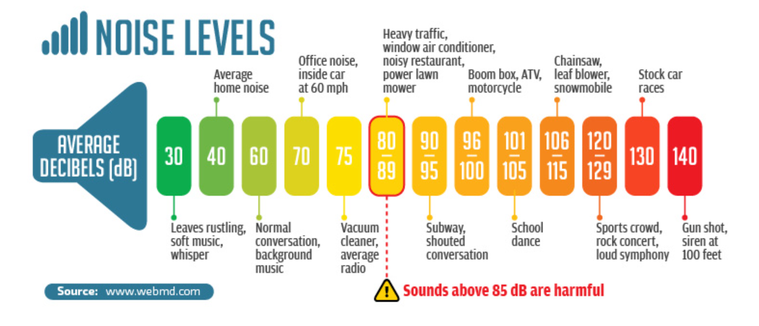
Decibels (dB) are a logarithmic unit of measurement used in various fields, including audio, electronics, and telecommunications. They express the ratio between two values, such as signal strength, power, or intensity, in a more manageable and intuitive manner. Decibels allow us to quantify the relative difference between two quantities effectively. For example, a 3 dB increase represents a doubling of sound intensity, making it a fundamental concept in many technical fields.

What are Decibels?

Decibels, often abbreviated as dB, are a logarithmic unit used to express ratios between values like power, intensity, or amplitude. They offer a convenient way to represent large ranges of values and are widely used in fields such as audio engineering and telecommunications.

Decibel Scale

The decibel scale is a logarithmic measurement system that quantifies the relative difference between two values. For instance, in audio, a 10 dB increase signifies a tenfold increase in power or intensity, while a 10 dB decrease represents a tenfold decrease. This logarithmic property simplifies comparisons and analyses of various measurements.

Applications of Decibels

Decibels play a pivotal role in various applications, particularly in electronics. They are used to measure signal strength, gain, noise levels, and more. Engineers and technicians rely on decibels to assess the performance and quality of electronic systems, making them a vital concept in the field.

Video Compression

Video compression is a crucial component of modern multimedia content delivery. It involves using algorithms to reduce the size of video files while maintaining acceptable visual quality. Video compression removes redundant or less important information from a video stream, making it efficient for storage and transmission.

Video Quality

Video quality is a critical factor in the viewing experience, influenced by factors like resolution, bit rate, frame rate, and compression. Resolution, measured in pixels (e.g., 1080p or 4K), determines detail levels. Bit rate affects data transmission, while frame rate impacts motion smoothness. Video compression balances quality and file size, with codecs like H.264 and H.265 playing significant roles in the industry. Achieving the desired video quality requires a careful balance of these factors for various applications.

Audio Output Resolution

Audio Output Resolution

Audio Output Resolution

Understanding Audio Output Resolution

In the world of audio, Audio Output Resolution is a crucial but often overlooked concept. It plays a fundamental role in determining the quality of sound that we hear from our devices. In this comprehensive guide, I’ll take you on a journey to understand what audio output resolution is, why it matters, and how it affects your overall listening experience.

Explaining Audio Output Resolution

Let’s begin by unraveling the term “Audio Output Resolution.” At its core, it refers to the level of detail and precision with which an audio signal is represented and reproduced by a playback device. It is typically measured in bits, similar to the concept of bit depth in digital audio.

When you play music, watch a movie, or engage in gaming, the audio output resolution influences how accurately the audio signal can be reconstructed, preserving the nuances and subtleties of the original recording.

How Does Audio Output Resolution Affect Sound Quality?

The impact of Audio Output Resolution on sound quality is significant. Higher resolution allows for more detailed and accurate reproduction of audio. It means that the subtle nuances in music, such as the delicate pluck of a guitar string or the softest whisper in a movie dialogue, can be faithfully reproduced.

Choosing the Right Audio Output Resolution

When it comes to choosing the right Audio Output Resolution for your needs, several factors come into play. Consider the type of audio content you consume and the capabilities of your playback devices. It’s essential to strike a balance between high resolution and device compatibility to ensure optimal sound quality.

Audio Output Resolution vs. Bit Depth

Audio Output Resolution is closely related to another important concept, which is bit depth. While audio output resolution focuses on the overall precision of audio reproduction, bit depth delves into the depth of each audio sample. Both factors contribute to sound quality, and understanding their interplay is key to audio excellence.

Audio Output Resolution and Sampling Rate

The sampling rate is another critical element tied to Audio Output Resolution. Together, they determine the accuracy of audio playback. A higher sampling rate, combined with a higher resolution, can provide a more faithful representation of the original audio signal.

Does Audio Output Resolution Impact File Size?

One consideration that often arises with higher Audio Output Resolution is the impact on file size. It’s true that audio files with greater resolution can be larger in size. This can be a trade-off to achieve the best sound quality, especially when dealing with high-definition audio formats.

Audio Output Resolution in High-Definition Audio

High-definition audio formats demand higher Audio Output Resolution to deliver the full audio experience. Whether you’re enjoying high-res music or immersive movie soundtracks, a compatible output resolution is necessary to unlock the potential of these formats.

Audio Output Resolution for Home Theater Systems

For home theater enthusiasts, Audio Output Resolution holds immense importance. It’s a key factor in recreating cinematic audio experiences at home. The right resolution ensures that every sound effect, from thundering explosions to subtle whispers, is faithfully reproduced.

The Role of Audio Output Resolution in Gaming

Gamers understand the significance of Audio Output Resolution all too well. It impacts the immersive quality of in-game audio, enhancing the realism of virtual worlds. Gamers benefit from high-resolution audio to pinpoint enemy movements and enjoy an engaging gaming experience.

Audio Output Resolution for Audiophiles

For audiophiles, the pursuit of audio perfection is a lifelong journey. Audio Output Resolution is a critical consideration when it comes to high-fidelity audio setups. It ensures that every note, instrument, and vocal is reproduced with utmost clarity and precision.

Benefits of Upgrading Audio Output Resolution

Finally, let’s explore the benefits of upgrading your Audio Output Resolution. Upgrading can lead to a more immersive, lifelike audio experience. Whether you’re upgrading your headphones, speakers, or home theater system, higher resolution can unlock new levels of audio enjoyment.