
M4A Joint Stereo Coding Methods


Let’s talk about M4A Joint Stereo Coding Methods
As an expert in audio encoding and decoding techniques, I’m here to delve into the intricate world of M4A joint stereo coding methods. If you’ve ever wondered how your favorite tunes maintain their high quality while taking up minimal storage space, you’re in the right place. M4A, a popular audio format known for its efficiency and quality, employs joint stereo coding to compress audio files without sacrificing fidelity. In this article, I’ll explore the nuances of M4A joint stereo coding methods, offering insights and examples to demystify this essential aspect of audio compression.
Understanding Joint Stereo Coding
To grasp M4A joint stereo coding methods, it’s crucial to understand the concept of joint stereo itself. Unlike traditional stereo encoding, which treats the left and right channels separately, joint stereo coding analyzes both channels to identify similarities and differences. By exploiting redundancies between channels, joint stereo coding achieves higher compression ratios without compromising audio quality. Imagine a Venn diagram where the overlapping area represents shared information between the left and right channels, while the unique sections capture channel-specific nuances. Joint stereo coding optimally utilizes this overlap to reduce file size while preserving audio fidelity.
Benefits of Joint Stereo Coding:
- Enhanced Compression Efficiency
- Preservation of Stereo Imaging
- Reduced File Size
- Maintained Audio Quality
Joint stereo coding offers a myriad of benefits, including enhanced compression efficiency and preserved stereo imaging. By analyzing inter-channel correlations, this method significantly reduces redundancy, leading to smaller file sizes without perceptible loss in quality. Moreover, joint stereo coding maintains the spatial characteristics of stereo audio, ensuring that listeners experience immersive soundscapes akin to the original recording.
M4A Implementation of Joint Stereo Coding
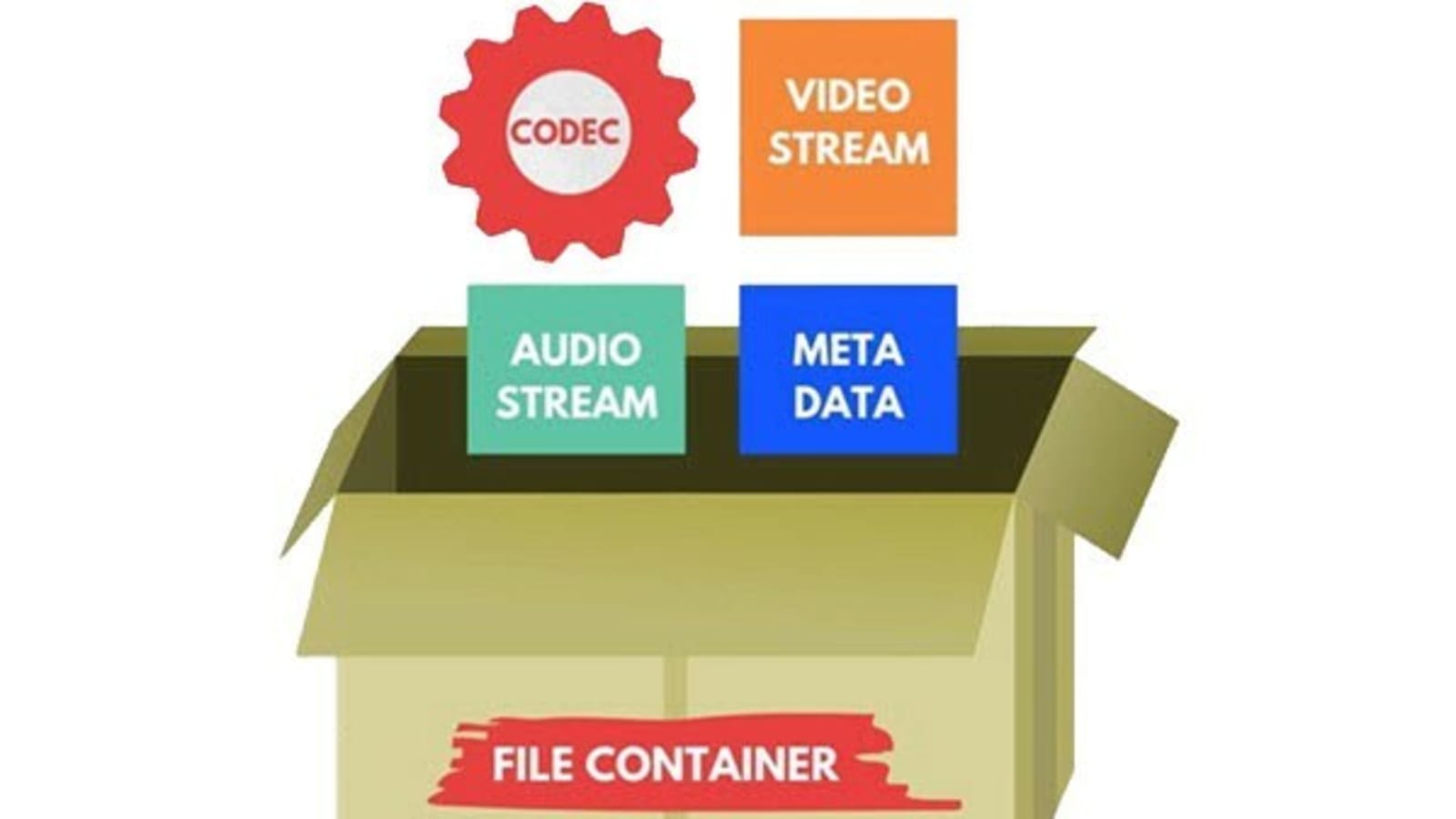
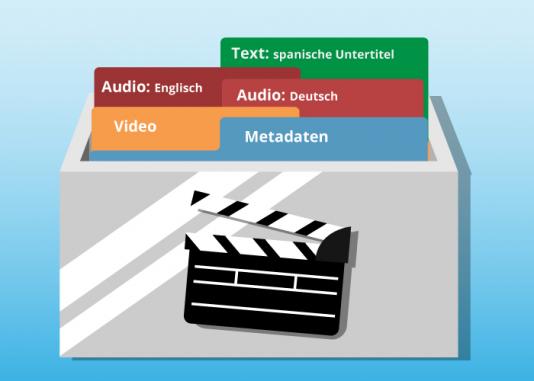
In the realm of M4A audio files, joint stereo coding plays a pivotal role in achieving optimal compression while upholding audio fidelity. M4A, a container format developed by Apple, commonly utilizes Advanced Audio Coding (AAC) as its underlying codec. AAC employs joint stereo coding as a fundamental technique for compressing stereo audio streams efficiently. Within the M4A framework, joint stereo coding is seamlessly integrated into the AAC encoding process, ensuring that compressed audio maintains high quality across various playback devices.
Optimization Techniques:
- Intensity Stereo Coding
- Mid/Side Stereo Processing
- Adaptive Bit Allocation
- Transient Detection
M4A joint stereo coding methods incorporate sophisticated optimization techniques to maximize compression efficiency while preserving audio fidelity. Intensity stereo coding, for instance, leverages perceptual masking to allocate fewer bits to imperceptible audio components, further reducing file size without compromising quality. Additionally, mid/side stereo processing enables efficient encoding of spatial audio information, enhancing stereo imaging in compressed files. Adaptive bit allocation dynamically allocates bits based on the complexity of audio content, ensuring optimal utilization of available bitrate resources. Transient detection algorithms identify abrupt changes in audio signals, optimizing coding strategies to maintain transient accuracy in compressed files.
Advanced Applications and Future Developments
As technology evolves, so do the methods and algorithms used in M4A joint stereo coding. Advanced applications, such as parametric stereo and spatial audio coding, push the boundaries of compression efficiency and audio quality. Parametric stereo techniques extract spatial parameters from monaural signals, enabling immersive stereo reproduction at low bitrates. Spatial audio coding algorithms, on the other hand, facilitate the transmission of multi-channel audio with minimal data overhead, catering to the growing demand for immersive audio experiences.
Emerging Trends:
- Object-Based Audio Coding
- Enhanced Parametric Coding
- Virtual Surround Sound
- Perceptual Audio Coding
Looking ahead, the field of M4A joint stereo coding is poised for further innovation, driven by emerging trends such as object-based audio coding and enhanced parametric coding. Object-based audio enables dynamic rendering of audio objects in a virtual sound field, offering unprecedented flexibility in content creation and playback. Enhanced parametric coding techniques refine spatial parameters to achieve more efficient compression and higher fidelity reproduction. Virtual surround sound technologies simulate multi-channel audio environments using stereo playback systems, delivering immersive experiences without the need for elaborate speaker setups. Perceptual audio coding methodologies continue to evolve, leveraging psychoacoustic principles to optimize compression algorithms for human perception.
Latest words on M4A Joint Stereo Coding Methods
In conclusion, M4A joint stereo coding methods represent a cornerstone of modern audio compression, balancing efficiency with quality to deliver immersive listening experiences across diverse platforms. By harnessing inter-channel redundancies and employing sophisticated optimization techniques, M4A achieves remarkable compression ratios without compromising stereo imaging or transient accuracy. As technology progresses, the evolution of joint stereo coding promises even greater efficiency and fidelity, paving the way for immersive audio experiences in the digital age.





Comments:
This article was really informative! I never knew how M4A compression worked until now. Can’t wait to try out some of these techniques myself.
Great breakdown of M4A joint stereo coding methods! I’ve been using M4A files for years, but I had no idea about the intricacies behind the compression. Thanks for shedding light on this!
I found this article helpful, but I wish there was more discussion on the future developments of M4A joint stereo coding. Still, it’s a great overview of the topic!
As someone who works with audio files regularly, I appreciate the depth of information provided in this article. It’s clear that the author is knowledgeable about the subject matter.
This article has inspired me to explore M4A joint stereo coding further. I’m excited to see how these techniques can improve my audio projects!
Wow, I had no idea there were so many optimization techniques involved in M4A joint stereo coding. This article has definitely expanded my understanding of audio compression.
Excellent article! I’ve been looking for resources on M4A joint stereo coding, and this surpassed my expectations. Keep up the good work!
It’s refreshing to come across an article that dives deep into the technical aspects of M4A joint stereo coding. I feel more confident in my understanding of audio compression now.
I’m impressed by the clarity and coherence of this article. Complex topics like joint stereo coding can be daunting, but the author breaks it down in a way that’s easy to understand.
This article provided a comprehensive overview of M4A joint stereo coding methods. I particularly appreciated the insights into emerging trends and future developments. Well done!
As a music enthusiast, I found this article incredibly enlightening. It’s amazing to learn about the technology behind audio compression and how it impacts our listening experience. Kudos to the author!
I stumbled upon this article while researching M4A joint stereo coding, and I’m glad I did. The explanations are clear, and the examples provided make complex concepts easier to grasp. Thank you!
This article has given me a newfound appreciation for the intricacies of audio compression. The author’s expertise shines through, making it an engaging and informative read. Looking forward to more content like this!
Great article! I’ve always been curious about how M4A compression works, and this article answered all my questions. I’ll definitely be sharing this with my friends who are into audio engineering.