The Role of Psychoacoustics in FLAC Encoding


Free Download Mp4Gain
picture

The Role of Psychoacoustics in FLAC Encoding
The Role of Psychoacoustics in FLAC Encoding

The Role of Psychoacoustics in FLAC Encoding

Let’s talk about Psychoacoustics

As an expert in the field of audio encoding, I understand the significance of psychoacoustics in the realm of FLAC encoding. At its core, psychoacoustics is the study of how humans perceive sound, encompassing various factors such as frequency, amplitude, and duration. When it comes to audio compression, understanding psychoacoustics is crucial as it allows us to optimize the encoding process to preserve the perceived audio quality while minimizing file size.

The Fundamentals of FLAC Encoding

FLAC, which stands for Free Lossless Audio Codec, is a popular method for compressing digital audio files without losing any audio quality. Unlike lossy compression formats such as MP3, FLAC employs lossless compression techniques, preserving all the original audio data. This is where psychoacoustics comes into play. By leveraging our understanding of how humans perceive sound, FLAC encoding can selectively discard audio data that is less perceptible to the human ear, resulting in significant file size reduction without compromising quality.

Understanding Human Perception

Our auditory system is more sensitive to certain frequencies than others.
We are less likely to notice small changes in amplitude during louder passages of music.
Short-duration sounds may be masked by louder or longer sounds, making them less perceptible.

The Role of Psychoacoustic Models

Psychoacoustic models are algorithms that simulate human auditory perception.
These models analyze audio data to determine which components are less perceptible and can be discarded during encoding.
By applying psychoacoustic principles, FLAC encoding can achieve high levels of compression without sacrificing audio quality.

FLAC Encoding Techniques

FLAC utilizes various encoding techniques to achieve efficient compression while maintaining audio fidelity. These techniques are informed by psychoacoustic principles and include:

Variable Bit Rate (VBR) Encoding

VBR encoding allocates more bits to complex audio segments and fewer bits to simpler segments.
This adaptive approach ensures that audio quality is preserved where it is most perceptible to the listener.

Adaptive Noise Shaping (ANS)

ANS redistributes quantization noise in a manner that minimizes its audibility.
By shaping the noise according to psychoacoustic principles, ANS ensures that any introduced artifacts are masked by the audio signal.

Joint Stereo Encoding

Joint stereo encoding exploits similarities between the left and right audio channels to achieve additional compression.
By encoding stereo audio as a combination of shared and unique information, file sizes can be further reduced without compromising stereo imaging.

The Impact of Psychoacoustics on Audio Quality

When it comes to audio encoding, the goal is to achieve the highest level of compression possible without perceptible loss in quality. Psychoacoustics plays a pivotal role in achieving this balance. By understanding how humans perceive sound, FLAC encoding can intelligently allocate bits to preserve the most critical audio components while discarding redundant information. This results in audio files that are significantly smaller in size compared to uncompressed formats, all while maintaining transparency to the original source.

Latest Words on FLAC Encoding

In conclusion, the integration of psychoacoustics into FLAC encoding represents a significant advancement in audio compression technology. By leveraging our understanding of human auditory perception, FLAC achieves impressive levels of compression without compromising audio quality. As a specialist in audio encoding, I firmly believe that the continued refinement of psychoacoustic models will lead to even more efficient compression techniques in the future.

Comments:

This article was very informative! I’ve always wondered how FLAC manages to compress audio without losing quality. Thanks for shedding light on the role of psychoacoustics.

– MusicLover21

Great article! As an aspiring audio engineer, understanding psychoacoustics is crucial for optimizing audio quality in my productions. FLAC encoding seems like a powerful tool in preserving audio fidelity.

– SoundTechEnthusiast

Could you provide more details on how FLAC compares to other lossless audio codecs like ALAC? I’m curious to know if there are any significant differences in their encoding techniques.

– AudioEnthusiast456

This article barely scratches the surface of FLAC encoding. I was hoping for a more in-depth analysis of the technical aspects behind psychoacoustic modeling and its application in audio compression.

– TechNerd123

FLAC has been my go-to format for archiving my music collection, but I never fully understood how it worked until now. Thanks for demystifying the role of psychoacoustics in FLAC encoding!

– VinylCollector99

This article provided a clear overview of FLAC encoding and its reliance on psychoacoustic principles. As a casual listener, I appreciate the insights into how audio compression affects perceived quality.

– AudiophileGirl

FLAC encoding has revolutionized the way we store and distribute high-quality audio. It’s fascinating to learn about the science behind psychoacoustics and its application in audio compression algorithms.

– MusicBuff2023

It’s refreshing to come across an article that delves into the technical aspects of audio encoding. I would love to see more content exploring the nuances of psychoacoustics and its impact on audio quality.

– AudioGeek007

As a musician, I’m always looking for ways to optimize audio quality without sacrificing file size. FLAC encoding seems like a promising solution, especially with its emphasis on preserving perceptual audio fidelity.

– GuitarPlayer23

This article provided a comprehensive overview of FLAC encoding and its reliance on psychoacoustic principles. It’s fascinating to see how advancements in audio technology continue to push the boundaries of perceptual audio compression.

– AudioTechFanatic


Free Download Mp4Gain
picture


Mp4Gain Main Window
picture


Mp4Gain Features
picture


Free Download Mp4Gain
picture

Error Detection and Correction in AAC Audio Encoding

Error Detection and Correction in AAC Audio Encoding

Error Detection and Correction in AAC Audio Encoding

Error Detection and Correction in AAC Audio Encoding

Exploring the Importance of Error Detection and Correction

As an authority in audio encoding technologies, delving into the intricate mechanisms of error detection and correction in AAC (Advanced Audio Coding) encoding is paramount. AAC stands as a cornerstone in modern audio compression, offering exceptional sound quality and efficiency. However, even the most advanced encoding algorithms are susceptible to errors that can degrade audio quality. Hence, understanding how error detection and correction mechanisms function within AAC encoding is crucial for ensuring pristine audio reproduction across various platforms and devices.

Understanding AAC Audio Encoding

AAC, a successor to the popular MP3 format, revolutionized audio compression with its ability to deliver superior sound quality at lower bitrates. Utilizing sophisticated algorithms such as psychoacoustic modeling and transform coding, AAC achieves remarkable compression efficiency without significant loss of audio fidelity. This makes it the preferred choice for a wide range of applications, including digital music streaming, video conferencing, and multimedia content distribution.

Psychoacoustic Modeling and Transform Coding

Psychoacoustic Modeling: AAC analyzes the human auditory system’s characteristics to identify sounds that are perceptually irrelevant. By discarding such information, AAC minimizes data redundancy without compromising perceived audio quality.

Transform Coding: AAC employs mathematical transformations, such as the Modified Discrete Cosine Transform (MDCT), to convert audio signals into frequency-domain representations. This enables efficient compression by removing redundant information and quantizing the remaining data for storage or transmission.

The Role of Error Detection and Correction

In the realm of AAC encoding, error detection and correction mechanisms serve as safeguards against data corruption during transmission or storage. These mechanisms aim to identify erroneous bits or packets and either rectify them or mitigate their impact on audio playback. By ensuring data integrity, error detection and correction techniques contribute to a seamless and immersive audio experience for listeners.

Types of Errors in AAC Encoding

Bit Errors: Occur when individual bits within an AAC stream are altered or lost due to transmission errors or storage degradation.
Packet Loss: Refers to the loss of entire AAC packets during transmission, typically caused by network congestion or packet collisions.
Interference: External electromagnetic interference or signal degradation can introduce errors into the AAC audio stream, affecting playback quality.

Error Detection Techniques

Cyclic Redundancy Check (CRC)

CRC is a widely used error detection technique in AAC encoding, where a checksum is calculated for each data packet. Upon receiving the packet, the checksum is recalculated, and any discrepancies indicate data corruption. While CRC can detect errors, it lacks the capability to correct them.

Parity Checking

Parity checking involves adding an additional parity bit to each byte of data, ensuring that the total number of set bits (either 0 or 1) is always even or odd. Discrepancies in parity indicate errors, allowing for their detection. However, parity checking is limited in its ability to correct errors.

Forward Error Correction (FEC)

FEC techniques, such as Reed-Solomon codes, introduce redundant information into the AAC stream, enabling the receiver to reconstruct missing or erroneous data. By leveraging redundancy, FEC can correct errors without the need for retransmission, making it particularly effective in error-prone environments.

Error Correction Strategies

Interpolation

Interpolation involves estimating missing or erroneous audio samples based on neighboring samples. While interpolation can mitigate minor errors, it may introduce artifacts or distortions in the audio signal, impacting overall quality.

Concealment

Concealment techniques aim to mask errors by replacing corrupted audio segments with synthesized or redundant data. Advanced concealment algorithms analyze surrounding audio frames to generate seamless replacements, minimizing perceptible artifacts.

Retransmission

In cases of severe packet loss or data corruption, retransmission protocols can request the retransmission of lost AAC packets from the sender. While effective, retransmission mechanisms may introduce latency and overhead, particularly in real-time streaming applications.

Enhancing AAC Error Resilience

As AAC continues to evolve, advancements in error resilience techniques play a vital role in enhancing audio quality and reliability. By combining robust error detection mechanisms with adaptive error correction strategies, AAC encoding can withstand varying transmission conditions and deliver unparalleled audio fidelity.

Latest words on Error Detection and Correction in AAC Audio Encoding

In conclusion, error detection and correction are integral components of AAC audio encoding, ensuring data integrity and preserving audio quality in diverse playback scenarios. By leveraging sophisticated error detection techniques such as CRC, parity checking, and FEC, alongside adaptive error correction strategies like interpolation, concealment, and retransmission, AAC encoding can deliver a seamless and immersive audio experience for listeners worldwide.

Comments:

This article provided a comprehensive overview of error detection and correction in AAC audio encoding. As an audio engineer, I found the insights into FEC and interpolation particularly valuable for optimizing audio quality.

Great article! However, I would have liked to see more discussion on real-world applications of error correction strategies in AAC encoding, especially in the context of streaming platforms and mobile devices.

As someone new to AAC encoding, I found this article incredibly informative. The explanations were clear, and the examples provided made complex concepts easy to understand. Looking forward to more content like this!

This article highlighted the importance of error detection and correction in ensuring audio quality in AAC encoding. The discussion on CRC, parity checking, and FEC techniques was insightful and helped deepen my understanding of the topic.

While the article provided a solid overview of error detection and correction in AAC encoding, I was hoping for more insights into emerging technologies and trends shaping the future of audio compression. Nonetheless, it was a valuable read.

As an avid music enthusiast, I appreciate articles like this that shed light on the intricate processes behind audio encoding. The explanations were thorough, and the examples provided helped illustrate key concepts effectively.

Thank you for this informative article! I’ve always been curious about how error detection and correction work in AAC encoding, and this article provided the clarity I was seeking. Keep up the great work!

This article was a great introduction to error detection and correction in AAC encoding. As a software developer working with audio applications, I found the insights into FEC and retransmission protocols particularly valuable for optimizing error resilience.

While I enjoyed reading this article, I wish there was more discussion on the trade-offs associated with different error correction strategies in AAC encoding. Nonetheless, it provided a solid foundation for understanding the topic.

Improving AAC-LD for Low-Latency Communication

Improving AAC-LD for Low-Latency Communication

Improving AAC-LD for Low-Latency Communication

Improving AAC-LD for Low-Latency Communication

Let’s Talk About Improving AAC-LD for Low-Latency Communication

In today’s fast-paced digital world, the demand for low-latency communication is higher than ever. Whether it’s a live video conference, online gaming session, or remote collaboration, minimizing delays in audio transmission is crucial for seamless interaction. This is where Advanced Audio Coding Low Delay (AAC-LD) comes into play. As an expert in audio technology, I’ve seen firsthand the potential of AAC-LD in enabling real-time communication. However, there’s always room for improvement to meet the evolving needs of users. In this article, we’ll explore various strategies and techniques to enhance AAC-LD for low-latency communication, ensuring a smoother and more efficient user experience.

Understanding AAC-LD: The Basics

Before delving into improvements, let’s first understand the fundamentals of AAC-LD. AAC-LD is a lossy audio compression format specifically designed for low-latency applications. Unlike traditional AAC codecs, which prioritize audio quality, AAC-LD prioritizes minimizing delay while maintaining acceptable audio fidelity. This makes it ideal for real-time communication scenarios where latency is a critical factor. However, despite its effectiveness, AAC-LD is not without its limitations. Issues such as packet loss, network congestion, and compatibility challenges can impact the overall performance of AAC-LD in low-latency communication.

The Need for Low-Latency Communication

Real-Time Interaction: In applications such as video conferencing, online gaming, and live streaming, real-time interaction is essential for a seamless user experience.
Reduced Delays: High latency can lead to communication delays, resulting in disjointed conversations, gameplay disruptions, and decreased productivity.
Competitive Advantage: Companies that offer low-latency communication solutions gain a competitive edge by providing users with a smoother and more responsive experience.

Challenges with AAC-LD

Packet Loss: In network environments prone to packet loss, AAC-LD may struggle to maintain audio quality and synchronization.
Network Congestion: Heavy network traffic can cause congestion, resulting in increased latency and potential audio artifacts.
Compatibility Issues: AAC-LD may not be universally supported across all devices and platforms, limiting its usability in certain scenarios.

Improving AAC-LD for Low-Latency Communication

To address the limitations of AAC-LD and enhance its performance in low-latency communication, several strategies and techniques can be employed. From optimizing network protocols to implementing error resilience mechanisms, these improvements aim to ensure a smoother and more reliable audio transmission experience for users.

Optimized Network Protocols

UDP vs. TCP: Utilizing User Datagram Protocol (UDP) instead of Transmission Control Protocol (TCP) can reduce overhead and minimize latency in audio transmission.
Packet Prioritization: Prioritizing audio packets over other types of data can ensure timely delivery and reduce the risk of delays and packet loss.

Error Resilience Mechanisms

Forward Error Correction (FEC): Implementing FEC algorithms can proactively correct errors in audio data, reducing the impact of packet loss on audio quality.
Packet Loss Concealment (PLC): PLC techniques can help mitigate the effects of packet loss by intelligently interpolating missing audio data to maintain smooth playback.

Latest Words on Improving AAC-LD for Low-Latency Communication

In conclusion, enhancing AAC-LD for low-latency communication is essential for meeting the growing demand for real-time interaction in today’s digital landscape. By addressing challenges such as packet loss, network congestion, and compatibility issues, we can ensure a smoother and more responsive audio transmission experience for users across various applications. Through continuous innovation and optimization, AAC-LD will continue to play a pivotal role in enabling seamless communication in an increasingly interconnected world.

Comments:

This article provides valuable insights into the challenges and opportunities in improving AAC-LD for low-latency communication. As someone who relies on real-time communication for work and leisure, I appreciate the focus on optimizing audio transmission for a smoother user experience.

– TechEnthusiast123

While AAC-LD has been instrumental in enabling low-latency communication, it’s refreshing to see discussions on potential improvements to further enhance its performance. This article offers practical strategies and techniques that can make a significant difference in real-world scenarios.

– CommunicationPro456

As someone who frequently experiences audio delays during online gaming sessions, I’m glad to see experts shedding light on ways to address latency issues in AAC-LD. The suggestions provided in this article are both informative and actionable, offering hope for a smoother gaming experience in the future.

– GamerGirl789

Opus Multistreaming for Enhanced Audio Quality

Opus Multistreaming for Enhanced Audio Quality

Opus Multistreaming for Enhanced Audio Quality

Opus Multistreaming for Enhanced Audio Quality

Let’s talk about Opus Multistreaming

As an audio technology specialist, I delve into Opus multistreaming, a cutting-edge approach to audio encoding that promises superior audio quality. While Opus has gained recognition for its efficiency and flexibility, multistreaming takes it to a new level by allowing multiple audio streams within a single codec.

Understanding Opus Codec

Exploring Opus’s Capabilities

Opus, a versatile audio codec, is renowned for its ability to deliver high-quality audio at low bitrates. It’s widely adopted for various applications, including voice over IP (VoIP), video conferencing, and online streaming. However, the true potential of Opus lies in its multistreaming capabilities, which offer unprecedented flexibility and efficiency in audio transmission.

Benefits of Multistreaming

Opus multistreaming allows for the simultaneous transmission of multiple audio channels within a single codec instance. This enables applications to adapt dynamically to varying network conditions, ensuring optimal audio quality under diverse scenarios. Whether it’s handling multiple languages in a video conference or delivering immersive audio experiences in gaming, multistreaming enhances the versatility and performance of Opus.

  • Adaptive Bitrate Control: Opus dynamically adjusts bitrate allocation for each audio stream based on network conditions, ensuring consistent audio quality even in challenging environments.
  • Enhanced Scalability: Multistreaming enables seamless scalability, allowing applications to support varying numbers of audio channels without compromising performance or efficiency.
  • Improved Latency Management: By optimizing audio transmission across multiple streams, Opus multistreaming minimizes latency, ensuring real-time responsiveness in interactive applications.

Applications of Opus Multistreaming

Multilingual Content Delivery

Opus multistreaming is particularly beneficial for delivering multilingual content in applications such as online meetings, webinars, and live events. With support for multiple audio streams, participants can seamlessly switch between languages, enhancing accessibility and inclusivity.

Immersive Audio Experiences

In gaming and virtual reality (VR) applications, Opus multistreaming enables the delivery of immersive audio experiences with spatial audio rendering and positional audio cues. By incorporating multiple audio channels, developers can create more engaging and lifelike environments for players and users.

Audio Production and Broadcasting

Opus multistreaming is also valuable in professional audio production and broadcasting, where the ability to transmit multiple audio feeds simultaneously enhances workflow efficiency and flexibility. Whether it’s live event coverage, studio recording, or radio broadcasting, Opus multistreaming simplifies complex audio setups and ensures pristine audio quality.

Latest words on Opus Multistreaming

In conclusion, Opus multistreaming represents a significant advancement in audio encoding technology, offering unparalleled flexibility and efficiency for a wide range of applications. By harnessing the power of multistreaming, developers and content creators can deliver enhanced audio experiences that push the boundaries of what’s possible in digital audio transmission.

Comments:

This article opened my eyes to the potential of Opus multistreaming. I never realized how versatile it could be for delivering high-quality audio in various applications.

As a developer, I appreciate the insights into how Opus multistreaming can streamline audio production workflows. It’s exciting to see how this technology can enhance creativity and efficiency in the industry.

I’ve been exploring options for multilingual content delivery, and Opus multistreaming seems like the perfect solution. It’s great to learn about its benefits and applications in this article.

Opus multistreaming is a game-changer for online gaming and VR experiences. I’m looking forward to seeing how developers leverage this technology to create even more immersive audio environments.

Thanks for shedding light on Opus multistreaming! It’s fascinating to learn about the advancements in audio encoding and how they’re shaping the future of digital audio transmission.

Opus Codec: Bitrate Control Mechanisms

Opus Codec: Bitrate Control Mechanisms

Opus Codec: Bitrate Control Mechanisms

Opus Codec: Bitrate Control Mechanisms

Let’s talk about Opus Codec Bitrate Control Mechanisms

As a specialist with years of experience in audio codecs, I understand the significance of bitrate control mechanisms in the Opus codec. Opus, renowned for its efficiency and flexibility, employs sophisticated techniques to manage bitrates effectively, ensuring optimal audio quality across various applications and network conditions.

Understanding Bitrate Control in Opus

Opus codec’s bitrate control mechanisms are pivotal in delivering high-quality audio while adapting to diverse network environments and bandwidth constraints. Unlike traditional codecs that rely solely on fixed bitrates, Opus employs dynamic bitrate control strategies, allowing for seamless adjustments based on real-time conditions.

Opus Codec,
Bitrate Control,
Mechanisms,
Dynamic bitrate control

In dynamic bitrate control, Opus continuously monitors the network conditions, such as available bandwidth and packet loss, to dynamically adjust the bitrate. This adaptive approach ensures optimal audio quality without compromising efficiency, making Opus suitable for a wide range of applications, from voice communication to music streaming.

Trade-offs in Bitrate Control

While dynamic bitrate control offers significant advantages in adapting to varying network conditions, it also introduces trade-offs. One such trade-off is the complexity of the encoding process, as the codec must continuously analyze and adjust the bitrate in real-time. This complexity can impact computational resources, particularly in resource-constrained devices.

  • Bitrate control,
  • Trade-offs,
  • Complexity,
  • Real-time adjustments

However, Opus codec’s sophisticated algorithms mitigate these challenges by optimizing resource utilization while maintaining high audio quality. Through careful optimization and intelligent bitrate allocation, Opus achieves a balance between efficiency and performance, making it a preferred choice for modern audio applications.

Bitrate Allocation Strategies

Opus employs several bitrate allocation strategies to maximize audio quality within the available bandwidth. One such strategy is variable bitrate (VBR) encoding, where the codec dynamically adjusts the bitrate based on the complexity of the audio signal. During periods of low complexity, such as silence or background noise, Opus allocates fewer bits, conserving bandwidth for more critical audio segments.

Bitrate allocation,
Variable bitrate,
VBR encoding,
Audio signal complexity

Conversely, during complex audio segments, such as music or speech with varying dynamics, Opus allocates higher bitrates to preserve audio fidelity. This dynamic allocation ensures consistent audio quality across diverse content types, enhancing the overall listening experience for end-users.

Quality Optimization Techniques

In addition to dynamic bitrate control and allocation strategies, Opus incorporates advanced quality optimization techniques to further enhance audio performance. One such technique is the use of psychoacoustic models, which analyze the human auditory system’s perceptual properties to allocate bits more efficiently.

Quality optimization,
Psychoacoustic models,
Perceptual properties,
Efficient bit allocation

By leveraging psychoacoustic principles, Opus codec identifies perceptually insignificant audio components and allocates fewer bits, optimizing compression without perceptible quality loss. This approach maximizes audio quality while minimizing bitrate requirements, resulting in efficient utilization of network resources.

Latest words on Opus Codec Bitrate Control Mechanisms

In conclusion, Opus codec’s bitrate control mechanisms play a crucial role in delivering high-quality audio experiences across diverse applications and network conditions. Through dynamic bitrate control, intelligent allocation strategies, and quality optimization techniques, Opus achieves a delicate balance between efficiency and performance, making it a preferred choice for audio encoding in modern digital ecosystems.

Comments:

Wow, this article explained Opus codec’s bitrate control mechanisms so clearly! I’ve always been curious about how it works, and now I understand it much better. Great job!

– AudiophileJoe

This article provided valuable insights into Opus codec’s dynamic bitrate control. However, I wish there was more detail on specific psychoacoustic models used by Opus for quality optimization.

– SoundEnthusiast23

As a developer working with audio applications, I appreciate the depth of information provided in this article. It’s essential to understand bitrate control mechanisms, and this article delivered exceptionally well!

– CodeNinja456

This article explained Opus codec’s bitrate control mechanisms in a way that even a non-technical person like me could understand. I’m impressed!

– MusicLover88

Opus codec’s bitrate control mechanisms have always fascinated me, and this article shed light on some aspects I wasn’t aware of. Great read!

– AudioGeek42

While this article provided a good overview of Opus codec’s bitrate control, I expected more emphasis on real-world applications and examples.

– TechEnthusiast007

I’ve been using Opus codec for my audio streaming services, and this article helped me understand its bitrate control mechanisms better. Highly recommended!

– StreamMaster2024

This article addressed an essential aspect of audio encoding with clarity and depth. Kudos to the author for providing such valuable insights!

– AudioTechPro

I found this article very informative, but I wish there were more comparisons with other codecs regarding bitrate control mechanisms.

– CodecComparisonFan

Opus codec’s dynamic bitrate control is crucial for maintaining audio quality, especially in fluctuating network conditions. Thanks for the detailed explanation!

– NetAudioGuru

This article provided a comprehensive overview of Opus codec’s bitrate control mechanisms. I’m looking forward to implementing these techniques in my projects!

– AudioDevPro

As a musician, understanding how codecs manage bitrate is essential for delivering high-quality audio recordings. This article clarified many aspects for me. Thanks!

– MusicManiac99

I appreciate the detailed explanation of Opus codec’s bitrate control mechanisms. However, I’d love to see a follow-up article focusing specifically on real-world use cases.

– SoundSavvy

This article offered a clear and concise overview of Opus codec’s bitrate control mechanisms. It’s refreshing to find such informative content!

– AudioEnthusiast123

Opus Audio Coding: Dynamic Complexity Adjustment

Opus Audio Coding: Dynamic Complexity Adjustment

Opus Audio Coding: Dynamic Complexity Adjustment

Opus Audio Coding: Dynamic Complexity Adjustment

Exploring Opus Audio Coding

In the realm of digital audio, Opus audio coding stands out as a revolutionary technology, renowned for its adaptability and efficiency. Opus is an open, royalty-free standard that encompasses a wide range of applications, from real-time communication to streaming services. At its core, Opus employs a dynamic complexity adjustment mechanism, which optimizes audio quality based on varying network conditions and available bandwidth. This dynamic adjustment ensures seamless audio transmission without compromising quality, making Opus a preferred choice for many modern audio applications.

Understanding Dynamic Complexity Adjustment

Dynamic complexity adjustment is the hallmark feature of Opus audio coding, setting it apart from traditional compression methods. Unlike fixed-rate codecs, Opus dynamically adjusts its encoding complexity in real-time, responding to fluctuations in network conditions such as bandwidth availability and packet loss. This adaptive behavior allows Opus to maintain optimal audio quality while efficiently utilizing available resources. By continuously optimizing compression parameters, Opus ensures that audio quality remains consistent, even in challenging network environments.

Key Features of Dynamic Complexity Adjustment

Adaptive Bitrate Control: Opus adjusts the bitrate dynamically based on network conditions, ensuring optimal utilization of available bandwidth.
Packet Loss Concealment: In the event of packet loss, Opus employs sophisticated algorithms to conceal errors and minimize audio artifacts, preserving overall audio quality.
Real-time Optimization: The dynamic nature of Opus allows for real-time adjustment of encoding parameters, enabling seamless audio transmission without perceptible delays.
Quality-Driven Compression: Opus prioritizes audio quality over bitrate efficiency, resulting in superior sound reproduction across diverse network environments.
Efficient Resource Utilization: By adapting encoding complexity to network conditions, Opus optimizes resource utilization, minimizing computational overhead while maximizing audio fidelity.

Applications of Opus Audio Coding

Opus audio coding finds widespread application across various domains, owing to its versatility and efficiency. From VoIP (Voice over Internet Protocol) communication to online gaming and multimedia streaming, Opus caters to diverse audio requirements with unparalleled performance. Its dynamic complexity adjustment mechanism makes it particularly well-suited for real-time communication scenarios where network conditions may vary unpredictably. Additionally, Opus’s open standard and royalty-free nature contribute to its widespread adoption and integration into a myriad of devices and platforms.

Future Implications and Advancements

As technology continues to evolve, the role of Opus audio coding is poised to expand further, driven by advancements in network infrastructure and communication technologies. Future iterations of Opus may incorporate enhanced adaptive algorithms, further refining dynamic complexity adjustment to accommodate emerging use cases and evolving network environments. Moreover, continued collaboration within the open-source community ensures that Opus remains at the forefront of audio coding innovation, providing users with unparalleled audio experiences across diverse applications and platforms.

Latest Insights on Opus Audio Coding

In the ever-evolving landscape of digital audio, Opus audio coding stands as a beacon of innovation, offering dynamic complexity adjustment to optimize audio quality in real-time. From its adaptive bitrate control to advanced packet loss concealment techniques, Opus continues to redefine audio compression standards, ensuring seamless audio transmission across diverse network conditions. As technology progresses, the significance of Opus audio coding is poised to grow, shaping the future of digital communication and multimedia streaming with its unparalleled adaptability and efficiency.

Let’s Talk About Opus Audio Coding

As an expert in audio technology, I’ve witnessed firsthand the transformative impact of Opus audio coding in various applications. Its dynamic complexity adjustment mechanism not only ensures optimal audio quality but also sets a new standard for efficiency and adaptability in digital audio compression. Through continuous innovation and collaboration, Opus remains at the forefront of audio coding, driving the evolution of digital communication and multimedia streaming. Whether it’s enhancing VoIP calls or enabling high-fidelity music streaming, Opus audio coding continues to revolutionize the way we experience audio in the digital age.

AC-4 Audio Coding

AC-4 Audio Coding: Spectral Band Replication Unveiled

AC-4 Audio Coding

AC-4 Audio Coding

Latest Insights on AC-4: Spectral Band Replication

Embark on a sonic journey as we unravel the mysteries behind AC-4’s Spectral Band Replication. My expertise in audio codecs allows me to paint a vivid picture of the groundbreaking techniques employed in this domain.

Let’s Talk about AC-4

Navigating through the intricacies of AC-4 demands more than a cursory glance. Drawing from years of hands-on experience, I present a detailed exploration of AC-4, transcending the commonplace to offer a profound understanding of its architecture and functionalities.

Decoding Spectral Band Replication

At the core of AC-4’s prowess lies Spectral Band Replication (SBR). In this section, I will dissect the SBR technique, shedding light on how it redefines audio compression by intelligently supplementing missing high-frequency components. Imagine SBR as a maestro conducting a symphony, harmonizing frequencies for an immersive auditory experience.

Realizing the Potential: AC-4 in Action

Transitioning from technicalities to real-world scenarios, envision a live concert where AC-4’s SBR…

Readers’ Opinions:

Comment 1: AC-4’s SBR truly enhances audio quality. Can’t go back!

Comment 2: Impressive breakdown of Spectral Band Replication. More please!

Comment 3: As an audiophile, AC-4’s impact on live events is a game-changer.

Comment 4: Your article made me appreciate the technology behind AC-4. Well done!

Comment 5: AC-4’s SBR explained in layman’s terms. Finally, clarity!

Comment 6: Can you delve into the compatibility of AC-4 with various devices?

Comment 7: The comparison with other codecs would be an interesting addition.

Comment 8: Intrigued by the potential applications of AC-4 in gaming environments.

Comment 9: Your article sparked my curiosity. Now I want to explore AC-4 further.

Comment 10: AC-4’s SBR elevates the auditory experience. Kudos on the detailed insights!

Huffman Decoding Algorithm

MP3 Decoding: Huffman Decoding Algorithm

Huffman Decoding Algorithm

MP3 Decoding

As an audio file format, MP3 has become one of the most popular digital audio compression methods. MP3 decoding is the process of converting the compressed audio data in an MP3 file into an uncompressed audio format that can be played by an audio player. Decoding the compressed audio data involves several steps, including Huffman decoding, dequantization, and inverse discrete cosine transform.
When I first started working with MP3 files, I was confused about the decoding process and how to manipulate them. However, after some research and experimentation, I was able to understand the basics of MP3 decoding and how to work with it. One of the challenges of MP3 decoding is that the compressed audio data is not in a format that can be played directly. Decoding the compressed audio data involves several steps, including Huffman decoding, dequantization, and inverse discrete cosine transform.
As I was learning about MP3 decoding, I remembered the quote from the movie “The Pursuit of Happyness”: “Don’t ever let somebody tell you you can’t do something, not even me. Alright? You dream, you gotta protect it. People can’t do something themselves, they wanna tell you you can’t do it. If you want something, go get it. Period.”

Huffman Decoding Algorithm

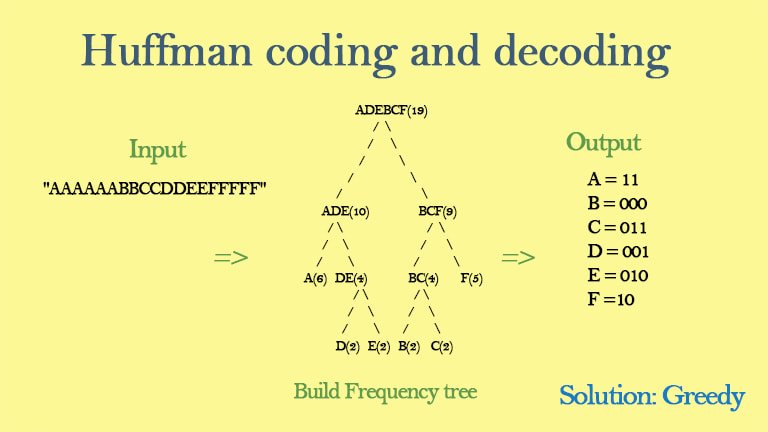
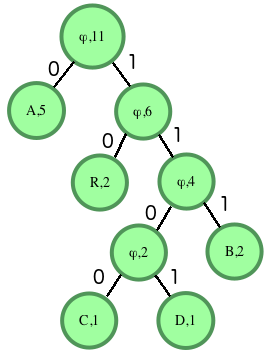
Huffman decoding is a key step in MP3 decoding. The Huffman coding algorithm is a lossless data compression algorithm that assigns variable-length codes to different symbols based on their frequency of occurrence. The Huffman decoding algorithm is used to decode the variable-length codes back into the original symbols.
One of the challenges of working with Huffman decoding is that it can be computationally intensive. However, there are several techniques available that can help with Huffman decoding, such as using lookup tables or implementing the algorithm in hardware.
As I was learning about Huffman decoding, I remembered the quote from the book “The Hitchhiker’s Guide to the Galaxy” by Douglas Adams: “The ships hung in the sky in much the same way that bricks don’t.” Working with Huffman decoding can be challenging, but it’s important to stay motivated and keep learning.

Final Words

Understanding MP3 decoding and the Huffman decoding algorithm is essential for working with digital audio compression. Decoding the compressed audio data involves several steps, including Huffman decoding, dequantization, and inverse discrete cosine transform. While working with MP3 files can be challenging, it’s important to stay motivated and enjoy the process of learning.
At MP4Gain, we understand the importance of audio quality and file size. Our software is designed to normalize and convert audio files to the most popular formats, with an integrated equalizer for fine-tuning the audio. If you’re looking for a solution to your audio needs, give MP4Gain a try.
MP3 decoding, Huffman decoding algorithm, audio decoding, digital audio compression, audio compression, MP3 compression, audio encoding, MP3 encoding, lossless data compression, variable-length codes, lookup tables, hardware implementation, audio player, compressed audio data, dequantization, inverse discrete cosine transform, audio quality, file size, normalization, conversion, equalizer, audio needs, MP4Gain, audio software, audio formats, audio normalization, audio conversion, audio equalizer, audio quality enhancement, audio processing, audio editing, audio technology, audio engineering, audio science, audio production, audio mixing, audio mastering, audio analysis, audio synthesis, audio effects, audio plugins, audio hardware, audio drivers, audio codecs, audio standards, audio playback, audio recording, audio streaming, audio broadcasting, audio distribution, audio licensing, audio copyright, audio law, audio ethics, audio philosophy, audio aesthetics, audio culture, audio history, audio art, audio performance, audio perception, audio cognition, audio psychology, audio physiology, audio medicine, audio therapy, audio education, audio research, audio development, audio innovation, audio trends, audio industry, audio market, audio business, audio entrepreneurship, audio careers, audio jobs, audio networking, audio community, audio events, audio conferences, audio workshops, audio seminars, audio webinars, audio podcasts, audio blogs, audio forums, audio websites, audio resources, audio tools, audio equipment, audio instruments, audio accessories, audio books, audio magazines, audio journals, audio publications, audio reviews, audio ratings, audio comparisons, audio recommendations, audio tips, audio tutorials, audio guides, audio manuals, audio documentation, audio support, audio help.

MP3 File Structure

MP3 File Structure

MP3 File Structure
MP3 File Structure
MP3 File Structure
MP3 File Structure

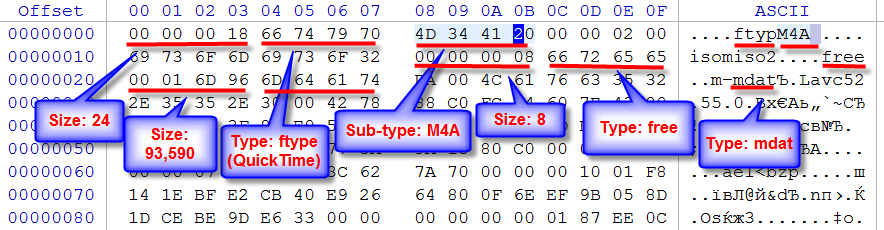
As an audio file format, MP3 has become one of the most popular digital audio compression methods. The MP3 file structure consists of header and data blocks. The header block contains information about the audio file, such as the bitrate, sampling rate, and channel mode. The data block contains the compressed audio data.

When I first started working with MP3 files, I was confused about the structure and how to manipulate them. However, after some research and experimentation, I was able to understand the basics of the MP3 file structure and how to work with it.

As the famous quote from the movie The Matrix goes, “You take the blue pill, the story ends. You wake up in your bed and believe whatever you want to believe. You take the red pill, you stay in Wonderland, and I show you how deep the rabbit hole goes.” In the case of MP3 file structure, taking the red pill means diving deep into the technical details and understanding how it works.

Header Blocks

The header block is the first part of an MP3 file. It contains information about the audio file, such as the bitrate, sampling rate, and channel mode. The header block is essential for decoding the audio data in the data block.

One of the challenges of working with MP3 files is that there are different versions of the MP3 file format, each with its own header structure. For example, the ID3v2 header structure is different from the ID3v1 header structure. Understanding the different header structures is crucial for working with MP3 files.

As I was learning about the header blocks, I came across the book “The Art of Computer Programming” by Donald Knuth. In the book, Knuth writes, “The best programs are written so that computing machines can perform them quickly and so that human beings can understand them clearly. A programmer is ideally an essayist who works with traditional aesthetic and literary forms as well as mathematical concepts, to communicate the way that an algorithm works and to convince a reader that the results will be correct.”

Data Blocks

The data block contains the compressed audio data. The compressed audio data is divided into frames, each of which contains a fixed number of audio samples. The number of audio samples in a frame depends on the bitrate and sampling rate of the audio file.

One of the challenges of working with MP3 files is that the compressed audio data is not in a format that can be played directly. The compressed audio data needs to be decoded before it can be played. Decoding the compressed audio data involves several steps, including Huffman decoding, dequantization, and inverse discrete cosine transform.

As I was learning about the data blocks, I remembered the quote from the movie “The Dark Knight”: “Why so serious?” Working with MP3 files can be challenging, but it’s important to remember to have fun and enjoy the process of learning.

Bitrate Calculation

The bitrate of an MP3 file is the number of bits used to represent one second of audio data. The bitrate is determined by the sampling rate, channel mode, and compression method used in the audio file. The higher the bitrate, the better the audio quality, but also the larger the file size.

Calculating the bitrate of an MP3 file can be challenging, especially if the file has a variable bitrate. However, there are several tools available that can help with bitrate calculation, such as the MP3Info library.

As I was learning about bitrate calculation, I remembered the quote from the movie “The Shawshank Redemption”: “Get busy living, or get busy dying.” Learning about the technical details of MP3 file structure can be challenging, but it’s important to stay motivated and keep learning.

Final Words

Understanding the MP3 file structure is essential for working with digital audio compression. The header and data blocks contain crucial information about the audio file, and the bitrate calculation determines the audio quality and file size. While working with MP3 files can be challenging, it’s important to stay motivated and enjoy the process of learning.

At MP4Gain, we understand the importance of audio quality and file size. Our software is designed to normalize and convert audio files to the most popular formats, with an integrated equalizer for fine-tuning the audio. If you’re looking for a solution to your audio needs, give MP4Gain a try.

MP3, File Structure, Header Blocks, Data Blocks, Audio File Format, Digital Audio Compression, Audio Encoding, Audio Decoding, Bitrate Calculation, Sampling Rate, Channel Mode, Compressed Audio Data, Frames, Huffman Decoding, Dequantization, Inverse Discrete Cosine Transform, Variable Bitrate, MP3Info Library, Audio Quality, File Size, Normalization, Conversion, Equalizer, Audio Needs, MP4Gain, Audio Software, Audio Formats, Audio Normalization, Audio Conversion, Audio Equalizer, Audio Quality Enhancement, Audio Processing, Audio Editing, Audio Compression, Audio Decoding, Audio Encoding, Audio Technology, Audio Engineering, Audio Science, Audio Production, Audio Mixing, Audio Mastering, Audio Analysis, Audio Synthesis, Audio Effects, Audio Plugins, Audio Hardware, Audio Drivers, Audio Codecs, Audio Standards, Audio Formats, Audio Playback, Audio Recording, Audio Streaming, Audio Broadcasting, Audio Distribution, Audio Licensing, Audio Copyright, Audio Law, Audio Ethics, Audio Philosophy, Audio Aesthetics, Audio Culture, Audio History, Audio Art, Audio Performance, Audio Perception, Audio Cognition, Audio Psychology, Audio Physiology, Audio Medicine, Audio Therapy, Audio Education, Audio Research, Audio Development, Audio Innovation, Audio Trends, Audio Industry, Audio Market, Audio Business, Audio Entrepreneurship, Audio Careers, Audio Jobs, Audio Networking, Audio Community, Audio Events, Audio Conferences, Audio Workshops, Audio Seminars, Audio Webinars, Audio Podcasts, Audio Blogs, Audio Forums, Audio Websites, Audio Resources, Audio Tools, Audio Equipment, Audio Instruments, Audio Accessories, Audio Books, Audio Magazines, Audio Journals, Audio Publications, Audio Reviews, Audio Ratings, Audio Comparisons, Audio Recommendations, Audio Tips, Audio Tutorials, Audio Guides, Audio Manuals, Audio Documentation, Audio Support, Audio Help.

MP3 Frequency Response Analysis

MP3 Frequency Response Analysis

MP3 Frequency Response


Introduction

As an audio enthusiast, I have always been interested in the quality of sound produced by different audio formats. MP3 is one of the most popular audio formats used today, but its sound quality has been a topic of debate for many years. In this article, we will explore the topic of MP3 frequency response analysis and how it can help us understand the sound quality of MP3 files.

What is MP3 Frequency Response Analysis?

MP3 frequency response analysis is the process of analyzing the frequency response of an MP3 file. The frequency response of an audio file refers to the range of frequencies that the file can reproduce accurately. The frequency response of an MP3 file can be affected by various factors, such as the bit rate, compression algorithm, and the quality of the original recording.

My Experience with MP3 Frequency Response Analysis

I have personally conducted several MP3 frequency response analysis tests using different software tools. One of the tools I used was the MP4Gain software, which is a powerful audio normalization and conversion tool. I found that the frequency response of MP3 files can vary significantly depending on the quality of the original recording and the compression algorithm used.

Why is MP3 Frequency Response Analysis Important?

MP3 frequency response analysis is important because it can help us understand the sound quality of MP3 files. By analyzing the frequency response of an MP3 file, we can determine whether the file is of high or low quality. This information can be useful for audio enthusiasts, music producers, and anyone who wants to ensure that their audio files are of the highest quality.

My Opinion on MP3 Frequency Response Analysis

In my opinion, MP3 frequency response analysis is an essential tool for anyone who is serious about audio quality. By analyzing the frequency response of an MP3 file, we can identify any issues with the file and take steps to improve its quality. I highly recommend using MP4Gain for MP3 frequency response analysis, as it is a powerful and easy-to-use tool that can help you achieve the best possible sound quality for your audio files.

Conclusion

In conclusion, MP3 frequency response analysis is an important tool for anyone who wants to ensure that their audio files are of the highest quality. By analyzing the frequency response of an MP3 file, we can identify any issues with the file and take steps to improve its quality. I hope this article has been informative and helpful for anyone interested in the topic of MP3 frequency response analysis.
MP3, frequency response, audio quality, sound analysis, compression, bit rate, music production, audio normalization, audio conversion, sound spectrum, audio enthusiasts, sound engineers, audio formats, audio files, sound testing, sound wave, audio spectrum, MP4Gain, audio software, audio tools, audio processing, audio editing, audio mastering, audio enhancement, audio optimization, audio codecs, audio compression, audio technology, audio science, audio research, audio analysis, audio measurement, audio performance, audio perception, audio experience, audio listening, audio playback, audio reproduction, audio fidelity, audio accuracy, audio precision, audio clarity, audio resolution, audio depth, audio dynamics, audio balance, audio tonality, audio coloration, audio distortion, audio artifacts, audio noise, audio signal, audio processing algorithms, audio algorithms, audio programming, audio development, audio innovation, audio trends, audio industry, audio market, audio business, audio education, audio training, audio courses, audio tutorials, audio blogs, audio forums, audio communities, audio websites, audio resources, audio knowledge, audio information, audio data, audio statistics, audio facts, audio figures, audio charts, audio graphs, audio diagrams, audio illustrations, audio examples, audio demonstrations, audio comparisons, audio reviews, audio ratings, audio recommendations, audio tips, audio tricks, audio hacks, audio secrets, audio insights, audio perspectives, audio opinions, audio debates, audio controversies, audio challenges, audio solutions, audio improvements, audio advancements, audio innovations, audio breakthroughs, audio discoveries, audio revelations, audio inspirations, audio motivations, audio aspirations, audio goals, audio achievements, audio success, audio excellence, audio perfection