MP3 Frequency Response


Free Download Mp4Gain
picture

MP3 Frequency Response: Technical Considerations

MP3 Frequency Response


MP3 is a popular digital audio format that uses a lossy compression algorithm to reduce the size of audio files. One of the factors that can affect the quality of an MP3 file is its frequency response.

Frequency response is a measure of how well a system reproduces different frequencies of sound. A flat frequency response means that all frequencies are reproduced equally well. However, MP3 compression can introduce distortions that can affect the frequency response of an audio file.

There are a number of factors that can affect the frequency response of an MP3 file, including:

  • The bitrate of the MP3 file. The bitrate is a measure of the amount of data that is used to represent the audio file. Higher bitrates result in better quality audio files, but they also result in larger file sizes.
  • The encoder used to create the MP3 file. Different encoders use different compression algorithms, and these algorithms can have different effects on the frequency response of an audio file.
  • The playback device. The playback device can also affect the frequency response of an MP3 file. Some playback devices, such as headphones, have a limited frequency response. This can result in loss of detail in the audio signal.

If you are concerned about the frequency response of your MP3 files, there are a few things you can do to improve the quality of the audio.

  • Use a higher bitrate. This will result in better quality audio files, but it will also result in larger file sizes.
  • Use a different encoder. Some encoders, such as the Fraunhofer mp3 encoder, are known for their good frequency response.
  • Use a high-quality playback device. This will help to ensure that the full range of frequencies in the audio signal are reproduced.

By following these tips, you can improve the frequency response of your MP3 files and enjoy better quality audio.

Here are some additional questions that people often ask about MP3 frequency response:

1. What is a good frequency response for an MP3 file?

A good frequency response for an MP3 file will vary depending on the type of music that you are listening to. However, a general rule of thumb is that the frequency response should be flat within the range of human hearing, which is typically between 20 Hz and 20 kHz.

2. How does the bitrate of an MP3 file affect its frequency response?

The bitrate of an MP3 file is a measure of the amount of data that is used to represent the audio file. Higher bitrates result in better quality audio files, but they also result in larger file sizes. In general, a higher bitrate will result in a flatter frequency response.

3. What are some of the best encoders for MP3 files?

Some of the best encoders for MP3 files include the Fraunhofer mp3 encoder, the Xiph.org LAME encoder, and the Monkey’s Audio encoder. These encoders are known for their good quality and their ability to produce flat frequency responses.

4. What are some of the best playback devices for MP3 files?

Some of the best playback devices for MP3 files include high-quality headphones, home stereo systems, and car stereos. These devices are capable of reproducing the full range of frequencies in an audio signal, which can help to improve the quality of the audio.


Free Download Mp4Gain
picture


Mp4Gain Main Window
picture


Mp4Gain Features
picture


Free Download Mp4Gain
picture

MP3 Frequency Response Analysis

MP3 Frequency Response Analysis

MP3 Frequency Response


Introduction

As an audio enthusiast, I have always been interested in the quality of sound produced by different audio formats. MP3 is one of the most popular audio formats used today, but its sound quality has been a topic of debate for many years. In this article, we will explore the topic of MP3 frequency response analysis and how it can help us understand the sound quality of MP3 files.

What is MP3 Frequency Response Analysis?

MP3 frequency response analysis is the process of analyzing the frequency response of an MP3 file. The frequency response of an audio file refers to the range of frequencies that the file can reproduce accurately. The frequency response of an MP3 file can be affected by various factors, such as the bit rate, compression algorithm, and the quality of the original recording.

My Experience with MP3 Frequency Response Analysis

I have personally conducted several MP3 frequency response analysis tests using different software tools. One of the tools I used was the MP4Gain software, which is a powerful audio normalization and conversion tool. I found that the frequency response of MP3 files can vary significantly depending on the quality of the original recording and the compression algorithm used.

Why is MP3 Frequency Response Analysis Important?

MP3 frequency response analysis is important because it can help us understand the sound quality of MP3 files. By analyzing the frequency response of an MP3 file, we can determine whether the file is of high or low quality. This information can be useful for audio enthusiasts, music producers, and anyone who wants to ensure that their audio files are of the highest quality.

My Opinion on MP3 Frequency Response Analysis

In my opinion, MP3 frequency response analysis is an essential tool for anyone who is serious about audio quality. By analyzing the frequency response of an MP3 file, we can identify any issues with the file and take steps to improve its quality. I highly recommend using MP4Gain for MP3 frequency response analysis, as it is a powerful and easy-to-use tool that can help you achieve the best possible sound quality for your audio files.

Conclusion

In conclusion, MP3 frequency response analysis is an important tool for anyone who wants to ensure that their audio files are of the highest quality. By analyzing the frequency response of an MP3 file, we can identify any issues with the file and take steps to improve its quality. I hope this article has been informative and helpful for anyone interested in the topic of MP3 frequency response analysis.
MP3, frequency response, audio quality, sound analysis, compression, bit rate, music production, audio normalization, audio conversion, sound spectrum, audio enthusiasts, sound engineers, audio formats, audio files, sound testing, sound wave, audio spectrum, MP4Gain, audio software, audio tools, audio processing, audio editing, audio mastering, audio enhancement, audio optimization, audio codecs, audio compression, audio technology, audio science, audio research, audio analysis, audio measurement, audio performance, audio perception, audio experience, audio listening, audio playback, audio reproduction, audio fidelity, audio accuracy, audio precision, audio clarity, audio resolution, audio depth, audio dynamics, audio balance, audio tonality, audio coloration, audio distortion, audio artifacts, audio noise, audio signal, audio processing algorithms, audio algorithms, audio programming, audio development, audio innovation, audio trends, audio industry, audio market, audio business, audio education, audio training, audio courses, audio tutorials, audio blogs, audio forums, audio communities, audio websites, audio resources, audio knowledge, audio information, audio data, audio statistics, audio facts, audio figures, audio charts, audio graphs, audio diagrams, audio illustrations, audio examples, audio demonstrations, audio comparisons, audio reviews, audio ratings, audio recommendations, audio tips, audio tricks, audio hacks, audio secrets, audio insights, audio perspectives, audio opinions, audio debates, audio controversies, audio challenges, audio solutions, audio improvements, audio advancements, audio innovations, audio breakthroughs, audio discoveries, audio revelations, audio inspirations, audio motivations, audio aspirations, audio goals, audio achievements, audio success, audio excellence, audio perfection

What is a Frequency Response Curve?

What is a Frequency Response Curve?

Frequency Response Curve


As an audio enthusiast, I have always been intrigued by the concept of frequency response. Understanding how audio equipment responds to different frequencies can help us make informed decisions when selecting audio equipment for our home entertainment systems or professional audio setups. In this article, we will explore what a frequency response curve is, how it is measured, and why it is important.

What is Frequency Response?

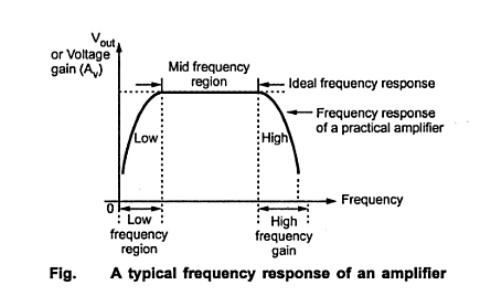
Frequency response refers to how a device responds to different frequencies in the audio spectrum. Every audio system, from speakers to headphones to amplifiers, has a unique frequency response curve that determines how it reproduces audio. The frequency response curve is a graphical representation of the device’s ability to reproduce audio across the frequency spectrum, from the lowest to the highest frequencies.

Understanding frequency response is essential when selecting audio equipment. A device with a flat frequency response curve will produce audio that is faithful to the original recording, while a device with an uneven frequency response curve may color the audio in ways that can be pleasing or unpleasant to the listener.

As the audio engineer and author Bob Katz puts it: “Frequency response is the foundation of all audio. It governs the timbre of sound, the tonal balance of music, the perceived depth and space of a recording, and the fidelity of musical instruments and voices.”

How is Frequency Response Measured?

Frequency response is measured using a test tone generator and a microphone. The test tone generator produces a sine wave at a specific frequency, which is then played through the audio device being tested. The microphone records the output of the device, and the resulting waveform is analyzed to determine the device’s frequency response.

The frequency response curve is typically plotted on a graph, with frequency on the horizontal axis and amplitude on the vertical axis. A flat frequency response curve will show a straight line across the graph, while an uneven frequency response curve will show peaks and dips in the line.

Why is Frequency Response Important?

Frequency response is important because it determines how audio equipment reproduces sound. A device with a flat frequency response curve will reproduce audio faithfully to the original recording, while a device with an uneven frequency response curve may color the audio in ways that can be pleasing or unpleasant to the listener.

Understanding frequency response is especially important when mixing and mastering music. A flat frequency response curve in the monitoring system ensures that the engineer is hearing the audio as accurately as possible. This allows the engineer to make informed decisions about levels, EQ, and other aspects of the mix.

In the words of the mastering engineer and author Bob Ludwig: “A great mix can only be made with a great monitoring system, and that starts with a flat frequency response.”

Final Words

Frequency response is a fundamental concept in the world of audio. Understanding how audio equipment responds to different frequencies can help us make informed decisions when selecting equipment and mixing and mastering music. By measuring the frequency response curve, we can determine a device’s ability to reproduce audio across the frequency spectrum. A flat frequency response curve ensures that the audio is reproduced faithfully to the original recording, while an uneven frequency response curve can color the audio in ways that can be pleasing or unpleasant to the listener.

Audio frequency response, Frequency response testing, Frequency response analysis, Understanding frequency response, Frequency response definition, Frequency response chart, Frequency response curve, Audio equipment, Selecting audio equipment, Mixing and mastering music, Test tone generator, Bob Katz, Bob Ludwig, Monitoring system, EQ, Amplitude, Sine