
What is a Frequency Response Curve?

As an audio enthusiast, I have always been intrigued by the concept of frequency response. Understanding how audio equipment responds to different frequencies can help us make informed decisions when selecting audio equipment for our home entertainment systems or professional audio setups. In this article, we will explore what a frequency response curve is, how it is measured, and why it is important.
What is Frequency Response?
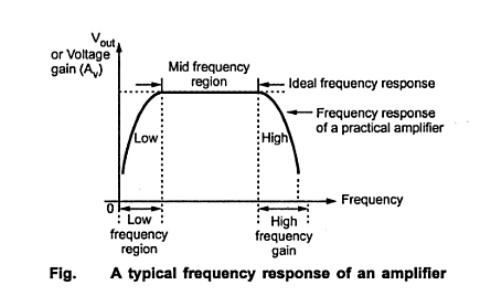
Frequency response refers to how a device responds to different frequencies in the audio spectrum. Every audio system, from speakers to headphones to amplifiers, has a unique frequency response curve that determines how it reproduces audio. The frequency response curve is a graphical representation of the device’s ability to reproduce audio across the frequency spectrum, from the lowest to the highest frequencies.
Understanding frequency response is essential when selecting audio equipment. A device with a flat frequency response curve will produce audio that is faithful to the original recording, while a device with an uneven frequency response curve may color the audio in ways that can be pleasing or unpleasant to the listener.
As the audio engineer and author Bob Katz puts it: “Frequency response is the foundation of all audio. It governs the timbre of sound, the tonal balance of music, the perceived depth and space of a recording, and the fidelity of musical instruments and voices.”
How is Frequency Response Measured?
Frequency response is measured using a test tone generator and a microphone. The test tone generator produces a sine wave at a specific frequency, which is then played through the audio device being tested. The microphone records the output of the device, and the resulting waveform is analyzed to determine the device’s frequency response.
The frequency response curve is typically plotted on a graph, with frequency on the horizontal axis and amplitude on the vertical axis. A flat frequency response curve will show a straight line across the graph, while an uneven frequency response curve will show peaks and dips in the line.
Why is Frequency Response Important?
Frequency response is important because it determines how audio equipment reproduces sound. A device with a flat frequency response curve will reproduce audio faithfully to the original recording, while a device with an uneven frequency response curve may color the audio in ways that can be pleasing or unpleasant to the listener.
Understanding frequency response is especially important when mixing and mastering music. A flat frequency response curve in the monitoring system ensures that the engineer is hearing the audio as accurately as possible. This allows the engineer to make informed decisions about levels, EQ, and other aspects of the mix.
In the words of the mastering engineer and author Bob Ludwig: “A great mix can only be made with a great monitoring system, and that starts with a flat frequency response.”
Final Words
Frequency response is a fundamental concept in the world of audio. Understanding how audio equipment responds to different frequencies can help us make informed decisions when selecting equipment and mixing and mastering music. By measuring the frequency response curve, we can determine a device’s ability to reproduce audio across the frequency spectrum. A flat frequency response curve ensures that the audio is reproduced faithfully to the original recording, while an uneven frequency response curve can color the audio in ways that can be pleasing or unpleasant to the listener.
Audio frequency response, Frequency response testing, Frequency response analysis, Understanding frequency response, Frequency response definition, Frequency response chart, Frequency response curve, Audio equipment, Selecting audio equipment, Mixing and mastering music, Test tone generator, Bob Katz, Bob Ludwig, Monitoring system, EQ, Amplitude, Sine


