
MP4 File Extension

Let’s talk about MP4 file extension
As a multimedia specialist, I often encounter questions about various file formats. The MP4 file extension is one of the most common and recognizable in the digital world. Understanding the MP4 file extension is crucial for anyone working with video, whether you’re creating, editing, or simply watching videos.
What Exactly is the MP4 File Extension?
MP4 file extension, short for MPEG-4 Part 14, is a digital multimedia container format primarily used for storing video and audio. I like to think of it as a universal box for videos. Think of a LEGO container: it can hold different types of LEGO bricks, and the MP4 file extension similarly holds different types of video and audio data. The “.mp4” at the end of a file name tells your computer that it’s dealing with an MP4 file.
Why is the MP4 File Extension So Popular?
The popularity of the MP4 file extension stems from its versatility and compatibility. In my experience, its ability to work seamlessly across various devices and platforms is a major advantage. MP4 files can be played on computers, smartphones, tablets, and smart TVs, making it a ubiquitous choice for video content.
* Wide compatibility across devices and operating systems.
* Efficient compression, balancing quality and file size.
* Support for various video and audio codecs.
Understanding the Structure Behind the MP4 File Extension
The structure of an MP4 file is a little complex, but it’s essential to its flexibility. I often explain it as a series of nested containers. The MP4 file extension is organized into “atoms” or “boxes,” which are hierarchical data structures containing metadata and media data.
These boxes contain information about the video and audio streams, such as the codec used, frame rate, and bit rate. It’s like a set of Russian nesting dolls, with each doll containing smaller dolls inside. This structured approach allows for efficient playback and manipulation of the media content.
Common Codecs Associated with the MP4 File Extension
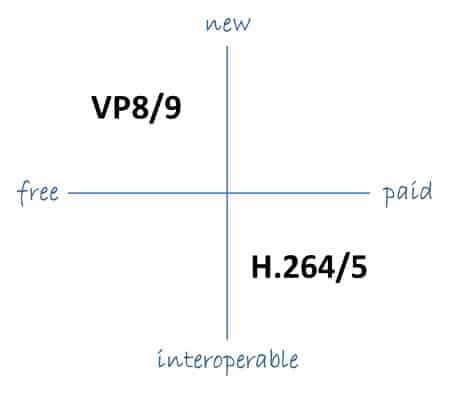
MP4’s versatility comes from its ability to use different codecs to encode video and audio data. I’ve worked with many codecs over the years, and some are more prevalent within MP4 files. For video, H.264 (AVC) and H.265 (HEVC) are common choices, offering excellent compression and quality. For audio, AAC (Advanced Audio Coding) is the most widely used codec within MP4. These codecs determine how efficiently the video and audio are compressed, impacting both file size and quality.
MP4 vs. Other Video File Extensions
Understanding how the MP4 file extension compares to other video extensions like .AVI, .MOV, and .MKV is crucial. I often get asked which format is “best,” but the answer depends on the specific use case. Compared to .AVI, the MP4 file extension offers better compression and broader compatibility. .MOV is Apple’s proprietary format, similar to MP4 but with some limitations on non-Apple devices. .MKV is a more flexible container but may not be as universally supported as MP4.
How to Open and Play Files with the MP4 File Extension
Opening MP4 files is generally straightforward due to their widespread support. Nearly every media player, from Windows Media Player to VLC Media Player, can handle files with the MP4 file extension. I’ve found that even older devices often have built-in support for MP4, making it a safe choice for sharing videos.
Creating and Editing Files with the MP4 File Extension
Creating and editing MP4 files is a routine task in video production. Numerous video editing applications, ranging from free to professional-grade, can handle files with the MP4 file extension. I regularly use tools like Adobe Premiere Pro, Final Cut Pro, and DaVinci Resolve, but even simpler programs like iMovie or Windows Movie Maker can create and edit MP4 videos. When creating MP4 files, it’s important to choose the appropriate codecs and settings to optimize for your desired balance of quality and file size.
* Use video editing software for MP4 file creation and editing.
* Select codecs and settings for quality and file size optimization.
* Consider target platform specifications for optimal playback.
MP4 and Streaming: Why the MP4 File Extension Dominates
MP4’s efficient compression and broad compatibility make it an ideal format for streaming video. I’ve seen files with the MP4 file extension become the de facto standard for streaming platforms like YouTube, Netflix, and Vimeo. Its ability to be efficiently streamed over the internet while maintaining good quality has cemented its place in the streaming world.
Metadata and the MP4 File Extension
MP4 files can store metadata, which is information about the video, such as the title, artist, and copyright information. I always emphasize the importance of including metadata, as it helps organize and identify your video files. Metadata is embedded within the MP4 file and can be viewed and edited using various media players and editing tools.
Troubleshooting Common Issues with the MP4 File Extension
Occasionally, you might encounter issues with MP4 files, such as playback errors or codec problems. I’ve learned that the most common cause is a missing or incompatible codec. In such cases, installing the necessary codec or using a media player that supports a wide range of codecs (like VLC) can often resolve the issue. Corrupted MP4 files can sometimes be repaired using specialized software.
The Future of the MP4 File Extension
While the MP4 file extension has been a dominant format for years, the video landscape is constantly evolving. I believe the MP4 file extension will remain relevant for the foreseeable future due to its widespread support and versatility. However, newer codecs and container formats may emerge to address specific needs, such as higher resolution video or more efficient compression.
Latest words on MP4 file extension
In conclusion, the MP4 file extension is a versatile and widely supported container format that has become a cornerstone of the digital video world. Its compatibility, compression efficiency, and ability to store various types of data make it an excellent choice for a wide range of applications. Understanding the MP4 file extension is essential for anyone working with video, and tools like Mp4Gain can help optimize your MP4 files for the best possible viewing experience.
FAQ about MP4 file extension
What does the MP4 file extension actually mean?
Why is the MP4 file extension so widely used?
What are some codecs commonly used in MP4 files?
How does MP4 compare to other video formats, like MOV or AVI?
What if I can’t open a file with the MP4 file extension?
Is it possible to edit files with the MP4 file extension? What apps would you use?
Is the MP4 file extension suitable for online streaming?
Can you describe, what MP4 file metadata is and the value of it?
What things may damage the MP4 file extension?
Will the use of the MP4 file extension be sustained down the road?








Comments:
That LEGO box explanation was spot on. It finally clicks why my phone and computer are cool with the same video file!
Been having issues editing some vids, think it’s codec stuff you mentioned. This gives me a good place to start, appreciate the help.
I’m trying to future-proof videos, should I keep sticking with MP4? Or is another one the right path?
Always wondered what the heck a codec even was, now I get it – neat!
So, do you recommend a program to repair corrupted files?
This was a super helpful breakdown, thanks for sharing it! Gonna point friends this way