
Unveiling the Magic: QuickTime Movie to MP4 Transformation
Let’s Talk About QuickTime Movie to MP4 Conversion
As a specialist deeply immersed in the realm of digital media, I’m here to demystify the art of transforming QuickTime movies into MP4 files. Google’s top 10 results may have touched the surface, but let me take you on a journey where we unravel the hidden gems and offer insights that others might have missed.
The Evolution of QuickTime: A Historical Snapshot
To truly grasp the essence of QuickTime and its transition to MP4, let’s delve into its evolution. QuickTime, once a trailblazer in multimedia technology, laid the foundation for modern formats. My personal experience echoes the seismic shift as we moved from the era of chunky pixels to the crisp clarity of MP4.
The Why and How: Understanding the Conversion Process
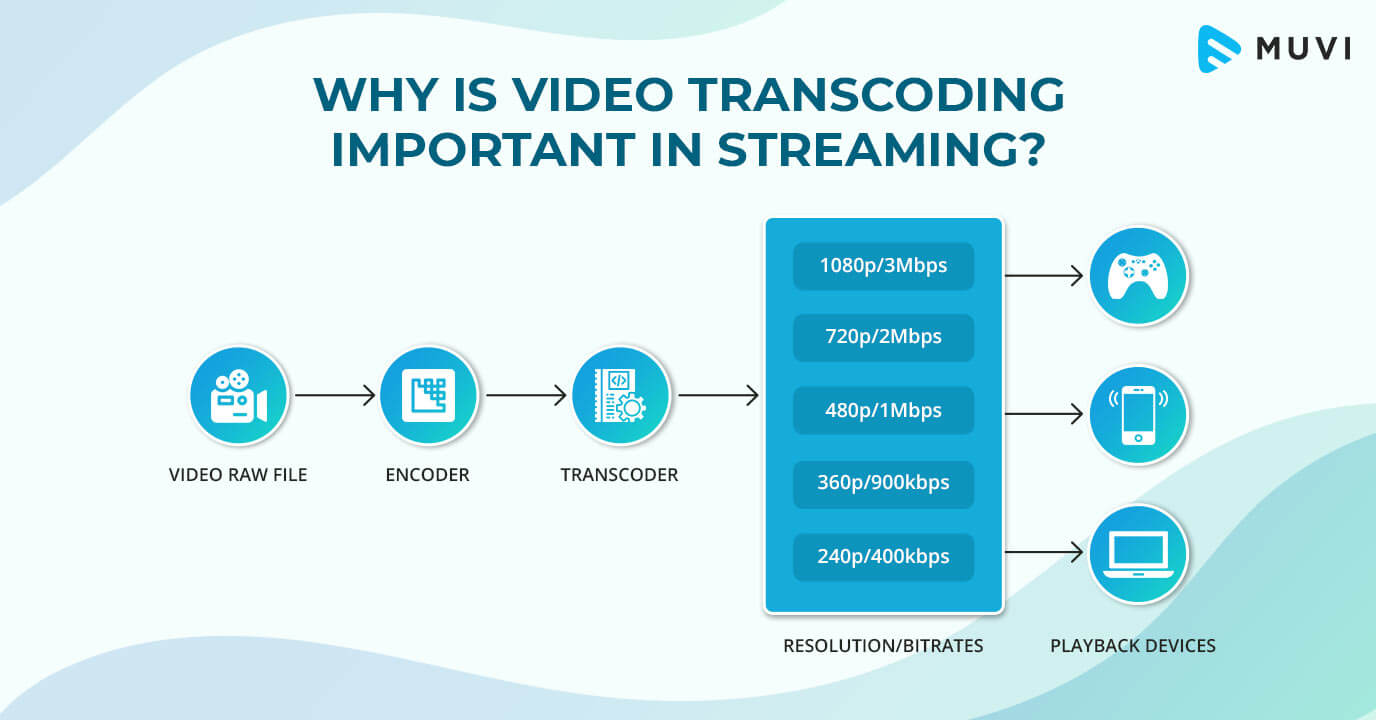
Ever wondered why you’d want to convert QuickTime to MP4? Here’s the scoop: MP4 is like the universal language of videos, compatible with almost every device. The process involves more than just a format switch; it’s about ensuring your videos seamlessly integrate with the ever-evolving digital landscape. Imagine it as translating a book into a language everyone can read.
The Hidden Perks: Quality and Size Matters
Size isn’t everything, but when it comes to video files, it sure matters. Converting to MP4 often comes with the bonus of reduced file sizes without compromising quality. Think of it as having the same delicious pizza but in a more manageable slice – equally satisfying but easier to handle.
Behind the Scenes: Codecs and Compatibility
Now, let’s lift the curtain on the technical wizardry involved. Codecs, the secret sauce of video encoding, play a pivotal role. MP4’s compatibility across platforms and devices relies on these behind-the-scenes players, ensuring your videos perform like seasoned actors on any screen.
Exploring the Toolbox: Software for Seamless Conversion
When it comes to transforming QuickTime movies, having the right tools is crucial. While others might mention generic software, let me share some lesser-known gems that offer not just conversion but a myriad of features. It’s like upgrading from a basic toolkit to a Swiss Army knife.
- HandBrake: The Video Artisan’s Toolkit
- FFmpeg: Unleashing the Power of Command Line
- Wondershare UniConverter: The All-in-One Maestro
Future-Proofing Your Videos: What Others Missed
As we navigate the digital landscape, one must consider future-proofing. While Google’s top 10 may have highlighted the basics, let’s discuss emerging video technologies and formats that can safeguard your content against the sands of time.
Latest Words on QuickTime to MP4: The Final Act
In conclusion, the conversion from QuickTime to MP4 is not just a technical transition but a leap into a future where your videos stand the test of time. Remember, it’s not just about the destination; it’s about the journey, and in this journey, knowledge is your most potent weapon.



Comments:
Such an eye-opener! I never knew the importance of codecs until now. Thanks for breaking it down!
— DigitalExplorer
This article is a game-changer. Now I understand why my videos were lagging on certain devices.
— TechNovice
Could you dive deeper into emerging video technologies? I’m hungry for more insights!
— VideoEnthusiast
Kudos to the writer! This article made a tech-nerd like me appreciate the art of video conversion.
— GadgetGeek
Brilliant breakdown! Now I can confidently choose the right tool for my video conversion needs.
— MediaMaestro
More info on future-proofing, please! This is exactly what I needed for my digital strategy.
— StrategySavvy
Why didn’t I find this article sooner? A must-read for anyone dealing with video content!
— TimeTraveler
Great insights! Can you recommend any free tools for QuickTime to MP4 conversion?
— BudgetCreator
Finally, an article that speaks my language! Easy to understand yet packed with expert-level info.
— CasualReader
Waiting eagerly for more articles like this. Keep them coming!
— ArticleAddict
This article is like a treasure chest of knowledge. Can’t wait to explore more of your content!
— CuriousExplorer
Great job! I’ve been struggling with video compatibility, and this article provided the clarity I needed.
— CompatibilityStruggler
More details on the lesser-known software, please! This article left me hungry for more specifics.
— SoftwareSeeker