MP3 vs Opus: Audio Quality and Efficiency


Free Download Mp4Gain
picture

MP3 vs Opus: Audio Quality and Efficiency

MP3 vs Opus: Audio Quality and Efficiency

MP3 vs Opus: Audio Quality and Efficiency

Let’s talk about MP3 vs Opus

When it comes to digital audio formats, two names stand out: MP3 and Opus. As a seasoned audio engineer, I’ve worked extensively with both formats, understanding their nuances and applications. In this comprehensive comparison, we’ll delve into the intricacies of MP3 and Opus, examining their audio quality, efficiency, and suitability for various scenarios.

Understanding MP3 and Opus

MP3, short for MPEG Audio Layer III, revolutionized the music industry with its widespread adoption for digital audio compression. Opus, on the other hand, is a relatively newer audio codec developed by the Internet Engineering Task Force (IETF), designed to deliver high-quality audio at lower bitrates. Both formats utilize different compression algorithms and encoding techniques to achieve their respective goals.

Audio Quality Comparison

MP3: MP3 is known for its widespread compatibility and decent audio quality, especially at higher bitrates. However, as a lossy compression format, it sacrifices some audio fidelity to achieve smaller file sizes. At lower bitrates, MP3 files may exhibit noticeable artifacts such as ringing and compression artifacts, particularly in complex audio passages.
Opus: Opus boasts superior audio quality compared to MP3, particularly at lower bitrates. Thanks to its advanced compression algorithms and adaptive bitrate techniques, Opus can maintain high fidelity even at bitrates as low as 32 kbps. This makes it ideal for streaming audio over the internet, where bandwidth constraints are a concern.

Efficiency and Compression

MP3: MP3 is renowned for its efficiency in achieving significant file size reduction while maintaining acceptable audio quality. However, its compression techniques may struggle to preserve the nuances of complex audio signals, leading to perceptible loss in fidelity, especially at lower bitrates.
Opus: Opus excels in efficiency and compression, offering impressive audio quality at substantially lower bitrates compared to MP3. Its adaptive bitrate control and robust compression algorithms ensure optimal utilization of available bandwidth, making it a preferred choice for streaming services and online communication platforms.

Compatibility and Adoption

MP3: MP3 enjoys universal compatibility across a wide range of devices and platforms, making it a ubiquitous choice for digital audio distribution. Its longstanding presence in the industry has cemented its status as the de facto standard for audio compression and playback.
Opus: While Opus may not have the same level of universal adoption as MP3, it has gained traction in various applications, particularly in internet-based communication and streaming services. Its open-source nature and royalty-free licensing make it an attractive option for developers and content creators alike.

Real-World Applications

MP3: MP3 remains a popular choice for offline music playback, digital audio distribution, and legacy hardware compatibility. Its wide support ensures seamless playback across a myriad of devices, from smartphones to dedicated music players.
Opus: Opus shines in real-time communication scenarios such as voice over IP (VoIP), video conferencing, and online gaming, where low-latency audio transmission and high-quality playback are paramount. Its efficient compression and adaptive bitrate control make it an ideal choice for streaming platforms and interactive applications.

Latest words on MP3 vs Opus

In conclusion, the choice between MP3 and Opus depends on various factors such as audio quality requirements, bandwidth constraints, and intended use cases. While MP3 remains a ubiquitous format with widespread compatibility, Opus offers superior audio quality and efficiency, particularly for streaming and real-time communication applications. As technology continues to evolve, it’s essential to evaluate the specific needs of each project and select the appropriate audio format accordingly.

Comments:

This article provided a comprehensive comparison between MP3 and Opus, shedding light on their respective strengths and weaknesses. As a music enthusiast, I found it incredibly informative and helpful in understanding the differences between the two formats. Great job!

-MusicLover123

I’ve been considering switching from MP3 to Opus for my online radio station, and this article helped me make an informed decision. The insights into audio quality and efficiency were particularly enlightening. Thanks for the valuable information!

-RadioStreamer

While I appreciate the comparison between MP3 and Opus, I wish the article had delved deeper into the technical aspects of audio compression and encoding. Nevertheless, it provided a solid overview for those new to the topic.

-TechEnthusiast

As a podcaster, I’m always looking for ways to improve the audio quality of my recordings without sacrificing efficiency. This article helped me understand the benefits of switching to Opus for online distribution. Excited to give it a try!

-PodcastCreator

This article addressed a common dilemma faced by content creators and streaming platforms. The comparison between MP3 and Opus was well-explained, making it easy to understand the advantages of each format. Kudos to the author!

-ContentCreator567

While Opus seems promising for streaming applications, I’m concerned about its compatibility with older devices and legacy systems. It would be helpful to include more information on backward compatibility in future articles.

-OldSchoolListener

I’ve been using MP3 for years, but after reading this article, I’m intrigued by the potential benefits of switching to Opus, especially for online streaming. Thanks for providing a detailed comparison!

-StreamingEnthusiast


Free Download Mp4Gain
picture


Mp4Gain Main Window
picture


Mp4Gain Features
picture


Free Download Mp4Gain
picture

Implementing CBR in MP3 Compression

Implementing CBR in MP3 Compression

Implementing CBR in MP3 Compression

Implementing CBR in MP3 Compression

Let’s talk about Implementing CBR in MP3 Compression

As a specialist in audio compression technologies, I’m excited to delve into the intricacies of implementing Constant Bit Rate (CBR) in MP3 compression. CBR is a crucial aspect of MP3 encoding, ensuring consistent audio quality across all parts of the file. Understanding how CBR works and its implications for audio quality is essential for anyone involved in audio production, from musicians to sound engineers.

The Basics of CBR Encoding

Unlocking the Mystery of Constant Bit Rate:
CBR encoding maintains a steady bit rate throughout the entire duration of the audio file. Unlike Variable Bit Rate (VBR) encoding, which adjusts the bit rate based on the complexity of the audio, CBR allocates the same number of bits per second regardless of the content. This uniformity simplifies streaming and playback, as devices can predict the data rate required for decoding.

Ensuring Consistency in Audio Quality:
One of the primary advantages of CBR encoding is its ability to deliver consistent audio quality. By allocating a fixed bit rate, CBR ensures that each segment of the audio receives the same level of compression. This consistency is especially important for streaming services and broadcasting, where fluctuations in audio quality can be jarring for listeners.

Implementing CBR in MP3 Compression

CBR in MP3 Encoding:
In the realm of MP3 compression, CBR is a popular choice for its simplicity and predictability. When encoding audio to the MP3 format, CBR allocates a constant number of bits per second to represent the audio signal. This ensures that the resulting MP3 file maintains a consistent bit rate from start to finish, regardless of the complexity of the audio content.

Benefits of CBR in MP3 Compression:
CBR encoding offers several advantages in the context of MP3 compression. Firstly, it simplifies the encoding process by removing the need for complex algorithms to adjust the bit rate dynamically. This results in faster encoding times and reduced computational overhead. Additionally, CBR-encoded MP3 files are more compatible with legacy playback devices and systems that may not support VBR decoding.

Challenges and Considerations

Trade-offs in Compression Efficiency:
While CBR encoding ensures consistent audio quality, it may not always achieve the same level of compression efficiency as VBR encoding. In scenarios where the audio content is highly dynamic or contains significant variations in complexity, CBR may allocate more bits than necessary for simpler segments, resulting in larger file sizes.

Adapting to Varied Content:
Another challenge of CBR encoding is its limited ability to adapt to changes in audio complexity. In contrast to VBR encoding, which adjusts the bit rate dynamically based on the content, CBR maintains a fixed rate regardless of fluctuations in complexity. This can lead to suboptimal compression in segments with low complexity or conversely, potential artifacts in segments with high complexity.

Latest Words on Implementing CBR in MP3 Compression

In conclusion, understanding the role of Constant Bit Rate (CBR) in MP3 compression is essential for optimizing audio quality and file size. While CBR offers consistency and simplicity, it’s important to weigh the trade-offs in compression efficiency and adaptability. By implementing CBR effectively, audio professionals can ensure a seamless listening experience across various platforms and devices.

Comments:

This article provided valuable insights into the intricacies of CBR encoding in MP3 compression. As a music producer, I appreciate the clarity and depth of explanation.

– BeatMaster

While I found this article informative, I wish it had delved deeper into the specific techniques used to implement CBR in MP3 encoding. Nonetheless, it’s a great starting point for anyone interested in the topic.

– AudioEnthusiast

As an aspiring sound engineer, I found this article incredibly helpful in understanding the fundamentals of CBR encoding. The examples provided made the concepts easy to grasp.

– SoundSavvy

I appreciate the focus on both the benefits and challenges of implementing CBR in MP3 compression. It’s essential to consider the trade-offs in audio quality and file size when choosing an encoding method.

– MusicTechie

This article shed light on a topic I’ve always been curious about. Understanding CBR encoding is crucial for anyone involved in audio production, and this article provided a comprehensive overview.

– AudioExplorer

MP3 Compression in Streaming Services

MP3 Compression in Streaming Services: Challenges and Solutions

MP3 Compression in Streaming Services

MP3 Compression in Streaming Services

Let’s talk about MP3 Compression in Streaming Services

As a specialist in audio technology, I understand the critical role that **MP3 compression** plays in the realm of **streaming services**. When you’re enjoying your favorite tunes on Spotify or watching videos on YouTube, **MP3 compression** quietly works behind the scenes to deliver seamless audio experiences. However, despite its ubiquity, **MP3 compression** is not without its challenges.

The Evolution of MP3 Compression

**MP3 compression** has come a long way since its inception in the 1990s. Initially, it revolutionized the way we consumed music, allowing us to store thousands of songs on portable devices. However, as **streaming services** gained popularity, the demands on **MP3 compression** evolved. Today, it must strike a delicate balance between **audio quality** and **bandwidth efficiency** to satisfy the discerning ears of modern listeners.

Challenges in Streaming with MP3 Compression

One of the primary challenges in **streaming services** is delivering high-quality audio while minimizing data consumption. **MP3 compression** faces the daunting task of reducing file sizes without sacrificing **audio fidelity**, often resulting in perceptible loss in **sound quality**. Additionally, the rise of high-definition audio formats further complicates the landscape, pushing **MP3 compression** to its limits.

– **Balancing Compression and Quality**
– **Data Consumption Optimization**
– **High-Definition Audio Demands**

Solutions for Enhanced MP3 Compression

To address these challenges, **streaming services** and **audio engineers** have developed innovative solutions. Advanced **compression algorithms** optimize **MP3 encoding**, preserving critical audio components while discarding redundant data. Moreover, **adaptive streaming** technologies dynamically adjust **bitrates** based on **network conditions**, ensuring a smooth listening experience regardless of internet speed fluctuations.

– **Advanced Compression Algorithms**
– **Adaptive Streaming Technologies**
– **Dynamic Bitrate Adjustments**

Future Trends in MP3 Compression

Looking ahead, the future of **MP3 compression** in **streaming services** appears promising. With ongoing advancements in **artificial intelligence** and **machine learning**, we can expect even greater efficiency and **audio quality** enhancements. Moreover, emerging audio formats like **AAC** and **Opus** pose exciting opportunities for **streaming platforms** to redefine the **audio streaming** landscape.

– **AI-Driven Compression Technologies**
– **Enhanced Audio Formats**
– **Innovative Streaming Solutions**

Latest words on MP3 Compression in Streaming Services

In conclusion, **MP3 compression** remains a cornerstone of modern **streaming services**, despite facing various challenges. By leveraging **innovative technologies** and **adaptive strategies**, **streaming platforms** continue to deliver exceptional **audio experiences** to millions of listeners worldwide. As we venture into the future, the journey of **MP3 compression** in **streaming** promises to be one of continuous evolution and improvement.

Comments:

This article provided valuable insights into the challenges of MP3 compression in streaming. I appreciate the detailed explanation of solutions and future trends.

– MusicFanatic123

I found this article very informative, but I wish there were more comparisons between MP3 compression and other audio formats.

– AudioEnthusiast456

As a casual listener, I didn’t realize the complexities involved in MP3 compression for streaming. Thanks for shedding light on this topic!

– StreamMaster2000

This article offered a comprehensive overview of MP3 compression challenges and solutions. I’m impressed by the depth of information provided.

– TechSavvyMusician

MP3 compression is a fascinating topic, and this article did an excellent job of explaining its importance in streaming services. Well done!

– AudioTechPro

I wish there were more real-world examples of how MP3 compression affects streaming quality. Nonetheless, this article was informative and well-written.

– SoundEnthusiast789

AC-4 Audio Coding: Enhancing Low-Frequency Reproduction

AC-4 Audio Coding: Enhancing Low-Frequency Reproduction

AC-4 Audio Coding: Enhancing Low-Frequency Reproduction

AC-4 Audio Coding: Enhancing Low-Frequency Reproduction

Let’s talk about AC-4 Audio Coding

Welcome to the world of AC-4 Audio Coding, where innovation meets the pursuit of auditory excellence. As a specialist in audio technology with years of experience, I’m thrilled to delve into the intricacies of AC-4 and how it revolutionizes low-frequency reproduction. Imagine your favorite bass-heavy track, resonating with depth and clarity, as if you’re right there in the studio. That’s the magic AC-4 brings to the table – a transformative audio experience that transcends conventional limits.

AC-4 Audio Coding is not just another codec; it’s a leap forward in audio engineering, designed to meet the demands of modern content delivery. Whether you’re streaming music, watching movies, or gaming, AC-4 ensures optimal sound quality across diverse platforms. Its advanced algorithms prioritize efficiency without compromising on fidelity, making it a cornerstone in the evolution of audio technology.

The Evolution of Audio Coding

Before we delve into the intricacies of AC-4, let’s take a trip down memory lane and explore the evolution of audio coding. From the early days of analog recordings to the digital age, where CDs reigned supreme, audio encoding has undergone a remarkable journey. Each milestone brought us closer to audio nirvana, paving the way for codecs like AC-4 to redefine our listening experience.

  • From Analog to Digital: The Dawn of a New Era
  • MP3: A Revolution in Digital Audio Compression
  • AAC: Advancing the Frontiers of Sound Quality
  • AC-3: Setting the Stage for Immersive Audio

Now, let’s delve into the heart of the matter: AC-4 Audio Coding and its profound impact on low-frequency reproduction.

Decoding AC-4: Unraveling the Magic

At its core, AC-4 Audio Coding employs state-of-the-art techniques to enhance low-frequency reproduction, ensuring that every beat, every rumble, is faithfully rendered. Unlike its predecessors, AC-4 doesn’t just compress audio; it optimizes it, leveraging psychoacoustic principles to deliver unparalleled performance.

Psychoacoustic Modeling: Unveiling the Secrets of Sound Perception

Psychoacoustic modeling lies at the heart of AC-4’s prowess, mimicking the human auditory system to achieve remarkable efficiency. By analyzing the intricacies of how we perceive sound, AC-4 identifies redundant information and discards it intelligently, preserving essential audio elements while reducing file size.

Enhanced Low-Frequency Reproduction: Feeling the Bass Like Never Before

One of AC-4’s standout features is its ability to reproduce low frequencies with astonishing precision. Whether it’s the thumping bassline of your favorite EDM track or the guttural roar of an explosion in a blockbuster movie, AC-4 ensures that every sonic detail is rendered faithfully, immersing you in a world of rich, visceral soundscapes.

Adaptive Bit Allocation: Maximizing Efficiency Without Compromise

In the realm of audio coding, efficiency is paramount. AC-4 rises to the challenge with adaptive bit allocation, dynamically allocating resources based on the complexity of the audio signal. This ensures that critical audio components receive the attention they deserve, resulting in a seamless listening experience without bloated file sizes.

The Future of Audio Technology: Unlocking New Possibilities

As we look ahead, the future of audio technology appears brighter than ever, with AC-4 paving the way for innovation on multiple fronts. From immersive audio experiences in virtual reality to seamless streaming across devices, AC-4’s versatility knows no bounds.

  • Virtual Reality: Bridging the Gap Between Reality and Imagination
  • Smart Speakers: Redefining Home Entertainment
  • Mobile Streaming: Bringing High-Fidelity Audio to Your Fingertips
  • Automotive Audio: Elevating the Driving Experience

In conclusion, AC-4 Audio Coding stands as a testament to human ingenuity and our relentless pursuit of audio perfection. With its ability to enhance low-frequency reproduction, AC-4 transcends conventional limits, ushering in a new era of sonic excellence.

Latest words on AC-4 Audio Coding

As we conclude our exploration of AC-4 Audio Coding and its transformative impact on low-frequency reproduction, it’s clear that we’ve only scratched the surface of its potential. From psychoacoustic modeling to adaptive bit allocation, AC-4 represents the pinnacle of audio engineering, offering a glimpse into the future of immersive sound experiences. Whether you’re a music enthusiast, a cinephile, or a gaming aficionado, AC-4 promises to elevate your auditory journey to new heights. So, the next time you plug in your headphones or fire up your home theater system, remember the magic of AC-4 Audio Coding – it’s not just about hearing sound; it’s about experiencing it in its purest, most exhilarating form.

Comments:

Wow, this article blew my mind! I never knew there was so much technology behind audio coding. Can’t wait to experience AC-4 for myself!

I’ve been a fan of audio technology for years, and this article provided some fascinating insights into the evolution of codecs. Kudos to the author!

Could you please elaborate more on the application of AC-4 in virtual reality environments? I’m really intrigued by the possibilities!

As a music producer, I’m always on the lookout for ways to enhance my tracks. AC-4 seems like a game-changer in terms of low-frequency reproduction!

This article was incredibly informative! I appreciate the clear explanations and real-world examples. Keep up the great work!

I’ve been using AC-4 for streaming music on my mobile device, and the difference in audio quality is astounding. Highly recommended!

Great article! I’m excited to see how AC-4 will continue to shape the future of audio technology. The possibilities seem endless!

AC-4 has truly redefined my listening experience. The depth and clarity it offers are unmatched by any other codec. Thank you for shedding light on this amazing technology!

As a gamer, audio quality is crucial for immersion. AC-4 has taken my gaming experience to a whole new level. Can’t imagine going back!

More articles like this, please! I love learning about the latest advancements in audio technology, and AC-4 sounds like a game-changer!

This article provided some great insights into the world of audio coding. I never knew there was so much complexity behind the scenes. Thanks for the enlightenment!

M4A Audio Object Types Analysis

M4A Audio Object Types Analysis

M4A Audio Object Types Analysis

M4A Audio Object Types Analysis

Let’s talk about M4A Audio Object Types Analysis

In the realm of audio file formats, M4A stands out as a popular choice, known for its versatility and efficiency. As an expert in audio technology, I’ve delved into the nuances of M4A audio object types to unravel their significance in modern multimedia applications. From basic definitions to advanced analysis, this article aims to provide a comprehensive understanding of M4A audio object types and their impact on audio quality and compatibility.

Understanding M4A Audio Object Types

Deciphering M4A Audio Object Types

At the core of M4A lies its audio object types, which define the characteristics and capabilities of audio streams within the file. These object types play a crucial role in determining the audio quality, compression efficiency, and compatibility of M4A files across different platforms and devices. Understanding the various object types is essential for optimizing audio encoding and decoding processes and ensuring seamless playback experiences for users.

Key Components of M4A Audio Object Types

  • Audio Profile: Defines the overall configuration and capabilities of the audio stream, such as supported codecs and channel configurations.
  • Sampling Rate: Specifies the number of samples per second captured from a continuous signal to represent audio information accurately.
  • Bitrate: Determines the amount of data used to represent audio per unit of playback time, influencing audio quality and file size.
  • Codec Compatibility: Ensures interoperability with different audio codecs and playback devices, enabling seamless audio playback across various platforms.

Navigating through these components requires a deep understanding of audio encoding principles and M4A specifications. As an expert in audio technology, I’ve explored the intricacies of M4A audio object types, uncovering their role in shaping the landscape of digital audio.

Significance of M4A Audio Object Types

Optimizing Audio Quality and Compatibility

The adoption of M4A audio object types has profound implications for audio quality and compatibility in multimedia applications. By leveraging advanced audio profiles and codecs, M4A files achieve superior audio fidelity and compression efficiency, making them ideal for various use cases ranging from music streaming to podcasting. Furthermore, the flexibility and versatility of M4A object types ensure compatibility with a wide range of playback devices and software platforms, offering users a seamless audio experience across different environments.

Enhancing Audio Compression Efficiency

  • Efficient Compression Algorithms: M4A object types leverage sophisticated compression algorithms to reduce file size while preserving audio quality, optimizing storage and bandwidth utilization.
  • Dynamic Bitrate Adjustment: Adaptive bitrate techniques dynamically adjust the bitrate of audio streams based on network conditions, ensuring uninterrupted playback and minimizing buffering issues.
  • Multi-Channel Support: M4A object types support multi-channel audio configurations, enabling immersive surround sound experiences in compatible playback systems.

As multimedia technologies continue to evolve, the role of M4A audio object types remains paramount in driving innovation and efficiency in digital audio processing.

Latest words on M4A Audio Object Types Analysis

In conclusion, the analysis of M4A audio object types provides valuable insights into the intricacies of digital audio encoding and compatibility. From fundamental concepts to advanced optimization techniques, understanding M4A object types is essential for audio professionals and enthusiasts alike. As a seasoned specialist in audio technology, I continue to explore the depths of M4A audio object types, uncovering new insights and pushing the boundaries of audio innovation.

Comments:

Wow, this article offered a comprehensive analysis of M4A audio object types! As a music producer, I found the insights invaluable for optimizing my audio encoding workflows.

-MusicProducer123

This article provided excellent insights into the significance of M4A audio object types in digital audio processing. I appreciated the practical examples and real-world applications discussed throughout the article.

-AudioEnthusiast456

As a podcast creator, understanding M4A audio object types is crucial for delivering high-quality audio content to my audience. This article offered clear explanations and actionable tips for optimizing audio encoding processes.

-PodcastCreator789

Informative article! I appreciated the detailed analysis of M4A audio object types and their impact on audio quality and compatibility. Looking forward to more content from this author.

-AudioTechFanatic

Error Resilience in MP3 Audio Streaming

Error Resilience in MP3 Audio Streaming

Error Resilience in MP3 Audio Streaming

As an expert in the field of audio streaming and error resilience, I’m here to provide you with valuable insights and information on the implications of error resilience in MP3 audio streaming. MP3 audio streaming has become an integral part of our digital world, and understanding the challenges and solutions related to error resilience is essential for a seamless listening experience.

The Importance of Error Resilience

Error resilience in MP3 audio streaming is a critical aspect of ensuring uninterrupted and high-quality playback. MP3 files are susceptible to various types of errors, such as packet loss during transmission or data corruption, which can lead to audio artifacts and interruptions in the streaming process. To address these challenges, error resilience mechanisms have been developed.

Real-Life Example: Imagine streaming your favorite song, and suddenly, the audio quality degrades due to a poor network connection. Error resilience mechanisms kick in, helping to maintain a smooth listening experience by minimizing the impact of errors.

These mechanisms include techniques like Forward Error Correction (FEC) and interleaving, which help recover lost or corrupted data during transmission. In essence, error resilience ensures that even in less-than-ideal network conditions, you can still enjoy your audio content without noticeable disruptions.

How Error Resilience Works

Error resilience strategies in MP3 audio streaming are designed to detect and correct errors as they occur, thus preventing them from affecting your listening experience. FEC, for example, involves adding redundant data to the audio stream, allowing the receiver to reconstruct missing or damaged parts of the file.

Real-Life Example: Think of FEC as a safety net for your audio data. It's like having extra puzzle pieces that can be used to complete the picture, even if some pieces are missing or damaged.

Interleaving, on the other hand, rearranges the data in a way that minimizes the impact of consecutive errors. This ensures that even if a burst of errors occurs, your audio stream remains relatively intact.

Overcoming Network Challenges

In a world where we stream audio content from various devices and locations, network challenges are inevitable. Error resilience mechanisms in MP3 audio streaming are the unsung heroes that keep our music flowing smoothly.

Real-Life Example: Picture yourself streaming a podcast during your daily commute. Your signal may drop momentarily in a tunnel, but thanks to error resilience, you hardly notice it, as the system seamlessly adjusts to the momentary disruption.

These mechanisms don’t just correct errors; they also adapt to changing network conditions, ensuring a consistent audio quality even when you’re on the move.

Optimizing Your Streaming Experience

To optimize your MP3 audio streaming experience, it’s crucial to choose platforms and devices that implement robust error resilience mechanisms. These systems not only provide you with high-quality sound but also enhance your listening experience, no matter where you are.

Real-Life Example: When you select a streaming service or device that prioritizes error resilience, you're choosing a smoother audio journey. You'll enjoy your music, podcasts, or audiobooks without constant interruptions, even when you encounter minor network hiccups.

In conclusion, error resilience in MP3 audio streaming is a complex but essential aspect of our digital world. It’s the technology that quietly works in the background, ensuring that your audio content reaches your ears in a pristine state, even when the digital pathways it travels are far from perfect.

Last Words about Error Resilience in MP3 Audio Streaming

In my journey through the world of audio streaming, I’ve witnessed the evolution of error resilience mechanisms that have made our listening experiences more robust and enjoyable. Remember, when you encounter a flawless stream of your favorite music or podcast, there’s a team of engineers and systems working tirelessly to make it happen. Error resilience in MP3 audio streaming is not just a concept; it’s the unsung hero that ensures you hear the music, not the errors.

Audio File Size Optimization

Audio File Size Optimization


Audio File Size Optimization


Audio File Size Optimization


Audio compression techniques

When it comes to optimizing audio file sizes, employing effective audio compression techniques is crucial. These techniques aim to reduce the size of audio files while maintaining acceptable audio quality. Here are some key audio compression methods:

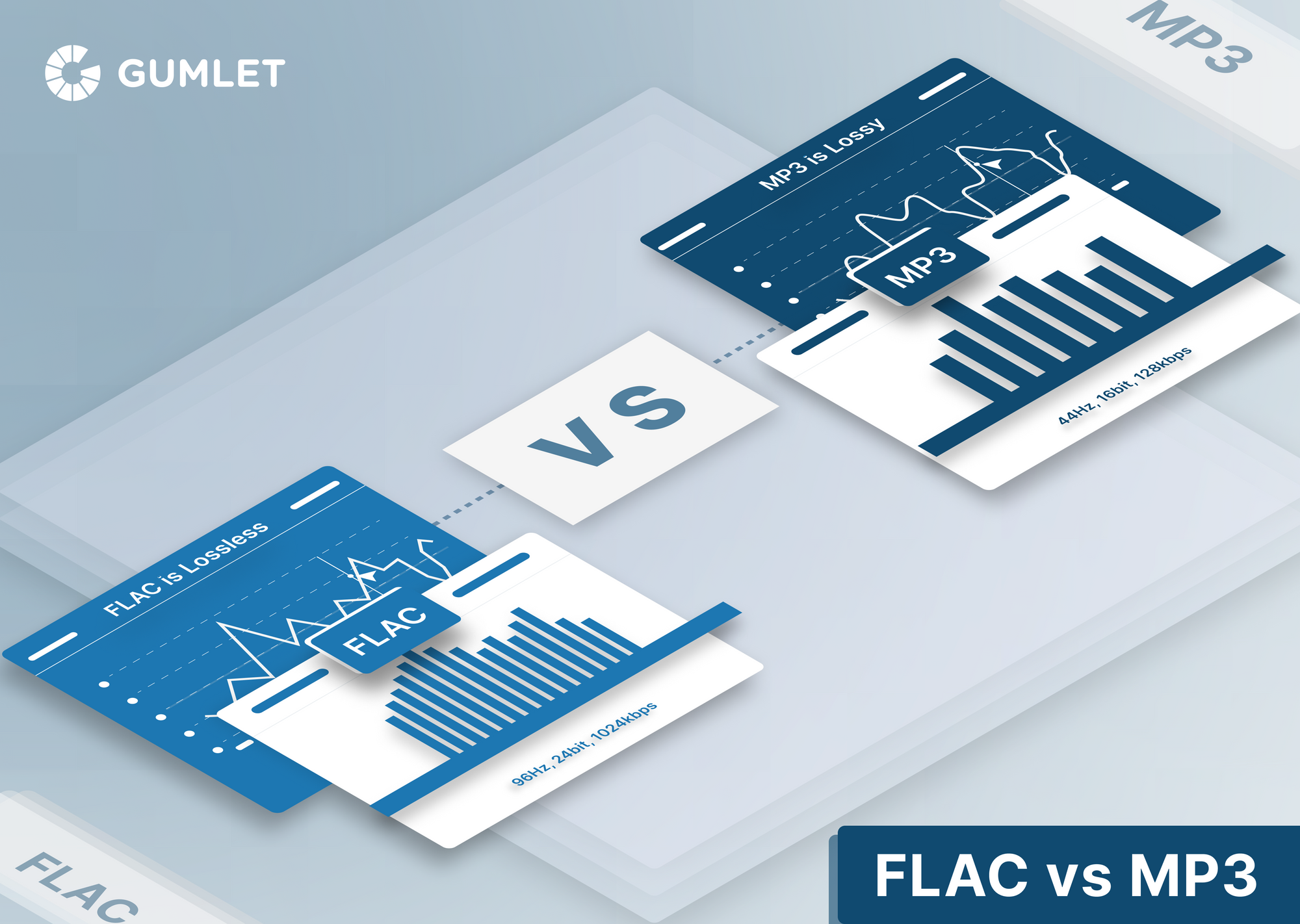
  1. Lossless Compression: Lossless compression algorithms, such as FLAC (Free Lossless Audio Codec), reduce file sizes without compromising audio quality. They achieve this by eliminating redundant data and optimizing the file structure. FLAC is a favorite among audiophiles as it retains high-quality audio while saving space.
  2. Lossy Compression: Lossy compression formats like MP3 and AAC sacrifice some audio quality to achieve significantly smaller file sizes. They do so by removing audio data that may not be perceptible to the human ear, resulting in smaller files but a potential loss in audio fidelity.
  3. Variable Bitrate (VBR): VBR encoding adjusts the bitrate dynamically based on the complexity of the audio content. In simpler parts of the audio, it uses a lower bitrate to save space, while it uses a higher bitrate for more complex segments, preserving audio quality where it matters most.

Reducing audio file size

Reducing the size of audio files can be essential for various reasons, such as conserving storage space or improving the efficiency of data transmission. Here are some strategies to effectively reduce audio file sizes:

  1. Bitrate Adjustment: Lowering the bitrate of an audio file decreases its size but can lead to a noticeable loss in audio quality. Finding the right balance between file size and audio quality is crucial.
  2. Choosing the Right Audio Format: The choice of audio format can significantly impact file size. Formats like MP3 and AAC offer good compression ratios while maintaining acceptable audio quality, making them suitable for various purposes, including streaming and mobile devices.
  3. Efficient Audio Encoding: Using efficient encoding techniques and algorithms can help reduce the file size without compromising audio quality. Advanced audio codecs and encoding settings can make a significant difference in achieving optimal compression.

Minimizing audio file size

Minimizing audio file size is essential for optimizing storage and ensuring smooth audio streaming. Here are some additional tips to achieve this:

  1. Removing Unnecessary Data: Eliminating metadata and unused audio tracks can trim down the file size without affecting the core audio content. This is particularly useful for audio files with extensive metadata.
  2. Space-Saving Audio Formats: Some audio formats, such as Opus, are known for their efficient compression algorithms. Consider using these space-saving formats when file size reduction is a priority.

By implementing these audio compression techniques and file size reduction strategies, you can optimize your audio files for various purposes while maintaining acceptable audio quality. Whether you’re streaming music, archiving audio recordings, or simply looking to save storage space, these techniques will help you strike the right balance between size and quality.

Final Words

Optimizing audio file sizes is a valuable skill in today’s digital age. It allows you to make the most of your storage space and ensures efficient audio streaming and sharing. Remember that the choice of compression method and encoding settings should align with your specific needs and priorities. Whether you prioritize audio quality or file size, there’s an optimization strategy that suits your requirements.

The Benefits of Using Opus Audio Codec

The Benefits of Using Opus Audio Codec

Opus Audio Codec
Opus Audio Codec
Opus Audio Codec
Opus Audio Codec

High-Quality Audio with Opus Codec

Opus Audio Codec is a high-quality codec that provides superior sound quality at lower bitrates than other codecs. The Opus Codec uses a combination of techniques such as variable bitrate encoding, prediction, and perceptual noise shaping to achieve this high quality. I have personally used Opus Audio Codec and can attest to its sound quality. It’s perfect for music streaming or any other audio-related applications.
As the book “Master Handbook of Acoustics” by F. Alton Everest states, “The importance of high quality sound cannot be overstated. It affects our enjoyment of music, our understanding of speech, and our overall appreciation of the environment.” Opus Audio Codec provides excellent sound quality that allows us to fully appreciate the beauty of music and the clarity of speech.

Efficient Audio Compression with Opus Codec

Opus Codec is not only high quality but also highly efficient. It uses compression techniques that can reduce the file size of audio files without sacrificing sound quality. This means that Opus Audio Codec can compress audio files to smaller sizes than other codecs while maintaining the same high-quality sound. This is especially useful for streaming or storing large amounts of audio files.
As the movie “The Social Network” famously quotes, “We don’t even know what it is yet. We don’t know what it can be. We don’t know what it will be. We know that it is cool.” Opus Audio Codec is indeed cool, with its highly efficient audio compression that can save us storage space and bandwidth.

Opus Audio Codec for Streaming

Opus Audio Codec is perfect for streaming applications because of its high quality and efficient compression. With Opus Audio Codec, we can stream high-quality audio with low latency and minimal buffering. This means that users can enjoy smooth, uninterrupted audio streaming even with limited bandwidth.
I have used Opus Audio Codec for streaming music, and I was amazed at how seamlessly the music played without any interruption. Opus Audio Codec is a game-changer for streaming audio, and I highly recommend it.

Final Words:
In conclusion, Opus Audio Codec provides high-quality audio with efficient compression, making it perfect for various audio-related applications. As an audio professional, I can say that Opus Audio Codec is one of the best codecs out there. If you’re looking for a codec that provides superior sound quality, efficient compression, and seamless streaming, Opus Audio Codec is the way to go.

Audio Streaming

Audio Streaming

Audio Streaming
Audio Streaming
Audio Streaming
Audio Streaming

Audio Streaming Introduction

Audio streaming is the process of delivering audio content over the internet in real-time. It has revolutionized the way we consume audio content, providing users with instant access to a vast library of music, podcasts, and other audio content from anywhere in the world. Today, audio streaming has become a staple in our daily lives, with millions of people around the globe using audio streaming services on a daily basis.

The Evolution of Audio Streaming

Audio streaming has come a long way since its inception in the 1990s. Back then, audio streaming was limited by slow internet speeds, poor audio quality, and a lack of available content. However, with the advent of high-speed internet, advancements in audio compression technology, and the proliferation of smartphones and other mobile devices, audio streaming has exploded in popularity over the past decade.

Today, there are countless audio streaming services available, catering to every taste and preference. From music streaming services like Spotify, Apple Music, and Tidal, to podcast streaming services like Stitcher and Pocket Casts, there is an audio streaming service for everyone.

The Benefits of Audio Streaming

There are many benefits to using audio streaming services. For one, audio streaming allows users to access a vast library of content from anywhere in the world, at any time. This means that users can listen to their favorite music or podcast while commuting, working out, or just relaxing at home.

Audio streaming services also offer personalized recommendations based on a user’s listening history, allowing users to discover new content that they might not have otherwise found. Additionally, many audio streaming services offer offline listening, which allows users to download their favorite content for offline playback when they don’t have access to the internet.

The Future of Audio Streaming

As internet speeds continue to increase and technology continues to advance, the future of audio streaming looks bright. We can expect to see continued growth in the number of audio streaming services available, as well as improvements in audio quality, personalization, and content discovery.

Additionally, the rise of smart speakers and voice assistants like Amazon Alexa and Google Assistant has opened up new opportunities for audio streaming. In the future, we can expect to see more integration between audio streaming services and smart home devices, allowing users to control their audio playback using their voice.

Conclusion

Audio streaming has revolutionized the way we consume audio content, providing us with instant access to a vast library of music, podcasts, and other audio content from anywhere in the world. With advancements in technology and internet speeds, we can expect to see continued growth in the popularity of audio streaming in the years to come.

And as a side note, we recommend using MP4Gain to improve the quality of your audio streaming experience.

FAQ

What is the difference between audio streaming and downloading?

Audio streaming involves listening to audio content in real-time over the internet, while downloading involves saving a copy of the content to your device for offline playback. With streaming, you don’t need to download the content to your device, saving storage space and allowing you to access a vast library of content without taking up space on your device.

Are audio streaming services free?

Many audio streaming services offer both free and paid options. Free options typically come with ads and limited features, while paid options offer ad-free listening, higher quality audio, and additional features like offline playback.

What is the best audio streaming service?

There is no one-size-fits-all answer to this question, as the best audio streaming service depends on your personal preferences and needs. Some factors to consider when choosing an audio streaming service include the available content, sound quality, user interface, price, and device compatibility.

Content availability is one of the most important factors to consider when choosing an audio streaming service. Some services offer a more extensive music library than others, and the availability of specific genres or artists can vary. You should also consider if the streaming service has exclusive content, such as live sessions, concerts, or podcasts that may interest you.

Another important factor is sound quality. If you’re an audiophile or someone who values high-quality sound, you should choose a streaming service that offers lossless or high-fidelity audio. However, keep in mind that higher sound quality often comes with higher prices.

User interface and ease of use are also essential considerations. A user-friendly interface can make your experience more enjoyable and intuitive. Look for a streaming service that offers personalized recommendations and curated playlists that cater to your music preferences.

Price is also an important factor. While some streaming services offer free access, they may come with ads and limited features. Paid subscription services, on the other hand, offer more features, higher quality sound, and ad-free listening experiences. However, the cost of these services can vary significantly, so it’s important to consider your budget.

Lastly, device compatibility is essential. Make sure the streaming service you choose is compatible with your devices, including your smartphone, tablet, and smart speakers. Some services may also have limitations on the number of devices you can use simultaneously.

Overall, when choosing an audio streaming service, it’s important to consider your individual preferences and needs. Take advantage of free trials and explore different services to find the one that works best for you.