FLAC Adaptive Bitrate Control in FLAC Audio Streaming
FLAC Adaptive Bitrate Control in FLAC Audio Streaming
Let’s talk about FLAC Adaptive Bitrate Control in FLAC Audio Streaming
As an expert in audio streaming technology, I’m thrilled to explore the revolutionary concept of FLAC adaptive bitrate control within FLAC audio streaming. This innovative approach to audio streaming represents a significant advancement in optimizing audio quality while ensuring seamless playback across various network conditions. Imagine enjoying your favorite tunes without interruptions, regardless of fluctuating internet speeds. With FLAC adaptive bitrate control, that dream becomes a reality.
The Science Behind FLAC Adaptive Bitrate Control
FLAC adaptive bitrate control leverages sophisticated algorithms to dynamically adjust the bitrate of audio streams based on network conditions and device capabilities. By continuously monitoring factors such as available bandwidth and network stability, FLAC streaming platforms can deliver an uninterrupted listening experience without sacrificing audio quality. This adaptive approach ensures that listeners receive the highest possible audio fidelity while minimizing buffering and playback issues.
Key Features of FLAC Adaptive Bitrate Control
Real-time bitrate adjustment based on network conditions.
Seamless transition between different bitrate streams.
Optimized audio quality across various devices and network connections.
Efficient use of network resources for uninterrupted playback.
Integration of FLAC Adaptive Bitrate Control in FLAC Audio Streaming
Now, let’s delve into how FLAC adaptive bitrate control is integrated into FLAC audio streaming platforms to enhance the listening experience. By analyzing network conditions in real-time, FLAC streaming services can dynamically switch between different bitrate streams to ensure optimal playback quality. Whether you’re streaming music on a crowded Wi-Fi network or using a spotty cellular connection, FLAC adaptive bitrate control adjusts seamlessly to deliver uninterrupted audio playback.
Benefits of FLAC Adaptive Bitrate Control
Consistent audio quality across varying network conditions.
Reduced buffering and playback interruptions.
Improved user satisfaction and retention.
Compatibility with a wide range of devices and platforms.
Latest words on FLAC Adaptive Bitrate Control in FLAC Audio Streaming
In conclusion, FLAC adaptive bitrate control represents a groundbreaking advancement in audio streaming technology, offering a solution to the challenges posed by fluctuating network conditions. By dynamically adjusting audio bitrate in real-time, FLAC streaming platforms ensure a seamless listening experience for users, regardless of their network environment. With FLAC adaptive bitrate control, the future of audio streaming looks brighter than ever.
Comments:
This article provided valuable insights into the benefits of FLAC adaptive bitrate control. I’m excited to see how it improves my streaming experience!
As someone who frequently experiences buffering issues while streaming music, I’m eager to try out FLAC adaptive bitrate control. Thanks for the informative article!
Could you elaborate more on the technical aspects of how FLAC adaptive bitrate control works? I’m curious about the algorithms behind it.
FLAC adaptive bitrate control seems like a game-changer for audio streaming platforms. I appreciate the thorough explanation provided in this article!
As a music enthusiast, I’m always looking for ways to enhance my listening experience. FLAC adaptive bitrate control sounds like the perfect solution!
This article convinced me to give FLAC streaming a try. I’m excited to see how adaptive bitrate control improves my music listening sessions!
The debate between FLAC and MP3 often revolves around audio quality. FLAC, being a lossless format, preserves all the original audio data, ensuring a higher fidelity listening experience compared to MP3, which employs lossy compression, sacrificing some quality for smaller file sizes. While MP3 is more common due to its compact size, FLAC’s superiority shines through when audio quality is paramount. In terms of audio fidelity, author Alan Parsons eloquently states, “Art is anything you can get away with… destroy it all.” – Alan Parsons
How do I convert to FLAC format?
Converting audio to FLAC format is straightforward. Numerous tools are available, allowing you to transcode your existing audio files into the FLAC format without compromising quality. These tools vary from dedicated audio converters to multimedia software packages. Some popular options include freeware like Audacity or dedicated conversion tools like dBpoweramp. Regardless of the tool you choose, the conversion process typically involves importing your audio file, selecting the FLAC format, and initiating the conversion process.
What is lossless audio?
Lossless audio, exemplified by the FLAC format, preserves the original quality of an audio recording during compression and decompression. This means that when you play a FLAC file, you hear the exact same sound as the original recording. The key difference between lossless and lossy formats, such as MP3, lies in the data discarded during compression. Lossy formats remove certain audio data to reduce file size, whereas lossless formats retain all the audio information. Lossless audio ensures that every note, every whisper, and every instrument is faithfully reproduced, offering a listening experience akin to being in the recording studio.
Does FLAC work on all devices?
FLAC’s versatility is a significant advantage. While not all devices natively support FLAC, the format is widely compatible across various platforms. Many media players, such as VLC and Foobar2000, readily handle FLAC files. Moreover, some high-end portable audio players and smartphones cater to audiophiles and support FLAC playback. However, in cases where FLAC isn’t directly supported, users can easily convert their FLAC files to formats like ALAC (Apple Lossless) for seamless playback on Apple devices.
How to play FLAC files?
Playing FLAC files is a straightforward process. As mentioned earlier, numerous media players support FLAC playback. If you’re using a computer, you can use popular media players like VLC, which handles a variety of audio and video formats, including FLAC. Additionally, there are specialized audio players that cater to audiophiles, offering enhanced audio quality and support for high-resolution FLAC files. Whether you’re on a desktop, laptop, or smartphone, enjoying FLAC files is just a few clicks away.
Are FLAC files larger?
Yes, FLAC files are larger compared to their lossy counterparts like MP3. This is because FLAC retains all the original audio data, resulting in higher audio quality. While the larger file size might be a concern for those with limited storage space, the trade-off is unparalleled audio fidelity. As the saying goes, “The sweetest melodies are those that are broken.” – Jack Kerouac For audiophiles and those who prioritize audio quality, the larger file size is a small price to pay for an immersive listening experience.
What is FLAC used for?
FLAC finds its use in various scenarios. It is a preferred format for archiving audio collections, ensuring that the original quality is maintained over time. Moreover, FLAC is commonly employed in music production and recording, where audio fidelity is crucial. Musicians, producers, and audio engineers often choose FLAC to ensure that their work is preserved with the utmost accuracy. Additionally, the format is embraced by audiophiles who demand the highest standard of audio quality in their listening experience.
How to create FLAC files?
Creating FLAC files is a straightforward process, especially with the abundance of available tools. If you’re producing music or working with audio recordings, digital audio workstations (DAWs) like Ableton Live, Logic Pro, or FL Studio often provide the option to export or render audio in the FLAC format. Additionally, dedicated audio conversion software allows you to transcode your existing audio files into FLAC without losing quality. The process usually involves selecting the desired files, choosing FLAC as the output format, and initiating the conversion.
Is FLAC the best audio format?
Determining the “best” audio format depends on your priorities. If audio quality is your top concern, then FLAC stands out as an exceptional choice due to its lossless compression. FLAC ensures that you experience music as the artist intended, with every detail meticulously preserved. However, factors like compatibility and storage space also play a role. If you value convenience and smaller file sizes, lossy formats like MP3 might be more suitable. The “best” audio format ultimately varies based on individual preferences and needs.
FLAC vs. WAV: Which is better?
FLAC and WAV are both lossless audio formats that prioritize audio quality. The main difference lies in how they handle metadata and file size. FLAC supports metadata embedding, making it an excellent choice for organized music libraries. WAV, on the other hand, lacks built-in metadata support but maintains compatibility with a wide range of devices. When choosing between the two, consider your usage scenario. If you’re archiving music and want metadata, FLAC is ideal. If you need maximum compatibility and aren’t concerned about metadata, WAV might be more suitable.
Final Words
In the realm of digital audio, the FLAC format reigns supreme for those who demand the highest level of audio fidelity. Its ability to faithfully preserve the intricate details of a musical composition ensures an unparalleled listening experience. As technology advances, the FLAC format continues to be a symbol of the unwavering pursuit of sonic excellence. Whether you’re an audiophile, a music producer, or a casual listener, exploring the world of FLAC can elevate your appreciation for the art of sound.
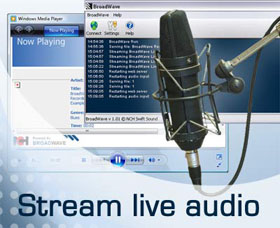
Audio streaming is the process of delivering audio content over the internet in real-time. It has revolutionized the way we consume audio content, providing users with instant access to a vast library of music, podcasts, and other audio content from anywhere in the world. Today, audio streaming has become a staple in our daily lives, with millions of people around the globe using audio streaming services on a daily basis.
The Evolution of Audio Streaming
Audio streaming has come a long way since its inception in the 1990s. Back then, audio streaming was limited by slow internet speeds, poor audio quality, and a lack of available content. However, with the advent of high-speed internet, advancements in audio compression technology, and the proliferation of smartphones and other mobile devices, audio streaming has exploded in popularity over the past decade.
Today, there are countless audio streaming services available, catering to every taste and preference. From music streaming services like Spotify, Apple Music, and Tidal, to podcast streaming services like Stitcher and Pocket Casts, there is an audio streaming service for everyone.
The Benefits of Audio Streaming
There are many benefits to using audio streaming services. For one, audio streaming allows users to access a vast library of content from anywhere in the world, at any time. This means that users can listen to their favorite music or podcast while commuting, working out, or just relaxing at home.
Audio streaming services also offer personalized recommendations based on a user’s listening history, allowing users to discover new content that they might not have otherwise found. Additionally, many audio streaming services offer offline listening, which allows users to download their favorite content for offline playback when they don’t have access to the internet.
The Future of Audio Streaming
As internet speeds continue to increase and technology continues to advance, the future of audio streaming looks bright. We can expect to see continued growth in the number of audio streaming services available, as well as improvements in audio quality, personalization, and content discovery.
Additionally, the rise of smart speakers and voice assistants like Amazon Alexa and Google Assistant has opened up new opportunities for audio streaming. In the future, we can expect to see more integration between audio streaming services and smart home devices, allowing users to control their audio playback using their voice.
Conclusion
Audio streaming has revolutionized the way we consume audio content, providing us with instant access to a vast library of music, podcasts, and other audio content from anywhere in the world. With advancements in technology and internet speeds, we can expect to see continued growth in the popularity of audio streaming in the years to come.
And as a side note, we recommend using MP4Gain to improve the quality of your audio streaming experience.
FAQ
What is the difference between audio streaming and downloading?
Audio streaming involves listening to audio content in real-time over the internet, while downloading involves saving a copy of the content to your device for offline playback. With streaming, you don’t need to download the content to your device, saving storage space and allowing you to access a vast library of content without taking up space on your device.
Are audio streaming services free?
Many audio streaming services offer both free and paid options. Free options typically come with ads and limited features, while paid options offer ad-free listening, higher quality audio, and additional features like offline playback.
What is the best audio streaming service?
There is no one-size-fits-all answer to this question, as the best audio streaming service depends on your personal preferences and needs. Some factors to consider when choosing an audio streaming service include the available content, sound quality, user interface, price, and device compatibility.
Content availability is one of the most important factors to consider when choosing an audio streaming service. Some services offer a more extensive music library than others, and the availability of specific genres or artists can vary. You should also consider if the streaming service has exclusive content, such as live sessions, concerts, or podcasts that may interest you.
Another important factor is sound quality. If you’re an audiophile or someone who values high-quality sound, you should choose a streaming service that offers lossless or high-fidelity audio. However, keep in mind that higher sound quality often comes with higher prices.
User interface and ease of use are also essential considerations. A user-friendly interface can make your experience more enjoyable and intuitive. Look for a streaming service that offers personalized recommendations and curated playlists that cater to your music preferences.
Price is also an important factor. While some streaming services offer free access, they may come with ads and limited features. Paid subscription services, on the other hand, offer more features, higher quality sound, and ad-free listening experiences. However, the cost of these services can vary significantly, so it’s important to consider your budget.
Lastly, device compatibility is essential. Make sure the streaming service you choose is compatible with your devices, including your smartphone, tablet, and smart speakers. Some services may also have limitations on the number of devices you can use simultaneously.
Overall, when choosing an audio streaming service, it’s important to consider your individual preferences and needs. Take advantage of free trials and explore different services to find the one that works best for you.
As technology continues to advance, so too does the way in which we consume media. For music lovers, this means access to high-quality audio formats that deliver a listening experience unlike any other. In recent years, FLAC has emerged as the go-to format for audiophiles who demand the best possible sound quality. In this article, we’ll explore the history and characteristics of the lossless audio format FLAC, and explain why it’s the best choice for audiophiles.
What is FLAC?
FLAC stands for Free Lossless Audio Codec, and as the name suggests, it’s a type of audio compression that doesn’t lose any data during the encoding process. This is in contrast to lossy audio formats like MP3, which use compression algorithms that discard some of the audio data in order to reduce the file size. FLAC files are typically about half the size of the original uncompressed audio file, but retain all of the audio data.
History of FLAC
FLAC was first introduced in 2000 by Josh Coalson, who was looking for a way to compress audio without losing any of the data. It quickly gained popularity among audiophiles who were tired of the limitations of lossy audio formats like MP3. Today, FLAC is widely used by music enthusiasts and professionals alike, and is supported by a wide range of software and hardware.
How FLAC Works
FLAC uses a process called linear prediction to compress audio data without losing any of the information. Essentially, this means that FLAC predicts what the next sample in the audio stream will be based on the previous samples, and then encodes the difference between the prediction and the actual sample. This allows FLAC to achieve a compression ratio of around 50%, while retaining all of the original audio data.
FLAC vs. Other Audio Formats
One of the key advantages of FLAC over other lossless audio formats is its wide compatibility. FLAC is supported by a wide range of software and hardware, including media players, smartphones, and streaming services. This makes it a convenient choice for audiophiles who want to listen to high-quality music on the go.
Another advantage of FLAC is its ability to support high-resolution audio. FLAC files can be encoded with a higher frequency of sampling, higher bit depth, and higher channel count than other lossless audio formats. This means that FLAC can reproduce the full range of sounds that were present in the original recording, even at very high volumes.
Technical Aspects of FLAC
FLAC supports a range of technical specifications that affect the quality of the audio. These include:
Sampling Frequency
Sampling frequency refers to the number of samples of audio taken per second, and is measured in Hertz (Hz). The higher the sampling frequency, the more accurate the audio reproduction. FLAC supports sampling frequencies up to 655,350 Hz, which is more than enough to capture even the most subtle nuances of the music.
Bit Depth
Bit depth refers to the number of bits used to represent each sample in the audio stream. The higher the bit depth, the more accurate the representation of the audio waveform. FLAC supports bit depths up to 32 bits, which allows for a high level of detail in the audio reproduction.
Channel Count
Channel count refers to the number of independent audio channels in the audio stream. FLAC supports up to 8 channels, which allows for a rich and immersive listening experience.
Audio Processing in FLAC
In addition to the technical aspects of FLAC, there are also a number of audio processing features that can affect the quality of the audio. These include:
Equalization
Equalization refers to the
conitnua donde te quedaste que fue en Equalization Equalization refers to the
adjustment of frequency response of an audio signal. In other words, it is the process of changing the balance between frequency components within an audio signal. Equalization can be used to enhance the overall sound quality of an audio file, making it more pleasing to the listener’s ear.
When it comes to FLAC, equalization can be used to enhance the sound quality of an audio file without compromising its lossless quality. This is because FLAC is capable of storing metadata about the file’s equalization, which can be used by software and hardware players to reproduce the file with the intended frequency balance.
Additionally, FLAC supports a wide range of equalization options, including graphic equalization, parametric equalization, and shelving filters. Each of these options allows users to fine-tune the frequency balance of the audio signal to their liking.
It is important to note, however, that equalization can also have a negative impact on the quality of an audio file if not used correctly. Overuse of equalization can result in distortion or a loss of detail in the audio signal. As such, it is important to use equalization in moderation and with a trained ear.
ReplayGain
ReplayGain is a technique used to normalize the volume of audio files. It is particularly useful when listening to a collection of audio files with varying loudness levels, as it ensures that each file is played at a consistent volume.
There are two types of ReplayGain: track gain and album gain. Track gain normalizes the volume of an individual audio file, while album gain normalizes the volume of an entire album. ReplayGain works by analyzing the volume of an audio file and applying gain adjustments to achieve a desired playback level.
FLAC supports ReplayGain metadata, which can be used by software and hardware players to automatically adjust the volume of audio files during playback. This means that users can listen to their FLAC collection without having to constantly adjust the volume between tracks.
Recommended Hardware
It is worth noting, however, that not all hardware and software players are created equal when it comes to FLAC playback. Some players may not support certain FLAC features, such as ReplayGain or equalization metadata, which can result in a loss of quality or functionality. As such, it is important to research and choose a player that supports all the features you require for optimal FLAC playback.
Obtaining FLAC Files
One of the main challenges with FLAC is obtaining audio files in this format. While FLAC is becoming more popular, it is still not as widely used as other formats such as MP3 or AAC.
There are a variety of sources for obtaining FLAC files, including music streaming services, online music stores, and community-driven FLAC repositories. When obtaining FLAC files, it is important to ensure that the files are encoded properly and are of high quality to ensure optimal playback.
Conclusion
In conclusion, FLAC is the best option for audiophiles who want the highest quality audio possible. Its lossless compression, support for high-resolution audio, and ability to store metadata about equalization and ReplayGain make it the ideal format for those who are serious about audio quality.
When using FLAC, it is important to understand the technical aspects of the format, including compression settings, frequency of sampling, and bit depth, to ensure optimal playback quality. Additionally, proper use of equalization and ReplayGain can further enhance the sound quality of FLAC files.
Finally, choosing the right software and hardware for playing FLAC files can make a big difference in the audio quality. Many media players, both hardware and software, support FLAC, but not all of them are created equal. Some may not have the necessary processing power or DAC to handle high-quality FLAC files, while others may not support all of the features of the format.
When it comes to hardware, audiophiles may want to consider investing in a high-quality DAC (digital-to-analog converter) to achieve the best possible audio quality. Some DACs even come with built-in support for FLAC playback and can be connected to a computer or mobile device to play FLAC files.
In conclusion, FLAC is the best audio format for audiophiles due to its lossless compression, high resolution, and support for advanced audio features like equalization and replay gain. While the files may be larger than other formats like MP3, the improved audio quality is worth it for those who value a pristine listening experience. By using the right software and hardware, listeners can enjoy the full benefits of the FLAC format and immerse themselves in their favorite music like never before.
FLAC stands for Free Lossless Audio Codec and is becoming increasingly popular for music streaming. Unlike MP3 and other lossy formats, FLAC preserves the original quality of the music and does not compromise on the sound quality. This makes it the perfect choice for music lovers who want to experience their favorite tracks in the best possible quality.
Why FLAC is the Future of Music Streaming
Why is FLAC Better than MP3?
When music is compressed into MP3 format, some of the data is lost. This can result in a noticeable difference in the sound quality, especially if you have high-quality audio equipment. FLAC, on the other hand, is a lossless format, meaning that no data is lost during the compression process. This means that the sound quality is exactly the same as the original recording, giving you the full, rich sound that the artist intended.
Another advantage of FLAC is that it offers a higher level of compression compared to MP3, making it possible to store more music on your device without taking up too much space. This is especially important for music lovers who have a large collection of tracks and want to keep them all in one place.
Why is FLAC the Future of Music Streaming?
As technology continues to advance, music lovers are demanding higher-quality audio and FLAC is the perfect solution. With the popularity of high-end audio equipment, such as headphones and speakers, the demand for high-quality music is only going to increase. FLAC offers the perfect combination of high-quality audio and efficient compression, making it the ideal choice for music streaming services.
Music streaming services that offer FLAC as a format have already seen an increase in popularity among music lovers who want to enjoy their favorite tracks in the best possible quality. Additionally, with the rise of high-speed internet and powerful smartphones, it is now possible to stream high-quality music on the go, making FLAC a convenient option for anyone who wants to enjoy their music on the move.
How Does FLAC Benefit Music Lovers?
For music lovers, FLAC offers a number of benefits. Firstly, it provides a high-quality listening experience, allowing you to enjoy your favorite tracks in the best possible quality. Secondly, FLAC is a versatile format that can be played on a range of devices, from computers and smartphones to home entertainment systems. This means that you can enjoy your music wherever you go, without having to worry about compatibility issues.
Finally, FLAC is a cost-effective solution for music lovers. With the rise of music streaming services, there is no longer any need to buy CDs or download individual tracks. Instead, you can subscribe to a service that offers FLAC as a format and enjoy a huge library of high-quality music for a low monthly fee.
Conclusion
FLAC is the future of music streaming and is the perfect choice for music lovers who want to experience their favorite tracks in the best possible quality. With its combination of high-quality audio and efficient compression, FLAC is sure to become the go-to format for music streaming services and music lovers alike. If you’re looking for the best solution to improve your music experience, look no further than Mp4Gain.
At the end of the 90s the engineer Leonardo Chiariglione together with Hiroshi Yasuda founded the MPEG group, creator of the MP3 audio compression algorithm that revolutionized the world of audio. Since then, music has become “liquid” and no longer needs a physical medium such as cd, disk, cassette to listen to the songs.
MP3 audio files began to invade the world thanks to the Internet and sharing programs like Napster. The mp3 had the merit of “compressing” the volume of files that could be shared even with those who did not have much bandwidth, even with a 56K modem. The audio quality was excellent, but for audiophiles it was not enough. At this point the FLAC enters the scene.
FLAC (Free Lossless Audio Codec) is a music file format that offers perfect copies of a music CD, but at half its size. It is compatible with many phones (including iPhone, with an app), portable MP3 music players, CD players, and hi-fi stereos. FLAC files are available for roughly the same price as the MP3 equivalent in online stores and they sound much better.
Today, almost all record labels sell songs in this format online and consumers can purchase lossless music from leading independent artists.
flac
FLAC first appeared in 2001 as an open source alternative to other lossless formats that emerged at the time. These include Apple Lossless (ALAC), Microsoft WAV (Waveform Audio Format), and WMA Lossless. But these formats had drawbacks. While ALAC has a loyal following among iPod and iPhone users, it hasn’t had much circulation outside of Apple products.
The WAV format is very popular among Windows users and is compatible with iOS devices, but the problem is the file size, they are very large and cannot contain the “tag” data: artist, album name, lyrics , etc. .
The FLAC format not only supports tags, but is also compatible with most music players. Apple is the only real obstacle, because while in 2017 there was talk of hardware support on both the iPhone 8 and X, in the end nothing was done. However, there are simple solutions for both iOS and Mac users.
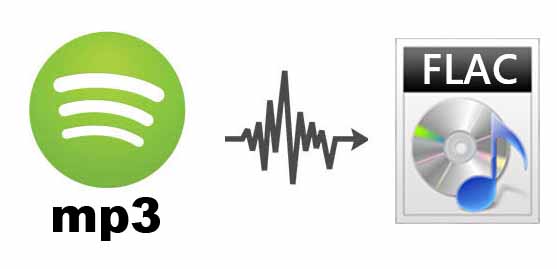
WHAT IS THE DIFFERENCE BETWEEN MP3 AND FLAC?
MP3 is a lossy format, which means that parts of the music are removed to reduce the file size. It is supposed to use “psychoacoustics” to remove overlapping sounds, but it is not always successful. Drum cymbals, reverb, and guitars are generally the sounds most affected by MP3 compression and can sound really distorted when too much compression is applied, especially when it goes below 128 kbps.
Like MP3, FLAC has been embraced by the music industry as a cost-effective way to distribute CD-quality music and does not have the hearing impairments of MP3s. The FLAC is lossless, it is similar to a ZIP file, it is almost the same as the original when unzipped. Previously, the only way to get files “lossless” was through the uncompressed CD formats CDA or WAV, but neither is as space efficient as FLAC.
HOW MUCH SPACE DOES THE FLAC TAKE UP?
While FLAC files are up to six times the size of an MP3, they are half the size of a CD and can have the same increase in audio quality. Also, FLAC is not limited to just 16 bits (CD quality), it can go up to 24 bits / 192 kHz.
But regardless of whether you are using 16-bit or 24-bit quality files, FLAC has become a standard in the field of music. Despite competition from proprietary formats like MQA and DSD, FLAC remains competitive.
The name comes from the acronym of its name Windows Media Audio, which as we mentioned is the format of music files owned by the company Microsoft. One of the fundamental characteristics of this format is that those files that have been compressed in WMA format are smaller than MP3s, and therefore their quality decreases, although it retains certain parameters for the care of data integrity and quality .
That is why it is considered that Windows Media Audio is a lossy audio compression format, although it continues to be one of the main competencies of MP3, due to its wide spread, especially on the web.
It is usually a format that is often used on various websites for pre-listening or sampling of music, but it is also usually included in some models of portable digital music players.
On the other hand, for years it is the format par excellence in the tasks related to audio within the Windows operating system, which includes by default the Windows Media Player.
It should be noted that due to its frequent use, in recent years the majority of PC audio players include the necessary codecs to allow WMA playback.
However, the MP3 continues to be the market leader in digital audio formats, since WMA has not been able to capture the attention of users because it has a security infrastructure that protects copyright and Copyright, so it is not usually used for downloads on P2P networks.
On the other hand, it is important to mention that the WMA is closely linked to two other formats, the Windows Media Video, known as WMV, and the Advanced Streaming Format, more popular by its acronym ASF.
Digital audio formats: FLAC
The word FLAC refers to the acronym of the English name Free Lossless Audio Codec, that is to say, codec free of lossless audio compression, which indicates that we are facing one of the audio formats that prioritizes quality before the size of records.
Emerged within the community responsible for the Ogg project, FLAC has recently become one of the strongest competitors in the WAV format, due to its advantages in sound quality.
As it works by preventing loss of audio quality, the FLAC only manages to reduce the size of the original sound files by a third of the original size, because it retains the information contained in the original file, depending on the file that will be Processed by this method.
In this sense, it is important to mention that as with the rest of the formats without loss, in FLAC the final quality of the file depends largely on the musical style, its complexity and the sound variety, which characterize the own sound file
However, it should be noted that the FLAC system has been designed precisely to compress audio, so the resulting files tend to be smaller compared to the original files.
In short, what the FLAC compression system does is eliminate certain data from the source files, which are usually known as waste, without causing loss of quality.
Known for their “.flac” extension, files of this type can be played by a limited group of players that have the necessary codecs for it.







Comments:
This article provided valuable insights into the benefits of FLAC adaptive bitrate control. I’m excited to see how it improves my streaming experience!
As someone who frequently experiences buffering issues while streaming music, I’m eager to try out FLAC adaptive bitrate control. Thanks for the informative article!
Could you elaborate more on the technical aspects of how FLAC adaptive bitrate control works? I’m curious about the algorithms behind it.
FLAC adaptive bitrate control seems like a game-changer for audio streaming platforms. I appreciate the thorough explanation provided in this article!
As a music enthusiast, I’m always looking for ways to enhance my listening experience. FLAC adaptive bitrate control sounds like the perfect solution!
This article convinced me to give FLAC streaming a try. I’m excited to see how adaptive bitrate control improves my music listening sessions!