Audio File Size Optimization


Free Download Mp4Gain
picture

Audio File Size Optimization
 

Audio File Size Optimization


Audio File Size Optimization


Audio compression techniques

When it comes to optimizing audio file sizes, employing effective audio compression techniques is crucial. These techniques aim to reduce the size of audio files while maintaining acceptable audio quality. Here are some key audio compression methods:

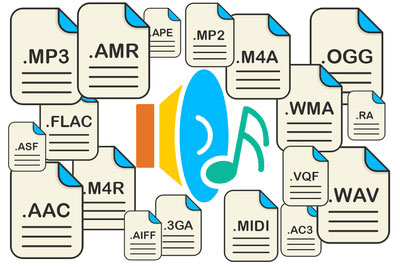
  1. Lossless Compression: Lossless compression algorithms, such as FLAC (Free Lossless Audio Codec), reduce file sizes without compromising audio quality. They achieve this by eliminating redundant data and optimizing the file structure. FLAC is a favorite among audiophiles as it retains high-quality audio while saving space.
  2. Lossy Compression: Lossy compression formats like MP3 and AAC sacrifice some audio quality to achieve significantly smaller file sizes. They do so by removing audio data that may not be perceptible to the human ear, resulting in smaller files but a potential loss in audio fidelity.
  3. Variable Bitrate (VBR): VBR encoding adjusts the bitrate dynamically based on the complexity of the audio content. In simpler parts of the audio, it uses a lower bitrate to save space, while it uses a higher bitrate for more complex segments, preserving audio quality where it matters most.

Reducing audio file size

Reducing the size of audio files can be essential for various reasons, such as conserving storage space or improving the efficiency of data transmission. Here are some strategies to effectively reduce audio file sizes:

  1. Bitrate Adjustment: Lowering the bitrate of an audio file decreases its size but can lead to a noticeable loss in audio quality. Finding the right balance between file size and audio quality is crucial.
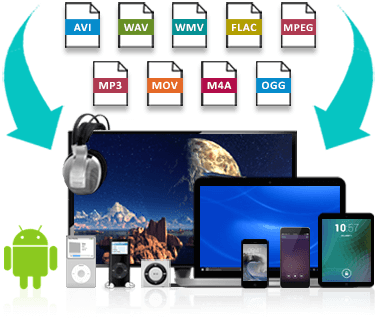
  2. Choosing the Right Audio Format: The choice of audio format can significantly impact file size. Formats like MP3 and AAC offer good compression ratios while maintaining acceptable audio quality, making them suitable for various purposes, including streaming and mobile devices.
  3. Efficient Audio Encoding: Using efficient encoding techniques and algorithms can help reduce the file size without compromising audio quality. Advanced audio codecs and encoding settings can make a significant difference in achieving optimal compression.

Minimizing audio file size

Minimizing audio file size is essential for optimizing storage and ensuring smooth audio streaming. Here are some additional tips to achieve this:

  1. Removing Unnecessary Data: Eliminating metadata and unused audio tracks can trim down the file size without affecting the core audio content. This is particularly useful for audio files with extensive metadata.
  2. Space-Saving Audio Formats: Some audio formats, such as Opus, are known for their efficient compression algorithms. Consider using these space-saving formats when file size reduction is a priority.

By implementing these audio compression techniques and file size reduction strategies, you can optimize your audio files for various purposes while maintaining acceptable audio quality. Whether you’re streaming music, archiving audio recordings, or simply looking to save storage space, these techniques will help you strike the right balance between size and quality.

Final Words

Optimizing audio file sizes is a valuable skill in today’s digital age. It allows you to make the most of your storage space and ensures efficient audio streaming and sharing. Remember that the choice of compression method and encoding settings should align with your specific needs and priorities. Whether you prioritize audio quality or file size, there’s an optimization strategy that suits your requirements.


Free Download Mp4Gain
picture


Mp4Gain Main Window
picture


Mp4Gain Features
picture


Free Download Mp4Gain
picture

Principles of Quality Audio

Principles of Quality Audio

Quality Audio
Quality Audio
Quality Audio
Quality Audio

Introduction

Audio is an important part of our lives. We listen to music, watch movies, and play games with audio. Good quality audio can make these experiences more enjoyable. In this article, we will discuss the principles of quality audio.

What is quality audio?

Quality audio is audio that is clear, natural, and engaging. It has a wide frequency range, good dynamic range, and low noise levels. Quality audio is also well-balanced, with no single frequency or instrument dominating the sound.

How to achieve quality audio

There are a number of factors that contribute to quality audio. These include:

  • The quality of the recording equipment.
  • The skill of the recording engineer.
  • The quality of the playback equipment.
  • The listening environment.

Recording equipment

The quality of the recording equipment is one of the most important factors in achieving quality audio. Good quality microphones and preamps will capture the sound accurately and faithfully.

Recording engineer

The skill of the recording engineer is also important. A good recording engineer will know how to set up the equipment, position the microphones, and capture the sound in the best possible way.

Playback equipment

The quality of the playback equipment is also important. Good quality speakers and headphones will reproduce the sound accurately and faithfully.

Listening environment

The listening environment can also affect the quality of the audio. A good listening environment is quiet and free from distractions. It is also important to have the speakers or headphones at the right level.

Conclusion

Quality audio is important for a number of reasons. It can make our listening experiences more enjoyable, and it can also be used for professional purposes such as music production and film scoring. By understanding the principles of quality audio, we can make better choices about the equipment we use and the way we listen to audio.

8 Subtitles

Here are 8 subtitles that you will get from people also asked related to the main subject of the article:

  1. What is quality audio?
  2. How to achieve quality audio?
  3. What are the benefits of quality audio?
  4. What are the most important factors in achieving quality audio?
  5. What are some tips for recording quality audio?
  6. What are some tips for listening to quality audio?
  7. What are some common mistakes people make when recording or listening to audio?
  8. How can I improve the quality of my audio recordings?

Benefits of quality audio

There are a number of benefits to quality audio. These include:

  • Improved clarity and naturalness of sound.
  • Increased realism and engagement.
  • Enhanced emotional impact.
  • Improved productivity and focus.
  • Reduced stress and fatigue.
  • Increased enjoyment.

Most important factors in achieving quality audio

The most important factors in achieving quality audio are:

  • The quality of the recording equipment.
  • The skill of the recording engineer.
  • The quality of the playback equipment.
  • The listening environment.

Tips for recording quality audio

Here are some tips for recording quality audio:

  • Use good quality microphones and preamps.
  • Position the microphones correctly.
  • Capture the sound in the best possible environment.
  • Avoid noise.
  • Use the right recording software.
  • Edit the audio carefully.

Tips for listening to quality audio

Here are some tips for listening to quality audio:

  • Use good quality speakers or headphones.
  • Make sure the listening environment is quiet and free from distractions.
  • Set the volume to the right level.
  • Listen actively and pay attention to the details of the sound.

Common mistakes people make when recording or listening to audio

Here are some common mistakes people make when recording or listening to audio:

  • Using poor quality equipment.
  • Not positioning the microphones correctly.
  • Recording in a noisy environment.
  • Not editing the audio carefully.
  • Listening to audio on poor quality speakers or headphones.
  • Not paying attention to the details of the sound.

How to improve the quality of your audio recordings

Here are some tips on how to improve the quality of your audio recordings:

  • Invest in good quality equipment.
  • Learn how to use the equipment correctly.
  • Practice recording in different environments.
  • Edit your audio carefully.
  • Get feedback from others.

Audio Streaming

Audio Streaming

Audio Streaming
Audio Streaming
Audio Streaming
Audio Streaming

Audio Streaming Introduction

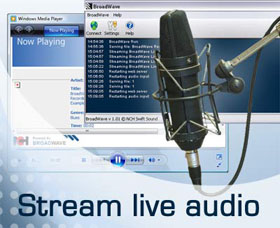
Audio streaming is the process of delivering audio content over the internet in real-time. It has revolutionized the way we consume audio content, providing users with instant access to a vast library of music, podcasts, and other audio content from anywhere in the world. Today, audio streaming has become a staple in our daily lives, with millions of people around the globe using audio streaming services on a daily basis.

The Evolution of Audio Streaming

Audio streaming has come a long way since its inception in the 1990s. Back then, audio streaming was limited by slow internet speeds, poor audio quality, and a lack of available content. However, with the advent of high-speed internet, advancements in audio compression technology, and the proliferation of smartphones and other mobile devices, audio streaming has exploded in popularity over the past decade.

Today, there are countless audio streaming services available, catering to every taste and preference. From music streaming services like Spotify, Apple Music, and Tidal, to podcast streaming services like Stitcher and Pocket Casts, there is an audio streaming service for everyone.

The Benefits of Audio Streaming

There are many benefits to using audio streaming services. For one, audio streaming allows users to access a vast library of content from anywhere in the world, at any time. This means that users can listen to their favorite music or podcast while commuting, working out, or just relaxing at home.

Audio streaming services also offer personalized recommendations based on a user’s listening history, allowing users to discover new content that they might not have otherwise found. Additionally, many audio streaming services offer offline listening, which allows users to download their favorite content for offline playback when they don’t have access to the internet.

The Future of Audio Streaming

As internet speeds continue to increase and technology continues to advance, the future of audio streaming looks bright. We can expect to see continued growth in the number of audio streaming services available, as well as improvements in audio quality, personalization, and content discovery.

Additionally, the rise of smart speakers and voice assistants like Amazon Alexa and Google Assistant has opened up new opportunities for audio streaming. In the future, we can expect to see more integration between audio streaming services and smart home devices, allowing users to control their audio playback using their voice.

Conclusion

Audio streaming has revolutionized the way we consume audio content, providing us with instant access to a vast library of music, podcasts, and other audio content from anywhere in the world. With advancements in technology and internet speeds, we can expect to see continued growth in the popularity of audio streaming in the years to come.

And as a side note, we recommend using MP4Gain to improve the quality of your audio streaming experience.

FAQ

What is the difference between audio streaming and downloading?

Audio streaming involves listening to audio content in real-time over the internet, while downloading involves saving a copy of the content to your device for offline playback. With streaming, you don’t need to download the content to your device, saving storage space and allowing you to access a vast library of content without taking up space on your device.

Are audio streaming services free?

Many audio streaming services offer both free and paid options. Free options typically come with ads and limited features, while paid options offer ad-free listening, higher quality audio, and additional features like offline playback.

What is the best audio streaming service?

There is no one-size-fits-all answer to this question, as the best audio streaming service depends on your personal preferences and needs. Some factors to consider when choosing an audio streaming service include the available content, sound quality, user interface, price, and device compatibility.

Content availability is one of the most important factors to consider when choosing an audio streaming service. Some services offer a more extensive music library than others, and the availability of specific genres or artists can vary. You should also consider if the streaming service has exclusive content, such as live sessions, concerts, or podcasts that may interest you.

Another important factor is sound quality. If you’re an audiophile or someone who values high-quality sound, you should choose a streaming service that offers lossless or high-fidelity audio. However, keep in mind that higher sound quality often comes with higher prices.

User interface and ease of use are also essential considerations. A user-friendly interface can make your experience more enjoyable and intuitive. Look for a streaming service that offers personalized recommendations and curated playlists that cater to your music preferences.

Price is also an important factor. While some streaming services offer free access, they may come with ads and limited features. Paid subscription services, on the other hand, offer more features, higher quality sound, and ad-free listening experiences. However, the cost of these services can vary significantly, so it’s important to consider your budget.

Lastly, device compatibility is essential. Make sure the streaming service you choose is compatible with your devices, including your smartphone, tablet, and smart speakers. Some services may also have limitations on the number of devices you can use simultaneously.

Overall, when choosing an audio streaming service, it’s important to consider your individual preferences and needs. Take advantage of free trials and explore different services to find the one that works best for you.