
Audio & Video Converter

Let’s talk about Audio & Video Converters
I’ve spent years knee-deep in the world of audio and video, and let me tell you, converters are like the Swiss Army knives of media. Think of it like this: you have a toy car that only runs on square batteries, but all you have are round ones. An audio/video converter is like that adapter you need to make your round batteries fit into the square hole. It takes one file type and transforms it into another so you can play it on different devices or software. From my experience, I can tell you this is a lifesaver when dealing with different file formats. Remember that time I tried to play a home movie on my friend’s older computer? It wouldn’t work because the file type wasn’t compatible. A quick conversion later, and movie night was saved! This isn’t just about convenience; it’s about accessibility and making sure your media works where you need it to.
Understanding Audio & Video File Formats
In my experience, understanding file formats is like knowing the different languages of the world. An MP4 is like English, widely understood. A MOV might be like French, understood by some, but not all. And then you have more specialized formats like AVI or FLAC, which are like rarer dialects. Just as you need a translator to understand a different language, you need a converter to understand a different file format. Each format uses a specific way to store the audio and video data, kind of like how different languages use different alphabets.
Why Use an Audio & Video Converter?
I’ve found several reasons why audio and video converters are so essential in today’s digital world. They’re not just for techies; they’re for everyone.
-
Device Compatibility:
My old MP3 player couldn’t handle FLAC files, so I converted them to MP3. Imagine trying to fit a giant puzzle piece into a tiny slot—it just doesn’t work. Conversion makes sure your media “fits” your device.
-
File Size Reduction:
Large video files can clog up your computer like too many toys crammed into a small box. Converting to a smaller file size, like going from a huge stuffed animal to a small action figure, frees up space.
-
Optimizing for the Web:
Some video formats are too large for smooth streaming. Converting to a web-friendly format is like swapping a bulky textbook for a lightweight e-reader – much easier to handle online.
-
Extracting Audio:
Ever loved the music in a video? A converter lets you extract the audio, like pulling the delicious filling out of a pastry, so you can enjoy it separately.
Choosing the Right Audio & Video Converter
From my years working with audio and video, the right converter is key. It’s like choosing the right tool for the job—you wouldn’t use a hammer to paint a wall. Look for features like batch conversion (converting multiple files at once, like baking a whole batch of cookies instead of one at a time), support for a wide range of formats (having all the right tools in your toolbox), and a user-friendly interface (like having clear instructions).
Key Features of a Good Audio & Video Converter
A good converter should be versatile and easy to use. Based on my experience, here’s what to look for:
-
Format Support:
The more formats it supports, the more flexible it is. It’s like having a universal travel adapter instead of one for each country.
-
Customizable Settings:
Think of this like adjusting the seasoning in a recipe. You can tweak things like bitrate and resolution to get the output you want.
-
Fast Conversion Speed:
Nobody likes waiting, especially when dealing with large files. A fast converter is like having a super-speedy delivery service – you get your package quickly.
-
User-Friendly Interface:
A good interface should be intuitive, like a well-organized kitchen where everything is easy to find.
Common Audio & Video Conversion Challenges and Solutions
Even with the best tools, you might encounter some bumps in the road. Here are some common challenges I’ve faced and how I’ve overcome them:
-
Loss of Quality:
Sometimes converting a file can slightly reduce its quality, like a photocopy that’s not quite as sharp as the original. Choosing the right settings and formats can minimize this.
-
Large File Sizes:
Converting to certain formats can result in surprisingly large files, like packing a suitcase and finding it’s heavier than you expected. Experimenting with different settings can help manage file size.
-
Compatibility Issues:
Even after conversion, you might still run into compatibility problems, like trying to use a key that doesn’t fit the lock. Checking device specifications and trying different formats can often solve this.
Advanced Tips for Audio & Video Conversion
Over time, I’ve learned some tricks to get the most out of audio and video conversion:
-
Batch Conversion:
This time-saver lets you convert multiple files at once, like baking a whole tray of cookies instead of one by one.
-
Presets:
Presets offer optimized settings for different devices, like having pre-made outfits for different occasions.
-
Custom Settings:
For more control, explore custom settings, like tailoring a suit to fit perfectly.
The Future of Audio & Video Conversion
The landscape of audio and video is always evolving. From where I stand, I see cloud-based conversion and AI-powered enhancements becoming even more prominent. Imagine having a robot assistant that automatically optimizes your files for any device—that’s the kind of future we’re heading towards.
Latest words on Audio & Video Converters
I’ve shared my knowledge and experience with audio and video converters, from the basics to advanced tips. Remember, choosing the right tool and understanding the nuances of different formats can greatly enhance your media experience. Whether it’s for compatibility, size reduction, or simply extracting audio, converters are indispensable tools in today’s digital world. MP4Gain is a solution that can help with your audio and video conversion needs.
FAQ about Audio & Video Converter
What are the most common audio formats?
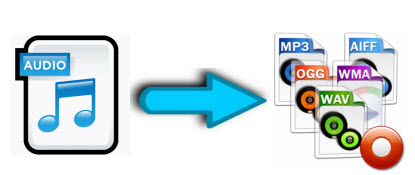
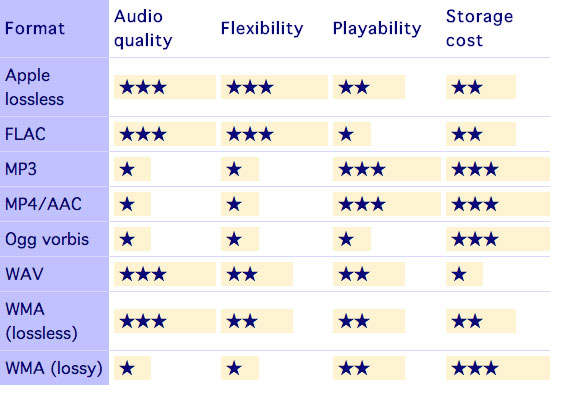
Common audio formats include MP3, WAV, FLAC, AAC, and WMA. In my experience, MP3 is the most widely compatible, like a universal key.
What are the most common video formats?
Common video formats include MP4, MOV, AVI, MKV, and WMV. MP4 is a popular choice due to its wide compatibility and efficient compression.
Why would I want to convert a video to a smaller file size?
Smaller files take up less storage space and are easier to share online. Think of it like packing a light suitcase instead of a heavy trunk.
Can I extract audio from a video?
Yes, most converters allow you to extract the audio track from a video file, saving it as a separate audio file, like taking the toy out of a cereal box.
How do I choose the right audio/video converter?
Consider factors like format support, conversion speed, ease of use, and any additional features you need.
What is bitrate?
Bitrate refers to the amount of data used per second in audio and video. A higher bitrate generally means better quality but larger file size.
What is resolution?
Resolution refers to the number of pixels in a video image. Higher resolution means a sharper image.
What is a codec?
A codec is a piece of software that encodes and decodes audio and video data. Think of it like a secret code for your media.
Why might a converted file lose quality?
Some conversion processes involve compression, which can slightly reduce the quality. Choosing the right settings can help minimize this.
What are some advanced tips for audio/video conversion?
Consider using batch conversion for multiple files, exploring presets for specific devices, and experimenting with custom settings for fine-tuning.



Comments:
Wow, this article cleared up so much for me! I’ve always been confused about different file formats. Thanks for explaining it so clearly! – TechNewbie
Great article! I’m a video editor and I’m always dealing with different formats. This was a helpful refresher. – FilmFanatic
I wish you had gone a little deeper into the technical aspects of codecs. Maybe a future article could cover that? – CodecNerd
Super helpful! I finally understand why my videos weren’t playing on my phone. Thanks for the tips! – MobileUser
This is the best explanation of audio and video conversion I’ve ever read. Simple and straightforward. – ClearExplanations
I have a question — what’s the best format for uploading videos to YouTube? – YouTuberWannabe
I agree, excellent article! I had no clue there were so many different file types, thought it was just mp4 lol – MusicLover22
I’m having trouble converting my old home movies to a digital format. Any advice? – MemoryKeeper
Hey man good info but maybe you can put like a video tutorial next time, would be epic. – VisualLearner
This stuff seems complicated, but you explained it really well! Thanks! – ConfusedNoMore